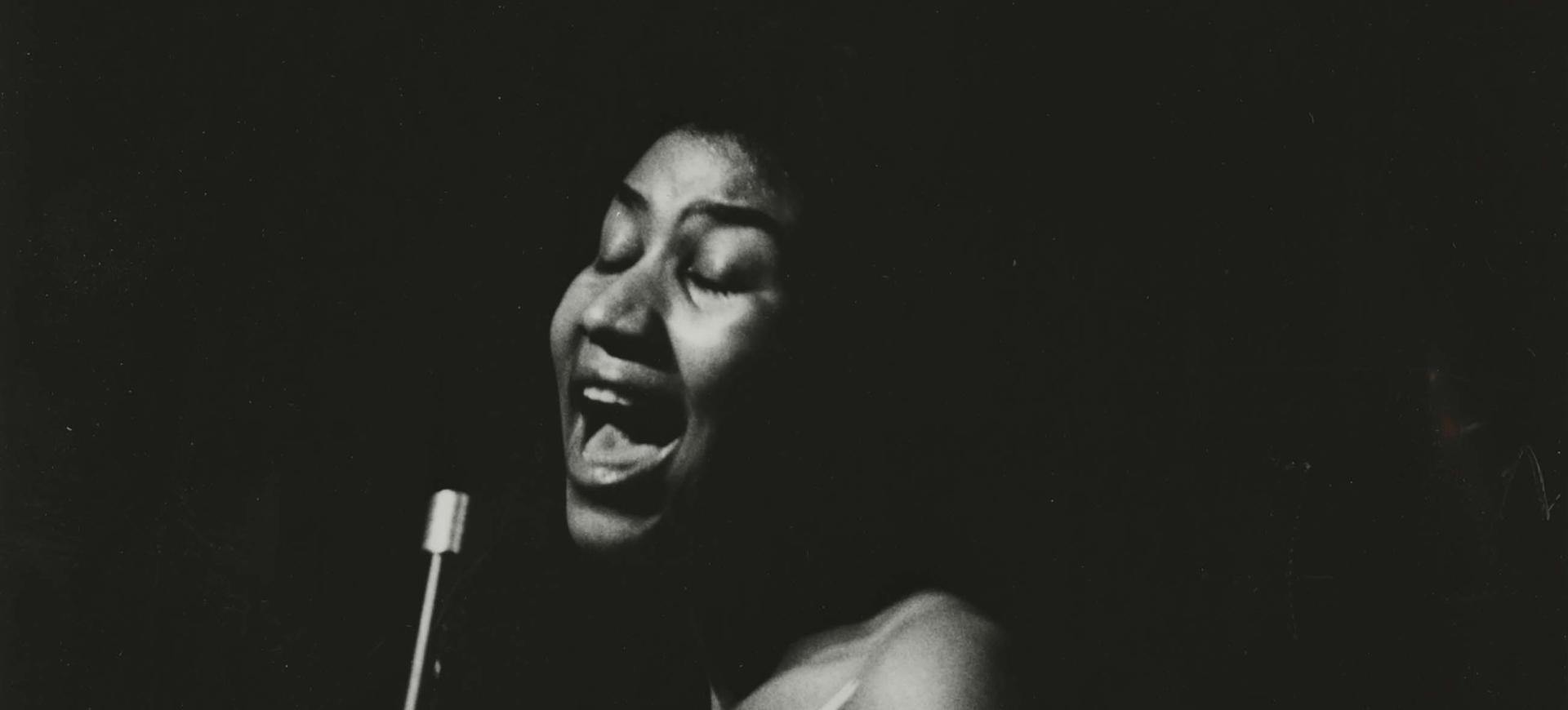
Aretha Franklin
Induction Year: 1987
Induction Category: Performer
Aretha Franklin (vocals, piano; born March 25, 1942)
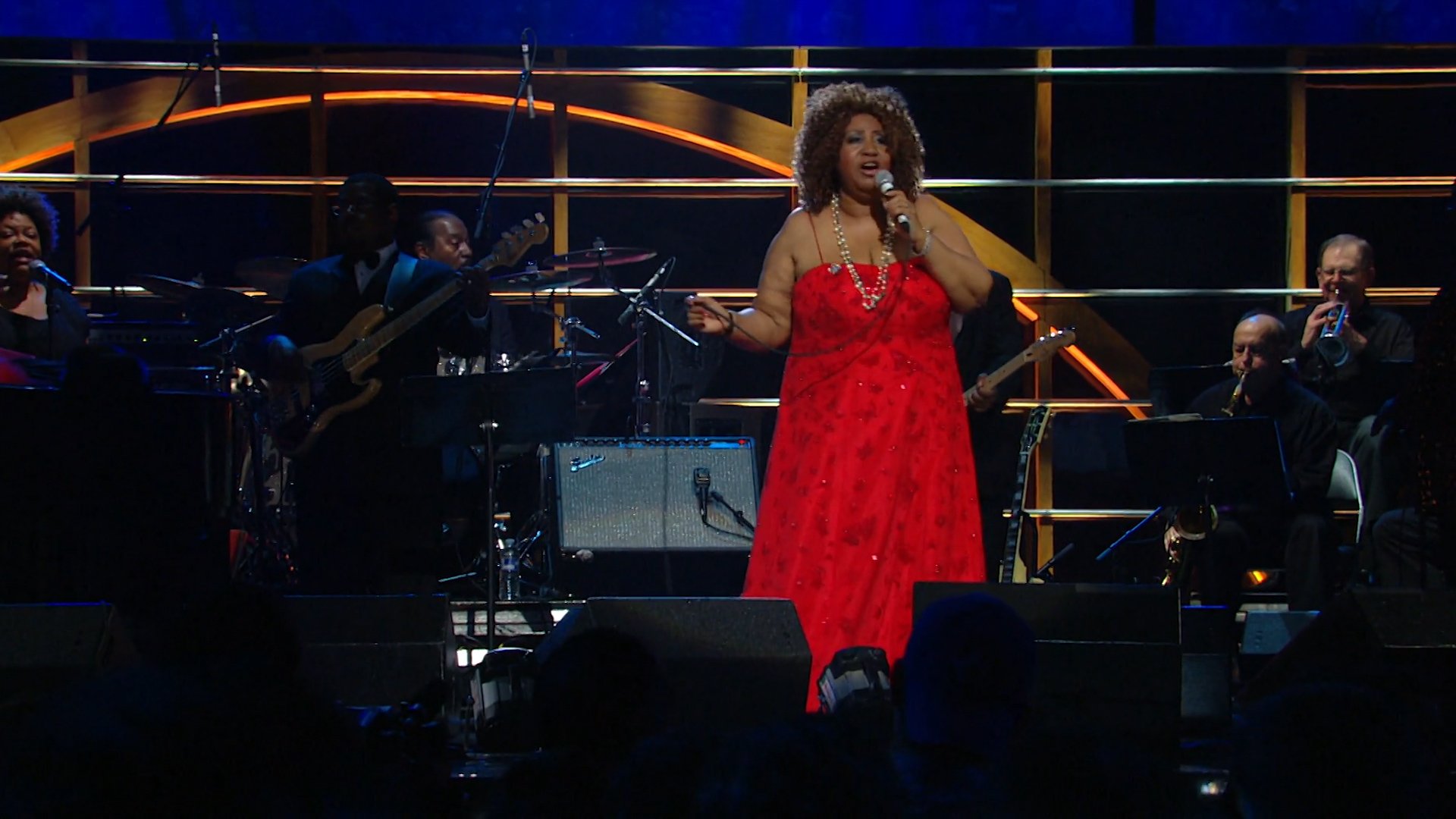
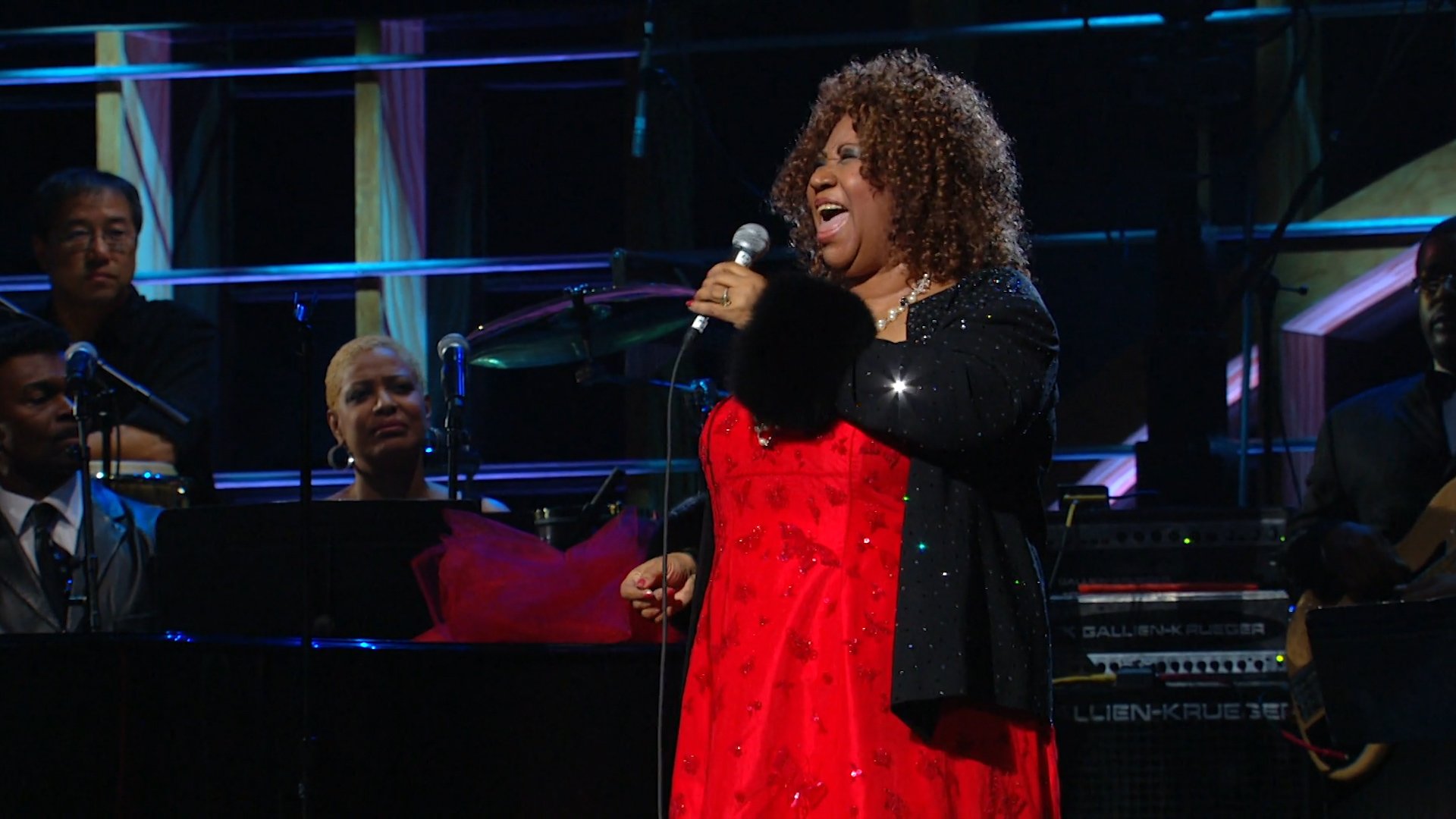
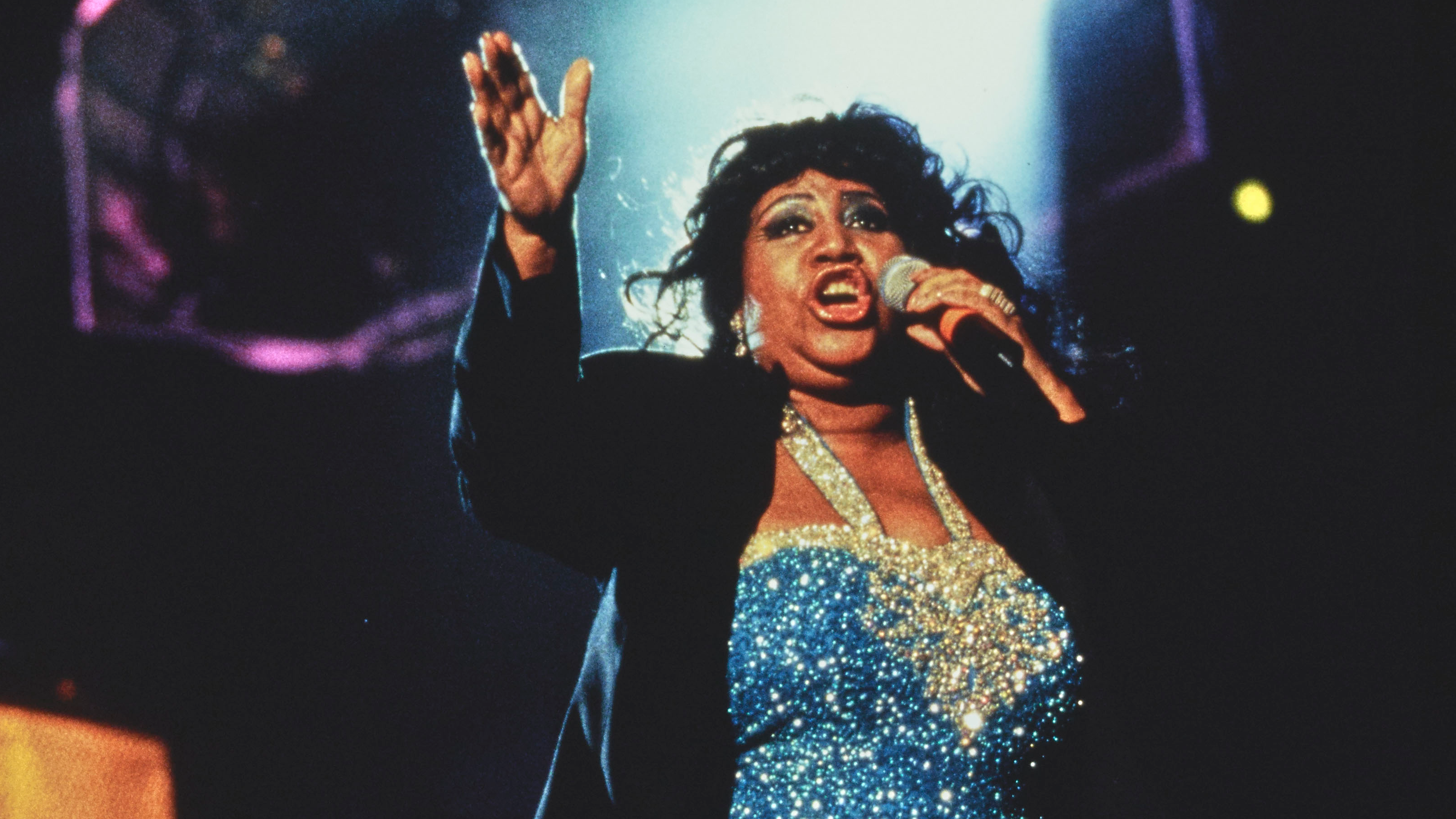
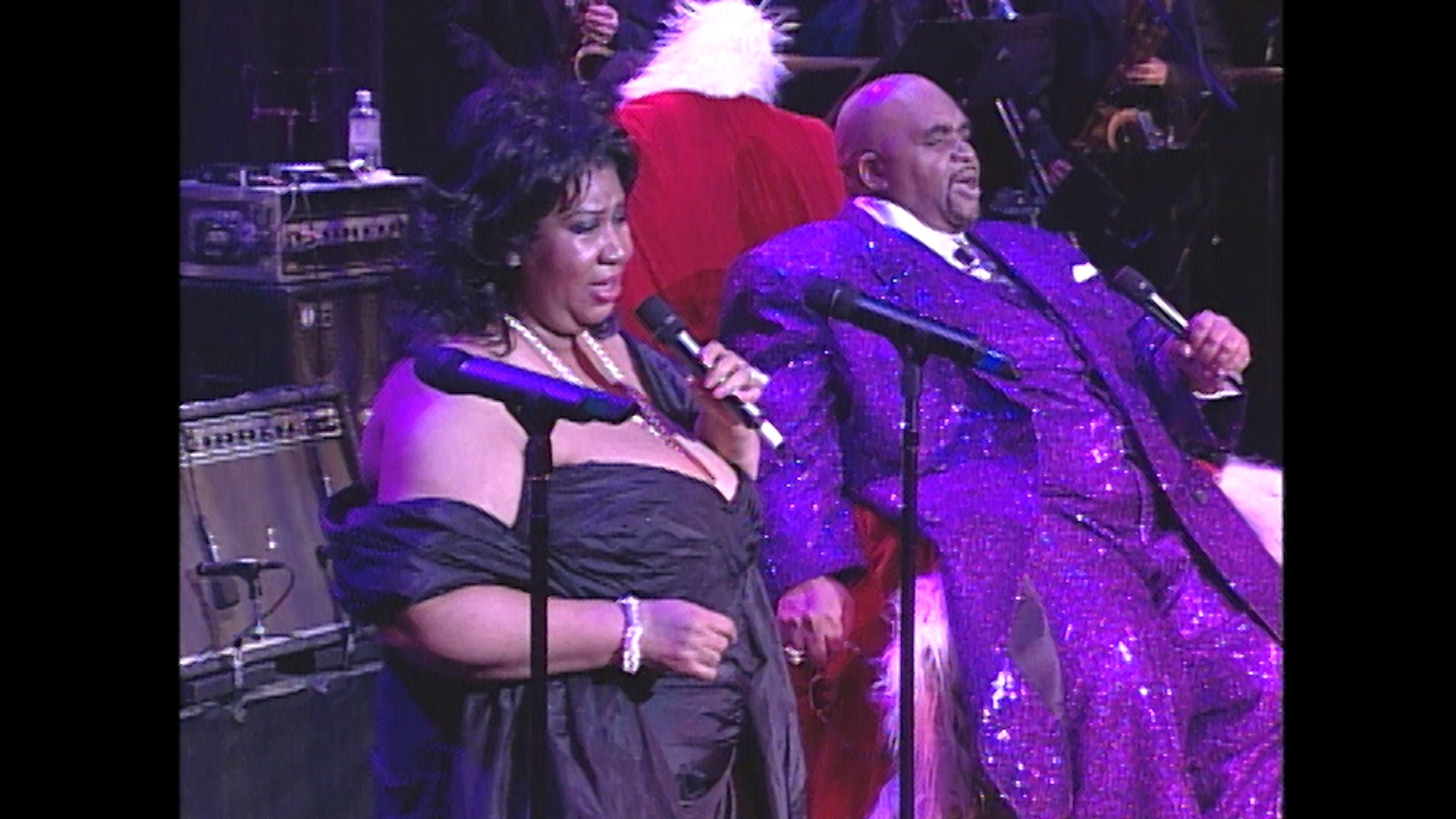
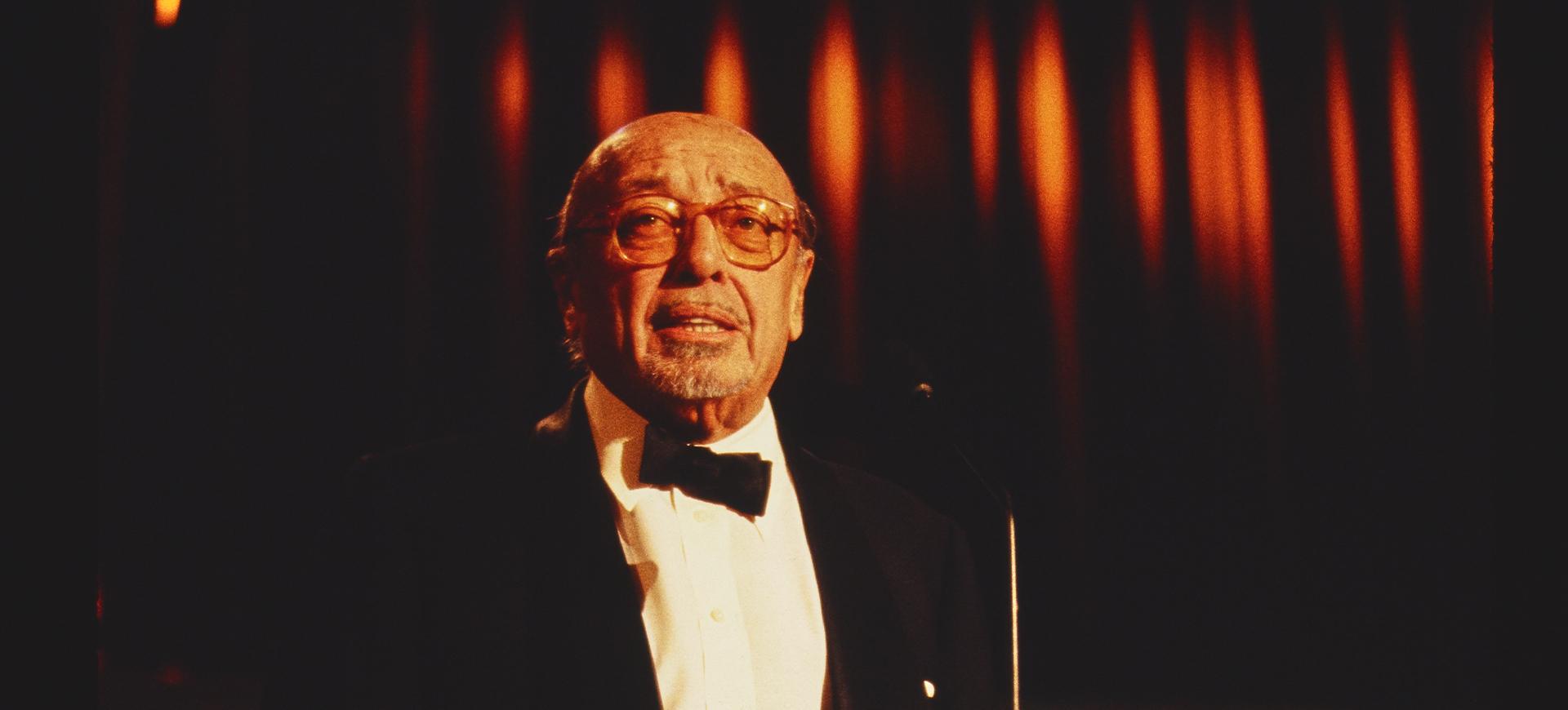
Aretha Franklin is the undisputed “Queen of Soul” and the first woman inducted into the Rock and Roll Hall of Fame. She is a singer of great passion and control whose finest recordings define the term soul music in all its deep, expressive glory. As Atlantic Records co-founder Ahmet Ertegun observed, “I don’t think there’s anybody I have known who possesses an instrument like hers and who has such a thorough background in gospel, the blues and the essential black-music idiom.…She is blessed with an extraordinary combination of remarkable urban sophistication and of the deep blues feeling that comes from the Delta. The result is maybe the greatest singer of our time.”
Franklin was born in Memphis and grew up in Detroit, where her father, Rev. C.L. Franklin, served as pastor at the New Bethel Baptist Church. One of the best-known religious orators of the day, Rev. Franklin was a friend and colleague of Martin Luther King. Aretha began singing church music at an early age, and recorded her first album, The Gospel Sound of Aretha Franklin, at fourteen. Her greatest influence was her aunt, Clara Ward, a renowned singer of sacred music. Beyond her family, Franklin drew from masters of the blues (Billie Holiday), jazz (Sarah Vaughn) and gospel (Mahalia Jackson), forging a contemporary synthesis that spoke to the younger generation in the new language of soul.
Aretha signed with Columbia Records in 1960 after A&R man John Hammond heard a demo she cut in New York. She remained at Columbia for six years, cutting ten albums that failed to fully tap into her capabilities. Paired with pop-minded producers, she dabbled in a variety of styles without finding her voice. Franklin was never averse to the idea of crossover music, being a connoisseur of pop and show tunes, but she needed to interpret them in her own uncompromising way. In Hammond’s words, “I cherish the albums we made together, but Columbia was a white company who misunderstood her genius.”
Jerry Wexler was waiting in the wings to sign Franklin when her contract with Columbia expired. With her switch to Atlantic in 1966, Aretha proceeded to revolutionize soul music with some of the genre’s greatest recordings. Her most productive period ran from 1967 through 1972. The revelations began with her first Atlantic single, “I Never Loved a Man (the Way I Loved You),” a smoldering performance that unleashed the full force of Franklin’s mezzo-soprano. Offering call-and-response background vocals on this and other tracks were Carolyn and Erma Franklin (Aretha’s sisters) and Cissy Houston.
Franklin’s greatest triumph - and an enduring milestone in popular music - was “Respect.” Her fervent reworking of the Otis Redding-penned number can now be viewed as an early volley in the women’s movement. It was the opening track on I Never Loved a Man the Way I Loved You, her classic first album for Atlantic. Other memorable tracks from this pivotal release are “Do Right Woman - Do Right Man,” “Dr. Feelgood” and her cover of “A Change Is Gonna Come,” Sam Cooke’s civil rights-era anthem. (Cooke had been a frequent visitor to the Franklin family’s household when Aretha was growing up.) According to The Rolling Stone Album Guide, I Never Loved a Man the Way I Loved You “may stand as the greatest single soul album of all time.”
Working closely with producer Jerry Wexler, engineer Tom Dowd and arranger Arif Mardin, Franklin followed her triumphant first album with recordings that furthered her claim to the title “Queen of Soul.” Her next three albums - Aretha Arrives (1967), Lady Soul (1968) and Aretha Now (1968) - included “Chain of Fools,” “Think,” “Baby, I Love You,” “Since You’ve Been Gone (Sweet Sweet Baby),” and a soulful rendering of Carole King’s “A Natural Woman.”
The Seventies brought continued success to Franklin. In the early years of that decade, she released such critically acclaimed albums as Spirit in the Dark (1970); Young, Gifted and Black (1972); Live at Fillmore West (1971); and Amazing Grace. The first two of these tapped into themes of black pride and feminine empowerment, while the latter - a double album that found her accompanied by James Cleveland and the Southern California Community Choir - brought her back to the church.
Her lengthy tenure with Atlantic came to an end in 1979 after twelve years and nineteen albums. In the Eighties she recorded everything from gospel to dance music for Arista Records, finding the upper reaches of the charts with “Freeway of Love” and “Who’s Zoomin’ Who.” In 1987 Franklin had the second Number One hit of her career - “I Knew You Were Waiting (for Me),” a duet with George Michael - which came exactly twenty years after she topped the chart with “Respect.” Aretha teamed up with Rolling Stone Keith Richard in 1986 for a version of “Jumpin’ Jack Flash” that appeared in the Whoopi Goldberg movie of the same name. She struck gold again in 1989 with “Through the Storm,” a duet with Elton John. Proving her durability, Franklin scaled the charts in 1998 with “A Rose Is Still a Rose,” written and produced by Lauryn Hill.
As a measure of her impact, Aretha Franklin has charted more Top Forty singles - forty-five in all, since 1961 - than any other female performer. The basis of her success has been communication.
“Music is my way of communicating that part of me I can get out front and share,” she told Essence magazine in 1973. “It’s what I have to give; my way of saying let’s find one another.”
TIMELINE
March 25, 1942: Aretha Louise Franklin is born in Memphis, Tennessee.
1956: The Gospel Sound of Aretha Franklin is released on the Detroit-based JVB Records. Recorded in church at age fourteen, it would be reissued thirty years later as Aretha Gospel.
August 1, 1960: Aretha Franklin records four demos in New York City, which lead to a contract with Columbia Records.
October 1960: The Great Aretha Franklin, the singer’s first album for Columbia - produced by John Hammond, who signed her to the label - is released.
November 20, 1961: Aretha Franklin dents the Top Forty with an old Al Jolsen tune, “Rock-A-Bye Your Baby with a Dixie Melody.” It will be her only hit in a six-year run with Columbia Records.
October 1965: Aretha Franklin’s last recording session for Columbia Records paves the way for her signing to Atlantic Records in 1966.
January 24, 1967: Aretha Franklin records “I Never Loved a Man (The Way I Love You),” the hit title track from her first album for Atlantic Records, at Fame Studio in Muscle Shoals, Alabama.
March 10, 1967: I Never Loved a Man the Way I Love You, by Aretha Franklin, is released. It will reach #2 and remain on Billboard’s album chart for 79 weeks.
June 3, 1967: “Respect,” Aretha Franklin’s definitive rendering of Otis Redding’s soul classic, tops both the pop chart for the first of two weeks and the R&B chart for the first of seven weeks.
August 4, 1967: Aretha Arrives, Aretha Franklin’s second album for Atlantic Records, is released.
January 2, 1968: Lady Soul, Aretha Franklin’s third album for Atlantic Records, is released.
February 29, 1968: Aretha Franklin wins a pair of Grammy Awards (her first) for “Respect.” That same month, her cover of Don Covay’s “Chain of Fools” goes to the top (#1 R&B, #2 pop).
April 27, 1971: Aretha Franklin’s gospel reworking of Simon and Garfunkel’s “Bridge Over Troubled Water” enters the charts. It will top the R&B chart for two weeks.
May 19, 1971: Aretha Franklin’s Live at the Fillmore, culled from a three-night stand at San Francisco’s Fillmore Auditorium, is released.
June 1, 1972: The release of Aretha Franklin’s Amazing Grace, recorded at the New Temple Missionary Baptist Church in Los Angeles, marks a return to the singer’s gospel roots.
March 1, 1975: Aretha Franklin’s version of “Ain’t Nothin’ Like the Real Thing” wins a Grammy Award in the “Best R&B Vocal Performance, Female” category. It is the tenth Grammy of her career.
September 6, 1979: La Diva, Aretha’s final album for Atlantic Records, is released, ending her twelve-year association with the label.
July 6, 1985: “Freeway of Love,” by Aretha Franklin, marks the soul diva’s return to the Top Ten for the first time in more than a decade.
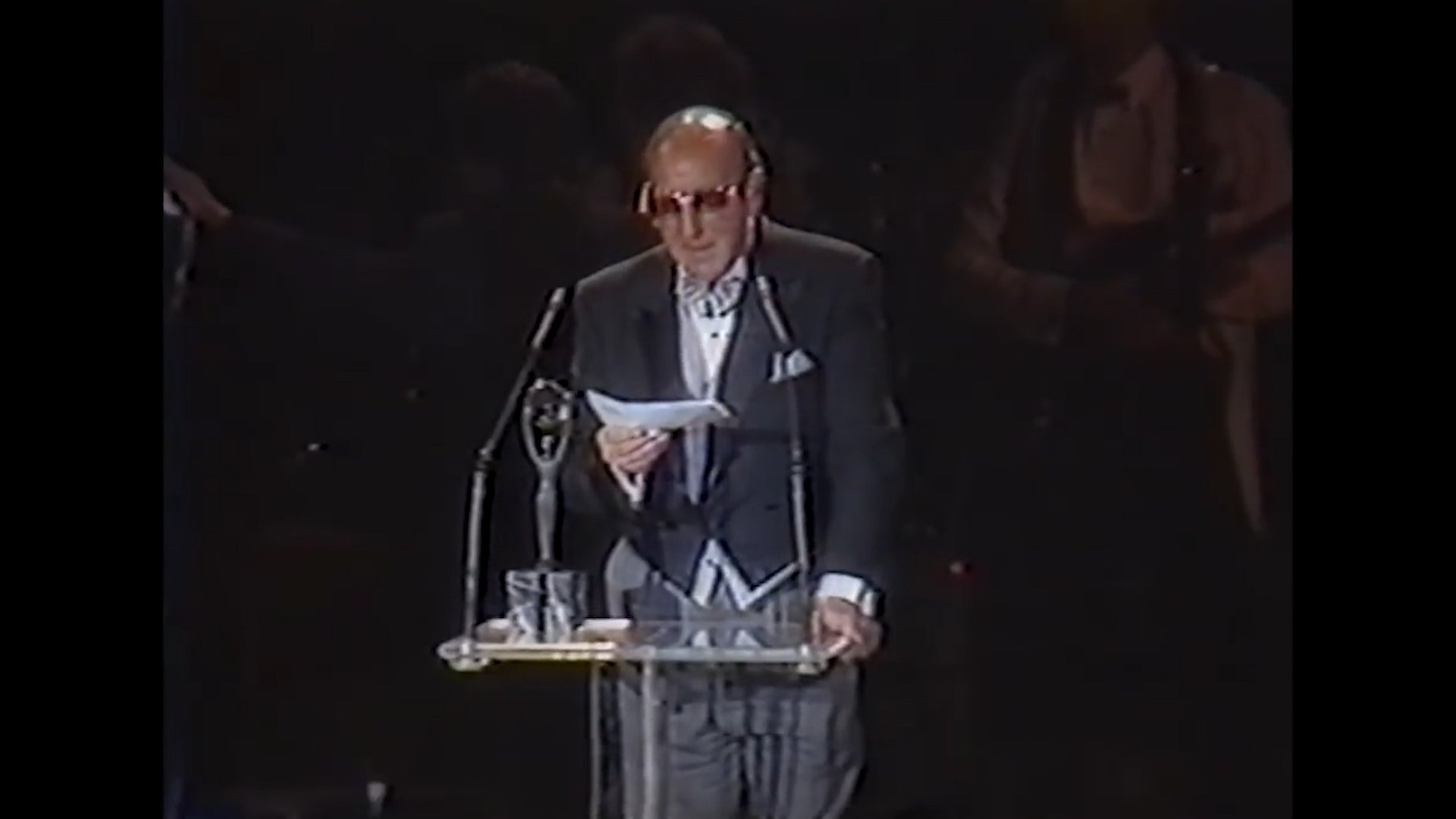
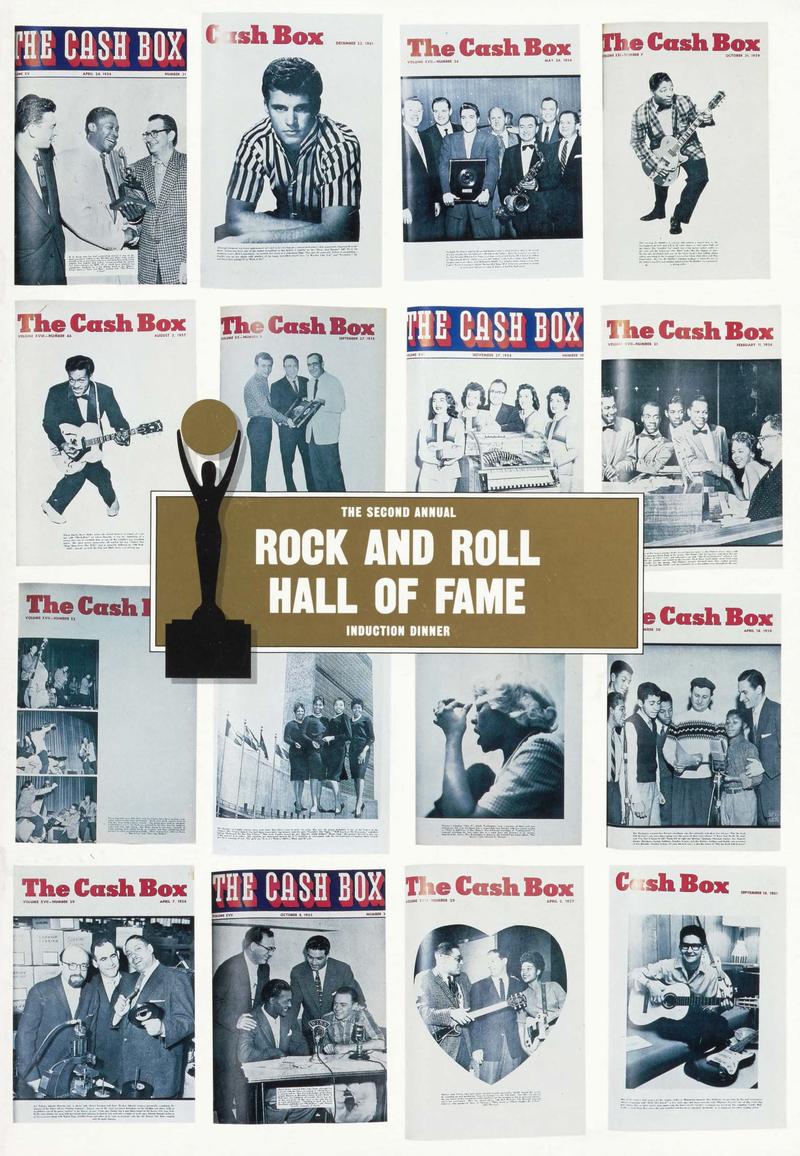
January 21, 1987: Aretha Franklin is inducted into the Rock and Roll Hall of Fame at the second annual induction dinner. Keith Richard is her presenter.
April 18, 1987: Aretha Franklin hits Number One for the second time in her career with “I Knew You Were Waiting (for Me),” a duet with George Michael.
March 2, 1988: Aretha Franklin wins Grammy Awards for Aretha (Best R&B Vocal Performance, Female) and “I Knew You Were Waiting (for Me)” (Best R&B Performance by a Duo or Group with Vocal).
February 22, 1989: One Lord, One Faith, One Baptism, by Aretha Franklin, wins a Grammy Award in the “Best Soul Gospel Album, Female” category.
February 26, 1992: Aretha Franklin receives a Lifetime Achievement Award at the Rhythm & Blues Foundation’s third annual Pioneer Awards.
September 18, 1992: Queen of Soul: The Atlantic Recordings, a four-disc collection of Aretha Franklin’s best work, is released on Rhino Records.
December 4, 1994: Aretha Franklin becomes the youngest recipient of the Kennedy Center Honors at age fifty-two.
February 8, 1997: Aretha Franklin is inducted into the NAACP’s Hall of Fame at the annual Image Awards.
May 2, 1998: Peaking at #26, “A Rose Is Still a Rose” becomes a late-Nineties hit for Aretha Franklin, who’s now charted singles in four consecutive decades.
Essential Recordings
Respect
I Never Loved a Man (The Way I Love You)
Chain of Fools
Baby, I Love You
Think
Rock Steady
(Sweet Sweet Baby) Since You’ve Been Gone
Do Right Woman - Do Right Man
Spirit in the Dark
Amazing Grace
Recommended Reading
The Queen of Soul
Mark Bego. New York: St. Martin’s Press, 1989.
Queen of Soul: The Atlantic Recordings
Aretha Franklin. Rhino/Atlantic Records. (Note: An 80-page booklet accompanying the set includes biographical essays and a discography.)
“Baby, I Know: Reassessing Aretha.”
Chris Hodenfield. Rolling Stone (May 23, 1974): 62-68.
“Aretha Franklin: Heart and Soul Indivisible.”
Debbie Kellom. Goldmine (March 10, 1989): 8-16.
Rhythm & the Blues: A Life in American Music
Jerry Wexler and David Ritz. New York: Alfred A. Knopf, 1993.