Rock and Roll Hall of Fame and Museum

B.B. King

Induction Year: 1987

Induction Category: Performer


B.B. King (guitar, vocals; born September 16, 1925)

Riley “B.B.” King has been called the “King of the Blues” and “Ambassador of the Blues,” and indeed he’s reigned across the decades as the genre’s most recognizable and influential artist. His half-century of success owes much to his hard work as a touring musician who consistently logged between 200 and 300 shows a year. Through it all he’s remained faithful to the blues while keeping abreast of contemporary trends and deftly incorporating other favored forms - jazz and pop, for instance - into his musical overview. Much like such colleagues and contemporaries as and , B.B. King managed to change with the changing times while adhering to his blues roots.

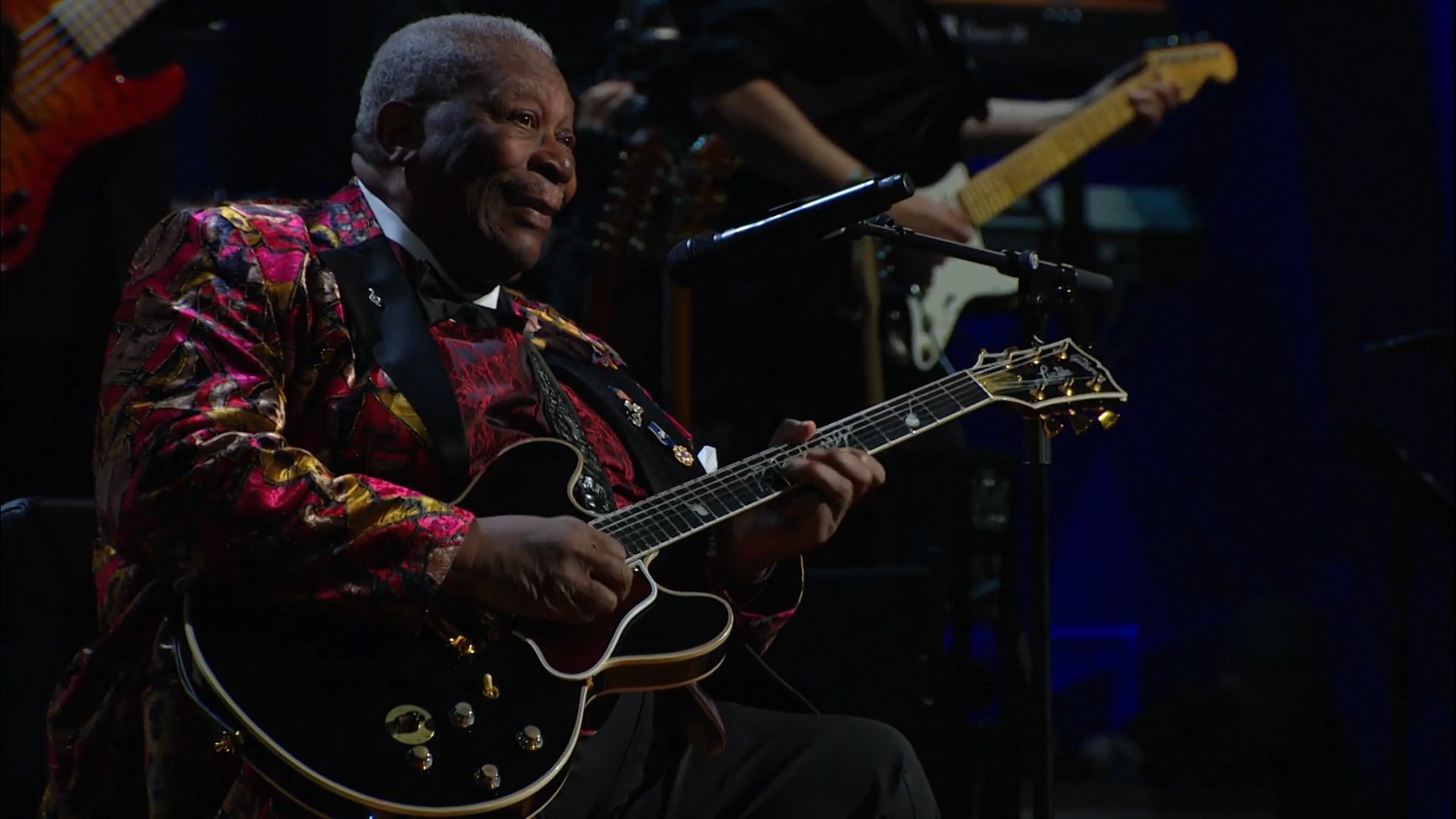
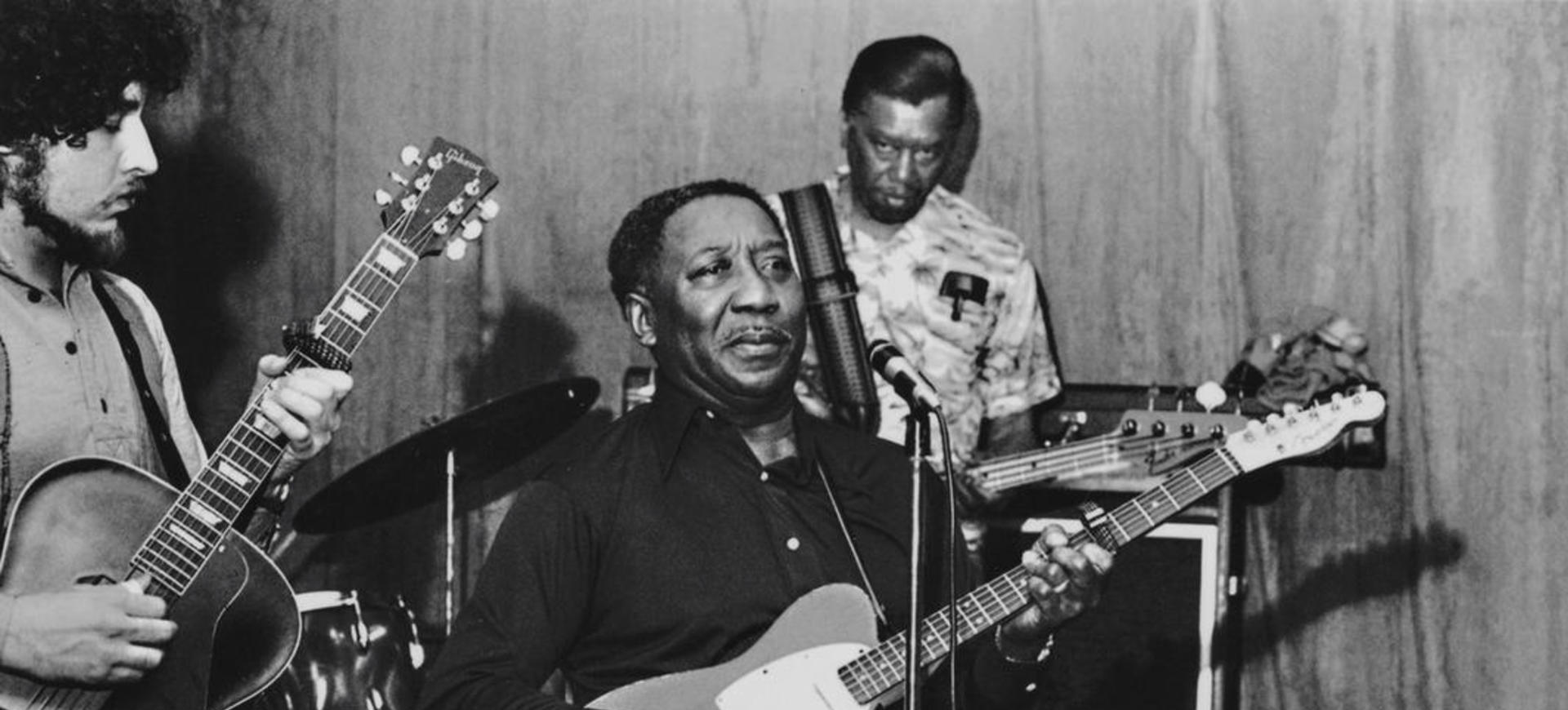
As a guitarist, King is best-known for his single-note solos, played on a hollowbody Gibson guitar. King’s unique tone is velvety and regal, with a discernible sting. He’s known for his trilling vibrato, wicked string bends, and a judicious approach that makes every note count. Back in the early days, King nicknamed his guitar “Lucille,” as if it were a woman with whom he was having a dialogue. In fact, King regards his guitar as an extension of his voice (and vice versa). “The minute I stop singing orally,” King has noted, “I start to sing by playing Lucille.”

There have been many Lucilles over the years, and Gibson has even marketed a namesake model with King’s approval. King selected the name in the mid-Fifties after rescuing his guitar from a nightclub fire started by two men arguing over a woman. Her name? Lucille.

King doesn’t play chords or slide; instead, he bends individual strings till the notes seem to cry. His style reflects his upbringing in the Mississippi Delta and coming of age in Memphis. Seminal early influences included such bluesmen as (whose “Stormy Monday,” King has said, is “what really started me to play the blues”), Lonnie Johnson, Sonny Boy Williamson and Bukka White. A cousin of King’s, White schooled the fledgling guitarist in the idiom when he moved to Memphis. King also admired jazz guitarists and Django Reinhart. Horns have played a big part in King’s music, and he’s successfully combined jazz and blues in a big-band context.
“I’ve always felt that there’s nothing wrong with listening to and trying to learn more,” King has said. “You just can’t stay in the same groove all the time.” This willingness to explore and grow explains King’s popularity across five decades in a wide variety of venues, from funky juke joints to posh Las Vegas lounges.

More than any other musician of the postwar era, King brought the blues from the margins to the mainstream. His influence on a generation of rock and blues guitarists - including , Mike Bloomfield and Stevie Ray Vaughan - has been inestimable. “We don’t play rock and roll,” he said in 1957. “Our music is blues, straight from the Delta.” Yet without formally crossing into rock and roll, King forged an awareness of blues within the rock realm, particularly in the Sixties and Seventies.
Born on a cotton plantation in tiny Itta Bena, Mississippi, in 1925, King moved to Memphis, Tennessee in his early twenties with the intention of making his living playing the blues. He landed a regular spot as a deejay and performer on radio station WDIA, where he became known as the Beale Street Blues Boy (hence, “B.B."). King also built a reputation as a hot guitarist at the Beale Street blues clubs, performing with a loose-knit group known as the Beale Streeters. This group included vocalist , a longtime peer and collaborator.

King began recording in 1949 and signed with West Coast record man Jules Bihari a year later. He would record prolifically for the Bihari brothers’ labels - RPM, Kent and Crown - through 1962. King’s first hit, “Three O’Clock Blues,” topped the rhythm & blues chart for five weeks in 1951. Other classics cut by King in the Fifties include “Sweet Black Angel,” “Rock Me Baby,” “Every Day I Have the Blues” and three more R&B chart-toppers: “You Know I Love You,” “Please Love Me” and “You Upset Me Baby.”
Dissatisfied with royalty rates and songwriting credits, King signed with ABC-Paramount in the early Sixties, when his contract with the Biharis expired. At that time, ABC was cultivating a stable of black artists that included , and . They paired King with an arranger, and his studio records took on a more polished, sophisticated and eclectic tone. Pushing the blues in new directions, King was rewarded with such breakthrough hits as “The Thrill Is Gone,” which featured his soulful voice and guitar over a backdrop of strings. He also cut raw, energetic concert LPs - Live at the Regal (1965) and Live at Cook County Jail (1971) - that are classics of the genre.

Live at the Regal, recorded before a lively crowd at a black Chicago nightspot of longstanding, is the perfect match between performer and audience, with the latter’s enthusiasm fuelling the former’s fire. Other highlights of his lengthy tenure at ABC include a pair of mid-Seventies live albums with and Midnight Believer, a jazzy collaboration with the Crusaders. Blues purists treasure such back-to-the-roots efforts as Lucille Talks Back (1975) and Blues ‘n’ Jazz (1983). Favorites of rock fans include Indianola Mississippi Seeds (1970), which found King joined by Leon Russell, Joe Walsh and Carole King; B.B. King in London (1971), made with a host of British rock musicians; and Riding With the King (2000), a collaboration with . King won Grammy Awards for Best Traditional Blues Recording for Live at the Apollo (1991) and Blues Summit (1993).

Through it all, King has toured as prolifically as any performer in history. The road has been him home since the mid-Fifties. He reportedly performed 342 shows one year, and he’d average more than 200 shows annually even into his seventies. Each June he sets aside a few weeks for himself, going back to Indianola for what he calls “the Mississippi Homecoming.”

At the start of his career, King’s reach didn’t extend beyond the network of clubs and juke joints known as the chitlin’ circuit. Somewhat prophetically he noted, “We don’t play for white people…. I’m not saying we won’t play for whites, because I don’t know what the future holds. Records are funny. You aim them for the colored market, then suddenly the white folks like them, then wham, you’ve got whites at your dances.”

Sure enough, in the mid-Sixties, King’s hard work, musical genius, affable persona and revered stature among rock icons broadened his base of support to include a new audience of white listeners who tuned into the blues and stuck with King for the long haul. King came to the attention of yet another generation of younger listeners when he recorded “When Love Comes to Town” in 1988 with for their Rattle and Hum album and movie.

“B.B. King’s achievement has been to take the primordial music he heard as a kid, mix and match it with a bewildering variety of other musics, and bring it all into the digital age,” Colin Escott wrote in his essay for the King of the Blues box set. “There will probably never be another musical journey comparable to [King’s].”

The final word belongs to King himself, testifying on the healing quality of the genre he embodies. “I’m trying to get people to see that we are our brother’s keeper,” King has said. “Red, white, black, brown or yellow, rich or poor, we all have the blues.”

TIMELINE

September 16, 1925: Riley B. King (a.k.a. B.B. King) is born in Itta Bena, Mississippi.

1946: B.B. King moves to Memphis, taking a job at a factory where his cousin, bluesman Bukka White, works.

1948: B.B. King performs on Sonny Boy Williamson’s show on radio station KWEM, which leads to a steady gig at Sixteenth Avenue Grill in West Memphis.

1949: B.B. King records for the first time, cutting four songs (including his debut single, “Miss Martha King”) at Memphis radio station WDIA, where he works as a performer and deejay.

1950: On a trip to Memphis, West Coast record man Jules Bihari signs B.B. King, who will record prolifically for the Bihari brothers’ RPM, Kent and Crown labels over the next decade.

December 29, 1951: B.B. King’s first hit, a version of Lowell Fulsom’s “Three O’Clock Blues,” enters the R&B chart, which it will top for five weeks.

November 6, 1954: “You Upset me Baby,” by B.B. King, enters the R&B chart. It will be his fourth and final single to reach Number One.

December 1961: B.B. King signs with ABC-Paramount Records, for which he’ll begin recording after fulfilling contractual obligations to the Bihari brothers’ RPM, Kent and Crown labels.

June 13, 1964: B.B. King’s self-penned “Rock Me Baby” enters the Top Forty, where it will peak at #34.

November 21, 1964: B.B. King records a performance at a nightclub on Chicago’s Southside, yielding the classic blues album Live at the Regal.

1967: B.B. King performs at the Montreux Jazz Festival, the Newport Folk Festival and San Francisco’s Fillmore West, exposing the rising blues legend to jazz, folk and rock audiences.

April 6, 1968: “Paying the Cost to Be the Boss,” one of B.B. King’s signature songs, enters the R&B chart, where it will reach #10.

November 7, 1969: B.B. King opens the first of eighteen dates for on the British group’s sixth U.S. tour.

January 3, 1970: “The Thrill Is Gone,” by B.B. King, enters the singles chart, where it will peak at #3 R&B and #15 pop. It will earn King a Grammy for Best Rhythm & Blues Vocal Performance, Male

May 1970: B.B. King begins recording Indianola Mississippi Seeds, an album that finds him backed by rock musicians, furthering his crossover appeal.

September 10, 1970: B.B. King plays for prisoners at Chicago’s Cook County Jail. The show is released in 1971 as Live in Cook County Jail.

December 15, 1973: “I Like to Live the Love,” B.B. King’s last Top Ten R&B hit, enters the singles charts, where it will peak at #10 R&B and #28 pop.

October 1974: Together for the First Time…Live, the first of two live albums uniting B.B. King with , is released. It will become the first gold album for both artists.

July 31, 1976: B.B. King and ’s collaboration on the New Orleans standard “Let the Good Times Roll” enters the R&B chart, where it will peak at #20.

1977: B.B. King is awarded an honorary doctorate in music from Yale University. He will receive a similar honor from Boston’s Berklee School of music in 1982.

1979: B.B. King tours Russia, performing twenty-seven concerts in thirty cities, furthering his reputation as America’s “Ambassador of the Blues.”

February 1980: B.B. King is inducted into the first class of the Blues Foundation Hall of Fame.

June 1983: B.B. King releases Blues ‘n’ Jazz, a back-to-basics album that will win a Grammy for Best Blues Recording.

September 16, 1985: B.B. King turns sixty, marking the event with the release of his fiftieth album, Six Silver Strings.

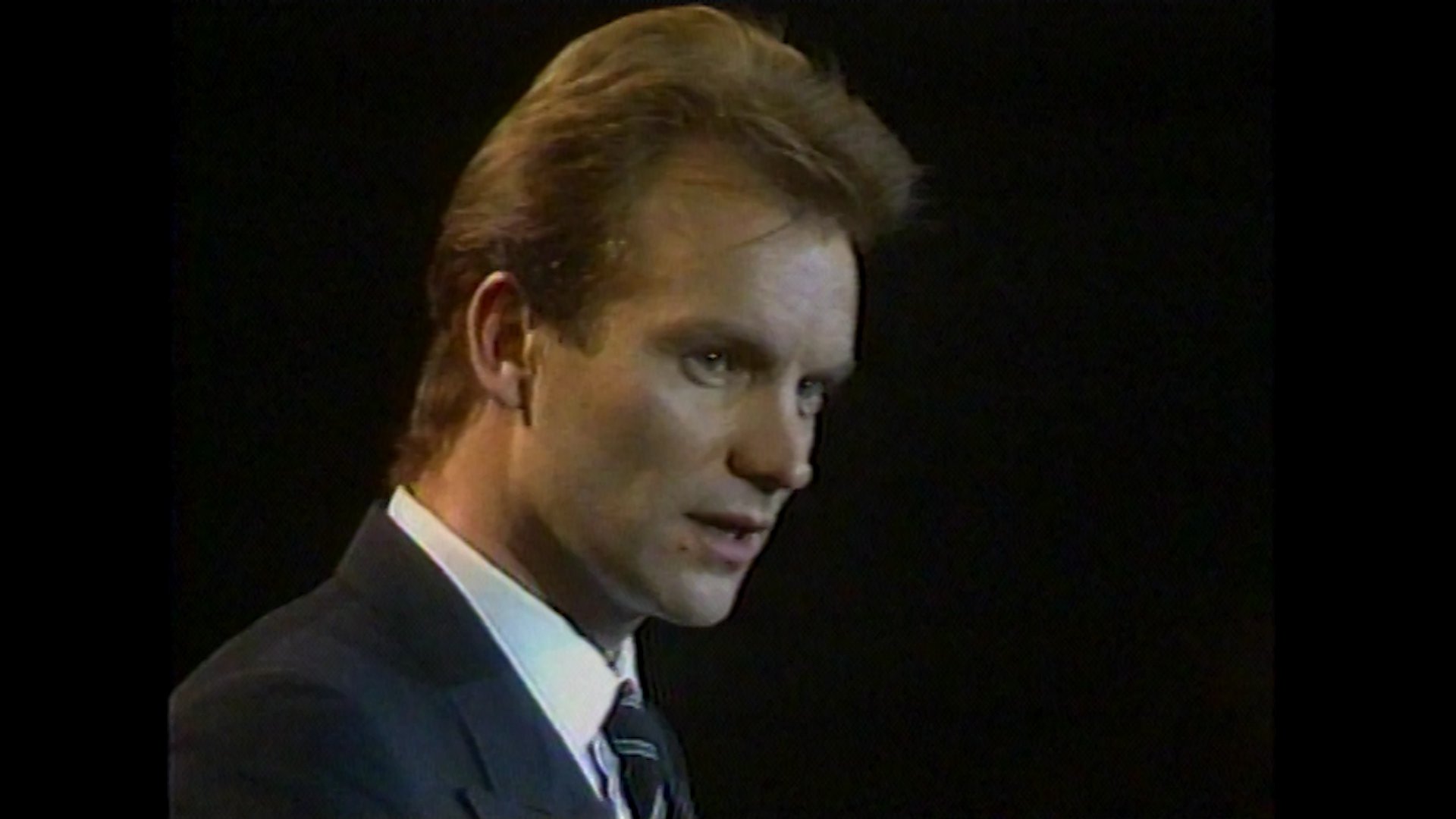
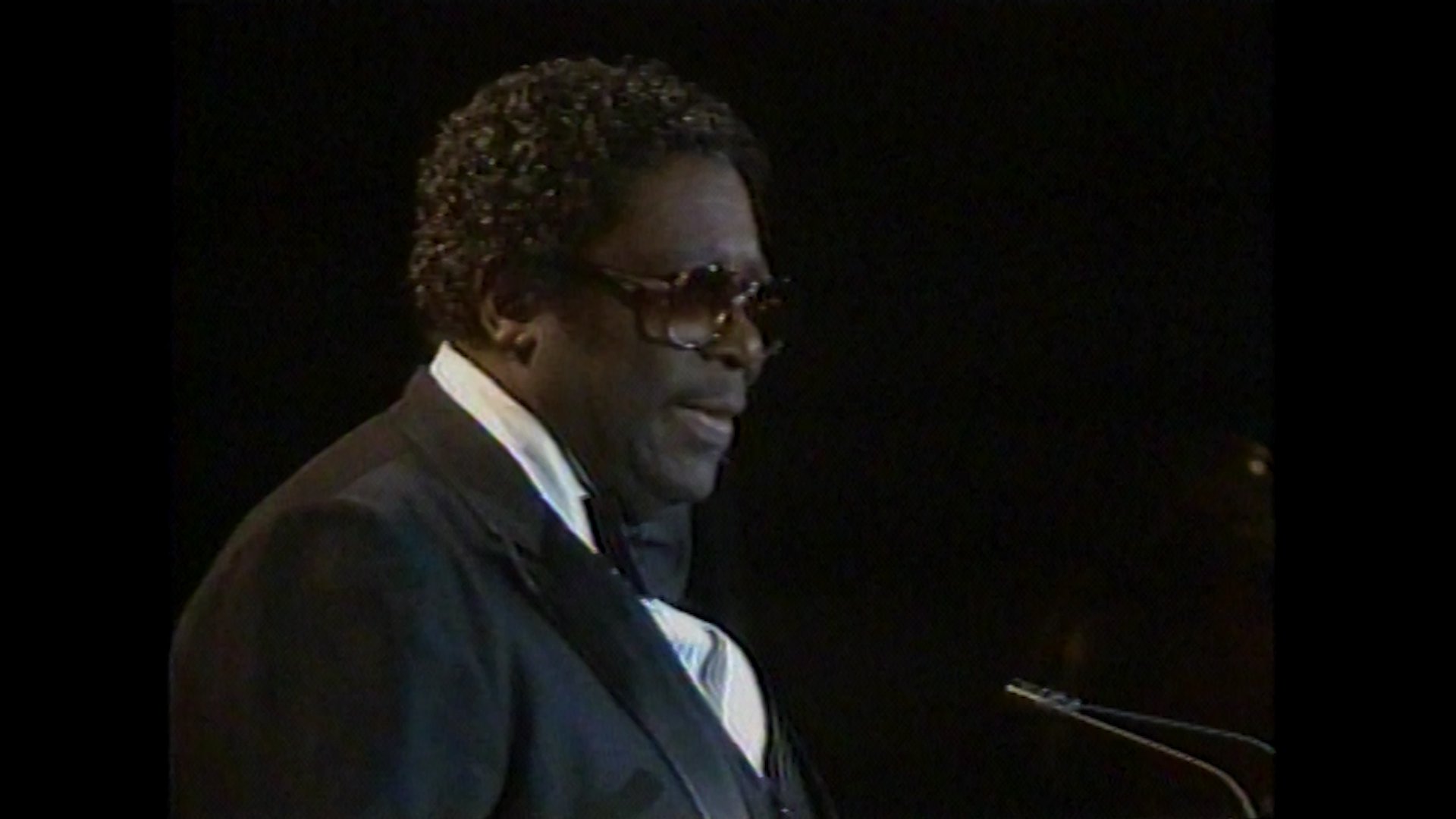
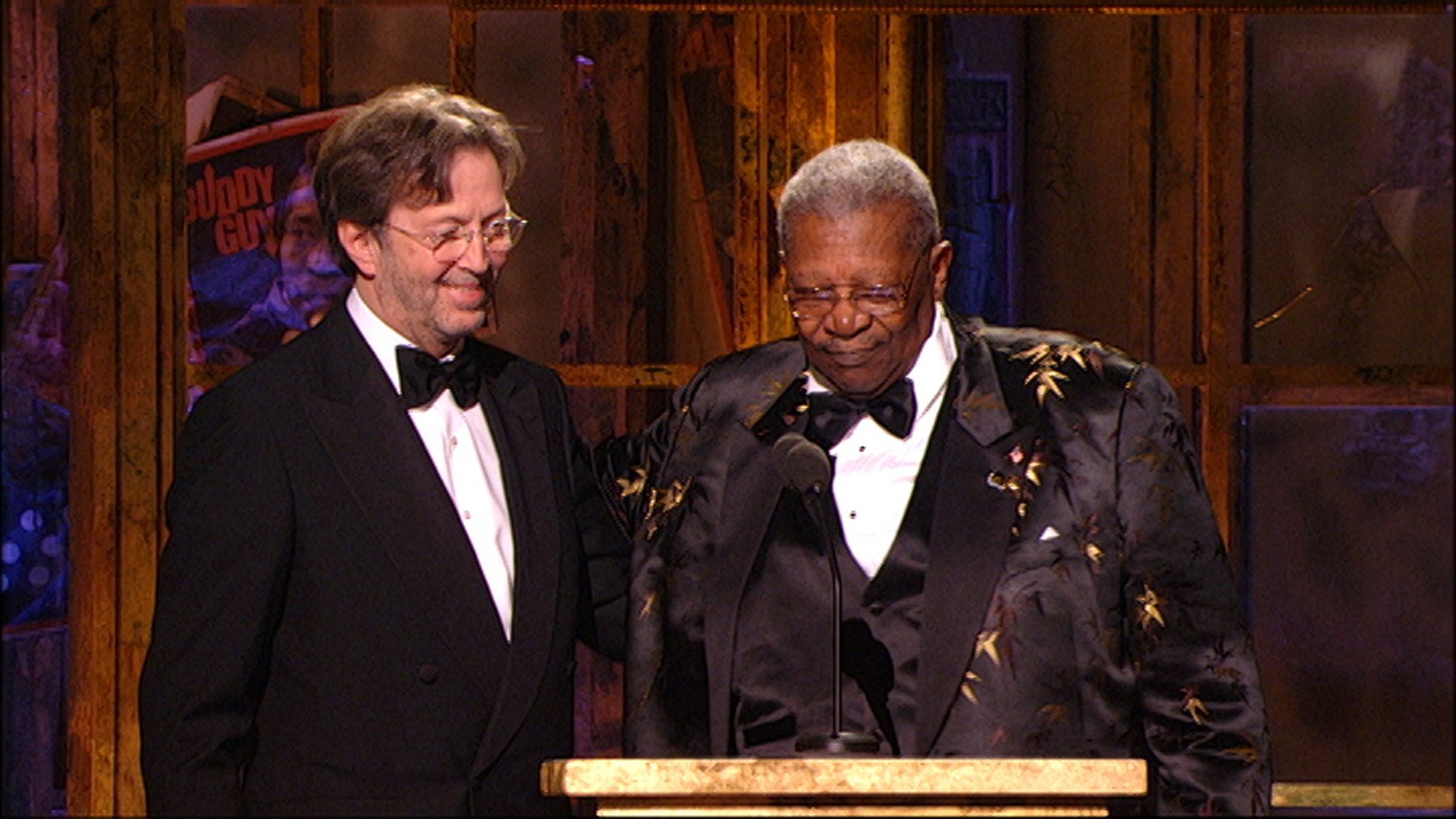
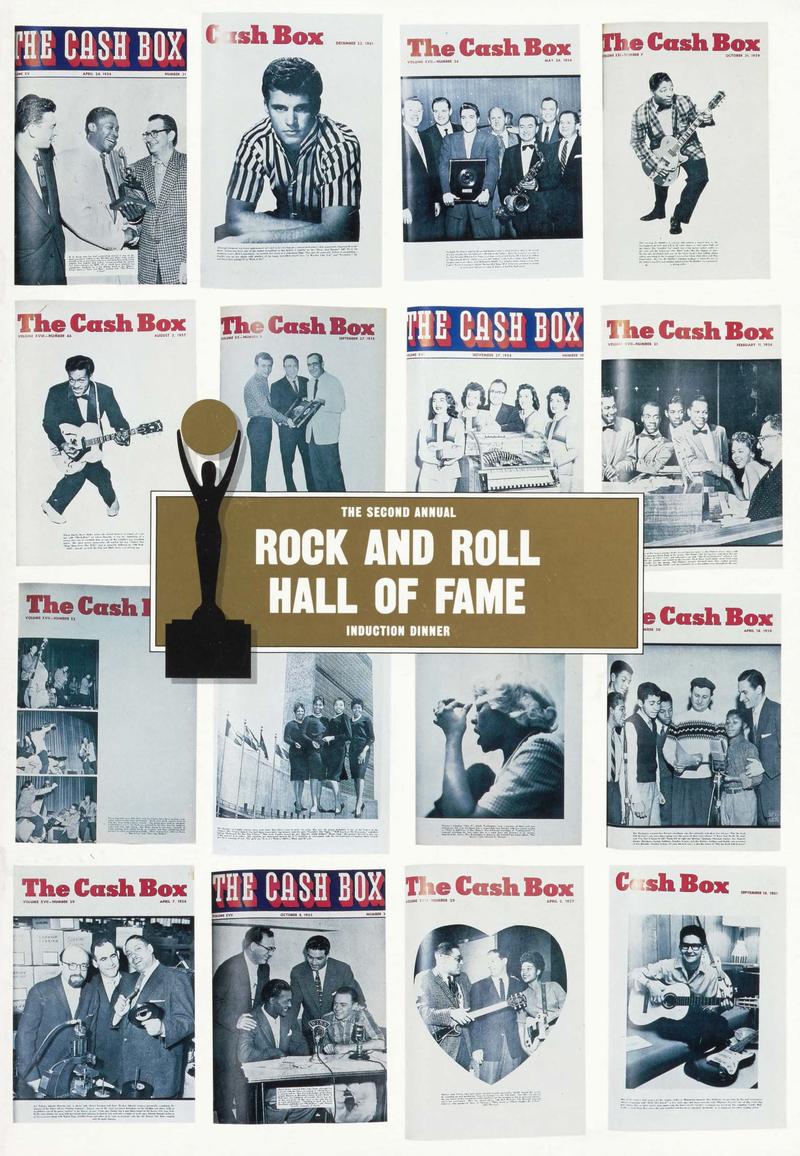
January 21, 1987: B.B. King is inducted into the Rock and Roll Hall of Fame at the second annual induction dinner. Sting is his presenter.

April 15, 1987: B.B. King: A Night of Red Hot Blues is taped for broadcast on HBO at Ebony Showcase Theater in Los Angeles. King is joined by Phil Collins, Stevie Ray Vaughan, Albert King, Paul Butterfield, Dr. John, , and more.

March 2, 1988: B.B. King receives the Lifetime Achievement Award from the National Academy of Recording Arts and Sciences at the 30th annual Grammy Awards in Los Angeles.

September 6,1989: “When Love Comes to Town,” by and B.B. King, wins Best Video from Film at the MTV Video Awards. Written for King by ’s Bono, it appeared on the Irish group’s feature film and double album Rattle & Hum.

August 1990: B.B. King releases Live at San Quentin, his fifth live album and second cut at a correctional facility. King has performed sixty prison concerts in his career and is cofounder of the Foundation for the Advancement of Inmate Recreation and Rehabilitation (FAIRR).

1991: B.B. King receives the National Heritage Fellowship from the National Endowment of the Arts.

May 3, 1991: B.B. King’s Memphis Blues Club opens in the city where the blues legend launched his career. King will open another club in Los Angeles in 1994.

February 25, 1992: B.B. King’s Live at the Apollo, a big-band album released the previous year, wins a Grammy Award for Best Traditional Blues Recording.

October 13, 1992: King of the Blues, a four-disc box set documenting B.B. King’s career, is released on MCA Records.

March 1, 1994: B.B. King’s Blues Summit - which finds him joined by , , , Albert Collins and more - wins a Grammy Award for Best Traditional Blues Recording.

December 3, 1995: In the same year he turned seventy, B.B. King is honored at the 18th annual Kennedy Center Honors in Washington, D.C.

November 4, 1997: B.B. King releases Deuces Wild, an album of collaborations with , , , Dr. John and Willie Nelson. It will become King’s second gold album.

June 14, 1998: The U.S. government designates B.B. King its “Ambassador of Music,” under which title he’ll represent America at the World Expo in Lisbon, Portugal.

May 18, 2000: B.B. King and ’s collaborative Riding With the King (coproduced by Clapton) is released. It will become King’s first platinum album.

June 10, 2003: B.B. King releases Reflections, a genre-bridging album of pop, country, jazz and blues standards, including three chestnuts.

February 15, 2005: The state of Mississippi celebrates “B.B. King Day. A decree of the State House and Senate reads: “No matter where he appears in the world, B.B. King is a proud ambassador of his home state, and Mississippi is even prouder of this native son.”

Essential Songs

The Thrill Is Gone
Rock Me Baby
Every Day I Have the Blues
How Blue Can You Get
Sweet Little Angel
Paying the Cost to Be the Boss
Why I Sing the Blues
Woke Up This Morning
Sweet Sixteen
Three O’Clock Blues

Recommended Reading

“B.B. King: An Appreciation of the Fortunate Son.”
Colin Escott. Goldmine (April 29, 1994): 14-30.

“B.B.”
John Greenwald. Rolling Stone (October 29, 1970): 36-38.

King of the Blues.
B.B. King MCA, 1992. (Note: The 72-page booklet accompanying this box set includes biographical essays and discographical information.)

Blues All Around Me
B.B. King, with David Ritz. New York: Avon, 1996.

The Arrival of B.B. King
Charles Sawyer. New York: Doubleday, 1980.

“Mississippi Homecoming.”
Fred Schruers. Rolling Stone (November 30, 1989): 87-92+.


Little Richard's Black Jacket With Appliques

Photo by Design Photography