Rock and Roll Hall of Fame and Museum

Bill Black

Induction Year: 2009

Induction Category: Sidemen

Bill Black (bass; born September 17, 1926, died October 21, 1965)

Bill Black was a participant in an event that many consider to mark the birth of rock and roll: the recording of ’s first single for Sun Records on July 5th, 1954. On that day, Presley – along with bassist Black, guitarist – spontaneously broke into a rocking arrangement for “That’s All Right,” a blues song by Arthur “Big Boy” Crudup. Black slapped the bass strings, providing the rhythm to go along with the blues, and the chemistry between the three musicians helped launch Presley’s career and the rock and roll revolution. The flip side, a rollicking cover of Bill Monroe’s “Blue Moon of Kentucky,” came from Black, who began playing it as Elvis and the others fell in. ’s singles for Sun were jointly credited to “, Scotty and Bill.” Later, Elvis’s sidemen were renamed “the Blue Moon Boys.”

At the time, Moore and Black were both members of a hillbilly band called the Starlite Wranglers. Moore had made contact with , owner of Sun Recording Studio, and Phillips thought of him when he wanted to test out Presley as a singer. Though he didn’t bowl over either Moore or Black at an impromptu audition at Moore’s home in Memphis, Phillips wanted to hear how the three of them would sound on tape – and the rest is history.

Black remained with Presley through 1958. During these years, Presley went from reserved truck driver to charismatic “Hillbilly Cat” to hip-swiveling superstar. All the while, Black’s string-popping bass and infectious personality were on display wherever Presley played, from small-time shows all over the South to the breakthrough TV appearances following Presley’s signing to RCA. Black’s bass was an important element in the skeletal arrangement of “Heartbreak Hotel,” Elvis’s first single for RCA. Black switched from standup bass to electric bass at the 1957 session for “Jailhouse Rock,” making him one of the first to play a Fender Precision on a rock and roll recording

Black and Moore first parted ways with Elvis in September 1957 over disagreements about money. They had been put on a modest salary – by Col. Tom Parker, Presley’s manager - while Elvis’s income was skyrocketing. For a two-week period, they were out of the band and Elvis looked for replacements, but both sides relented and they were rehired at a higher per diem.

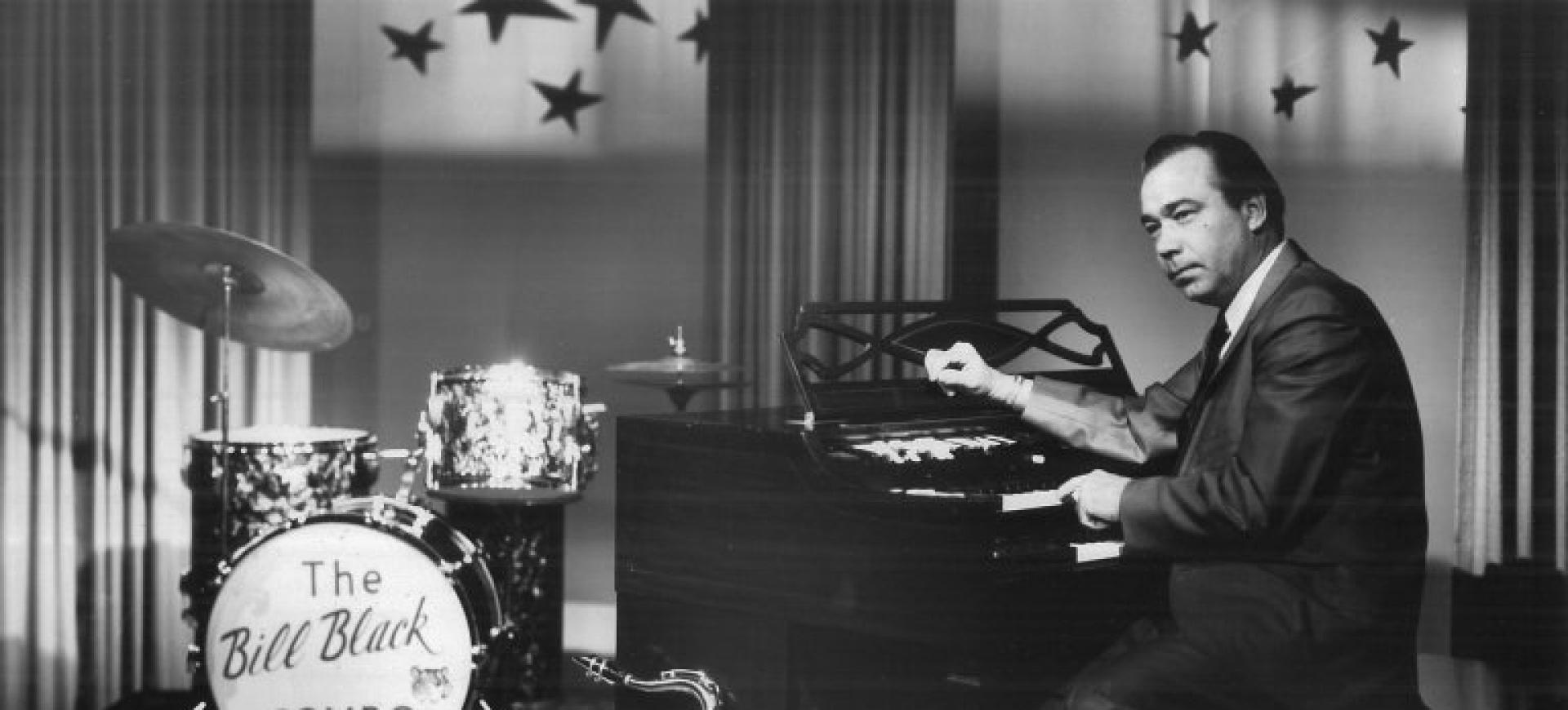
After leaving Elvis for good in 1958, the bassist became a bandleader in his own right, forming a group that was known both as Bill Black’s Combo and the Bill Black Combo. Recording for Memphis-based Hi Records, they charted an impressive 19 instrumental hits on Billboard’s Hot 100 between 1959 and 1965. These included “Smokie – Part 2” (#17 pop, #4 R&B), “White Silver Sands” (#9 pop, #4 R&B) and a remake of Presley’s “Don’t Be Cruel” that reached #11.

Like many instrumental outfits of that time, the Bill Black Combo had a danceable country-soul sound built around saxophone, organ, guitar, drums and Black’s driving bass. They called it “the untouchable sound.” Bill Black died of a brain tumor in October 1965 at the age of 39, but the combo continued without him, playing into the Eighties.

TIMELINE

September 17, 1926: Bassist Bill Black is born in Memphis, Tennessee.

July 5, 1954: , and Bill Black cut “That’s All Right,” a blues song by Arthur “Big Boy” Crudup,” at Presley’s first session for Sun Records. Rock and roll history is made.

July 11, 1955: , and Bill Black record the classic “Mystery Train” and two others songs at Sun Studios in Memphis.

January 10-11, 1956: and his band, including bassist Bill Black, cut their first sessions for RCA Records in Nashville. The sessions yield “Heartbreak Hotel” and four other songs.

September 1957: Dissatisfied with their salaries, Bill Black and quit playing with for two weeks.

February 1, 1958: Bassist Bill Black plays on his last session with . It yields four songs, including “Wear My Ring Around Your Neck.”

March 1958: Bill Black and leave for good in a dispute over money.

1959: Bill Black, ’s former bassist, forms his own band, the Bill Black Combo.

November 30, 1959: “Smokie – Part 2” becomes the first of 19 singles by the Bill Black Combo to make Billboard’s Hot 100.

March 7, 1960: “White Silver Sands,” the highest-charting single by the Bill Black Combo, enters the Hot 100, where it will peak at #9 pop and #4 R&B.

November 14, 1960: Solid and Raunchy, by the Bill Black Combo, enters Billboard’s album chart, where it will peak at #23 – the highest showing among his many album releases.

June 5, 1961: “Ole Buttermilk Sky” enters Billboard’s singles chart where it will become the last single by the Bill Black Combo to break the Top Forty.

October 21, 1965: Bassist Bill Black dies of a brain tumor at age 39.

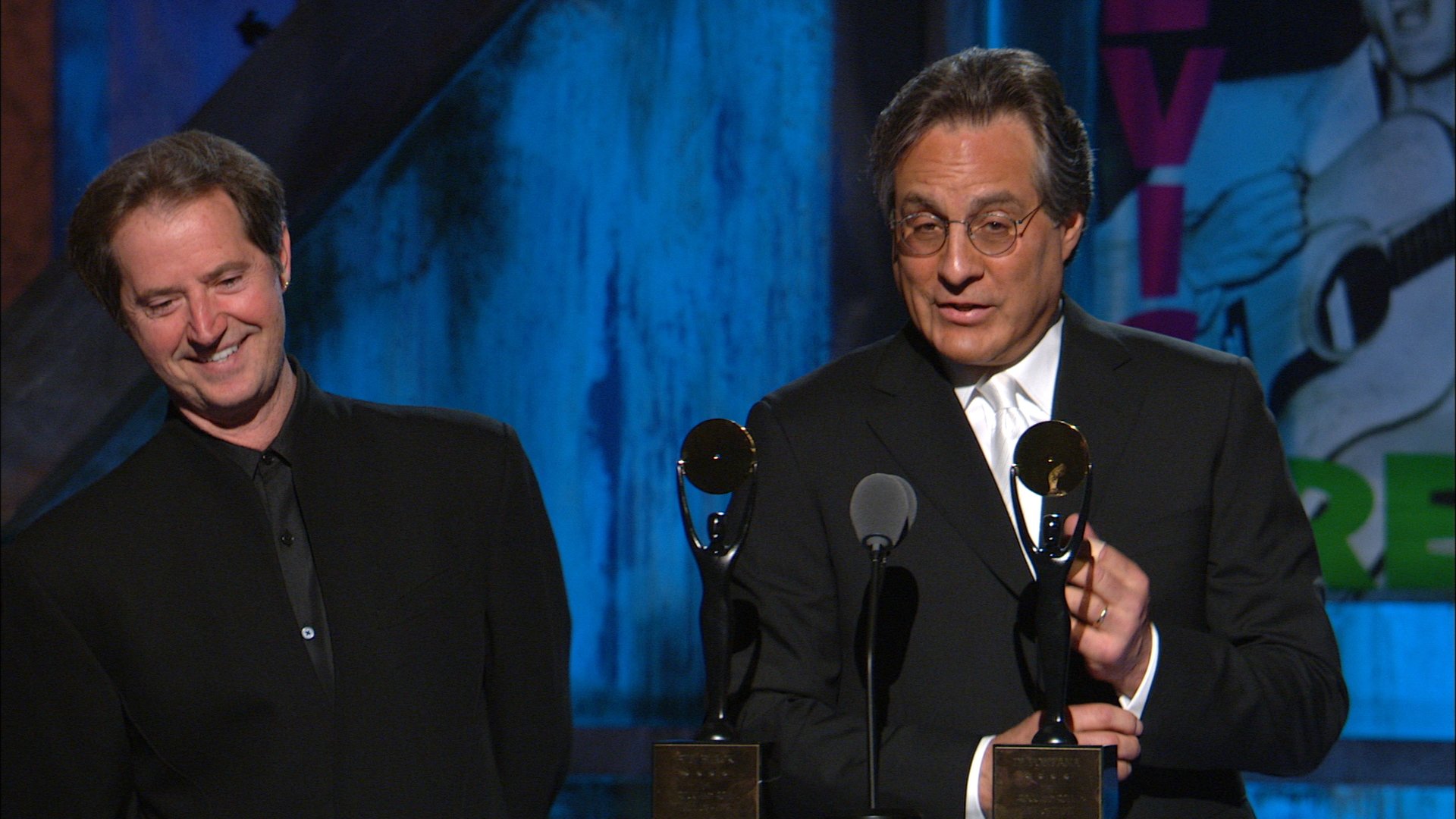
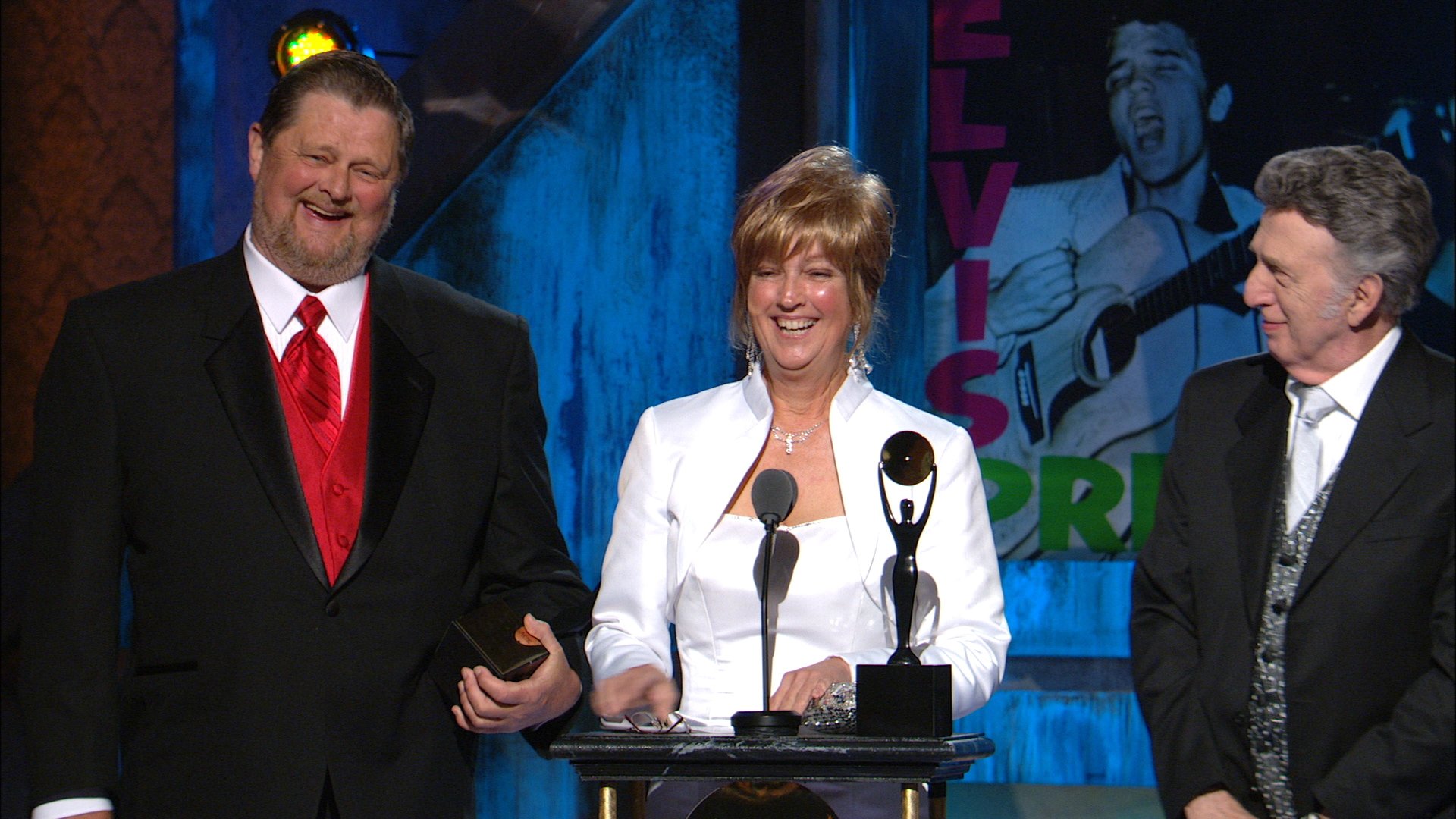
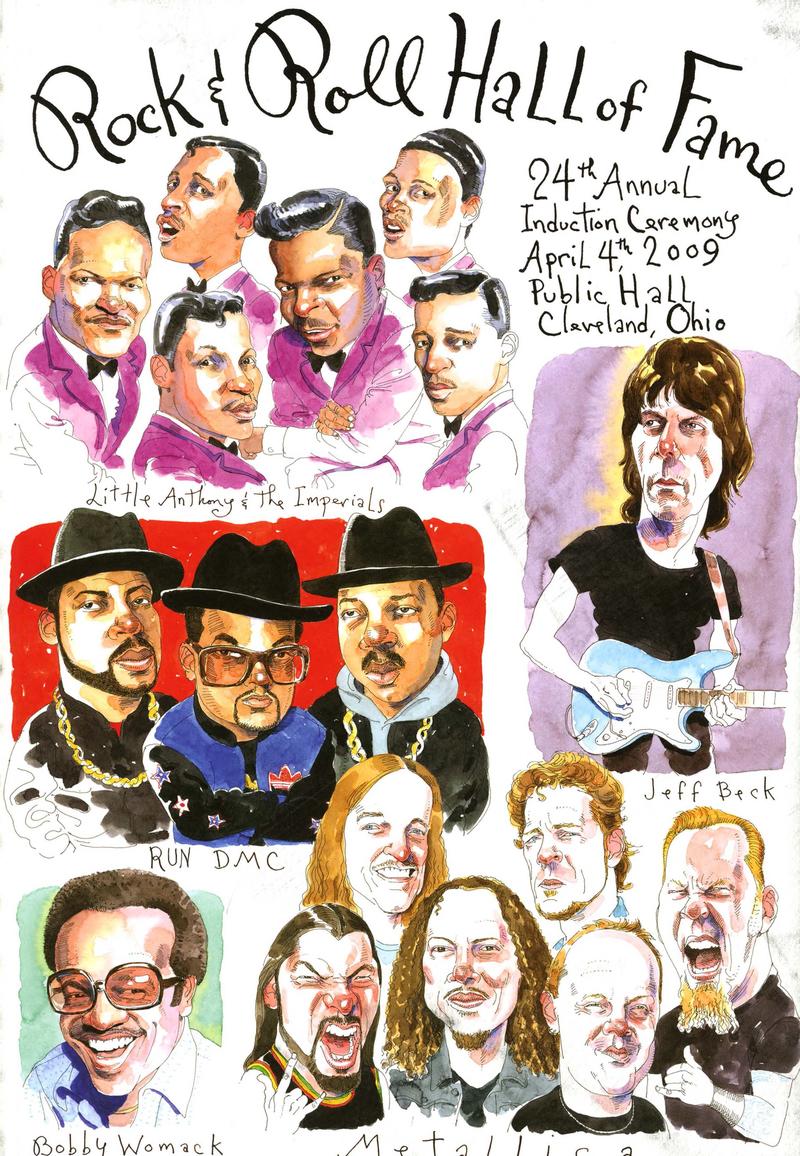
April 4, 2009: Bill Black is inducted into the Rock and Roll Hall of Fame at the 24th annual dinner. Garry Tallent is his presenter.

RECOMMENDED TRACKS (as sideman)

1. That’s All Right
2. Blue Moon of Kentucky
3. Heartbreak Hotel
4. Jailhouse Rock
5. Don’t Be Cruel
6. Good Rockin’ Tonight
7. Blue Suede Shoes
8. Hound Dog
9. All Shook Up
10. Wear My Ring Around Your Neck

RECOMMENDED READING

Guralnick, Peter. Last Train to Memphis: The Rise of Elvis Presley. New York: Little Brown, 1994.

Jancik, Wayne. The Untouchable Sound of the Bill Black Combo. Goldmine (March 1981): 16-17.

Jorgensen, Ernest. Elvis Presley: A Life in Music – The Complete Recording Sessions. New York: St. Martin’s Press, 1998.


Chuck Berry's Gibson ES-335 Electric Guitar

Photo by Andrew Moore
Collection of Chuck Berry