Billie Holiday
Induction Year: 2000
Induction Category: Early Influence
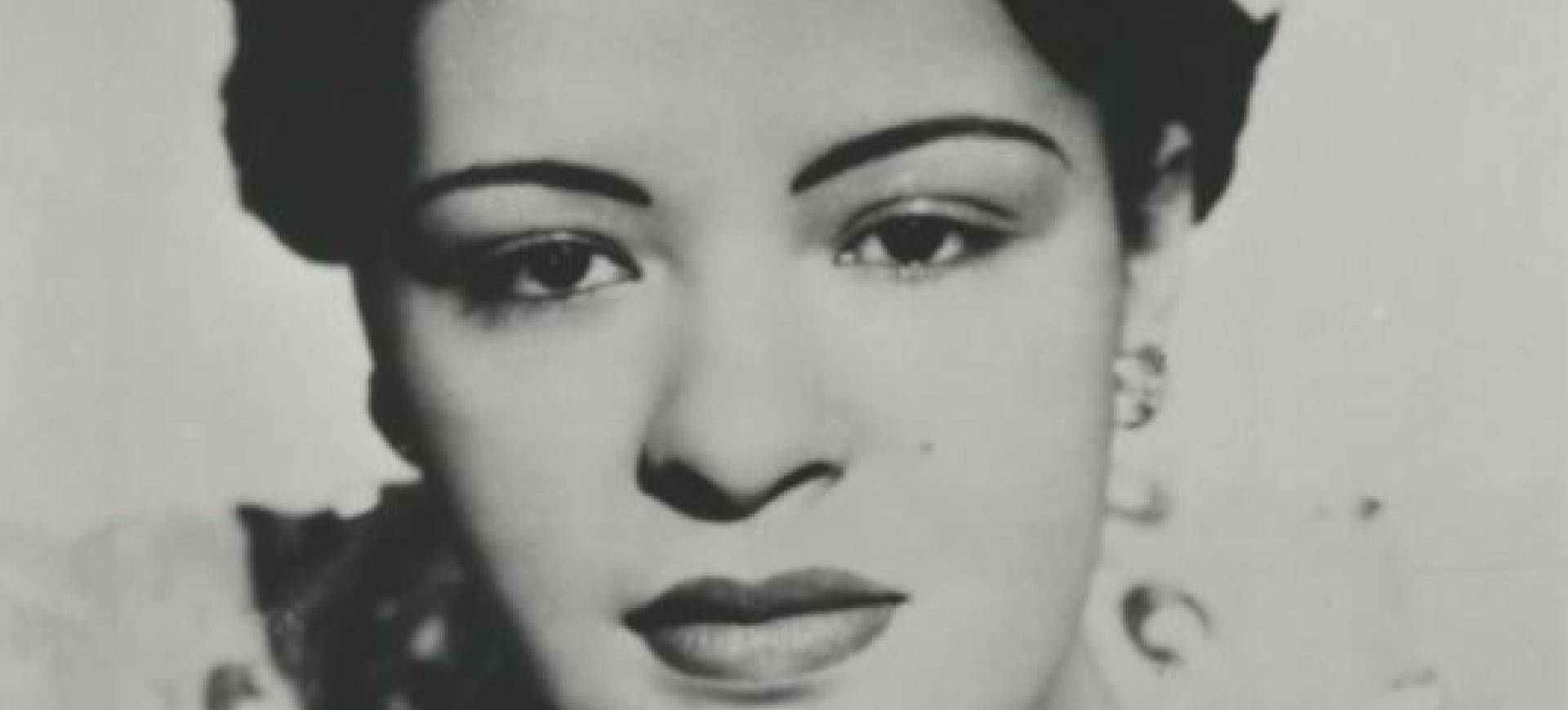
Billie Holiday was the pre-eminent jazz singer of her day and among the most revered vocalists of the century. Though her brief life was fraught with tragedy, Holiday left a transcendent legacy of recorded work. Her pearly voice, exquisite phrasing and tough-tender persona influenced the likes of Janis Joplin and Diana Ross, among others. She performed and recorded in a jazzy “swing-sing” style from 1933 to 1958 with pianist-bandleaders Benny Goodman, Teddy Wilson, Count Basie, Artie Shaw, and others. She was closely associated with tenor saxophonist Lester “Prez” Young, who dubbed her “Lady Day.”
She was born Eleanora Fagan Gough, choosing the stage name Billie Holiday after film star Billie Dove. In 1933, she was discovered performing in a Harlem club called Monette’s by Columbia A&R man John Hammond. Her first commercial recording session occurred that November. In 1939, she recorded her signature songs: “Strange Fruit,” a harrowing song about black lynchings in the South, and “God Bless the Child,” a self-penned classic. Her horn-like phrasing and the riveting intensity of her voice, springing from a well of pure feeling, allowed Holiday to transcend even the mediocre material she was sometimes thrown in the course of her prolific recording career. She recorded for Columbia Record through 1942 and moved on to Decca in 1944.
At her peak, Holiday headlined New York’s Town Hall and toured Europe. She became addicted to heroin in the mid-Forties and ultimately died from its ravages - but not before returning to Columbia to record the haunted Lady in Satin in 1958, a year before her death. Lady Sings the Blues, a biographical film from 1972, rekindled interest in Holiday’s career and music. Many of her recordings remain in print as her legend continues to grow.
TIMELINE
April 7, 1915: Eleanora Fagan Gough, a.k.a. Billie Holiday, is born in Philadelphia, Pennsylvania.
1933: Billie Holiday makes her first recordings.
November 27, 1933: Billie Holiday’s first commercial recording session, with bandleader Benny Goodman, is organized by John Hammond, who has brought her to Columbia Records.
July 2, 1935: Billie Holiday records with jazz pianist Teddy Wilson and his orchestra, with whom she’ll cut some of her most memorable sides.
January 25, 1937: Tenor sax player Lester “Prez” Young and trumpeter Buck Clayton play with Billie Holiday as part of Wilson’s orchestra. It is Young who later bestows the nickname “Lady Day” upon Holiday.
March 13, 1937: Billie Holiday teams with the Count Basie Orchestra.
1939: Billie Holiday is among the first artists to perform at Cafe Society, a new jazz club in Manhattan. Two classic songs introduced in this propitious year, “Strange Fruit” and “God Bless the Child,” remain her masterworks.
1944: Billie Holiday signs with Decca Records, for whom she records “Easy Living,” “Crazy He Calls Me,” “Them There Eyes,” and others.
May 12, 1945: The only single of Billie Holiday’s ever to chart, “Lover Man (Oh, Where Can You Be), enters Billboard’s R&B chart, rising to #5.
1957: Joined by Lester “Prez” Young and other jazz legends, Billie Holiday sings “Fine and Mellow” on the historic The Sound of Jazz telecast.
1958: Returning to Columbia, Billie Holiday records the memorable Lady in Satin album with the Ray Ellis Orchestra.
May 25, 1959: Billie Holiday gives her final performance in New York City.
July 17, 1959: Billie Holiday dies in New York City from complications brought on by alcoholism and heroin addiction.
1972: The biographical film Lady Sings the Blues, based on Billie Holiday’s autobiography, renews interest in her life and work. Diana Ross stars as Holiday.
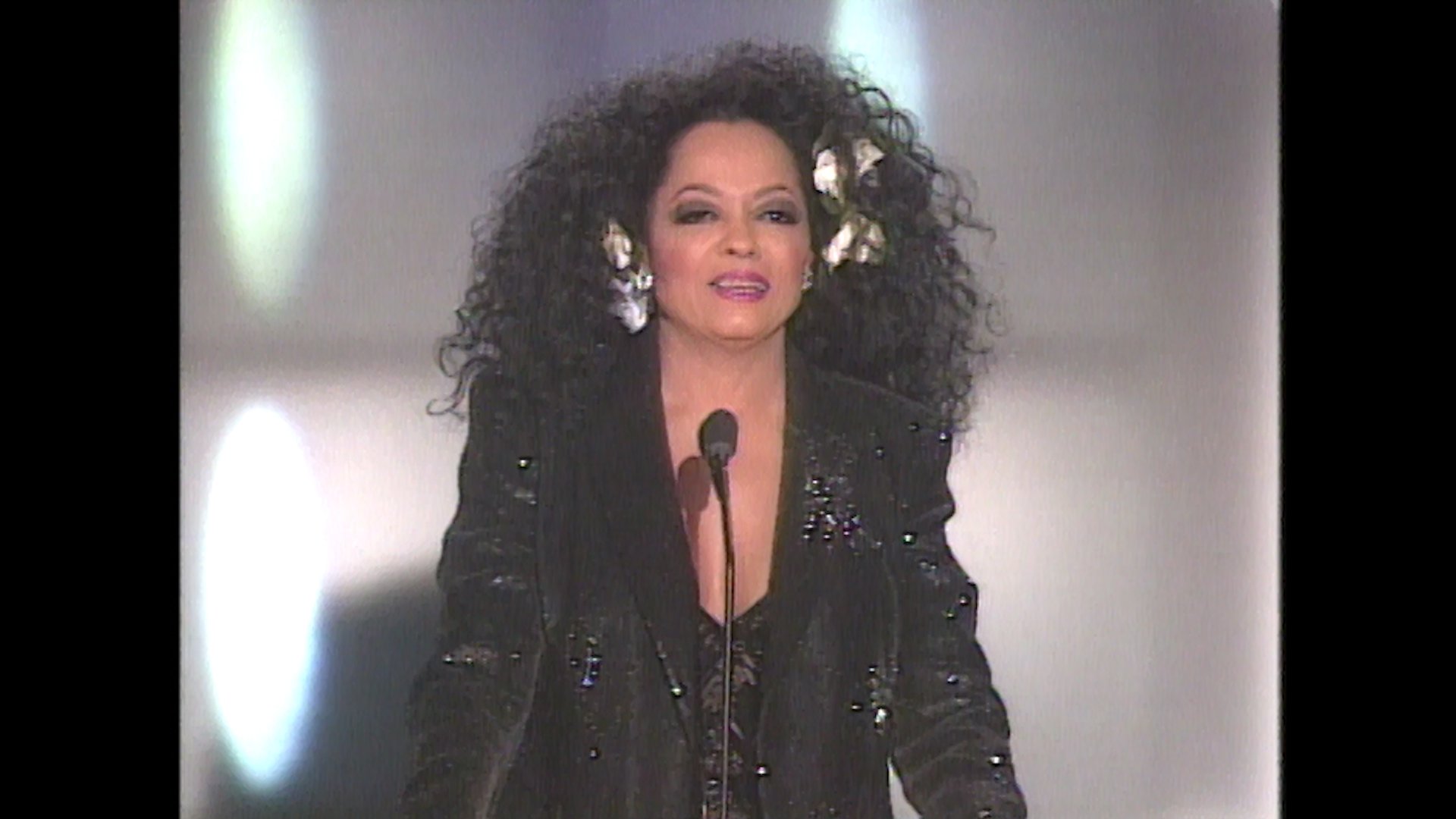
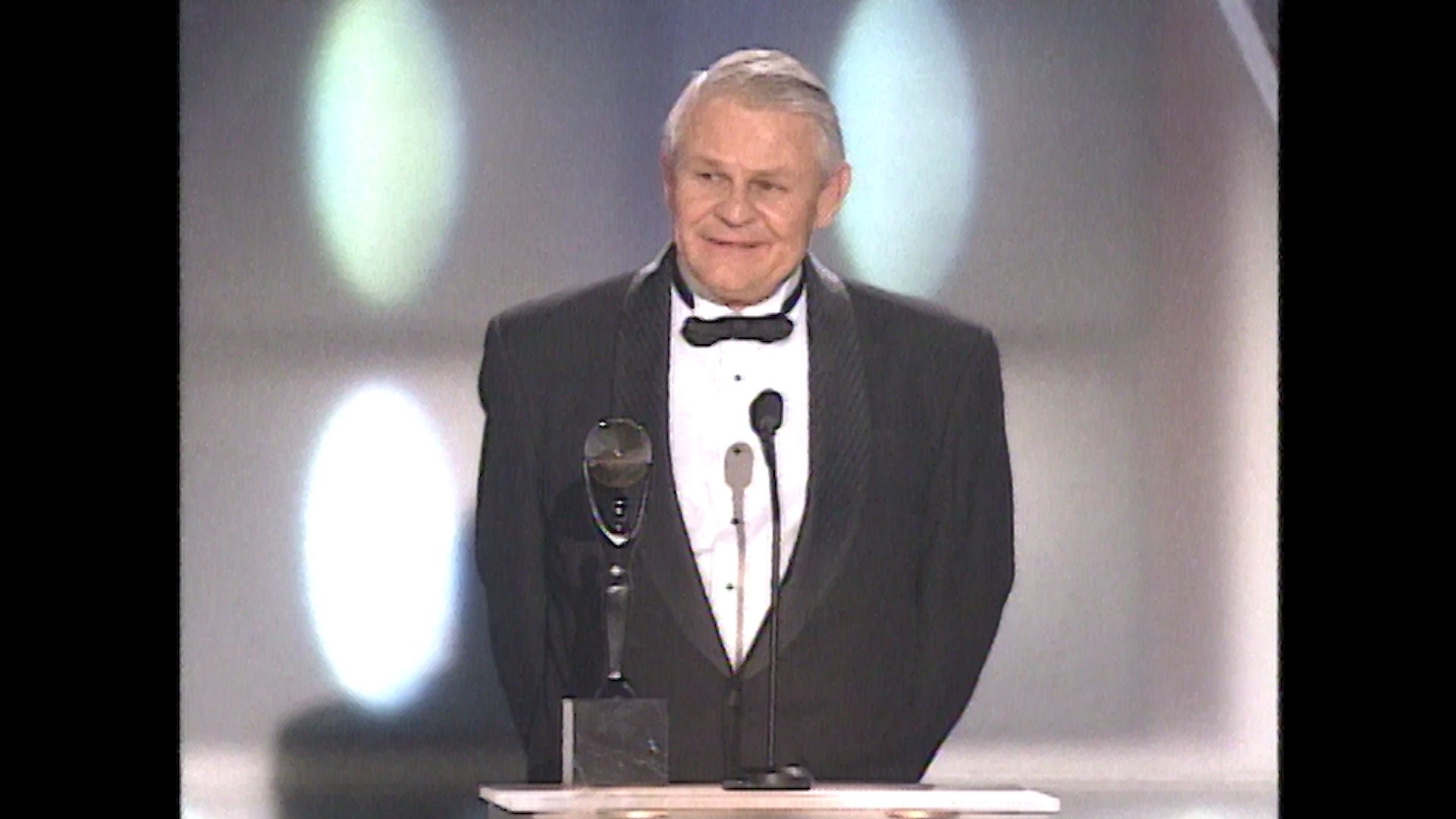
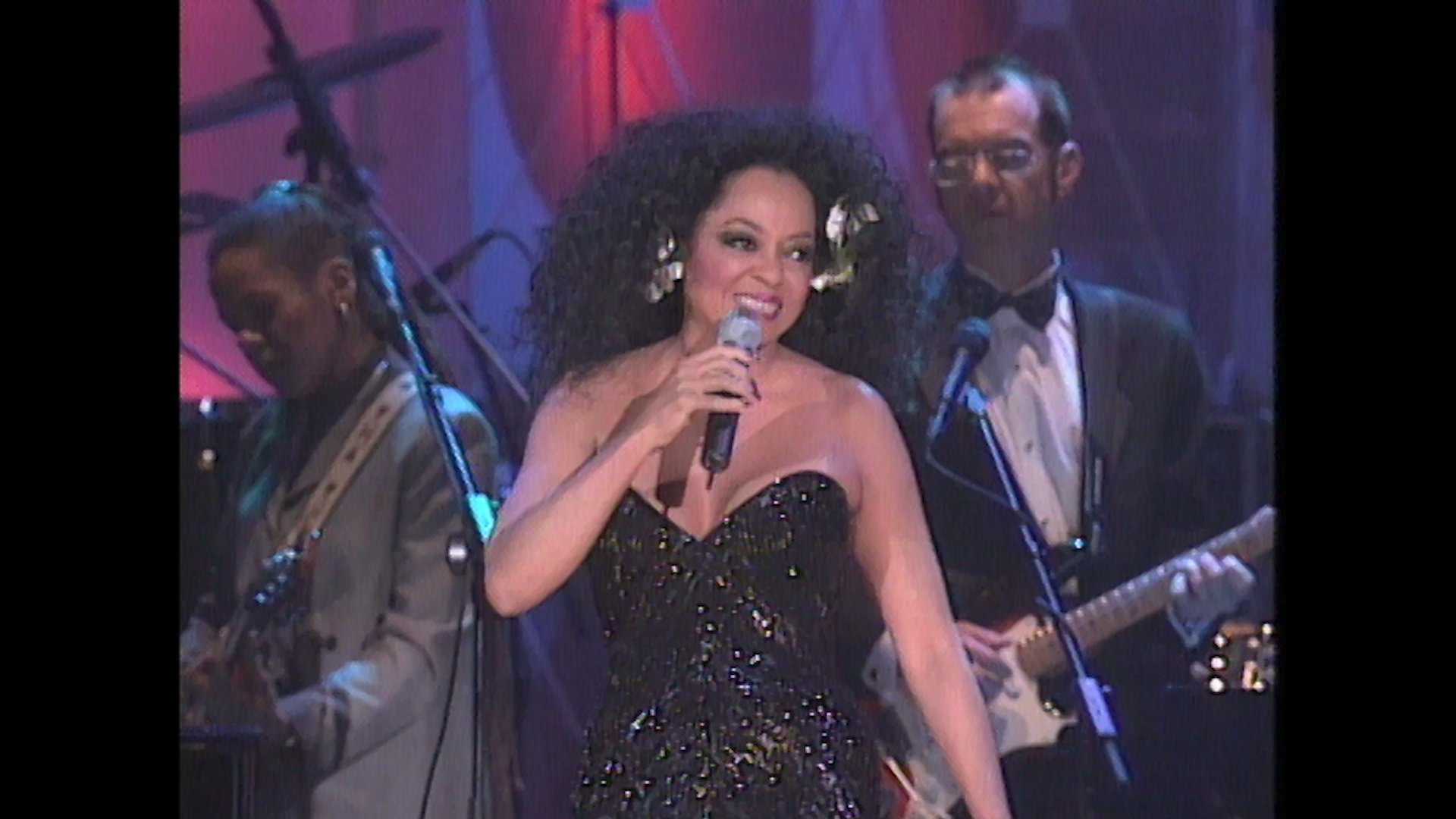
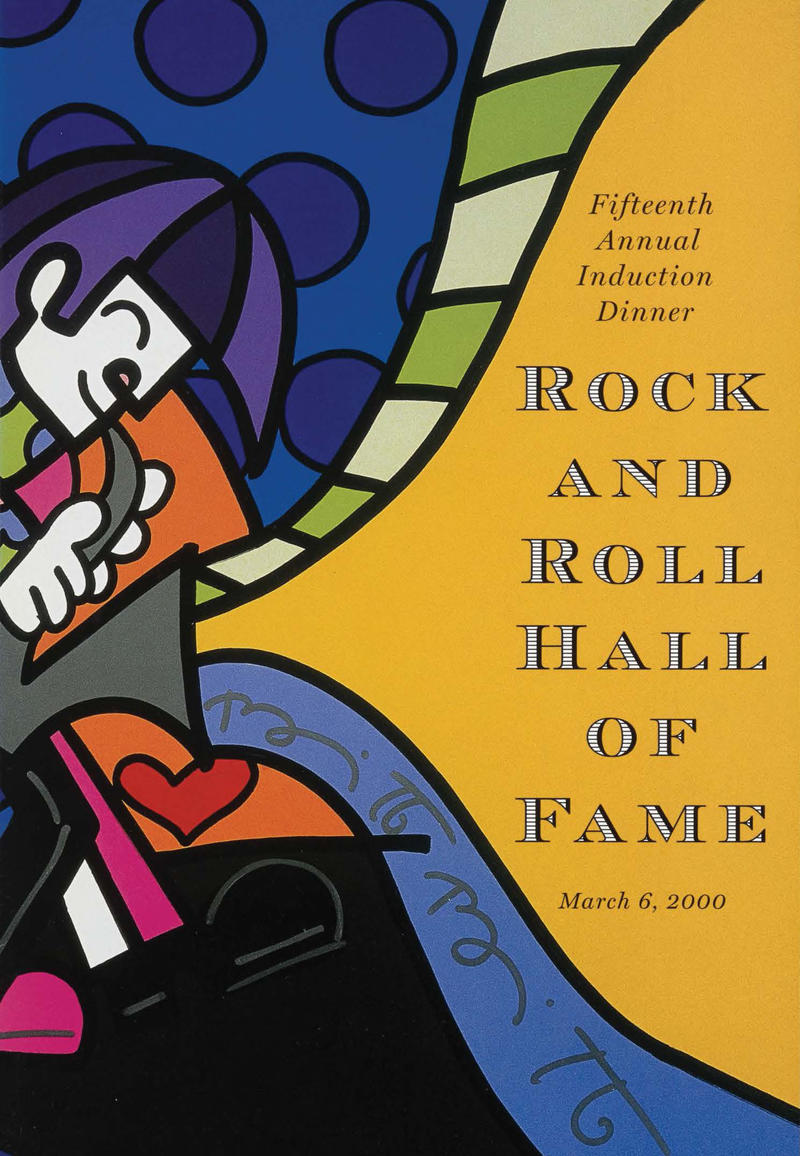
March 6, 2000: Billie Holiday is inducted into the Rock and Roll Hall of Fame at the fifteenth annual induction dinner. Diana Ross is her presenter.
Essential Songs
Don’t Explain
Porgy
Lover Man (Oh Where Can You Be?)
(Billie’s Blues) I Love My Man
God Bless the Child
Strange Fruit
Solitude
Ain’t Nobody’s Business If I Do
Fine and Mellow
Them There Eyes
Recommended Reading
Lady Sings the Blues
Billie Holiday, with William Duffy. New York: Penguin, 1995
Billie’s Blues: The Billie Holiday Story, 1933-1959
John Chilton. Cambridge, MA: Da Capo, 1989.
Wishing On the Moon: The Life and Times of Billie Holiday
Donald Clarke. New York: Penguin, 1995.
The Billie Holiday Companion: Seven Decades of Commentary
Leslie Gourse (ed.). New York: Macmillan, 1997.