Rock and Roll Hall of Fame and Museum

Blondie

Induction Year: 2006

Induction Category: Performer


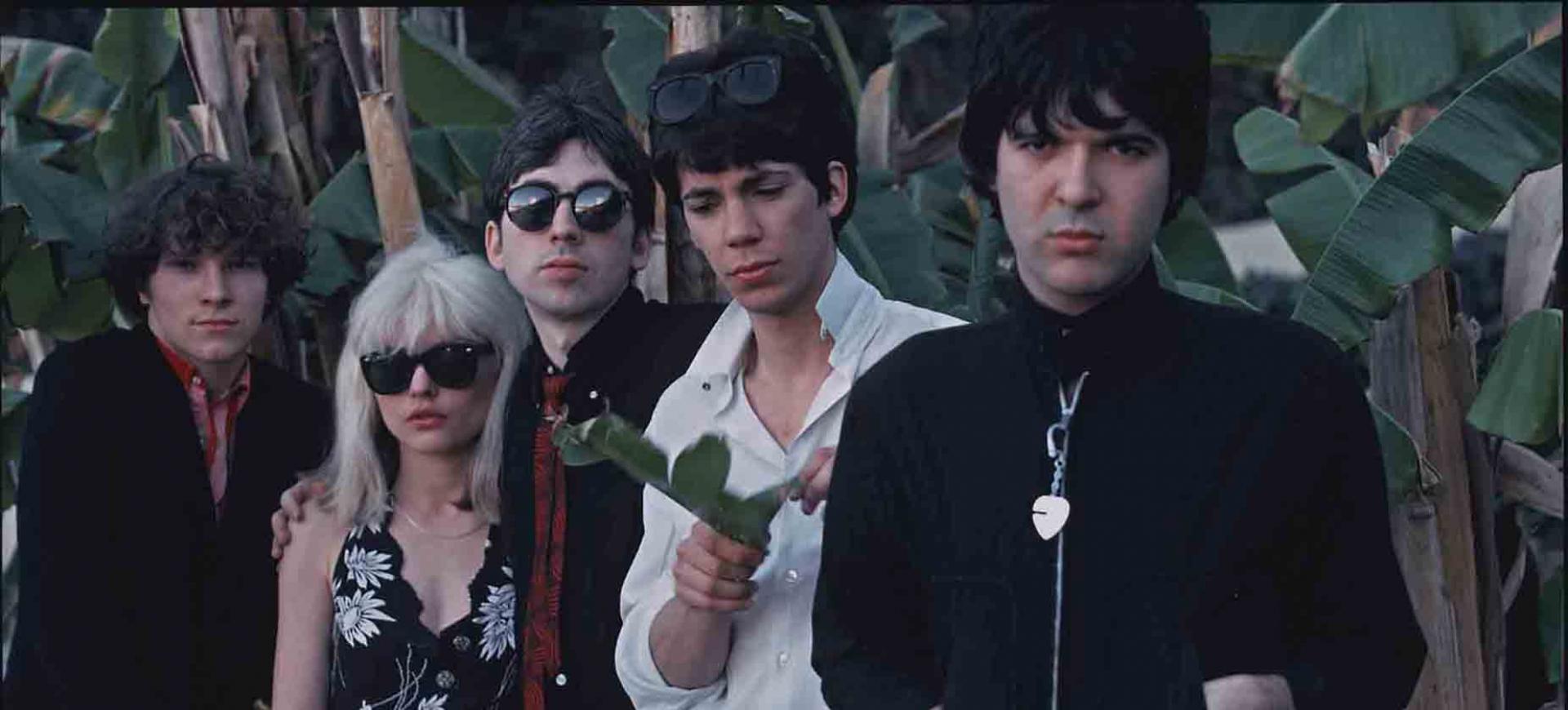
Inductees: Deborah Harry (vocals; born July 1, 1945), Clem Burke (drums; born November 24, 1955), Jimmy Destri (keyboards; born April 13, 1954), Nigel Harrison (bass; born April 24, 1951), Frank Infante (guitar; born November 15, 1951), Chris Stein (guitar; born January 5, 1950), Gary Valentine (bass; born December 24, 1955).

Someone forgot to tell Blondie that New Wave bands weren’t supposed to have hit records. Blondie broke the Top Forty barrier with the Number One hit “Heart of Glass” in 1979. Their conquest was no minor feat, as it meant overcoming music-industry wariness about punk and New Wave, which challenged the established order. Blondie seemed more accessible than some of their radical colleagues, since they drew upon Sixties subgenres - girl-group pop and garage-rock - that had a still-familiar ring. At the same time, they spiked their songs with New Wave freshness, vibrancy and attitude. In so doing, Blondie helped usher in a changing of the guard.

One of the most popular bands of the New Wave era, Blondie hit the scene with visually arresting frontwoman Debbie Harry. Her bleached-blond hair and full, pouty lips made her look the part of a new age Marilyn Monroe with a hint of punk hauteur (which paved the way for Madonna’s more risqué approach). “Looks have been one of the most saleable things ever,” Harry told journalist Karen Davis. “When I woke up to that, mine helped a lot.” Blondie’s striking visual image was bolstered by hooky, retro-chic pop tunes and canny art-rock leanings.

During the late Seventies and early Eighties, Blondie had eight Top Forty hits, including four that went to Number One: “Heart of Glass,” “Call Me,” “The Tide Is High” and “Rapture.” No other New Wave group had that many chart-topping singles. Striking a balance between edginess and catchiness, Blondie enjoyed hit records and artistic credibility - a best-of-both-worlds situation that few others (, the Cars and come to mind) pulled off in that era. Blondie could number Robert Fripp and among their pals, and they fearlessly dabbled in such genres as reggae, rap, disco and a touch of the avant-garde. Yet they also maintained ties to the tuneful, ear-catching Sixties pop aesthetic.

Blondie’s origins lay in the glam-rock era of the early Seventies, when Bowie, the New York Dolls and Lou Reed were jolting the rock scene with sexual ambiguity and campy behavior. In 1973, Harry - who’d worked as a Playboy bunny and tended bar at Max’s Kansas City - joined the Stilettos, a group fronted by three female singers. When Chris Stein joined, the seeds were sown for Blondie, which began performing under that name at CBGB’s in 1975. The lineup stabilized with vocalist Harry, guitarist Stein, keyboardist Jimmy Destri, bassist Gary Valentine and drummer Clem Burke.

They signed with the independent Private Stock label and issued a single (“X-Offender”) and album (Blondie) that were produced by Sixties-rock veteran Richard Gottehrer. Driven by Destri’s Farfisa organ and Burke’s energetic drumming, the album had a Sixties sound and a Seventies sensibility. Although it sold poorly, the Chrysalis label - a more well-established independent - could hear Blondie’s potential and bought out their contract for a half-million dollars. Blondie’s second album, Plastic Letters (1978), attracted attention for such memorably tuneful songs as “Denis” (a remake of the doo-wop hit “Denise,” which Harry partly sang in French) and “(I’m Always Touched by Your) Presence Dear.” Bassist Valentine left during the recording of Plastic Letters, and guitarist Frank Infante and bassist Nigel Harrison subsequently joined, making Blondie a sextet. At this point, Blondie was more popular abroad than at home, with Plastic Letters entering the U.K. Top Ten while only reaching #72 in the U.S.

Parallel Lines was Blondie’s breakthrough and one of the milestone recordings of the era. Produced by Mike Chapman - a pop-loving Englishman who’d previously worked with Sweet, Gary Glitter and Suzy Quatro - the album opened the commercial floodgates for New Wave music. It yielded two hit singles: “Heart of Glass” (whose working titles had been “The Disco Song” and “Once I Had a Love”) and “One Way or Another.” Blondie took the pulse of the age in “Heart of Glass,” which Lester Bangs described it as “an anthem for the emotionally attenuated Seventies.” In topping the charts, “Heart of Glass” helped legitimize disco in the rock world (and vice versa).

The bridge they built would again pay dividends when Blondie recorded the title track for the film American Gigilo. Produced by Giorgio Moroder - the top Eurodisco producer - “Call Me” became Blondie’s second Number One single and stayed on top for six weeks.

All of a sudden, a Lower East Side band who’d come up through the ramshackle CBGB’s scene found themselves with two Number One disco hits, which occasioned some backlash. Blondie stuck to their guns.

“We really tried to vary our music and not mimic ourselves,” Harry told Billboard. “We tried to be a little daring.” That venturesome spirit was further evident on Eat to the Beat (1979) and Autoamerican (1980). The latter album took a wide-angle view of popular music, and their fearless cross-pollination earned them two more chart-toppers: “The Tide Is High” (originally by Jamaica’s Paragons) and “Rapture” (which did for rap what “Heart of Gold” had done for disco). The inspiration for Harry’s offbeat rap was the campy science-fiction film Attack of the Giant Ants. Rap had theretofore been an underground phenomenon in and around New York, and Blondie’s hybrid rock-rap gave many listeners their first exposure to the genre.

Blondie subsequently released The Best of Blondie (1981) and their most uncommercial album, The Hunter (1982). Debbie Harry also squeezed in an edgy, dance-oriented solo album, Koo Koo, which was produced by Chic guitarist Nile Rodgers. A planned hiatus turned into a full-fledged disbanding when Chris Stein was diagnosed with a rare skin disease, from which it took several years to recover.

In 1986, Stein cowrote three songs for Harry’s Rockbird solo album. Harry would release a few more solo albums: Def, Dumb and Blonde (1990) and Debravation (1993). A full-fledged Blondie reunion yielded a new album (No Exit) and single (“Maria”) in 1999. The latter entered the British charts at Number One, proving that after all these years, Blondie still had the magic.

TIMELINE

July 1, 1945: Deborah Ann Harry, vocalist for Blondie, is born in Miami, Florida.

January 5, 1950: Chris Stein, guitarist with Blondie, is born in Brooklyn, New York.

April 24, 1951: Bassist Nigel Harrison of Blondie and other bands is born in England.

April 13, 1954: Keyboardist Jimmy Destri of Blondie is born in Brooklyn, New York.

1955: Gary Valentine, the original bassist for Blondie, is born.

November 24, 1955: Clem Burke, the drummer for Blondie, is born in New York.

July 1968: Capitol Records releases the self-titled album by Wind in the Willows, a folk-rock group that includes future Blondie frontwoman Debbie Harry.

August 1974: The first edition of Blondie forms when Debbie Harry leaves the Stilettos, and takes the band, including guitarist Chris Stein, with her.

August 1975: Blondie’s lineup coheres as a quintet with singer Debbie Harry, guitarist Chris Stein, organist Jimmy Destri, drummer Clem Burke and bassist Gary Valentine. This group will record the albums Blondie and Plastic Letters (although Valentine will leave during sessions for the latter).

March 1977: Blondie’s self-titled debut album is released on the small Private Stock label. It contains such favorites as “X Offender” (issued as a single in May), “In the Flesh” and “Rip Her to Shreds.” Blondie will be re-released on Chrysalis - the larger label to which they’ll soon move - in September.

October 1977: Plastic Letters, Blondie’s second album, is released. Recorded during a period of transition, the album cover depicts Blondie as a foursome: Harry, Stein, Destri and Burke.

November 1977: The definitive Blondie lineup is realized as a sextet with the core of Harry, Stein, Destri and Burke joined by bassist Nigel Harrison and guitarist Frank Infante.

March 18, 1978: Blondie’s “Denis” - a French-accented remake of Randy and the Rainbows’ 1963 hit “Denise” - peaks at #2 in the U.K. as Plastic Letters enters the U.K. Top Ten.

Summer 1978: Blondie is joined onstage at CBGB by Robert Fripp (of King Crimson) for an impromptu run-through of Donna Summer’s “I Feel Love.” The gesture presages their arty embrace of disco with “Heart of Glass” in the coming year.

September 1978: Blondie’s career-defining album Parallel Lines is released. The album will peak at #6 in the U.S and sell 7 million copies worldwide. “Heart of Glass” reached #1 in the U.S. and Britain, and there were four more hits here ("One Way of Another") and abroad ("Hanging On the Telephone,” “Picture This” and “Sunday Girl"), as well.

April 28, 1979: “Heart of Glass,” by Blondie, hits Number One on Billboard’s singles chart. It effectively announces the commercial arrival of New Wave.

October 1979: Eat to the Beat, Blondie’s fourth album, is released. It will peak at #17 and yield the hit single “Atomic” (#39)

April 19, 1980: Blondie’s “Call Me” tops the singles charts for the first of six weeks. It ties Kenny Rogers’ “Lady” for the most weeks at Number One in this year.

December 1980: Autoamerican, Blondie’s fifth studio album, is released. It contains two Number One singles (“The Tide Is High” and “Rapture”).

January 26, 1981: Autoamerican becomes the third Blondie album in a row - following Parallel Lines and Eat to the Beat - to be certified platinum (one million copies sold) by the RIAA.

January 31, 1981: “The Tide Is High,” Blondie’s remake of a song by the Paragons (a Jamaican group), reaches Number One.

March 28, 1981: Blondie’s “Rapture,” a groundbreaking mix of rock and rap, tops the singles chart for the first of two weeks. It is the group’s fourth and final Number One single.

June 26, 1982: Blondie’s “Island of Lost Souls” (from The Hunter) enters the Top Forty, where it will peak at #37. It is the thirteenth U.S. single from Blondie’s first go-round as a group, marking the end of their three-year reign as the New Wave’s most successful singles act.

June 28, 1990: The , Deborah Harry, and alums Jerry Harrison and the Tom Tom Club kick off their “Escape from New York” tour, revisiting the glory days of CBGB’s.

1994: Blondie: The Platinum Collection, a double-disc retrospective, is released. Its 47 tracks include early demos and remixes of “Atomic” and “Rapture.”

October 26, 1998: Blondie kicks off a reunion tour in Stockholm, Sweden. Original members include Debbie Harry, Chris Stein, Jimmy Destri and Clem Burke - but not Frank Infante and Nigel Harrison, who will sue the band for $1 million.

February 13, 1999: “Maria,” by Blondie, enters the U.K. singles chart at Number One, making them the first act to have chart-topping singles in three different decades.

February 23, 1999: No Exit, the reunited Blondie’s first studio album since 1982’s The Hunter, is released.

November 3, 2005: Best of Blondie receives its second platinum certification from the RIAA, signifying sales of two million copies. It is the top-selling album in Blondie’s catalog.

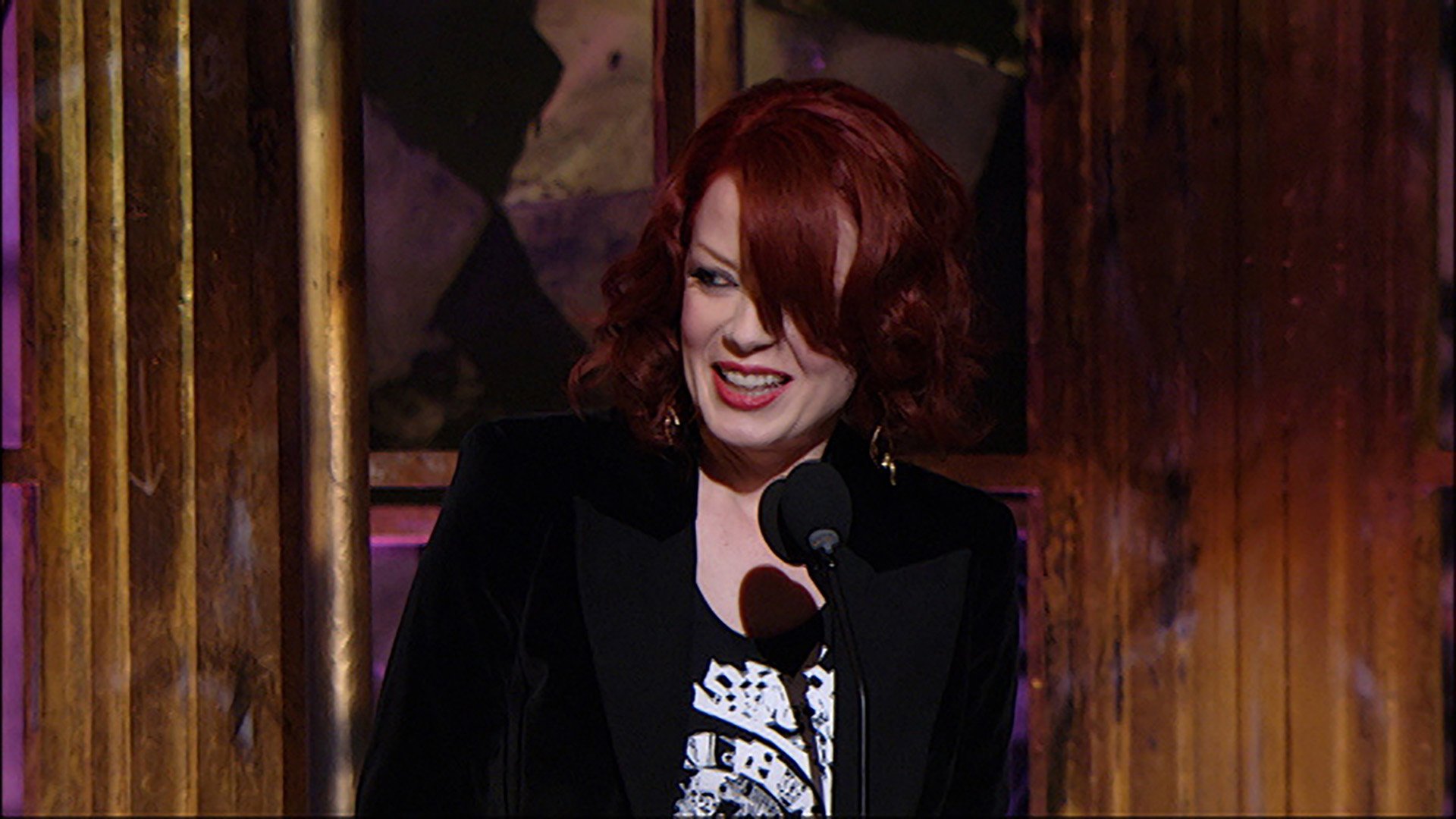
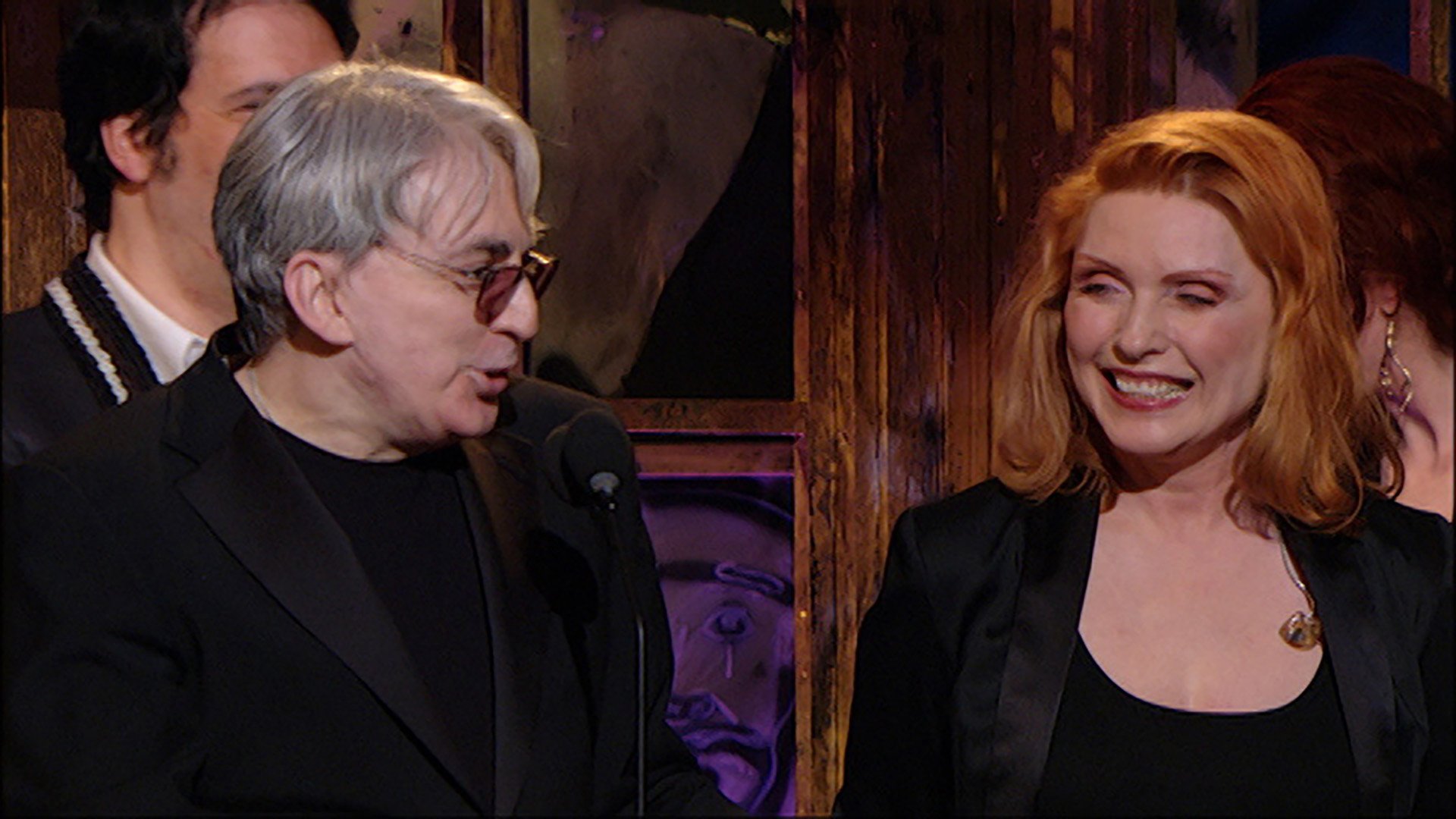
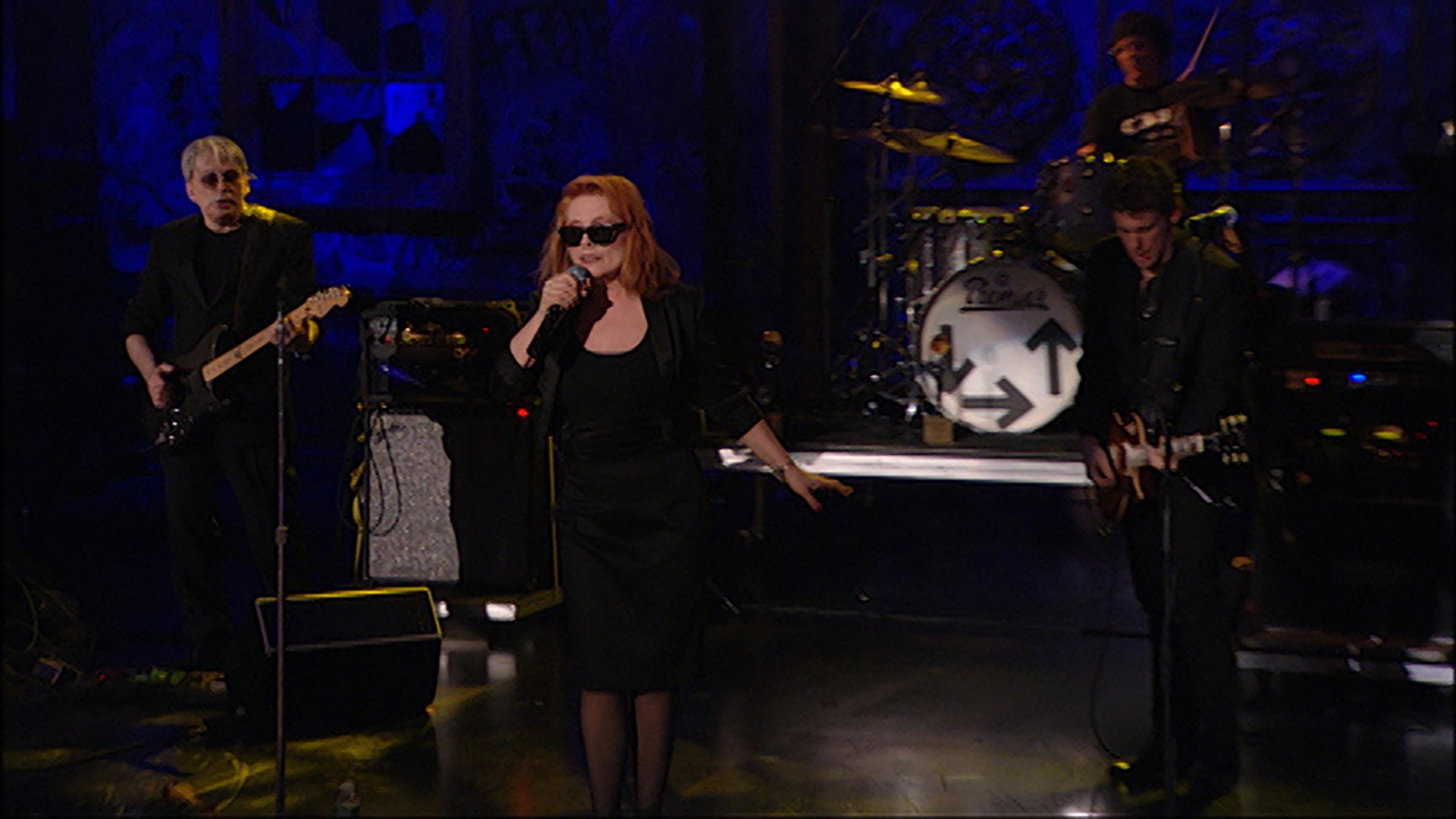
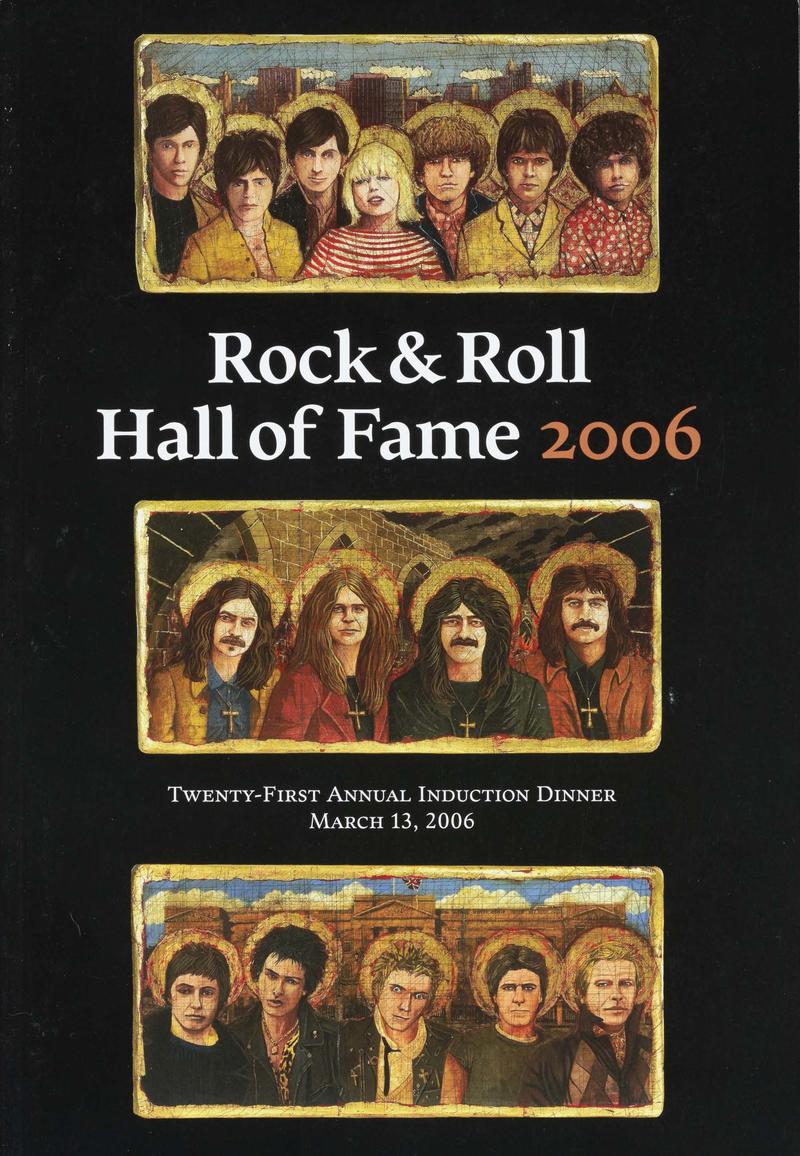
March 13, 2006: Blondie is inducted into the Rock and Roll Hall of Fame at the 21st annual induction dinner. Shirley Manson of Garbage is their presenter.

Essentials Songs

Heart of Glass
X Offender
Hanging on the Telephone
One Way or Another
The Tide is High
Dreaming
Dennis
In the Flesh
Call Me
Atomic

Recommended Reading

Blondie.
Lester Bangs. New York: Delilah, 1980.

Platinum Blondie.
Blondie. Chrysalis, 1994. (Note: The booklet accompanying this two-disc compilation contains biographical essays and discographical information.)

Making Tracks: The Rise of Blondie.
Debbie Harry, Chris Stein and Victor Bockris. New York: Da Capo Press, 1998.

Picture This: Debbie Harry and Blondie.
Mick Rock. London: Sanctuary, 2004.

New York Rocker: My Life in the Blank Generation with Blondie, Iggy Pop and Others, 1974-1981.
Gary Valentine. London: MacMillan, 2002.


Hank Williams' White Wool Felt Cowboy Hat

Photo by Design Photography
Collection of Marty Stuart