Bo Diddley
Induction Year: 1987
Induction Category: Performer
Bo Diddley (guitar, vocals; born December 30, 1928, died June 2, 2008)
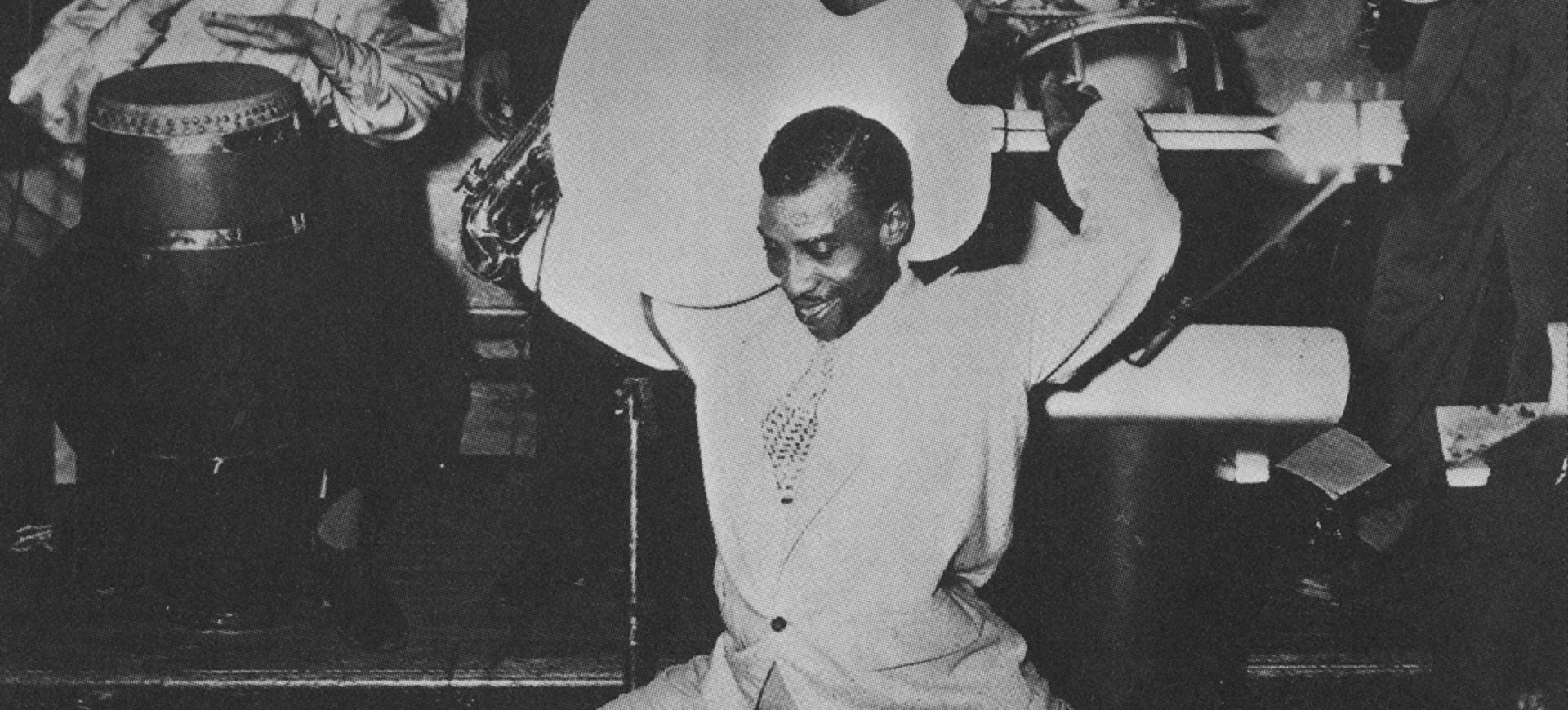
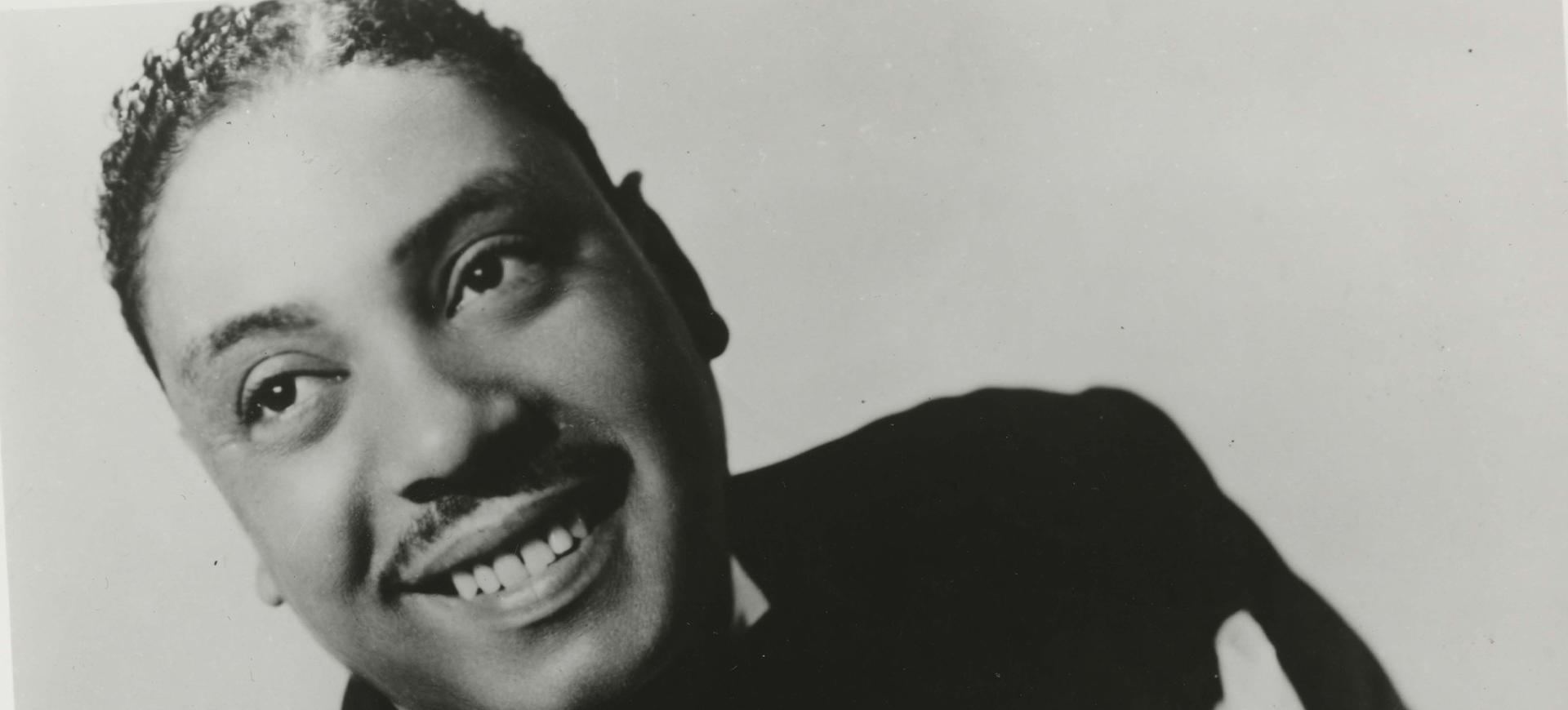
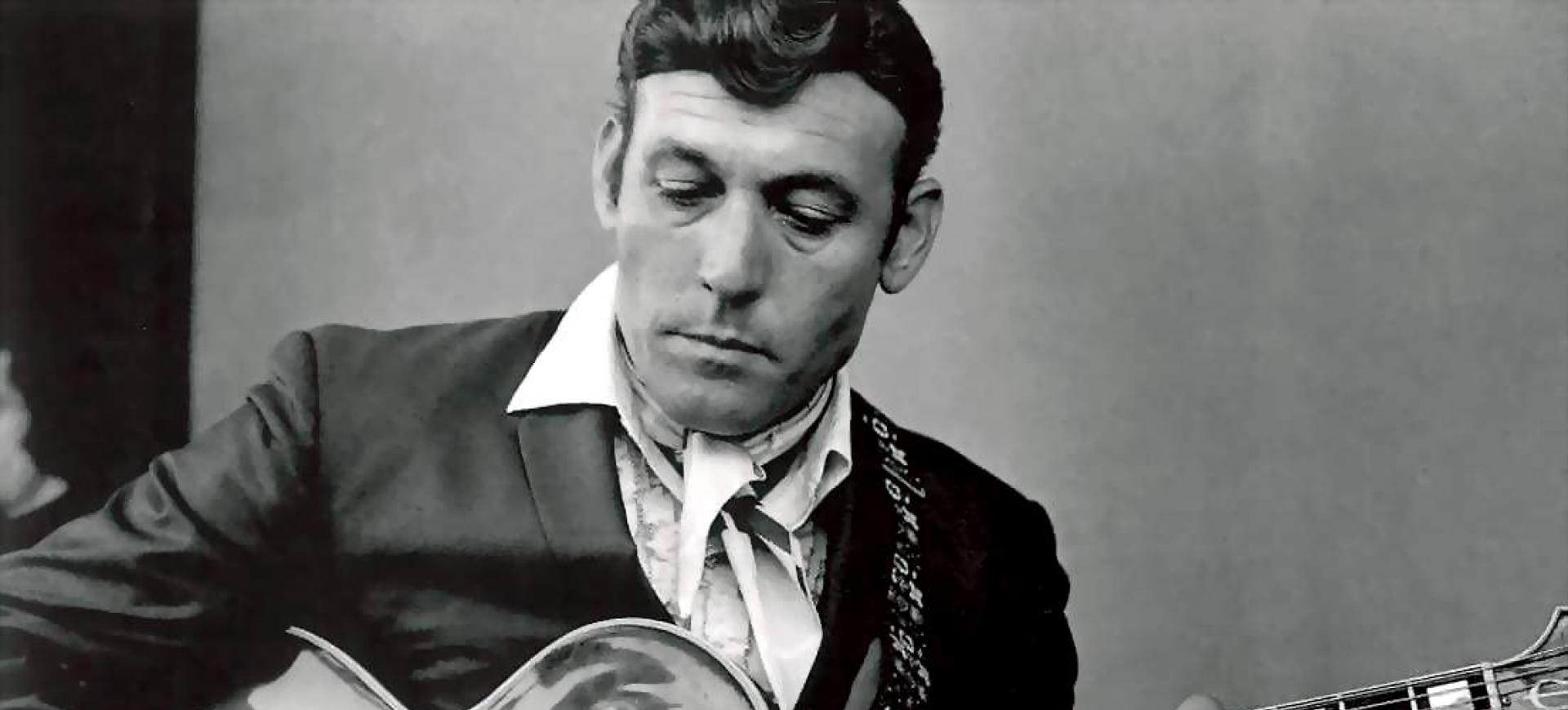
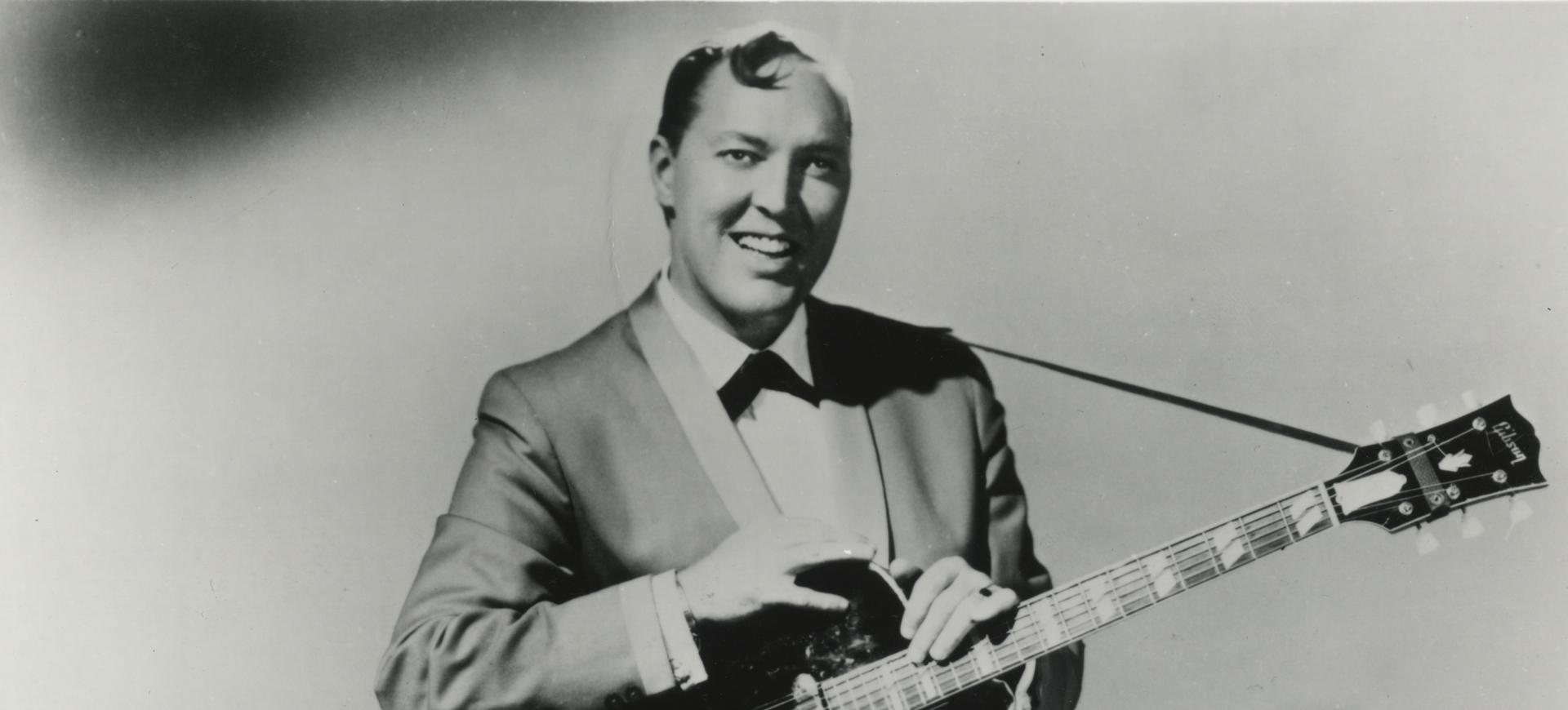
Bo Diddley broke new ground in rock and roll’s formative years with his unique guitar work, indelible African rhythms, inventive songwriting, and larger-than-life persona. He will forever be known for popularizing one of the foundational rhythms of rock and roll: the Bo Diddley beat. He employed it in his namesake song, “Bo Diddley,” as well as other primal rockers like “Mona.” This African-based 4/4 rhythm pattern (which goes bomp-bomp-bomp bomp-bomp) was picked up from Diddley by other artists and has been a distinctive and recurring element in rock and roll through the decades. It can be heard on Buddy Holly’s “Not Fade Away” (later covered by the Rolling Stones), Johnny Otis’s “Willie and the Hand Jive,” the Strangeloves’ “I Want Candy,” the Who’s “Magic Bus” and Bruce Springsteen’s “She’s the One,” to name just several songs.
Diddley is the author of a body of songs - including “Who Do You Love?,” “Road Runner,” “Mona,” “Before You Accuse Me” and “I’m a Man” - that are among the earliest examples of rock and roll rising out of its source material in rhythm and blues. Diddley married two worlds he knew well - the Deep South and the streets of Chicago - in his music. Born Ellas Bates in McComb, Mississippi, Diddley was raised by his mother’s cousin, Gussie McDaniel, whose surname he legally adopted. The family moved to Chicago when Diddley was seven. His earliest exposure to music came via the church. The first instrument he learned to play was the violin, although hearing John Lee Hooker’s 1949 R&B hit, “Boogie Chillen” inspired him to pick up the guitar. Diddley claimed that playing the violin influenced his muted-string, choke-neck style of rhythm guitar – an early forerunner of funk that can be heard on songs like “Pretty Thing.” “It’s mixed up with spiritual, sanctified rhythms,” he’s explained, “and the feeling I have of making people [want to] shout.”
Diddley formed a band called the Hipsters (later the Langley Avenue Jive Cats) while in high school and landed a regular spot at the 708 Club on Chicago’s South Side in 1951. He signed with the Checkers label, a Chess Records subsidiary, in 1955. Diddley’s earliest records were contemporaneous with those of labelmate Chuck Berry. His debut single was a two-sided classic that paired “Bo Diddley” with “I’m a Man.” It was the first in a string of groundbreaking sides that walked the fine line between rhythm & blues and rock & roll. Others included “Diddley Daddy,” “Pretty Thing” and “Road Runner,” which were all Top Twenty R&B hits. Oddly, Diddley’s only crossover success came with “Say Man,” a laugh-filled exchange of jive talk between Diddley and his maraca player, Jerome Green. Their verbal sparring derived from the African-American pastime of “signifying’ or “doing the dozens” and foreshadowed the battle rapping of the present day, minus the profanity.
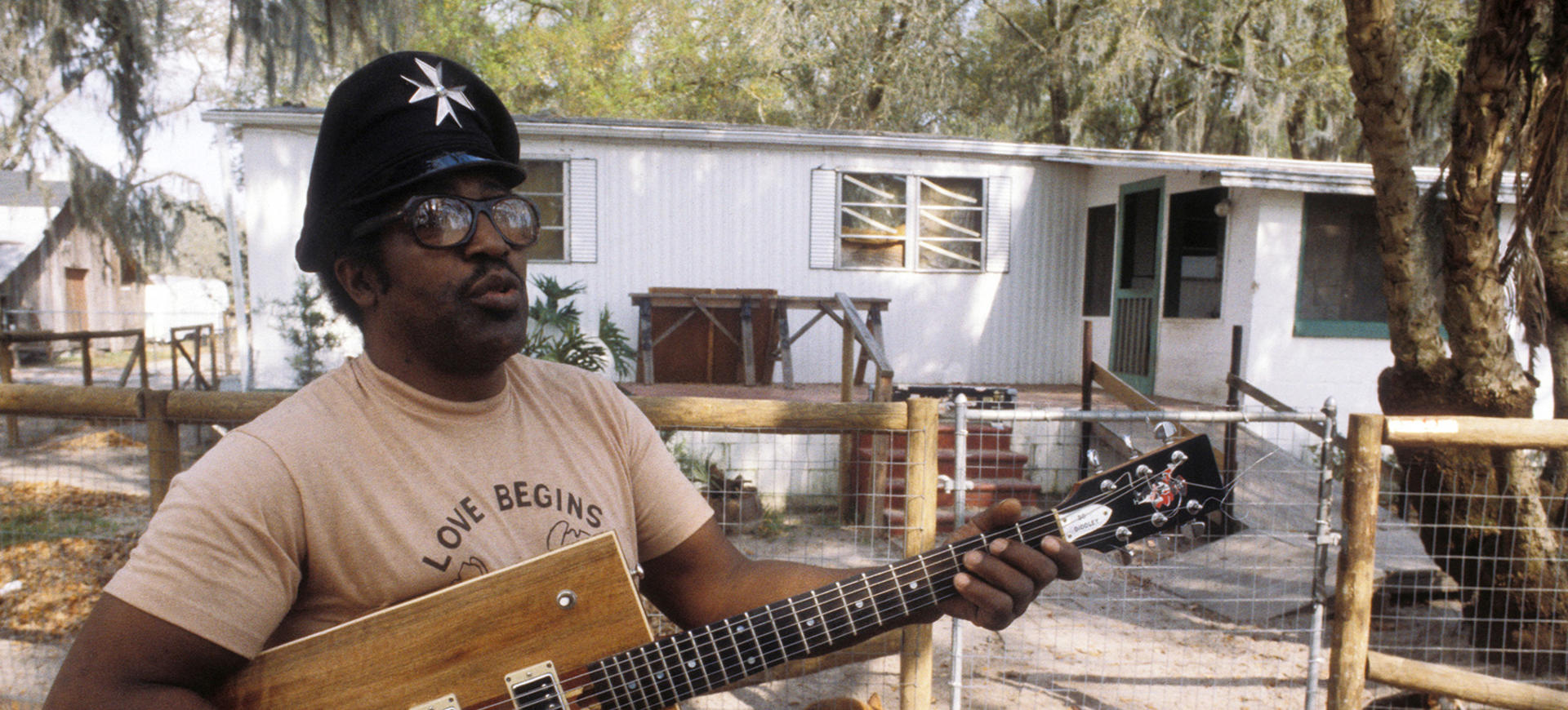
Diddley was also an inventor, devising his own tremolo effect and playing a unique, rectangular “cigar box” guitar that he designed in 1958. His ever-fertile mind also inspired him to set up one of the first home studios. The prolific singer/guitarist released a string of albums whose titles - including Bo Diddley Is a Gunslinger and Have Guitar, Will Travel - bolstered his self-invented legend. Between 1958 and 1963, Checker released eleven full-length albums by Bo Diddley. Two Great Guitars, released in 1964, was jointly credited to Bo Diddley and Chuck Berry.
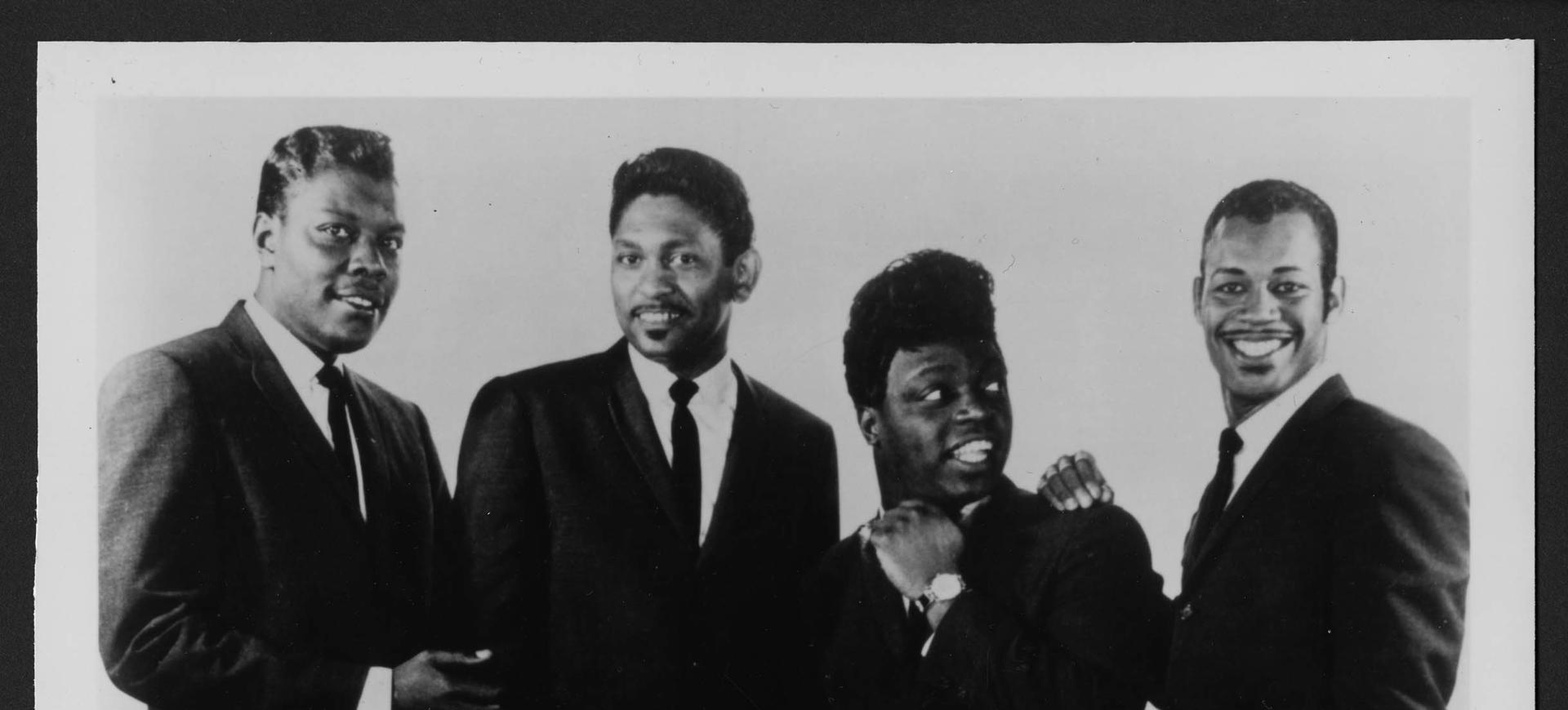
A regular at Harlem’s Apollo Theatre, Diddley also traveled with the rock and roll revues of the day. His exemplary touring band including fellow Chicagoans Jerome Green on bass and maracas, pianist Otis Spann, Billy Boy Arnold on harmonica and drummer Frank Kirkland. Diddley retained his iconic status as a rock and roll pioneer, steadily releasing albums on Checkers through the mid-Seventies. Further releases - such as 1988’s Live at the Ritz, a concert recording with Rolling Stone Ron Wood, and 1996’s A Man Among Men, a studio album featuring a host of famous guests - came more intermittently in the ensuing decades. Meanwhile, Diddley continued to work the live circuit in tireless fashion. He has also been righteously outspoken on the subject of underpayment, bad contracts and other ripoffs that denied many early rock and rollers (himself among them) what was due them.
TIMELINE
December 30, 1928: Ellas Bates McDaniel - a.k.a. Bo Diddley - is born in McComb, Mississippi.
March 2, 1955: Bo Diddley recorded his monumental first single, “Bo Diddley” b/w “I’m a Man,” on Checkers Records. It tops the R&B chart for two weeks.
November 20, 1955: Bo Diddley makes his network TV debut on The Ed Sullivan Show,
January 1956: Bo Diddley’s “Pretty Thing” becomes a Top Forty hit. One of his best-known numbers, the song will inspire a British band to name itself the Pretty Things.
October 5, 1959: Bo Diddley enters the pop Top Forty his one and only time with “Say Man,” a novelty number in which he and maracas player Jerome Green trade good-natured insults.
July 1964: Two Great Guitars, credited to Bo Diddley and Chuck Berry, is released. It includes two lengthy guitar jams between those rock and roll legends.
October 26, 1966: Bo Diddley releases The Originator, an album whose title reflects his rightful conviction that he was a rock and roll pioneer.
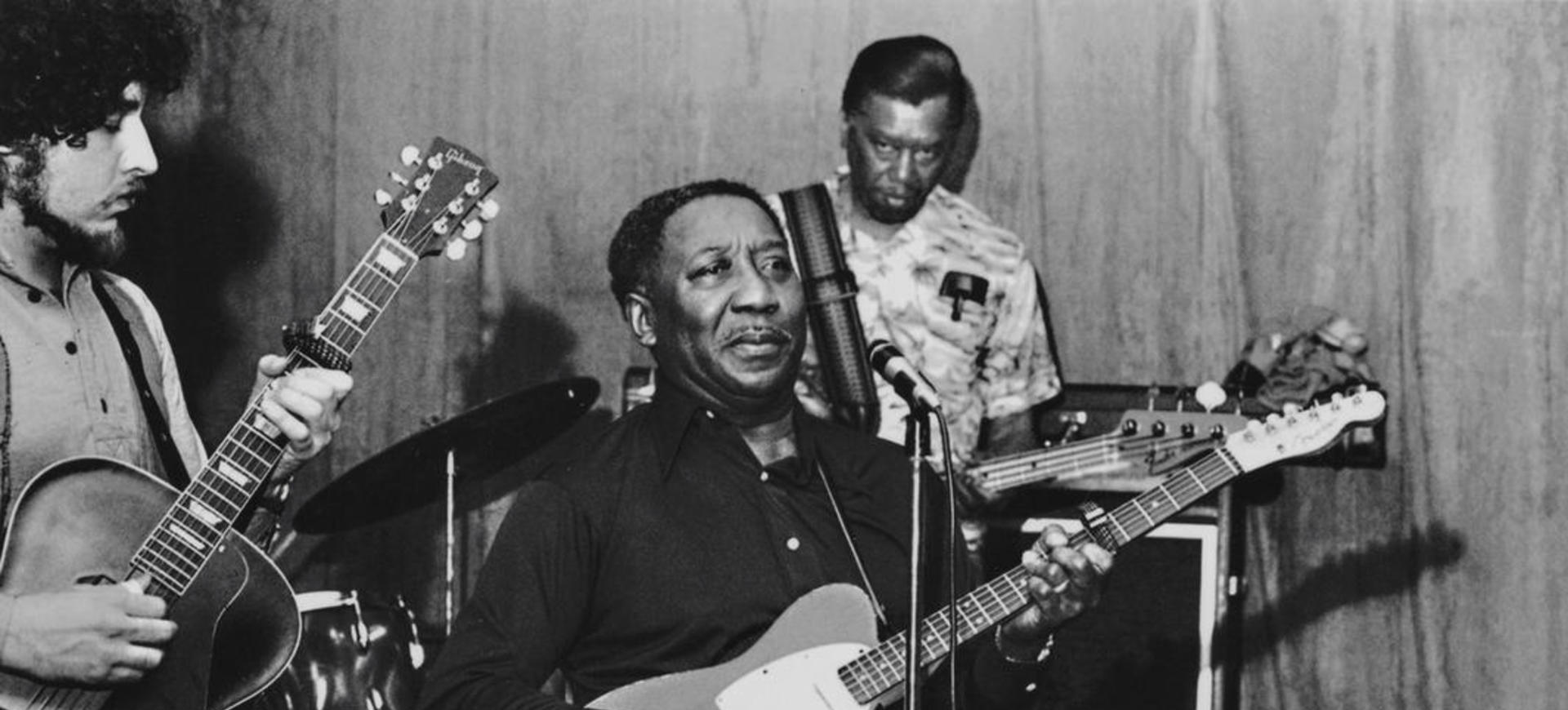
1969: The Super Blues Band, a collaboration between Muddy Waters, Bo Diddley and Little Walter, is released on Checkers Records.
January 20, 1979: Britain’s rising punk-rock stars The Clash kick off their first U.S. tour with rock and roll pioneer Bo Diddley as their handpicked opening act.
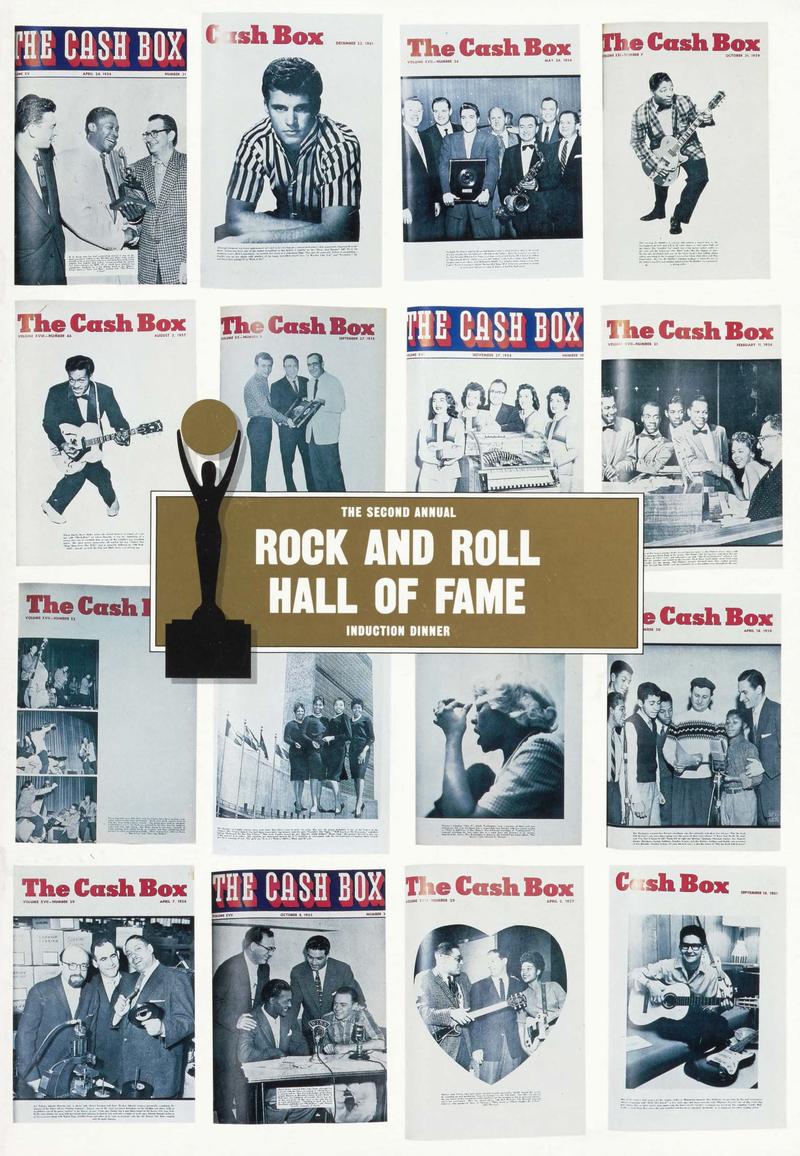
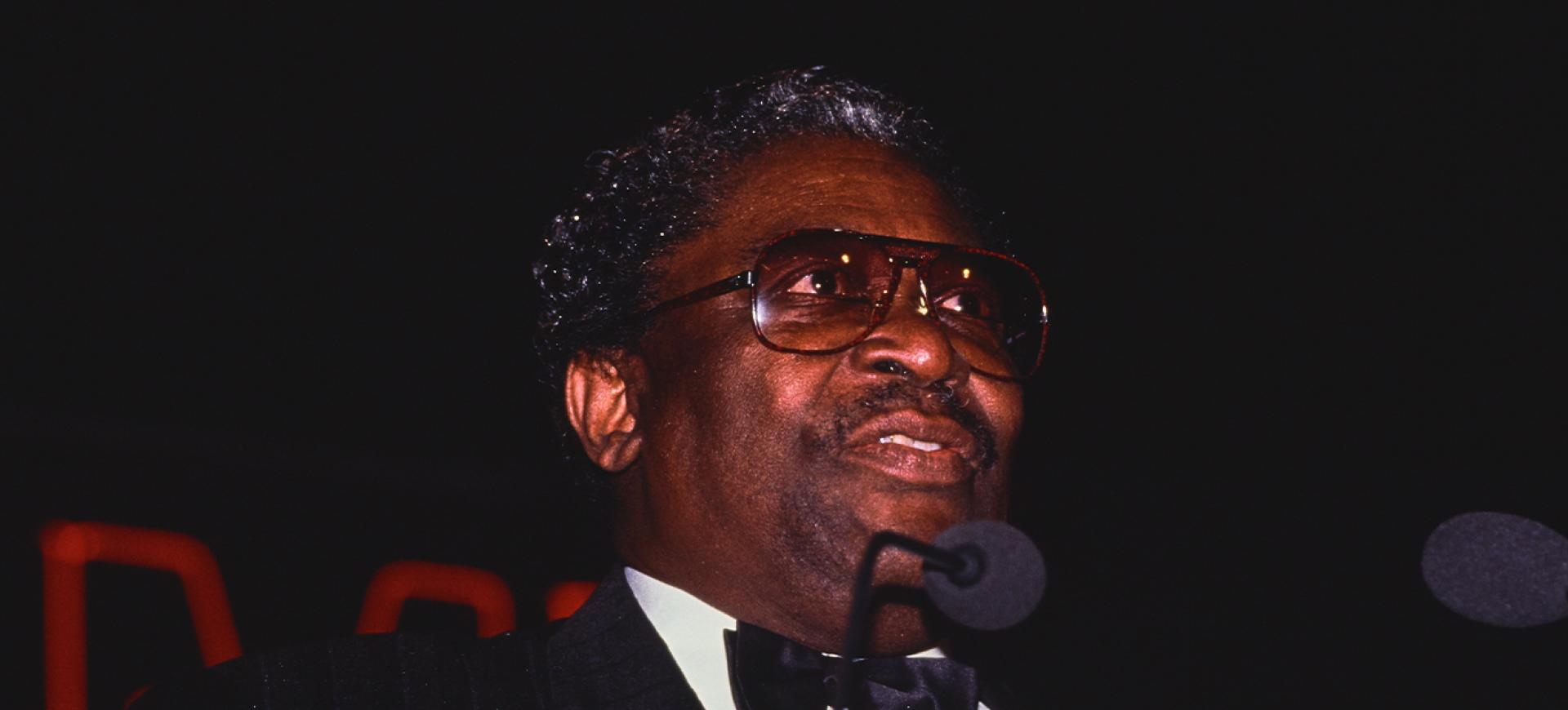
January 21, 1987: Bo Diddley is inducted into the Rock and Roll Hall of Fame at the second annual induction dinner. The members of ZZ Top are his presenters.
November 25, 1987: Bo Diddley and Ron Wood – a.k.a. the Gunslingers - finish a North American tour with a show in New York. A recording of that performance is released as Live at the Ritz.
July 1989: Bo Diddley appears in a popular Nike commercial in which he tells baseball great Bo Jackson, “Bo, you don’t know Diddley.”
February 29, 1996: Bo Diddley receives the Lifetime Achievement Award at the seventh annual Rhythm and Blues Foundation Pioneer Awards in Los Angeles.
April 1996: Bo Diddley’s A Man Among Men, his first major-label album in many years, is released on Code Blue/Atlantic. Renowned rockers, including Keith Richard and Ron Wood, contribute to it.
June 2, 2008: Bo Diddley dies at age 79 of heart failure at his home in Archer, Florida.
Essential Songs
Bo Diddley
I’m a Man
Who Do You Love?
Mona
Pretty Thing
Before You Accuse Me
Road Runner
You Don’t Love Me
Diddy Wah Diddy
Say Man
Recommended Reading
“Bo Diddley: Rock’s Originator Talks About the Early Days, Lost Royalties and Playing Like There’s No Tomorrow.”
Bill De Young. Goldmine (April 18, 2003): 14-18.
The Chess Box
Bo Diddley. MCA, 1990. (Note: The booklet accompanying this box set contains a biographical essay by Robert Palmer, an oral history by Bo Diddley, and discographical information.)
“Cub Digs Bo - A Tribute to the Originator.”
Cub Koda. Goldmine (July 17, 1990): 7+.