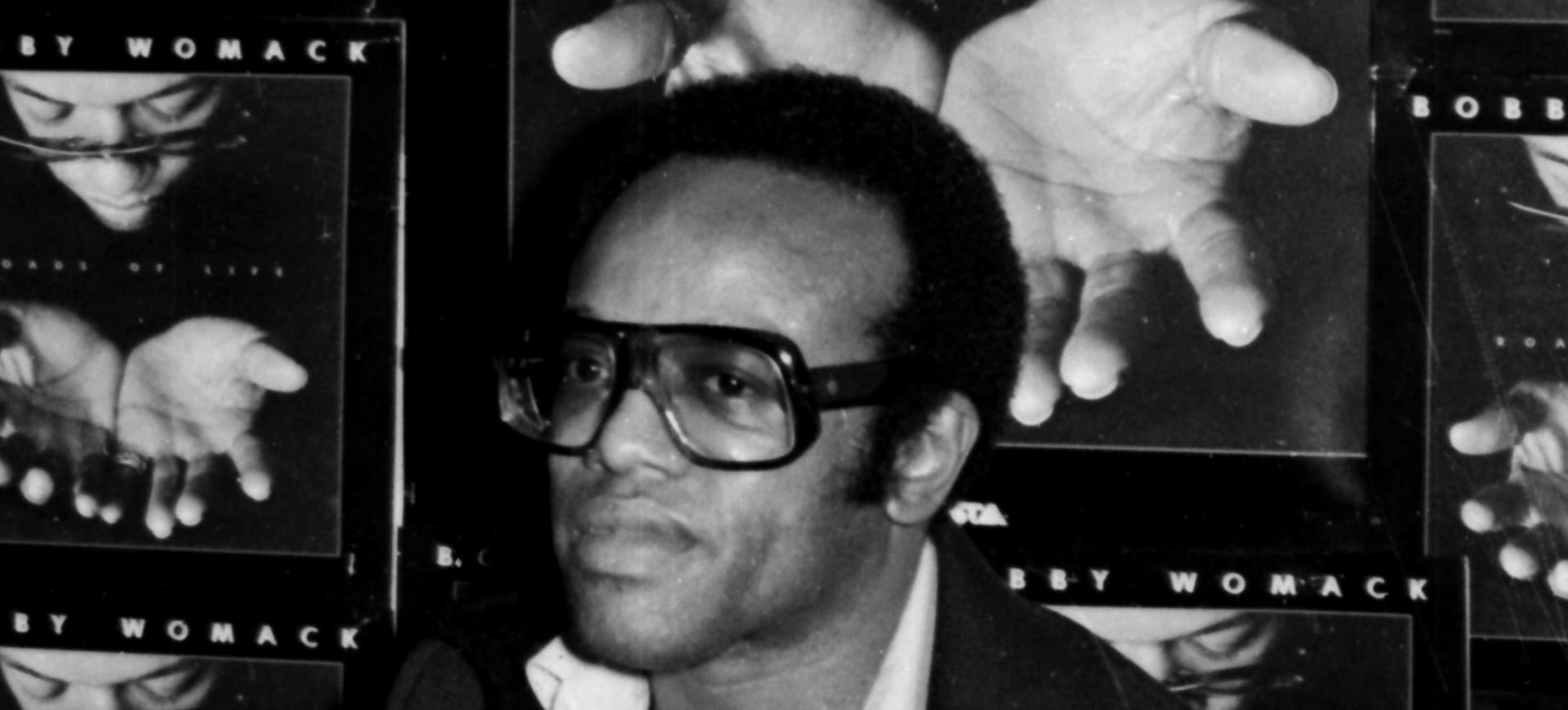
Bobby Womack
Induction Year: 2009
Induction Category: Performer
Bobby Womack (vocals, guitar; born March 4, 1944)
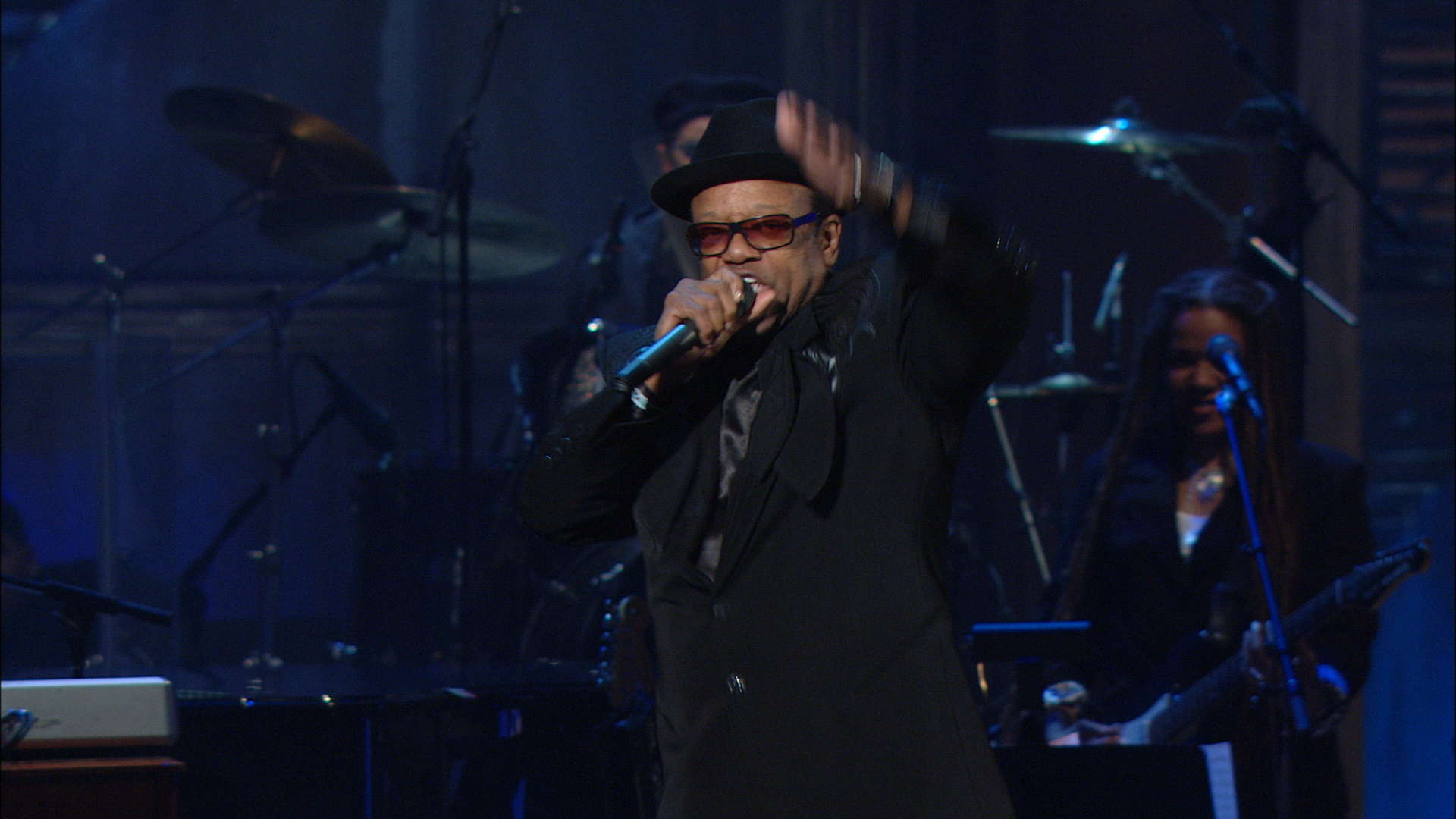
Bobby Womack is a stalwart soul and gospel figurehead whose resume includes significant contributions across the decades as a singer, songwriter and guitarist. The son of a steelworker, he was born in Cleveland, where he and his siblings formed a gospel group at a young age. While touring with the Soul Stirrers, the Womack Brothers met that group’s lead singer, Sam Cooke. After Cooke’s move from gospel to soul, he contacted the Womacks and asked them to move to California. Bobby Womack was only 16 years old at the time, and he dropped out of school. Under Cooke’s tutelage, they crossed the bridge from sacred to secular music, recording for his Sar label as the Valentinos and the Lovers.
The Womack brothers – Bobby and his siblings Cecil, Curtis, Harris and Friendly, Jr. - cut two R&B classics as the Valentinos: “Looking for a Love” (later covered by the J. Geils Band) and “It’s All Over Now.” The Rolling Stones’ cover of the latter song beat the Valentinos’ own version onto the charts, giving the Stones their second Top Forty hit in the States. Bobby Womack also played guitar in Cooke’s band. In the wake of Cooke’s shooting death under mysterious circumstances, the Valentinos broke up and Womack turned to songwriting, guitar playing and a solo career.
He has written songs recorded by Wilson Pickett (“I’m a Midnight Mover”), George Benson (“Breezin’”), Janis Joplin (“Trust Me”) and others. Pickett alone recorded 17 of Womack’s compositions. A solid guitarist who worked on the Memphis session scene for a period in the Sixties, Womack played on sessions for Pickett, Aretha Franklin, Ray Charles, Joe Tex, King Curtis, Dusty Springfield and other soul and R&B artists. He cut an album with jazz guitarist Gabor Szabo, too.
Recording under his own name, Womack scored a string of minor hits toward the end of the Sixties. These included remakes of the Mamas and the Papas’ “California Dreamin’” and Tony Bennett’s “I Left My Heart in San Francisco,” as well as originals like “How I Miss You Baby.” Womack made his greatest mark in the Seventies and Eighties, discovering and refining a unique identity as a soul man with a message. Earning the nicknames “The Preacher” and “The Poet,” Womack often prefaced his songs with monologues on the subjects of love and communication. Understanding firsthand like few others that soul’s roots lay in the church, he didn’t just sing, he testified.
From 1970 to 1990, Womack was popular and prolific, charting 36 singles. These include such major R&B hits as “That’s the Way I Feel About Cha” (#2), “Woman’s Gotta Have It” (#1) and “If You Think You’re Lonely Now” (#3). Womack topped the R&B chart with his 1974 re-recording of “Lookin’ for a Love,” while his contemporary update of a blues classic, “Nobody Wants to Know You When You’re Down and Out,” made it to #2. He was a hitmaking machine in the mid-Seventies, perennially present in the Top Ten with such numbers as 1974’s “You’re Welcome, Stop On By,” 1975’s “Check It Out” and 1976’s “Daylight.”
In addition to his success on the singles charts, Womack cut a series of albums whose thematic depth moved soul music forward much like the work of Stevie Wonder and Marvin Gaye. These include Communication, Understanding, Someday We’ll All Be Free and The Poet.
His first gold single was 1972’s “Harry Hippie,” written specifically about his laid-back brother Harris and indirectly about the larger counterculture. Womack, who became close friends with Sly Stone, got ensnared in the darker side of the hard-partying world of Los Angeles’ musical community. A series of personal tragedies – including the murder of brother Harry and the deaths of two sons – triggered descents into drugs and creative dry spells. However, Womack drew on his religious upbringing and love of music, emerging as a survivor with even deeper messages to impart.
The first half of the Eighties saw the release of his two best-selling albums, The Poet and The Poet II. In 1985 he released “Someday We’ll All Be Free,” the title track from an album of the same name that was renamed The Poet III for its CD release. A 1984 duet with Patti Labelle, “Love Has Finally Come at Last,” reached #3. His biggest hits of the Eighties, “I Wish He Didn’t Trust Me So Much” and “(No Matter How High I Get) I’ll Still Be Lookin’ Up to You,” both made it to #2 at mid-decade. Womack duetted with Mick Jagger on “Going Back to Memphis,” from the Rolling Stones’ Dirty Work album and with Shirley Brown on “Ain’t Nothin’ Like the Lovin’ We Got.” Womack reunited with his brothers for 1989’s “Save the Children,” which was the title track of his last album for five years.
In 1994, after an extended absence, Womack returned with Resurrection, which appeared on Rolling Stone Ron Wood’s Slide label. (Womack had previously produced and played on Wood’s 1974 solo album Look Now.) Such guest artists as Wood, Keith Richards, Rod Stewart, Stevie Wonder and Ronald Isley lent Resurrection the atmosphere of a soulful homecoming. Later in the decade, Womack kept a promise he’d made to his father by cutting a gospel album, Back to My Roots.
Womack is a music-business survivor, elder statesman and champion of old-school soul. “The whole thing is to make music feel real,” he told Craig Warner in a 1998 Goldmine profile. “You’ve got two or three minutes to connect, and it’s important that you have a story, a good hook line. It’s always gonna go back to that.”
TIMELINE
March 4, 1944: Robert Dwayne “Bobby” Womack is born in Cleveland, Ohio.
September 1962: The Valentinos, a group consisting of Bobby Womack and his four brothers, have a #6 R&B hit with the Womack-penned “Looking for a Love.”
July 25, 1964: The Rolling Stones’ cover of Bobby Womack’s “It’s All Over Now” enters the charts, where it will peak at #26. A month later, Womack’s own version with the Valentinos only reaches #94.
November 8, 1969: Bobby Womack’s self-penned solo single, “How I Miss You Baby,” enters the R&B chart. It will peak at #14 and point the way for bigger things to come in the Seventies.
December 4, 1971: Bobby Womack’s “That’s the Way I Feel About Cha” enters the R&B chart. It will become the soul singer’s first big crossover hit, peaking at #2 R&B and #27 pop.
April 29, 1972: Bobby Womack’s first #1 R&B hit, “Woman’s Gotta Have It,” makes its chart debut.
December 16, 1972: “Harry Hippie,” by Bobby Womack, enters the charts. It will peak at #8 R&B and #31 pop, earning the singer his first gold record.
January 13, 1973: Bobby Womack’s soundtrack for the urban-reality film Across 110th Street enters the album chart. The hard-hitting title track will become a Top 20 R&B hit.
July 7, 1973: Facts of Life, by Bobby Womack, is released. It will become his highest-charting (#37) album of the Seventies and yield the #2 R&B hit “Nobody Wants You When You’re Down and Out.”
January 26, 1974: “Looking for a Love,” by Bobby Womack – a re-recording of a song he wrote and recorded with the Valentinos in the Sixties – enters the charts. It will top Billboard’s R&B chart for three weeks and make the Top Ten on the pop chart.
May 1975: Bobby Womack releases I Don’t Know What the World Is Coming To, which contains the R&B hit “Check It Out” (#6) and a remake of “It’s All Over Now” with Bill Withers.
February 21, 1976: “Daylight,” by Bobby Womack, enters the R&B chart, will it will peak at #5. It is his sixth Top 20 R&B hit in two years.
June 2, 1979: “How Could You Break My Heart” becomes Bobby Womack’s 17th (and last) Top Forty R&B hit in the Seventies.
December 1981: Bobby Womack christens a new decade with the strongest and highest-charting album of his career, The Poet. A sequel, The Poet II, follows in 1984. Between them, they’ll sell nearly 3 million copies.
February 11, 1984: “Love Has Finally Come at Last,” a duet between Bobby Womack and Patti Label, debuts on the R&B chart, where it will reach #3.
August 10, 1985: “I Wish He Didn’t Trust Me So Much,” by Bobby Womack, enters the R&B chart, where it will peak at #2. It is his second #2 hit this year – and the last time he’ll make the Top Forty.
December 1989: Bobby Womack releases Save the Children, whose title track will become a minor R&B hit. It is his last album for five years.
October 1994: Rebounding from a period of depression and exhaustion, Bobby Womack releases Resurrection, a return to form that finds him joined by many esteemed rock and soul colleagues.
February 29, 1996: Bobby Womack receives the Pioneer Award from the Rhythm and Blues Foundation.
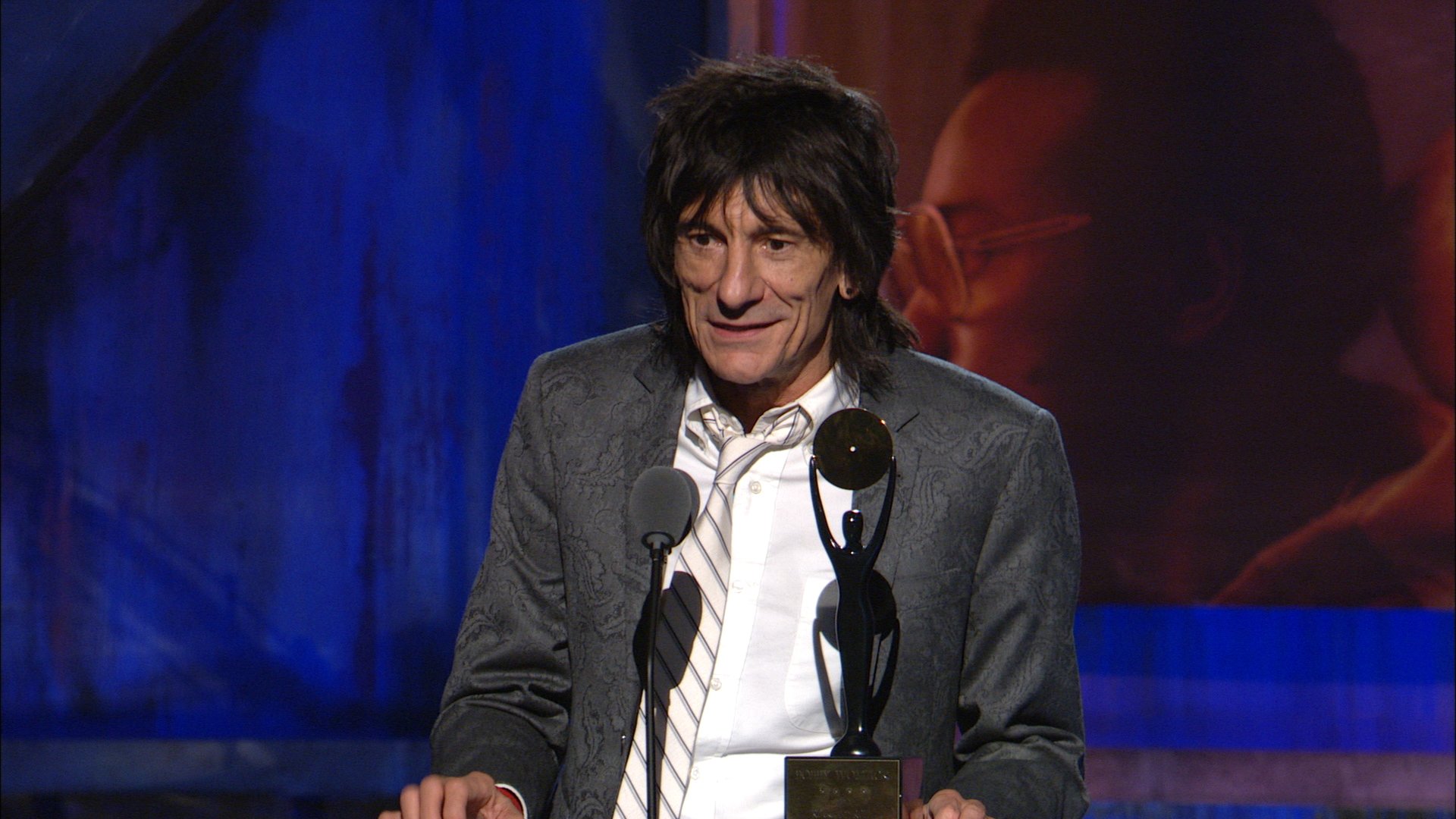
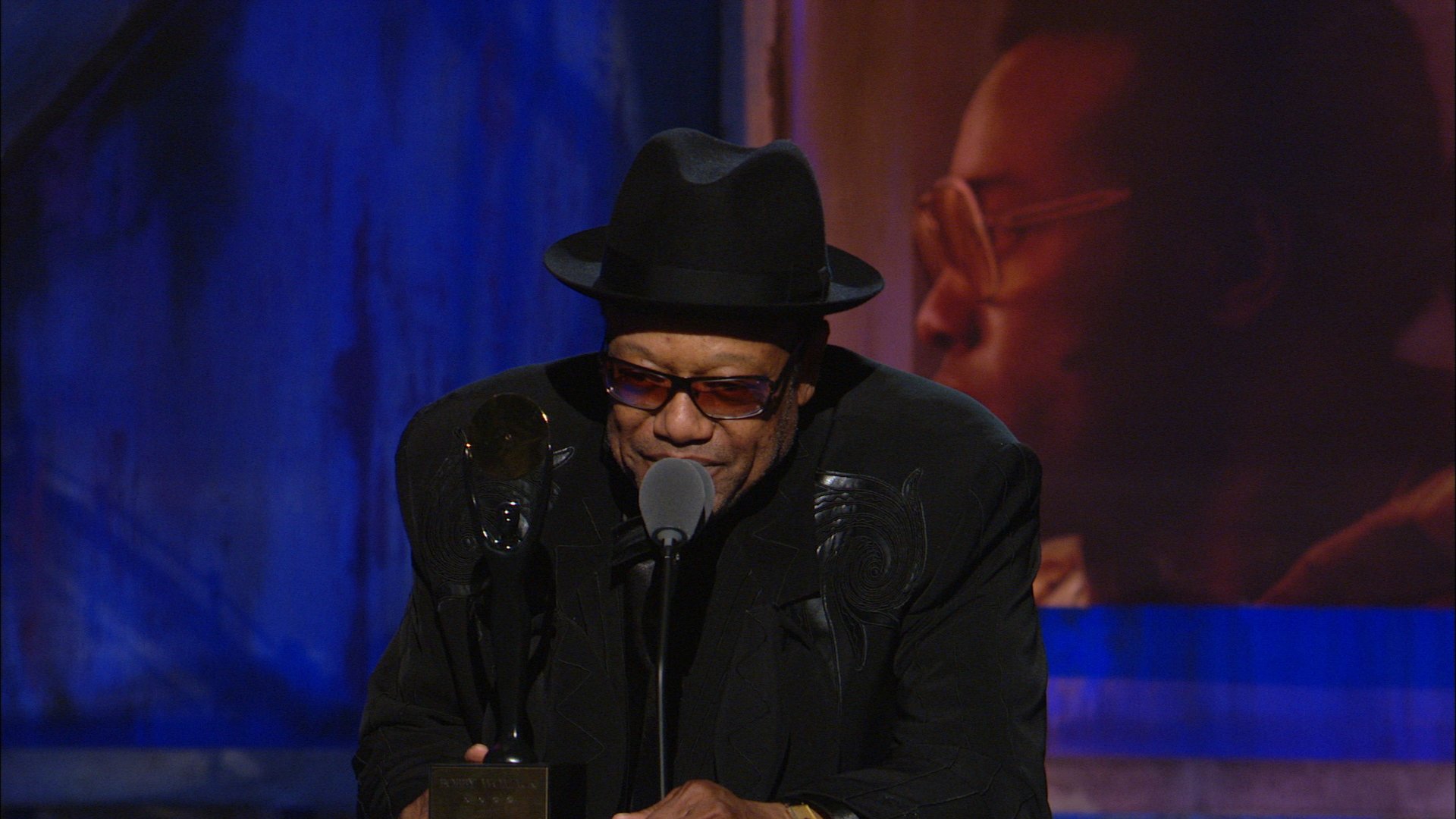
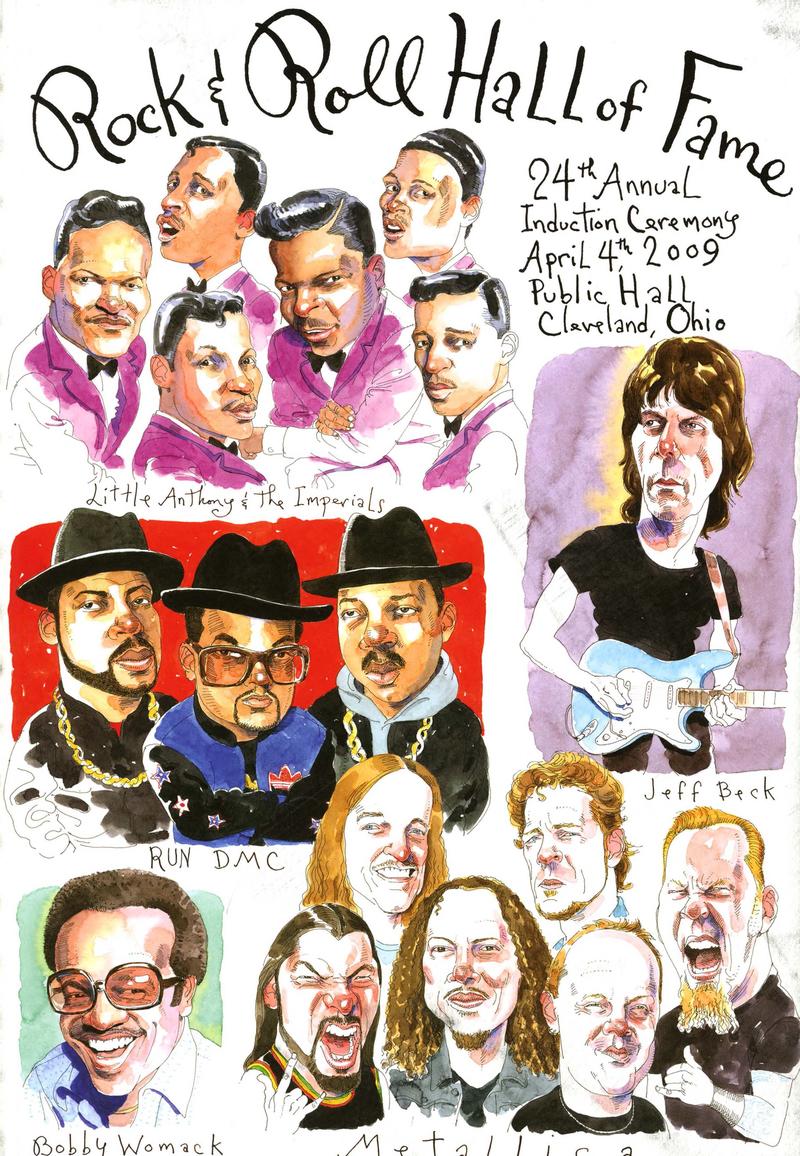
April 4, 2009: Bobby Womack is inducted into the Rock and Roll Hall of Fame at the 24th annual dinner. Ron Wood is his presenter.
RECOMMENDED TRACKS
1. Woman’s Gotta Have It
2. It’s All Over Now
3. Lookin’ for a Love
4. Across 110th Street
5. I Can Understand It
6. Nobody Wants You When You’re Down and Out
7. You’re Welcome, Stop on By
8. That’s the Way I Feel About Cha
9. Communication
10. Harry Hippie
RECOMMENDED READING
Hewitt, Paolo. “Bobby Womack: The Great Provider.” New Musical Express (August 29, 1985).
Hoskyns, Barney. “On the Road With Bobby Womack.” New Musical Express (October 1984)
Murray, Charles Shaar. “Bobby Womack: The Mystery Man.” Q (March 1987).
Werner, Craig. “Don’t Fear the Preacher.” Goldmine (October 23, 1998): 16-20+.