Bonnie Raitt
Induction Year: 2000
Induction Category: Performer
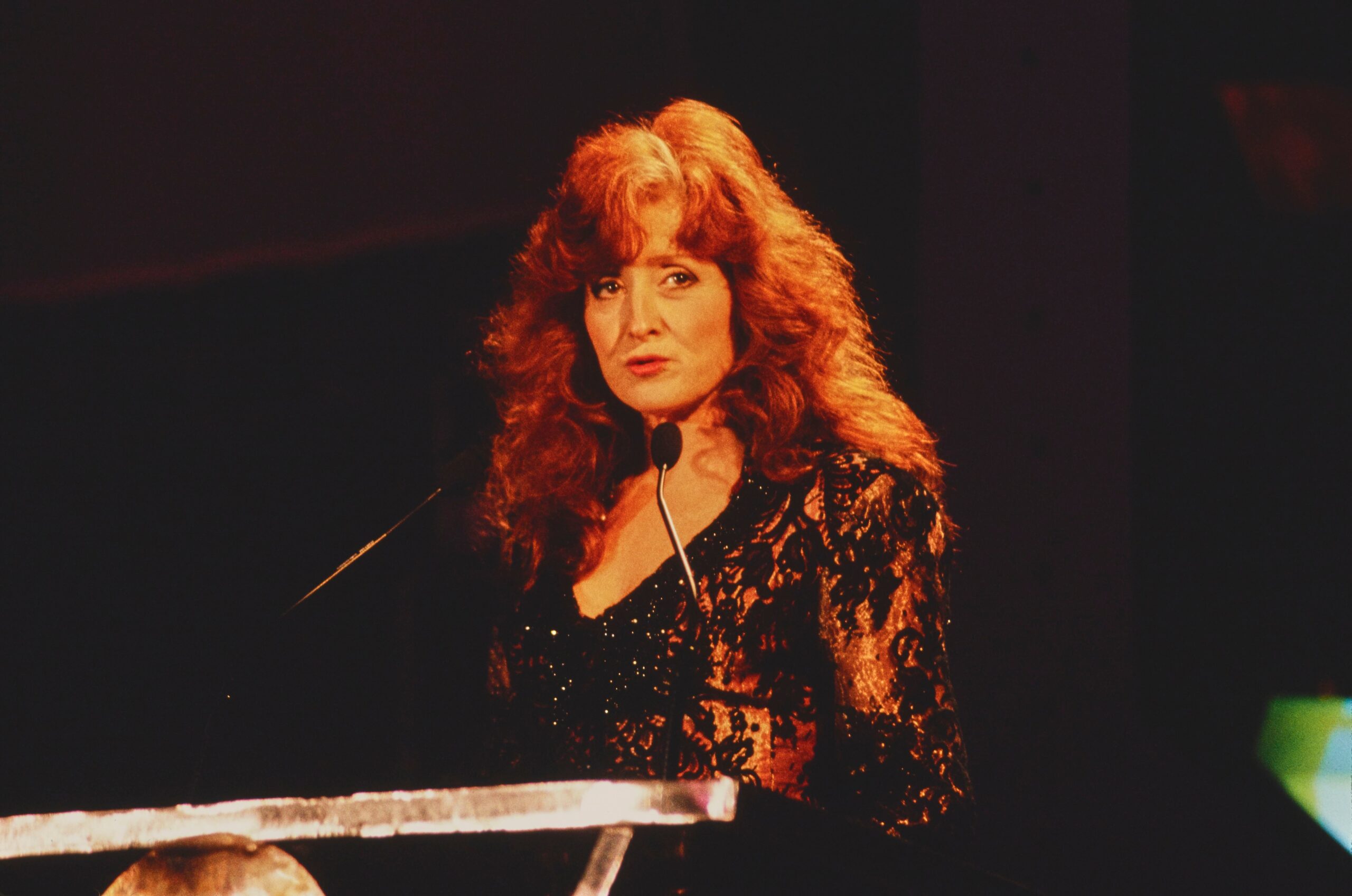
When Bonnie Raitt won a phenomenal four Grammys in 1990, it came as overdue recognition for an artist who had been breaking down barriers of gender and genre since the early Seventies. Her feel for the blues was evident on her first album, Bonnie Raitt (1971), and though she’s explored different kinds of material over the years - including pop, rock and balladry - a serious rooting in the blues has remained evident in her work. Raised in Los Angeles by her actor father John and pianist mother Marjorie, Raitt took up guitar at age 12. While attending college in Boston, she gravitated to the Cambridge folk-blues scene of the late Sixties. She emerged as both a prodigy and anomaly: a young woman who sang blues with gritty passion and played slide guitar with authority, as if the genre’s fundaments had been etched in her soul.
Raitt was schooled by and performed alongside such estimable legends as Sippie Wallace, Mississippi Fred McDowell and Son House. Throughout her career, she’s combined an old-school country-blues grounding with a contemporary outlook and willingness to experiment. She recorded eight albums for Warner Bros. Records from 1971 to 1986, progressively moving from straight blues into more pop-oriented areas without losing sight of her roots. All the while, she selected tunes by the choicest songwriters (e.g., Randy Newman, John Prine, Eric Kaz, Allen Toussaint and Jackson Browne) while working with the cream of Southern California musicians, including members of Little Feat. By the mid-Seventies, she’d accrued a loyal and growing following on the strength of such albums as Streetlights (1974) and Home Plate (1975). The commercial pinnacle of Raitt’s tenure with Warner Bros. Records was Sweet Forgiveness (1977), which yielded a near-hit in her cover of Del Shannon’s “Runaway.”
Her graduation from respected cult figure to major artist occurred after her move to Capitol Records. Raitt’s breakthrough album, Nick of Time (1989), slowly gained momentum, reaching the top of the chart exactly a year after its release--and a month after Raitt won the aforementioned batch of Grammys. On that memorable evening, Raitt put her awards in selfless perspective: “It means so much for the kind of music that we do,” she said. “It means that those of us who do rhythm & blues are going to get a chance again.” Indeed, the followup album Luck of the Draw fared even better than Nick of Time, selling 5 million copies and winning three more Grammys. It also gave Raitt the first bonafide hit single of her 20-year career in “Something to Talk About,” which reached #5. Subsequent albums have included Luck of the Draw (1994), the double-live CD Road Tested (1995) and Fundamental (1998).
TIMELINE
November 8, 1949: Bonnie Lynn Raitt is born in Los Angeles, California.
1971: Bonnie Raitt releases her self-titled debut album.
November 1, 1971: Bonnie Raitt’s debut album, Bonnie Raitt, is released, revealing a 21-year-old singer/guitarist with an uncanny grasp of old-time country blues.
November 13, 1971: Bonnie Raitt releases her debut self-titled album.
December 1, 1971: Give It Up, Bonnie Raitt’s sophomore album, expands her range with three self-penned songs and outside contributions from contemporary writers like Jackson Browne and Eric Justin Kaz.
December 1, 1975: Bonnie Raitt’s fifth album, Home Plate, finds her working with fellow Southern Californians like Bill Payne (of Little Feat) and Tom Waits. She is profiled in a Rolling Stone cover story.
April 23, 1977: Sweet Forgiveness enters the album chart. It yields a minor hit (Bonnie Raitt’s first) with her cover of Del Shannon’s “Runaway,” and rises to #25. It is her first gold record and remains her best-selling album until Nick of Time.
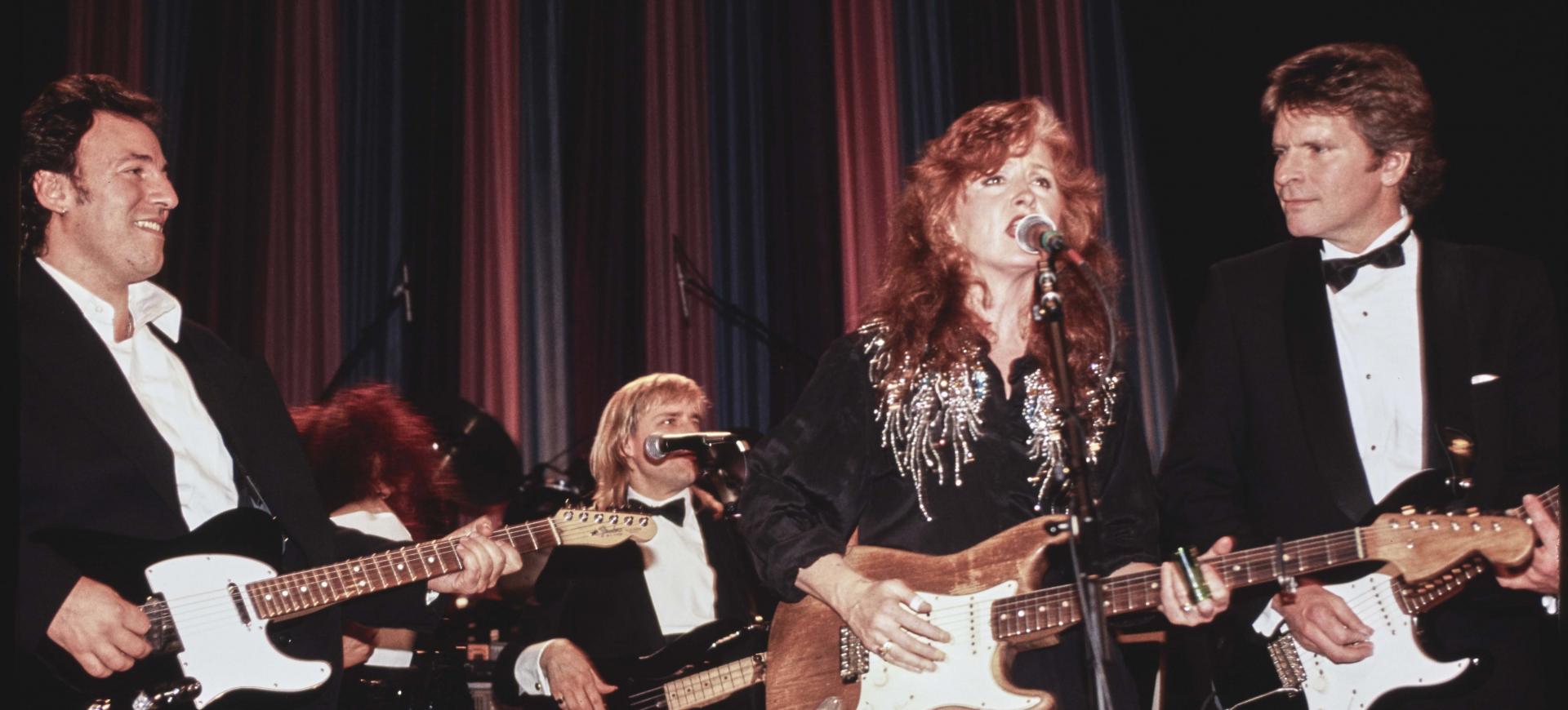
September 19-23, 1979: The antinuclear MUSE (Musicians United for Safe Energy) concerts, co-organized by Bonnie Raitt, are held at New York’s Madison Square Garden. Raitt performs with Jackson Browne, Bruce Springsteen and others.
September 1, 1986: Bonnie Raitt’s ninth album, Nine Lives, comes in the midst of a time or personal turmoil for the artist. A poor seller, it is her last album for Warner Bros.
April 15, 1989: Nick of Time, Bonnie Raitt’s first album for Capitol Records, enters the album chart. Produced by Don Was, it is one of the major success stories of the year, rising to #1 and minor hits in “Have a Heart” and “Nick of Time.”
February 21, 1990: Bonnie Raitt dominates the Grammy ceremonies in Los Angeles, winning four awards: Album of the Year (for Nick of Time); Best Pop Vocal Performance, Female; Best Rock Vocal Performance, Female, and Best Traditional Blues Recording (for a duet with John Hooker on “I’m in the Mood").
August 17, 1991: ‘Luck of the Draw’ reaches #2 on Billboard’s album chart and yields Bonnie Raitt’s first Top Forty single, “Something to Talk About” (#5).
February 25, 1992: ‘Luck of the Draw’ wins three more Grammys for Bonnie Raitt.
April 1, 1994: ‘Longing in Their Hearts’ becomes Bonnie Raitt’s second album to hit #1, and it wins her another Grammy (for Best Pop Album) at the March 1995 awards.
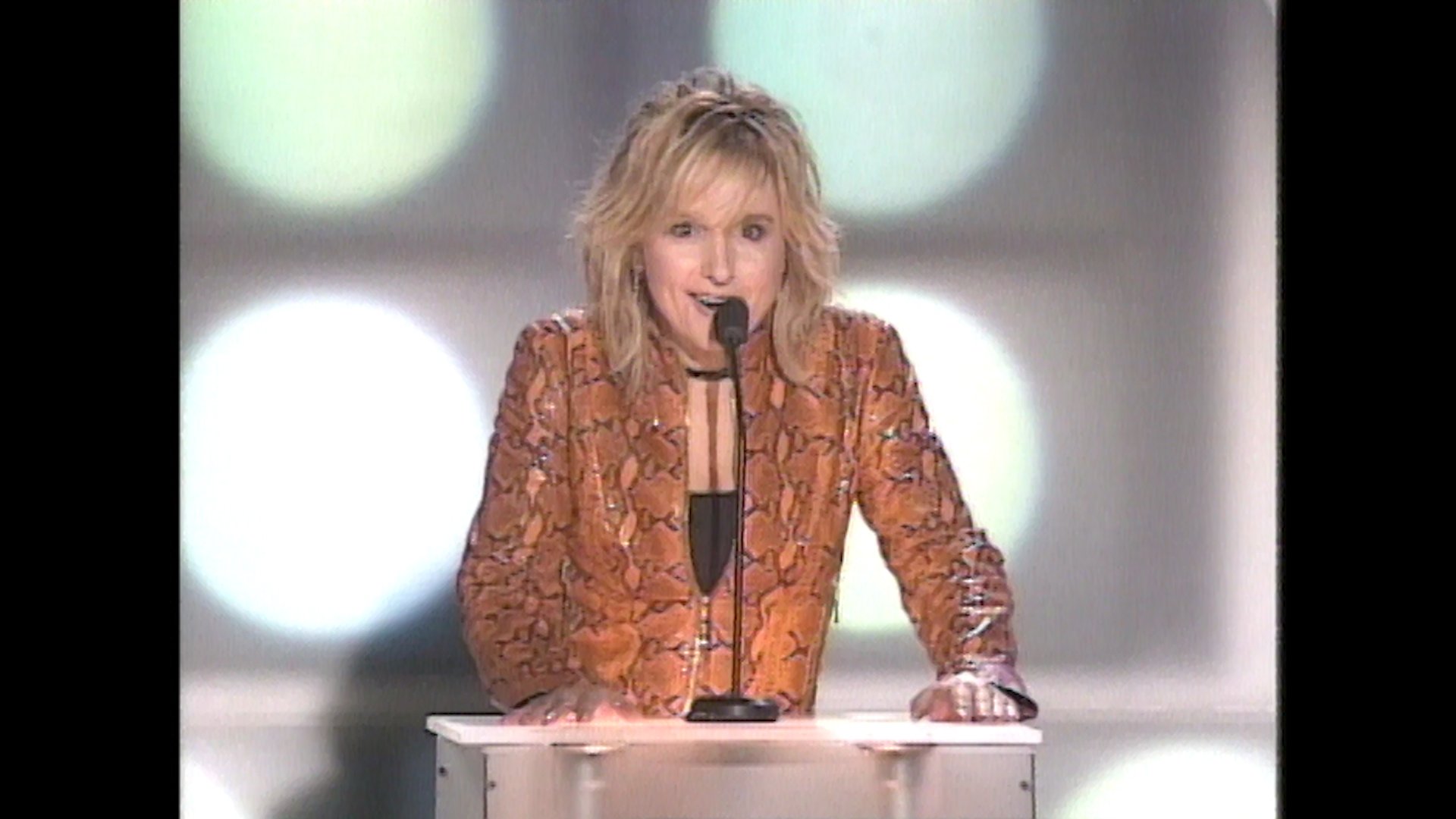
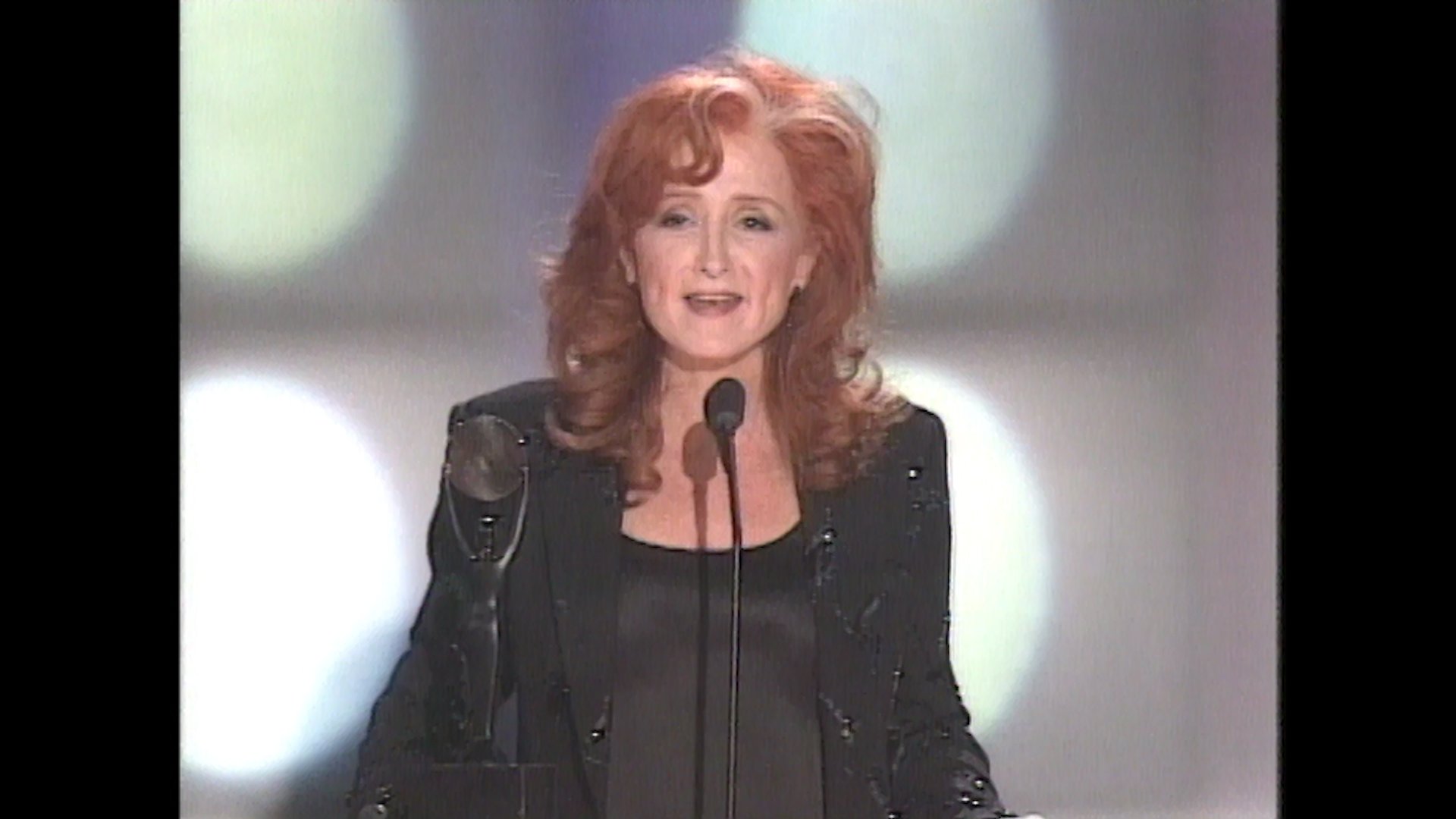
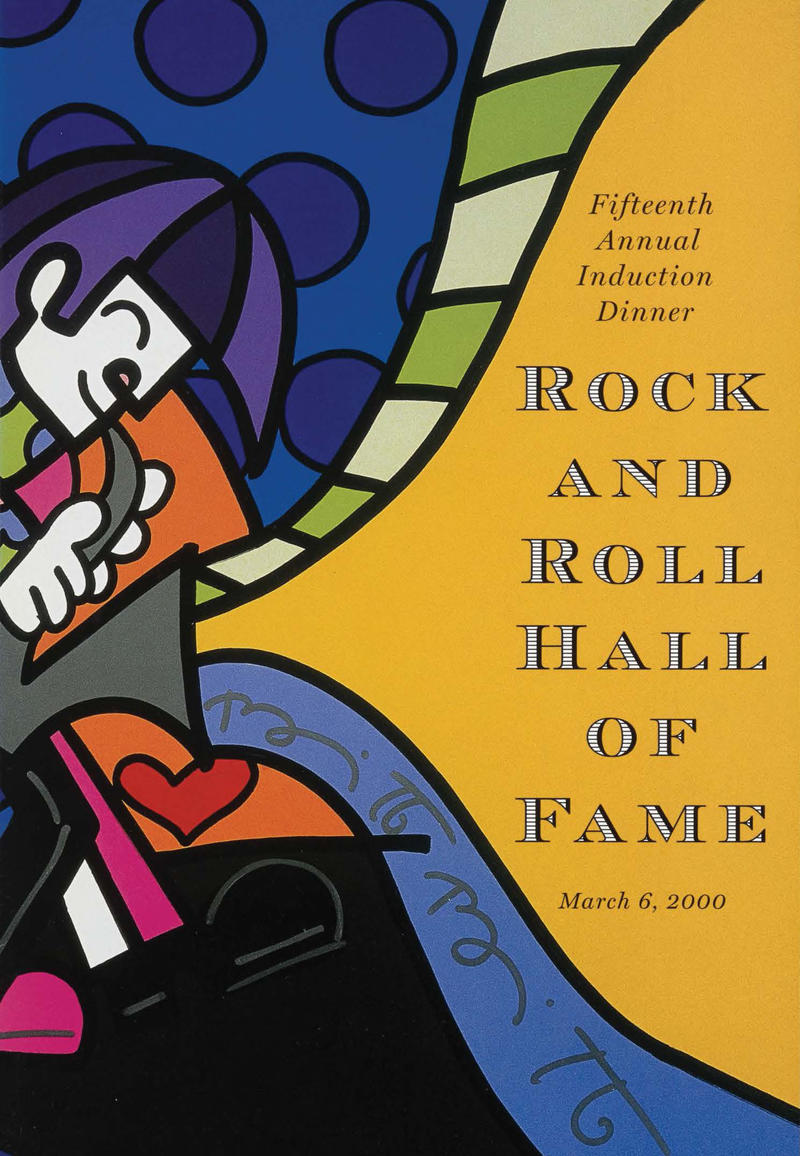
March 6, 2000: Bonnie Raitt is inducted into the Rock and Roll Hall of Fame at the fifteenth annual induction dinner. Melissa Etheridge is her presenter.
Essential Recordings
Nick of Time
Love Has No Pride
Have a Heart
Thing Called Love
Angel from Montgomery
Give It Up or Let Me Go
Love Me Like a Man
Something to Talk About
I Can’t Make You Love Me
Runaway
Recommended Reading
“Bonnie Raitt: The Rolling Stone Interview.”
James Henke. Rolling Stone (May 3, 1990): 38-42, 90-92.