Buffalo Springfield
Induction Year: 1997
Induction Category: Performer
"Inductees: Richie Furay (vocals, guitar; born May 9, 1944), Dewey Martin (drums; born September 30, 1940), Bruce Palmer (bass; born September 9, 1946); Stephen Stills (vocals, guitar; born January 3, 1945), Neil Young (vocals, guitar; born November 12, 1945)
Buffalo Springfield was an American supergroup that didn’t exist long enough to be recognized as such. Though their tenure was short, Buffalo Springfield was a pivotal rock group with an organic, home-grown musical approach that reverberated beyond the Sixties. Along with the Byrds, the Buffalo Springfield laid the groundwork for the folk-rock and country-rock genres that took root in the Seventies. They produced two of rock’s greatest guitarists in Neil Young and Stephen Stills. Their three albums-Buffalo Springfield, Buffalo Springfield Again and Last Time Around-wove together strands of folk, country, pop, soul and rock. Buffalo Springfield also recorded one of rock’s greatest topical songs, “For What It’s Worth.” A cautionary number inspired by clashes between police and youthful protesters on Los Angeles’s Sunset Strip, it was the only Buffalo Springfield single to make the Top Forty, reaching #7 in 1967.
The five original members of Buffalo Springfield converged on California from different backgrounds and locales. Guitarists Stephen Stills and Richie Furay had been members of the Au Go-Go Singers, a nine-member folk group. Guitarist Neil Young, bassist Bruce Palmer and drummer Dewey Martin were all Canadian-born. Young and Palmer briefly played together in the Mynah Birds, a group built around singer Rick James (later, a funk-soul superstar). Stills and Furay crossed paths with Young in Toronto and New York in 1965. Then Young made a fateful decision: “Let’s go to California,” he told Palmer. Stills and Furay fortuitously spotted Young and Palmer driving the other way on L.A.’s Sunset Strip, and Buffalo Springfield was born. Martin, the last to join, had been the drummer in Sir Walter Raleigh and the Coupons, a group that was regionally popular in the Pacific Northwest. A mere week’s worth of rehearsals preceded their first gig. Buffalo Springfield quickly gelled into a unit whose tight, energetic live shows at the Whisky a Go-Go, where they held down a magical six-week residency, are the stuff of rock and roll legend.
The group boasted an almost uncontainable pool of talent. Stills, Young and Furay were all formidable writers, guitarists and vocalists. When bassist Palmer got deported to Canada following a drug bust, producer Jim Messina-himself a singer and guitarist with a predilection for country- and folk-flavored rock-joined the band. Internecine squabbles, particularly between Stills and Young, led to Buffalo Springfield’s disbanding, but not before they’d recorded three classic albums that sketched a number of directions rock would follow in their wake. It would be hard to imagine the careers of the Eagles, Jackson Browne and others without Buffalo Springfield as a precursor, and the roots of the currently popular Americana movement can be found here as well. However, the prolific solo careers of Neil Young, Stephen Stills and Richie Furay, and the band members’ respective group endeavors-Crosby, Stills & Nash (and sometimes Young), Poco, and Loggins and Messina-are the larger, ongoing legacy of Buffalo Springfield. Neil Young included a nostalgic song about his old band, entitled “Buffalo Springfield Again,” on his 2000 album Silver and Gold, raising speculation that some sort of reunion might be in the offing.”
TIMELINE
September 30, 1942: Dewey Martin was born.
May 9, 1944: Richie Furay was born.
January 3, 1945: Stephen Stills was born.
November 12, 1945: Neil Young was born.
September 9, 1946: Bruce Palmer is born.
April 6, 1966: A white van containing Stephen Stills and Richie Furay an and old hearse driven by Canadians Neil Young and Bruce Palmer pass in a Los Angeles traffic jam. Stills, Young and Furay had briefly met back east, and this chance reacquaintance launched Buffalo Springfield.
April 15, 1966: Rounded out by drummer Dewey Martin, Buffalo Springfield makes their stage debut as the opening act for the Byrds on a run of dates at colleges in Southern California.
February 1, 1967: The debut album ‘Buffalo Springfield’, containing 12 original songs, is released. First pressings omit “For What It’s Worth,” which is subsequently added to the album when it becomes a hit. “For What It’s Worth,” which reaches #7, is Buffalo Springfield’s only Top Forty hit.
February 4, 1967: Buffalo Springfield’s “For What It’s Worth,” inspired by the Sunset Strip riots in L.A., is released and climbs to Number Seven.
June 13, 1967: Buffalo Springfield appears at the Monterey Pop Festival, with the temporarily departed Neil Young replaced by guitarist Doug Hastings and joined onstage by David Crosby of the Byrds.
May 5, 1968: Buffalo Springfield performs its final concert in Long Beach, California.
August 13, 1968: Buffalo Springfield’s recorded swan song, ‘Last Time Around’, is issued.
November 1, 1968: Poco, a band formed by former Buffalo Springfield members Richie Furay and Jim Messina, makes its debut at the Troubadour.
February 13, 1969: Buffalo Springfield’s best-of album, ‘Retrospective’, is released. It is later certified platinum, surpassing sales of one million.
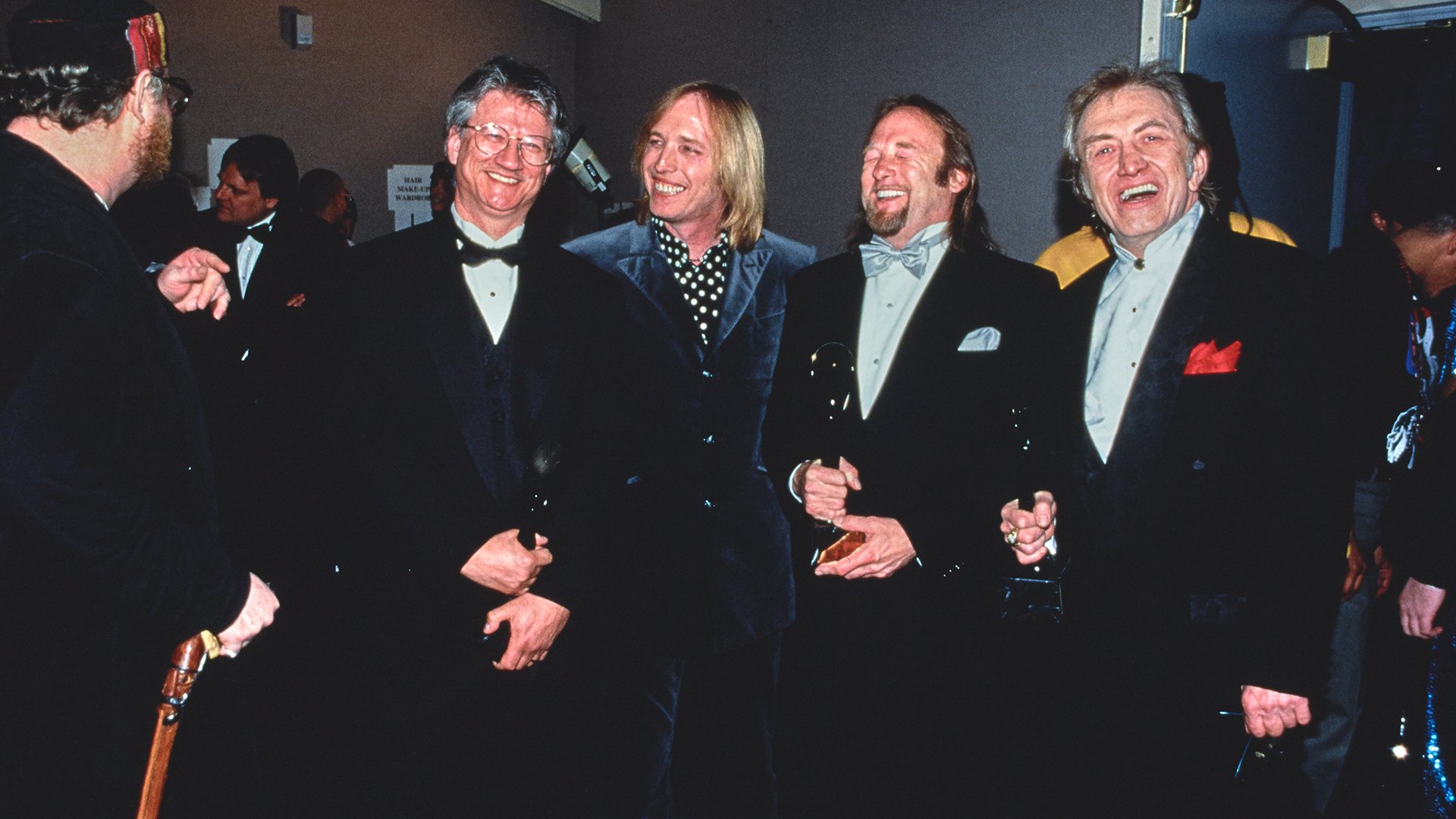
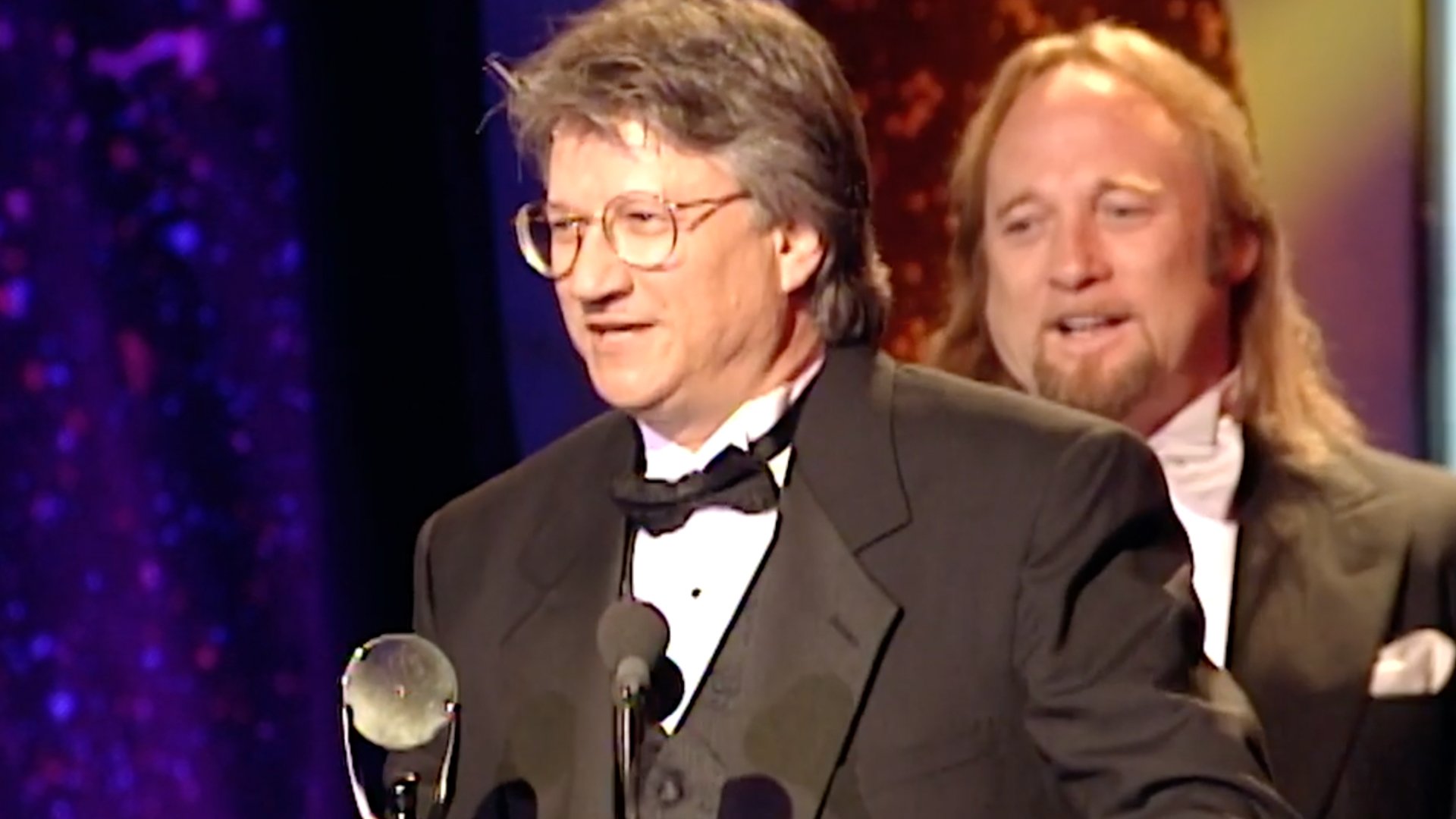
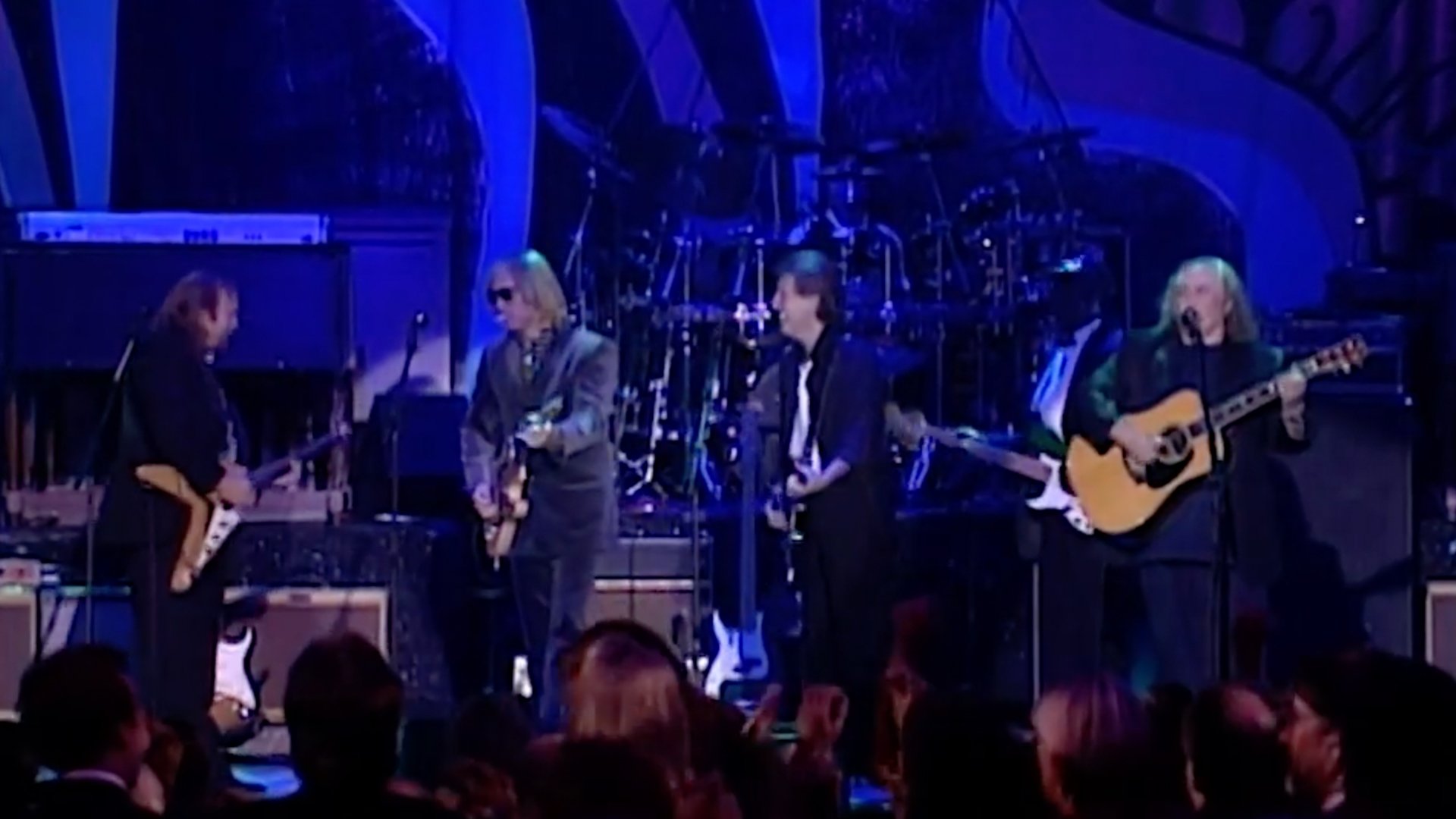
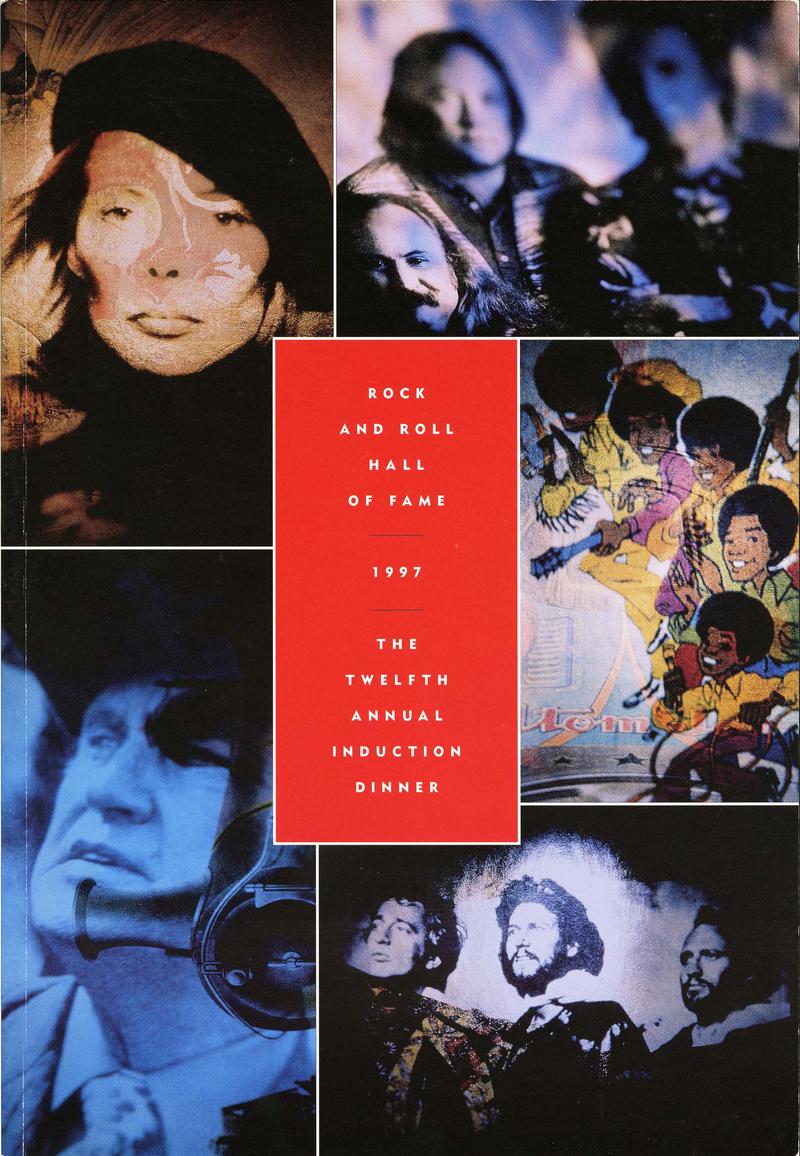
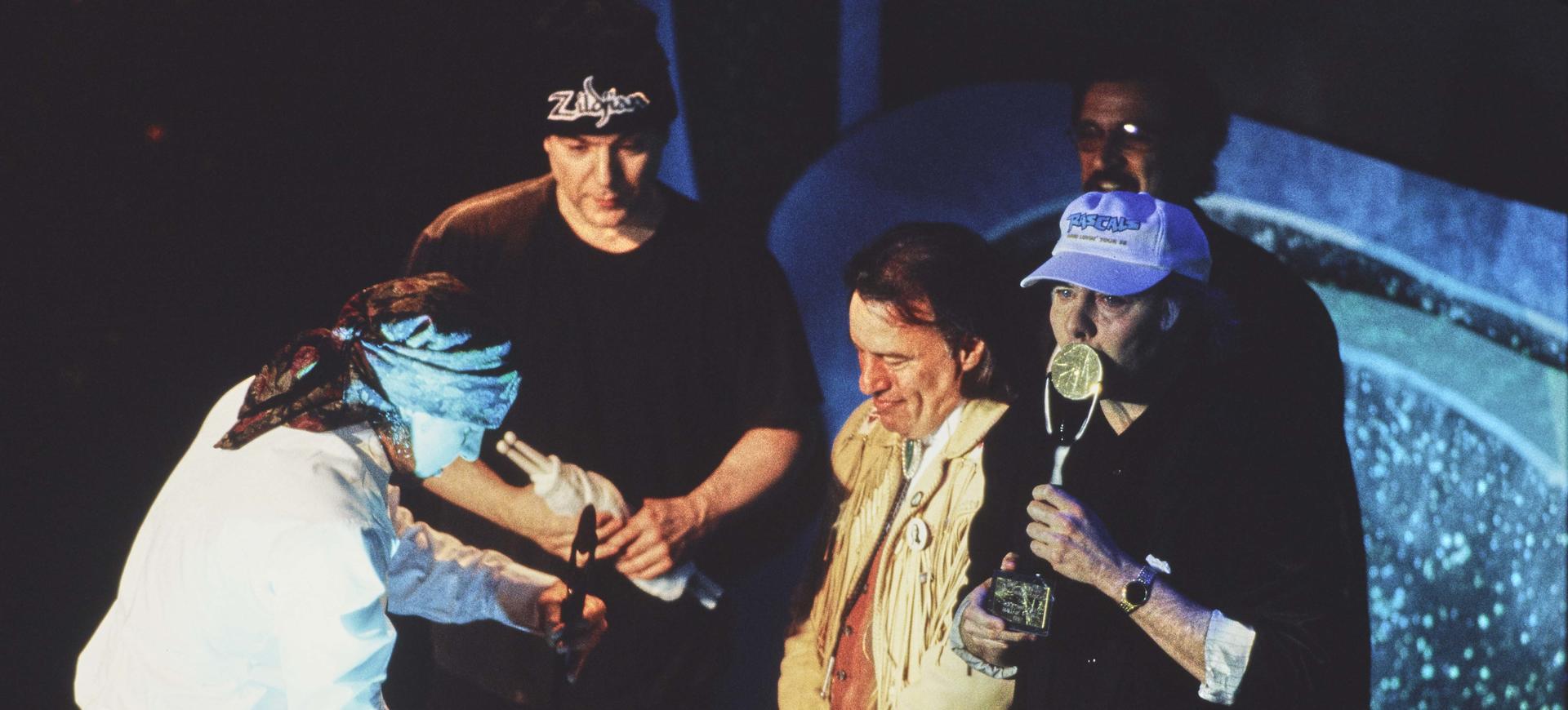
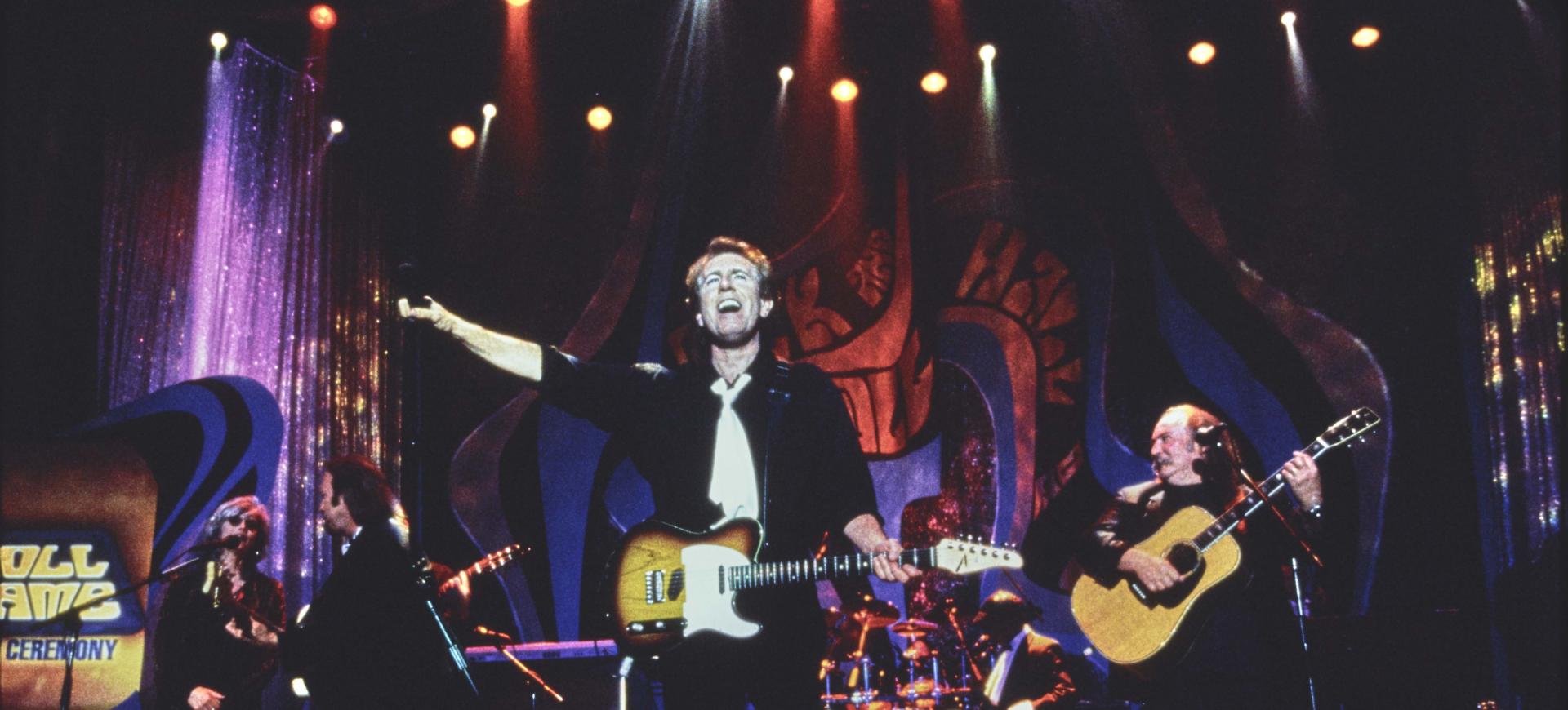
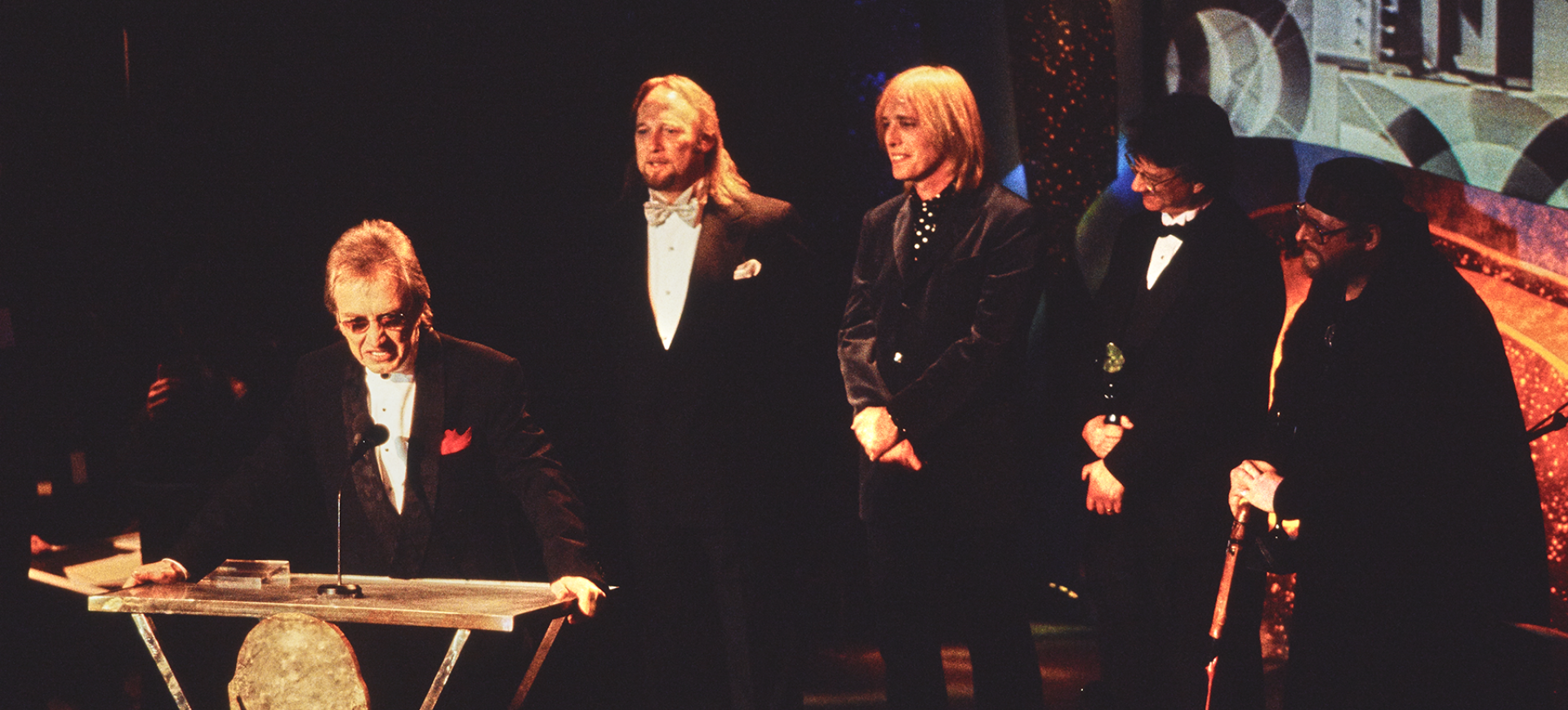
May 6, 1997: Buffalo Springfield is inducted into the Rock and Roll Hall of Fame at the twelfth annual induction dinner. Tom Petty is their presenter.
October 1, 2004: Bruce Palmer of Buffalo Springfield passes away.
Essential Recordings
For What It’s Worth
Mr. Soul
Rock and Roll Woman
Bluebird
Nowadays Clancy Can’t Even Sing
A Child’s Claim to Fame
Broken Arrow
Go and Say Goodbye
Expecting to Fly
Kind Woman
Recommended Reading
For What It’s Worth: The Story of Buffalo Springfield
John Einarson and Richie Furay. Ontario, Canada: Quarry Press, 1997.
“Buffalo Springfield: A Collector’s Retrospecitve”
Jerry Fuentes. Goldmine (February 13, 1987): 8-12.