Rock and Roll Hall of Fame and Museum

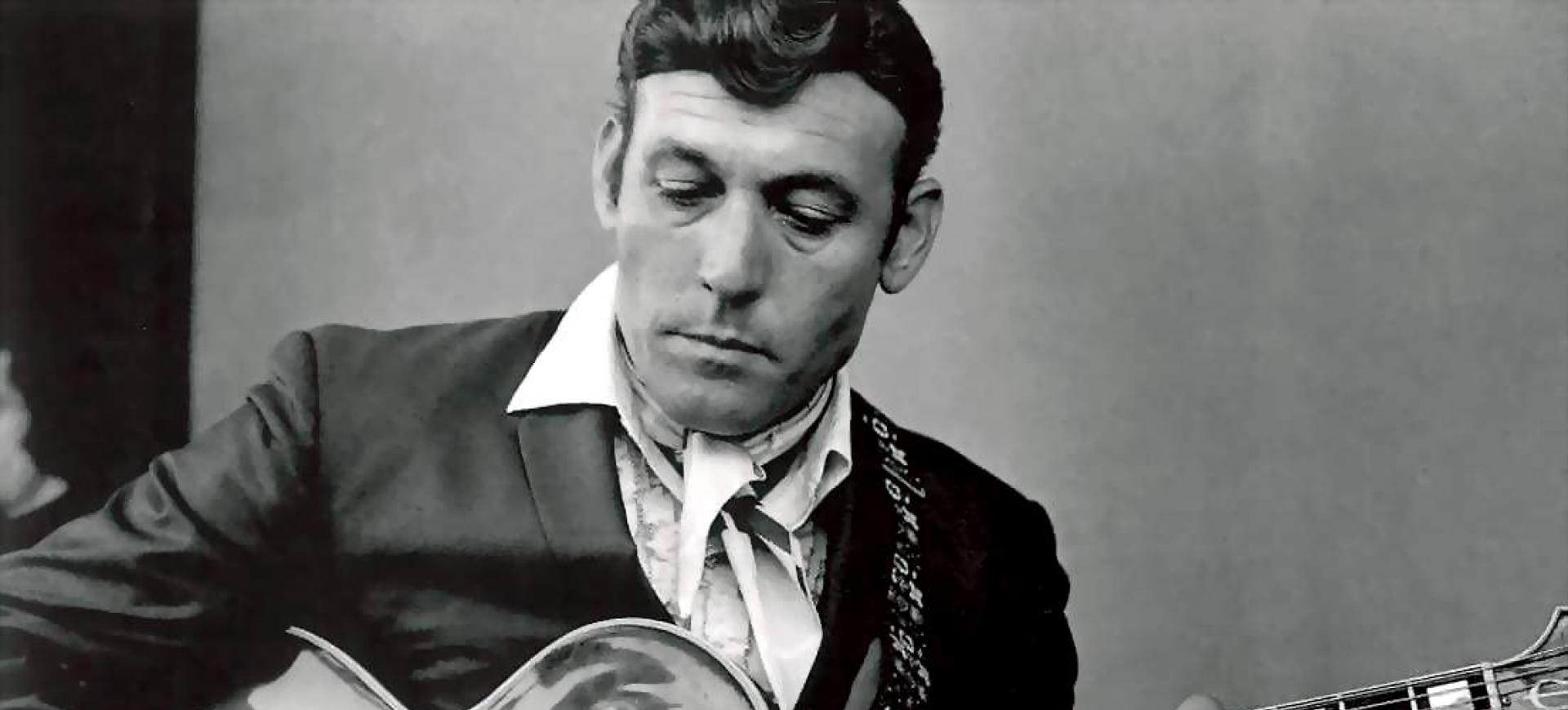
Carl Perkins

Induction Year: 1987

Induction Category: Performer


Carl Perkins (vocals, guitar; born April 9, 1932, died January 19, 1998)

Rockabilly pioneer Carl Perkins lent a helping hand when the two currents that defined Southern music at mid-century - rhythm & blues and country & western - came together as rock and roll. He was a native Tennessean who’d grown up in a sharecropping family near Tiptonville, a farming community in Lake County, north of Memphis. Perkins picked cotton in the fields and learned how to play guitar from a black field hand named John Westbrook. He began performing in the Forties with the Perkins Brothers Band, which included siblings Jay and Clayton. Carl was heavily influenced by bluegrass legend - “Some of those old songs [of his] are so close to rockabilly it’s scary,” he said - and was right on track with Presley in the synthesis of rock and roll from homegrown elements.

After flipping for Presley’s recording of ’s “Blue Moon of Kentucky,” Perkins made the trip to Memphis in August 1954 with the hope of auditioning for , founder of Sun Records. He was told to write more songs and stay in touch; a few months later, he cut his first single for the label, “Movie Magg.” In December 1955, he recorded a song of his that would quickly become the signature song of the rockabilly genre: “Blue Suede Shoes.” It was a tune so full of hot licks and hipster cool that Presley himself was moved to cover it. “‘Blue Suede Shoes’ became an anthem for a rebellious postwar generation, embodying its unrest and pride as succinctly as any James Dean film,” wrote music historian Art Fein.

Perkins’ original version of the song became rock and roll’s first across-the-board chart hit, simultaneously reaching #2 on the pop and R&B charts and topped the country chart. In deference to their friendship, Presley waited until Perkins’ version had peaked to release his own, which reached #20. However, fate intervened unkindly to halt the momentum that had been building with “Blue Suede Shoes.” While en route to New York to appear on The Ed Sullivan Show and The Perry Como Show, Perkins was seriously injured when his Chrysler Imperial rear-ended a pickup truck. Carl, who was not driving, suffered a fractured skull, broken bones and lacerations, and his brother Jay had serious injuries as well.

After recovering, Perkins returned home to Memphis, where gave him a brand-new Cadillac for having scored Sun Records’ first million-seller. As music historian Colin Escott has noted, “Sun Records had never really made money until ‘Blue Suede Shoes,’ not even when Presley began selling in respectable quantities.”

Perkins quickly resumed work at Sun, recording a brace of classic rockabilly sides - including “Boppin’ the Blues” and “Matchbox” - throughout 1956. However, for almost unexplainable reasons, he would never again crack the Top Forty. In all likelihood, Perkins’ Dixie-fried sound was too authentic for what was fast becoming a watered-down teen market. On December 4, 1956, Perkins, and (who’d already moved from Sun to RCA) held an impromptu jam session at Sun Studio. ( stuck around only long enough to be photographed with the others.) The foursome were dubbed the Million Dollar Quartet, although the results of the summit meeting were not officially released until 1990.

Perkins moved to Columbia Records in 1958, where he had a few minor hits, such as “Pink Pedal Pushers,” in his patented rockabilly style. In 1964, while touring Britain, he learned to his great surprise that he’d been a major influence on , especially guitarist . Under Perkins’ supervision, cut five of his songs - more songs than they recorded by any other outside source - including “Matchbox,” “Honey Don’t” and “Everybody’s Trying to Be My Baby.”

Perkins’ career got another boost when fellow Sun Records alumnus tapped him to tour and record as part of his band in the mid-Sixties and featured him as a regular in his Seventies variety show. Perkins remained part of Cash’s touring entourage from 1967 to 1975 - a mutual show of loyalty from two Sun-era comrades who’d came up much the same way.

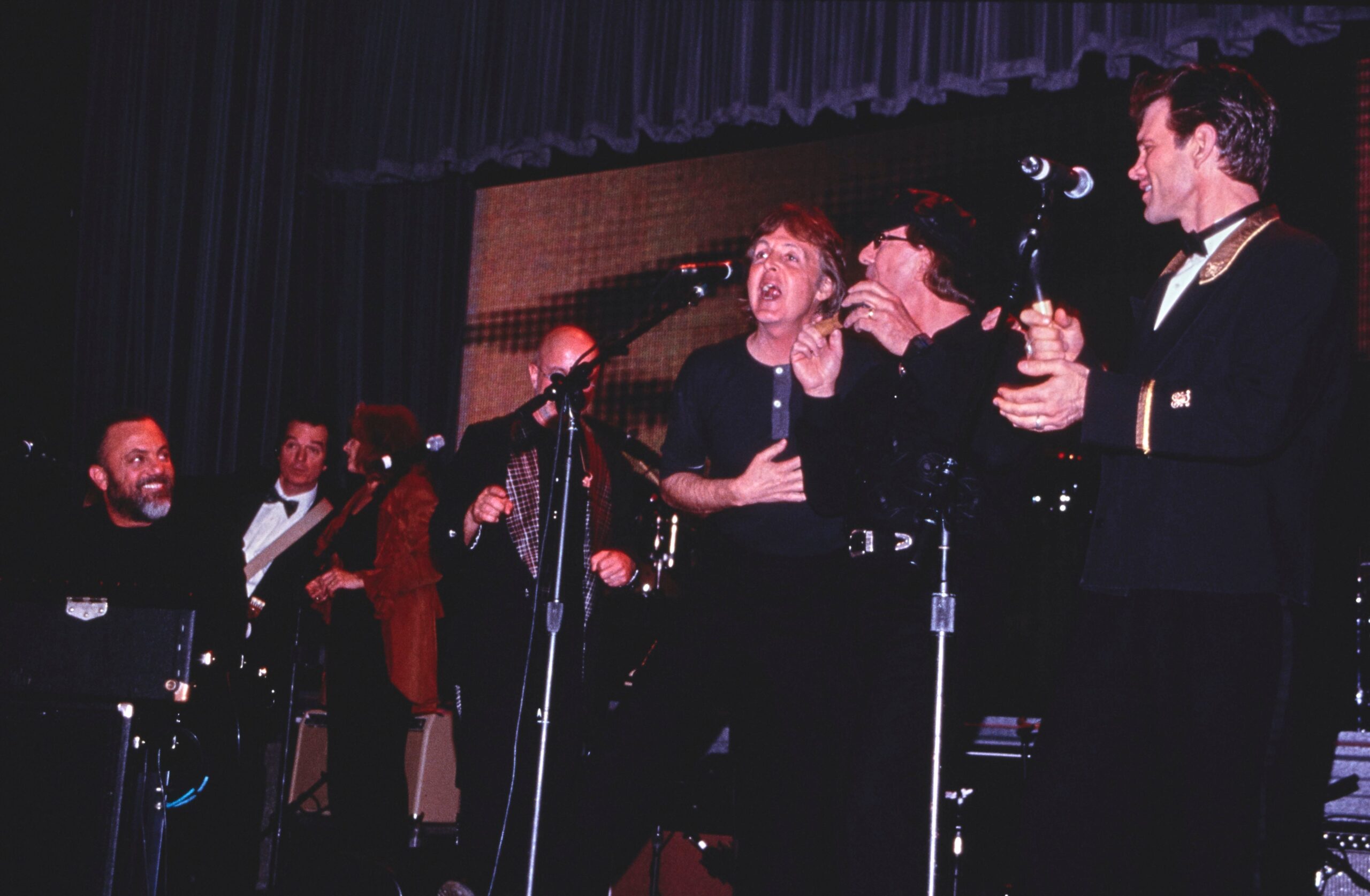
When the roots-oriented side of the New Wave movement, driven by such retro-minded bands as the Stray Cats and the Blasters, took hold in the early Eighties, Perkins found himself back in favor once again. A widely watched Cinemax special from 1985 - celebrating the thirtieth anniversary of “Blue Suede Shoes” - found him joined onstage by a few Beatles ( and Ringo Starr), and others. In 1988, he reunited with Sun Records stalwarts Cash, and in Memphis to record Class of ‘55M.

Having survived throat cancer in the early Nineties, Perkins continued to perform and record. His autobiography, Go, Cat, Go!, was published in 1995, and an album with the same title was released on Capitol Records.  He also cut Born to Rock for Universal in 1989. Perkins died of a stroke in 1998 at age 66.

TIMELINE

April 9, 1932: Carl Perkins is born near Tiptonville, Tennessee.

August 1954: Carl Perkins auditions for of Sun Records and is signed to the label in October.

January 22, 1955: Carl Perkins’ first single - “Movie Magg” b/w “Turn Around” - is released on Flip Records, a Sun subsidiary.

December 19, 1955: Carl Perkins records “Blue Suede Shoes,” an original song based on a real-life scenario, at Sun Studio.

March 10, 1956: Carl Perkins’ “Blue Suede Shoes” holds down the #2 spot on Billboard’s Juke Box chart for the first of four weeks. It tops the country chart, too.

March 22, 1956: While en route to New York for TV appearances, Carl Perkins is in a serious auto accident, sending him and his brother Jay to the hospital.

December 11, 1957: Carl Perkins cuts his last sides - “Glad All Over” and “Right String Baby (But the Wrong Yo-Yo)” - for Sun Records.

January 25, 1958: Carl Perkins leaves Sun Records for Columbia Records upon the expiration of his contract.

December 14, 1968: “Daddy Sang Bass,” a song written by Carl Perkins for , enters the country chart, where it will peak at #1 for six weeks and become a staple of Cash’s repertoire.

October 1969: Carl Perkins and NRBQ record an album together entitled Boppin’ the Blues.

March 1979: Ol’ Blue Suede’s Back, by Carl Perkins, is released on Jet Records. The album returns him to his rocking roots.

1980: Carl Perkins performs a sizzling, hour-long set on PBS’ Austin City Limits.

1982: Carl Perkins sings and plays on “Git It,” a track from Paul McCartney’s chart-topping Tug of War.

1985: Carl Perkins is joined on a London soundstage by such admirers as , and Dave Edmunds for the Cinemax special Blue Suede Shoes: A Rockabilly Session With Carl Perkins and Friends.

June 21, 1986: Class of ’55, an album that brings together Sun Records alumni Carl Perkins, , and , is released. It will peak at #86, marking Perkins’ one and only showing on Billboard’s Top 200 album chart.

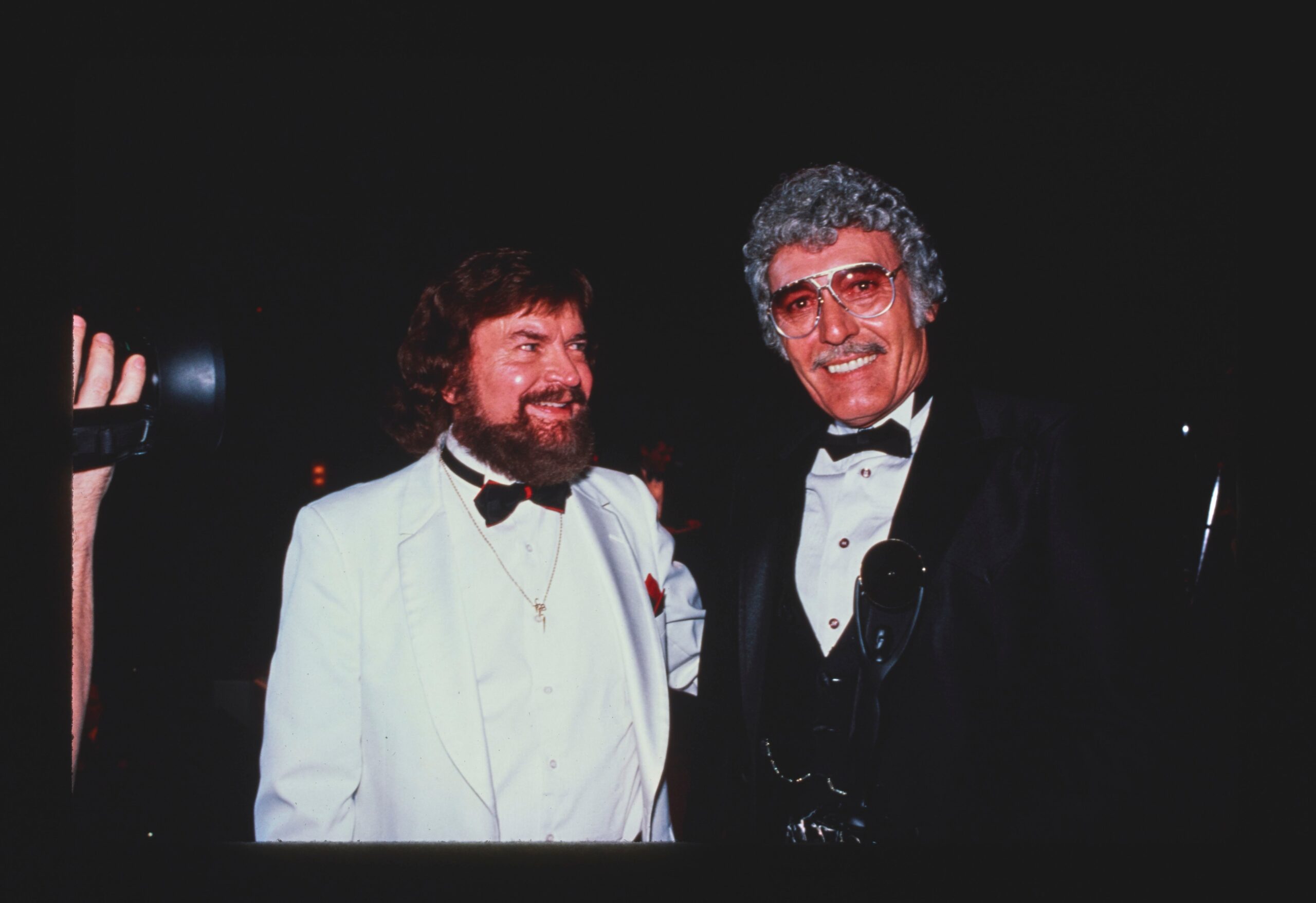
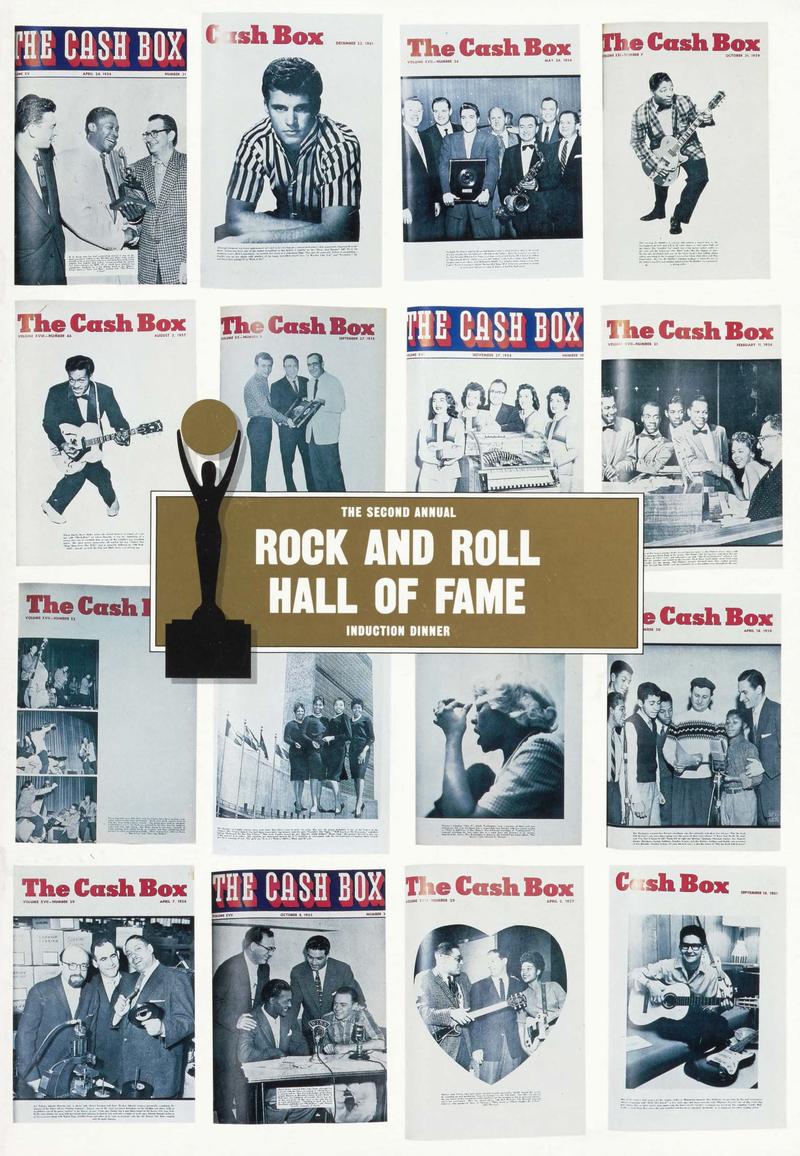
January 21, 1987: Carl Perkins is inducted into the Rock and Roll Hall of Fame at the 2nd annual induction dinner. is his presenter.

April 1989: Born to Rock, by Carl Perkins, is released on Universal Records. On it he is joined by the Jordanaires, who’d provided backup vocals for and others.

1995: Carl Perkins’ autobiography, Go, Cat, Go!, is published and a comeback album of the same title is released.

January 19, 1998: Carl Perkins dies of a stroke.

Essential Recordings

Blue Suede Shoes
Matchbox
Bopping the Blues
Honey Don’t
Dixie Fried
Turn Around
Everybody’s Trying to Be My Baby
Sure to Fall
Gone Gone Gone
Pink Pedal Pusher

Recommended Reading

“Carl Perkins: Rock ‘n’ Roll Pioneer.”
Davis, Hank. Goldmine (February 27, 1998): 22-23.

Liner notes for Carl Perkins: The Sun Years
Colin Escott and Martin Hawkins. Charly Records, 1982.

Go, Cat, Go! The Life and Times of Carl Perkins
Carl Perkins and Dave McGee.  New York: Hyperion, 1996.


The Beatles' Table Top Promotional Display for Parlophone Records, 1963

Photo by Design Photography
Collection of Peter J. Howard / ICE Magazine