Rock and Roll Hall of Fame and Museum

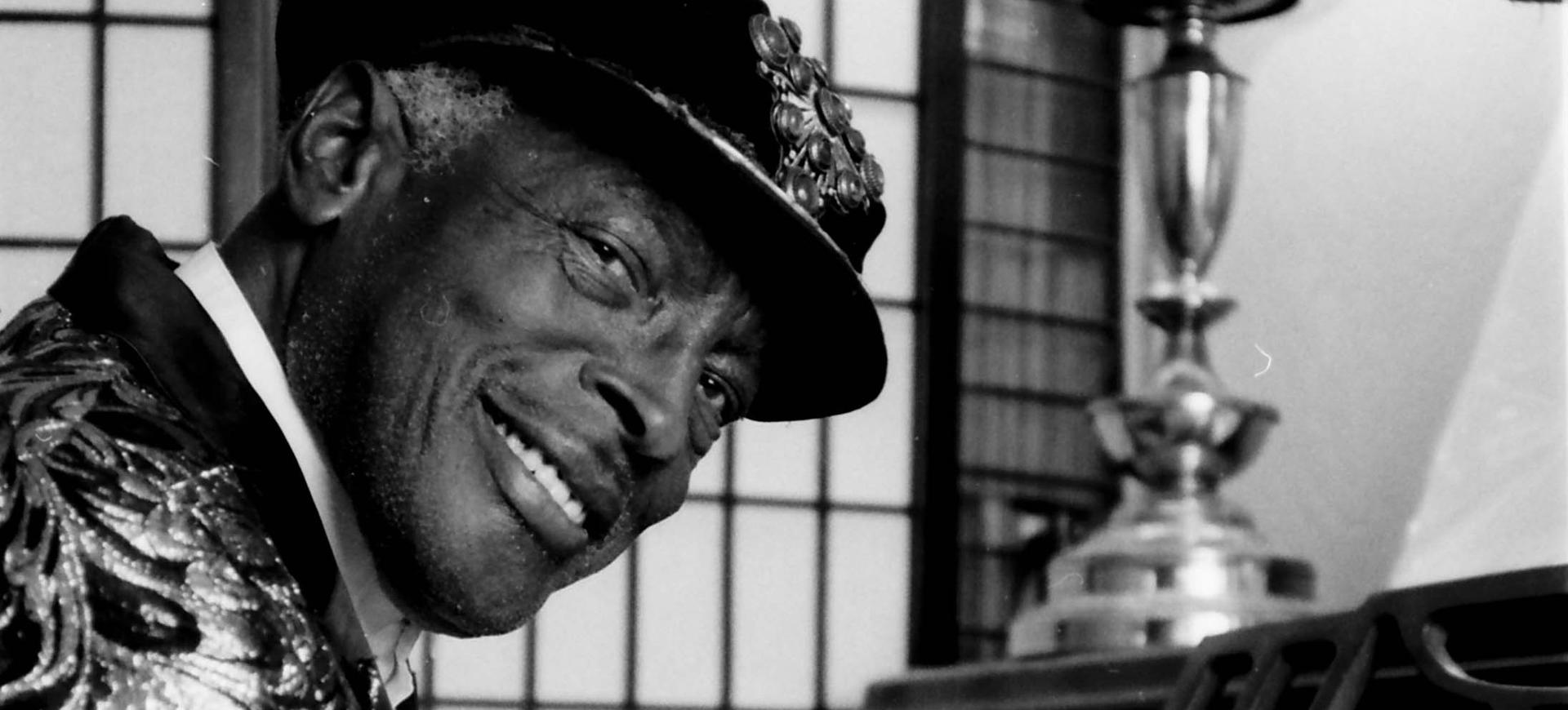
Charles Brown

Induction Year: 1999

Induction Category: Early Influence


"Inductee: Charles Brown (piano, vocals; born 9/13/22, died 1/21/99)

Charles Brown was a major musical figure in the pre-rock and roll era of the late Forties and early Fifties. As a member of Johnny Moore’s Three Blazers and also as the leader of his own trio and a solo artist, the West Coast-based singer/pianist recorded a string of R&B hits in his self-described “blue ballad” style. These included three of the most popular R&B singles of the era: “Driftin’ Blues,” “Trouble Blues” and “Black Night.” Often cited as an influence upon , Brown performed in an intimate, mellow style that, because of its polish and sophistication, has been referred to as “nightclub blues” or “cocktail blues.” Brown also became known for his seasonal-themed blues songs, particularly “Merry Christmas Baby” and “Please Come Home for Christmas.” Though his roots were in Texas, Brown came to epitomize a smooth, mellow blues style that became identified with the West Coast. During the late Forties and early Fifties, Brown was the most popular blues singer of the day.

Brown earned a bachelor’s degree in chemistry and worked as a schoolteacher and chemist before opting for a career in music. In 1943 he headed west and settled a year later in Los Angeles, where he joined Johnny Moore’s Three Blazers. Featuring Brown on piano and Moore on guitar, the trio patterned itself after Nat King Cole’s trio, which included Johnny’s brother Oscar. Recording for a variety of labels, Johnny Moore’s Three Blazers found success with “Driftin’ Blues,” “New Orleans Blues,” “More Than You Know” and “Merry Christmas Baby,” to name just four of the 13 Top Ten R&B hits the trio had with Brown before he left to form the Charles Brown Trio in 1948. While at Aladdin Records, Brown had huge hits with “Trouble Blues” and “Black Night,” which topped the R&B charts for 15 and 14 weeks, respectively.

Brown’s mellow blues stylings fell out of favor during the rock and roll revolution of the Fifties, but he continued to record for such labels as Aladdin, King, Jewel and Imperial. The enduring popularity of his bluesy Christmas classics-"Merry Christmas Baby” and “Please Come Home to Christmas"-annually raised his profile, with the latter making the seasonal charts for ten years. All the while, Brown received steady bookings on the club circuit, and interest on the part of European record labels remained high. Brown’s career received a series of boosts in the late Eighties and early Nineties. Alligator Records reissued One More for the Road, a fine collection of standards that drew positive notices. He made a series of well-received albums-including the classic All My Life-for the Bullseye Blues label, a Rounder subsidiary. Brown appeared with in the PBS documentary That Rhythm...Those Blues. took him on tour as her opening act in the early Nineties. In 1997, he was awarded a National Heritage Fellowship by the National Endowment for the Arts at a White House ceremony. Brown died at 76 of heart failure in early 1999.”

TIMELINE

September 13, 1922: Charles Brown is born in Texas City, Texas.

1944: After working as a government chemist in Pine Bluff, Arkansas, and Berkeley, California, Charles Brown moves to Los Angeles, where he becomes a member of Johnny Moore’s Three Blazers.

February 1, 1946: “Driftin’ Blues,” by Johnny Moore’s Three Blazers, enters the R&B chart. Written and sung by Charles Brown, the song rises to #2 and remains on the R&B chart for half a year. A significant milestone of the early postwar blues, it receives ‘Cashbox’ magazine’s award for R&B record of the year.

1945: Johnny Moore’s Three Blazers, featuring Charles Brown hit #2 on the R&B chart with “Drifting Blues”.

January 1, 1949: Charles Brown’s first solo single, “Get Yourself Another Fool,” is released on Aladdin Records. It reaches #4 on the R&B chart.

April 1, 1949: “Trouble Blues” by Charles Brown enters the R&B charts, which it tops for 15 weeks.

1949: Charles Brown hits #4 on the R&B chart with “In the Evening When the Sun Goes Down”.

1949: The Charles Brown Trio releases three singles on Aladdin Records: “Get Yourself Another Foll” (#4 R&B), “Trouble Blues” (#1 R&B) and “In the Evening With the Sun Goes Down” (#4 R&B).

February 1, 1951: “Black Night” enters the R&B charts, which it tops for 14 weeks. Over a two-year period, Charles Brown’s two biggest hits occupied the #1 spot for a combined 29 weeks—a phenomenal feat.

1951: Charles Brown hits #2 on the R&B chart with “Seven Long Days” and #1 on the R&B chart with “Black Night.” Both singles are released on Aladdin records.

December 1, 1960: “Please Come Home for Christmas” is Charles Brown’s last hit (#21 R&B, #76 pop). The Eagles’ cover version becomes a Christmastime hit again in 1978, reaching #18.

1983: A renewal of interest in Charles Brown is triggered by a regular stand of dates at Tramps, a New York club.

1986: One More for the Road, an album of jazz by Charles Brown, blues and pop standards, appears on Blue Side Records. Three years later, it is reissued on Alligator Records.

1990: Charles Brown gains exposure to a younger generation of listeners as ’s opening act on a national tour.

1991: Charles Brown releases ‘All My Life’, a latter-day blues classic that includes appearances by , Dr. John and .

1997: Charles Brown is awarded a National Heritage Fellowship by the National Endowment for the Arts at the White House.

May 12, 1998: ‘So Goes Love’, the last studio album of Charles Brown’s career, is released on the Verve label.

January 21, 1999: Charles Brown dies of congestive heart failure on Oakland, California, ten days after a fundraising concert on his behalf at San Francisco’s Great American Music Hall .

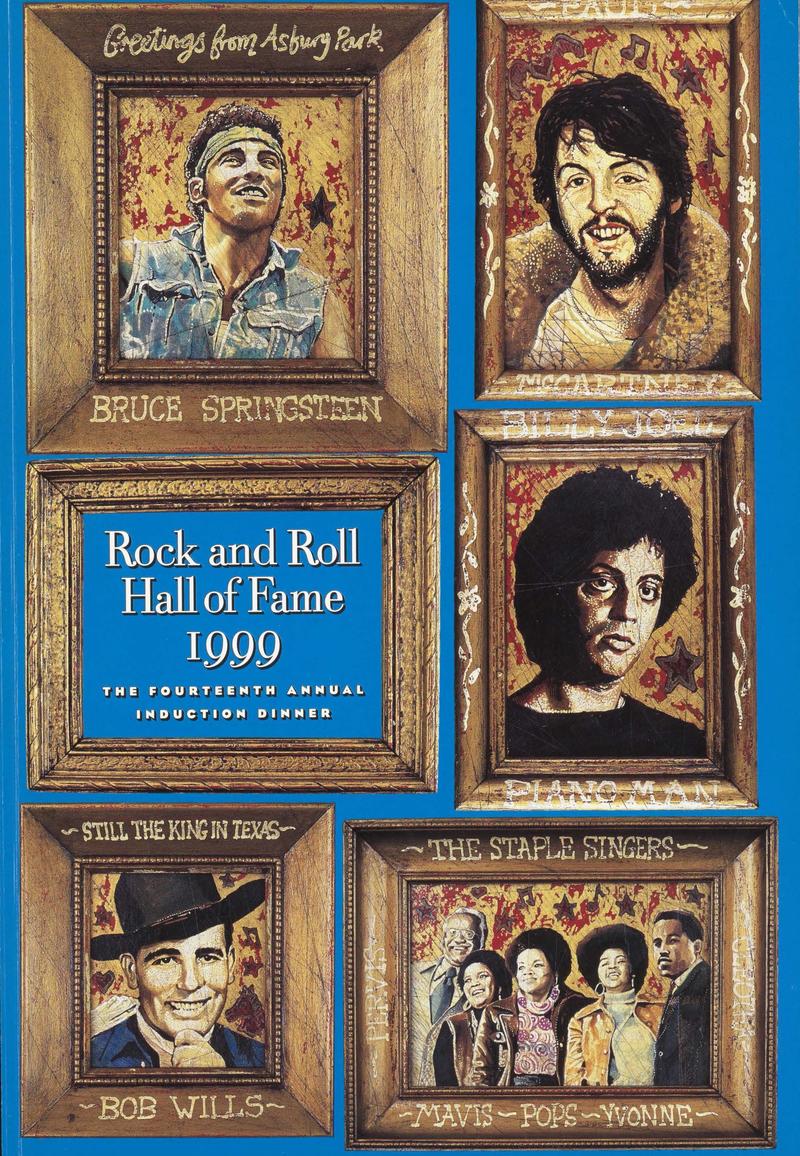
March 15, 1999: Charles Brown is inducted into the Rock and Roll Hall of Fame at the fourteenth annual induction dinner. is his presenter.

Essential Recordings


Driftin’ Blues
Merry Christmas, Baby
Trouble Blues
Black Night
Please Come Home for Christmas
Seven Long Days
Hard Times
Get Yourself Another Fool
In the Evening When the Sun Goes Down
I Want to Go Home

Recommended Reading


Driftin’ Around with Charles Brown
Gary S. Kadet. Goldmine (October 18, 1991), 26-28+.


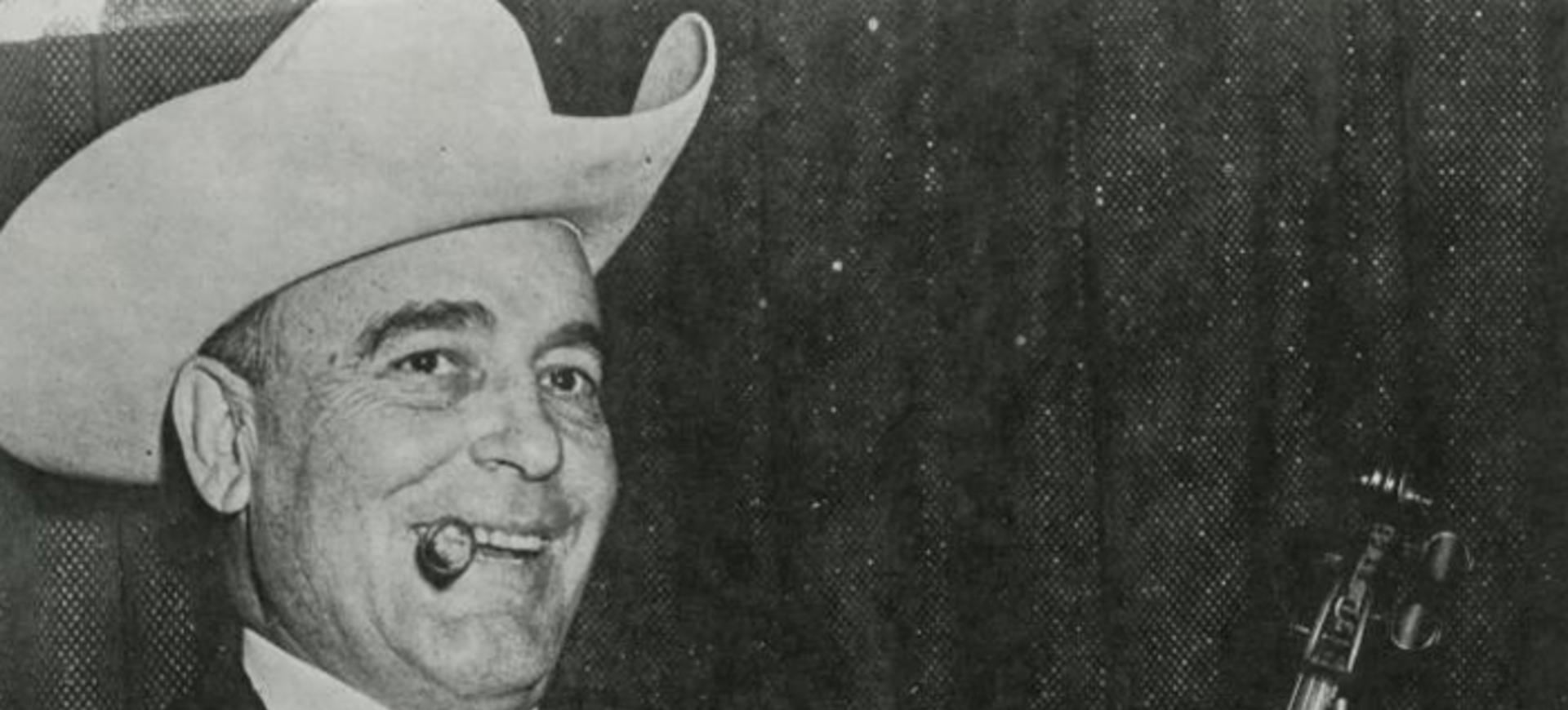
Hank Williams' White Wool Felt Cowboy Hat

Photo by Design Photography
Collection of Marty Stuart