Rock and Roll Hall of Fame and Museum

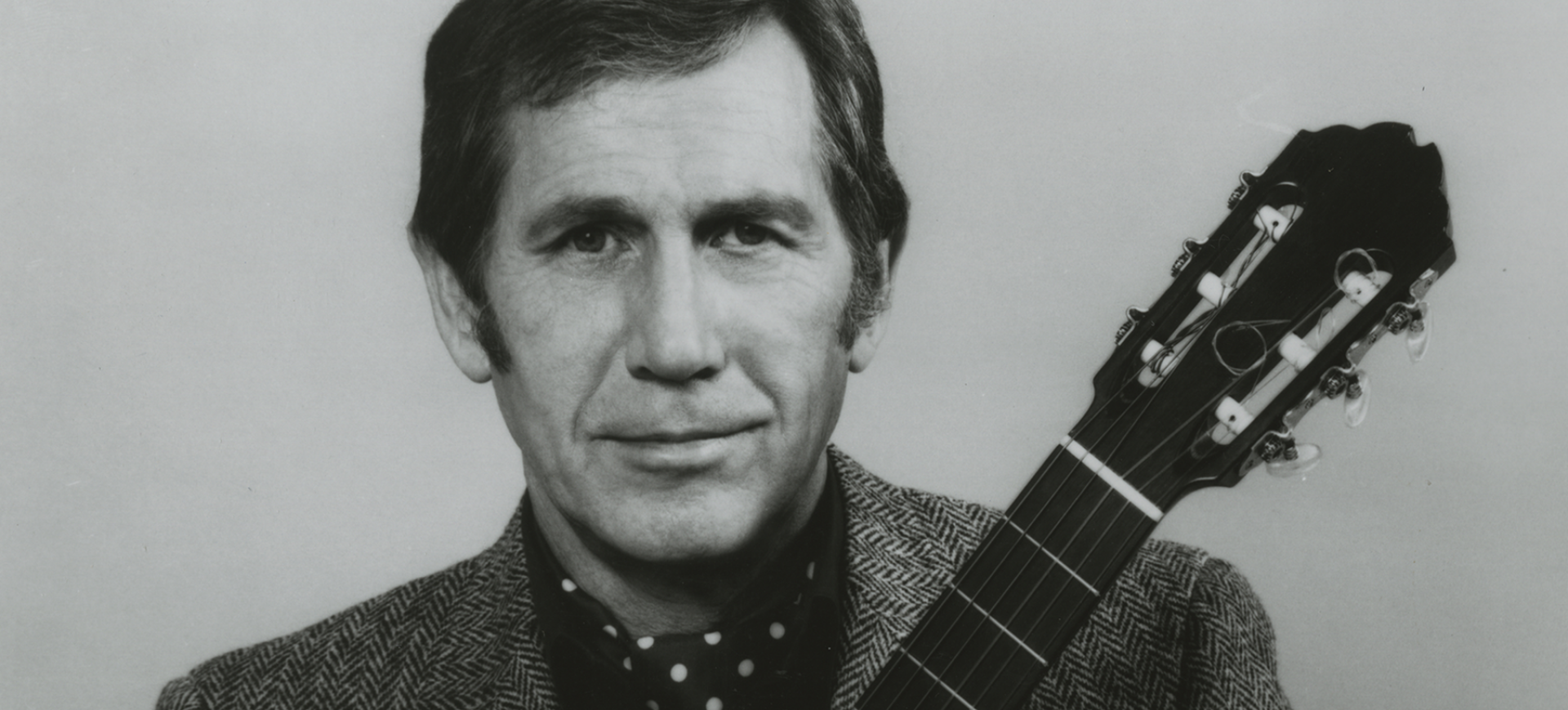
Chet Atkins

Induction Year: 2002

Induction Category: Sidemen


Inductee: Chet Atkins (guitar; born June 20, 1924, died June 30, 2001)
Few guitarists have had more influence on the instrument than Chet Atkins. In Atkins case, his influence extends from the country-music realm into rock and roll, as well. As a studio musician, he appeared on records by , , , , and countless country musicians. Atkins thumb-and-fingerpicking style influenced , , the Ventures, , and Mark Knopfler, as well as innumerable country pickers. Even the likes of Ted Nugent has credited Atkins with inspiring him to take up the instrument. ‘’I think he influenced everybody who picked up a guitar,’’ said .

Atkins was a key architect of the “Nashville sound,” which opened up traditional country music to pop influences, allowing it to remain commercially viable in the Fifties and Sixties. His multiple roles in the music industry included recording artist, record-company executive, producer, guitar designer, and sideman. It is as in the sideman category that Atkins has been inducted into the Rock and Roll Hall of Fame. Yet his versatility and impact could have made him a viable candidate as a performer, early influence or nonperformer, too. Atkins won 14 Grammys (including the Lifetime Achievement Award). Guitar Player magazine proclaimed him Popular Music’s Most Influential Stylist. In 1973, he became the youngest person ever inducted to the Country Music Hall of Fame. Two decades later, Atkins was one of the oldest musicians he was 77 when he died of cancer in 2001 inducted into the Rock and Roll of Fame.

Atkins was a virtuoso guitarist whose smooth, clean-sounding style belied his intricate mastery. His style was a tasteful blend of country, jazz and pop, informed by such early influences as Merle Travis, and Django Reinhardt. Atkins would pick a bass line with his thumb on the lower strings and fingerpick melodies and harmonies with his other four fingers. He played Gretsch and Gibson guitars, and he helped design numerous models by both instrument makers. These include the Chet Atkins Country Gentleman and the Chet Atkins Tennessean.

Born and raised in rural east Tennessee, Atkins debuted as a sessionman in 1945, backing up a group that would eventually become the Oak Ridge Boys. He moved to Nashville and cut his first solo album, Chet Atkins “Gallopin GuitarTeensville” and 1966’s Chet Atkins Picks on to collaborations with such fellow guitarists as , Jerry Reed and Merle Travis.

In 1954, Atkins persuaded to move from their small Kentucky hometown to Nashville. There, he became their advisor, sideman and friend. He played electric guitar on many of the duo’s early classics, including “Bye Bye Love,” “All I Have to Do Is Dream,” “Wake Up Little Susie” and “When Will I Be Loved.” ‘’Chet Atkins was the reason we came to Nashville,’’ Phil Everly has said. “He was always our mentor.”

In 1957, Atkins was appointed RCA’s Manager of Operations in Nashville. With Atkins help, Nashville became known around the world as Music City. He produced and signed not only pop-country crossover stars like Eddy Arnold, Jim Reeves and Charlie Pride but mold-breaking rebels such as Willie Nelson, Hank Snow, Dolly Parton, Guy Clark, Charlie Rich, Skeeter Davis, Bobby Bare, Gary Stewart and Waylon Jennings all of whom have considerable followings among rock and roll fans. Atkins also convinced RCA to build an office and studio the legendary Studio B (a.k.a. The House That Chet Built) on Music Row. alone wound up cutting 250 songs between 1957 and 1977 at Studio B. More hits were recorded at Studio B than any other studio in Nashville history.

In 1974, longtime admirer visited Nashville to record a track with Atkins. In 1994, Atkins and New Orleans R&B great collaborated on a track, “Southern Nights,” for the album Rhythm Country & Blues. Atkins and Mark Knopfler released an album of guitar duets, Neck and Neck, in 1990. No doubt speaking for many rock guitarists, Knopfler said, “When I was coming up, I made a religion of , , and a lot of the sessions that Chet produced and played on. My whole sensitivity, my whole approach, my whole way of listening to music stems from all that.”

In the end, Atkins viewed what he played not as rock and roll, country or pop but an amalgam that he referred to, simply, as American music. “I just try and play things that give me chills, to express myself from the heart through my music,” said Atkins. A musician who came to epitomize the term country gentleman, Atkins offered his own epitaph to writer Alanna Nash back in 1981: “I’d like for people to say that I played in tune, that I played in good taste, and that I was nice to people. That’s about it.”

Atkins died of lung cancer at age 77 in 2001.

TIMELINE

June 20, 1924: Chet Atkins is born in Luttrell, Tennessee.

1946: Chet Atkins makes his first recording, “Guitar Blues,” for Bullet Records.

1947: Chet Atkins is signed to RCA Records as a solo artist. Two years later, he becomes the label’s premiere session guitarist, too.

1954: Chet Atkins’ debut album, ‘Chet Atkins’ Gallopin’ Guitar,’ is released on RCA.

1956: Chet Atkins plays guitar on “Heartbreak Hotel,” ’s RCA debut single.

1957: Having been promoted to RCA’s manager of operations, Chet Atkins persuades the label to build its own office and studio in Nashville. The result is the world-famous RCA Studio B, a.k.a. “the house that Chet built.”

1957: Chet Atkins plays guitar at the first sessions for his proteges, , resulting in such hits as “Bye Bye Love” and “Wake Up Little Susie.”

1958: Chet Atkins produces Don Gibson’s double-sided smash, “Oh Lonesome Me” b/w “I Can’t Stop Loving You,” often cited as the point of origin for the new “Nashville Sound.”

February 22, 1960: Chet Atkins’ ‘Teensville,’ comprising instrumental versions of rock and roll songs, enters the album chart, where it will peak at #16.

February 13, 1961: Chet Atkins’ highest-charting album, ‘Chet Atkins’ Workshop’ (#7), is released.

1973: At age 49, Chet Atkins become the youngest inductee into the Country Music Hall of Fame.

1980: Chet Atkins parts ways with RCA Records after 30 years. He signs with Columbia Records, for which he will record six albums.

November 3, 1990: ‘Neck and Neck,’ an album of guitar duets by Chet Atkins and Mark Knopfler, enters the album chart. It will become Atkins’ highest-charting release since 1966.

June 30, 2001: Chet Atkins dies of lung cancer at home in Nashville.

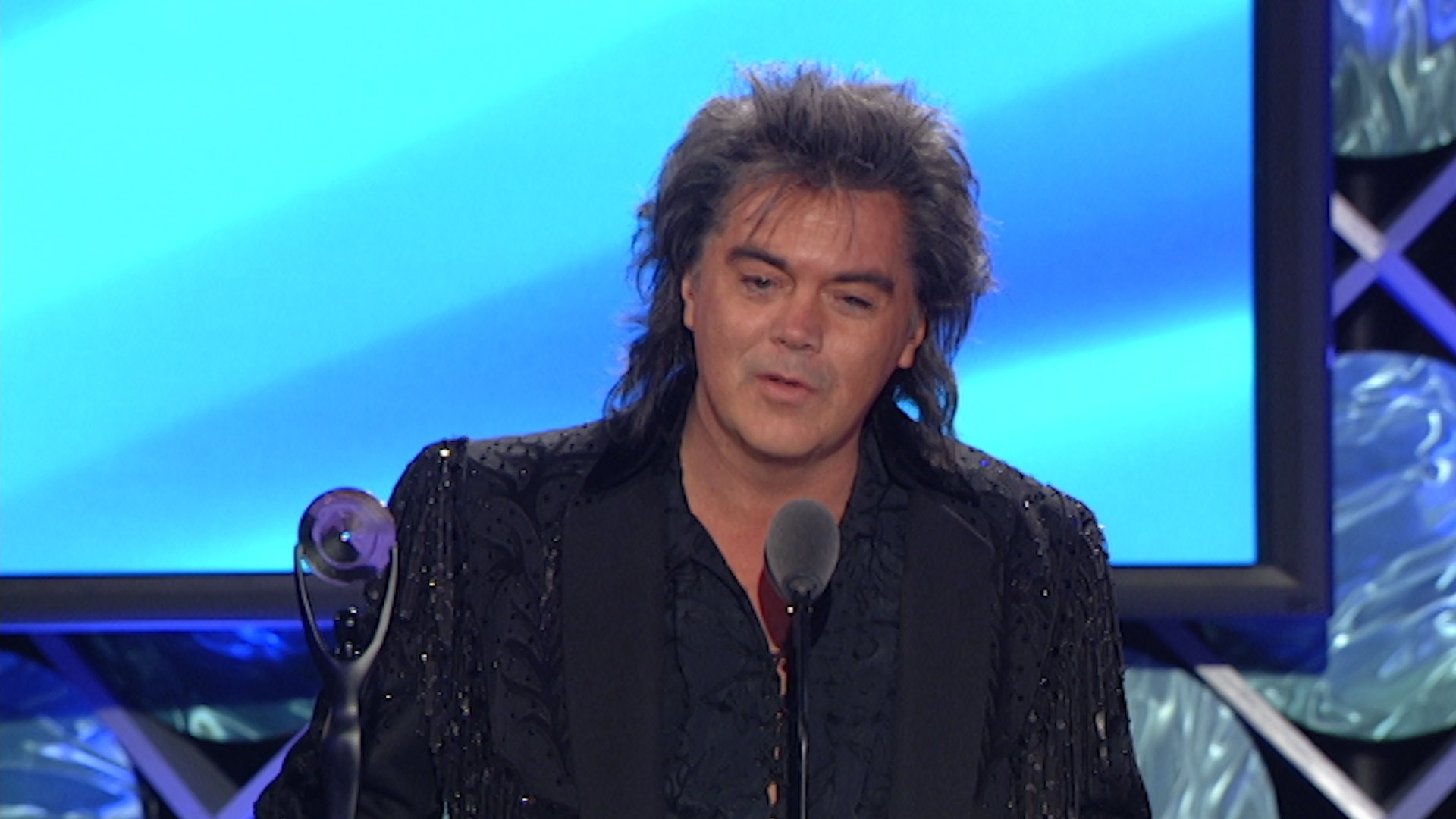
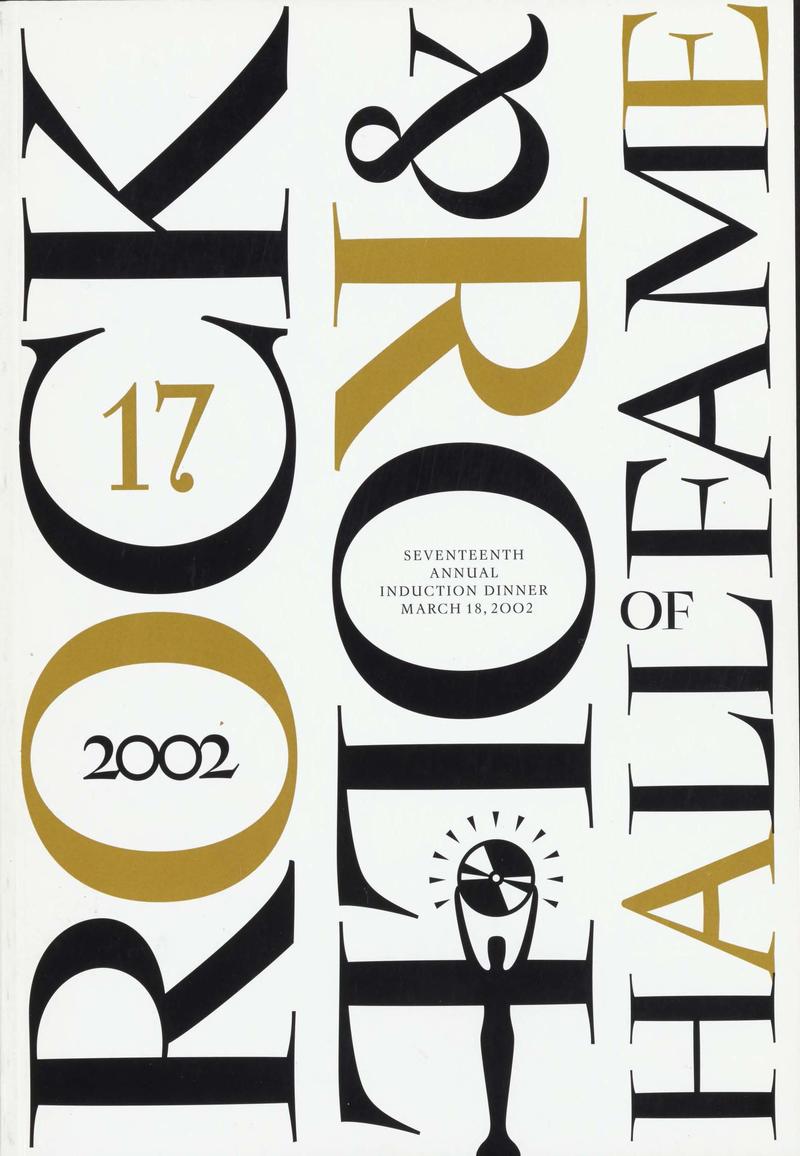
March 18, 2002: Chet Atkins is inducted into the Rock and Roll Hall of Fame at the seventeenth annual induction dinner. Marty Suart is his presenter.

Essential Recordings


Heartbreak Hotel, by Elvis Presley
Bye Bye Love, by the Everly Brothers
Jambalaya, by Hank Williams
Oh, Lonesome Me, by Don Gibson
Release Me, by Kitty Wells
Wake Up Little Susie, by the Everly Brothers
Poor Boy Blues, by Chet Atkins and Mark Knopfler
Country Gentleman, by Chet Atkins
Teensville, by Chet Atkins
Yakety Axe, by Chet Atkins

Recommended Reading


Country Gentleman: Chet Atkins
Red O, Donnell. Mattituck, NY: Amereon, Ltd., 1976.

“Chet Atkins: Certified Guitar Player.”
Jim Ohlschmidt. Goldmine (January 13, 1989): 7-14.

Country Guitar Masters: Chet Atkins, Jerry Reed and Merle Travis.
Jim Ohlschmidt. San Rafael, CA: String Letter Publishing, 2001.

“Mr. Guitar” Chet Atkins Dies.
Robert K. Oermann and Peter Cooper. The Tennessean (July 1, 2001).


Al Green's White Leather Jacket With Embroidery

Photo by Design Photography
Collection of Al Green