Rock and Roll Hall of Fame and Museum

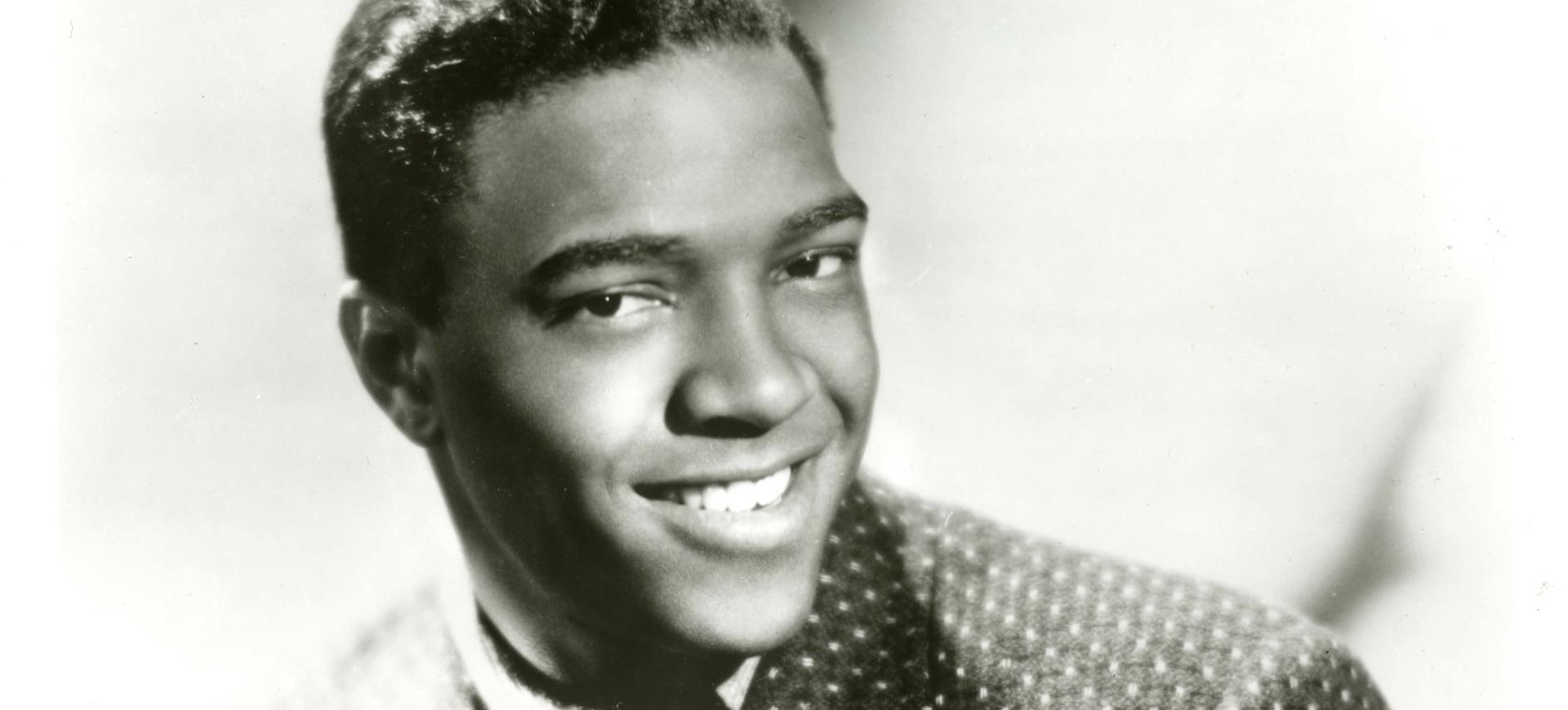
Clyde McPhatter

Induction Year: 1987

Induction Category: Performer


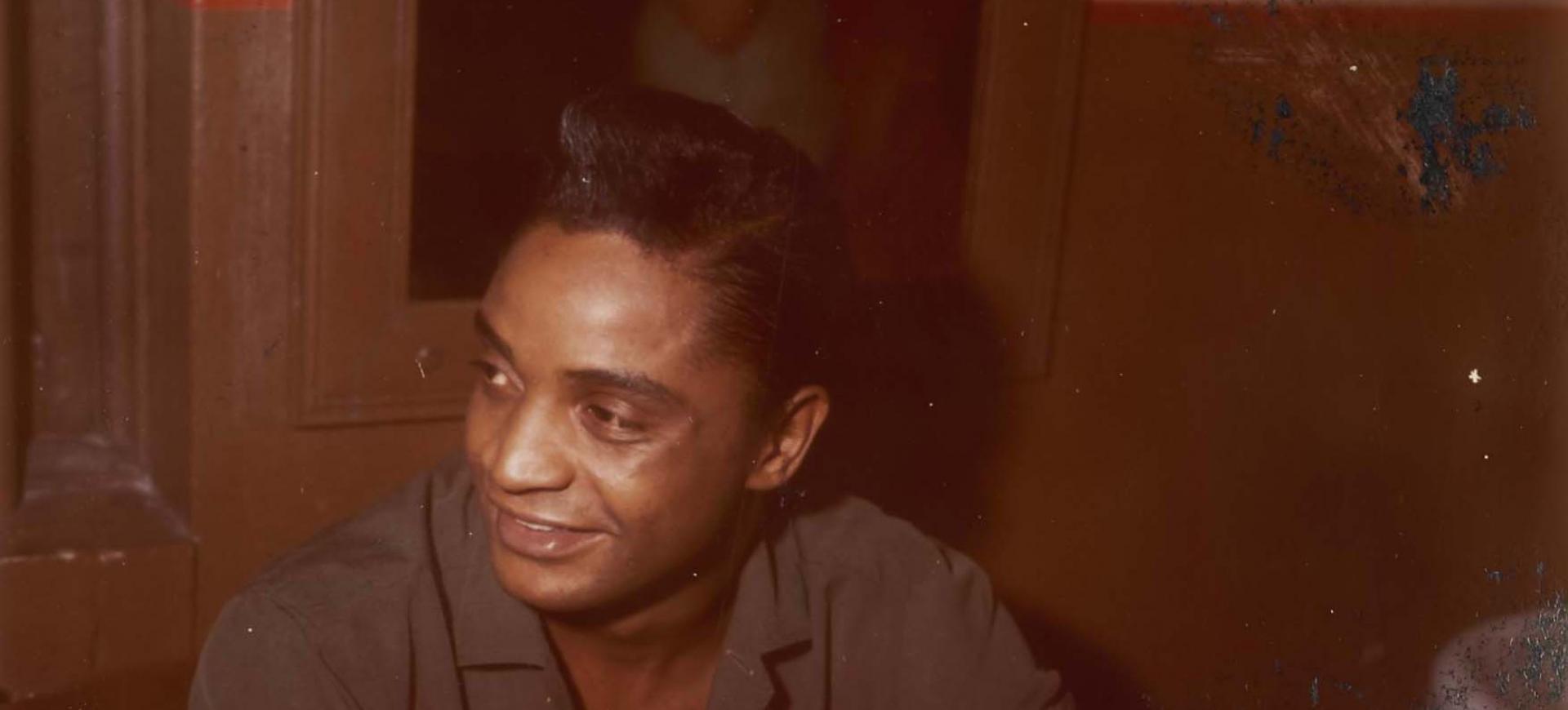
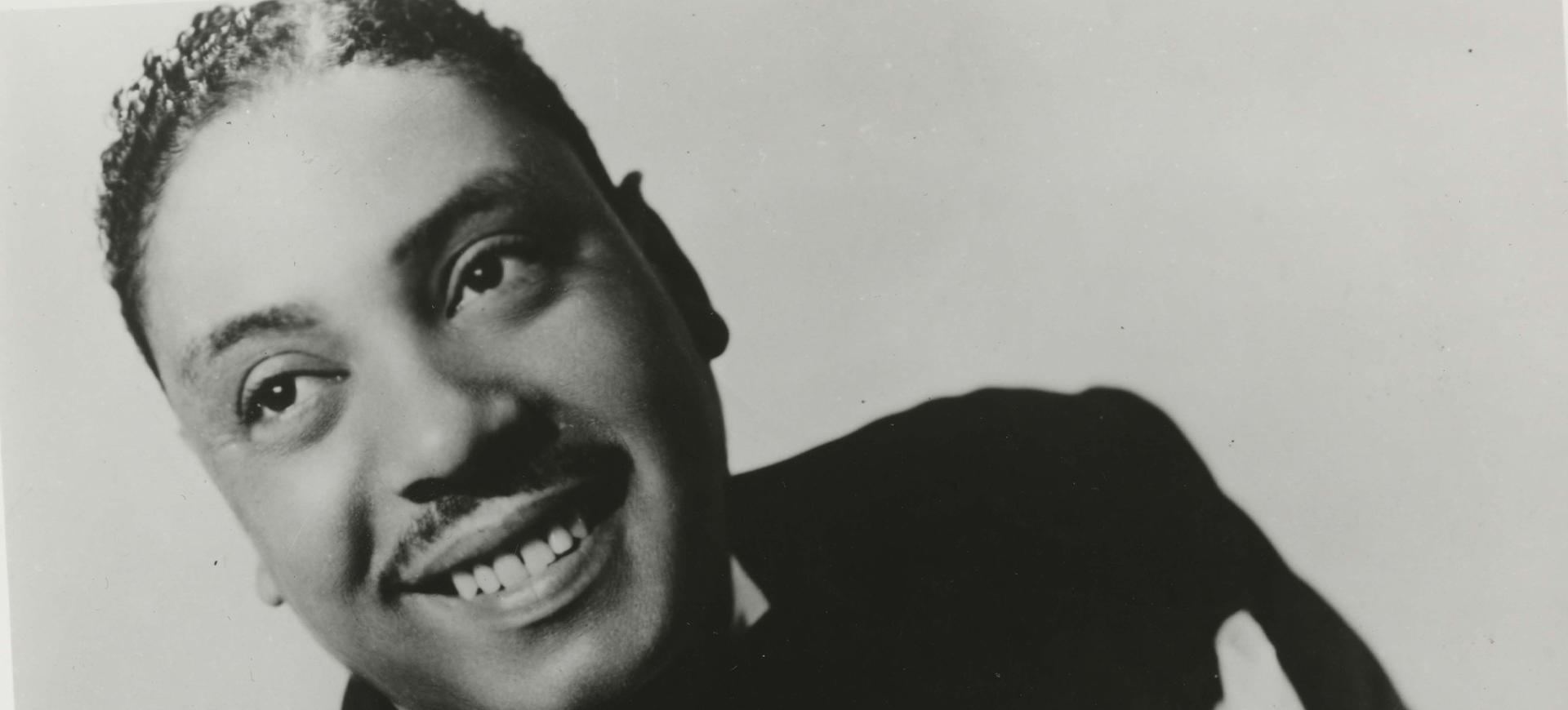
Clyde McPhatter (vocalist; born November 19, 1932, died June 13, 1972)

“If there is one voice through which the glories of R&B ran their course in the 1950s,” wrote Nick Tosches, “it very well may be Clyde McPhatter’s.”

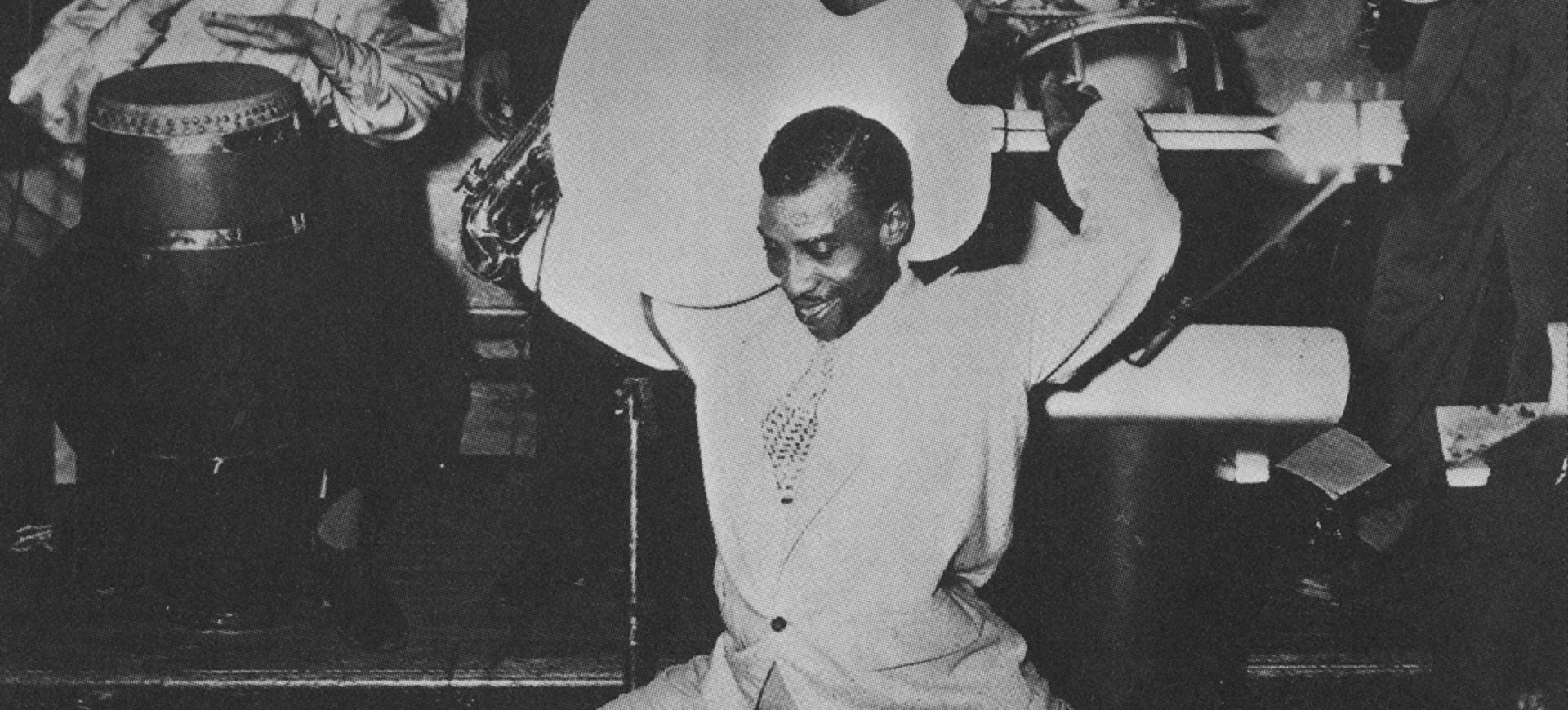
Clyde McPhatter possessed a unique vocal instrument, a lively high tenor that captured the promise and fervor of the teenage Fifties. McPhatter was one of the first singers to cross over from the church to the pop and R&B charts. He was a Baptist minister’s son who was born in North Carolina and spent his teen years up north, in New Jersey and New York. He made the crossing from sacred to secular at age 18, when he was invited to join singer Billy Ward’s vocal group, the Dominoes, after turning heads with his performance of Lonnie Johnson’s “Tomorrow Night” in an amateur show at Harlem’s Apollo Theatre. McPhatter was initially billed as “Clyde Ward,” and it was claimed that he was Billy’s brother.

McPhatter’s radiant, gospel-trained tenor exploded onto the R&B scene in the early Fifties on “Do Something for Me,” “Have Mercy Baby,” “The Bells” and other of the Dominoes’ dozen R&B hits. On “Have Mercy Baby,” which topped the R&B charts for ten weeks in 1952, McPhatter worked himself to the brink of tears. By recasting gospel’s fervid emotionality - a style known as “sanctified” singing - in a rhythm & blues setting, he presaged what would come to be known as soul music.

Chafing under Ward’s discipline, McPhatter left the Dominoes in 1953 and was quickly offered a recording contract and star billing with his own group by at Atlantic Records. Clyde McPhatter and cut a string of hugely popular R&B hits, including “Such a Night,” “Money Honey” (the biggest R&B hit of 1954), “Honey Love” and a timeless doo-wop version of “White Christmas.”

A stint in the army cut short his tenure with , but he resumed his career as a solo artist upon his discharge, enjoying another successful run at Atlantic during the latter half of the Fifties.  ( continued without him, recruiting a succession of lead singers.) In 1958, McPhatter scored the biggest hit of his career, “A Lover’s Question,” a doo-wop/R&B classic that captured his voice at a peak of ripeness. He had a dozen more R&B and pop hits during the later Fifties at Atlantic, including such highlights as “Treasure of Love” (his first Number One as a solo artist) and the sublime “Without Love (There Is Nothing).” His last Atlantic hit, “You Went Back On Your Word,” came late in 1959, at which point his contract expired.

After a brief stint at MGM, which yielded a minor hit, “Let’s Try Again,” McPhatter moved to Mercury Records, where he spent the first half of the Sixties working with producer Clyde Otis. At Mercury, he scored such hits as “Lover Please” and “Little Bitty Pretty One” and recorded some highly regarded albums, including the urbanely conceptual Songs of the Big City. He also recorded five critically prized but commercially unsuccessful singles for the Amy label in the mid-Sixties. In 1966 a disillusioned McPhatter moved to England, where he was still revered. He returned to the States in 1970, marking the event with an album entitled Welcome Home. Sadly, it turned out to be his last recording. McPhatter’s career had been in steady decline due to mounting personal problems, including a debilitating alcoholism, and he died in his sleep of a heart attack at the age of 39.

While Clyde McPhatter’s groundbreaking contributions as a soul and R&B vocalist have gone generally undernoticed outside of music circles, his fervent voice and passionate delivery influenced such artists as , Ben E. King (one of his heirs in ), Aaron Neville and (his successor in the Dominoes).

“He was one of the first guys I ever listened to,” Robinson said shortly after McPhatter’s death in 1972. “When he first came on the scene with [Billy Ward and the Dominoes], he was The Man.”

“Anything Clyde sings is a prayer,” Aaron Neville told Goldmine’s Bruce Sylvester. “When I was growing up, I don’t care what else was going on in the world - Jim Crow, all the other stuff - you could put on Clyde McPhatter and it would all disappear.”

TIMELINE

November 19, 1932: Clyde McPhatter is born in Durham, North Carolina.

May 24, 1952: “Have Mercy Baby,” the Dominoes - featuring Clyde McPhatter on lead vocal - enters the R&B chart, which it will top for ten weeks.

June 1953: Clyde McPhatter leaves the Dominoes, and signs him to Atlantic, where he forms and fronts a new band: .

October 31, 1953: “Money Honey” becomes the first of seven Top Ten R&B hits for Clyde McPhatter and .

1954: Clyde McPhatter is drafted for a two-year stint in the U.S. Army, where he attains the rank of corporal.

December 3, 1955: While on furlough Clyde McPhatter resumes his recording career as a solo artist. He debuts with “Love Has Joined Us Together,” a duet with fellow Atlantic artist .

May 26, 1956: “Treasure of Love,” the first of three Number One hits for Clyde McPhatter - and a milestone in doo-wop balladry - enters the R&B chart.

August 5, 1957: “Long Lonely Nights” becomes the third major hit of the year for Clyde McPhatter, eventually topping the R&B chart.

October 20, 1958: “A Lover’s Question” - the biggest single of Clyde McPhatter’s solo career - enters the charts, where it will peak at #1 R&B and #6 pop.

October 19, 1959: Clyde McPhatter enters the R&B chart for the eleventh (and final) time as an Atlantic Records solo artist with the Brook Benton-penned “You Went Back On Your Word.”

August 15, 1960: Clyde McPhatter’s “Ta Ta” enters the charts, where it will peak at #7 R&B and #23 pop. It will be his best showing during his tenure at Mercury Records.

April 17, 1965: “Crying Won’t Help You Now,” the last of sixteen hits for Clyde McPhatter, enters the charts.

1970: Welcome Home, by Clyde McPhatter, is released on Decca Records. The title refers to McPhatter’s return to the U.S. after emigrating to England.

June 13, 1972: Clyde McPhatter dies of a heart attack in The Bronx, New York.

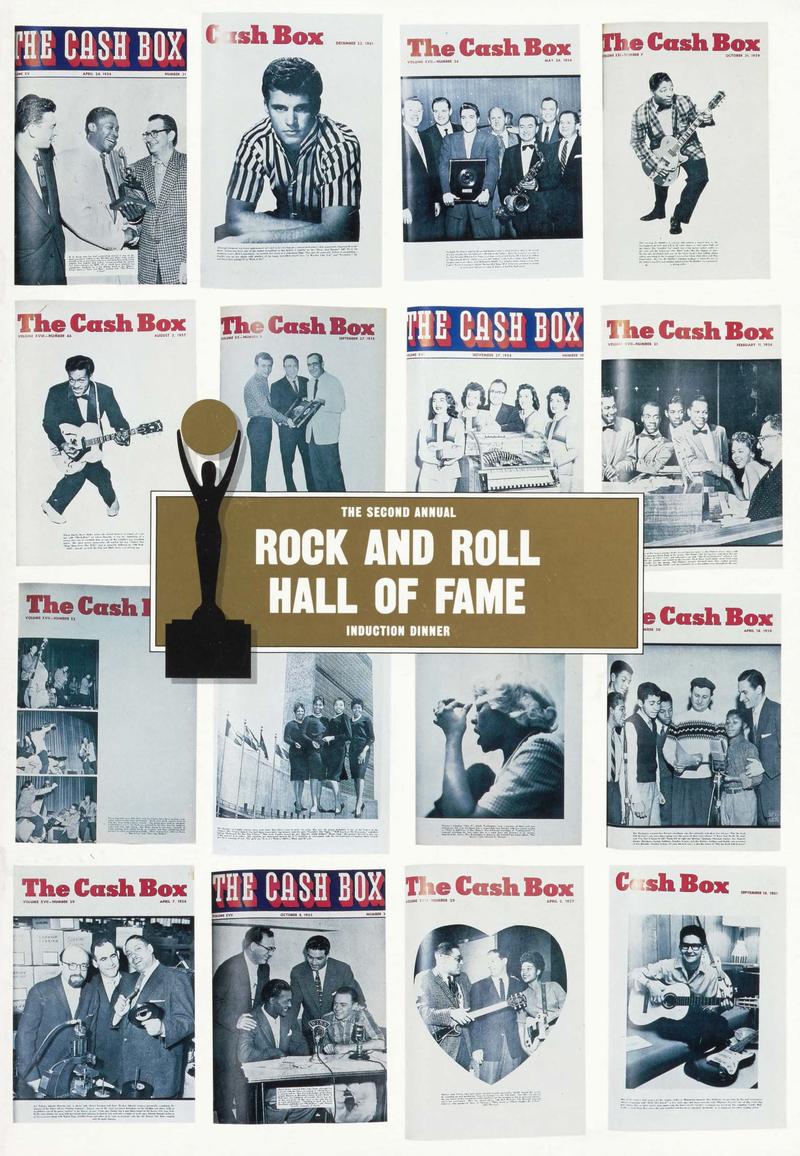
January 21, 1987: Clyde McPhatter is inducted into the Rock and Roll Hall of Fame at the 2nd annual induction dinner. is his presenter.

1991: Deep Sea Ball: The Best of Clyde McPhatter is released. It is the first compact disc compilation of McPhatter’s seminal solo sides for Atlantic Records.

1992: The U.S. Postal Service celebrates seven seminal rock and roll and rhythm & blues artists with commemorative stamps. The artists were , , Clyde McPhatter, , , , and .

1999: A double-disc compilation entitled Clyde McPhatter: The Forgotten Angel - compiled by professed fan Aaron Neville - is released on Dorn Records.

Essential Recordings

A Lover’s Question
Treasure of Love
Without Love (There Is Nothing)
Lover Please
Long Lonely Nights
I Can’t Stand Up Alone
You Went Back On Your Word
Seven Days
Since You’ve Been Gone
Deep in the Heart of Harlem

Recommended Reading

A Shot of Rhythm & Blues, by Clyde McPhatter. Sundazed, 2000
Bill Dahl. Liner notes for this compact disc.

Clyde McPhatter - A Biographical Essay
Colin Escott.  Bremen, Germany: Bear Family Books, 1986.

“Clyde McPhatter Dead at 38 [sic].”
Ben Fong-Torres. Rolling Stone (July 20, 1972): 12.

“Clyde McPhatter: Doo-Wop’s Most Thrilling Voice.”
Bruce Sylvester. Goldmine (April 9, 1999): 26-30.

Deep Sea Ball: The Best of Clyde McPhatter
Nick Tosches. Liner notes for this compact disc. Atlantic, 1991. 


"The Byrds Are Coming" Poster

Photo by Design Photography