Rock and Roll Hall of Fame and Museum

Creedence Clearwater Revival

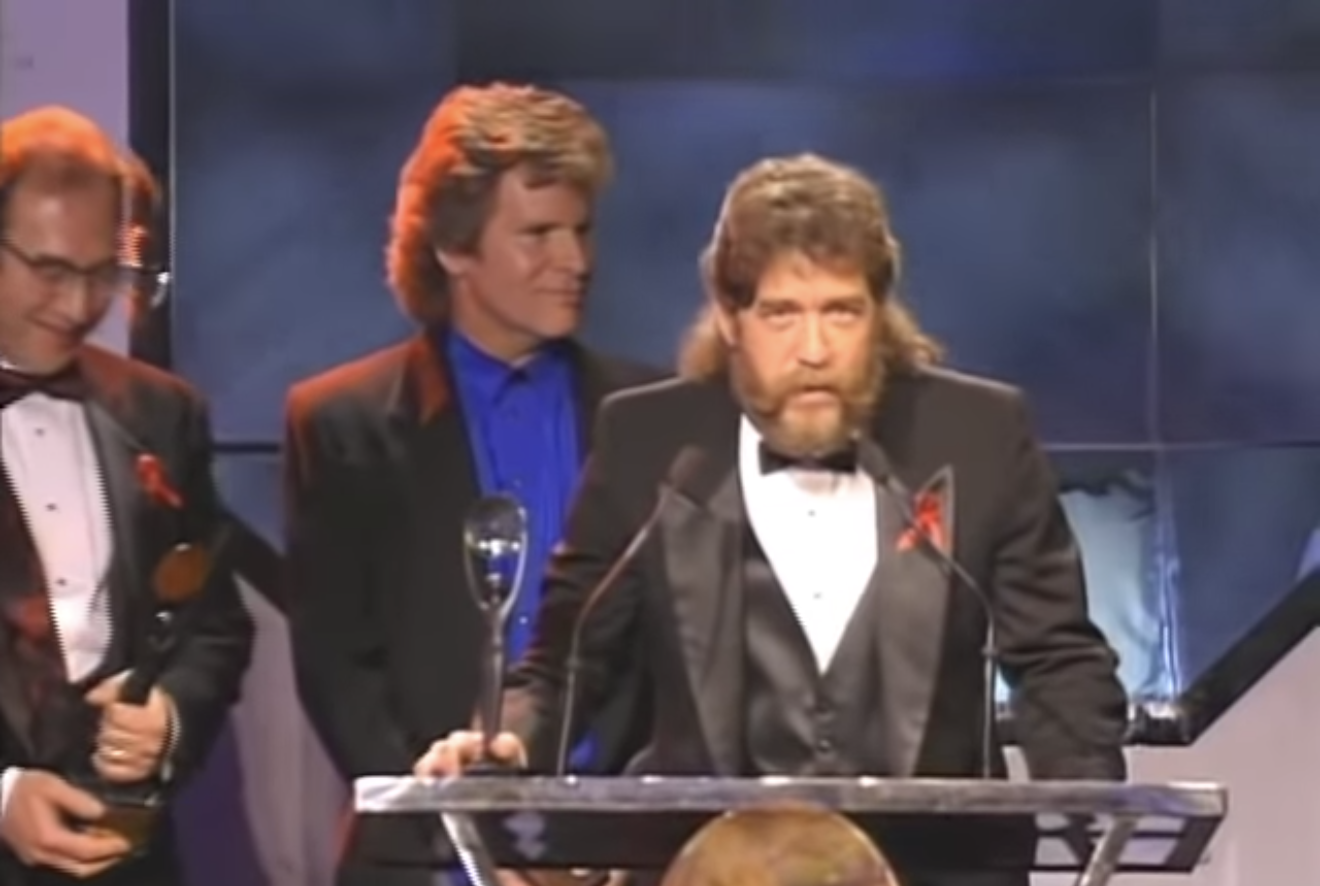
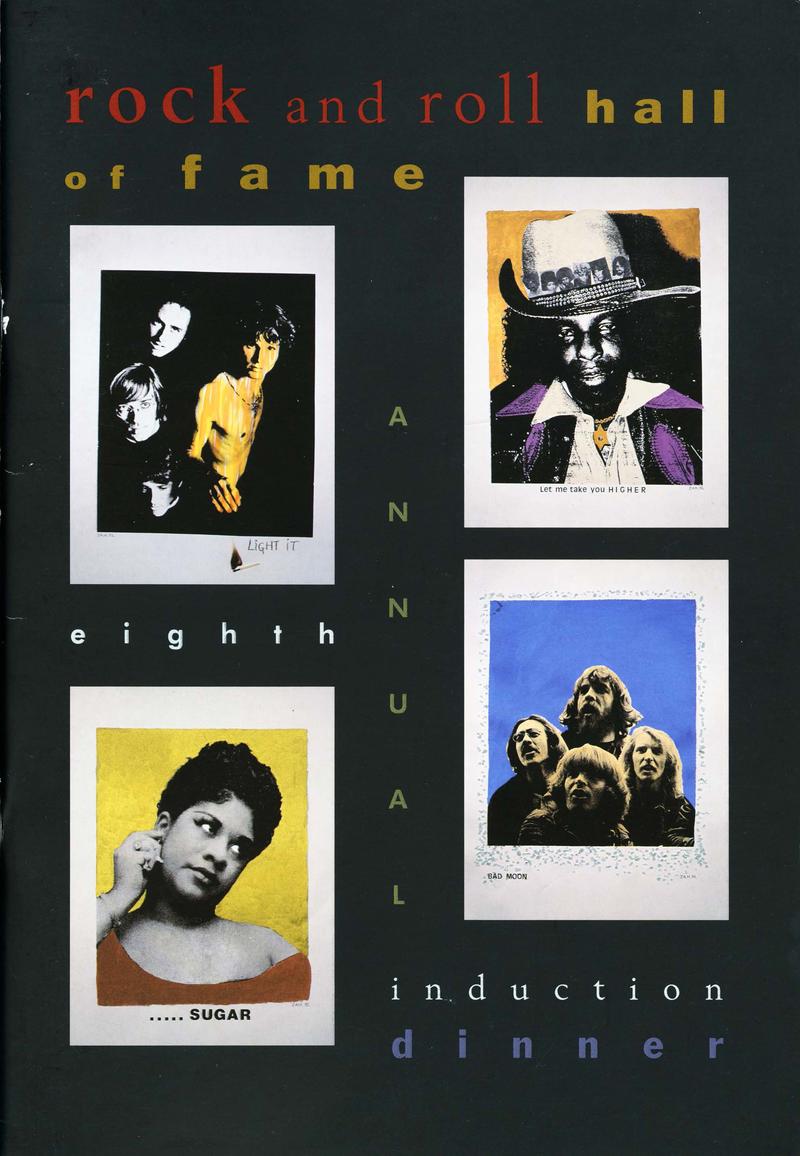
Induction Year: 1993

Induction Category: Performer


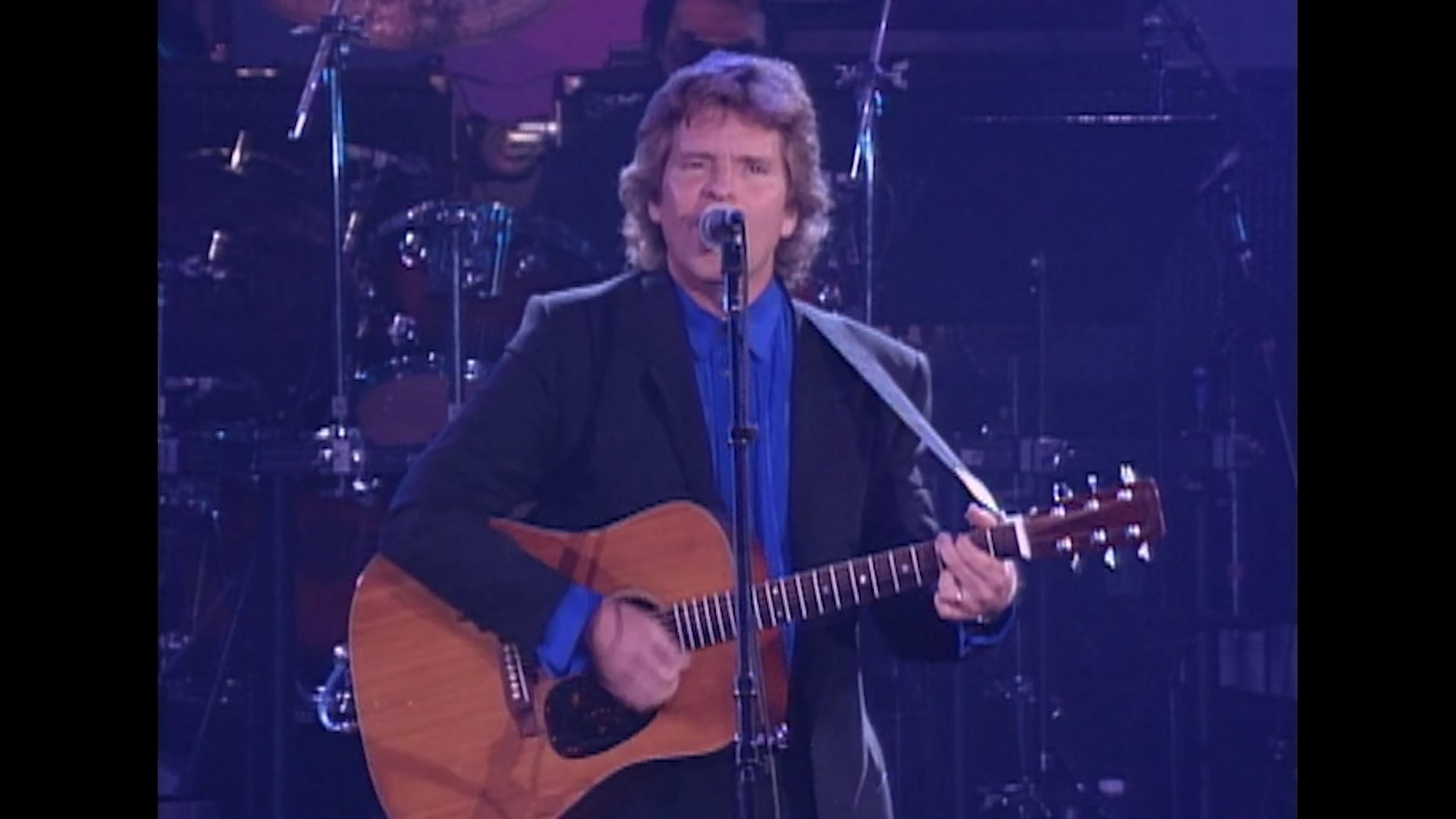
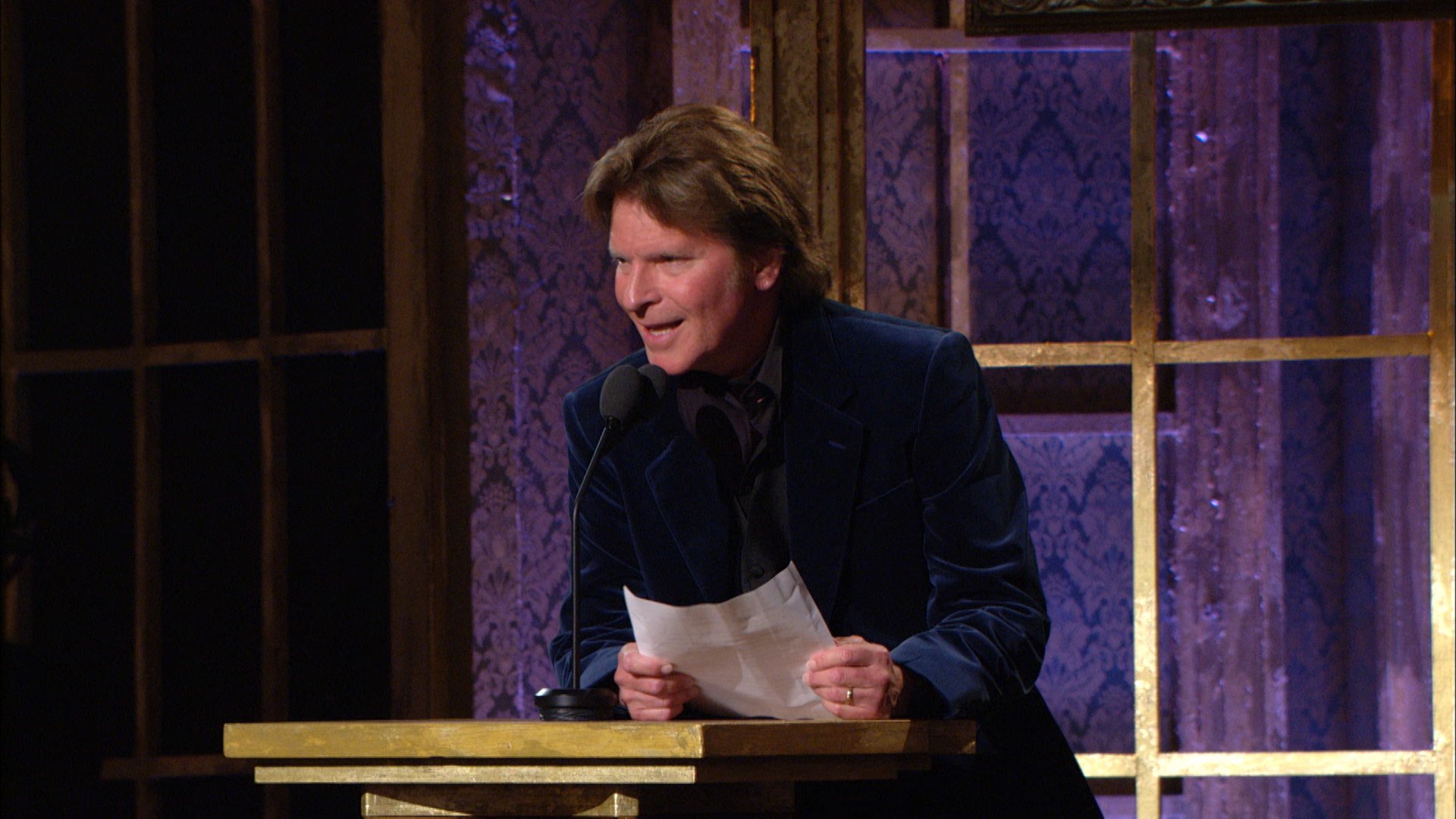
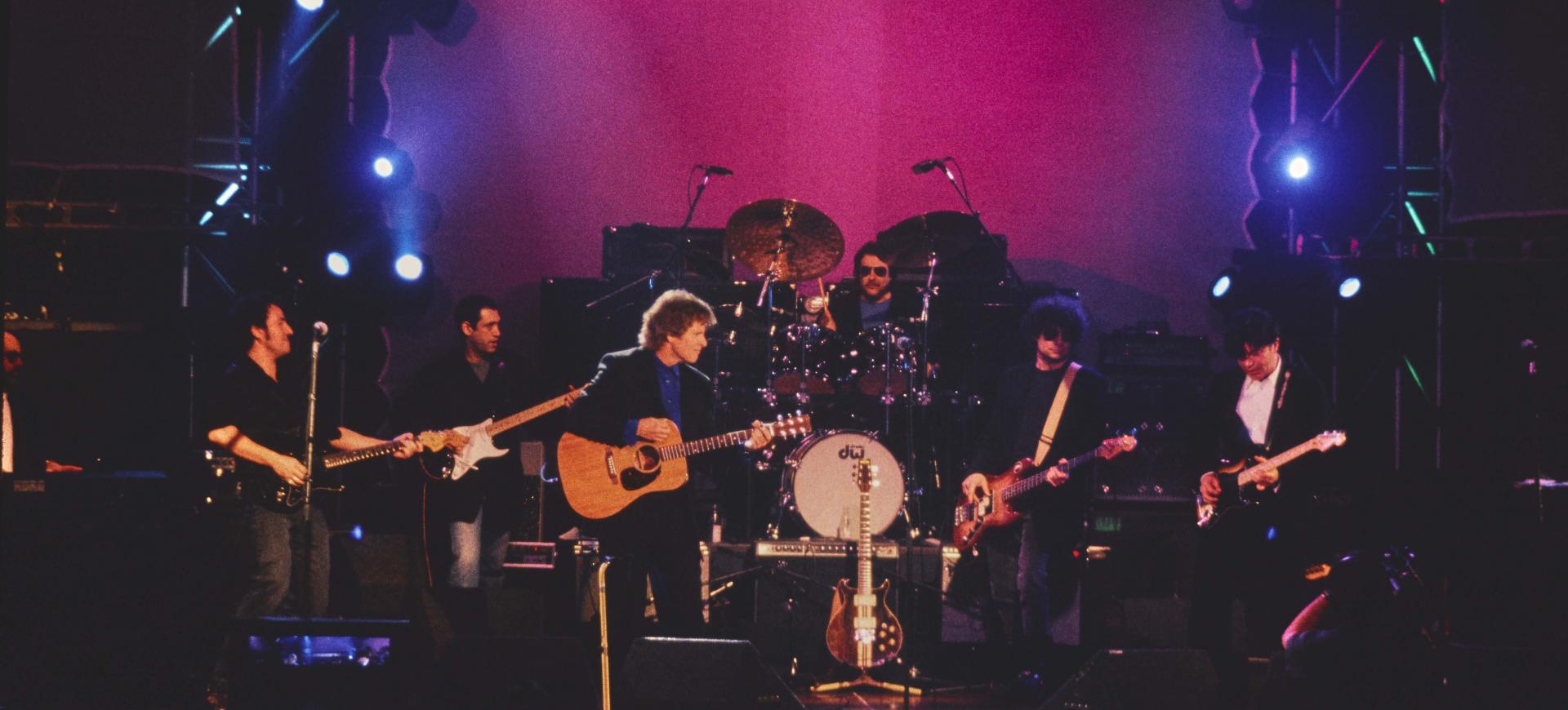
"In 1968, I always used to say that I wanted to make records they would still play on the radio in ten years,” John Fogerty, former leader of Creedence Clearwater Revival, said on the eve of their induction into the Rock and Roll Hall of Fame. In retrospect, Fogerty got all he wished for and more. Three decades later, Creedence’s songs - including “Proud Mary,” “Born on the Bayou,” “Bad Moon Rising,” and “Green River” - endure as timeless rock and roll classics. Under Fogerty’s tutelage, Creedence Clearwater Revival defined the spirit and sound of rock and roll as authentically as any American group ever has.

The origins of the group date back to 1959, when guitarist Fogerty, bassist Stu Cook and drummer Doug “Cosmo” Clifford formed the Blue Velvets, an instrumental cover band, while attending junior high in the San Francisco suburb of El Cerrito. With the addition of John’s older brother, rhythm guitarist and singer Tom Fogerty, the group played local dances and, in 1964, got signed to Fantasy Records. Unbeknownst to them, the Blue Velvets had their name changed by a label executive to the Golliwogs - a more English-sounding group handle during those heady days of the British Invasion. As the Golliwogs, they recorded seven singles for Fantasy that went largely unheard by the general public. Finally, the label re-released the last of the Golliwogs singles, “Porterville,” under a new name of the band’s own choosing: Creedence Clearwater Revival.

John Fogerty now firmly at the helm as guitarist, singer, songwriter and producer, Creedence took off with their neo-psychedelic reworking of Dale Hawkins’ rockabilly classic “Suzie Q.” From then on, the hits kept coming as the band churned out six albums of powerful, roots-oriented rock and roll between 1968 and 1970: Creedence Clearwater Revival, Bayou Country, Green River, Willie and the Poorboys, Cosmo’s Factory and Pendulum. Ten of Creedence’s singles cracked the Top Ten during the period 1968-71. Although the group was not overtly political, several of their songs - particularly “Fortunate Son” and “Who’ll Stop the Rain” - eloquently expressed the counterculture’s resistance to the Vietnam War and sympathy for those who were fighting in what now stand as anthems of those troubled times.

Creedence Clearwater Revival, which disbanded in 1972, were progressive and anachronistic at the same time. An unapologetic throwback to the golden era of rock and roll, they broke ranks with their peers on the progressive, psychedelic San Francisco scene. Their approach was basic and uncompromising, holding true to the band members’ working-class origins. The term “roots rock” had not yet been invented when Creedence came along, but in a real way they defined it, drawing inspiration from the likes of , , , and the artisans of soul at Motown and Stax. In so doing, Creedence Clearwater Revival became the standard bearers and foremost celebrants of homegrown American music.”

TIMELINE

November 9, 1941: Tom Fogerty was born.

April 24, 1945: Doug “Cosmo” Clifford was born.

April 25, 1945: Stu Cook was born.

May 28, 1945: John Fogerty was born.

January 25, 1969: ‘Proud Mary’, the Creedence Clearwater Revival LP, is released. “Proud Mary” eventually reaches #2 on the charts.

1970: Creedence Clearwater Revival hits #2 with “Travelin’ Band” and “Lookin’ Out My Back Door,” and #4 with “Up Around the Bend.”

1971: Creedence Clearwater Revival hits #8 with “Have You Ever Seen the Rain.”

January 12, 1998: is inducted into the Rock and Roll Hall of Fame at the thirteenth annual induction dinner. John Fogerty is his presenter.

Essential Recordings

Proud Mary
Green River
Fortunate Son
Up Around the Bend
Bad Moon Rising
Born on the Bayou
Suzie Q
Down on the Corner
Have You Ever Seen the Rain
Travelin’ Band


David Bowie's Red Vinyl Platform Boots, 1970s

Photo by Design Photography
Collection of David Bowie