Rock and Roll Hall of Fame and Museum

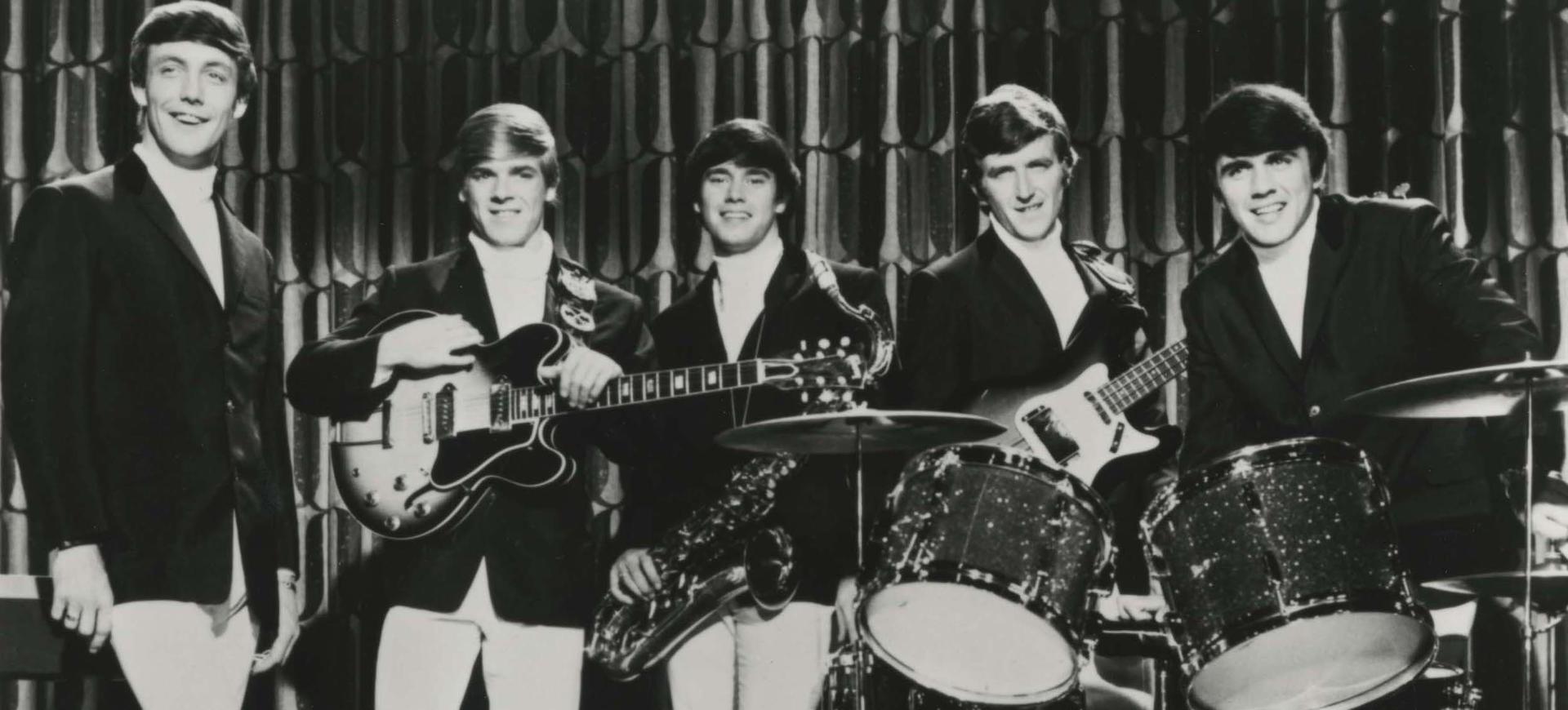
The Dave Clark Five

Induction Year: 2008

Induction Category: Performer


Dave Clark (drums, vocals; born December 15, 1942), Lenny Davidson (guitar; born May 30, 1944), Rick Huxley (bass; born August 5, 1942), Denis Payton (saxes, harmonica, vocals; born August 11, 1943, died December 17, 2006), Mike Smith (keyboards, vocals; born December 6, 1943)

In the early years of the British Invasion, two bands vied for supremacy: and the Dave Clark Five. Granted, the Fab Four from Liverpool out-charted the five lads from London, but no other band – not , Kinks or Animals - came close to the Dave Clark Five’s hitmaking prowess from early 1964 to mid-1966. During that period, the “DC5,” as they were known in fan shorthand, placed 15 consecutive singles in the U.S. Top Forty. It is one of the most impressive statistical feats of the British Invasion.

Their historic run began with “Glad All Over” and ended with “Please Tell Me Why.” In between came such hooky, high-energy hits as “Bits and Pieces,” “Can’t You See That She’s Mine,” “Any Way You Want It,” “Catch Us If You Can,” “Over and Over” and “Try Too Hard.” Even after the Top Forty string was broken, when “Satisfied With You” stalled at #50, the DC5 continued to make the charts through 1967, hitting the Top Ten once again with “You Got What It Takes.” By the time it was all over, the Dave Clark Five had sold 50 million records.

The DC5 were regulars on the American charts at the height of the British Invasion because their records were, quite simply, fun to listen and dance to. They cut original material and covered American rock and roll and R&B songs, such as Chuck Berry’s “Reelin’ and Rockin’,” Chris Kenner’s “I Like It Like That” and the Contours’ “Do You Love Me.” They pursued success as hungrily as , working exhaustively to establish themselves in America. They launched their first U.S. tour shortly before the Fab Four, ultimately undertaking six coast-to-coast tours. The DC5 also appeared on The Ed Sullivan Show - the Sunday-night variety show that helped break so many rock and roll acts in that era – an amazing 18 times. (By contrast, performed on the Sullivan show four times.)

There was an effort to fabricate competition between and the Dave Clark Five, framing it as the provincial north of England (Liverpool’s Beatles) versus the hip, urbane south (London’s DC5). The Dave Clark Five, who hailed from the North London suburb of Tottenham, were declared purveyors of the “Tottenham Sound.” In reality, there was no head-to-head competition, and the bands were friendly with one another. The Dave Clark Five were content to make solid, danceable pop records. The sound was contemporary, but the spirit was similar to that of the rhythm & blues and rock & roll from the Fifties.

“The music was fun,” Mike Smith told Goldmine in 1988. “It had no message. It was just supposed to be about fun and good times.”

“The DC5 was originally formed for the fun of playing the music we all enjoyed,” Dave Clark asserted in his liner notes to the 1993 CD compilation, The History of the Dave Clark Five.

Before signing a record contract, the group honed their act to a crowd-pleasing tightness by performing extensively on the British ballroom circuit. Solid players all, their greatest assets were keyboardist Mike Smith’s wailing, full-bodied vocals and Dave Clark’s booming drum sound. Denis Payton’s saxophones, an unusual inclusion for a British Invasion lineup, added rhythmic texture and a gritty Fifties rhythm & blues underpinning.

The Dave Clark Five signed to Columbia Records in the U.K. and Epic (a Columbia subsidiary) in the U.S. The contract represented a farsighted leap on bandleader and business manager Dave Clark’s part. He insisted and won creative control over the band’s output, including final say over what songs could be released as singles. He set up a publishing company for the band’s original material. As their producer, he negotiated a figure that was considerably higher than the going rate for independent production at the time. He also inserted a reversion clause that returned ownership of the band’s recordings after a specified time. In essence, Clark called all the shots, making the Dave Clark Five one of the few Sixties bands that were not bound by grossly unfavorable standard record contracts. Nowadays, there is a lot of talk about artistic control and independence, but Dave Clark drew up the blueprint at the dawn of the first British Invasion.

In much the same spirit, the Dave Clark Five quit while they were ahead. The group disbanded in 1970. They could taken what work was available or reunited at a later date when Sixties nostalgia became all the rage. Instead, they let their music speak for itself and its time. When a promoter called Clark in the early Eighties with a lucrative offer for a reunion tour, Clark declined. Sometimes what a band doesn’t do says as much as what they have done.

“We can’t better what we’ve done,” Clark said in 1993. “I’ll leave that to the exciting new acts.”

TIMELINE

December 15, 1942: Dave Clark, drummer, founder and leader of the Dave Clark Five, is born in London, England.

August 5, 1942: Rick Huxley, bassist for the Dave Clark Five, is born in Dartford, Kent, England.

August 11, 1943: Denis “Denny” Payton, saxophone player for the Dave Clark Five, is born in London, England.

December 6, 1943: Mike Smith, keyboardist and vocalist for the Dave Clark Five, is born in London, England.

May 30, 1944: Lenny Davidson, guitarist for the Dave Clark Five, is born in Enfield, Middlesex, England.

1958: The Dave Clark Five Featuring Stan Saxon debuts at a youth club in their hometown of Tottenham. Only Clark and bassist Rick Huxley will remain in the better-known hitmaking lineup.

January 1962: The realigned Dave Clark Five make their live debut in a new (and permanent) configuration of Dave Clark, Rick Huxley, Mike Smith, Lenny Davidson and Denis Payton.

October 5, 1963: The Dave Clark Five debut on the British charts with “Do You Love Me,” which reaches #30.

January 16, 1964: “Glad All Over,” by the Dave Clark Five, tops the U.K. charts. It will be their only #1 British hit.

March 21, 1964: The Dave Clark Five debut on the U.S. Top Forty with “Glad All Over,” which reaches #6.

April 11, 1964: Glad All Over, the Dave Clark Five’s debut album, enters the U.S. charts, where it will peak at #3. It will later receive gold certification (500,000 copies sold) a year later.

May 16, 1964: “Bits and Pieces,” by the Dave Clark Five, peaks at #4.

May 31, 1964: The Dave Clark Five make the first of 18 appearances on The Ed Sullivan Show, performing “Do You Love Me” and “Can’t You See That She’s Mine.”

June 20, 1964: The Dave Clark Five Return!, the British hitmakers’ second album, enters the charts, where it will reach #6.

October 2, 1965: “Catch Us If You Can,” by the Dave Clark Five – a song from their film Havin’ a Wild Weekend – peaks at #4.

December 25, 1965: “Over and Over,” by the Dave Clark Five, tops the Billboard singles chart. It will be their only #1 American hit.

February 26, 1966: The Dave Clark Five’s Greatest Hits is released. It will reach #9 and spend more than a year on the charts.

August 24, 1966: The Dave Clark Five’s Greatest Hits receives gold certification (500,000 copies sold) from the RIAA.

July 2, 1966: The Dave Clark Five’s “Please Tell Me Why” peaks at #28, becoming the group’s 15th consecutive Top Thirty single.

April 1, 1967: “You Got What It Takes,” the Dave Clark Five’s eighth and final Top Ten hit, enters the Billboard chart. It is the title track from their 13th album.

February 4, 1968: “Everybody Knows,” by the Dave Clark Five, falls off the Billboard Hot 100. It is their 24th (and final) single to chart in the U.S.

March 1970: Three years after their last American hit, the Dave Clark Five make the British Top Ten with “Everybody Get Together” (a remake of Dino Valente’s “Get Together,” whose best-known version was by the Youngbloods).

August 1970: The Dave Clark Five announce their breakup. Dave Clark and Mike Smith will record through 1993 as Dave Clark and Friends in order to honor contractual commitments to EMI Records.

April 1, 1978: 25 Thumping Great Hits, by the Dave Clark Five, reaches #7 on the British charts as the punk and New Wave movements revive interest in the sounds of the Sixties.

April 9, 1986: The hit musical Time, produced and cowritten by Dave Clark – former drummer of the Dave Clark Five – debuts at London’s Dominion Theatre.

April 17, 1993: Glad All Over Again, a greatest-hits compilation by the Dave Clark Five, makes its debut on the U.K. charts, where it will reach #28.

May 1, 1993: A reissued “Glad All Over” returns the Dave Clark Five to the British singles charts for the first time since 1970.

August 21, 1993: The History of the Dave Clark Five - a double disc marking the U.S. debut of these British Invasion hitmakers on CD - enters the album chart, where it will spend one week at #127.

December 17, 2006: Denis Payton, sax player for the Dave Clark Five, dies of cancer.

February 28, 2008: Mike Smith, lead singer for the Dave Clark Five, dies of pneumonia.

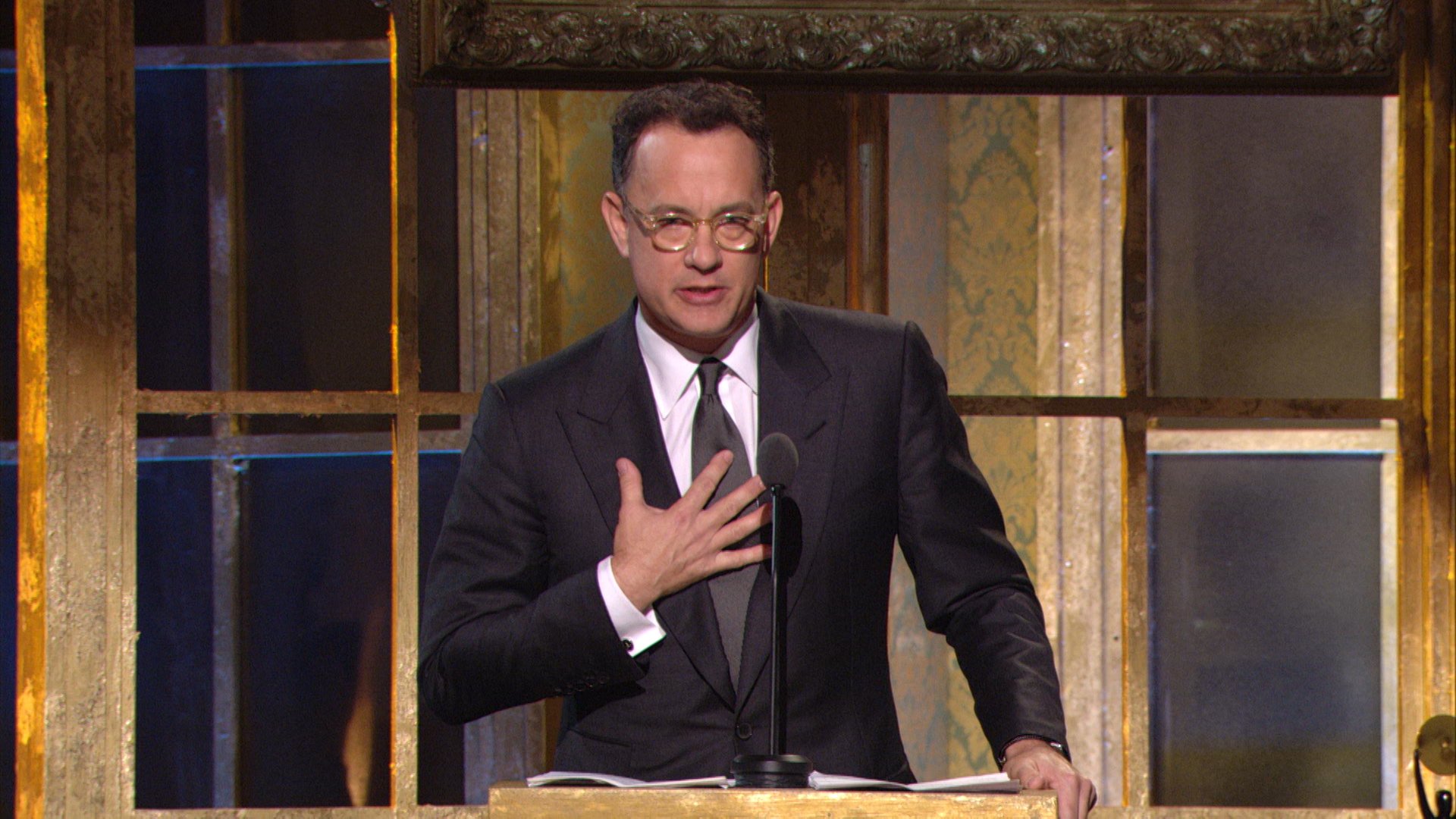
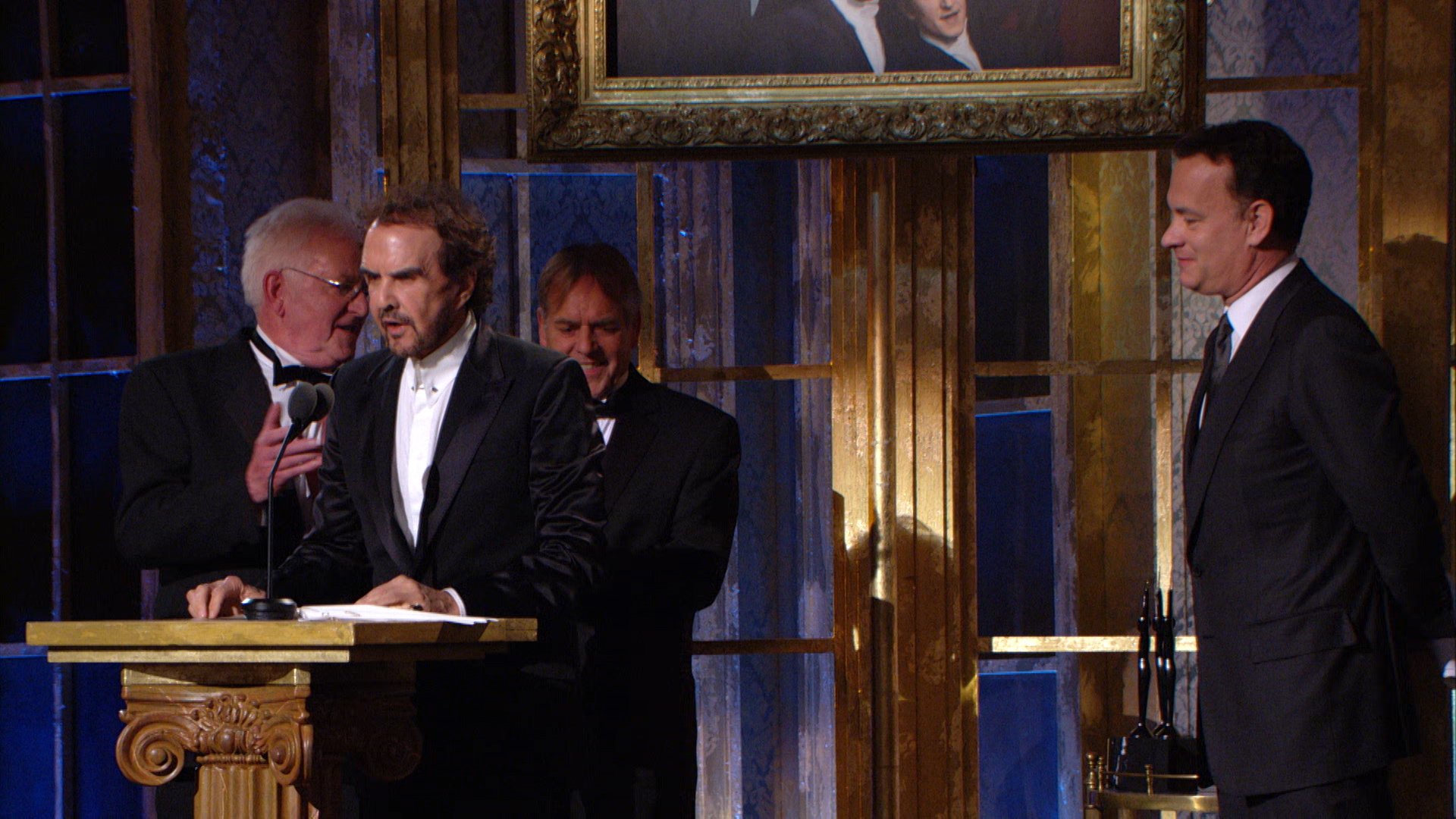
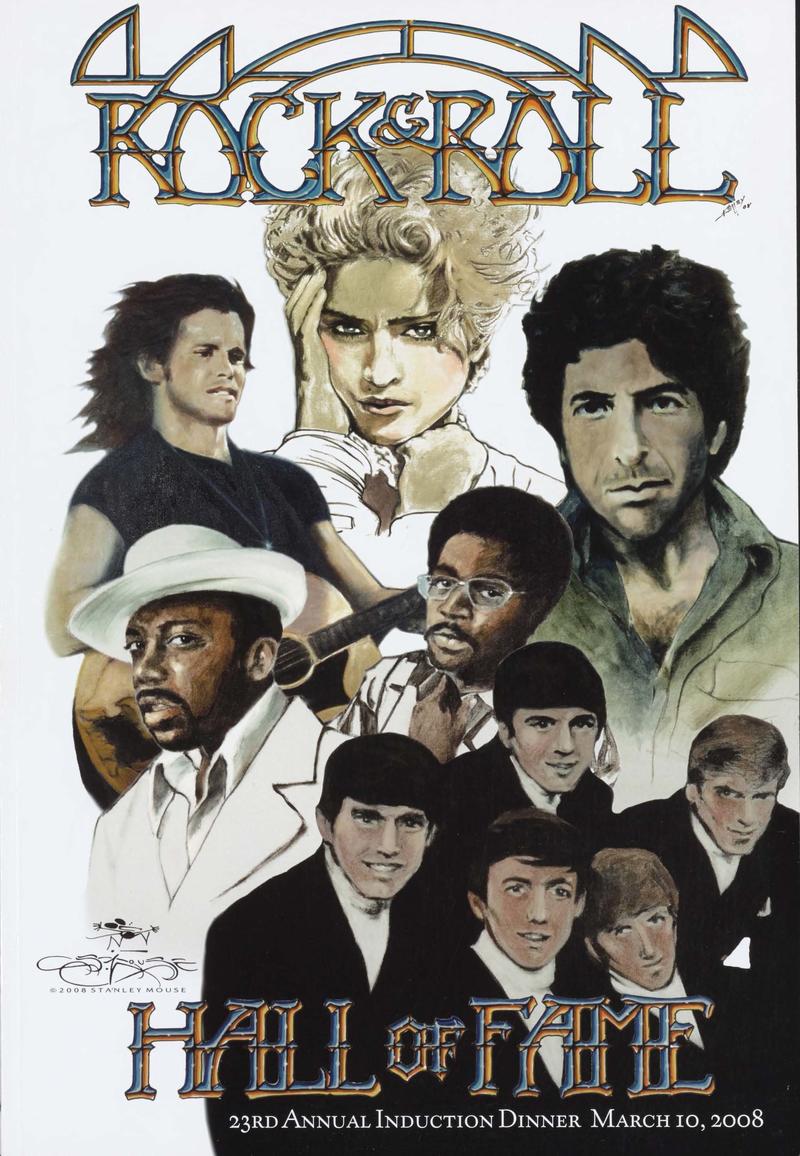
March 10, 2008: The Dave Clark Five are inducted into the Rock and Roll Hall of Fame at the 23rd annual induction dinner. Tom Hanks is their presenter.

Essential Recordings

Glad All Over
Bits and Pieces
Try Too Hard
Catch Us If You Can
Can’t You See That She’s Mine
Any Way You Want It
Over and Over
Because
I’ve Got to Have a Reason
Do You Love Me

Recommended Reading

“Mike Smith: Voice of the Dave Clark Five.”
Elliott Stephen Cohen. Goldmine (June 27, 2003): 14-19.

Liner notes for Dave Clark Five. The History of the Dave Clark Five.
Ken Barnes. Hollywood Records, 1993.

“The Dave Clark Five: Glad All Over and Over and Over Again.”
John C. Guion and Bill Kornman.Goldmine (September 3, 1993): 14-26.

The British Invasion: From the First Wave to the New Wave.
Nicholas Schaffner. New York: McGraw-Hill, 1983.


Al Green's White Leather Jacket With Embroidery

Photo by Design Photography
Collection of Al Green