David Bowie
Induction Year: 1996
Induction Category: Performer
"Inductee: David Bowie (vocals, guitar, saxophone, keyboards; born January 8, 1947)
David Bowie is rock’s foremost futurist and a genre-bending pioneer, chameleon, and transformer. Throughout his solo career and in his alliances with other artists - including Lou Reed, Iggy Pop, Brian Eno and Nine Inch Nails - Bowie has positioned himself on the cutting edge of rock and roll. His innovations have created or furthered several major trends in rock and roll, including glam-rock, art-rock and the very notion of the self-mythologized, larger-than-life rock star.
The London-born Bowie entered the music scene via a series of short-lived British bands in the mid-Sixties – among them, the Manish Boys and the Lower Third - before embarking on a solo career in 1966. He released the moody, existential “Space Oddity” in 1969 – the year America landed a man on the moon. On the strength of such early albums as Man of Words, Man of Music and The Man Who Sold the World, Bowie became a cult figure to rock fans looking for something new and challenging to fill the post-Sixties void. A driven, polymorphic artist who breaks all the molds, Bowie has attracted attention from the beginning for his frequent, fascinating changes of guise and the high quality of his unpredictable music. “I’m the last one to understand the material I write,” Bowie once protested. But it surely has always had something to do with imagining and moving forward into the future.
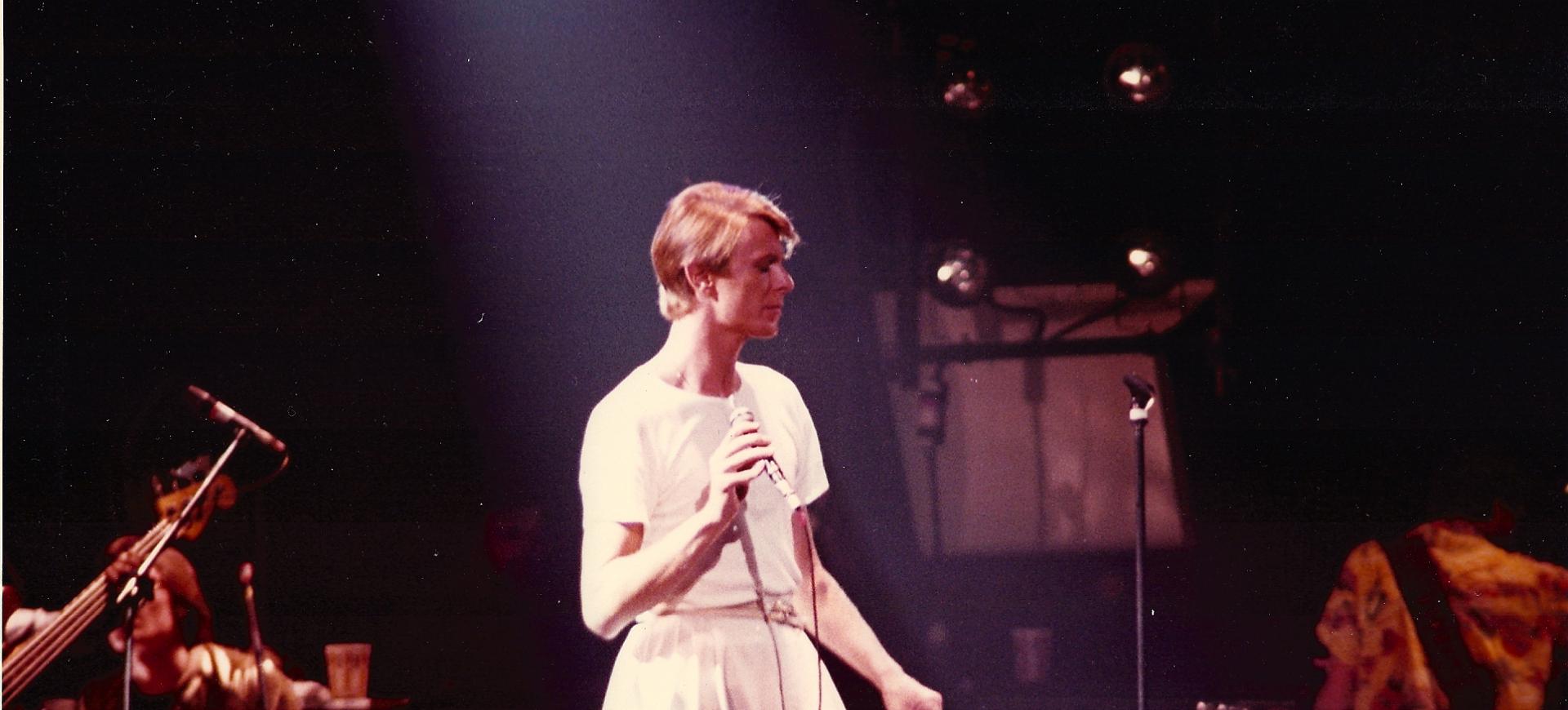
Bowie’s breakthrough came with The Rise and Fall of Ziggy Stardust and the Spiders from Mars (1972), a thoroughly modern album that promulgated the notion of rock star as space alien. Bowie melded rock with theater, creating the provocative character and alter ego “Ziggy Stardust.” Flirting with decadence and embracing theatricality like no rock and roller before him, Bowie erupted from cult figure to rock icon in Ziggy’s wake. He dressed the part of the flamboyant “starman,” affecting costumes that fused British mod and Japanese kabuki styles. Rainbow-hued knit body suits, metallic bomber jackets, space-samurai outfits, white satin kimonos, and see-through mesh tops were among the fanciful threads worn by Bowie in the guise of Ziggy Stardust and his successor, the paranoid androgyne Aladdin Sane. Boasting sharp, propulsive music from the Spiders from Mars – which included the late guitarist Mick Ronson –The Rise and Fall of Ziggy Stardust and the Spiders from Mars and its followup, Aladdin Sane, heralded a paradigm shift in the early Seventies. Bowie also displayed his affection for the mod “London underground” of the mid-to-late Sixties with Pin-Ups, an album of cover songs by the Pretty Things, Pink Floyd, Them and other hitmakers of the day.
During the Seventies, Bowie pioneered and embodied the notion of rock style. For much of the decade he projected a calculating aloofness, and many wondered where the characters ended and the “real Bowie” began. “Bowie’s conceit is to treat human feeling as technology and technology as feeling,” wrote music critic Tom Carson. In the mid-to-late Seventies, however, Bowie took refuge from fame – and a drug problem – in Berlin, where he embarked on a fruitful union with producer Brian Eno (though the albums were produced by Tony Visconti) that resulted in the celebrated “Berlin trilogy”: three largely experimental, atmospheric albums on which Bowie reinvented himself yet again. With Low, “Heroes” and Lodger, Bowie peeled away his masks while creating music that anticipated the ambient and industrial soundscapes of the coming decades.
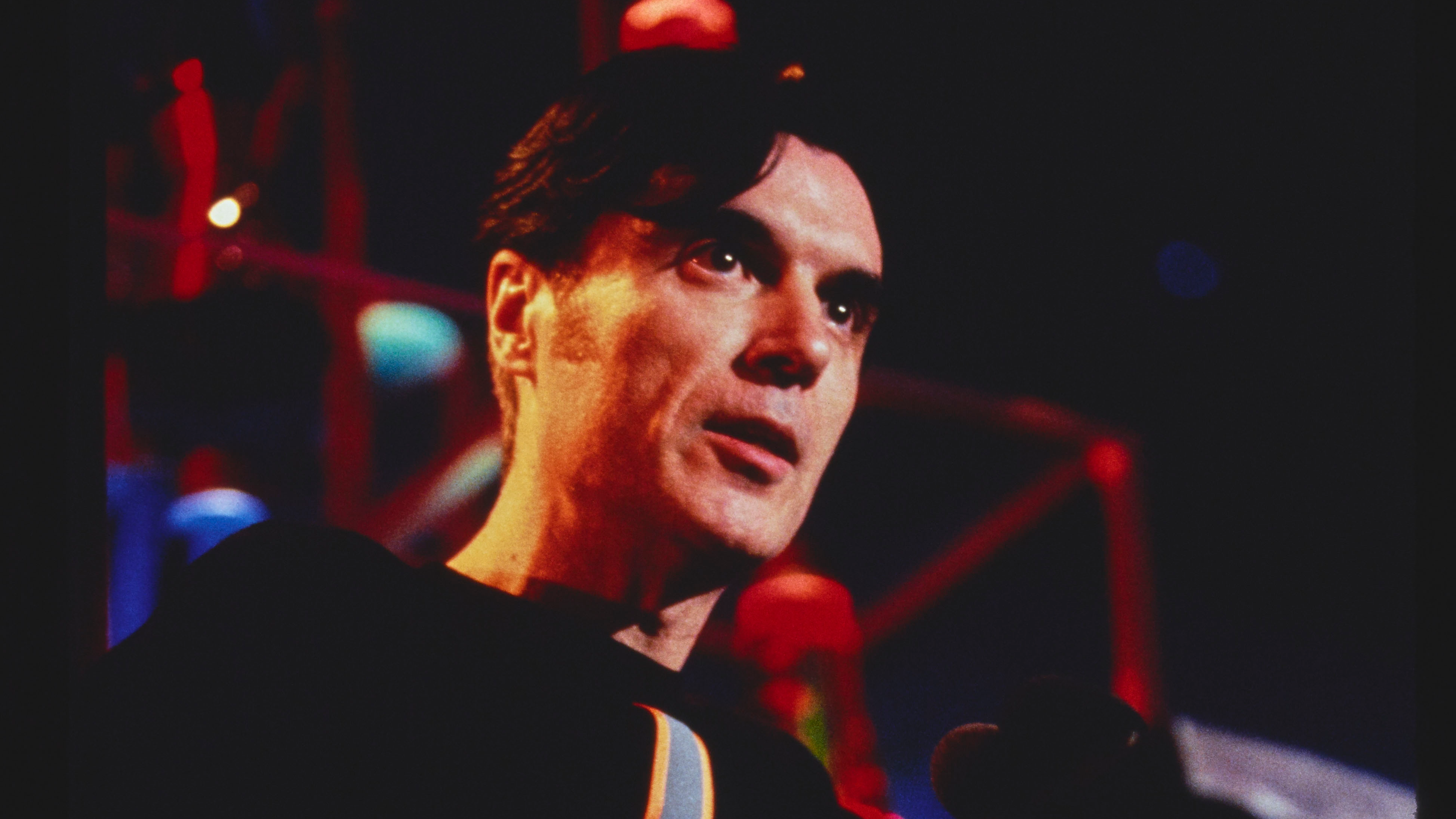
In 1980, Bowie released Scary Monsters, which summed up and closed the door on the previous decade. The album even cast a final nod to Bowie’s “Major Tom” character from “Space Oddity” with the sequel “Ashes to Ashes.” Moving into theater, Bowie worked on Broadway for four months in 1980, garnering rave reviews for his portrayal of John Merrick in the lead role of The Elephant Man. Musically, Bowie’s commercial masterstroke came in 1983 with Let’s Dance, an accessible set of modern-minded dance music that gave Bowie his second #1 hit with the brassy, swaggering title track, as well as “China Girl” (#10) and “Modern Love” (#14). That same year, the D.A. Pennebaker-produced film documentary of Bowie’s final tour from the Ziggy days, entitled Ziggy Stardust/The Motion Picture, was released.
Admittedly, Bowie didn’t dominate and define the Eighties as he did the Seventies. However, he released intermittent albums (Tonight in 1984, Never Let Me Down in 1987) and collaborated with the varied likes of Queen, Mick Jagger, Bing Crosby and the Pat Metheny Band while further pursuing his lifelong interest in alternate media, including film, theater and painting. In 1989, the Ryko label reissued Bowie’s back catalog – from Space Oddity through Scary Monsters, as well as singles compilations and a spectacular box set, Sound + Vision. Bowie supported the reissue program with the Sound + Vision Tour, during which he performed a largely retrospective repertoire for what he claimed would be the last time. He also formed a band, Tin Machine, submerging his ego as an equal member of this edgy, hard-rocking entity. Tin Machine didn’t enjoy the commercial or critical acclaim of Bowie’s solo works, but the very idea of Bowie as a bandmate spoke intriguingly of his more human-scaled prerogatives at middle age.
During the Nineties, Bowie returned to pushing the envelope as never before while also moving into the most settled phase of his personal life. On April 24th 1992, Bowie married the Somalian model Iman at a civil ceremony in Lausanne, Switzerland. He commemorated the event with “The Wedding,” from the 1993 album Black Tie White Noise. Subsequently, Bowie embarked on a startlingly ambitious and uncompromising series of albums. The unsettling Outside (1995) was a self-described “non-linear Gothic Drama Hyper-cycle” based on characters from a Bowie short story. The accompanying tour found him joined by the extremist electronic act Nine Inch Nails. In 1997, Bowie released Earthling, an album that showed the influence of the underground dance-music scene on Bowie (and vice versa). A year later, he was the first rock star to become Internet Service Provider (ISP). The autobiographical, angst-filled ‘hours...’ appeared in 1999, providing mortal musings from Bowie on the eve of the new millennium.
TIMELINE
January 8, 1947: David Robert Jones, a.k.a. David Bowie, is born in Brixton, London.
September 20, 1969: David Bowie’s timely single about an astronaut, “Space Oddity,” hits #5 on the UK charts.
November 4, 1970: David Bowie releases ‘The Man Who Sold the World’ in the US.
December 11, 1971: David Bowie releases ‘Hunky Dory,’ which contains the classic “Changes.”
April 5, 1972: David Bowie’s ‘Hunky Dory’ hits #93.
May 13, 1972: Bowie declares his bisexuality in the British Magazine ‘Melody Maker.’ In later years, he distances himself from such statements.
June 6, 1972: David Bowie’s ‘The Rise and Fall of Ziggy Stardust and the Spiders From Mars’ enters the UK album charts.
July 4, 1972: David Bowie’s “Starman” hits #10 in the UK and #65 in the US.
September 12, 1972: Mott the Hoople’s “All the Young Dudes,” a glam-rock anthem penned and produced by David Bowie, hits #3 in the UK.
September 22, 1972: David Bowie opens his first US tour in Cleveland, Ohio.
September 28, 1972: David Bowie and the Spiders from Mars sell out New York City’s Carnegie Hall on their gender-bending Ziggy Stardust tour.
February 24, 1973: David Bowie scores his first Top Forty hit in the US with the re-release of 1969’s “Space Oddity.”
March 31, 1973: Lou Reed’s “Walk on the Wild Side,” a musical tour of the New York demimonde from the David Bowie-produced ‘Transformer,’ becomes an unlikely Top Forty hit.
April 7, 1973: David Bowie’s Ziggy Stardust hits #75.
April 7, 1973: David Bowie scores his first US Top 40 hit with “Space Oddity” which peaks at #15.
April 28, 1973: Lou Reed’s “Walk on the Wild Side,” produced by David Bowie, hits #16.
May 5, 1973: David Bowie releases ‘Aladdin Sane’ ("a lad insane"), a further elaboration upon his hard-rocking spaceman persona. It yields the singles “Jean Genie” (#2 UK, #71 US) and “Drive-In Saturday” (#3 UK),
May 25, 1973: David Bowie releases Diamond Dogs which will eventually peak at #5.
November 3, 1973: David Bowie’s ‘Pin-Ups,’ on which he covers 13 nuggets from London pop scene of the Sixties, hits #23. It is his third album in little over a year.
November 8, 1973: David Bowie hits #8 with ‘David Live’.
November 16, 1973: David Bowie hosts an NBC-TV special.
May 25, 1974: David Bowie releases the decadence-themed ‘Diamond Dogs,’ a true solo album on which he sings and plays most of the instruments.
July 6, 1975: David Bowie begins filming ‘The Man Who Fell to Earth’.
September 14, 1975: Fame (David Bowie) was a hit.
September 20, 1975: “Fame,” a song from David Bowie’s ‘Young Americans’ album, tops the US singles charts. It is cowritten by Bowie, John Lennon and guitarist Carlos Alomar.
January 10, 1976: David Bowie’s “Golden Years” goes to #10.
February 7, 1976: David Bowie’s ‘Station to Station’ enters the album charts. It is the highest-charting album of Bowie’s career, peaking at #3.
March 18, 1976: ‘The Man Who Fell to Earth,’ a science-fiction movie starring David Bowie in an award-winning performance, debuts takes place in London.
July 17, 1976: David Bowie’s compilation album ‘Changesonebowie’ hits #10 in the US.
January 6, 1977: David Bowie releases ‘Low,’ the first of a trilogy of more experimental albums that also includes ‘Heroes’ (1977) and ‘Lodger’ (1978).
January 10, 1977: David Bowie wins the US Academy of Science Fiction Fantasy and Horror Films Best Actor Award for ‘The Man Who Fell to Earth’.
May 11, 1977: Iggy Pop releases ‘The Idiot’ and it hits #30 in the UK and #32 in the US. The album is produced by David Bowie.
September 11, 1977: David Bowie records his guest appearance on ‘Bing Crosby’s Merrie Olde Christmas’. Bowie and Bing perform a duet of “The Little Drummer Boy.”
1977: David Bowie hits #35 with ‘Heroes’.
November 6, 1977: Iggy Pop releases ‘Lust for Life’. The album is produced by David Bowie.
December 10, 1977: David Bowie hits #35 in the US with Heroes, a collaboration with Brian Eno.
July 14, 1979: David Bowie hits #20 in the US with ‘Lodger’.
March 1, 1982: Pete Townshend, Stevie Nicks, Mick Jagger, Adam Ant, Pat Benatar, the Police and David Bowie kick off the “I Want My MTV” advertising campaign.
May 15, 1983: “Let’s Dance”, featuring Stevie Ray Vaughn on guitar, is David Bowie’s first #1 hit in both the US and UK.
June 10, 1989: ‘Tin Machine,’ the first of three albums by Tin Machine—a quartet that includes David Bowie—is released. The other are ‘Tin Machine II’ (1991) and the live ‘Oy Vey, Baby’ (1992).
September 26, 1995: David Bowie’s ‘Outside,’ a challenging and unconventional “gothic hyper-drama,” is released.
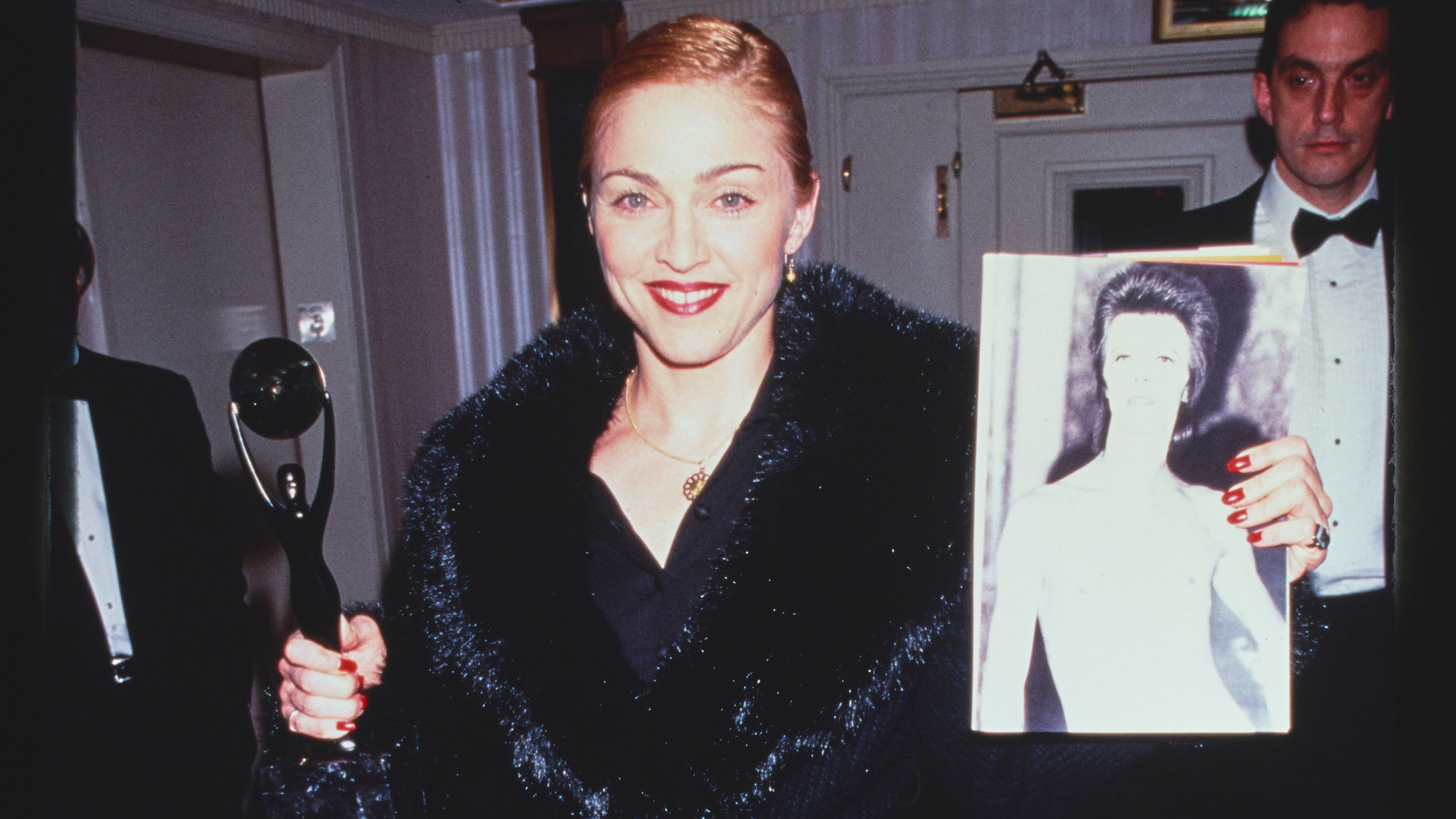
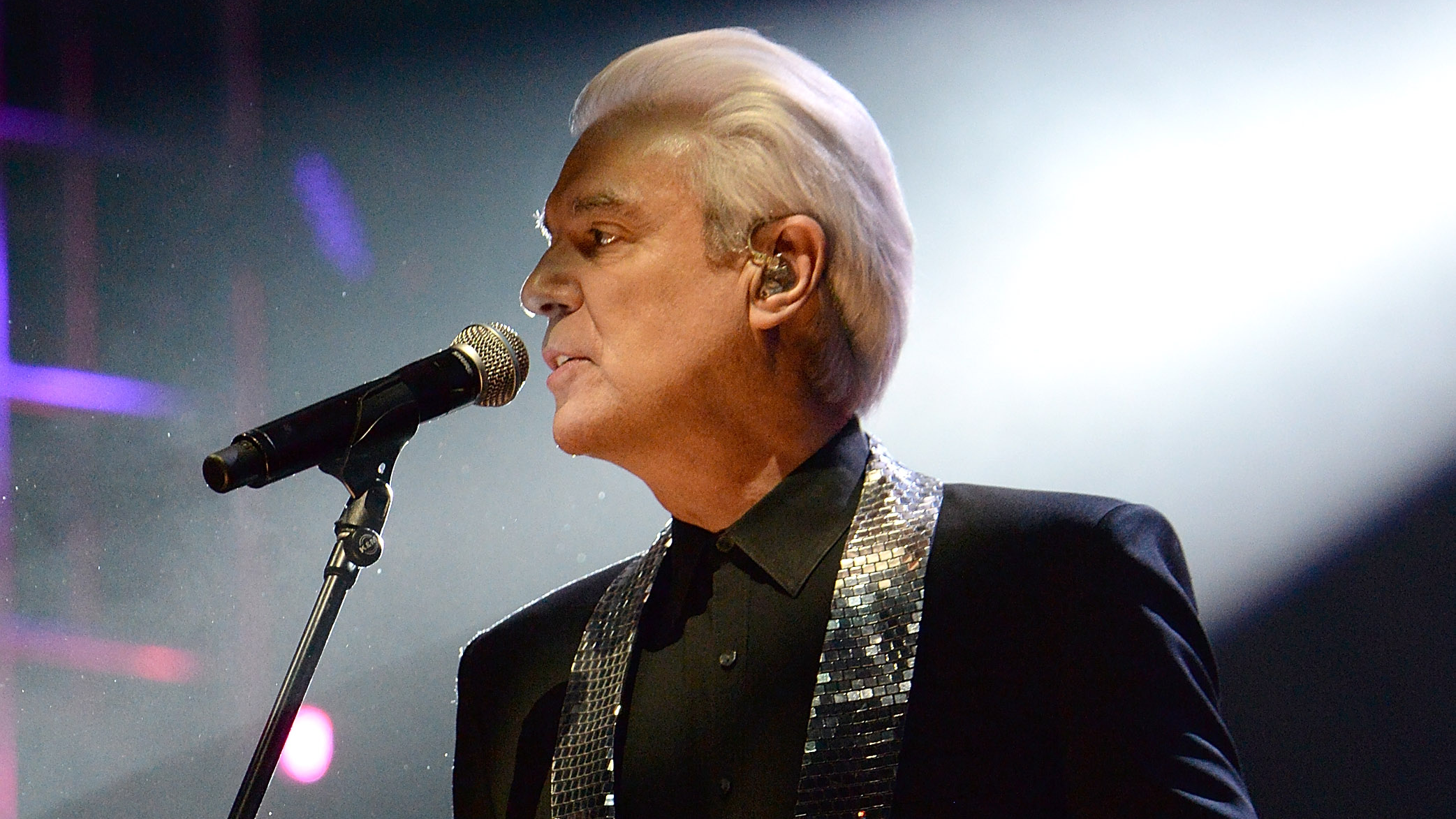
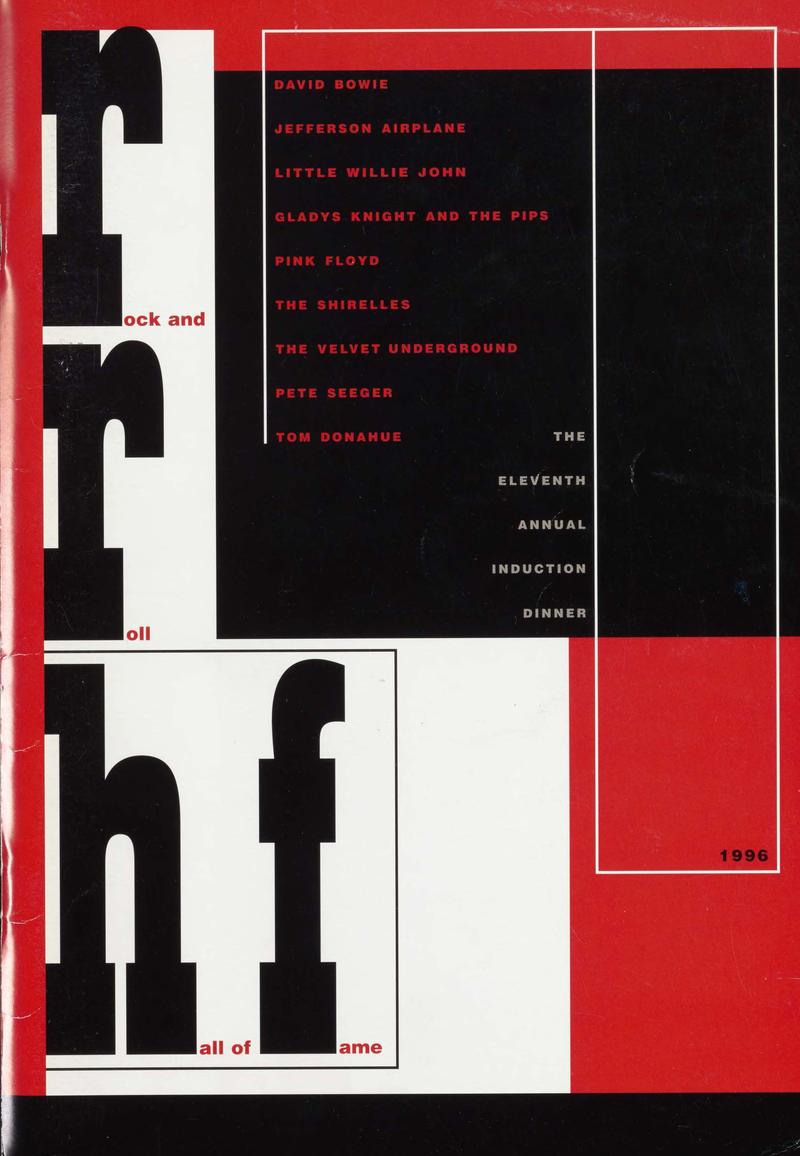
January 17, 1996: David Bowie is inducted into the Rock and Roll Hall of Fame at the eleventh annual induction dinner. Madonna and David Byrne are his presenters.
January 8, 1997: David Bowie turns fifty.
September 11, 1998: The entrepreneurial David Bowie launches his own Internet Service provider, BowieNet.
October 5, 1999: ‘hours...’, a pensive, end-of-the-millenium album by David Bowie, is released.
Essential Recordings
Heroes
Space Oddity
Changes
Fame
Ziggy Stardust
Life On Mars?
Young Americans
Let’s Dance
Golden Years
Sound + Vision
Recommended Reading
Bowiestyle
Mark Paytree with Steve Pafford and David Bowie. New York: Music Sales Corporation, 2000.
The Complete David Bowie
Nicholas Pegg. Richmond, Surrey (U.K.): Reynolds & Hearn, 2001.
Loving the Alien
Christopher Sandford. Cambridge, MA: Da Capo Press, 1998.
We Could Be Heroes: The Story Behind Every David Bowie Song
Chris Welch. New York: Avalon, 2000.