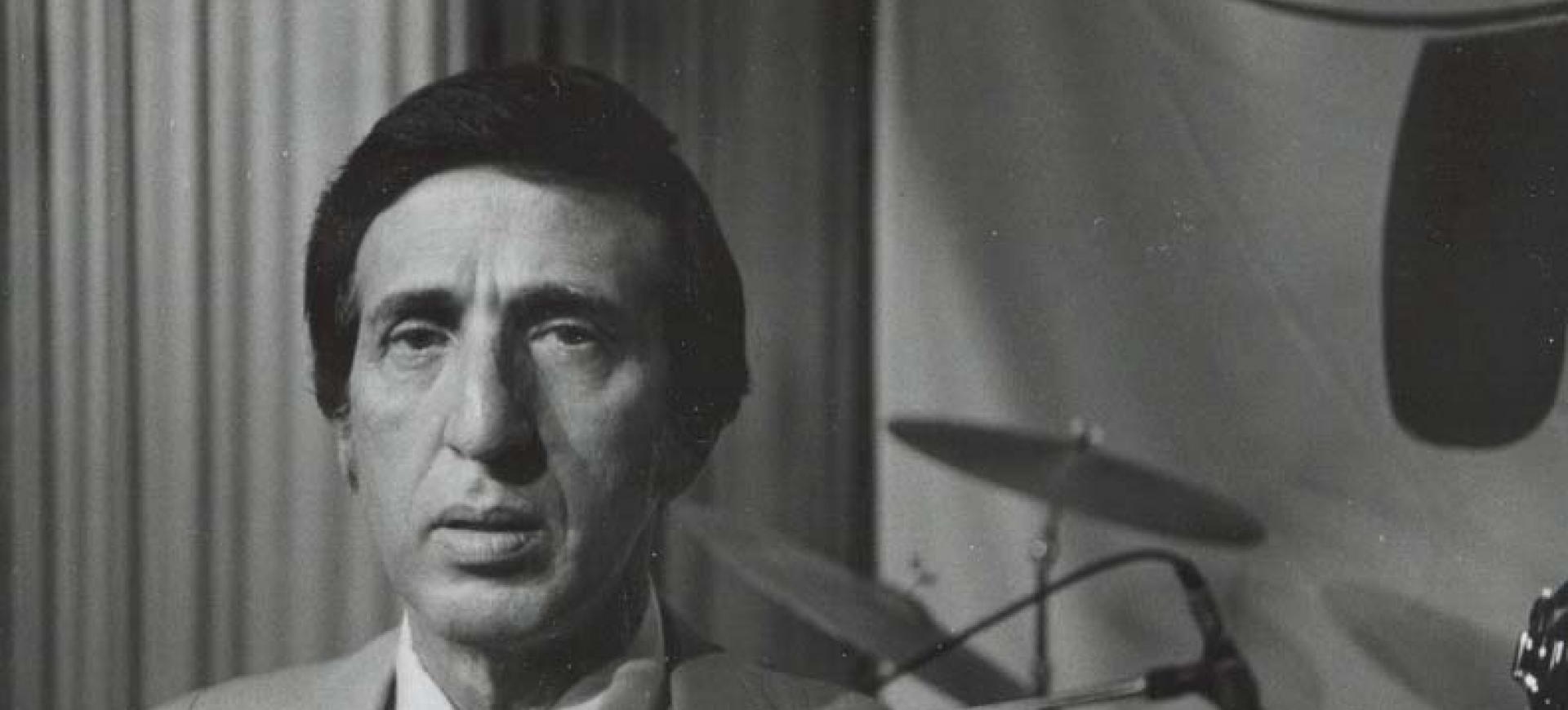
D.J. Fontana
Induction Year: 2009
Induction Category: Sidemen
D.J. Fontana (drums; born March 15, 1931)
D.J. Fontana got hired in 1955 as Elvis Presley’s drummer, expanding the group to a four-piece and becoming the first rockabilly drummer in the bargain. At the time, Fontana was the house drummer for the Louisiana Hayride, a radio show out of Shreveport, La., and he backed up Presley and bandmates Bill Black and Scotty Moore when they came to play. It worked so well he was asked to join the group a few months later.
As a drummer, Fontana’s laid-back, straight-ahead style ideally suited Presley, Black and Moore, complementing rather than overwhelming their sound. “I just learned how to stay out of their way and let them do what they had to,” Fontana noted in a 1987 interview. “It sounded better to me that way.” His influences were mainly big-band jazz drummers like Buddy Rich and Gene Krupa.
Fontana remained with Presley throughout the Fifties. During the Sixties, when Presley turned his attention to movie-making, Fontana was still present at many of his Nashville recording sessions. Fontana also did session work for others in the Sixties. He and Scotty Moore both appeared at Presley’s side on his landmark Christmas 1968 TV special. It was the King’s celebrated comeback from B-movie purgatory and re-embrace of rock and roll. The highlight was an unscripted hootenanny during which the old bandmates revisited vintage rockabilly highlights and shared reminiscences from the Fifties. In retrospect, this “informal segment” was Unplugged about 20 years before MTV came up with that name and format.
Despite an offer in 1969 to join Presley’s band in Las Vegas, Fontana and Moore never played with their old boss again. Fontana last saw Presley in the mid-Seventies, while he was recording in Nashville.
Revered as rockabilly icons, Moore and Fontana reunited to cut an album - with assistance from famous fans like the Rolling Stones’ Keith Richards - entitled All the King’s Men, released in 1997. Fontana and Moore also backed Paul McCartney on a remake of “That’s All Right” for the 2000 release, Good Rockin’ Tonight: The Legacy of Sun Records.
TIMELINE
March 15, 1931: Drummer Dominic Joseph “D.J.” Fontana is born in Shreveport, Louisiana.
August 1955: D.J. Fontana joins Elvis Presley’s band on drums after drumming with them on the Louisiana Hayride, a live radio show out of Shreveport, Louisiana.
January 10-11, 1956: Drummer D.J. Fontana records with Elvis Presley for the first time at Presley’s first RCA sessions, which yield “Heartbreak Hotel” and four other songs.
March 26, 1960: Upon his discharge from the Army, Elvis Presley performs on Frank Sinatra’s variety show with bandmates DJ Fontana, Scotty Moore and the Jordanaires.
January 15-16, 1968: DJ Fontana and Scotty Moore’s last studio session with Elvis Presley yields four songs, including the singles “U.S. Male” and “Stay Away.”
June 27, 1968: Drummer D.J. Fontana and guitarist Scotty Moore reunite onstage with Elvis Presley for the sit-down jam session that would be a highlight of Presley’s Christmas “comeback special.”
July 1997: All the King’s Men, by D.J. Fontana and Scotty Moore, is released on Sweetfish Records. It features Elvis Presley’s former sidemen joined by such guests as Keith Richards, the Band, Cheap Trick, Ron Wood and Jeff Beck.
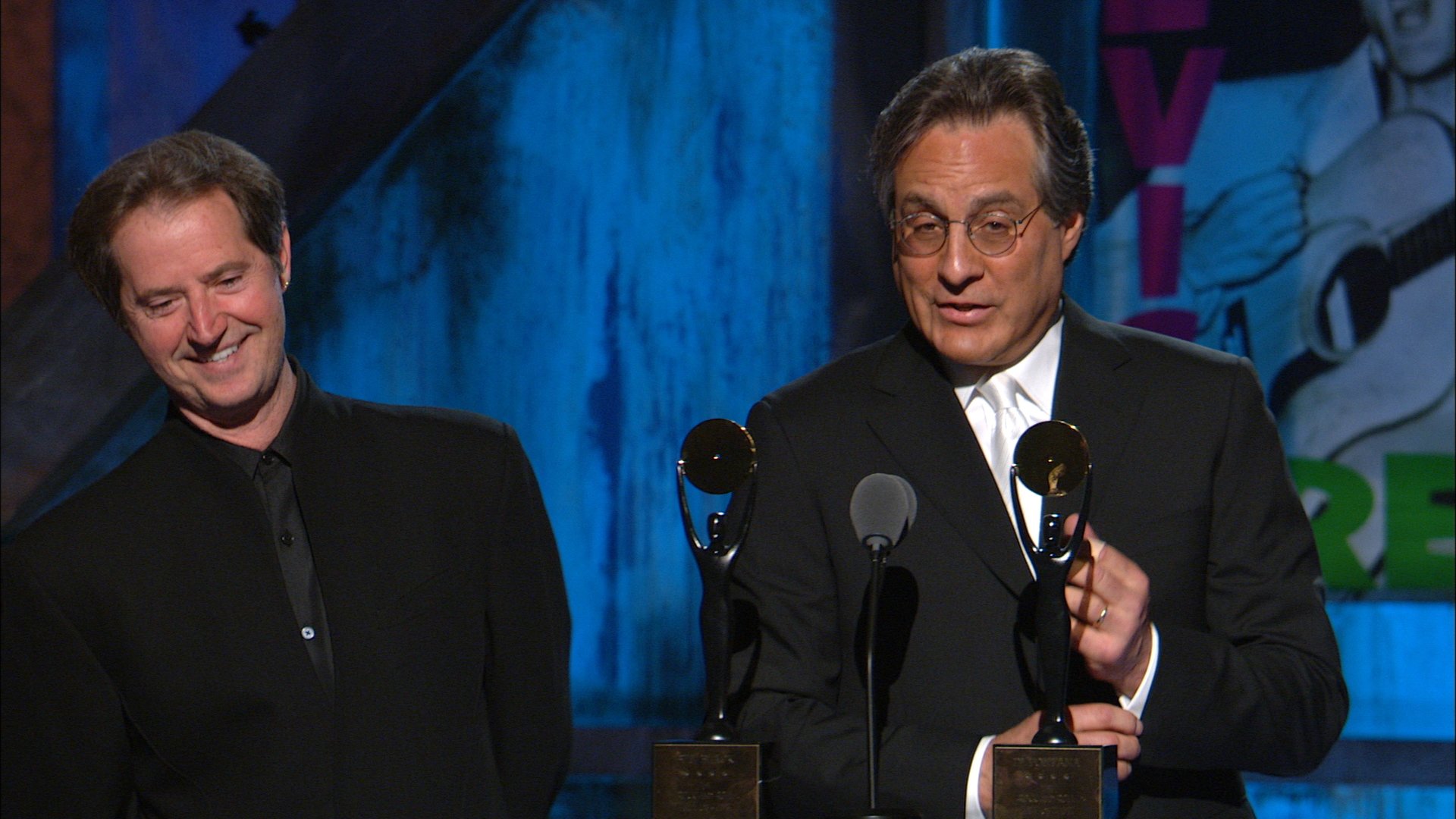
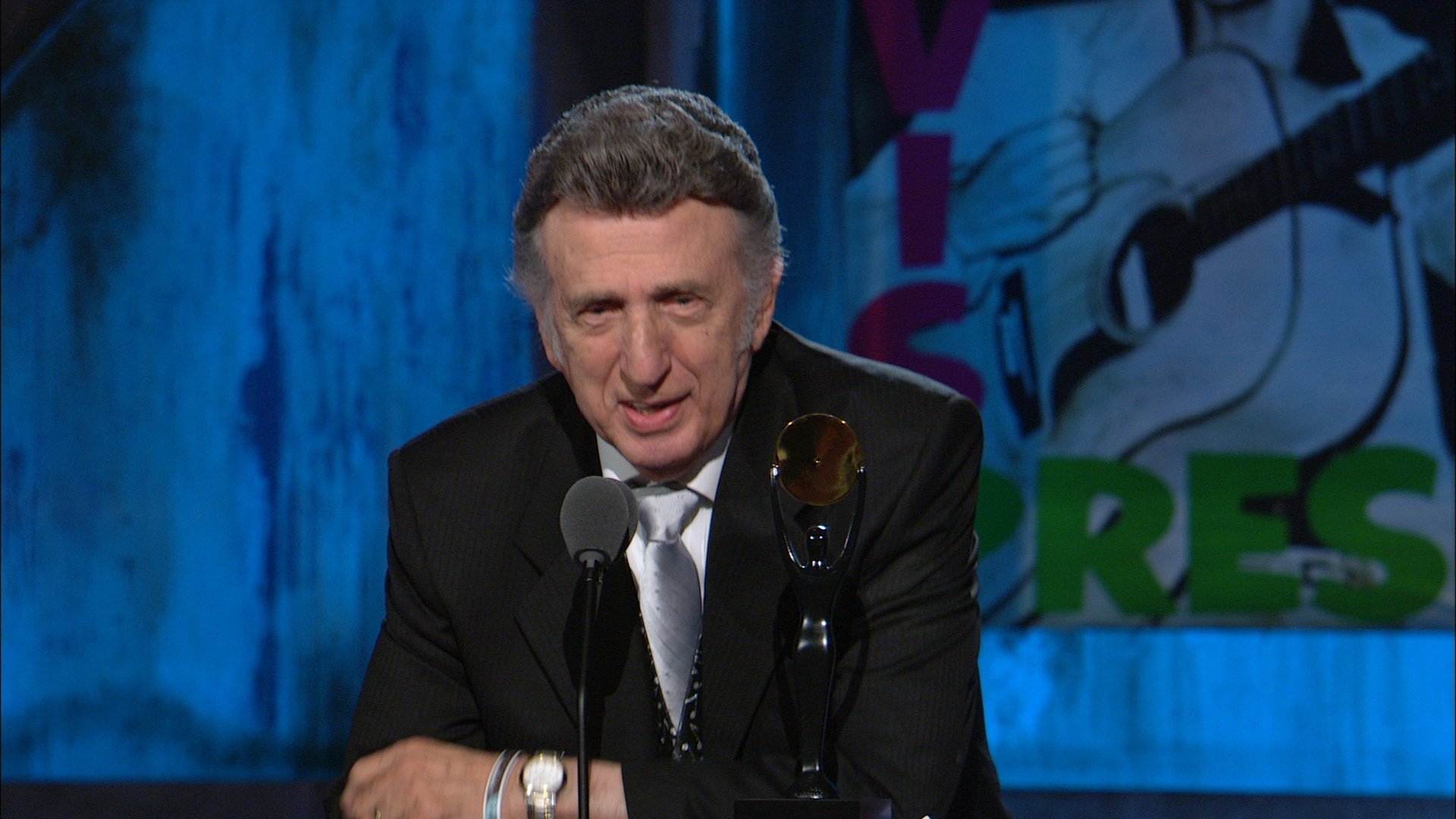
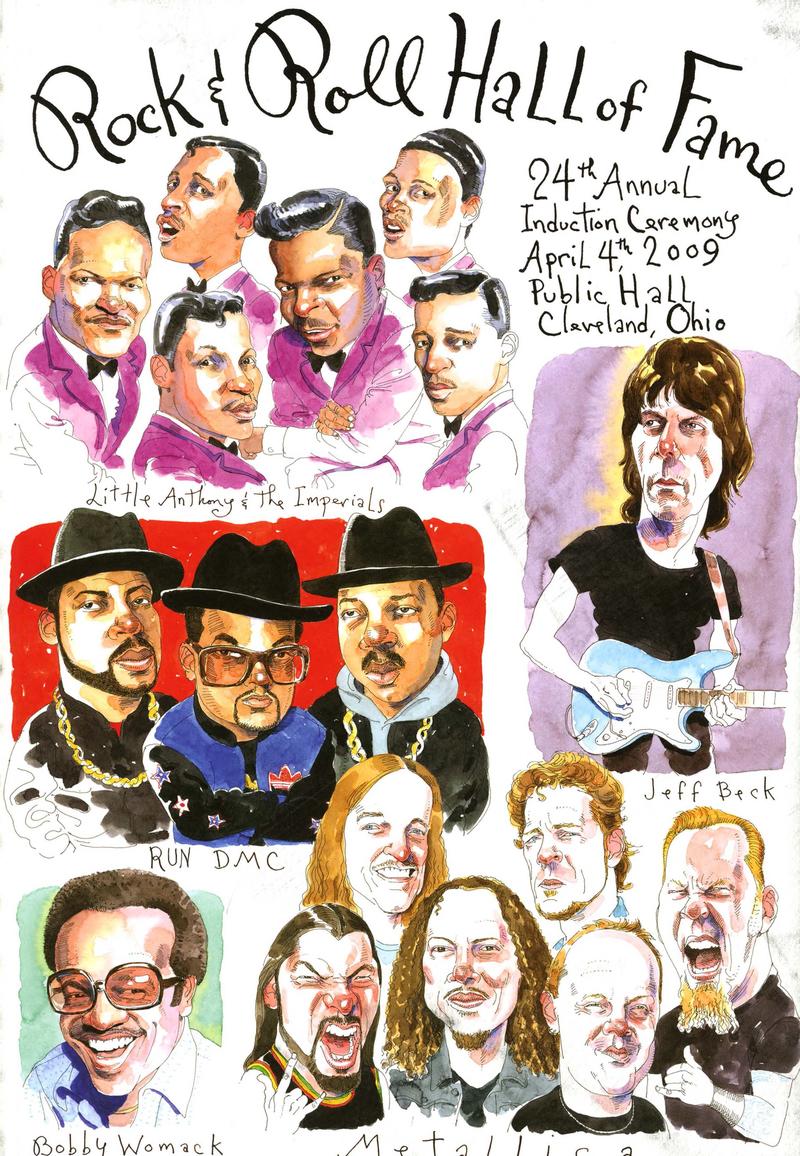
April 4, 2009: D.J. Fontana is inducted into the Rock and Roll Hall of Fame at the 24th annual dinner. Max Weinberg is his presenter.
RECOMMENDED TRACKS
1. Jailhouse Rock
2. Hound Dog
3. All Shook Up
4. Too Much
5. Blue Suede Shoes
6. Don’t Be Cruel
7. Trouble
8. Guitar Man
9. Money Honey
10. Blue Christmas
RECOMMENDED READING
Guralnick, Peter. Last Train to Memphis: The Rise of Elvis Presley. New York: Little Brown, 1994.
Jorgensen, Ernest. Elvis Presley: A Life in Music – The Complete Recording Sessions. New York: St. Martin’s Press, 1998.
Mikelbank, Peter. “D.J. Fontana: Elvis’ Drummer Capsulates the King’s Career.” Goldmine (August 14, 1987): 12-14+.
Sylvester, Bruce. “The Return of the King’s Men: Catching Up with Elvis’ Backing Duo.” Goldmine (January 2, 1998): 38-50.