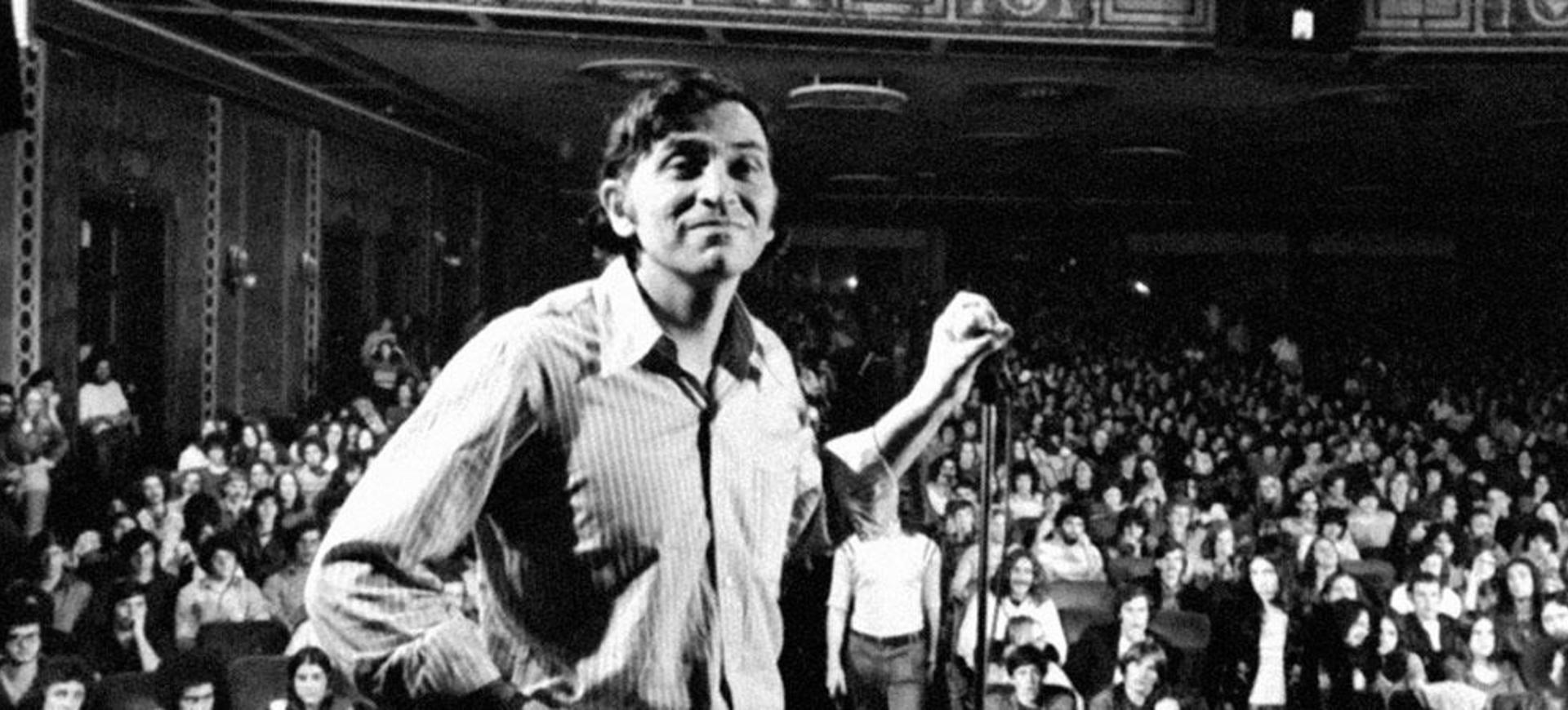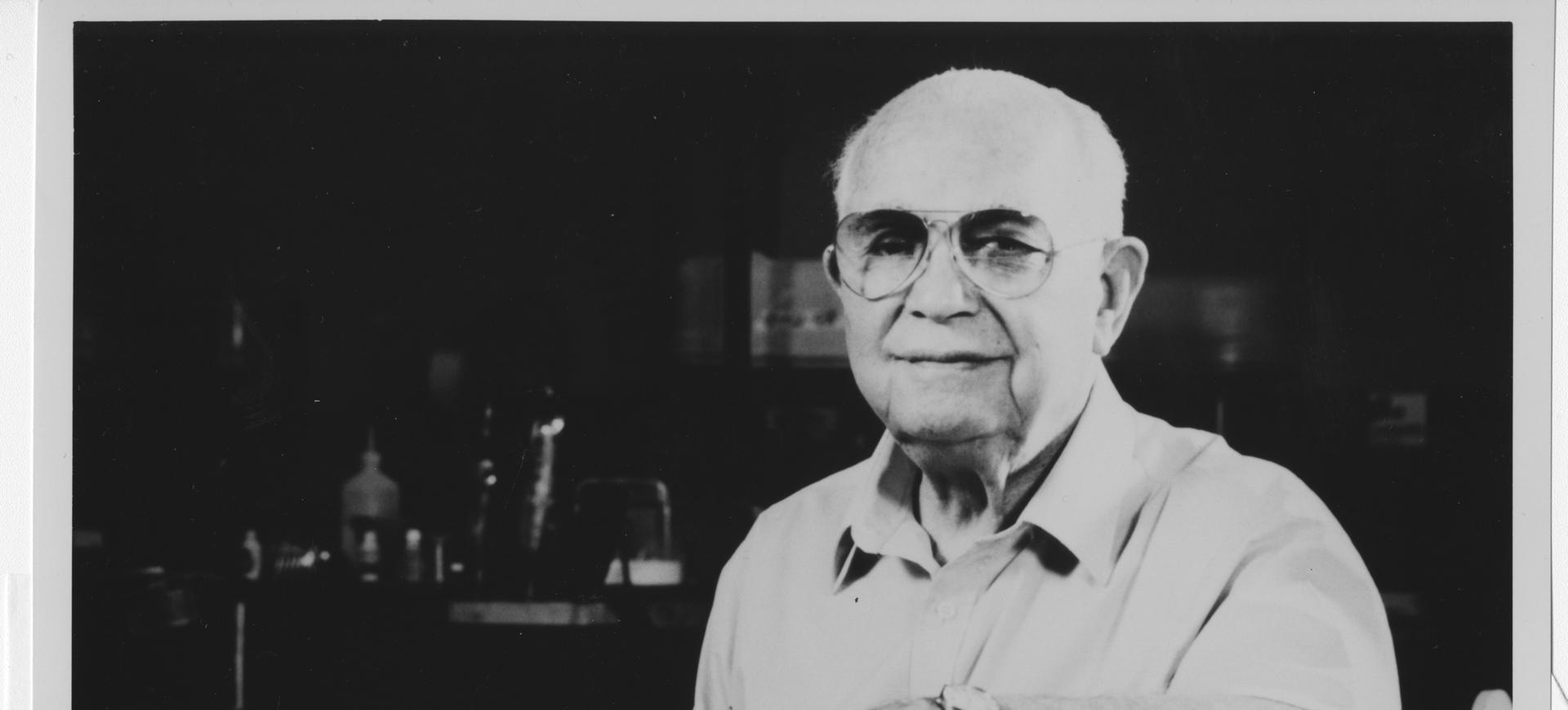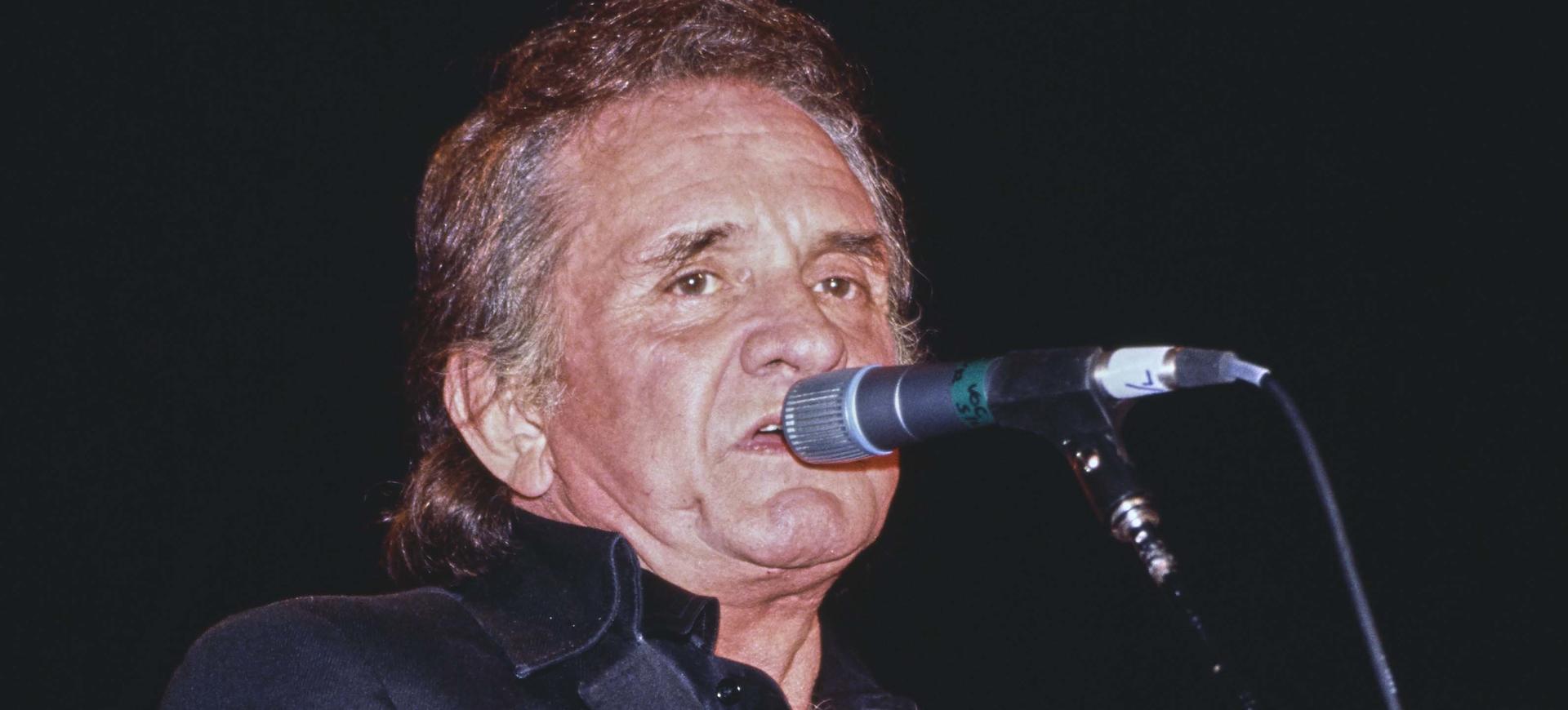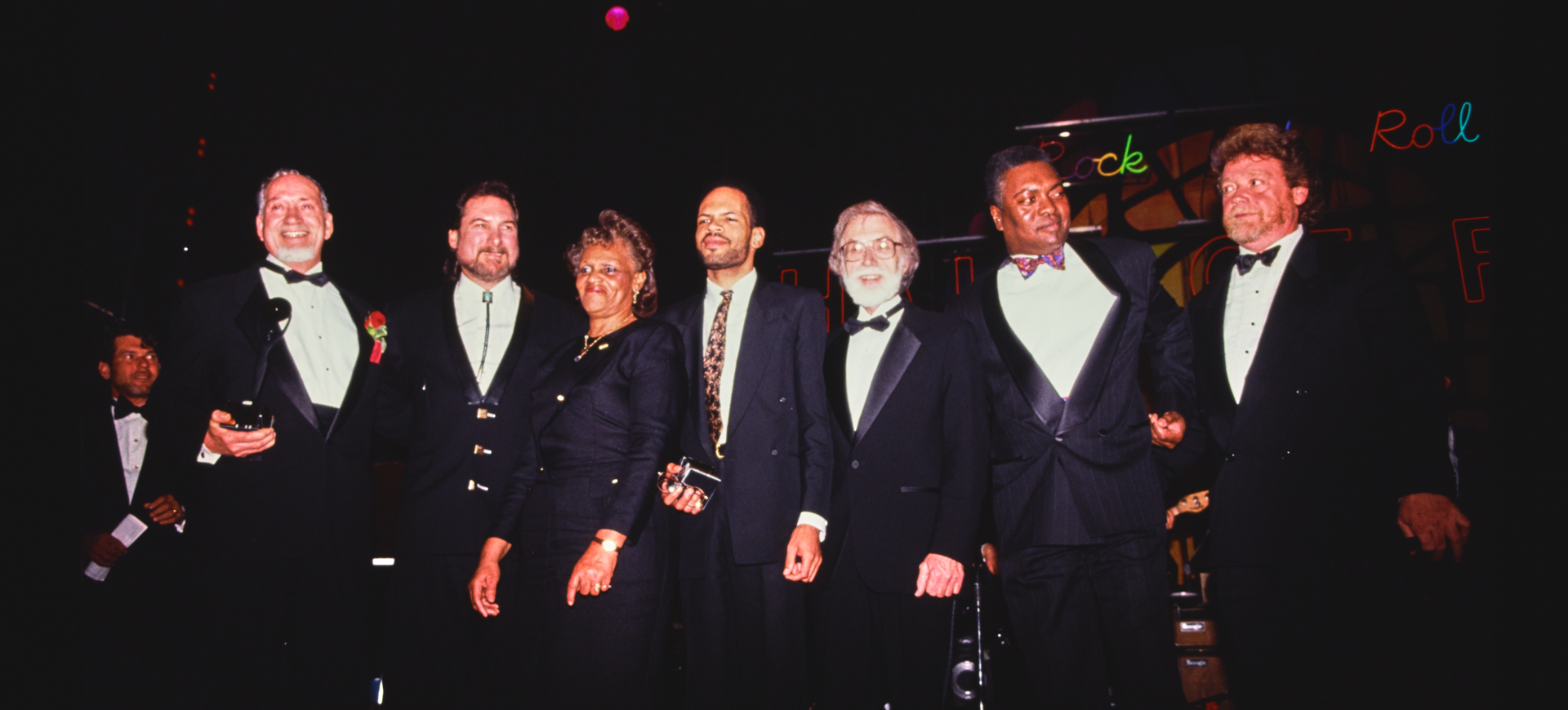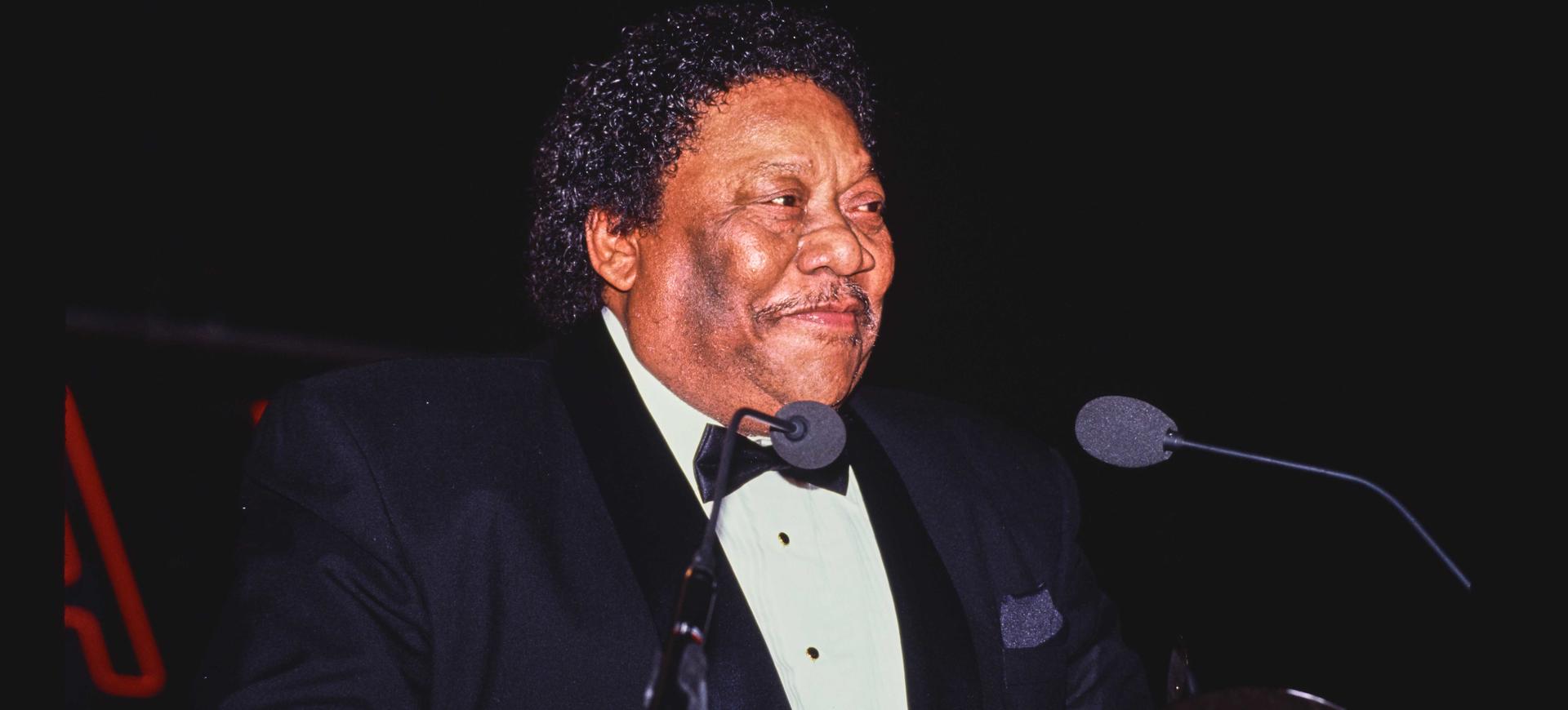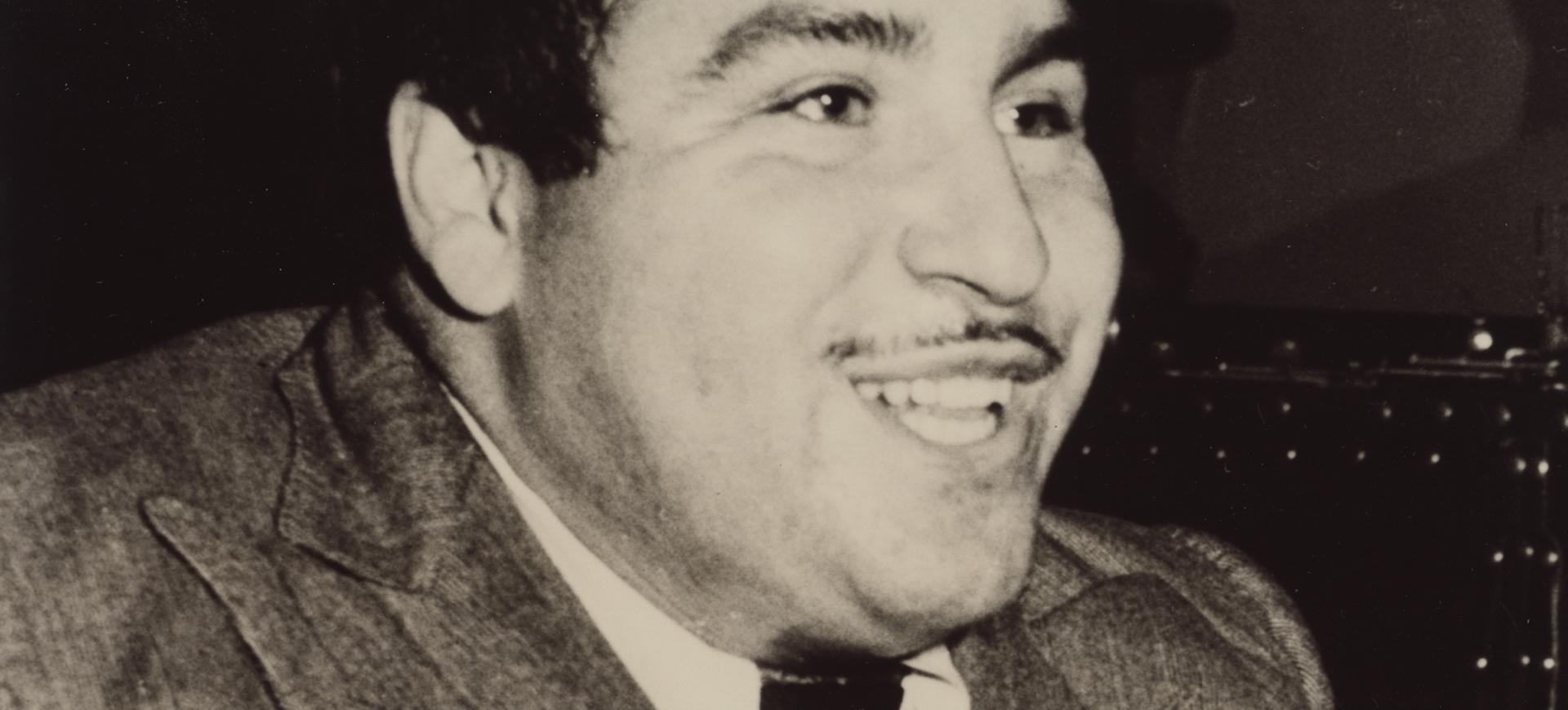
Doc Pomus
Induction Year: 1992
Induction Category: Non-Performer
In the words of Jerry Wexler, Atlantic Records’ producer and co-owner, “If the music industry had a heart, it would be Doc Pomus.” Born Jerome Solon Felder, he is the author (or co-author) of some of the greatest songs in rock and roll history, including “This Magic Moment” (the Drifters) “Young Blood” (the Coasters, cowritten with Leiber and Stoller), “A Teenager in Love” (Dion and the Belmonts), “Lonely Avenue” (Ray Charles) and “Save the Last Dance for Me” (Ben E. King). Elvis Presley recorded at least 20 Pomus originals, including “Little Sister” and “Viva Las Vegas.” A range of artists whose varied ranks include blues giant B.B. King ("There Must Be a Better World Somewhere") and teen idol Fabian ("Turn Me Loose") also cut Pomus’ songs.
Despite being confined to crutches and a wheelchair by polio, the Brooklyn-born Pomus found his way into music, first as a blues singer (inspired by Big Joe Turner, for whom he wrote “Boogie Woogie Country Girl” in 1955) and then as a songwriter. His style was earthy, full of street-corner soul and bluesy desire. Credited with writing over a thousand songs, many with partner Mort Shuman, Pomus kept working almost until the moment of his death in a hospital bed in 1991. He is remembered not only as a peerless songwriter but as a formidable personality and cheerful raconteur - one of the real characters from rock and roll’s golden era.
TIMELINE
June 27, 1925: Doc Pomus was born.
1958: Don Kirshner and Al Nevins form Aldon Music Publishing, hire songwriting teams Neil Sedaka & Howard Greenfield and Doc Pomus & Mort Shuman. By October Sedaka & Greenfield’s “Stupid Cupid”, recorded by Connie Francis, reaches #14 Bobby Darin’s “Splish Splash” reaches #3.
1960: Aldon hires teenage newlyweds Carole King & Gerry Goffin. Pomus & Shuman’s “Save the Last Dance for Me,” recorded by the Drifters, reaches #1.
March 14, 1991: Doc Pomus dies after contracted lung cancer, but not before a performance was giving on his behalf at the Lone Star Roadhouse. It was a “musical get well card” that was taped and then viewed by Pomus in the hospital.
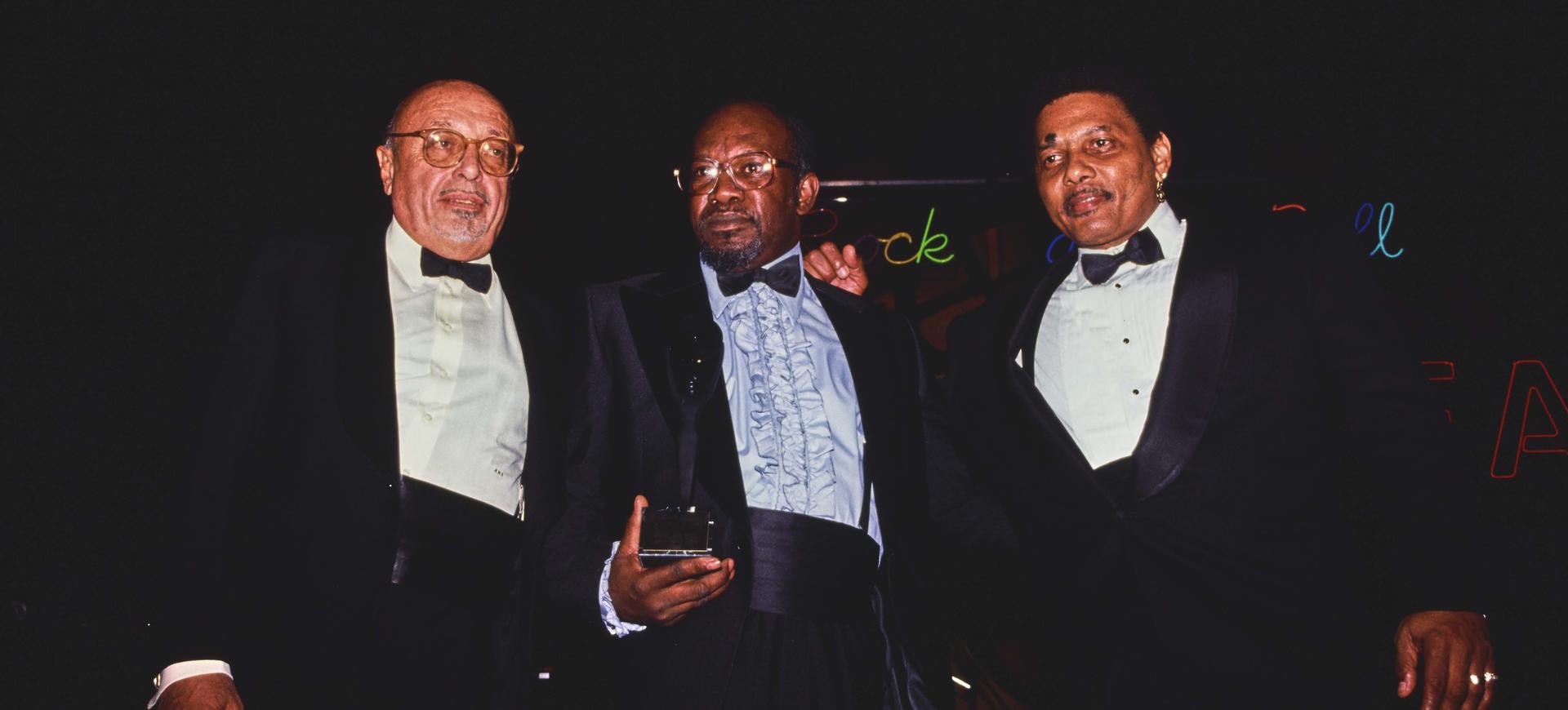
1992: Doc Pomus inducted into the Rock and Roll Hall of Fame.