Duane Eddy
Induction Year: 1994
Induction Category: Performer
"Inductee: Duane Eddy (guitar; born April 26, 1938)
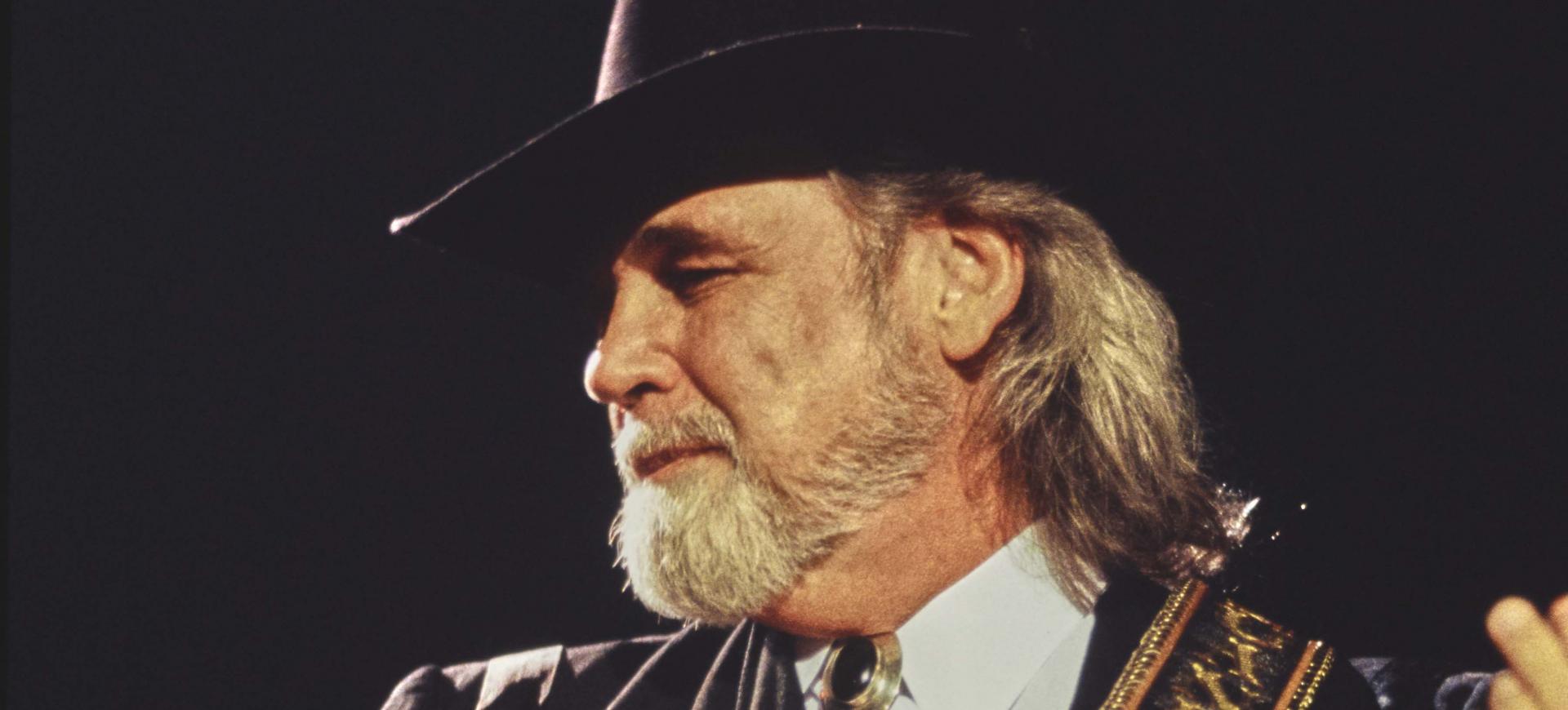
One of the earliest guitar heroes, Duane Eddy put the twang in rock and roll. “Twang” is a reverberating, bass-heavy guitar sound boasted by primitive studio wizardry. Concocted by Eddy and producer Lee Hazlewood in 1957, twang came to represent the sound of revved-up hot rods and an echo of the Wild West on the frontier of rock and roll. Eddy obtained his trademark sound by picking on the low strings of a Chet Atkins-model Gretsch 6120 hollowbody guitar, turning up the tremolo and running the signal through an echo chamber. Behind the mighty sound of twang, Eddy became the most successful instrumentalist in rock history, charting fifteen Top Forty singles in the late Fifties and early Sixties. He has sold more than 100 million records worldwide. No less an authority than John Fogerty has declared, “Duane Eddy was the front guy, the first rock and roll guitar god.” Eddy’s influence is widespread in rock and roll. A twangy guitar drove Bruce Springsteen’s “Born to Run,” and twang echoes in the work of the Beatles, Creedence Clearwater Revival, Dave Edmunds, Chris Isaak and many more.
Eddy was born in Corning, New York, in 1938. While in his early teens he moved with his family to Phoenix, where a demo tape found its way to the hands of Hazlewood, then a local disk jockey. Together, they hit upon a magic formula centered upon Eddy’s unique playing style, which involved picking single-note melodies on the low strings. Eddy took pains to compose strong, dramatic melodies and to vary his style. Elements of country, jazz and gospel found its way into his instrumentals, which bore evocative titles like “Cannonball,” “Rebel Rouser” and “Forty Miles of Bad Road.” On record, he was backed by such esteemed session musicians as saxophonist Steve Douglas and keyboardist Larry Knectel. The Sharps provided background vocals and rebel yells.
Eddy’s album titles typically punned on the word twang: The “Twangs” the “Thang” (1960), Twistin’ and Twangin’ (1962), “Twangin’” Up a Storm! (1963). His first album, Have ‘Twangy’ Guitar – Will Travel, was a bonafide rock and roll milestone. It charted for 82 weeks, launched five instrumental hits, and was one of the first rock and roll albums released in stereo. In 1999, it was reissued on CD in a 40th anniversary addition with extra tracks.
In the early Sixties, Eddy had much success providing theme songs for movies (“Because They’re Young,” “Pepe”) and TV shows (“Peter Gun,” “The Ballad of Palladin”). He also demonstrated his breadth by recording material in a more countrified vein (“Twang” a Country Song), cutting an album of surf music (Surfin’ With Duane Eddy) and even covering Bob Dylan’s songs in an instrumental vein (Duane Eddy Does Bob Dylan). Still, the hit streak ended abruptly in 1963, as Eddy became another casualty of the Beatles and the British Invasion bands.
While the glory years of 1958 to 1963 are long gone, the sound of Duane Eddy’s guitar has reverberated through the decades. Ironically, George Harrison and Paul McCartney were big fans of Eddy’s and, he recorded with both of them in later years. Eddy was recruited to play on McCartney’s “Rockestra Theme” in 1987, and Harrison played on Eddy’s self-titled comeback album from 1987, which also featured James Burton, Ry Cooder, Steve Cropper (of Booker T. & the M.G.’s), John Fogerty and David Lindley. Eddy’s mid-Eighties comeback began some club dates in L.A. and brief West Coast tour with Ry Cooder in 1983. In 1986, the British avant-garde instrumental outfit Art of Noise recruited Eddy to perform on a remake of “Peter Gunn,” which became a Top Ten hit in Britain (and just missed the U.S. Top Forty).”
TIMELINE
April 26, 1938: Duane Eddy is born in Corning, New York.
July 28, 1958: Duane Eddy hits #6 with “Rebel Rouser,” one of the most popular instrumental rock and roll hits of the Fifties.
September 15, 1958: “Ramrod,” Duane Eddy’s second instrumental hit, enters the Top Forty. A reworked version of a song he’d cut the previous year, it reaches #27.
November 24, 1958: Duane Eddy hits #15 with “Cannonball”
January 9, 1959: Duane Eddy’s debut album, Have ‘“Twangy” Guitar – Will Travel,’ is released. It is phenomenally successful, reaching #5 and remaining on the album charts for 82 weeks.
April 20, 1959: Duane Eddy hits #30 with “Yep!”
June 29, 1959: “Forty Miles of Bad Road,” by Duane Eddy, enters the singles chart. It will become the guitarist’s second Top Ten hit.
October 26, 1959: Duane Eddy hits #37 with “Some Kind-A Earthquake”.
January 18, 1960: Duane Eddy & the Rebels hit #26 with “Bonnie Come Back”.
July 4, 1960: Duane Eddy and the Rebels hit #4 with “Because They’re Young,” the title song from the movie of the same name.
November 14, 1960: Duane Eddy & the Rebels hit #27 with “Peter Gunn,” the Henry Mancini-composed theme song from the TV show of the same name.
April 17, 1961: Duane Eddy hits #39 with “Theme From Dixie”.
July 16, 1961: “Pepe,” another movie soundtrack title song, puts guitar great Duane Eddy back on the charts for the 11th time in two and a half years.
August 25, 1962: Duane Eddy hits #33 with “The Ballad of Paladin”.
November 3, 1962: “Boss Guitar,” Duane Eddy’s 15th Top Forty single in less than five years, enters the charts. It marks the end of an astounding run of instrumental hits for the king of twang.
March 22, 1986: A reprise of “Peter Gunn,” by the Art of Noise featuring Duane Eddy, returns Eddy to the pop charts for the first time in 24 years. It goes to #8 in the U.K. and peaks at #50 in the U.S.
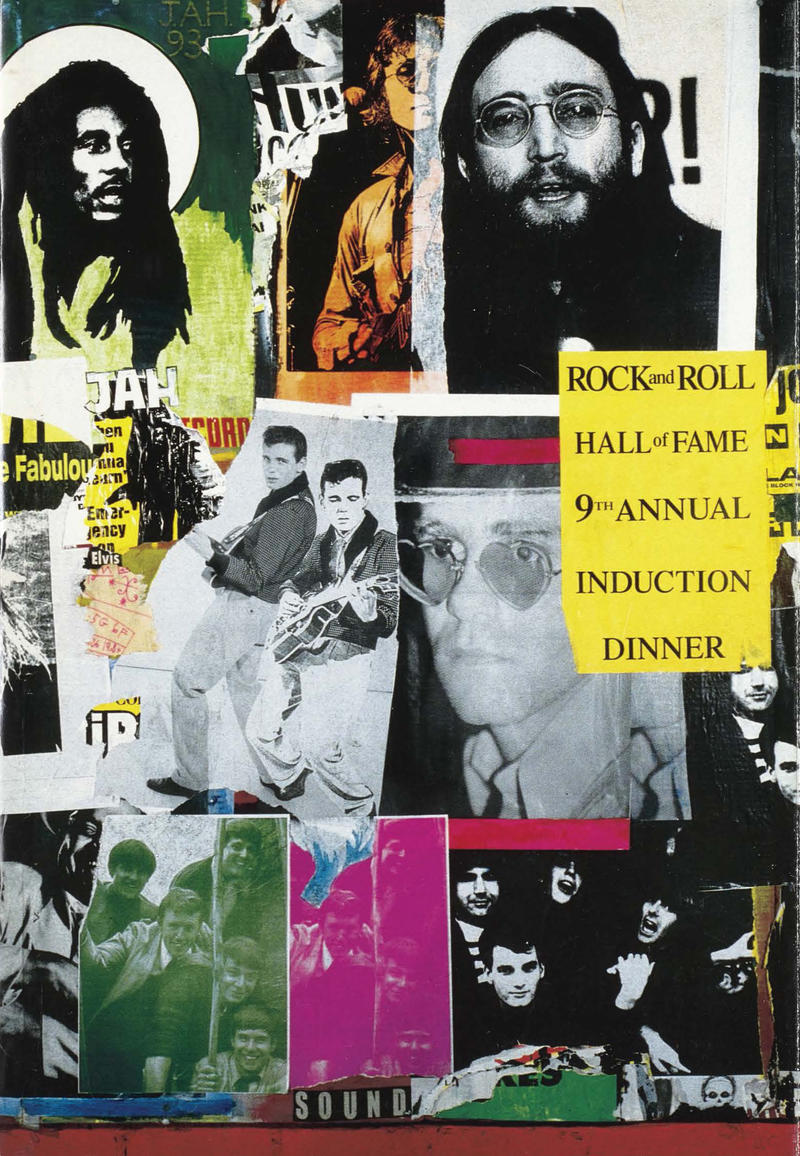
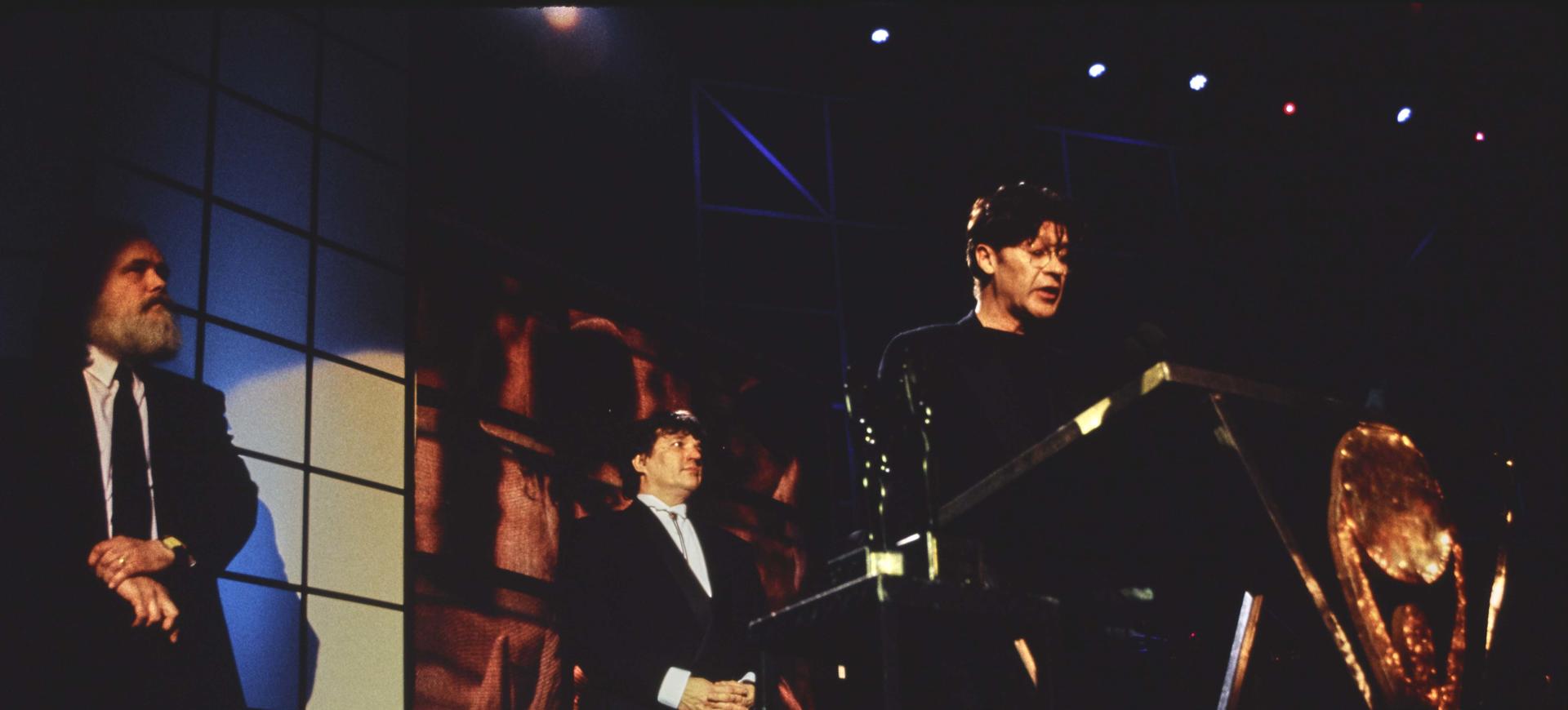
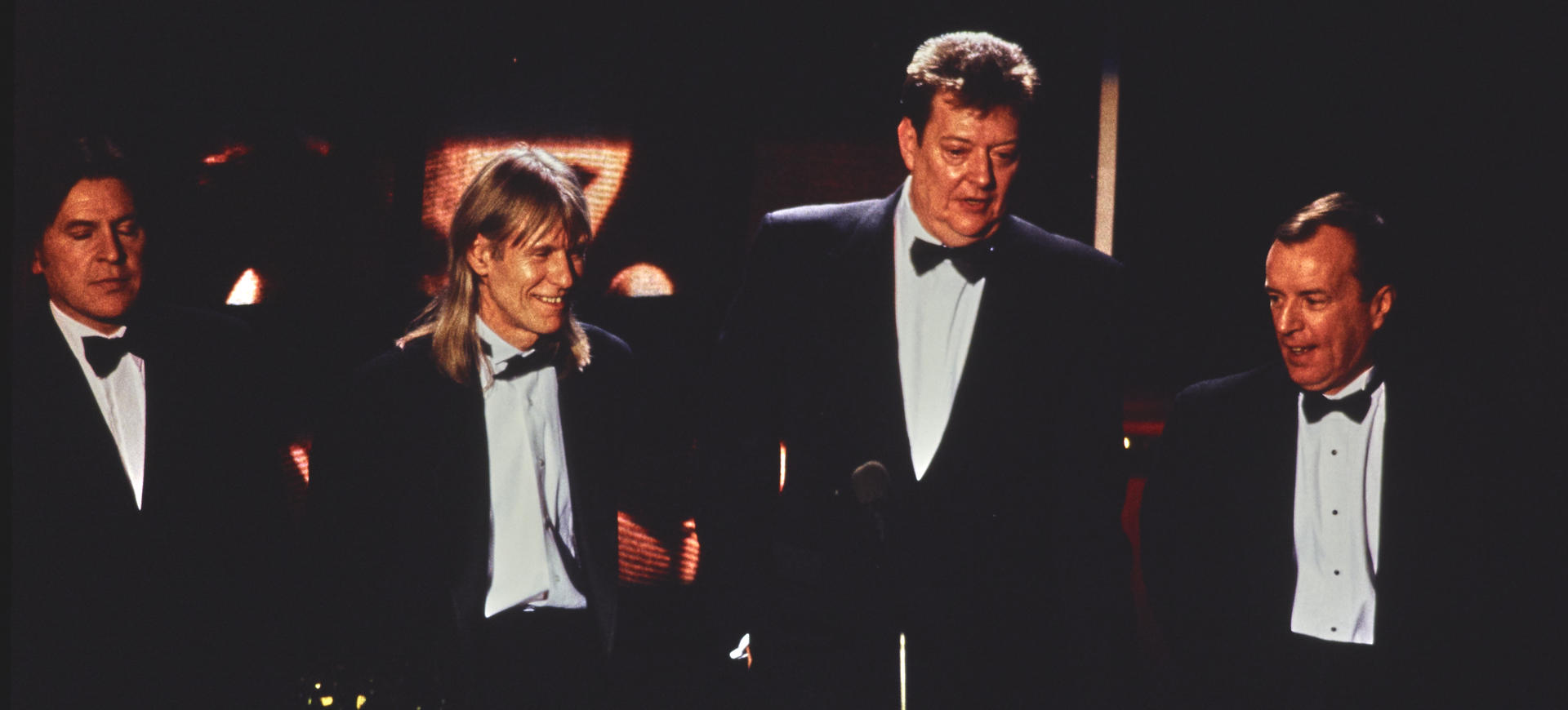
January 19, 1994: Duane Eddy is inducted into the Rock and Roll Hall of Fame at the ninth annual induction dinner. Mick Jones of Foreigner is his presenter.
Essential Recordings
Rebel Rouser
Peter Gunn
Cannonball
Because They’re Young
Ramrod
Forty Miles of Bad Road
Shazam!
Quiniela
Tiger Love and Turnip Greens
(Dance With the) Guitar Man
Recommended Reading
Twang Thing: The Duane Eddy Anthology (liner notes)
Dan Forte. Rhino Records, 1993.
“Duane Eddy Twangs Again.”
Jeff Tamarkin. Goldmine (October 6, 1987): 8-16.