Earl Palmer
Earl Palmer grew up in New Orleans and later moved to Los Angeles, impacting the music scenes in both cities as a first-call session drummer. From 1950 to 1957, Palmer’s powerful backbeat and mastery of second-line shuffle rhythms made him a much in-demand percussionist in his hometown. He was hired by bandleader Dave Bartholomew in 1947 after a stint in the army and recorded extensively with Bartholomew protege Fats Domino, Lloyd Price, Smiley Lewis and other New Orleans artists at Cosimo Matassa’s famed J&M studio. He also played on the seminal rock and roll recordings of Little Richard, who wrote in his autobiography that Palmer “is probably the greatest session drummer of all time.”
Lured to California to work for Aladdin Records in 1957, he’s played on literally thousands of rock, jazz, R&B and soundtrack sessions over the years. From his home base in Los Angeles, Palmer drummed for producer Phil Spector and for Motown. His list of session credits includes artists as diverse as Ritchie Valens, Eddie Cochran, Ray Charles, Sam Cooke, Duane Eddy, Frank Sinatra, the Monkees, Bonnie Raitt, Johnny Otis, Neil Young and Elvis Costello. Though Palmer’s first love was jazz—"I lived in a jazz world,” he allowed in his 1999 autobiography Backbeat: Earl Palmer’s Story—he laid the foundation for rock and roll drumming with his solid stickwork and feverish backbeat.
TIMELINE
October 25, 1924: Earl C. Palmer is born in New Orleans.
1947: Earl Palmer joins Dave Bartholomew’s band on drums.
1949: Earl Palmer plays drums on Fats Domino’s debut hit, “The Fat Man,” a reported million seller that reached #2 on the R&B chart early in 1950.
1950-1957: Earl Palmer is the first-call drummer on the New Orleans scene, recording with the likes of Little Richard, Fats Domino and Dave Bartholomew at Cosimo Matassa’s legendary J&M Studios.
1957: Relocating to Los Angeles, Earl Palmer becomes an A&R man at Aladdin Records and finds session work plentiful in the rock and roll, R&B and soundtrack fields.
1961: Earl Palmer records solo album ‘Drumsville’ for the Liberty label, followed a year later by Percolator Twist.
1968: Among other projects, Earl Palmer plays on albums by the Monkees, Taj Mahal, Roy Brown and Van Dyke Parks.
1972: In a typically prolific and varied year, Earl Palmer plays on albums by B.B. King, Randy Newman and Professor Longhair.
1999: ‘Backbeat: Earl Palmer’s Story’, a biography of the drummer, is published by the Smithsonian Institution Press. A companion CD, Backbeat: The World’s Greatest Rock ‘n’ Roll Drummer (Ace Records), collects 30 of the strongest tracks he played on.
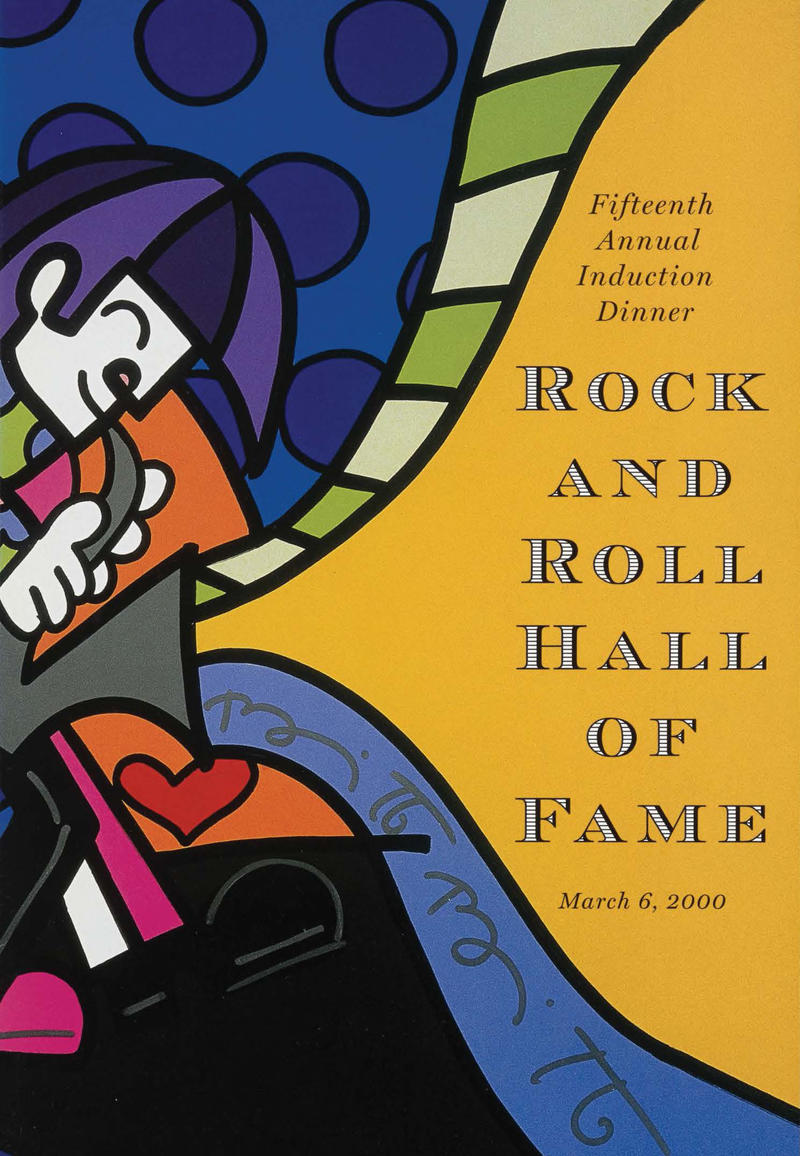
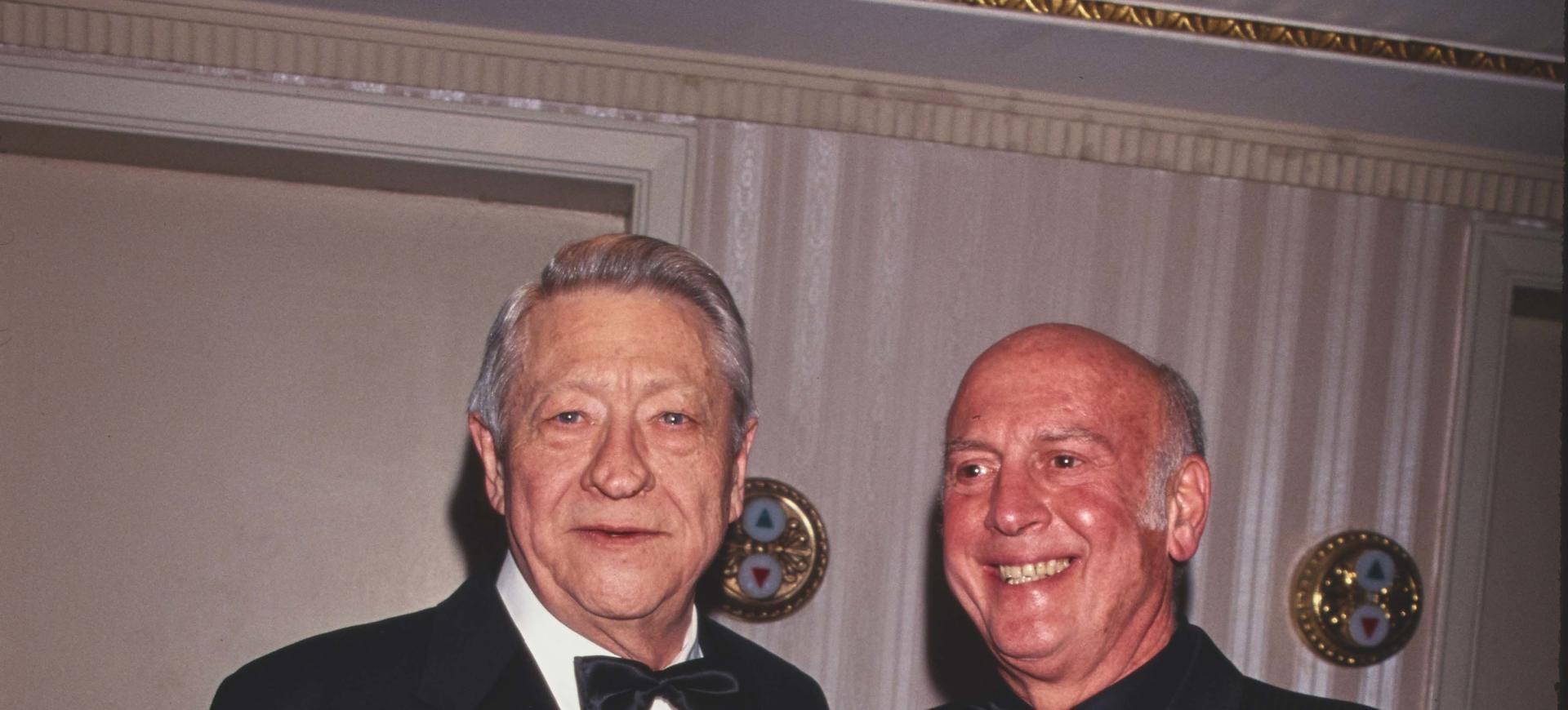
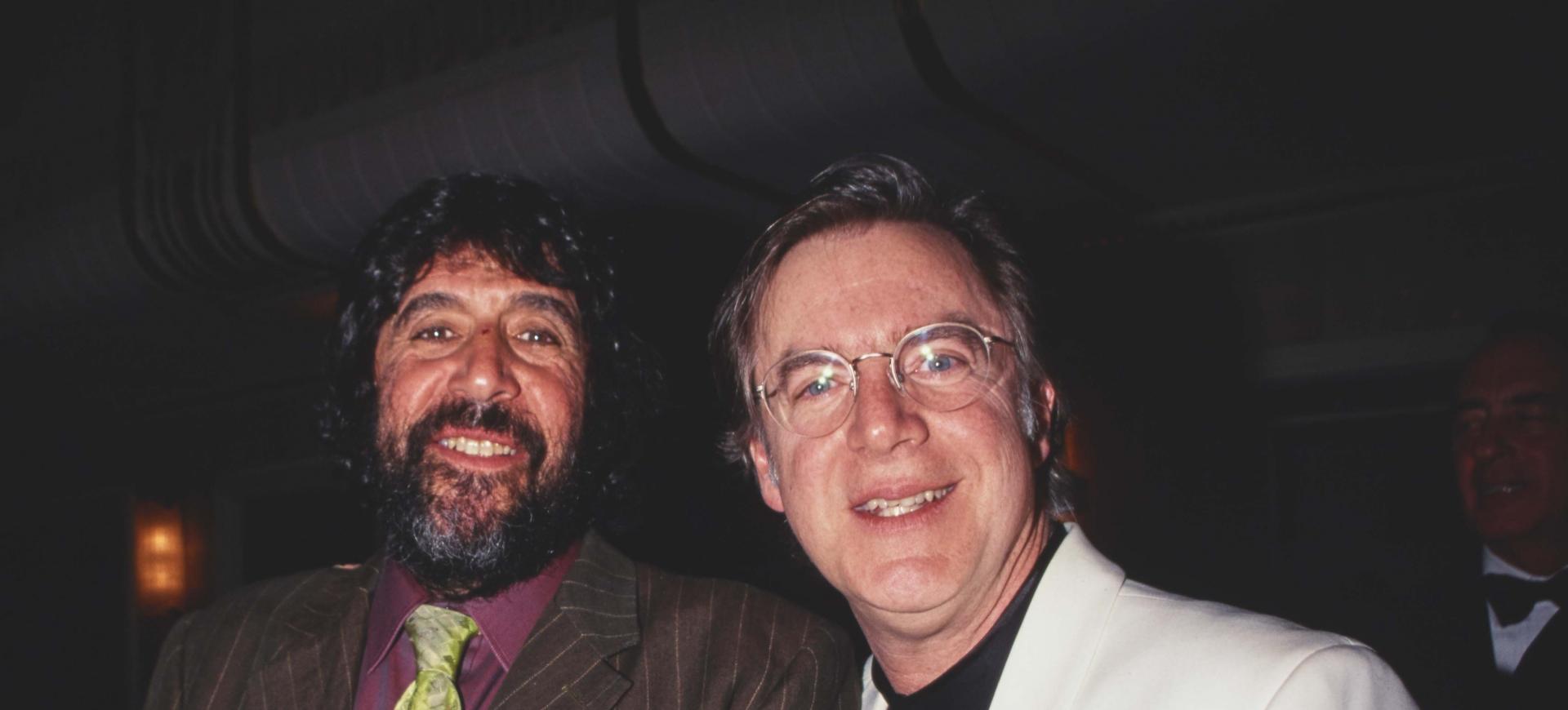
March 6, 2000: Earl Palmer is inducted into the Rock and Roll Hall of Fame at the fifteenth annual induction dinner. Mike Leiber and Jerry Stoller are his presenters.
September 19, 2008: Drummer Earl Palmer dies at his home in Banning, Calif., after a long illness. He was 83.
Essential Songs
Somethin’ Else (Eddie Cochran)
I’m Walkin’ (Fats Domino)
Johnny’s House Party (Earl Palmer’s Party Rockers)
Chicken Shack Boogie (Amos Milburn)
Rockin’ Robin (Bobby Day)
Lawdy Miss Clawdy (Lloyd Price)
La Bamba (Ritchie Valens)
Shame, Shame, Shame (Smiley Lewis)
Little Bitty Pretty One (Thurston Harris)
Tutti-Frutti (Little Richard)
Recommended Reading
Backbeat: Earl Palmer’s Story
Tony Scherman. Washington, DC: Smithsonian Institution Press, 1999.