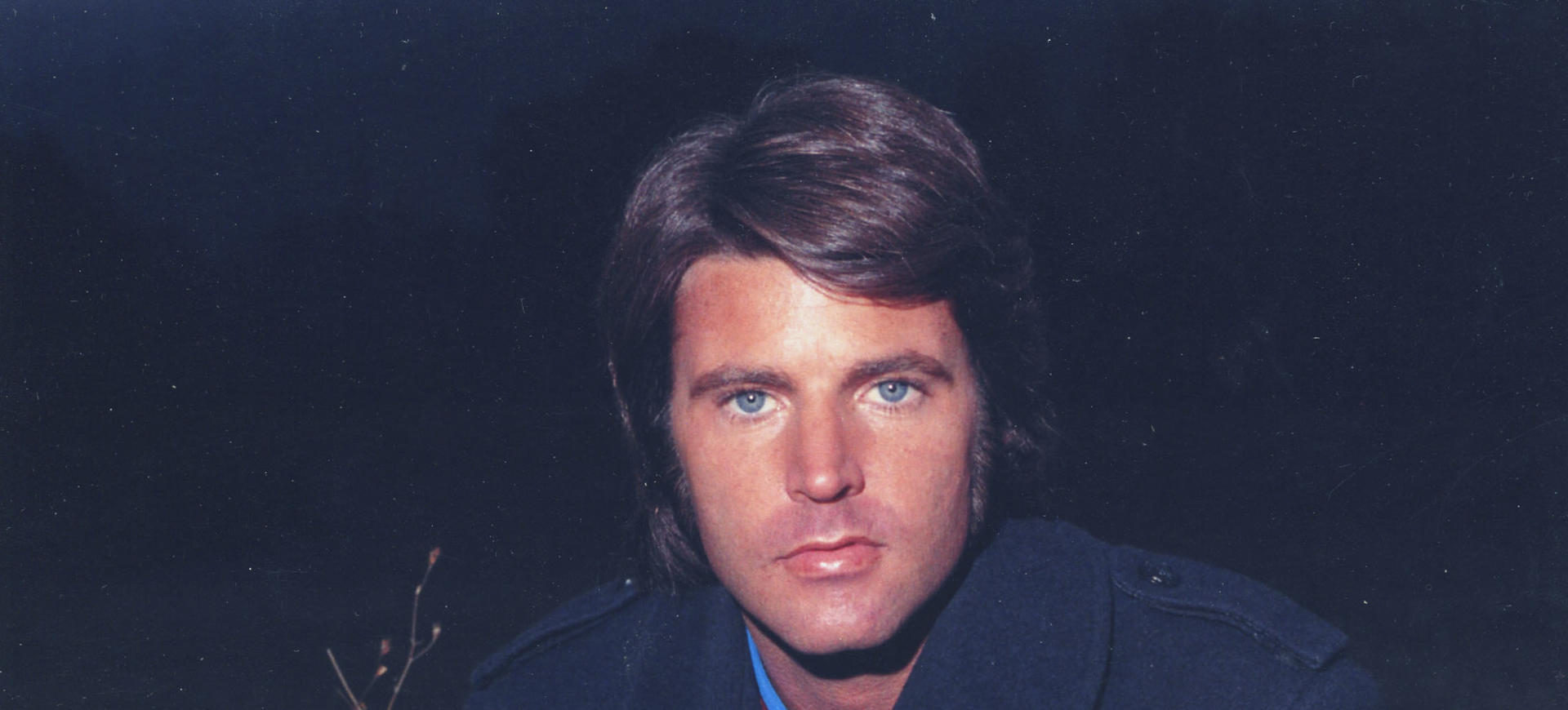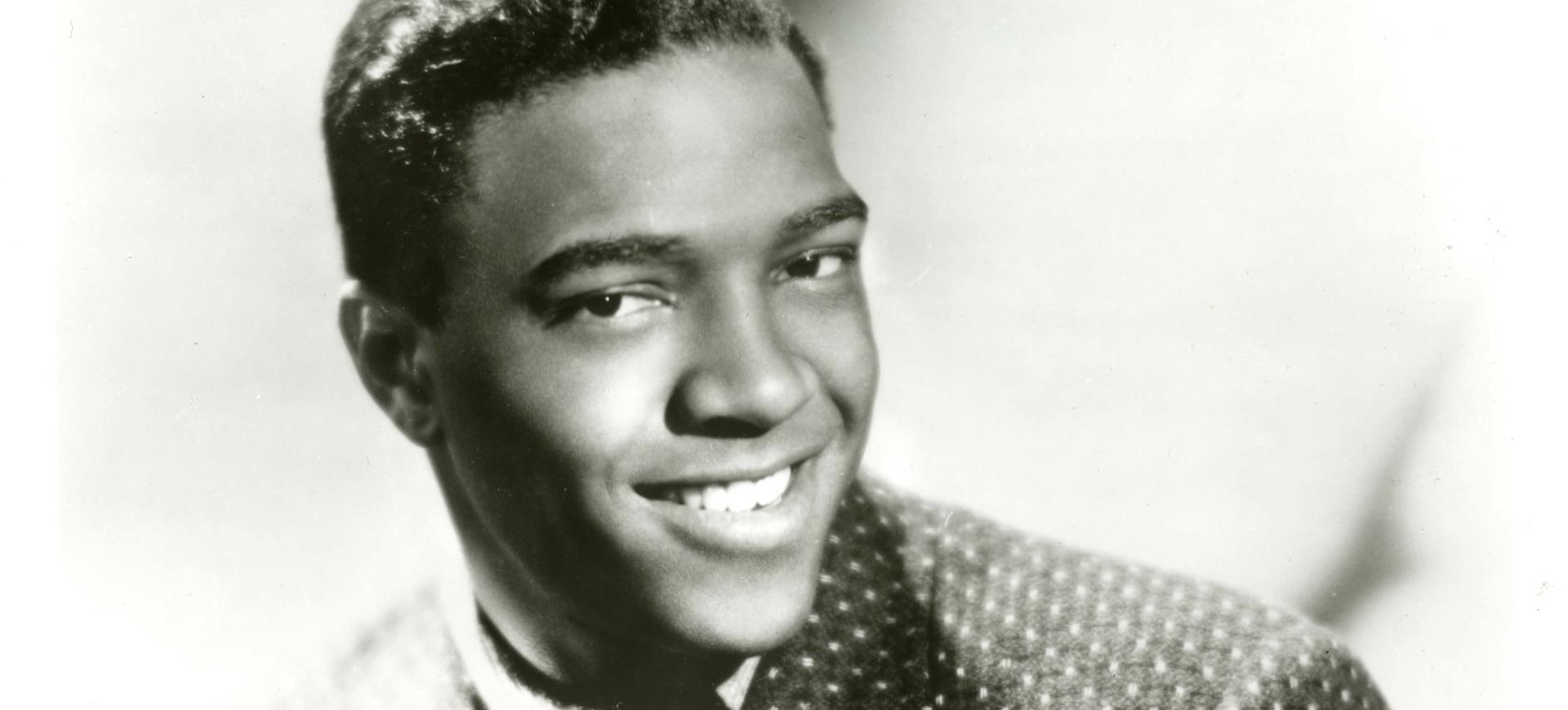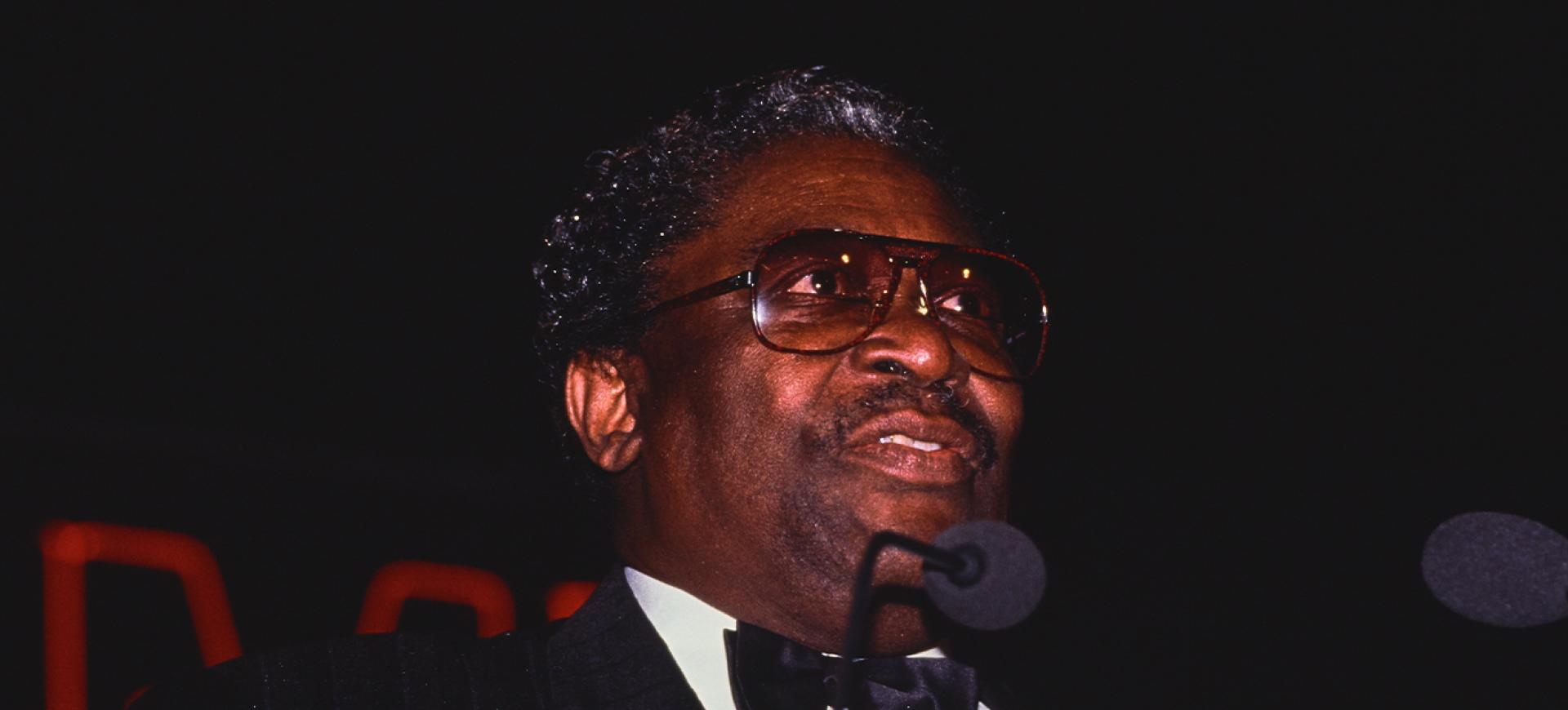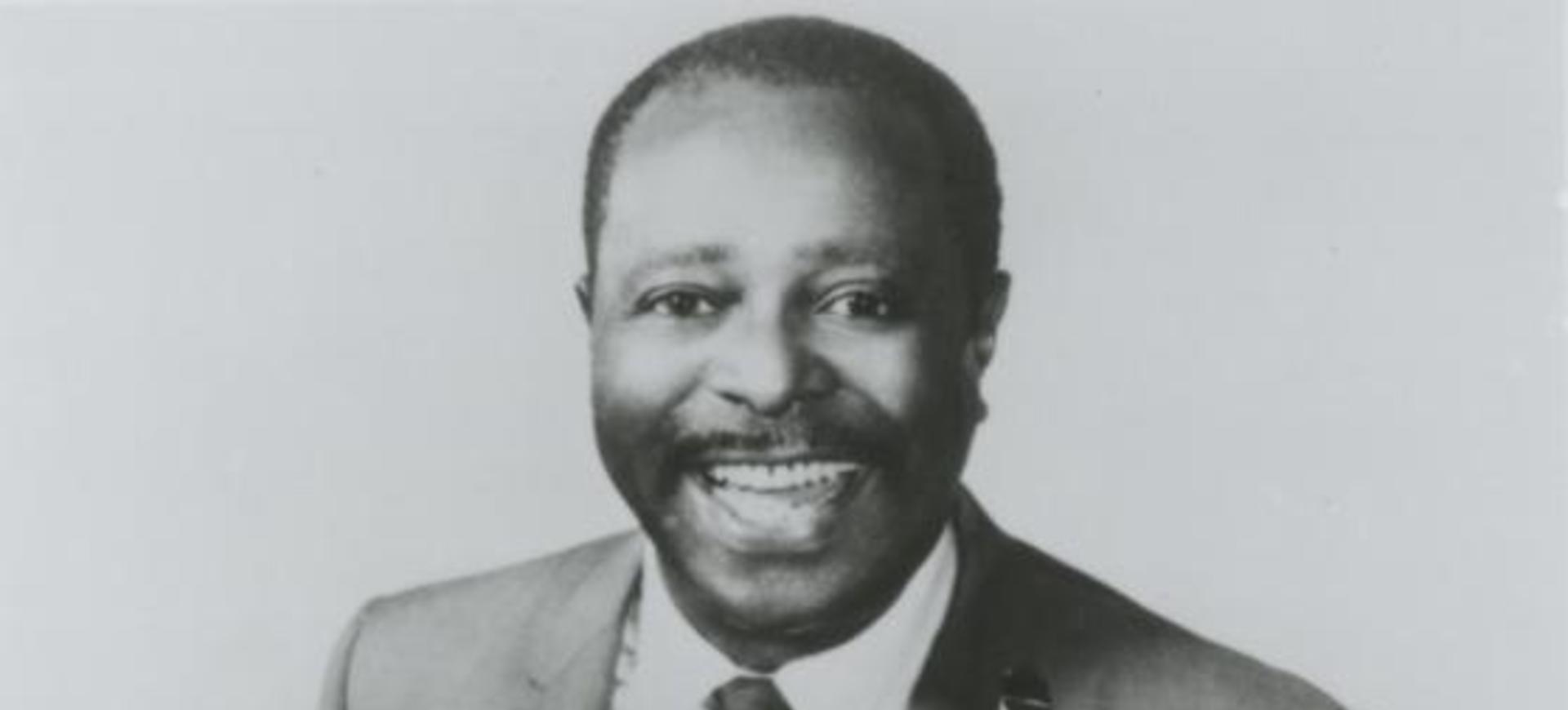
Eddie Cochran
Induction Year: 1987
Induction Category: Performer
Eddie Cochran (guitar, vocals; born October 3, 1938; died April 17, 1960)
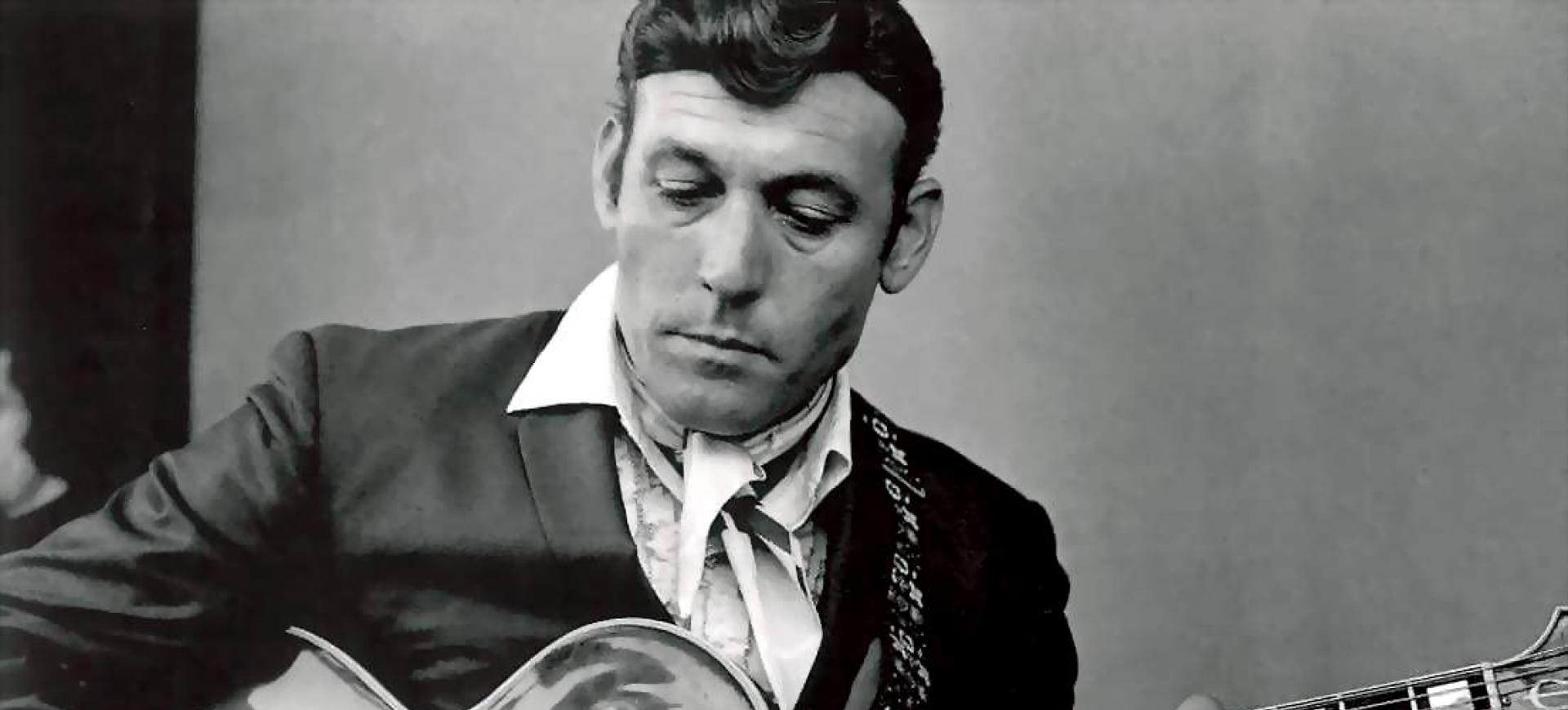
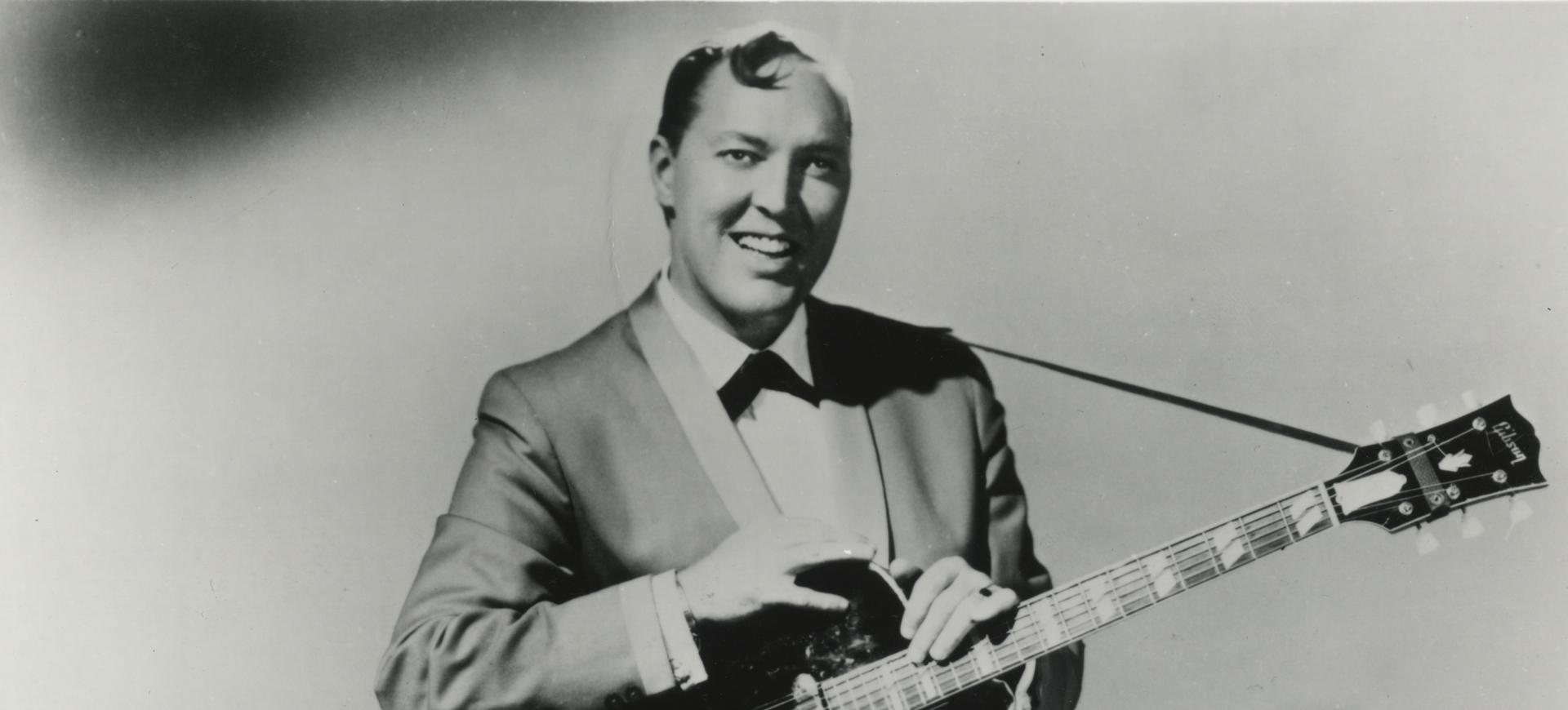
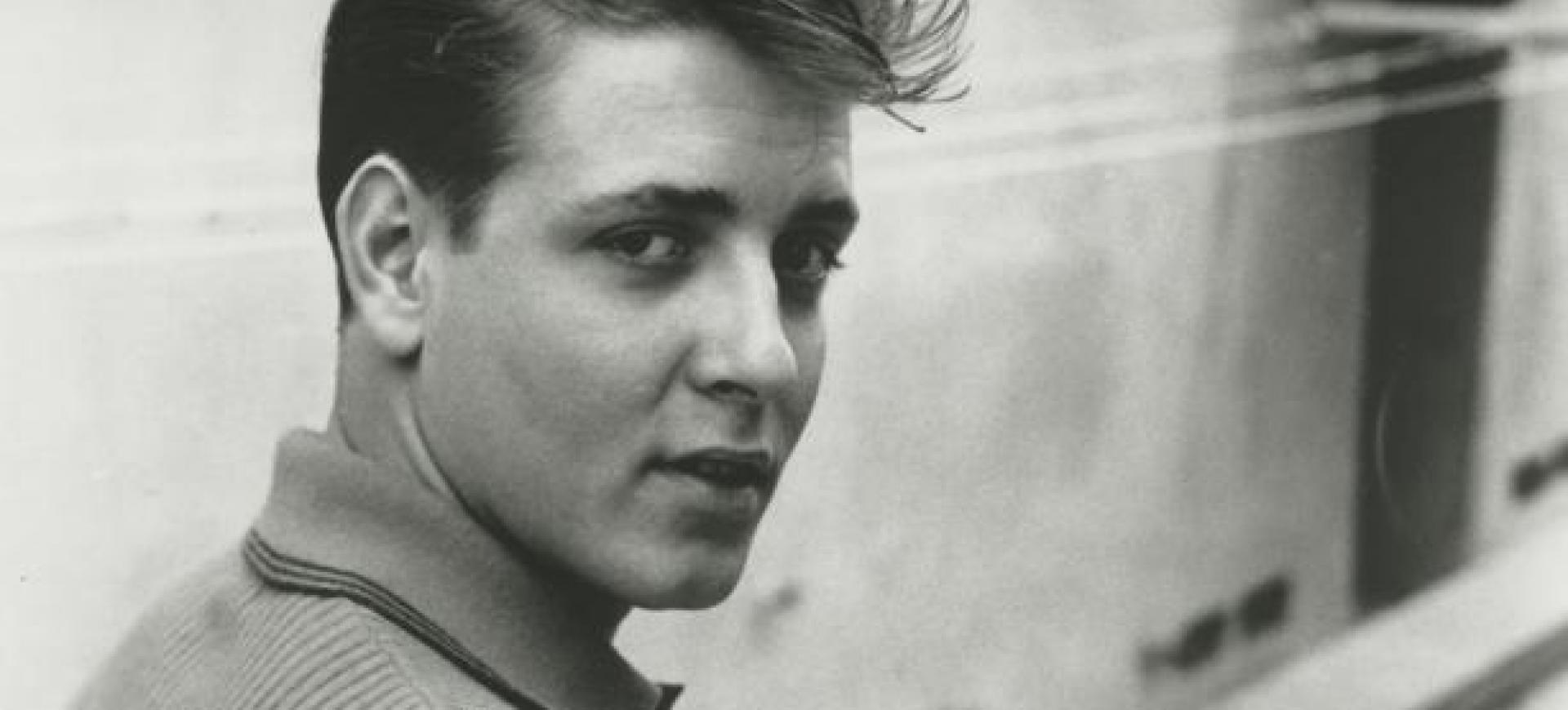
Though Eddie Cochran was only twenty-one when he died, he left a lasting mark as a rock and roll pioneer. Cochran zeroed in on teenage angst and desire with such classics as “C’mon Everybody,” “Something Else,” “Twenty Flight Rock” and “Summertime Blues.” A flashy stage dresser with a tough-sounding voice, Cochran epitomized the sound and the stance of the Fifties rebel rocker. But he was also a virtuoso guitarist, overdubbing parts like Les Paul even on his earliest singles and playing with an authority that led music journalist Bruce Eder to pronounce him “rock’s first high-energy guitar hero, the forerunner to Pete Townshend, Jimmy Page, Duane Allman and, at least in terms of dexterity, Jimi Hendrix.” Cochran was also proficient on piano, bass and drums.
Beneath Cochran’s polite exterior lurked an all-American rebel, and in death he achieved iconic status with several generations of rock and rollers, from the first wave of British Invasion bands to the Sex Pistols (who covered “Something Else”). He even played an indirect role in the Beatles’ formation. In June 1957, Paul McCartney taught John Lennon the chords to Cochran’s “Twenty Flight Rock” at a church picnic where Lennon’s Quarrymen were playing. In the late Sixties, both the Who and Blue Cheer recorded memorable versions of “Summertime Blues,” a timeless anthem of teen disenchantment.
Cochran was born in Minnesota, raised in Oklahoma and moved to California with his family, where he began his musical career in 1954. Initially, he teamed up with singer-guitarist Hank Cochran (no relation), touring and recording as the Cochran Brothers, who performed in a country-rockabilly vein. Cochran’s musical influences ran more toward the more extroverted likes of Bill Haley, Little Richard and Carl Perkins, and that is direction he pursued as a solo artist in the later Fifties. Cochran found a manager and collaborator in songwriter Jerry Capehart, with whom he worked until his death. Cochran cut his first rock record, “Skinny Jim,” for the Crest label in 1956. His big break came when he a movie producer approached him to appear in the film The Girl Can’t Help It, which featured his frenetic version of “Twenty Flight Rock.” That same year Cochran signed with Liberty Records, where he perfected a sound on “Summertime Blues” and “C’mon Everybody” that featured driving acoustic and electric guitars, handclaps and tambourines, and lyrics that unerringly expressed the alienated teen mindset.
Cochran recorded prolifically for Liberty, with mixed results. The label tried molding him as a crooner, and his debut album, Singin’ for My Baby, was full of schmaltzy ballads that had been foisted upon him. Cochran himself gravitated toward a leaner rock and roll sound, and it is that aspect of his catalog - including not only the hard-rocking hits but such posthumously popular tracks as “Jeannie Jeannie Jeannie,” “Something Else” and “Nervous Breakdown” - for which he is remembered. He was especially revered in Britain, where his influence as a rock and roll original endures to this day.
Eddie Cochran released only one album during his lifetime, which was abruptly cut short when the taxi in which he was a passenger crashed en route to a London airport at the end of a British tour. Also injured in the accident were rocker Gene Vincent and Cochran’s fiancée, songwriter Shari Sheeley. The single Cochran released just before his death, eerily enough, was entitled “Three Steps to Heaven.” Ironically, he’d been planning for some time to cut back on touring in order to concentrate on songwriting and studio work.
TIMELINE
October 3, 1938: Eddie Cochran is born in Albert Lea, Minnesota.
March 23, 1957: Eddie Cochran’s first single, “Sittin’ in the Balcony,” enters the charts, where it will peak at #18.
November 1957: Singin’ to My Baby, the only album released during Eddie Cochran’s lifetime, appears on Liberty Records.
August 25, 1958: Eddie Cochran’s biggest hit, “Summertime Blues,” enters Billboard’s Top 100, where it will peak at #18 and sell over a million copies.
January 5, 1959: “C’mon Everybody,” by Eddie Cochran, enters the singles chart at #35. It becomes a bigger hit in Britain, where it reaches #6.
February 1959: Eddie Cochran cuts “Three Stars,” a tribute to Buddy Holly, Ritchie Valens and J.P. “The Big Bopper” Richardson, who were killed in a plane crash while on tour. Cochran himself had been booked on that tour, but a film commitment (Go, Johnny, Go!) forced him to pull out.
January 8, 1960: Eddie Cochran enters Gold Star studios in Los Angeles for what will turn out to be his last recording session. He leaves for a tour of Britain the next day.
April 16, 1960: The airport-bound taxi in which Gene Vincent, Eddie Cochran and Sharon Sheeley (Cochran’s fiancée) are passengers crashes on a British highway.
April 17, 1960: Eddie Cochran dies at a hospital in Bath, England, from head injuries suffered in a car wreck a day earlier.
May 1960: The Eddie Cochran Memorial Album is released shortly after his death.
January 5, 1962: Another posthumous Eddie Cochran compilation, Never to Be Forgotten, is released.
May 1968: A Fifties revival sends Eddie Cochran’s reissued “Summertime Blues” to #34 in the U.K. This comes close on the heels of Blue Cheer’s acid-rock cover version, which reached #14 in the U.S.
March 1980: Eddie Cochran’s death 20 years earlier is marked by the U.K. release of a box set, 20th Anniversary Album.
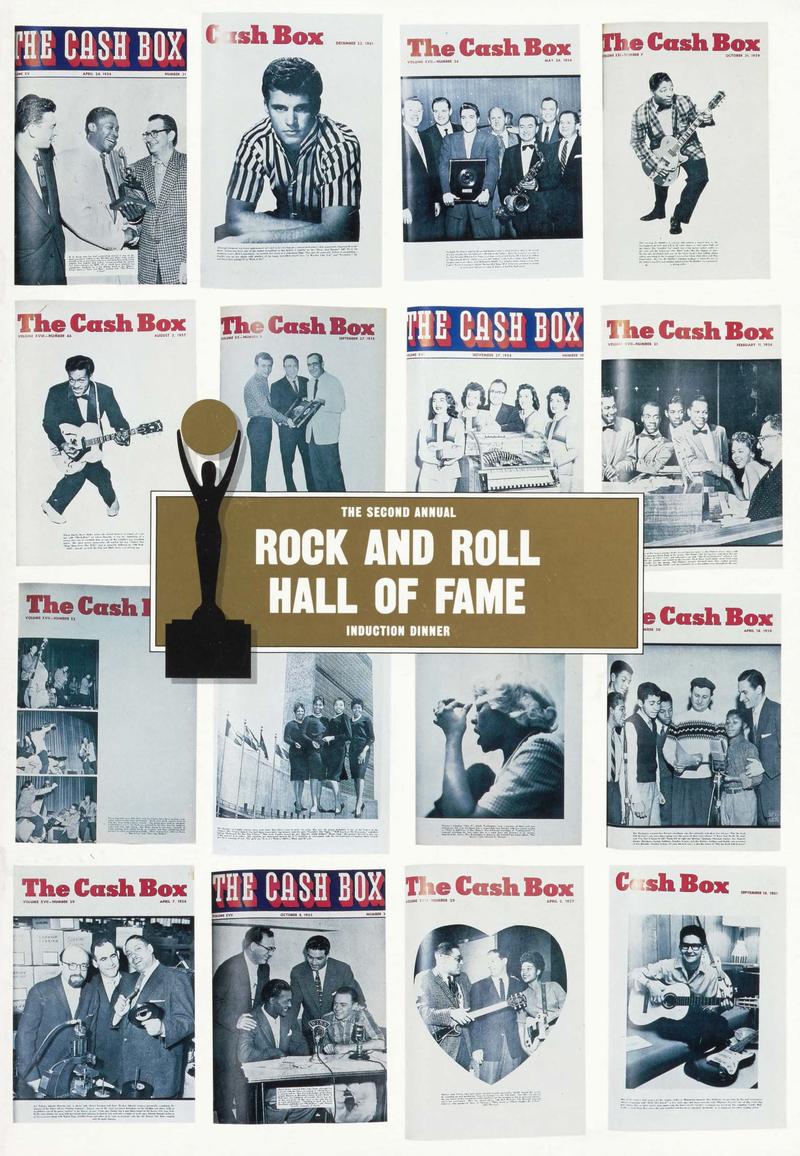
January 21, 1987: Eddie Cochran is inducted into the Rock and Roll Hall of Fame at the second annual induction dinner. Mick Jones of Foreigner is his presenter.
November 1988: The six-disc Eddie Cochran Box Set is released on Liberty Records.
Essential Songs
Summertime Blues
C’mon Everybody
Something Else
Twenty Flight Rock
Cut Across, Shorty
Jeanie, Jeanie, Jeanie
Nervous Breakdown
Three Steps to Heaven
Sittin’ in the Balcony
Teenage Heaven
Recommended Reading
Legendary Masters Series
Eddie Cochran. United Artists Records, 1971. (Note: The booklet with this double-LP retrospective contains a lengthy biographical essay by Lenny Kaye.)
Something Else: The Fine Lookin’ Hits of Eddie Cochran
Eddie Cochran. Razor & Tie, 1998. (Note: The booklet accompanying this single-disc retrospective contains a biographical essay by Colin Escott.)
“Eddie Cochran: Something Else.”
Bruce Eder. Goldmine (September 8, 1989): 16-24.