Rock and Roll Hall of Fame and Museum

Eric Clapton

Induction Year: 2000

Induction Category: Performer


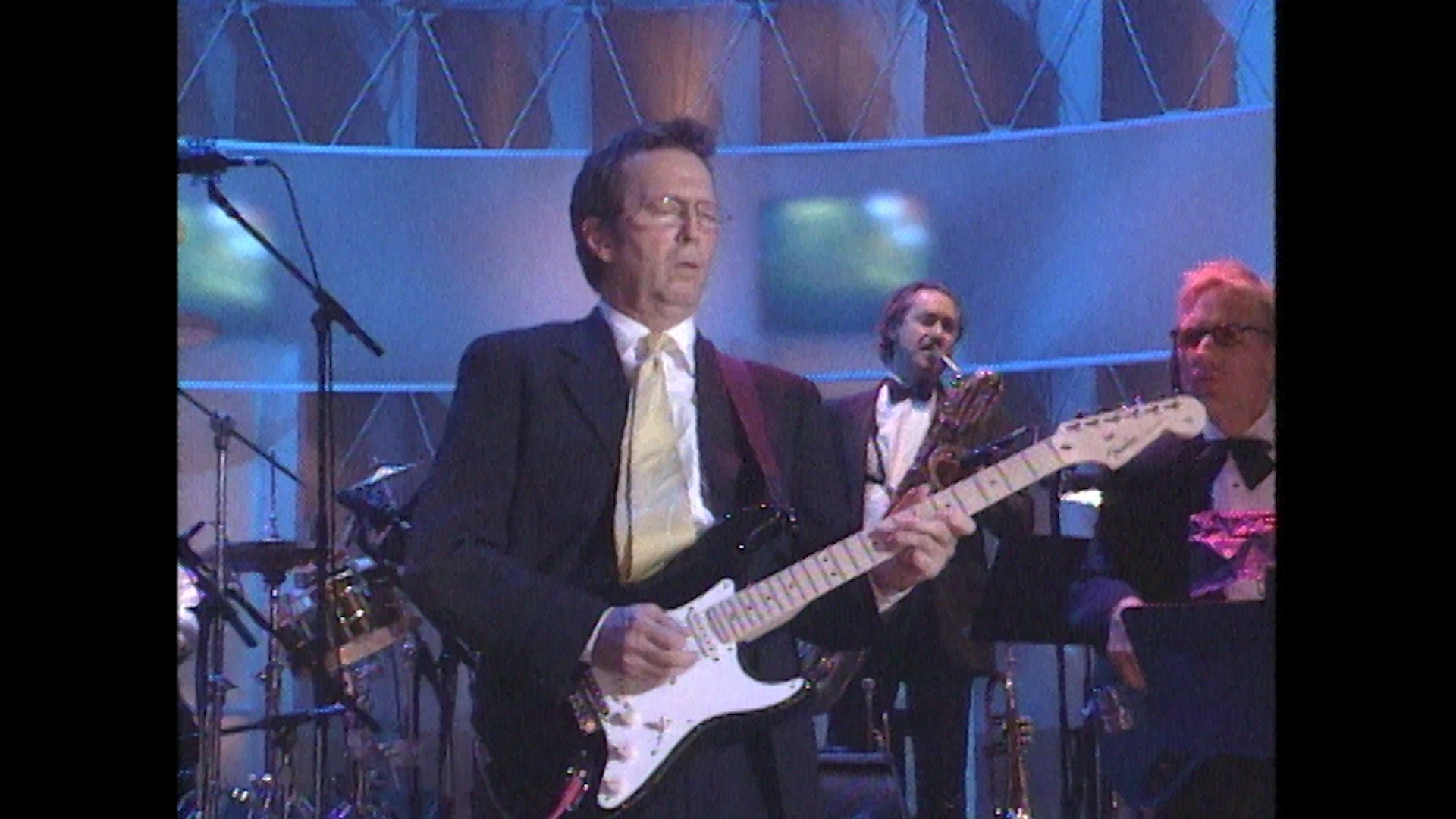
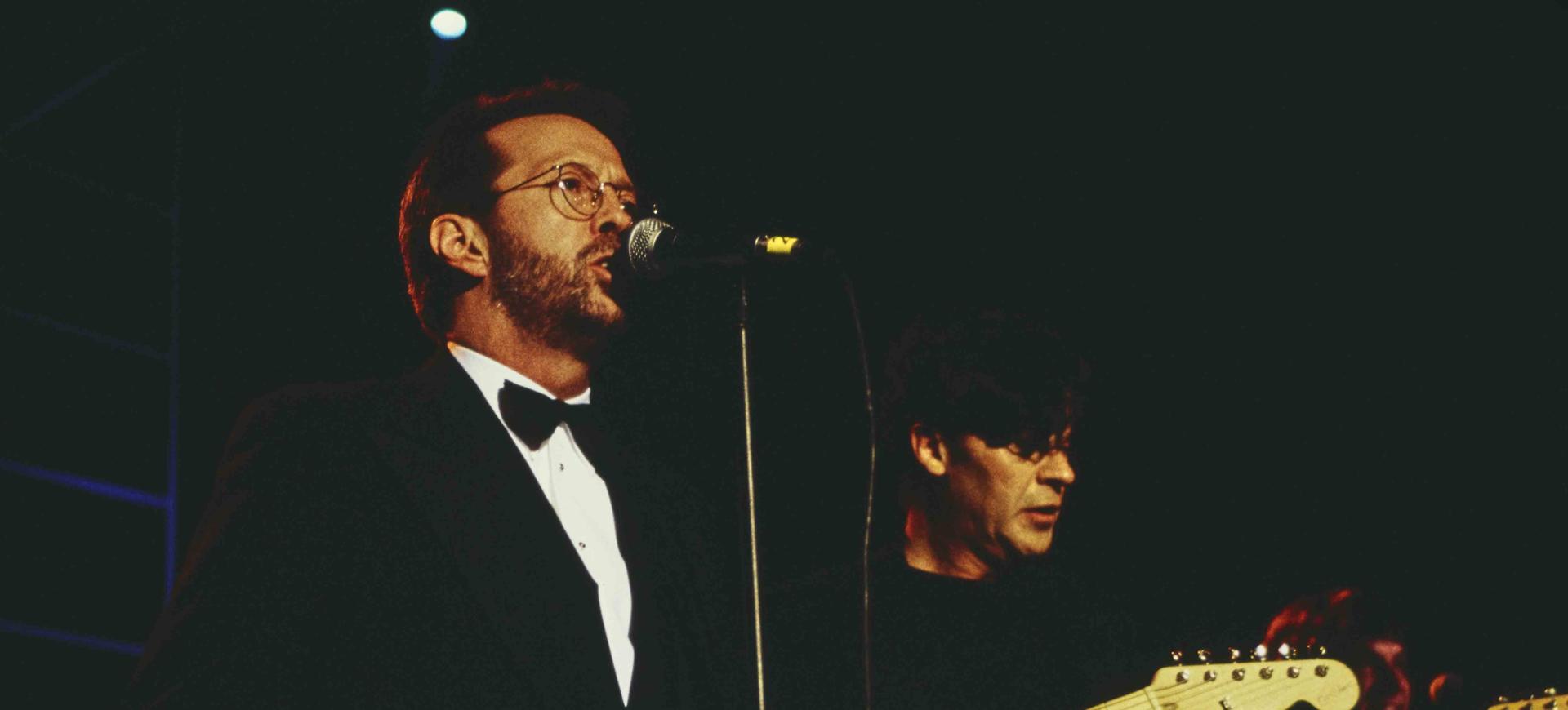
"With Eric Clapton’s induction into the Rock and Roll Hall of Fame as a solo artist on March 6, 2000, he became the first musician to have been inducted three times. He was first honored as a member of in 1992, then with in 1993, and finally as a solo artist in 2000. While his stints with the groups were relatively brief - he stayed with only a year and a half, and lasted barely two years - Clapton has been a solo artist for three decades, beginning with the release of Eric Clapton in 1970. Even Derek and the Dominos, the short-lived quartet that cut the classic Layla...and Other Love Songs in 1970, was less a band of equals (a la ) than a Clapton-piloted project that bore his highly personalized stamp. As a solo artist, Clapton has brought his singing and songwriting to the fore while maintaining his stature as rock’s preeminent guitarist. Demonstrating a remarkable resilience, Clapton has managed to establish himself as a vital, hitmaking presence in every decade.

Born in the British village of Ripley in 1945, Clapton took up the guitar at age 15 and joined his first group, the Roosters, in early 1963. His first noteworthy band was , whose 1964 concert recording, Five Live Yardbirds, announced Clapton’s talent as a fiery blues stylist adept at the group’s trademark “rave-ups.” In 1965, John Mayall asked the budding star to join his group, the Bluesbreakers. He appeared on the remarkable 1966 recording Bluesbreakers--John Mayall With Eric Clapton. During his yearlong tenure with Mayall, Clapton earned the nickname “Slowhand” and inspired the scrawling of “Clapton Is God” graffiti around London. Next he joined fellow Mayall alumni Jack Bruce and Ginger Baker in , a trio that proved equally adept at lengthy blues improvisations and arty, blues-based psychedelic pop.

After came a brief alliance with American roots-rockers Delaney and Bonnie. This led directly to Clapton’s first solo album, Eric Clapton, which exhibited some newfound emphases. ("Betcha didn’t think I knew how to rock and roll,” he sang in “Blues Power.") Clapton drew from the pool of musicians who played on Eric Clapton in forming Derek and the Dominos, which found him joined by keyboardist Bobby Whitlock, bassist Carl Radle and drummer Jim Gordon. The double album Layla...and Other Assorted Love Songs (1970) became one of the cornerstone rock records of the Seventies. Clapton became addicted to heroin during this period, and a second Derek and the Dominos album was begun but never completed as he became ever-more reclusive.

A January 1973 comeback concert at London’s Rainbow Theatre re-introduced him to public performing, but his solo career really commenced in earnest a year later with 461 Ocean Boulevard. Recorded in Miami, it was influenced by the mellower likes of J.J. Cale and . Striking a chord with the public, 461 Ocean Boulevard topped the album charts in 1974. Meanwhile, Clapton’s cover of “I Shot the Sheriff,” originally by and the Wailers, helped introduced reggae to a mass audience. Working with a steady band that included guitarist George Terry, Clapton pursued a mellow, song-oriented course that accentuated his husky, laid-back vocals. His Seventies output, including such albums as There’s One in Every Crowd (1975) and No Reason to Cry (1976) has been largely underrated and is ripe for rediscovery. Clapton again struck commercial paydirt in 1977 with Slowhand, a strong set that included Clapton’s definitive version of J.J. Cale’s “Cocaine” and the #3 hit “Lay Down Sally.”

Clapton remained a prolific artist throughout the Eighties, releasing a live double album that reached #2 (Just One Night), cutting two albums (Behind the Sun and August) with Phil Collins as producer, and launching his own label, Duck Records, in 1983, with one of his stronger studio efforts, Money and Cigarettes. In January 1987, he undertook the first of what would become an annual series of multi-night stands at London’s Royal Albert Hall. In 1992, his career received a major boost from his appearance on MTV’s Unplugged series. Returning to his roots on the heels of that acoustic folk-blues set, Clapton next cut a long-promised blues album, From the Cradle (1994). Throughout the Nineties, he continued to amass hits--no mean feat, given the shifting musical climate--including “Tears in Heaven,” a memorable elegy for his late son Conor; “Change the World,” a beatbox-driven collaboration with R&B artist/producer Babyface that won a Grammy for Record of the Year; and “My Father’s Eyes,” a ballad from his 1998 album Pilgrim.

Entering his fourth decade as a solo artist, Eric Clapton remains a relevant, creative force in popular music.”

TIMELINE

1965: Eric Clapton leaves and joins John Mayall’s Bluesbreakers.

Summer 1966: Eric Clapton forms .

December 11-12, 1968: film the ‘Rock and Roll Circus’, with guests Eric Clapton, , Jethro Tull and .

February 1969: Soon after ’s breakup, Eric Clapton and Ginger Baker join forces with Steve Winwood (of ) and Ric Grech (of Family) to form the “instant supergroup” Blind Faith.

September 12, 1969: appears at the Toronto Rock ‘n’ Roll Revival concert, accompanied by Eric Clapton, Klaus Voormann, Alan White and Yoko. ‘The Plastic Ono Band – Live Peace in Toronto’ is released in December.

September 20, 1969: Blind Faith - the only studio album by the “supergroup” comprising Eric Clapton, Steve Winwood, Ginger Baker and Ric Grech - tops the U.S. and U.K. charts for the first of two weeks.

1970: Eric Clapton releases “Layla and Other Love Songs” featuring Duane Allman.

January 1, 1970: Eric Clapton records his self-titled solo debut album in Los Angeles. He is backed by Delaney and Bonnie and their band, which includes Leon Russell. It yields such staples of Clapton’s repertoire as “After Midnight,” “Blues Power” and “Let It Rain.”

August 1, 1970: Eric Clapton is released, peaking at #13. This same month, Clapton begins recording in Miami with his new band, Derek and the Dominos. They record the monumental double album Layla...and Other Assorted Love Songs in ten days. One writer called it “the most valid double since [’s] Blonde on Blonde.”

August 1, 1971: The concert for Bangladesh, featuring , and Eric Clapton, takes place in New York’s Madison Square Garden.

January 13, 1973: Backed by an all-star band, Eric Clapton performs a solo concert at London’s Rainbow Theatre. It is promoted as a comeback concert, returning Clapton to the public eye after a reclusive period of heroin addiction. Eric Clapton’s Rainbow Concert is released in abbreviated form on LP (6 tracks) in 1973 and in expanded form on CD (14 tracks) in 1995.

May 1, 1974: A drug-free Eric Clapton launches his solo career in earnest, recording 461 Ocean Boulevard in Miami. Both the album and its key single, “I Shot the Sheriff,” go to #1. Virtually reinventing himself in the space of one album, Clapton takes few guitar solos and adopts a more laid-back stylistic demeanor.

September 8, 1974: I Shot the Sheriff (Eric Clapton) was a hit.

September 14, 1974: Eric Clapton’s version of the Wailers’ “I Shot the Sheriff,” written by head Wailer , hits #1 and helps generate interest in reggae.

May 1, 1977: Eric Clapton’s biggest-selling album of the Seventies, Slowhand, finds him recording at London’s Olympic Studios for the first time since Fresh , the first album. Slowhand yields Top Forty hits in “Lay Down Sally” (#3) and “Wonderful Tonight” (#16), and an FM favorite and live staple in “Cocaine.”

1982: Appearing with Eric Clapton, Waters makes his final public performance.

February 1, 1983: Money and Cigarettes, one of Eric Clapton’s stronger albums of the Eighties, is the inaugural release on his own Duck Records label.

April 18, 1988: A four CD box set documenting the first quarter century of Eric Clapton’s career, Crossroads, is released. The 73-track retrospective, which includes rare and previously unreleased material, reaches #34 and goes on to sell more than two million copies.

February 5, 1991: The first date in what becomes an annual stand of Eric Clapton concerts at London’s Royal Albert Hall finds Clapton joined in different segments by a four-piece band, nine-piece band, blues band, and orchestra. The series lasts for 24 nights - hence the title of a live double-CD documentary, 24 Nights, released later in the year.

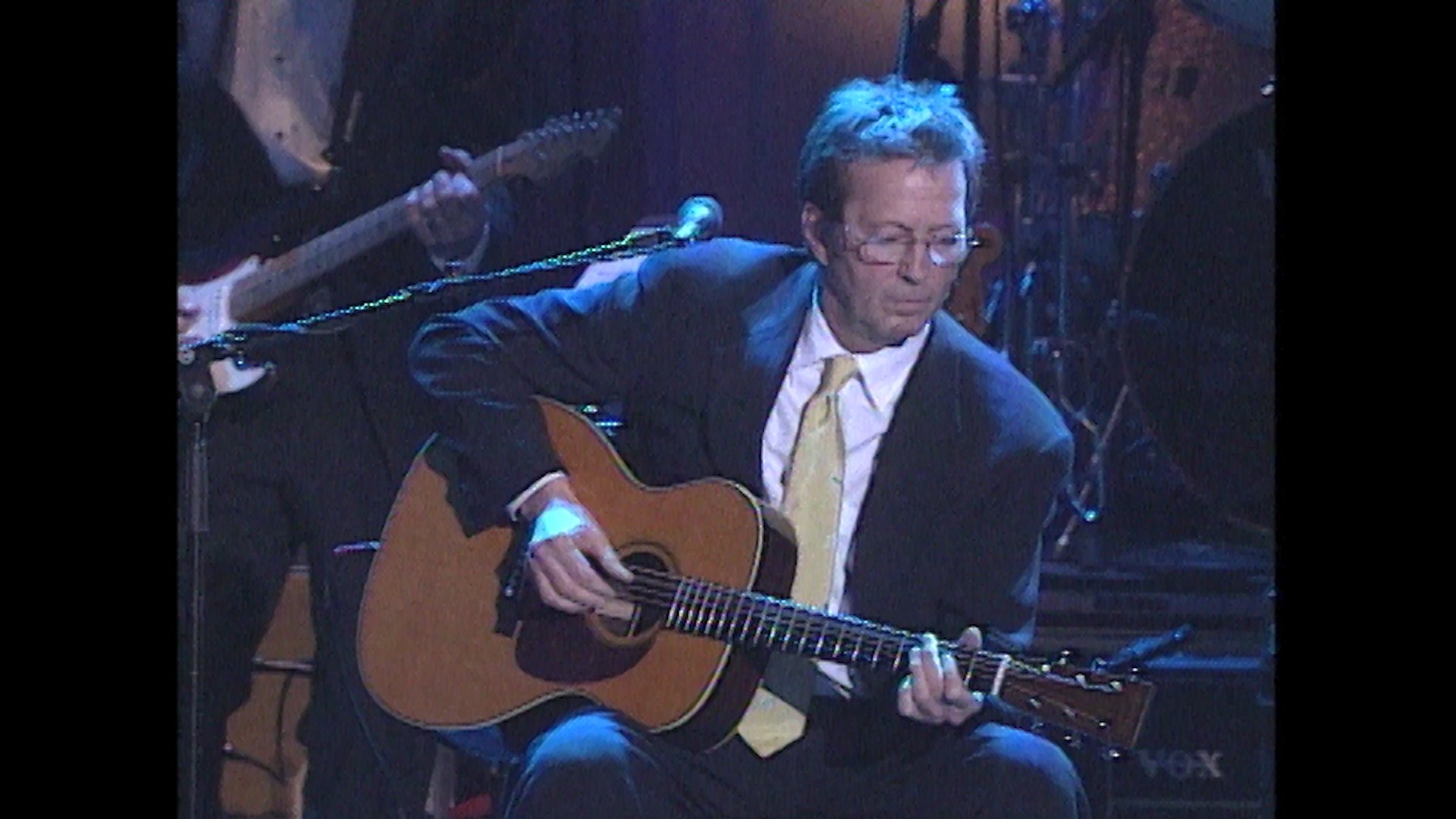
January 16, 1992: Eric Clapton performs an all-acoustic set for that is taped for the MTV series Unplugged. It airs on March 11, winning a record audience for the show, and is released on CD and videotape in August. The 70-minute live set, which includes an acoustic arrangement of “Layla,” reaches #1. It goes on to sell three million copies and earns a Grammy for Album of the Year.

1992: Johnnie Johnson’s third solo album, ‘Johnnie B. Bad,’ finds the piano great backed by Eric Clapton, Keith Richards and NRBQ.

January 8, 1993: “MTV Unplugged” with Eric Clapton is nominated for four Grammy Awards and Mariah Carey’s performance on “MTV Unplugged” is nominated for three Grammy Awards by the National Academy of Recording Arts & Sciences, Inc.

1994: Eric Clapton releases his first all blues album ‘From the Cradle’.

March 1, 1995: From the Cradle, an album of blues interpretations released the previous fall, wins Eric Clapton a Grammy for Best Traditional Blues Album.

March 10, 1998: His Pilgrim album yields the introspective hit “My Father’s Eyes,” which wins Eric Clapton a Grammy for Best Male Pop Vocal Performance.

2000: Eric Clapton and release ‘Riding With the King’.

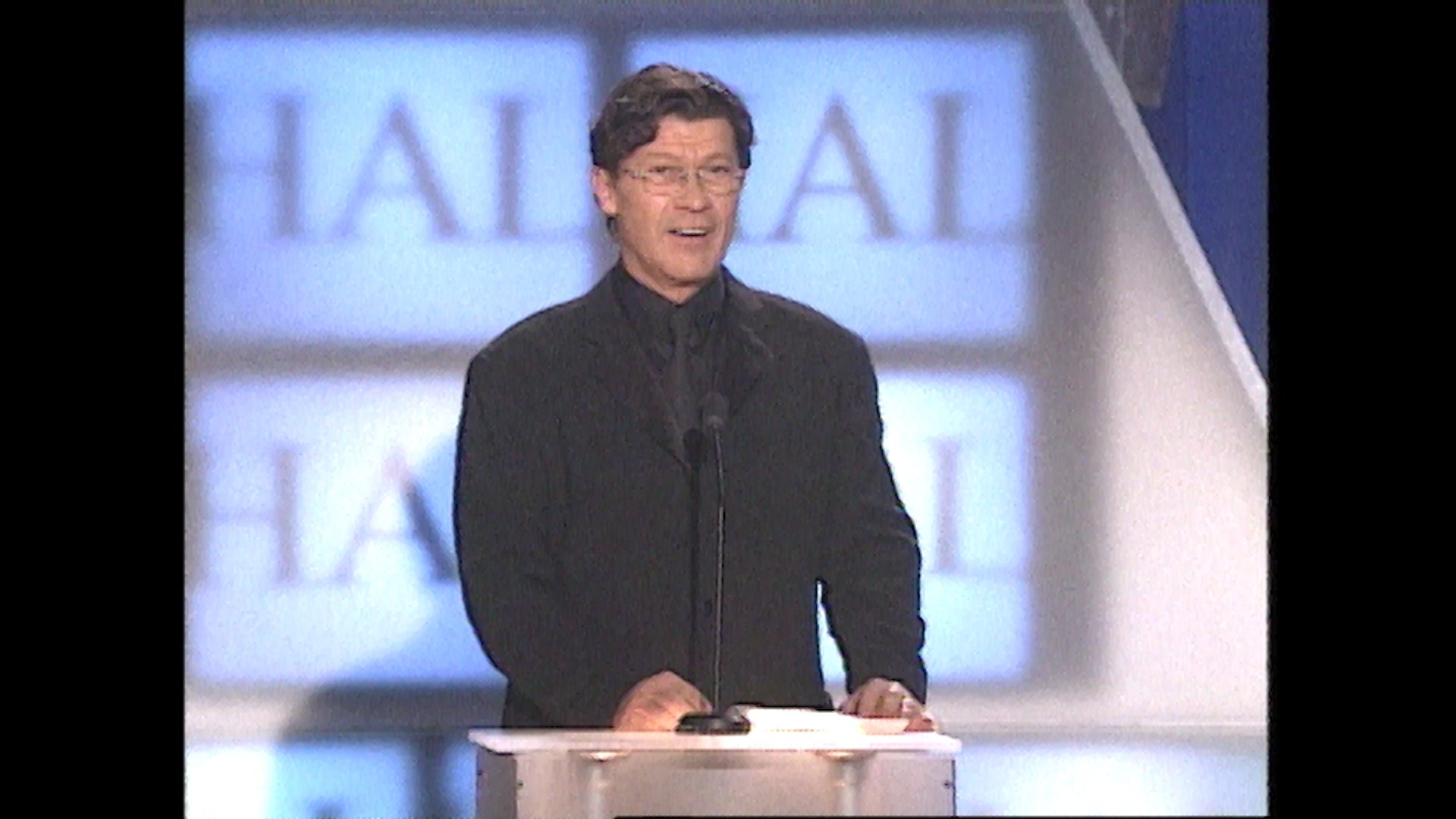
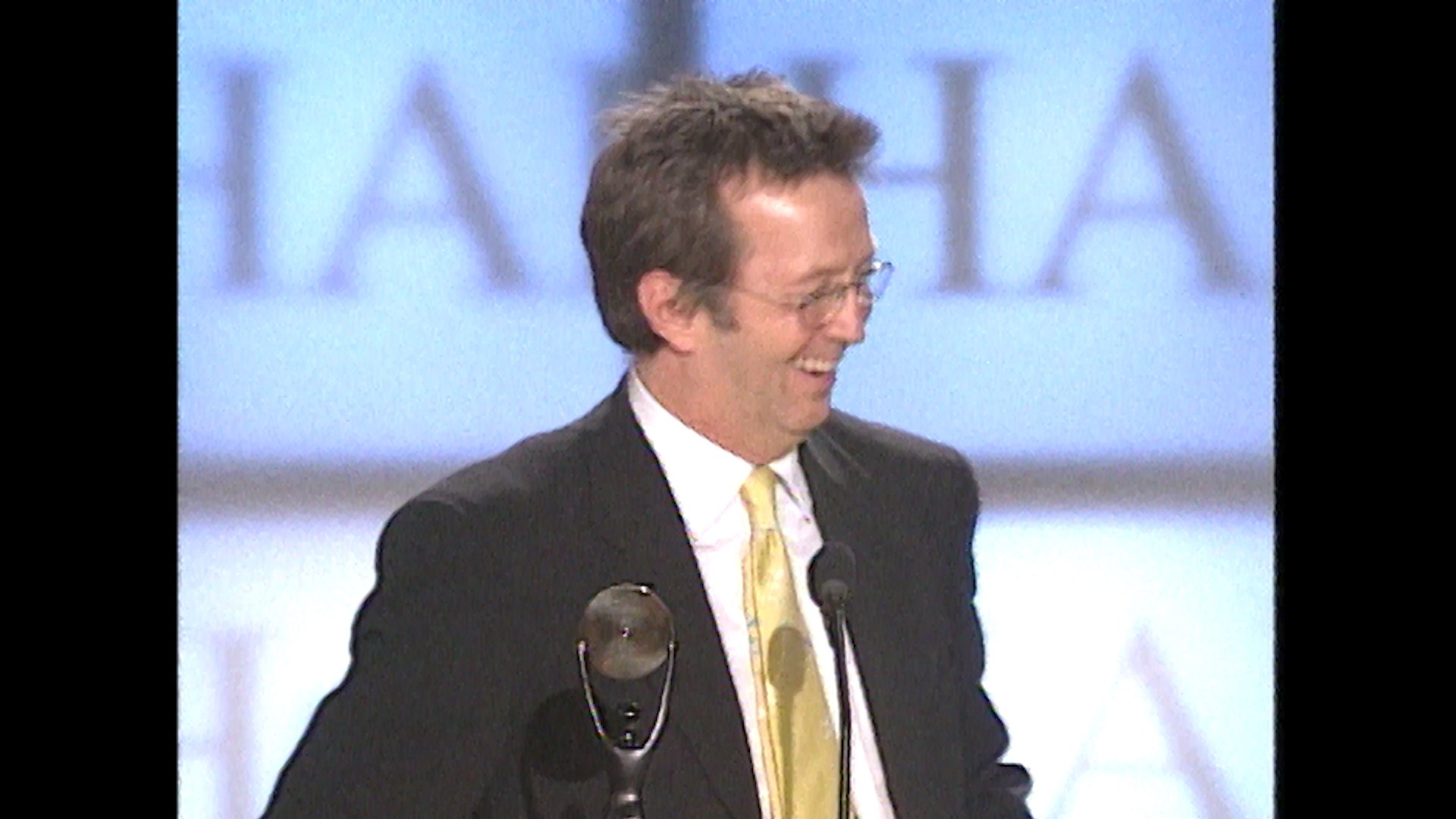
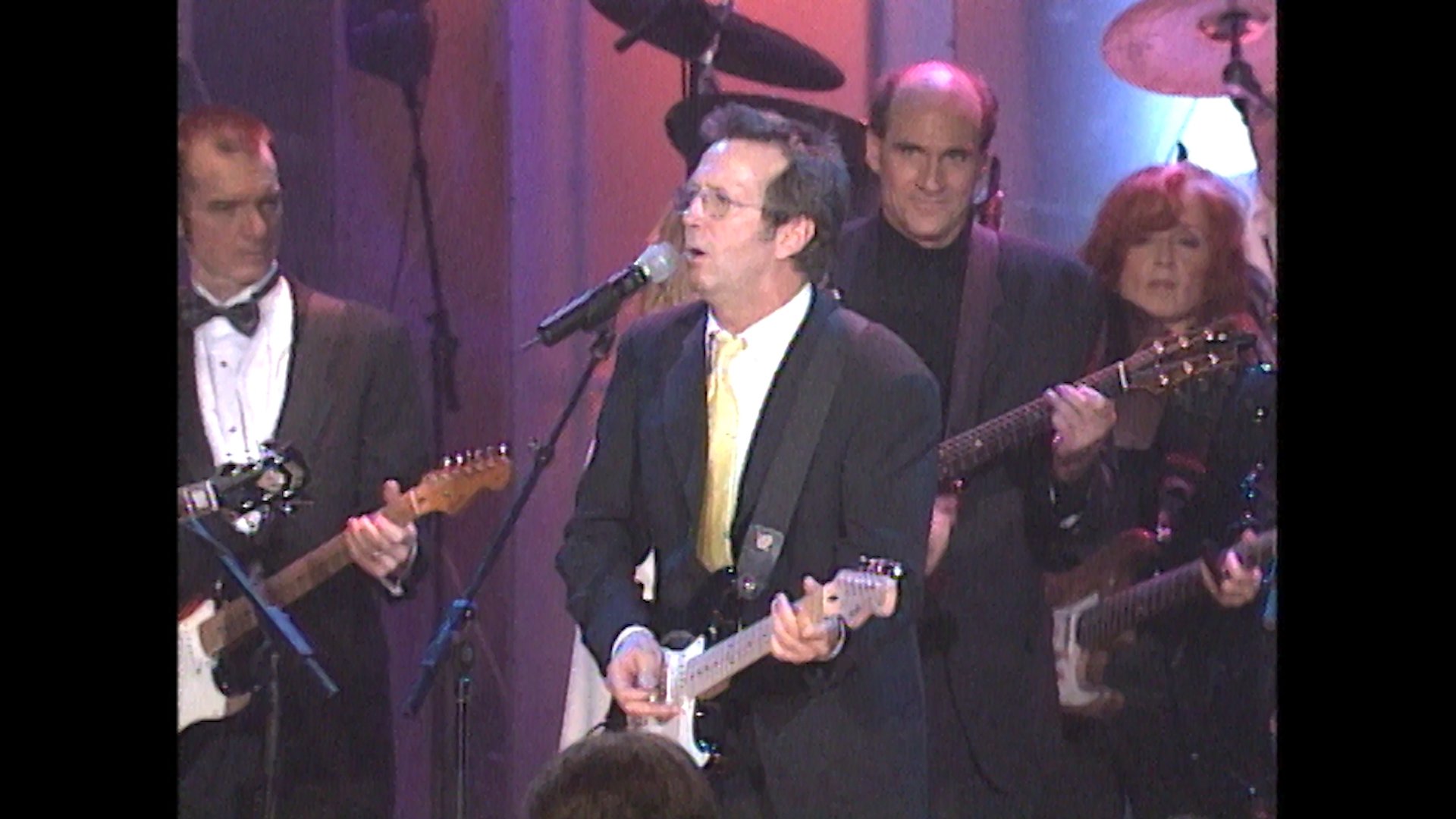
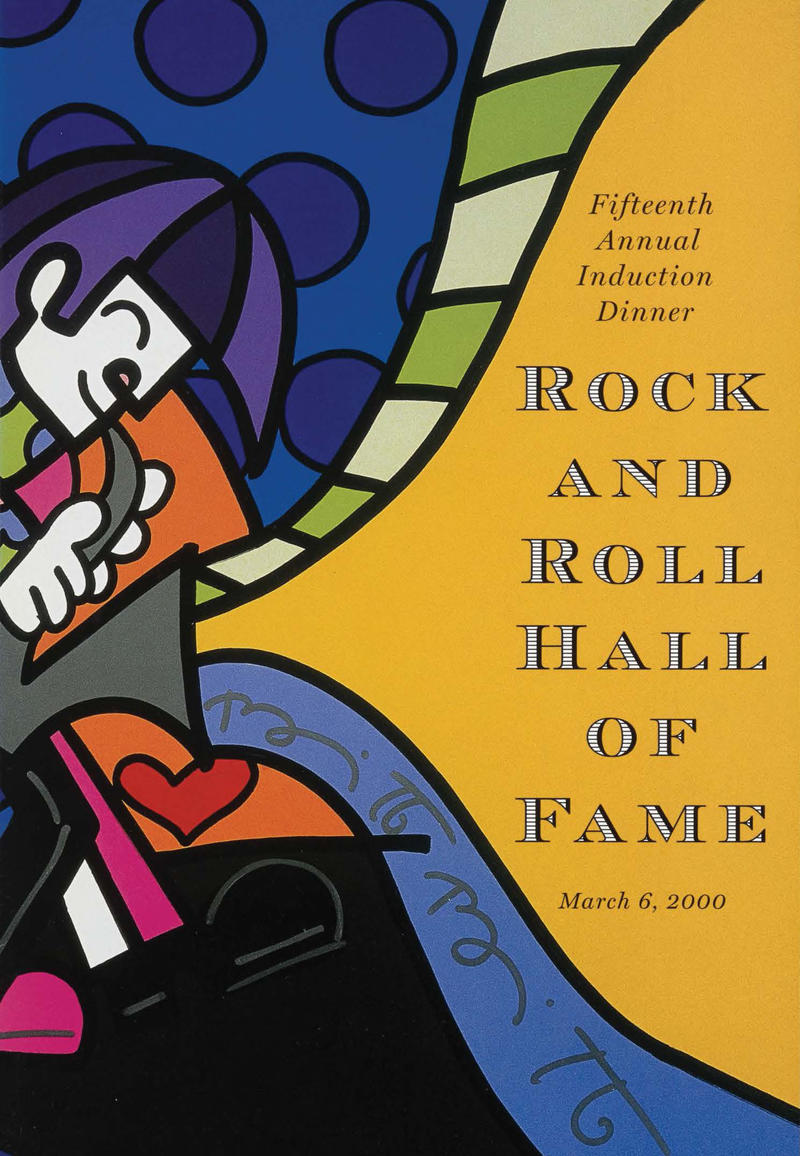
March 6, 2000: Eric Clapton is inducted into the Rock and Roll Hall of Fame at the fifteenth annual induction dinner. Robbie Robertson is his presenter.

Essential Songs


Cocaine
Tears in Heaven
My Father’s Eyes
Bad Love
Lay Down Sally
Bell Bottom Blues
Let It Rain
Layla
I Shot the Sheriff
After Midnight

Recommended Reading


Slowhand: The Story of Eric Clapton
Harry Shapiro. New York: Proteus Books, 1984.

Clapton! An Authorized Biography
Ray Coleman. New York: Warner Books, 1985.

Eric Clapton: The Complete Recording Sessions, 1963-1995
Marc Roberty. New York: St. Martin’s Press, 1995.

Crossroads: The Life and Music of Eric Clapton
Michael Schumacher. New York: Hyperion, 1995.


Chuck Berry's Gibson ES-335 Electric Guitar

Photo by Andrew Moore
Collection of Chuck Berry