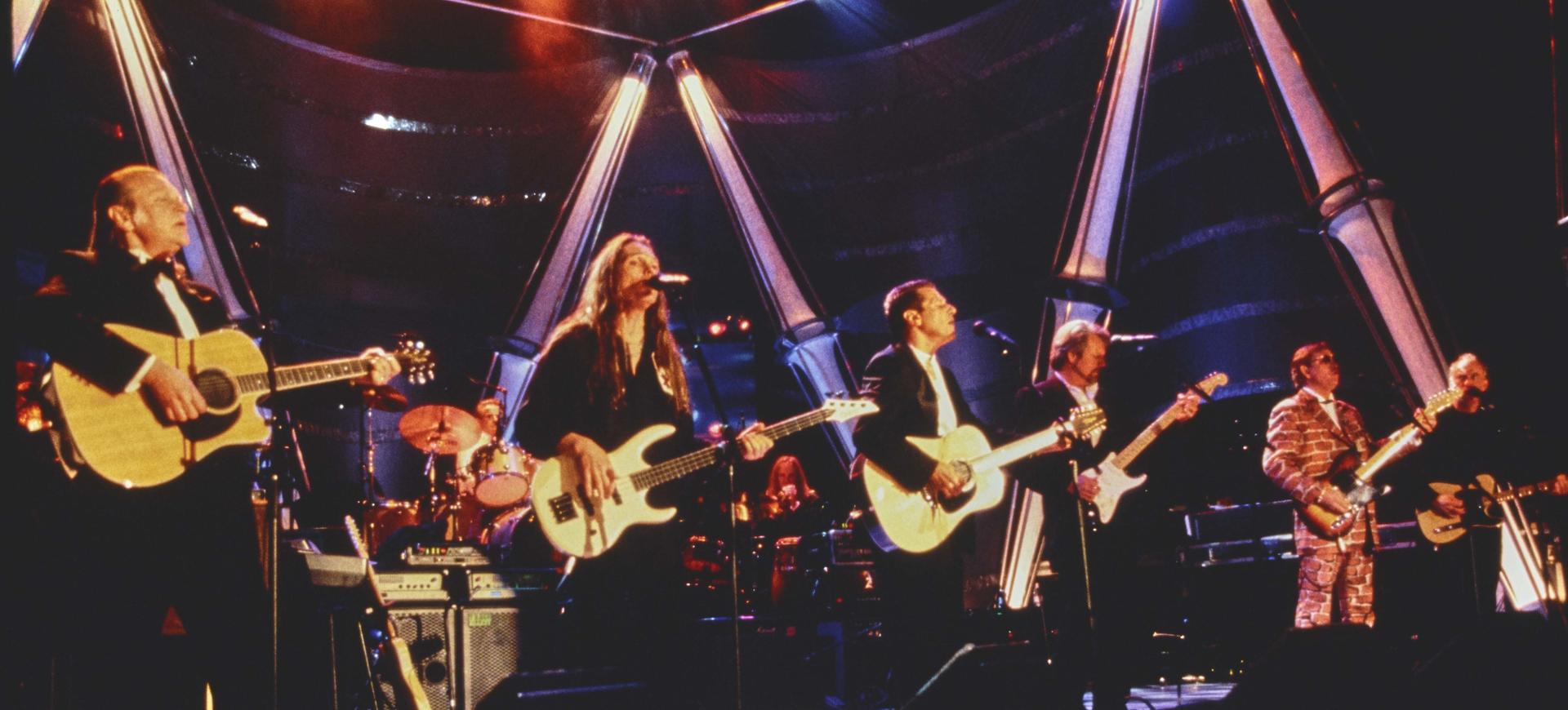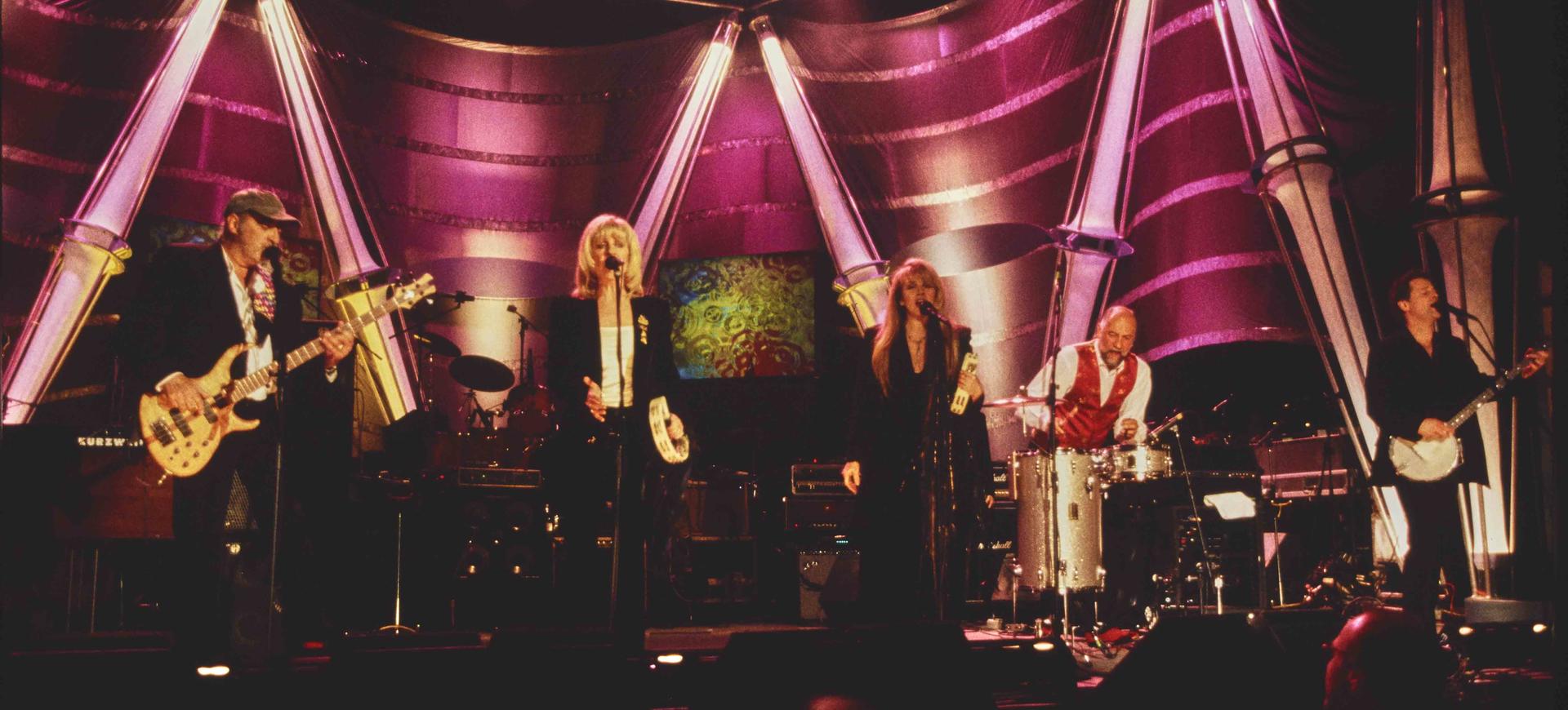
Fleetwood Mac
Induction Year: 1998
Induction Category: Performer
"Inductees: Lindsey Buckingham (guitar, vocals; born 10/3/49), Mick Fleetwood (drums; born 6/24/47); Peter Green (guitar, vocals; born 10/29/46), Danny Kirwan (guitar, vocals; born 5/13/50); John McVie (bass; born 11/26/45), Christine McVie (keyboards, vocals; born 7/12/43), Stevie Nicks (vocals; born 5/26/48); Jeremy Spencer (guitar, vocals; born 7/4/48)
The Fleetwood Mac story is an episodic saga that spans more than 30 years. It is the saga of a British blues band formed in 1967 that became a California-based pop group in the mid-Seventies. In between came a period where Fleetwood Mac shuffled personnel and experimented with styles, all the while releasing solid albums that found a loyal core audience. Despite all the changes, two members have remained constant over the years: drummer Mick Fleetwood and bassist John McVie, whose surnames provided the group name Fleetwood Mac. Though most rock fans are familiar with the lineup that includes Lindsey Buckingham and Stevie Nicks-by far the longest-running edition of the band, responsible for the classic albums Fleetwood Mac and Rumours-the group possesses a rich and storied history that predates those epics. Earlier Fleetwood Mac lineups included guitarists Peter Green, Jeremy Spencer, Danny Kirwan and Bob Welch.
Fleetwood Mac when Green, Fleetwood and McVie, who were all expatriates from British bandleader John Mayall’s Bluesbreakers, decided to form a band. McVie and Fleetwood had been playing with Mayall, a British blues legend, since 1963 and 1965, respectively, while Green replaced Eric Clapton (who exited to form Cream) in 1966. Initially a quartet, the original Fleetwood Mac also included guitarist Jeremy Spencer and then expanded with the addition of Danny Kirwan prior to their second album. Not surprisingly, the group’s first two U.K. albums-Fleetwood Mac (1967) and Mr. Wonderful (1967)-were heavily blues-oriented. “Black Magic Woman,” a Peter Green song from the latter album, later became a major hit for Santana. In 1969, Fleetwood Mac recorded at Chess studios with American blues musicians, including Willie Dixon and Otis Span; it was released as the two-volume Blues Jam in the U.K. and as Fleetwood Mac in Chicago in the U.S. By decade’s end, however, Fleetwood Mac had begun moving from traditional blues to a more progressive approach. Around this time, the group adopted its distinctive “penguin” logo, based on zoo-lover and amateur photographer McVie’s interest in the birds.
There are arguably three “definitive” Fleetwood Mac lineups. One of them is the blues-oriented band of the late Sixties, which arrayed three guitarists (Green, Spencer and Kirwan) around the rhythm section of Fleetwood and McVie. They are best represented by 1969’s Then Play On, a milestone in progressive blues-rock. After Green’s exodus in mid-1970, the remaining members cut the more easygoing, rock and roll-oriented Kiln House. Early in 1971, a born-again Spencer abruptly left the band during a U.S. tour to join the Children of God. The second key configuration found Fleetwood, McVie and Kirwan joined by keyboardist Christine McVie (born Christine Perfect, she’d married bassist McVie) and guitarist Bob Welch, a Southern Californian who became the group’s first American member and a harbinger of new directions. This configuration produced a pair of ethereal pop masterpieces, Future Games (1971) and Bare Trees (1972). Kirwan, who was having personal problems, was asked to leave in August 1972. The remaining foursome, joined by new recruits Dave Walker (vocals) and Bob Weston, recorded Penguin (1973); sans Walker, they cut Mystery to Me (1974). Again reduced to a quartet with Weston’s departure, they released Heroes Are Hard to Find later that same year.
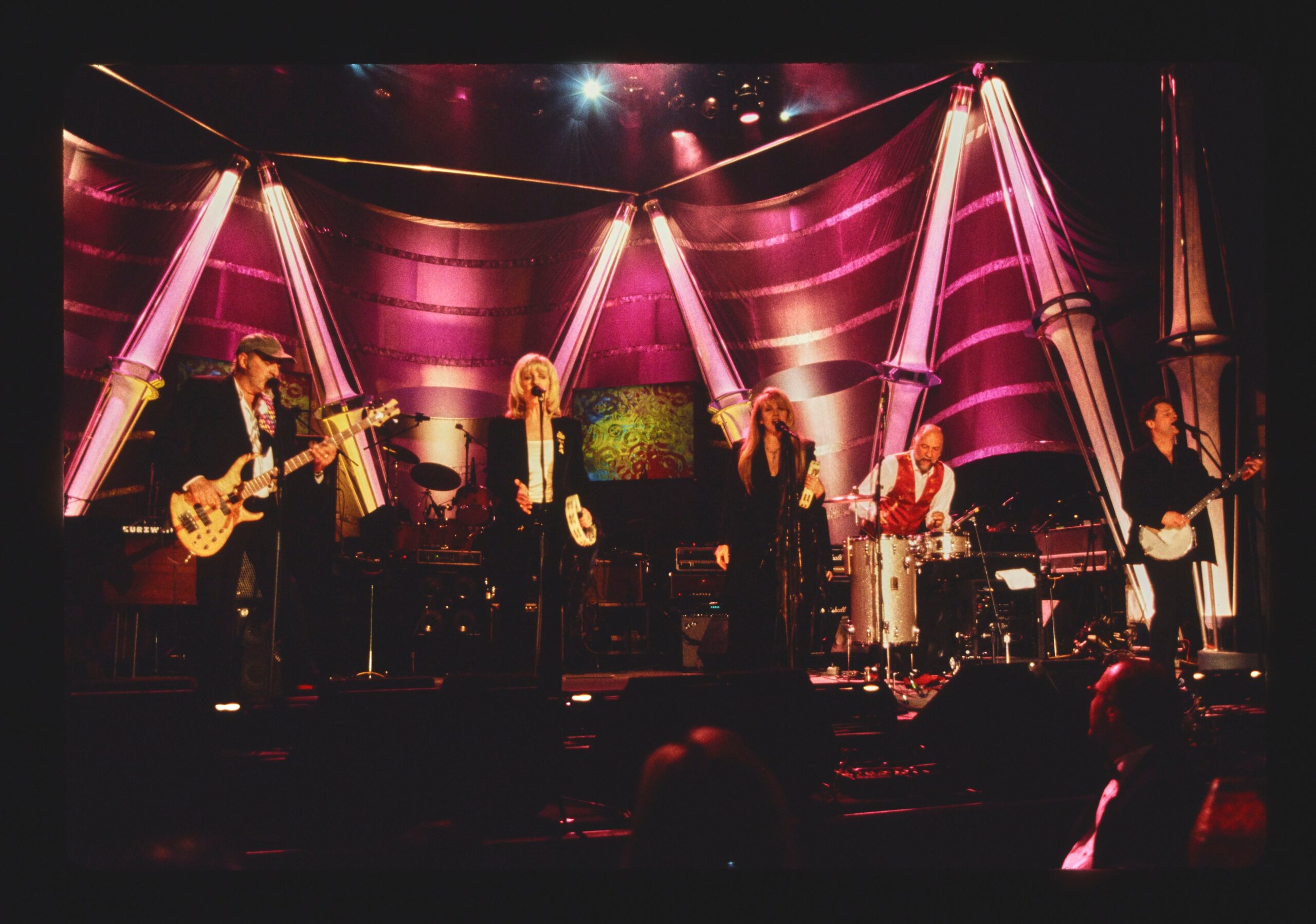
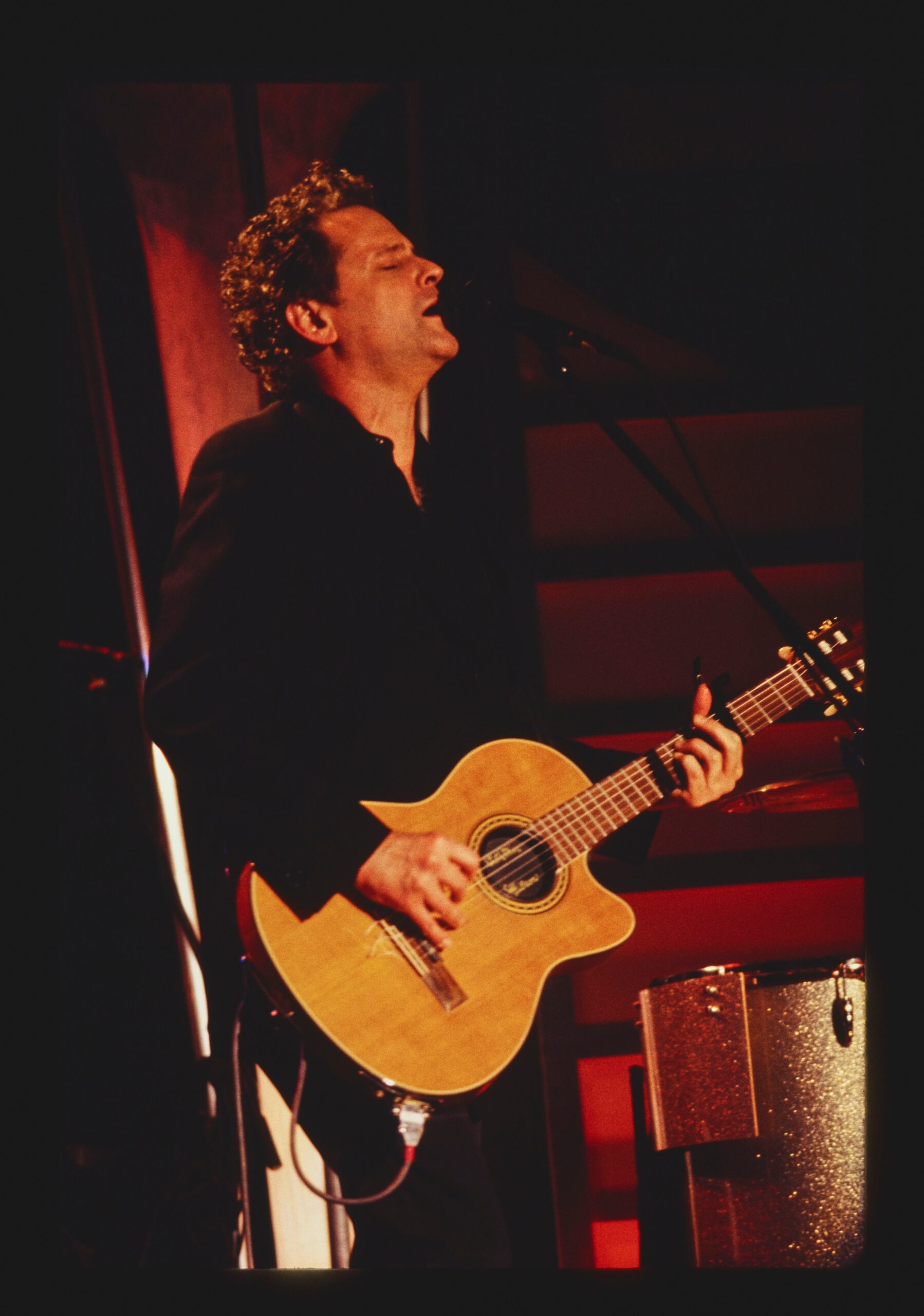
Finally, the platinum edition of Fleetwood Mac came together in 1975 with the recruitment of Lindsey Buckingham and Stevie Nicks. The San Francisco duo had previously cut an album together as Buckingham-Nicks. Drummer Fleetwood heard a tape of theirs at a studio he was auditioning, and the pair were drafted into the group without so much as a formal audition. This lineup proved far and away to be Fleetwood Mac’s most durable and successful. In addition to the most solid rhythm section in rock, this classic lineup contained strong vocalists and songwriters in Buckingham, Nicks and Christine McVie. Male and female points of view were offered with unusual candor on the watershed albums Fleetwood Mac (1975) and Rumours (1977).
Fleetwood Mac introduced the revitalized group with such sparkling tracks as “Over My Head,” Fleetwood Mac’s first-ever Top Forty single; “Rhiannon,” which became Nicks’ signature song; “Say You Love Me,” which showed of the group’s three-part harmonies; and “Monday Morning,” the driving album opener and FM-radio favorite. Rumours was written and recorded as three long-term relationships-between Buckingham and Nicks, the married McVies, and Fleetwood and his wife-publicly unraveled. The album is a virtual document of romantic turmoil, and its timing reflected the interpersonal upheavals of the liberated Seventies. Resonating with a mass audience like no other album in rock history, Rumours yielded a bumper crop of songs with enduring appeal, among them the Top Ten hits “Go Your Own Way,” “Dreams,” “Don’t Stop” and “You Make Loving Fun.”
Fleetwood Mac toured for seven months behind Rumours and reigned as the most popular group in the world. Rumours has to date sold 18 million copies, making it the fifth best-selling album of all time. As a group, Fleetwood Mac has sold more than 70 million albums since its inception in 1967. Under the creative guidance of Lindsey Buckingham, whose skill as a producer and pop visionary became increasingly evident-Fleetwood Mac grew more emboldened with the double album Tusk, released in 1979. A more experimental album, Tusk didn’t match its predecessors sales, but it did earn two more Top Ten hits-"Sara" and “Tusk"-while extending the group’s longevity by forswearing formulas. Solo careers commenced during the three-year layoff that followed another extensive tour. Stevie Nicks, in particular, nurtured a career that rivaled Fleetwood Mac’s for popularity.
Fleetwood Mac released two studio albums in the Eighties-Mirage (1982) and Tango in the Night (1987)-but its front-line members were increasingly drawn to their solo careers. Disinclined to tour, Buckingham announced he was leaving Fleetwood Mac shortly after Tango in the Night. He was replaced by guitarists Billy Burnette and Rick Vito, who appeared on the 1990 album Behind the Mask. Eventually, both Nicks and Christine McVie revealed they, too, would no longer tour with Fleetwood Mac. Nicks officially left the band a month after Fleetwood Mac regrouped to perform “Don’t Stop” at President Bill Clinton’s inauguration in January 1993. The indefatigable core of Fleetwood and the McVies recruited guitarist Dave Mason and singer Bekka Bramlett, but the proverbial link in Fleetwood Mac’s chain had been broken one too many times and this lineup’s one album, Time (1995), fared poorly.
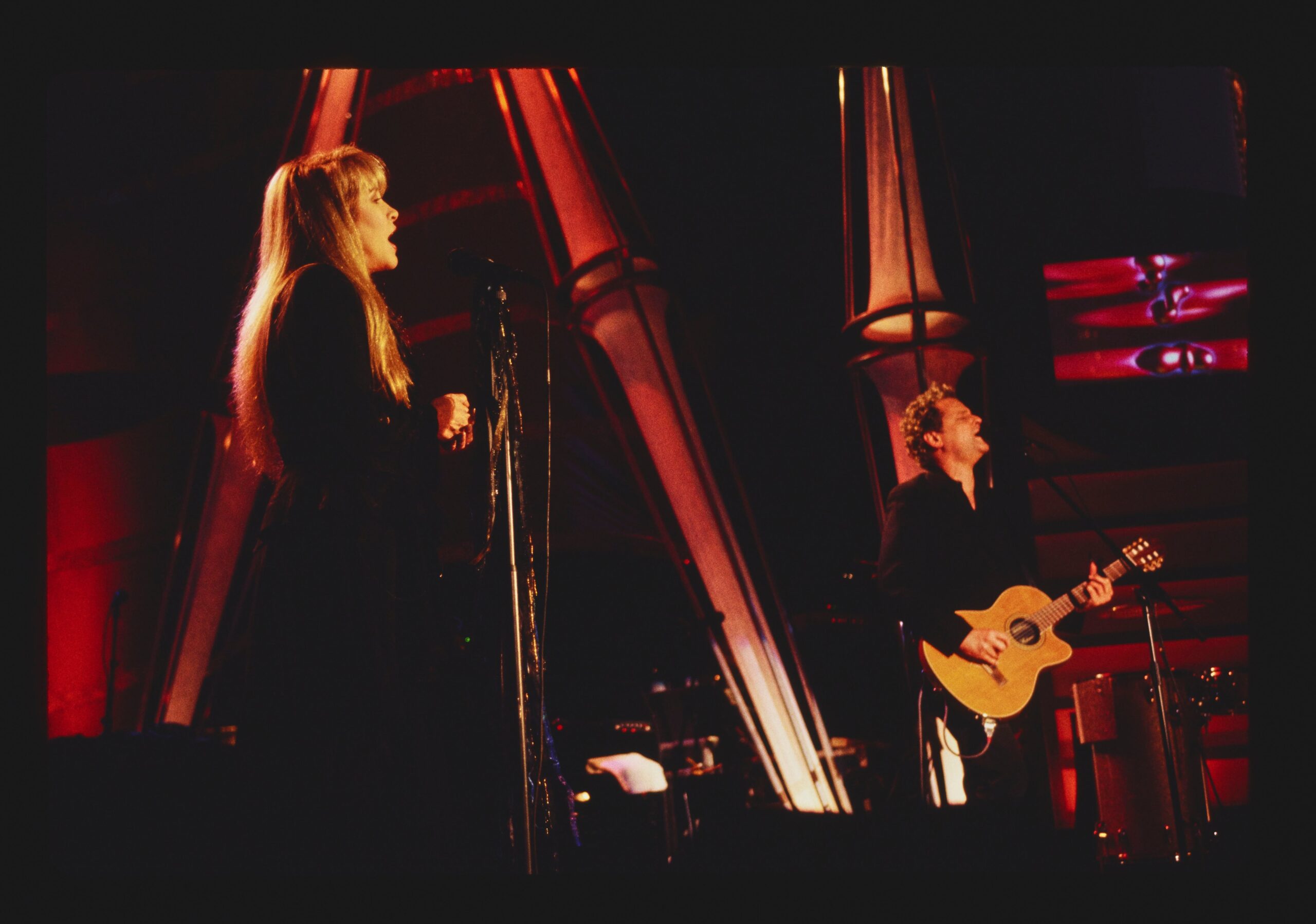
Then, in 1997, Fleetwood Mac’s classic lineup set aside their differences for a reunion that marked the 30th anniversary of the original group’s founding and the 20th anniversary of Rumours’ release. A concert was filmed for an MTV special and saw release on video and audio formats as The Dance, which found the group revisiting old material and premiering new songs. A full-fledged reunion tour followed.
TIMELINE
July 12, 1943: Christine McVie was born.
November 26, 1945: John McVie was born.
October 29, 1946: Peter Green was born.
June 24, 1947: Mick Fleetwood was born.
May 26, 1948: Stevie Nicks was born.
July 4, 1948: Jeremy Spencer was born.
October 3, 1949: Lindsey Buckingham was born.
May 13, 1950: Danny Kirwan is born.
September 1, 1967: Peter Green, John McVie and Mick Fleetwood form Fleetwood Mac after leaving John Mayall’s Bluesbreakers. The blues-based quartet is rounded out by guitarist Jeremy Spencer.
February 1, 1968: Fleetwood Mac’s self-titled debut album is released in Britain. It is followed by ‘Mr. Wonderful’ in September.
October 1, 1969: ‘Then Play On’, the last album by Fleetwood Mac in its Peter Green-led lineup, hits #6 in the U.K. and #109 in the U.S.
April 11, 1970: Peter Green leaves Fleetwood Mac in Germany during a tour. He is not replaced.
August 1, 1970: Christine McVie officially joins Fleetwood Mac on keyboards and vocals. The wife of bassist John McVie had already guested on ‘Kiln House’ and painted that album’s cover.
February 1, 1971: Founding member Jeremy Spencer leaves Fleetwood Mac and disappears with a Christian cult group while on tour in Los Angeles.
April 1, 1971: Bob Welch joins Fleetwood Mac, contributing guitar, vocals and songwriting. The group rebounds with two exquisite albums released in relatively quick succession: ‘Future Games’ (November 1971) and ‘Bare Trees’ (May 1972).
October 1, 1974: ‘Heroes Are Hard to Find’ is released. Reaching #34, it is the highest-charting Fleetwood Mac album to date—and the last of five featuring Bob Welch.
July 11, 1975: ‘Fleetwood Mac’, the album that begins a new chapter with the addition of Lindsey Buckingham and Stevie Nicks, is released.
September 1, 1976: ‘Fleetwood Mac’ peaks at #1, setting a record for the longest time between an album’s release and its topping the charts. Three singles drawn from the album mark Fleetwood Mac’s debut in the U.S. Top Forty: “Over My Head” (#20), “Rhiannon” (#11) and “Say You Love Me” (#11).
February 4, 1977: ‘Rumours’, by Fleetwood Mac, destined to become the fifth best-selling album in music history, is released.
April 2, 1977: ‘Rumours’ tops the Billboard album chart for the first of 31 weeks. Ultimately, it will chart in the U.S. for 134 weeks and in the U.K. for 443 weeks—the second longest tenure in U.K. history and more than the rest of Fleetwood Mac’s catalog put together.
February 23, 1978: ‘Rumours’ wins Album of the Year at the 20th annual Grammy Awards.
October 1, 1979: ‘Tusk’ an adventurous double album, is released. The title track, which features the University of Southern California Trojan Marching Band, hits #8, while the Nicks-penned “Sara” reaches #7.
March 1, 1982: Pete Townshend, Stevie Nicks, Mick Jagger, Adam Ant, Pat Benatar, the Police and David Bowie kick off the “I Want My MTV” advertising campaign.
August 7, 1982: ‘Mirage’ becomes the third #1 album of the Buckingham-Nicks era of Fleetwood Mac. Their first studio album since 1979, it yields three hit singles: “Hold Me” (#4), “Gypsy” (#12) and “Love in Store” (#22).
October 1, 1985: The various members come together to record an Elvis Presley song, “Can’t Help Falling in Love,” for the film ‘A Fine Mess’. This testing of the waters leads to sessions for a new Fleetwood Mac album.
April 1, 1987: ‘Tango in the Night’, the final studio album from Fleetwood Mac in the classic incarnation that cut Rumours, is released. It reaches #7 and gives rise to four Top Forty singles: “Big Love” (#5), “Seven Wonders” (#19), “Little Lies” (#4) and “Everywhere” (#14).
May 1, 1990: ‘Behind the Mask’, which finds Lindsey Buckingham replaced with Rick Vito and Billy Burnette, reaches #33 in the U.S. A month earlier, it entered the U.K. chart at #1.
January 19, 1993: The reunited quintet, Fleetwood Mac including Buckingham, performs “Don’t Stop” at President Clinton’s Inaugural Gala.
February 18, 1996: ‘Peter Green’s Fleetwood Mac: Live at the BBC’, a double-CD set of archival recordings from 1967-1970, is released.
September 17, 1997: Fleetwood Mac’s 37-city reunion tour—which follows the release of their #1 album ‘The Dance’, a live-in-the-studio retrospective— commences in Hartford, Connecticut.
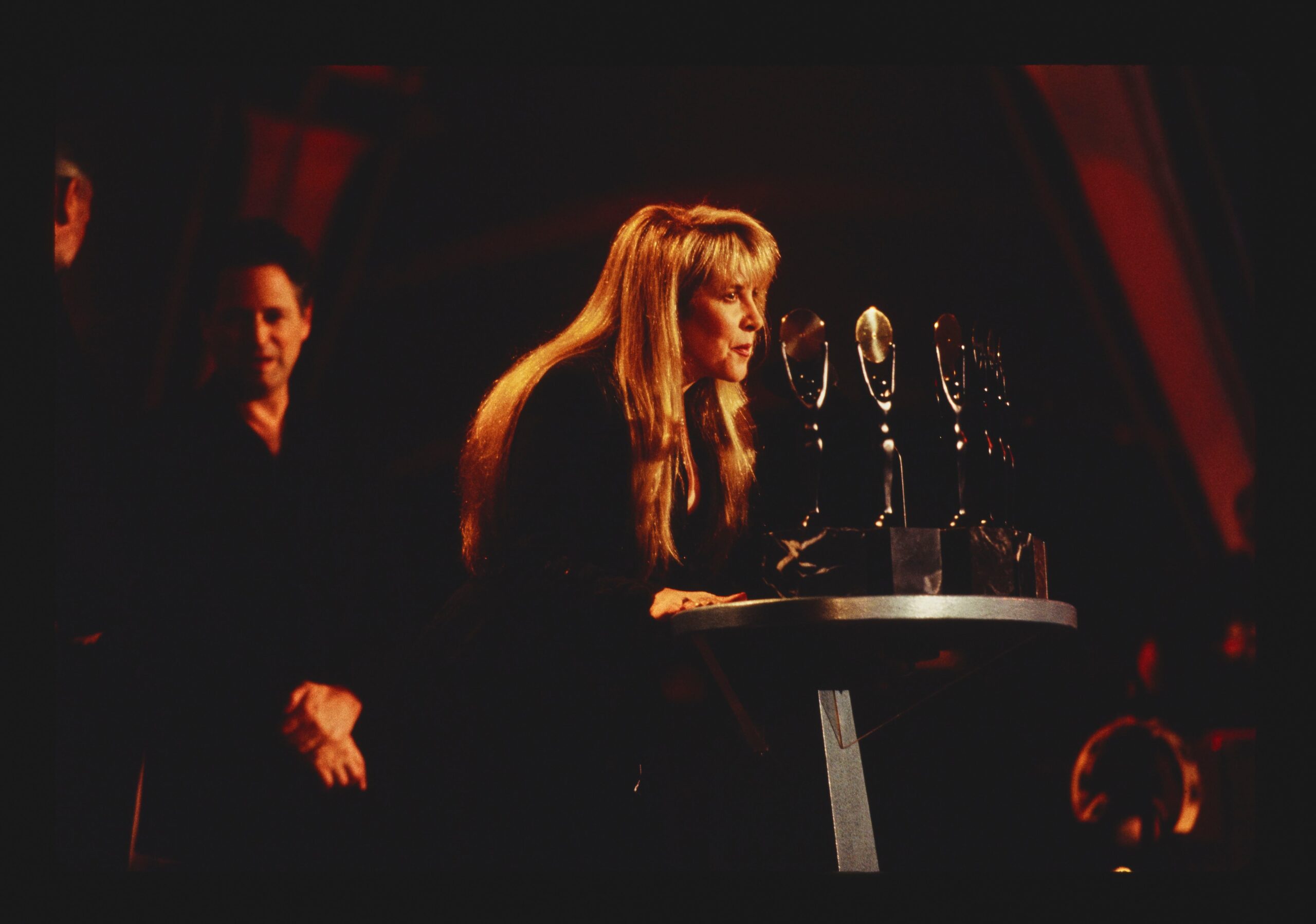
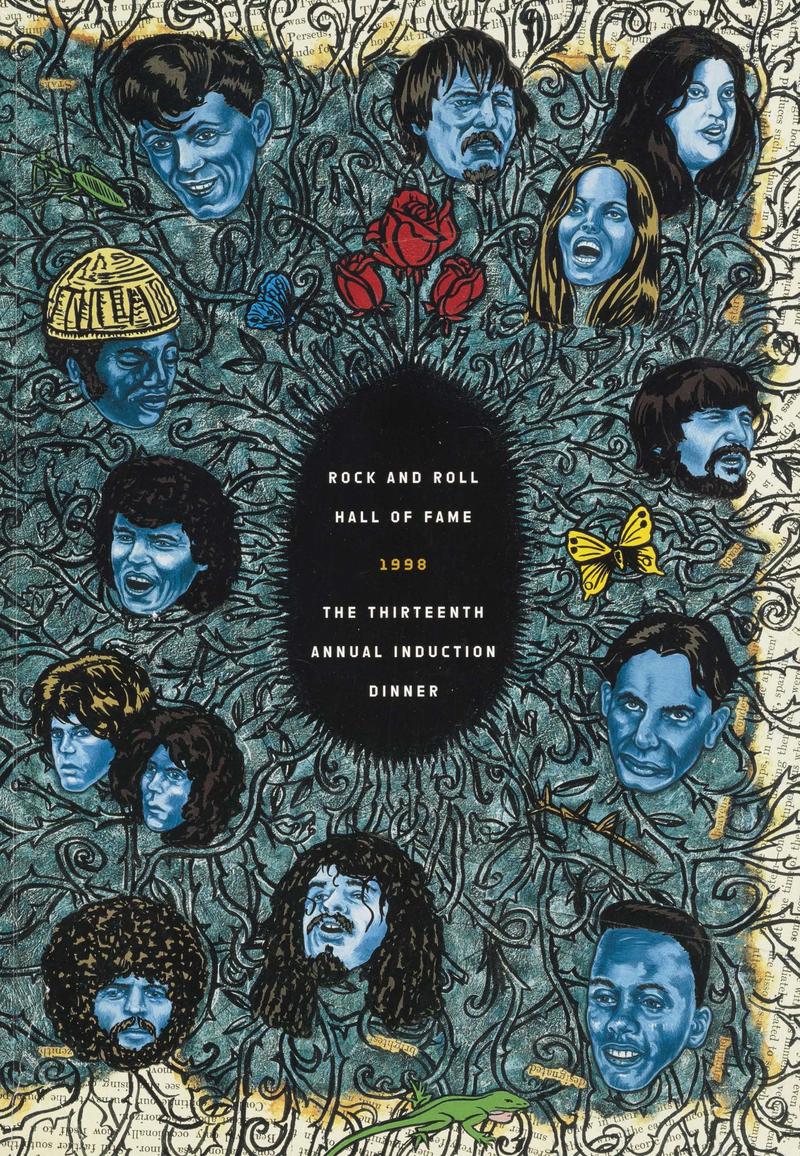
January 12, 1998: Fleetwood Mac is inducted into the Rock and Roll Hall of Fame at the thirteenth annual induction dinner. Sheryl Crow is their presenter.
April 16, 1998: ‘Rumours’, by Fleetwood Mac, is certified by the RIAA for sales of 18 million copies.
Essential Songs
Don’t Stop
Rhiannon
The Chain
Dreams
Oh Well
Landslide
Go Your Own Way
Tusk
Black Magic Woman
Sentimental Lady
Recommended Reading
Fleetwood Mac: The First 30 Years
Bob Brunning. London: Omnibus Press, 1998.
Peter Green-Founder of Fleetwood Mac: The Authorized Biography
Martin Celmins. New York: Music Sales Corp., 1998.
Fleetwood: My Life and Adventures in Fleetwood Mac
Mick Fleetwood with Stephen Davis. New York: Morrow, 1990.
“Fleetwood Mac; Never Break the Chain.”
Amy Hanson. Goldmine (November 21, 1997): 16-20, 150+.
Fleetwood Mac Through the Years
Edward Wincentsen. Pickens, SC: Wynn Publishing, 1999.