Frank Zappa
Induction Year: 1995
Induction Category: Performer
Inductee: Frank Zappa (guitar, keyboards, Synclavier, vocals; born December 21, 1940, died December 4, 1993)
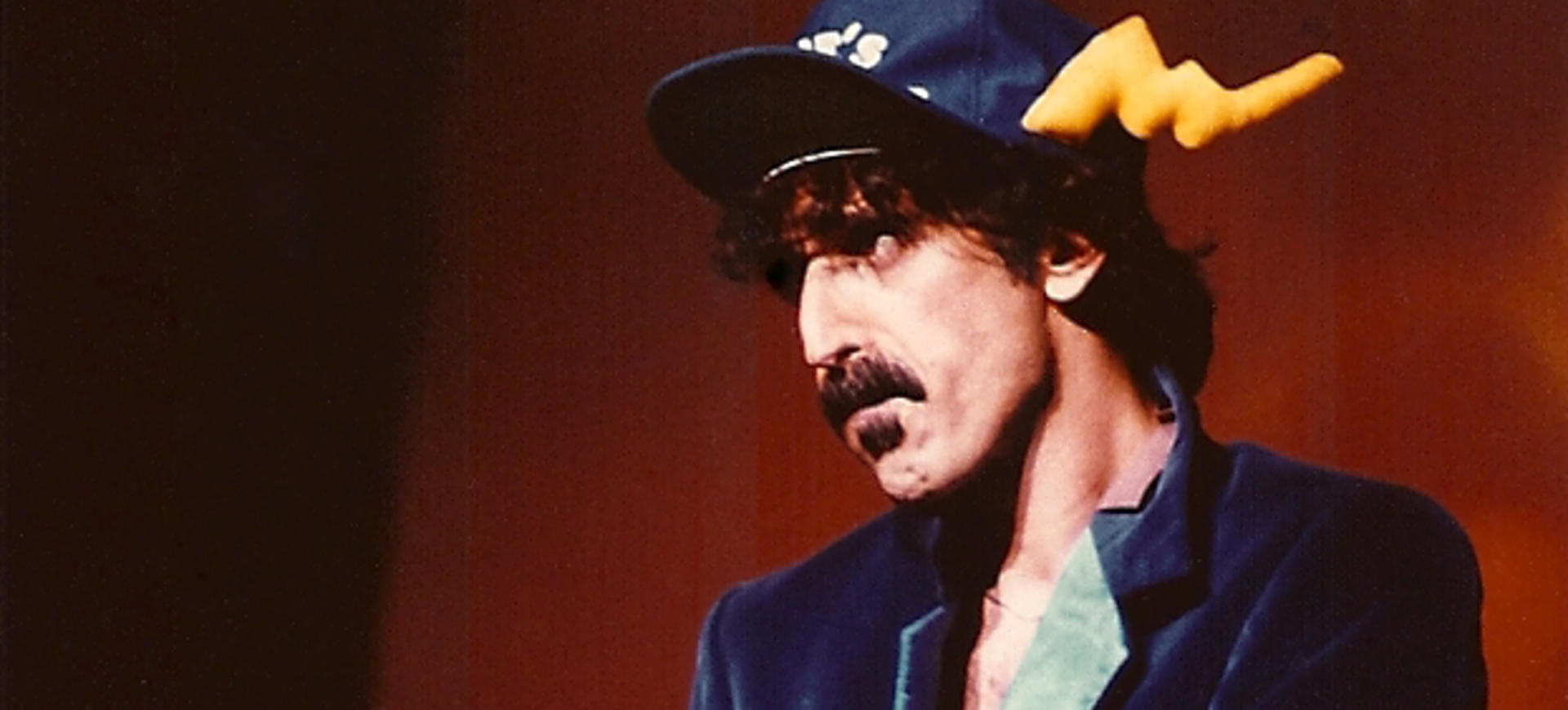
Frank Zappa was rock and roll’s sharpest musical mind and most astute social critic. He was the most prolific composer of his age, and he bridged genres – rock, jazz, classical, avant-garde and even novelty music - with masterful ease. Under his own name and with the Mothers of Invention, Zappa recorded 60 albums’ worth of material in his 52 years. Many were double albums or CDs, making his output even more impressively huge. Not surprisingly, he was occupied nearly every waking hour by the composing, recording, editing and performing of music. He also found time to produce and collaborate with acts as widely varied as Captain Beefheart, Jean-Luc Ponty, Grand Funk Railroad, Wild Man Fischer, the London Symphony Orchestra and Berlin’s Ensemble Modern.
Zappa challenged the status quo on many fronts. As a plainspoken curmudgeon, he confronted the corrupt politics of the ruling class and held the banal and decadent lifestyles of his countrymen to unforgiving scrutiny. He pioneered the artist-run independent record label, launching his Straight and Bizarre imprints back in 1969 and later founding the Zappa, DiscReet and Barking Pumpkin labels. In the Sixties, he mocked middle-class mores in “Brown Shoes Don’t Make It” (from Absolutely Free) and sang about the climate of racial inequality and discord on “Trouble Every Day” (from Freak Out). In the Seventies, he satirized everything in sight, including disco music (“Dancin’ Fool,” from Sheik Yerbouti) and new-age movements (“Cosmik Debris,” from Apostrophe). In the Eighties, he enjoyed his one and only Top Forty hit, “Valley Girl,” and took on the Parents Music Resource Center (PMRC), delivering memorable testimony about the First Amendment at a congressional hearing.
He was born Frank Vincent Zappa in Baltimore, Maryland. Gifted with a keen interest in music from an early age, he became conversant in everything from doo-wop - to which he cast an affectionate nod on the album Cruising With Ruben and the Jets - to the “serious” music of classical composers Bartok and Stravinksky and avant-garde pioneers Varese and Shoenberg. In 1965, Zappa joined the Mothers of Invention (previously the Soul Giants and later, simply the Mothers), who were deliberately and diabolically unconventional. From the way they dressed to the music they played, Zappa intended the Mothers to be provocative, controversial and unafraid of the consequences. He often quoted mentor Edgard Varese’s credo, “The present-day composer refuses to die!”
Zappa brought a high degree of compositional sophistication to a genre that had typically taken its cues from the simplistic chord progressions of songs like “Louie, Louie.” At the same time, Zappa freely acknowledged the naive genius of “Louie, Louie” and the unalloyed brilliance of Fifties doo-wop and R&B, even incorporating them into his program material. Zappa greatly extended the range of rock, composing oratorios, symphonic pieces, ballets, digitized extravaganzas for the Synclavier keyboard, and satirical musicals. A brilliant guitar soloist who recruited similarly adventurous musicians, Zappa helped further the art of improvisation in a rock context. Over the years, his ensembles included such notable musicians as keyboardist George Duke and guitarist Steve Vai.
Throughout his career, Zappa darkly but humorously depicted a landscape of wasted human enterprise largely driven by Pavlovian desires for consumer goods, sports and sex. His brutal jibes began with the first release by the Mothers of Invention, Freak Out (1966), and continued to the posthumous release of his final recorded work, Civilization Phaze III (1995). He reserved some of his keenest insults for rock journalists, which he once described as “people who can’t write interviewing people who can’t talk for people who can’t read.” But mainly he vented against mindless hedonism and the dumbing down of popular culture.
Rock’s foremost satirist tempered his borderline misanthropy with a high regard for human potential and a fierce belief in free speech and the ideal of democracy. Zappa frankly hated much about what America had become in the late 20th century, expressing deep disgust in this couplet from We’re Only In It for the Money’s “Concentration Moon”: “American way, try and explain/Scab of a nation driven insane.” His finest hour as a songwriter/satirist may have been “Brown Shoes Don’t Make It,” a seven-minute suite from a self-described “underground oratorio” that appeared on the second Mothers album, Absolutely Free (1967). In this audacious indictment of the American Dream gone awry, Zappa foresaw coming trends, equating political power with personal immorality (“A world of secret hungers perverting the men who make your laws”), reproving the vapid pastimes of a dim-witted citizenry (“Do your job and do it right/Life’s a ball!/TV tonight), and pointing out the stultifying effects of the corporate state upon the individual (“Be a loyal plastic robot for a world that doesn’t care”).
Zappa’s work sold largely to a core audience who faithfully attended his concerts and bought his records. His popularity with a broader audience peaked in 1973-74 with the albums Over-nite Sensation and Apostrophe, which married crude humor and virtuoso playing; both went gold (500,000 copies sold). Zappa finally infiltrated the Top Forty in 1982 with “Valley Girl,” a keenly observed satire of California “airhead” culture, complete with slang-driven repartee from daughter Moon Unit. This song’s title subsequently became a national catchphrase. At last being given some overdue recognition by the music industry, Zappa also went on to win a Grammy for his 1986 album Jazz from Hell.
With an unswerving conviction in his own rectitude, Zappa remained an often brilliant voice of dissent to the end of his career. When the music industry began branding albums with voluntary warnings about offensive content under pressure from the PMRC in the mid-Eighties, Zappa wrote a disclaimer of his own, which he stickered on his releases:
“WARNING! This album contains material which a truly free society would neither fear nor suppress. The language and concepts contained herein are guaranteed not to cause eternal torment in the place where the guy with the horns and pointed stick conducts his business. This guarantee is as real as the threats of the video fundamentalists who use attacks on rock music in their attempt to transform America into a nation of check-mailing nincompoops (in the name of Jesus Christ). If there is a hell, its fires wait for them, not us.”
In 1993, Frank Zappa died at age 52 of prostate cancer, but not before culling, mixing and sequencing enough material from his vast archive to ensure the release of even more albums long after his passing.
TIMELINE
December 21, 1940: Frank Vincent Zappa (a.k.a. Frank Zappa) is born in Baltimore, Maryland.
May 22, 1963: Frank Zappa opens Studio Z in Cucamonga, California.
May 10, 1964: The first edition of Frank Zappa’s long-running group, the Mothers, performs in Pomona, California.
June 30, 1964: Frank Zappa joins The Mothers, later to be amended to the Mothers of Invention.
February 26, 1965: ‘Freak Out,’ the debut album by the Frank Zappa-led Mothers of Invention, is released. This double album contains “Help I’m a Rock” and “Trouble Every Day.”
June 26, 1967: At the height of the “Summer of Love,” the Mothers of Invention release ‘Absolutely Free,’ a dark-themed album from the anti-establishment mind of bandleader Frank Zappa.
March 4, 1968: ‘We’re Only in It for the Money,’ by the Mothers of Invention, is released. Composed by bandleader Frank Zappa, it satirizes hippie culture and the Beatles’ ‘Sgt. Pepper.’
June 30, 1968: Frank Zappa releases ‘Lumpy Gravy’.
April 21, 1969: Frank Zappa’s Mothers of Invention release ‘Uncle Meat,’ a sprawling and largely instrumental double-album masterwork.
June 16, 1969: ‘Trout Mask Replica,’ by Captain Beefheart and His Magic Band, is released. This avant-garde classic is produced by Frank Zappa and released on his Straight record label.
October 15, 1969: ‘Hot Rats,’ a largely instrumental solo album by Frank Zappa, is released. It contains one of his signature compositions, “Peaches En Regalia.”
March 29, 1970: The Mothers of Invention hit #17 in the UK and #94 in the US with ‘Burnt Weeny Sandwich’.
March 30, 1970: Frank Zappa hits #9 in the UK with ‘Hot Rats’.
May 15, 1970: The Mothers of Invention perform with the Los Angeles Philharmonic Orchestra, conducted by Zubin Mehta. Frank Zappa cues the esteemed conductor with the command, “Hit it, Zuben!”
May 15, 1970: Frank Zappa’s film, ‘200 Motels’, premieres.
June 5-6, 1971: A memorable two-night stand by the Mothers, featuring Frank Zappa, results in the popular live album ‘Fillmore East, June 1971.’
June 6, 1971: John Lennon & Yoko Ono jam with Frank Zappa at the Fillmore East in New York City, recorded for subsequent release on the Plastic Ono Band album ‘Sometime in New York City’.
September 7, 1973: ‘Over-nite Sensation,’ by the Mothers (a.k.a. Frank Zappa and band), is released. One of Zappa’s most popular released, it contains the favorites “Dirty Love” and “Dinah-Moe Humm.”
March 22, 1974: ‘Apostrophe,’ Frank Zappa’s highest-charting album, is released. It reaches #10 and becomes Zappa’s second consecutive gold album.
April 11, 1975: The six-week “Bongo Fury” tour, on which Frank Zappa and the Mothers are joined by Captain Beefheart on vocals, commences.
November 16, 1975: Frank Zappa hits #6 in the US with ‘Bongo Fury’.
August 9, 1976: ‘Good Singin,’ Good Playin’’—a Grand Funk Railroad album produced by Frank Zappa—is released.
October 21, 1978: Frank Zappa hosts ‘Saturday Night Live.’
March 3, 1979: Frank Zappa releases ‘Sheik Yerbouti,’ a double album that contains the disco parody single “Dancin’ Fool.”
September 3, 1979: Frank Zappa releases ‘Joe’s Garage Act I,’ followed two months later by ‘Joe’s Garage, Acts II & III.’ Zappa describes his magnum opus as “a stupid story about how the government is going to try to do away with music.”
May 11, 1981: Frank Zappa releases four albums in one day: ‘Tinseltown Rebellion’ (a double album), ‘Shut Up ‘N Play Yer Guitar,’ ‘Shut Up ‘N Play Yer Guitar Some More,’ and ‘Return of the Son of Shut Up ‘N Play Yer Guitar.’
September 4, 1982: “Valley Girl,” co-written by Frank Zappa and daughter Moon Unit, enters the Top Forty, where it will peak at #2.
September 13, 1982: Frank Zappa hits US #32 with “Valley Girl”, featuring his daughter Moon Unit.
September 18, 1985: Frank Zappa delivers a brilliantly cutting monologue on censorship before the State Committee on Commerce, Science and Transportation, rebutting efforts by the Parents Music Resource Council (PMRC) to have warning labels placed on albums.
November 21, 1985: ‘Frank Zappa Meets the Mothers of Prevention,’ featuring the epic “Porn Wars,” is released.
March 2, 1988: The album ‘Jazz from Hell’ wins Frank Zappa a Grammy for Best Rock Instrumental.
June 9, 1988: Frank Zappa performs at the Palasport, in Genoa, Italy. It is his final performance on his final tour.
November 2, 1993: ‘The Yellow Shark,’ an album of Frank Zappa conducting the Ensemble Modern, who perform 19 of his compositions, is released. It is the last album by Zappa released in his lifetime.
December 4, 1993: Frank Zappa dies of prostate cancer at home in Los Angeles, California.
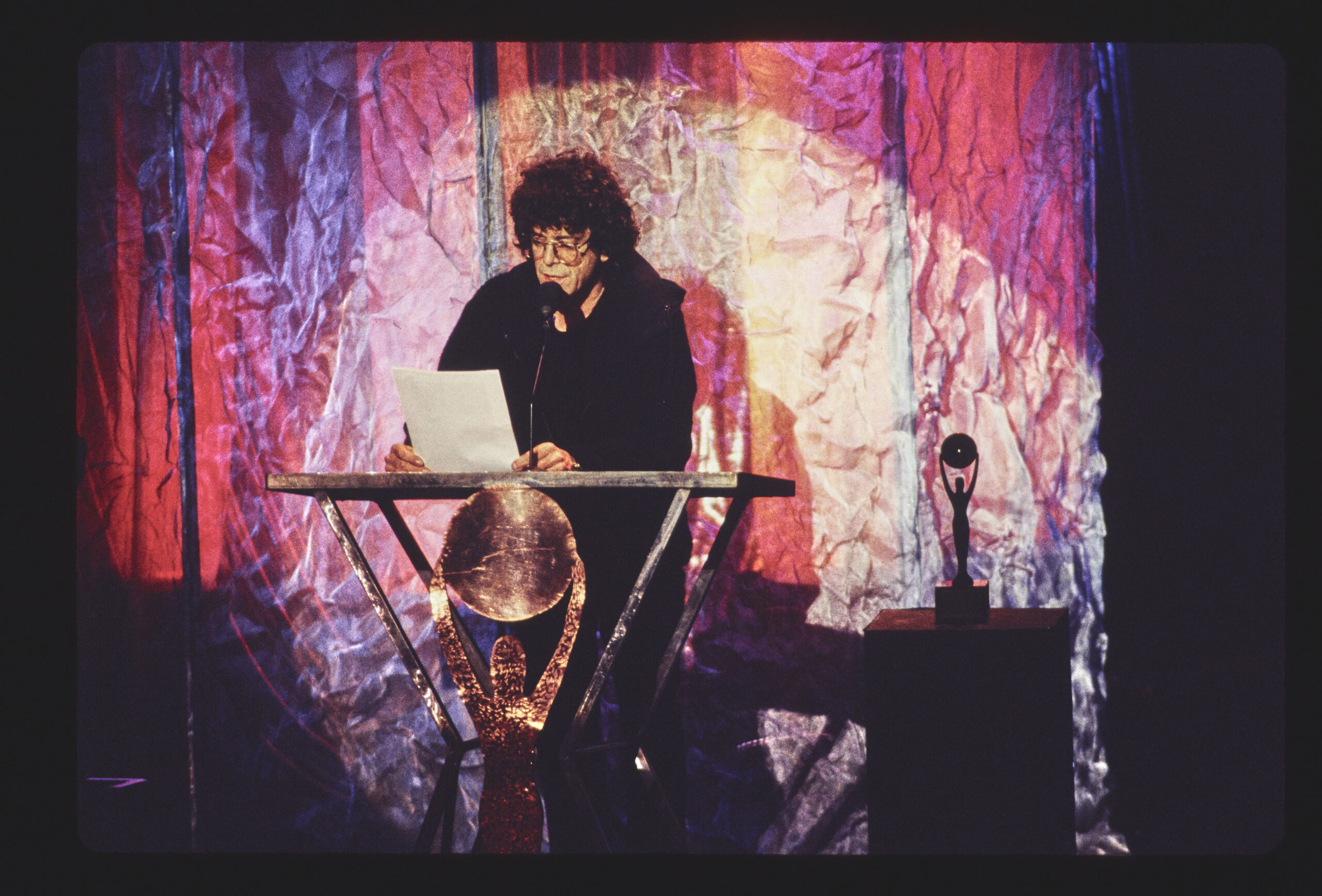
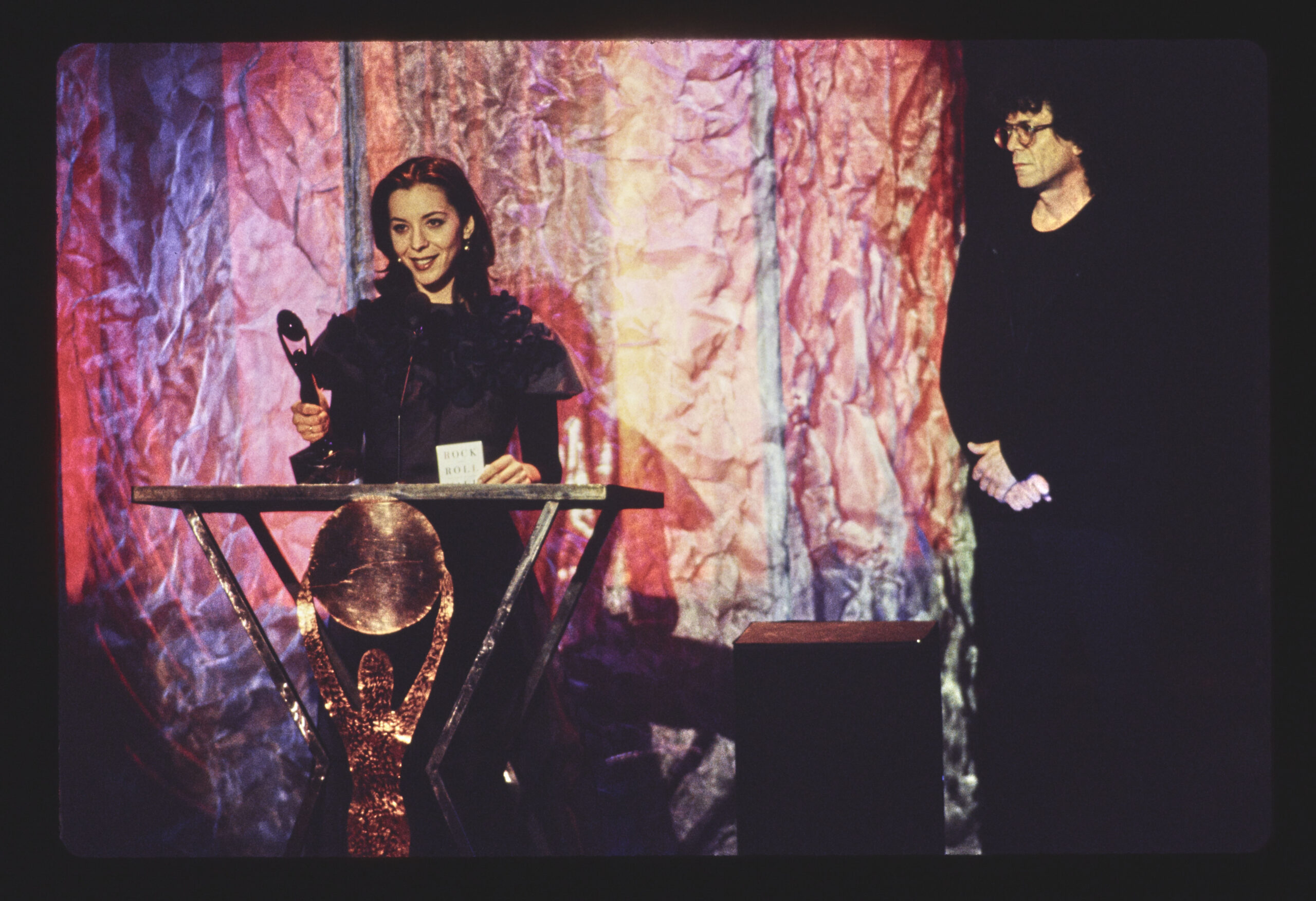
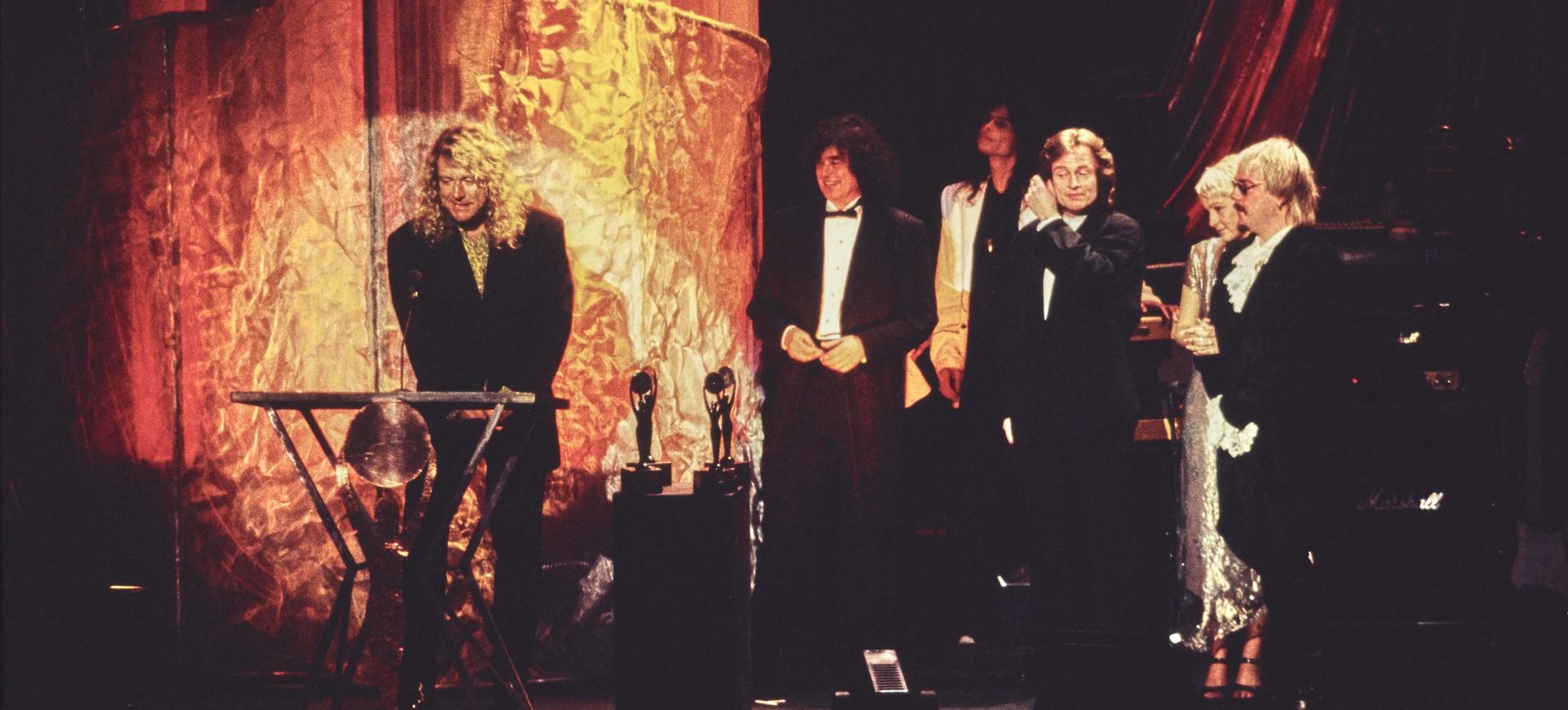
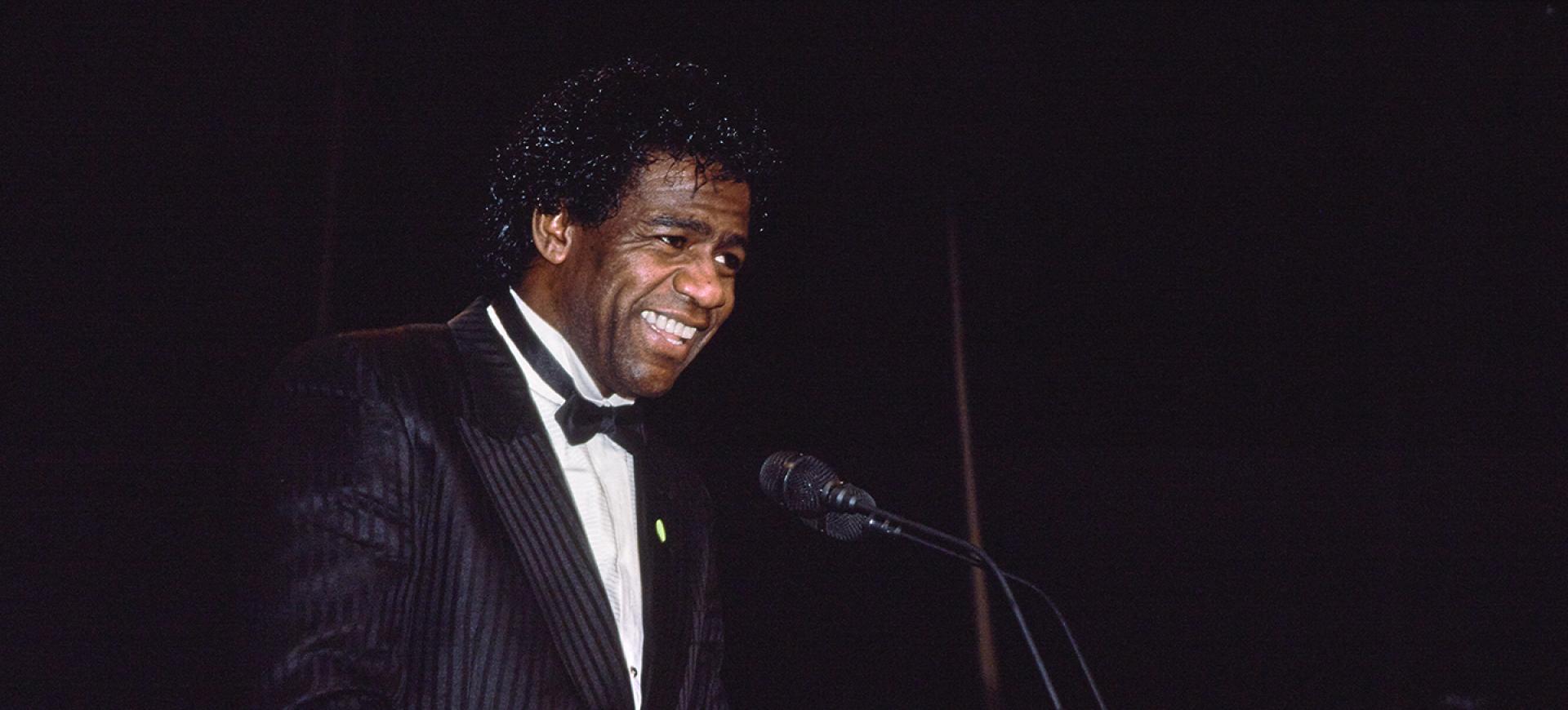
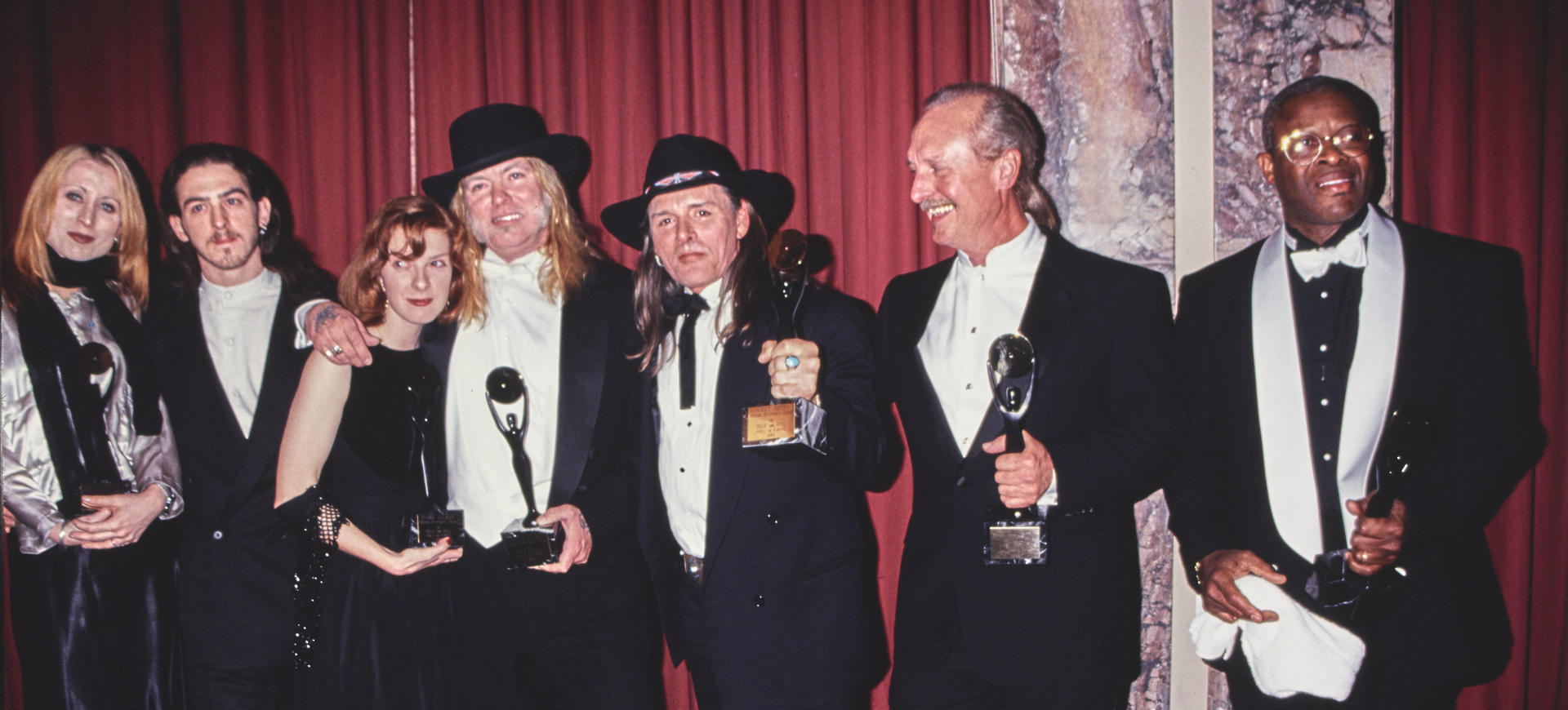
January 12, 1995: Frank Zappa is inducted into the Rock and Roll Hall of Fame at the tenth annual induction dinner. Lou Reed is his presenter.
September 24, 1996: Frank Zappa’s legendary ‘Läther’ - originally intended for release as an four-LP set in 1977 but rejected by his record label – is posthumously issued as the artist intended as a three-CD set on the Ryko label.
Essential Recordings
Peaches En Regalia
Brown Shoes Don’t Make It
King Kong
Trouble Every Day
Joe’s Garage
Valley Girl
Cosmik Debris
Dancin’ Fool
G-Spot Tornado
Watermelon in Easter Hay
Recommended Reading
Mother!: The Frank Zappa Story
Michael Gray. London: Plexus Publishing, 2001.
The Frank Zappa Companion: Four Decades of Commentary
Richard Kostelanetz and John Rocco. New York: Schirmer Books, 2000.
Frank Zappa: The Negative Dialectics of Poodle Play
David Watson. New York: St. Martin’s Press, 1995.
The Real Frank Zappa Book
Frank Zappa and Peter Occhiogrosso. New York: Simon & Schuster, 1990.