Howlin’ Wolf
Induction Year: 1991
Induction Category: Early Influence
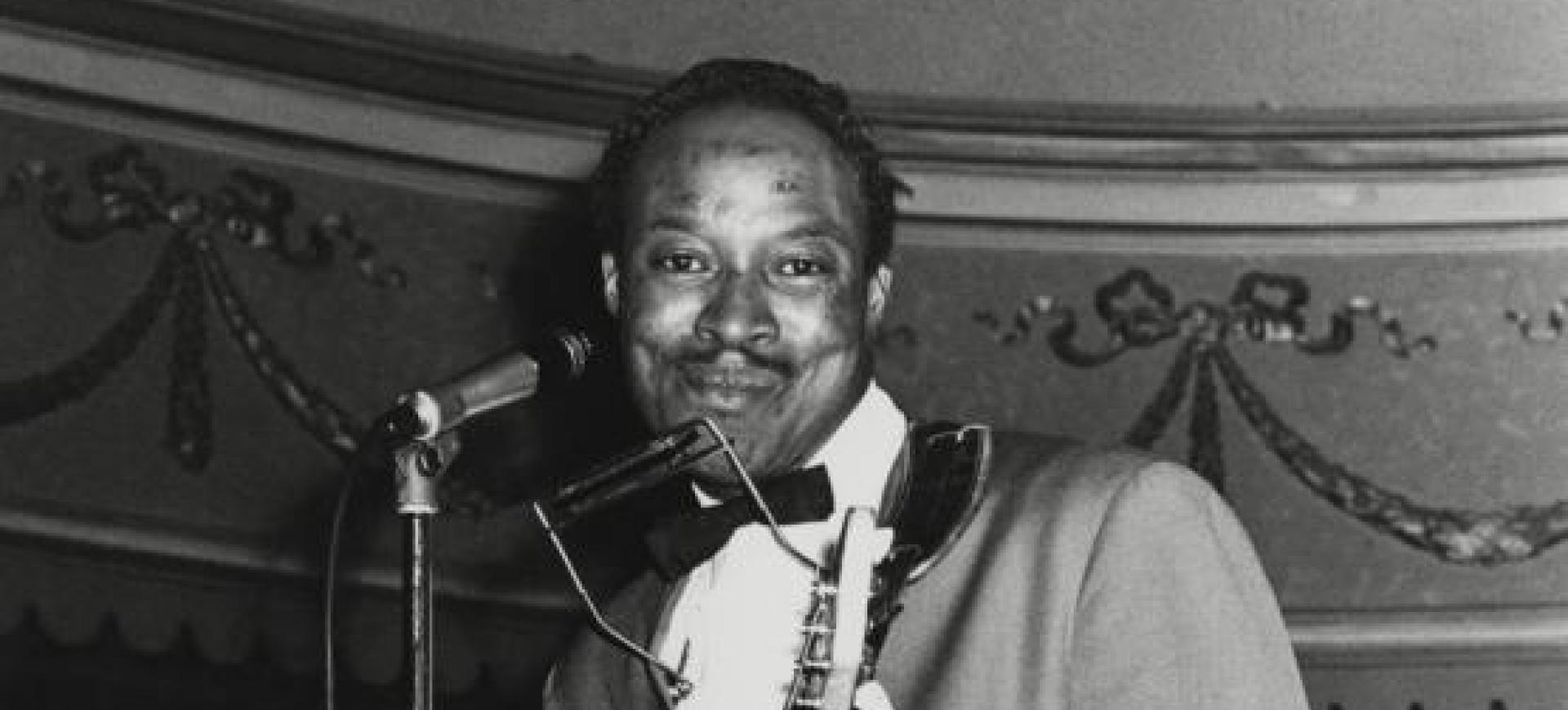
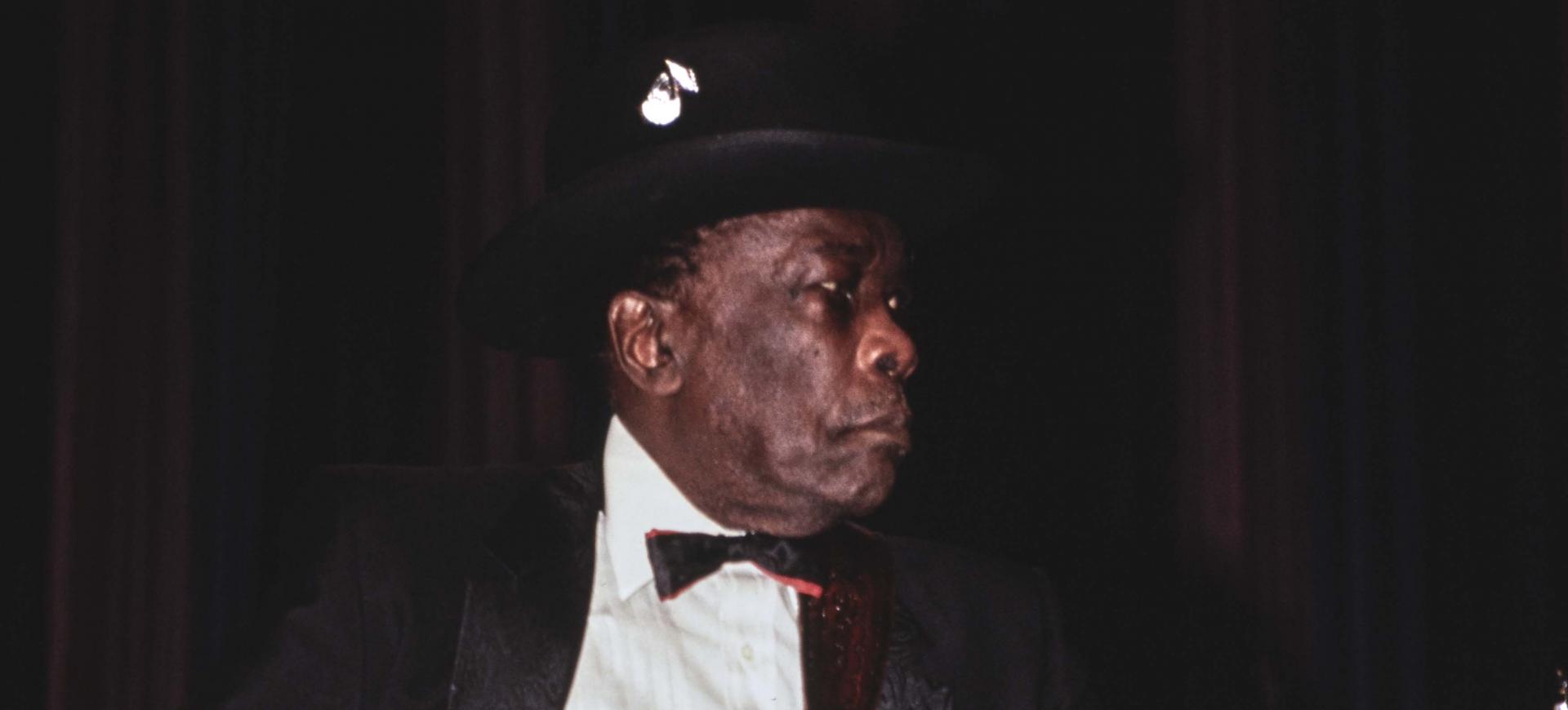
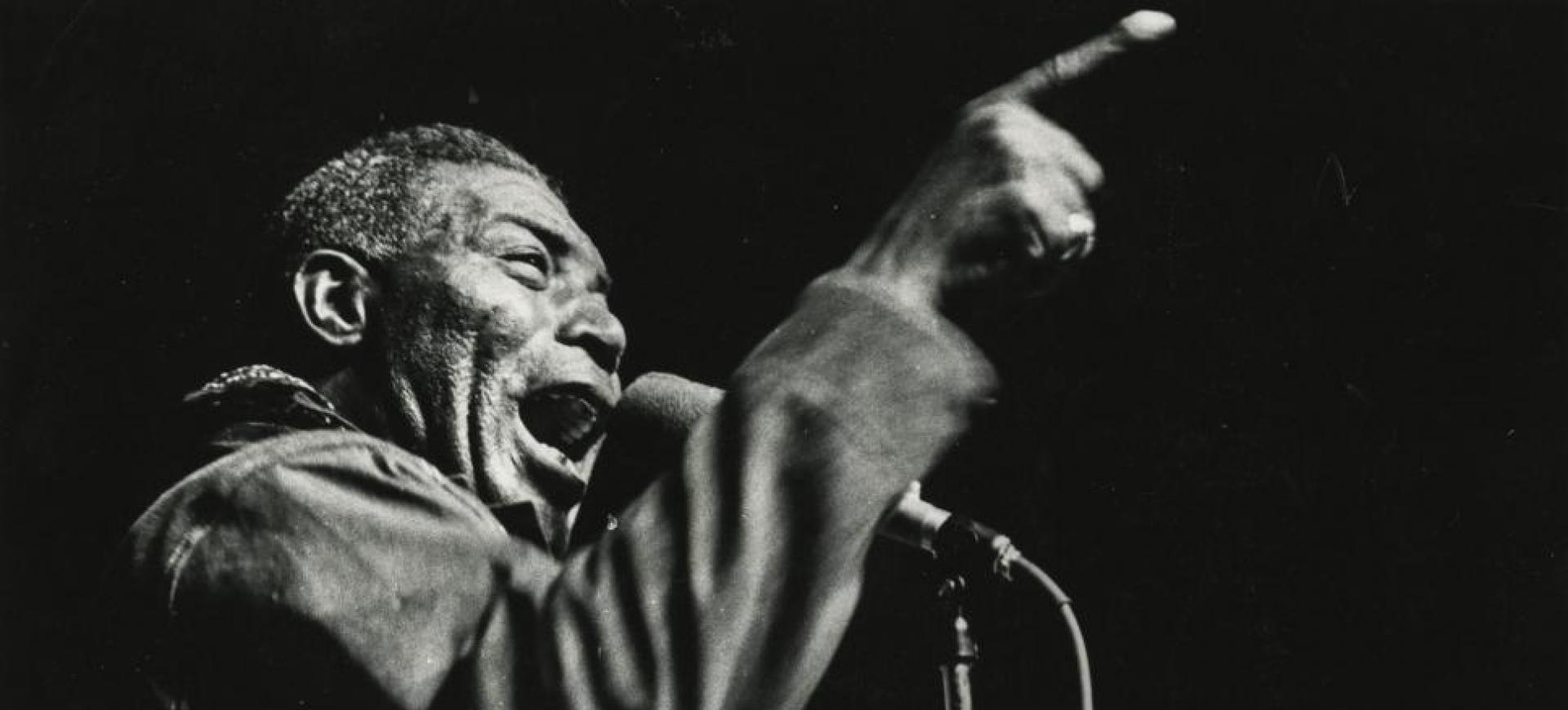
"Howlin’ Wolf ranks among the most electrifying performers in blues history, as well as one of its greatest characters. He was a ferocious, full-bodied singer whose gruff, rasping vocals embodied the blues at its most unbridled. A large man who stood more than six feet tall and weighed nearly 300 pounds, Howlin’ Wolf cut an imposing figure, which he utilized to maximum effect when performing. In the words of blues historian Bob Santelli, “Wolf acted out his most potent blues, becoming the living embodiment of its most powerful forces.” Howlin’ Wolf cut his greatest work in the Fifties for the Chicago-based Chess Records. Many songs with which he is most closely identified - “Spoonful,” “Back Door Man,” “Little Red Rooster” and “I Ain’t Superstitious” - were written for him by bluesmen Willie Dixon, a fixture at Chess Records who also funneled material to Wolf’s main rival, Muddy Waters. Howlin’ Wolf himself was an estimable songwriter, responsible for such raw classics as “Killing Floor,” “Smokestack Lightning” and “Moanin’ at Midnight.”
In 1910, Howlin’ Wolf was born on a Mississippi plantation in the midst of a blues tradition so vital it remains the underpinning for much of today’s popular music. His birth name was Chester Arthur Burnett; “Howlin’ Wolf” was a nickname he picked up in his youth. He was exposed to the blues from an early age through such performers as Charley Patton and Willie Brown, who performed at plantation picnics and juke joints. Wolf derived his trademark howl from the “blue yodel” of country singer Jimmie Rodgers, whom he admired. Although he sang the blues locally, it wasn’t until he moved to West Memphis in 1948 that he put together a full-time band. Producer Sam Phillips recorded Howlin’ Wolf at his Memphis Recording Service (later Sun Records) after hearing him perform on radio station KWEM. Some of the material was leased to Chess Records, and in the early Fifties Howlin’ Wolf signed with Chess and moved to Chicago. He remained there until his death.
Howlin’ Wolf served to influence such blues-based rock musicians as the Rolling Stones and Eric Clapton. In fact, he recorded a pair of albums - The London Howlin’ Wolf Sessions and London Revisited - with his British disciples in the early Seventies. Howlin’ Wolf’s distinctive vocal style and rough-hewn approach to the blues can also be heard in the work of such diverse artists as Captain Beefheart and His Magic Band and Led Zeppelin. Slowed down for much of the Seventies due to serious internal injuries suffered in an automobile accident, Howlin’ Wolf gave his last performance in Chicago in November 1975 with fellow blues titan B.B. King. He died of kidney failure two months later.”
TIMELINE
June 10, 1910: Howlin’ Wolf was born.
January 1, 1950: Sam Phillips opens Memphis Recording Service at 706 Union Avenue. He begins recording several local blues artists, including B.B. King, Howlin’ Wolf and James Cotton.
1951: Sam Phillips records Howlin’ Wolf for Chess Records.
June 1, 1951: Jackie Brenston’s “Rocket 88,” recorded by Sam Phillips and released by Chicago’s Chess Records, hits Number One on the R&B chart. It is widely acknowledged as the first rock and roll record. The same month Phillips records “How Many More Years"/"Moanin’ At Midnight,” the first single by bluesman Howlin’ Wolf.
January 10, 1976: Delta bluesman Howlin’ Wolf dies at the age of 66.
1991: Howlin’ Wolf is inducted into the Rock and Roll Hall of Fame.
Essential Recordings
Spoonful
Smokestack Lightnin’
Back Door Man
I Ain’t Superstitious
The Red Rooster
Killing Floor
Wang Dang Doodle
Evil
Moanin’ at Midnight
How Many More Years