Rock and Roll Hall of Fame and Museum

Isaac Hayes

Induction Year: 2002

Induction Category: Performer


Inductee: Isaac Hayes (vocals, keyboards, production; born August 20, 1942, died August 10, 2008)

Isaac Hayes is a multi-faceted talent: songwriter, producer, sideman, solo artist, film scorer, actor, rapper and deejay. He has been hugely influential on the rap movement as both a spoken-word pioneer and larger-than-life persona who’s influenced everyone from Barry White to Puff Daddy. Hayes is best known for his soundtrack to Shaft, one of the first and best “blaxploitation” films, and for the song “Theme from ‘Shaft,’” a Top Ten hit. But his varied resume boasts everything from backing up and writing for and others at Stax Records in the Sixties to serving as the voice of Chef on South Park in the Nineties. At the peak of his popularity in the early Seventies, Hayes devised the character “Black Moses,” based on his public persona. With his shaved head, dark glasses, bulging muscles, gold chains, fur coats and serious, unsmiling demeanor, Hayes came off as both a potent sex symbol and an icon for African-American pride. Moreover, according to , founder of Stax Records, “Isaac Hayes is one of the main roots of the Memphis Sound.”

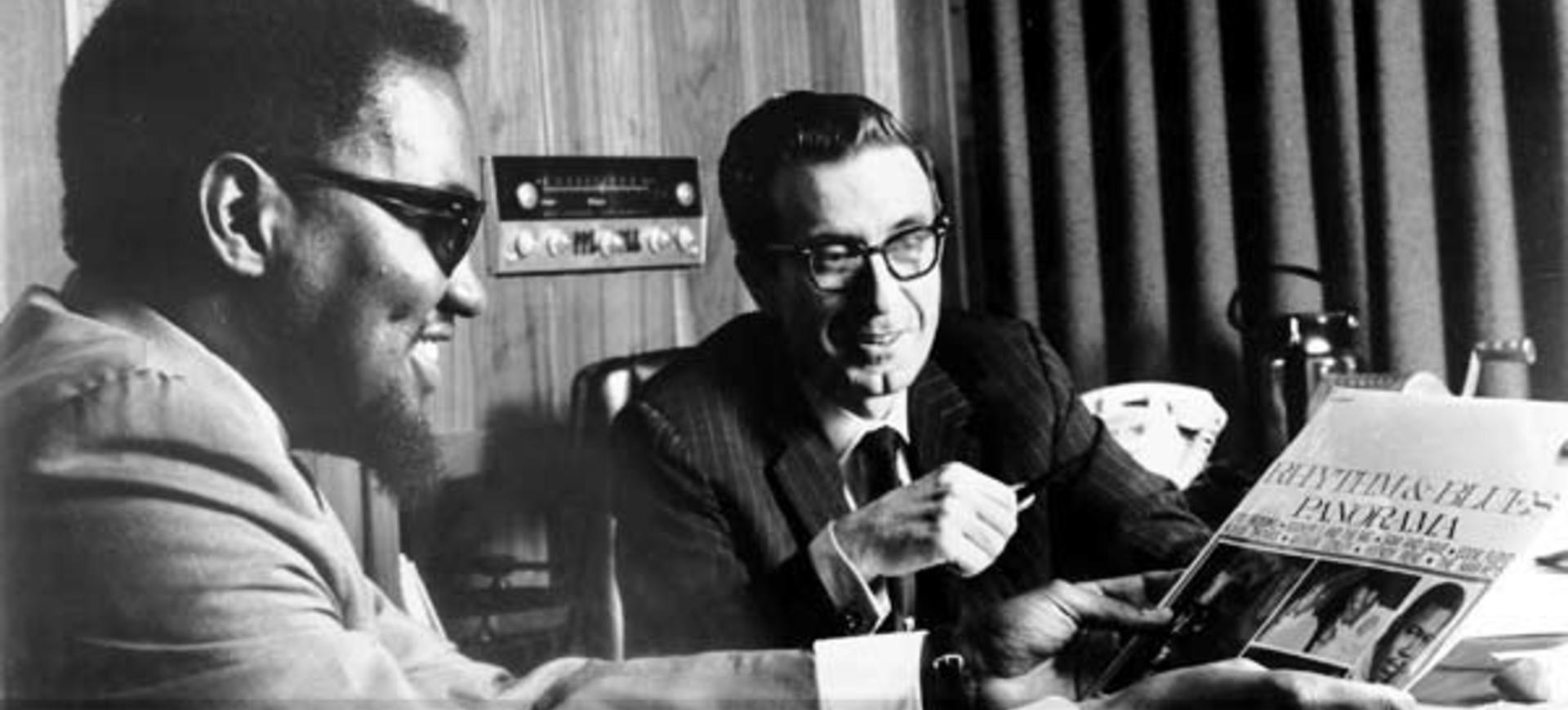
Raised in and around Memphis, Hayes signed on as a sessionman at Stax Records in 1964. His first session was for The Great Sings Soul Ballads (released on Volt Records, a Stax subsidiary). He and lyricist David Porter became a formidable songwriting team at Stax. Hayes and Porter bonded with the soul duo , writing and producing a run of hits that included “Hold On, I’m Coming,” “Soul Man” and “I Thank You.” They also wrote “B-A-B-Y” for Carla Thomas and hits for the Emotions, the Soul Children, Mable John and Lou Rawls. As a keyboardist and producer, Hayes was an important element in the Stax/Volt sound. All the while, he was itching to sing and hearing a different sound in his head. “I wanted to sing pop music, easy listening, but Memphis was stone R&B,” he told Rolling Stone in 1970.

The origins of Hayes’ style came following a Stax Christmas party, when Hayes, bassist Duck Dunn and drummer Al Jackson, Jr., began playing around in the studio. They hit on a unique approach, recasting pop hits in lengthy arrangements featuring spoken monologues from Hayes and jazzy, orchestrated middle sections. His first album, Introducing Isaac Hayes, appeared in 1967 but failed to chart. Hayes’ breakthrough came with his second solo album, Hot Buttered Soul (1969), which revolutionized soul music by bringing a more silky, adult sound to it – and by interpolating lengthy pillow-talk monologues, which Hayes called “raps.” Hot Buttered Soul contained only four tracks, and two of them – remakes of Dionne Warwick’s “Walk on By” and Glen Campbell’s “By the Time I Get to Phoenix” – ran twelve and nineteen minutes long, respectively. Edited versions of both songs made up a double-sided hit single on the pop and R&B charts in 1969.

Though Hayes has cracked the Top Forty numerous times over the years – the Oscar-winning “Theme from ‘Shaft,’” his biggest hit, topped the charts for two weeks in 1971 – his approach was generally more suited to the album format, where he could stretch out and set a mood with his soulful, rap-filled symphonettes. From 1969 to 1975, Hayes released a string of Top Twenty albums: Hot Buttered Soul (#8, 1969), The Isaac Hayes Movement (#8, 1970), To Be Continued (#11, 1970), Shaft (#1, 1971), Black Moses (#10, 1971), Live at the Sahara Tahoe (#14, 1973), Joy (#16, 1973) and Chocolate Chip (#18, 1975). He also appeared in Wattstax, a concert film and soundtrack spotlighting Stax artists.

In addition to music, Hayes has appeared in a number of action-adventure and comedy films and served as the voice of “Chef” on the animated TV show South Park. He’s also been a morning deejay at KISS-FM in New York. On a more serious note, he has been heavily involved in charitable causes and humanitarian and development efforts in the African nation of Ghana.

TIMELINE

August 20, 1942: Isaac Hayes is born in Covington, Tennessee.

July 23, 1965: Isaac Hayes plays keyboards on his first session for Stax Records, which yields the classics “Respect” and “I’ve Been Lovin’ You Too Long.”

November 23, 1967: “Soul Man,” by Isaac Hayes, tops the R&B chart and peaks at #2 on the pop chart. The song is one of 200 written by the team of Isaac Hayes and David Porter for Stax Records artists.

July 12, 1969: ‘Hot Buttered Soul,’ the album that introduces Isaac Hayes to the world, enters the album chart, where it will peak at #8.

September 6, 1969: “Walk On By” b/w “By the Time I Get to Phoenix” becomes Isaac Hayes’ first charting single as a solo artist – and a double-sided hit, to boot.

November 20, 1971: “Theme from ‘Shaft,’” by Isaac Hayes, reaches #1 for the first of two weeks. Shaft, the soundtrack album from which it came, hits #1 as well.

December 23, 1971: ‘Black Moses,’ the double album that introduces Isaac Hayes’ most memorable guise, is released.

March 14, 1972: Isaac Hayes wins an Academy Award for “Theme from ‘Shaft,’” making him the first African-American composer to be so honored. It also won two Grammys, a Golden Globe award and the NAACP Image Award.

December 15, 1973: “Joy,” by Isaac Hayes, enters the R&B charts, where it will peak at #7. It will be the last time he cracks the R&B Top Ten until 1986.

February 23, 1980: Isaac Hayes makes the Top Twenty with “Don’t Let Go,” a disco remake of an old R&B hit.

October 25, 1986: “Ike’s Rap,” by Isaac Hayes - a comeback single with an anti-crack message - enters the R&B chart, where it will peak at #9.

July 23, 1994: Isaac Hayes is crowned a king in Ghana for his humanitarian work and economic efforts on the country’s behalf.

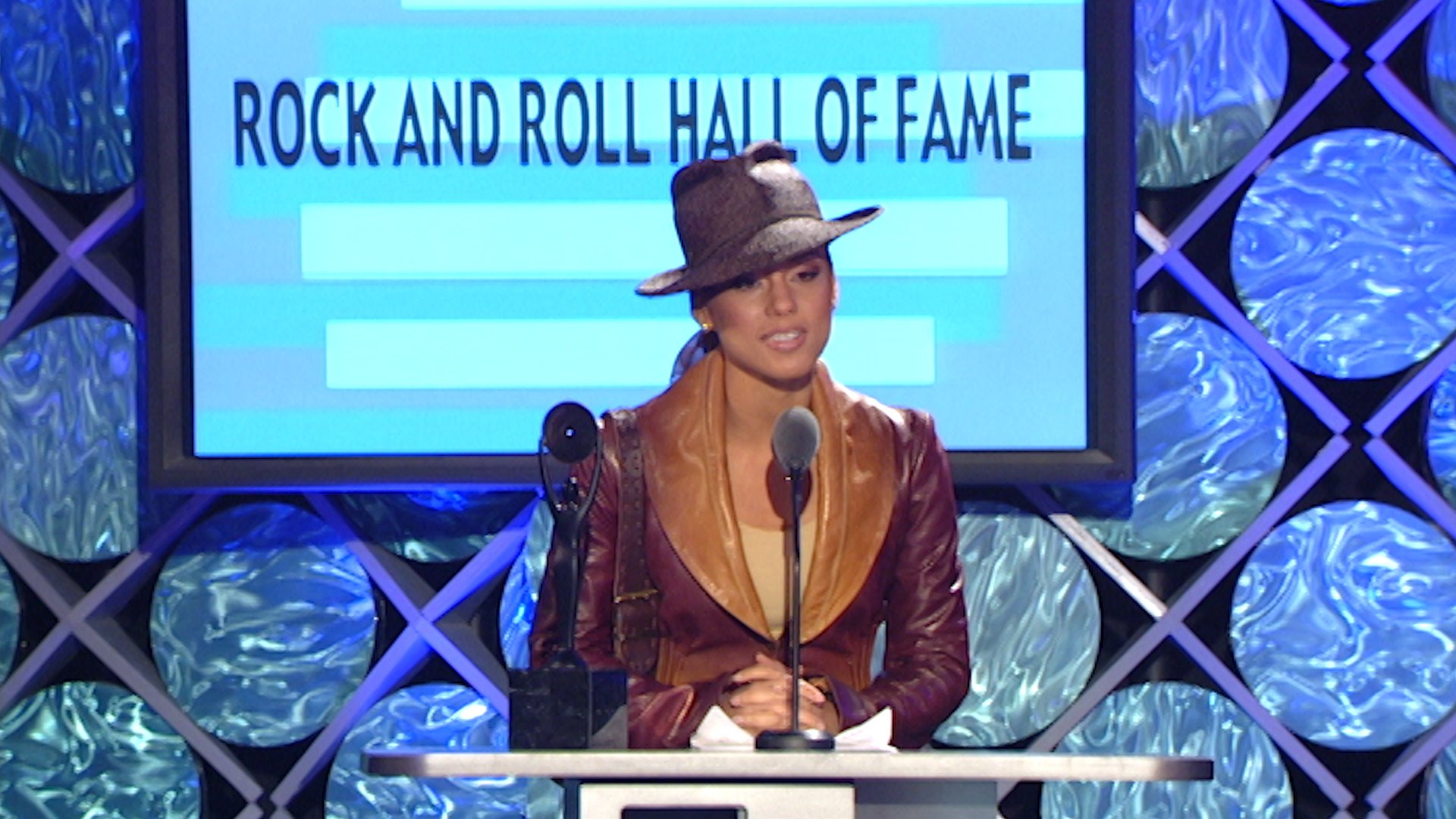
March 18, 2002: Isaac Hayes is inducted into the Rock and Roll Hall of Fame at the seventeenth annual induction dinner. Alicia Keys is his presenter.

August 10, 2008: Isaac Hayes passes away.

Essential Songs


Theme from “Shaft”
Joy
Never Can Say Goodbye
Walk On By
Ike’s Rap
Do Your Thing
I Stand Accused
Out of the Ghetto
Chocolate Chip
Ellie’s Love Theme

Recommended Reading


Soulsville, U.S.A.: The Story of Stax Records
Rob Bowman. New York: Music Sales Corporation, 2001.

The Black Chord: Visions of the Groove: Connections Between Afro-Beats, Rhythm and Blues, Hip Hop and More
Vivien Goldman. Universe Publishing, 1999.


Eldon Shamblin's (Bob Wills and His Texas Playboys) Fender Stratocaster Electric Guitar

Photo by Design Photography
Anonymous Texas Collector