Rock and Roll Hall of Fame and Museum

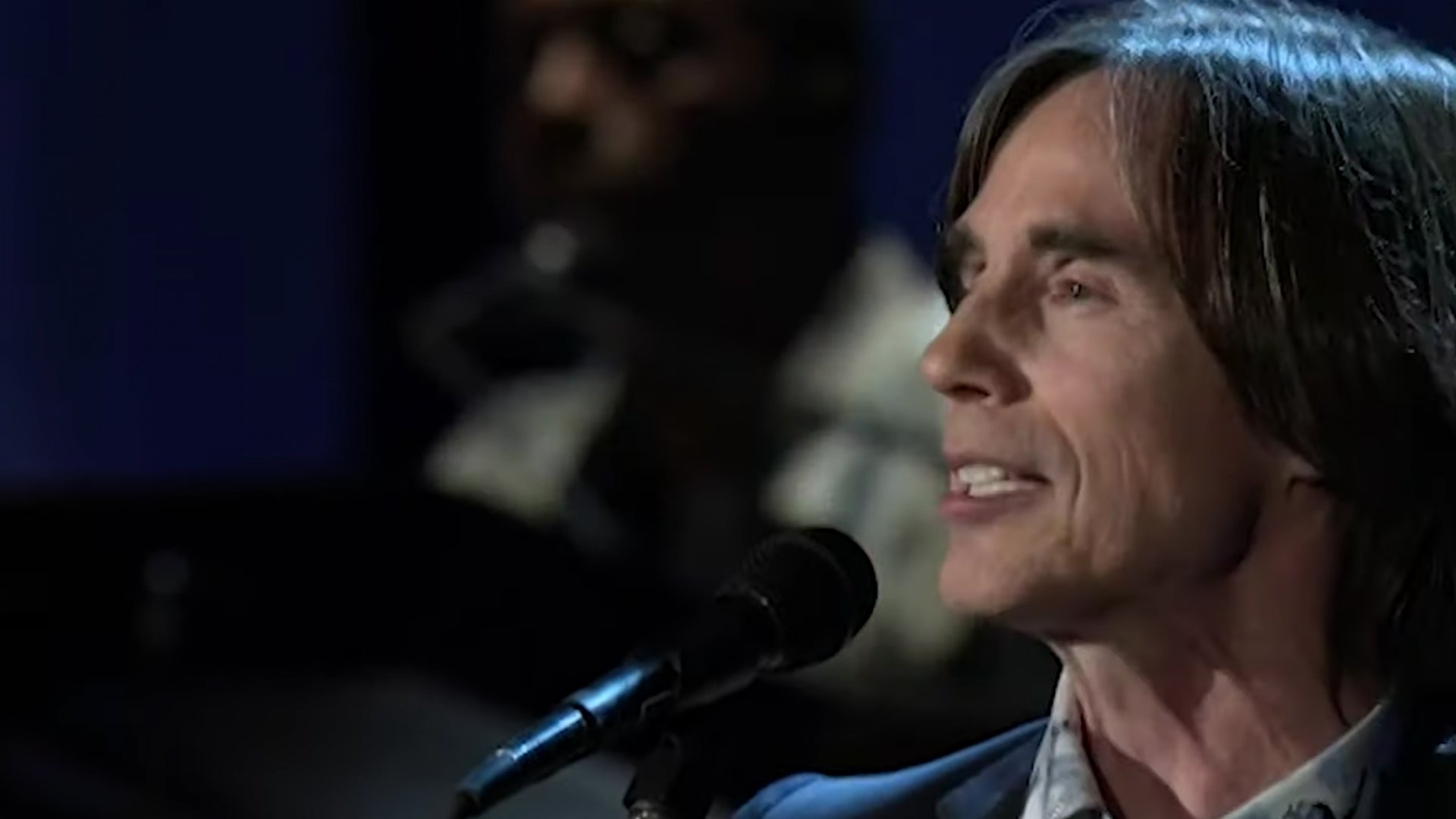
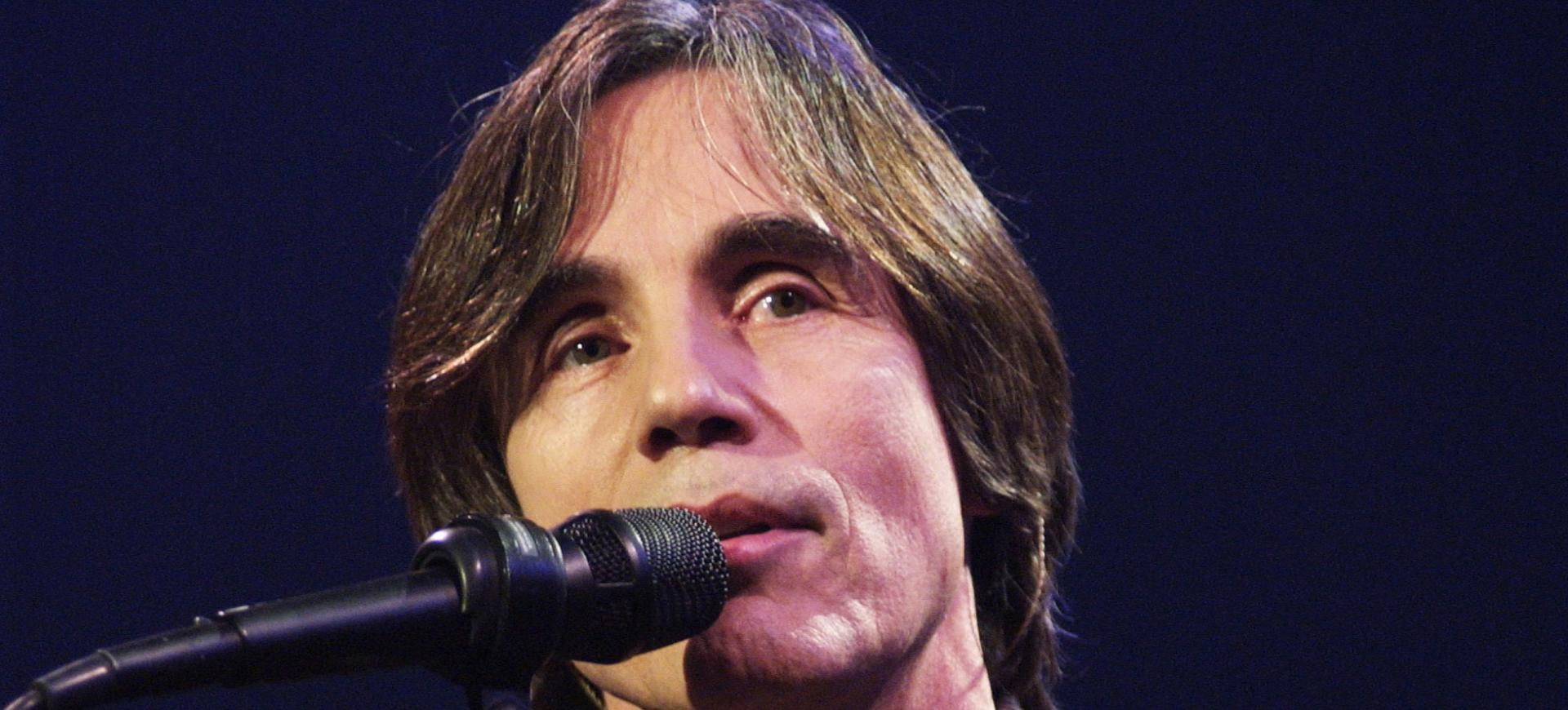
Jackson Browne

Induction Year: 2004

Induction Category: Performer


Jackson Browne (vocals, guitar, keyboards; born October 9, 1948)

Jackson Browne has been both an introspective, cerebral songwriter and a politically attuned voice of conscience. He emerged in the early Seventies as a soul-baring young folksinger whose songs dealt with riddles of romance and existence. In his middle period he became a more extroverted rock and roller. Later work grew more topical in nature as Browne sang of political and social realities within and beyond our borders. “In a way, I don’t choose what I write about - my subjects kind of choose me,” this vanguard singer/songwriter explained in 1993. “It’s a healing thing, a way of confronting what’s important in my life at the time.”

Though he was born on a German army base, Browne has lived in Southern California virtually all his life. He was only 23 when he released the auspicious debut album, Jackson Browne (Saturate Before Using). Yet he’d been making waves as a songwriter for seven years. As an Orange County high-schooler, he fell in with a folksinging clique that included Tim Buckley, Steve Noonan and Greg Copeland. In 1967 he ventured to New York, brushing against Andy Warhol’s scene and befriending Leonard Cohen and Lou Reed. A publishing deal with Elektra Records led to demo recordings of 30 original songs. During this period, other performers discovered his material. Browne seemed far wiser than his years on such early gems as “These Days” and “Shadow Dream Song,” which were recorded by Tom Rush, Nico, Gregg Allman and others.

Browne signed with David Geffen’s Asylum label in 1971. In fact, Geffen’s desire to show Browne’s talent to the world is a major reason he launched Asylum, which would become home to , , Tom Waits and others. Browne’s first three albums - Saturate Before Using (1972), For Everyman (1973) and Late for the Sky (1974) - are confessional singer-songwriter classics. From the outset he paid careful attention to the melding of words and music. Browne wasn’t a folk purist, and songs like “Doctor My Eyes” - his first single and a Top Ten hit - rocked out in a rolling, Southern California way. Yet his early lyrics took a more genteel, eloquent and even courtly approach than the pop norm. “It was my literary period,” Browne told Rolling Stone. “Long-form rambling songs in iambic pentameter with the run-on philosophical attitude. I was searching bleary-eyed for God in the crowds.”

Saturate Before Using was rife with thoughtful, lilting classics, including “Rock Me on the Water” and “Jamaica Say You Will.” In a 1974 Rolling Stone profile, Cameron Crowe noted Browne’s penchant for writing “song[s] of retrospection, of the man looking back at the child.” For Everyman refined his burnished folk-rock approach and added two classics - “I Thought I Was a Child” and the optimistic “For Everyman” - to his growing canon. It also included his own versions of “These Days” and “Take It Easy,” hit he wrote with Glenn Frey.

Browne’s third album, Late for the Sky, was his most ambitious and densely allegorical album. Its ambitious, big-themed songs included “Late for the Sky,” “Fountain of Sorrow,” “For a Dancer,” “The Late Show” and the antinuclear finale, “Before the Deluge.” It remains many hardcore fans’ favorite Jackson Browne album. Two years passed before the release of The Pretender (1976), a cathartic album that had “the right blend of pessimism and endurance,” according to Browne. His first wife, Phyllis, took her life early in its making, and Browne, after a period of mourning, responded with songs of painful, unflinching autobiography, including “Your Bright Baby Blues,” “Here Come Those Tears Again” and “Sleep’s Dark and Silent Gate.” The popular title track made a compelling statement about the collision between soul and commerce that left many “caught between the longing for love and the struggle for the legal tender.”

Browne followed it with the brilliantly conceived Running On Empty (1977), an audio-verite tour documentary drawn from concert performances and various settings on the road. His fine-tuned band included guitarist David Lindley - Browne’s chief accompanist since For Everyman - whose parts perfectly suited Browne’s songs. Their high-spirited performances of “Running on Empty” (#11) and the soulful oldie “Stay” (#20) made a multiplatinum phenomenon of Running On Empty. It reached #3, stayed on the charts for over a year, and sold more than 7 million copies. Moreover, the album further moved Browne from a folkish orientation to harder-rocking fare.

Browne’s activist streak emerged in the late Seventies. In October 1979, he and organized a series of star-studded benefit concerts for MUSE (Musicians United for Safe Energy). A triple live album from those shows, No Nukes/The MUSE Concerts for a Non-Nuclear Future, included Browne’s performance of “Before the Deluge.” His next album, Hold Out (1980), was Browne’s first to reach #1, and it gave him two hit singles: “Boulevard” (#19) and “That Girl Could Sing” (#22). The biggest hit of Browne’s career came in 1982 when “Somebody’s Baby,” from Fast Times at Ridgemont High, reached #7.

On his subsequent Eighties albums - Lawyers in Love (1983), Lives in the Balance (1986) and World in Motion (1989) - an increasingly politicized Browne paid increasing attention to real-world matters and expressed criticism of U.S. foreign policy during the Reagan years. While some wondered about his shift from the personal to the political, Browne argued that “nothing is more personal than your political beliefs.” He made good on his convictions by performing at numerous benefit concerts. Browne came full circle with a highly personal late-career masterwork, I’m Alive (1993), whose artfully introspective tone harked back to his beginnings. Looking East (1996) took a more varied approach, mingling leftist politics, world music, love songs and paeans to Los Angeles.

The 25th anniversary of Browne’s debut album, Saturate Before Using, was marked by his first compilation, The Next Voice You Hear: The Best of Jackson Browne (1997). Browne undertook a series of solo acoustic tours in the new millennium. On The Naked Ride Home (2002), he tied the various strands of his songwriting - from the mystical language of the heart to matters of social and political concern - into a coherent whole.

TIMELINE

October 9, 1948: Jackson Browne is born on a U.S. Army base in Heidelberg, West Germany.

1966: Jackson Browne signs a songwriting contract with Elektra Records. His early songs will be recorded by such artists as Tom Rush, Nico and the Nitty Gritty Dirt Band.

January 2, 1972: Jackson Browne’s debut album, Saturate Before Using, is released. Propelled by the hit single “Doctor My Eyes” (#8), the album establishes Browne as a key singer/songwriter in the early Seventies.

October 15, 1973: For Everyman, Jackson Browne’s second album, is released.

September 19, 1974: Jackson Browne’s Late for the Sky, which completes a trilogy of brooding, metaphysical folk-rock albums, is released.

November 20, 1976: The Pretender, by Jackson Browne, enters the charts. Keyed by FM radio’s adoption of the title song, the album reaches #4 - Browne’s strongest showing to date.

December 6, 1977: Jackson Browne’s Running On Empty - a conceptual live album drawn from the previous summer’s tour - is released. It stays on the charts for over a year, peaking at #3.

September 19, 1979: The first in a series of antinuclear concerts, organized by and Jackson Browne, is held at New York City’s Madison Square Garden. A three-record set, No Nukes/The MUSE Concerts for a Non-Nuclear Future, will reach #19.

June 27, 1980: Hold Out, Jackson Browne’s sixth album (and first to go #1), is released.

August 21, 1982: Jackson Browne’s biggest hit, “Somebody’s Baby” (#7), enters the Top Forty.

February 18, 1986: Jackson Browne releases Lives in the Balance, his fourth consecutive Top Ten album.

June 6, 1989: World in Motion, Jackson Browne’s most overtly political album, is released.

October 11, 1983: I’m Alive, Jackson Browne’s critically acclaimed tenth album, is issued.

February 13, 1996: Looking East, by Jackson Browne, makes its debut. It is only his second album of the Nineties.

September 1997: Jackson Browne’s first greatest hits album, The Next Album You Hear, is released.

September 24, 2002: Jackson Browne releases The Naked Ride Home, his first new album in six years.

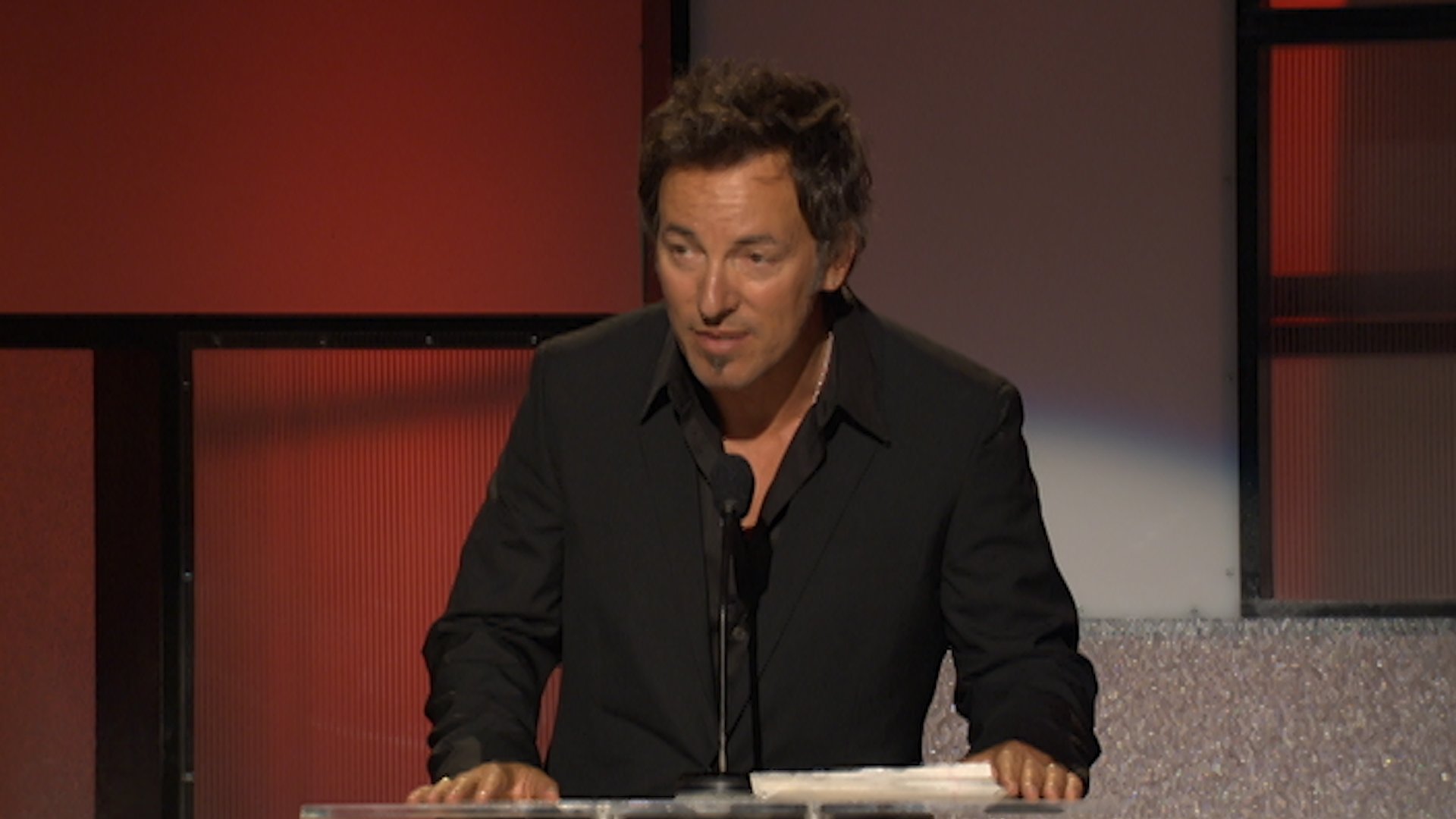
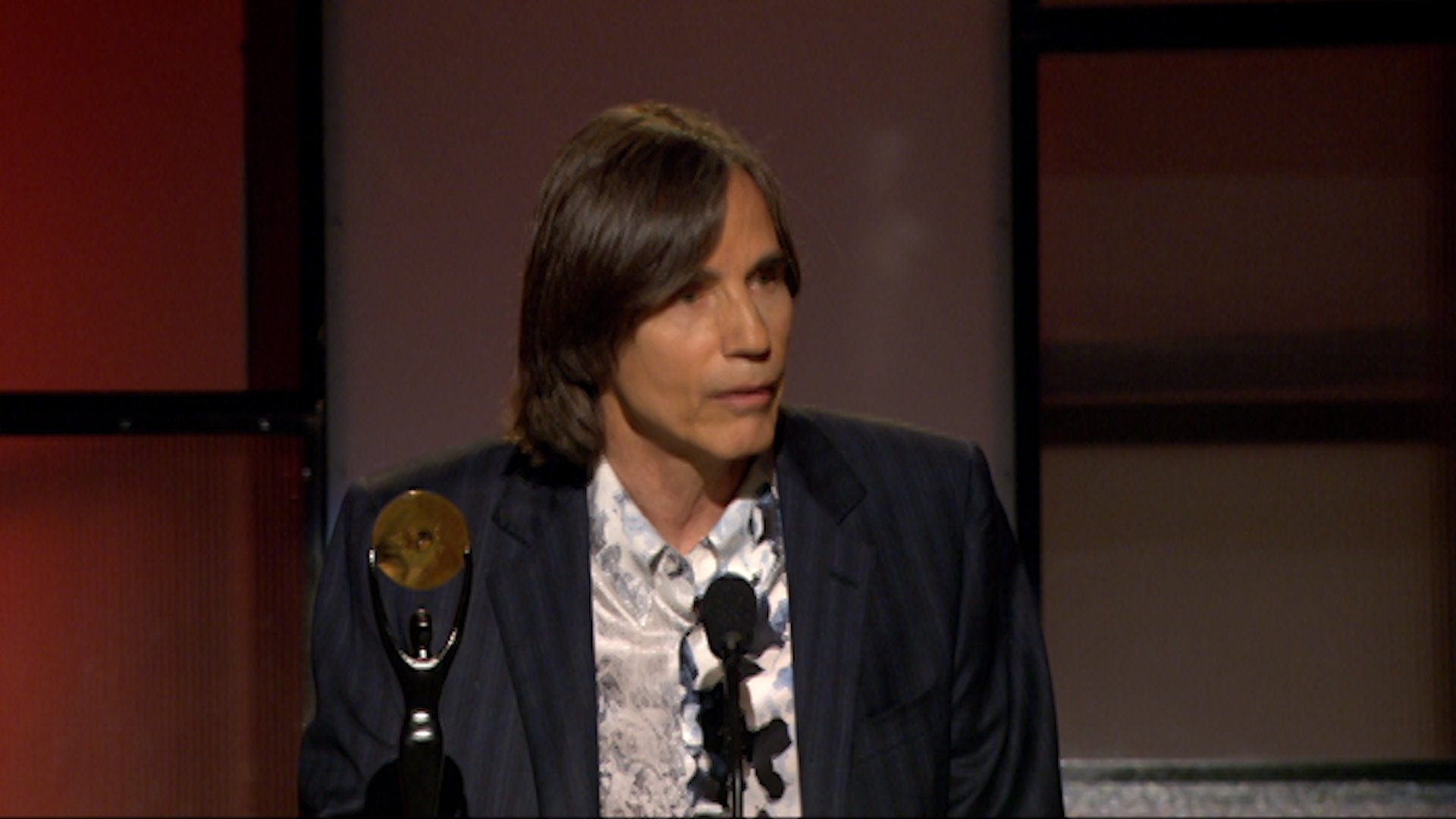
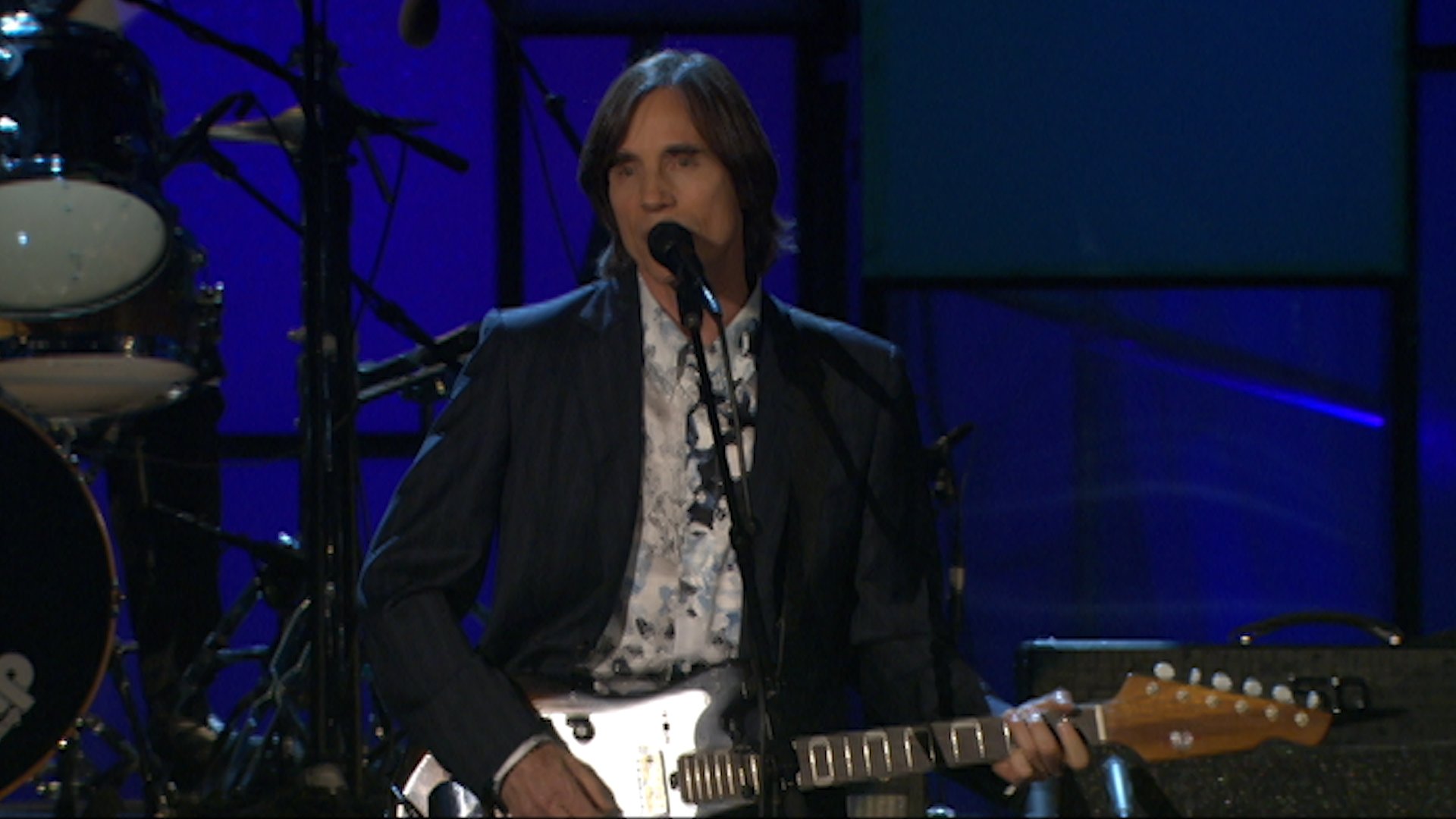
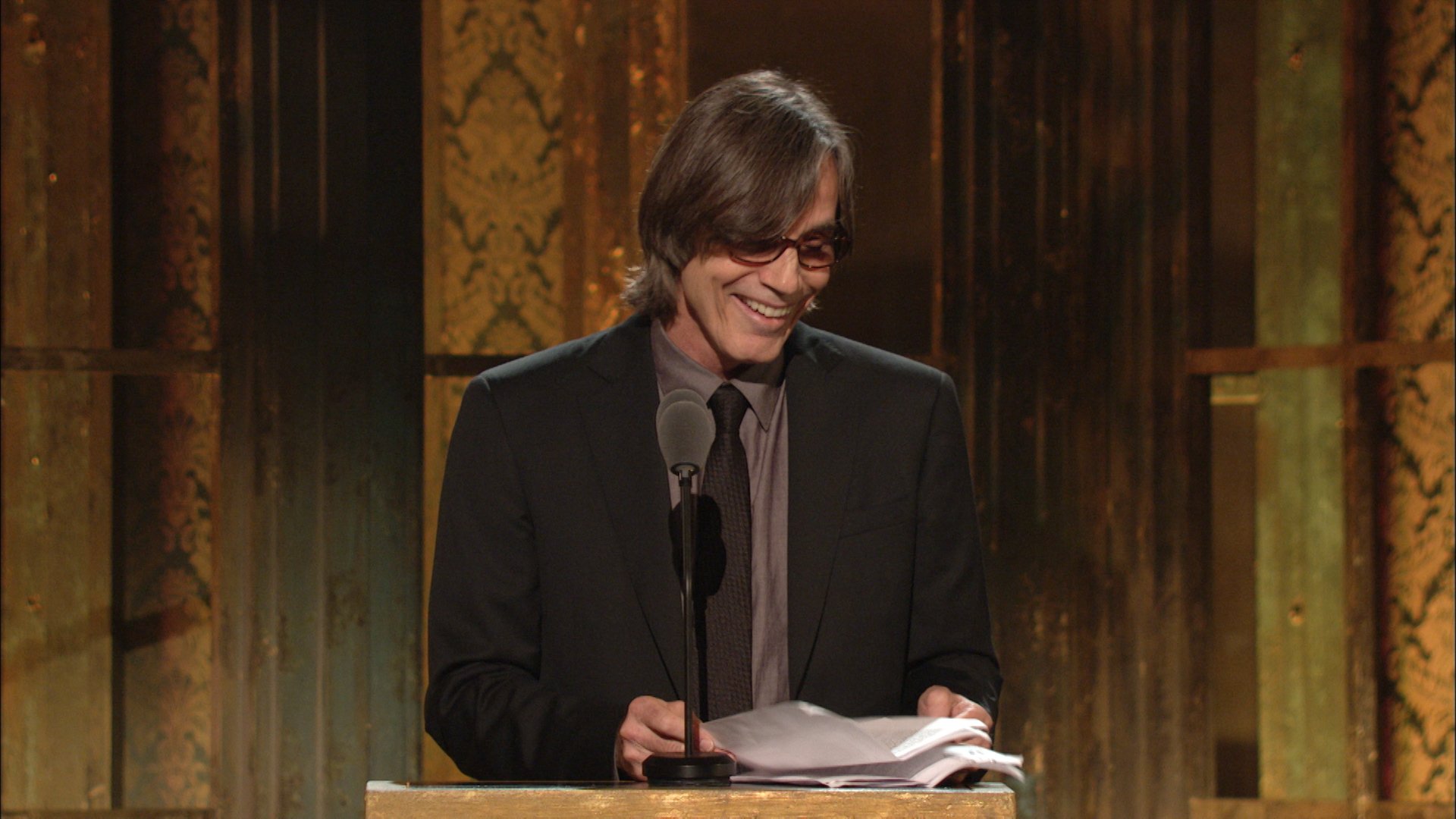
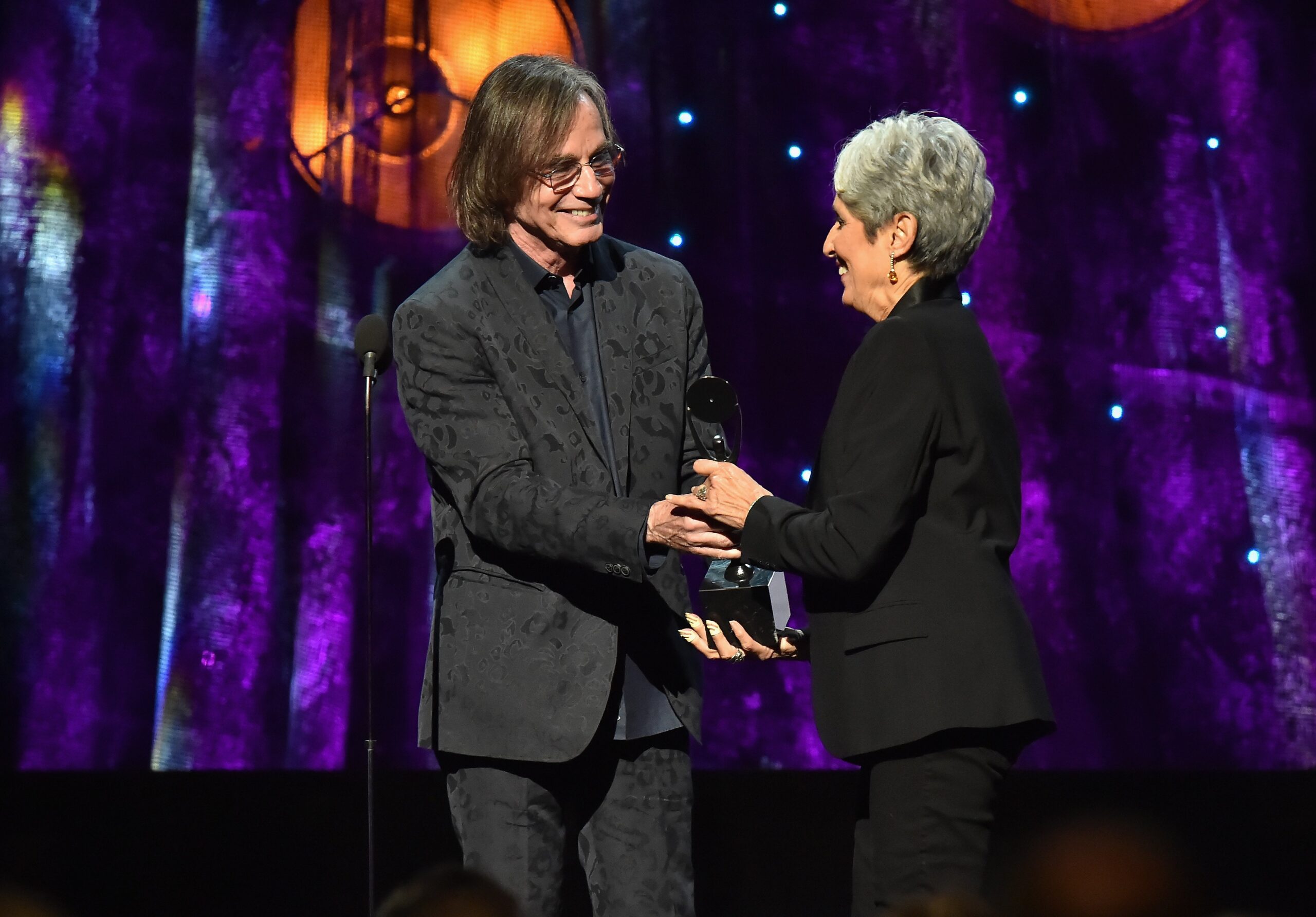
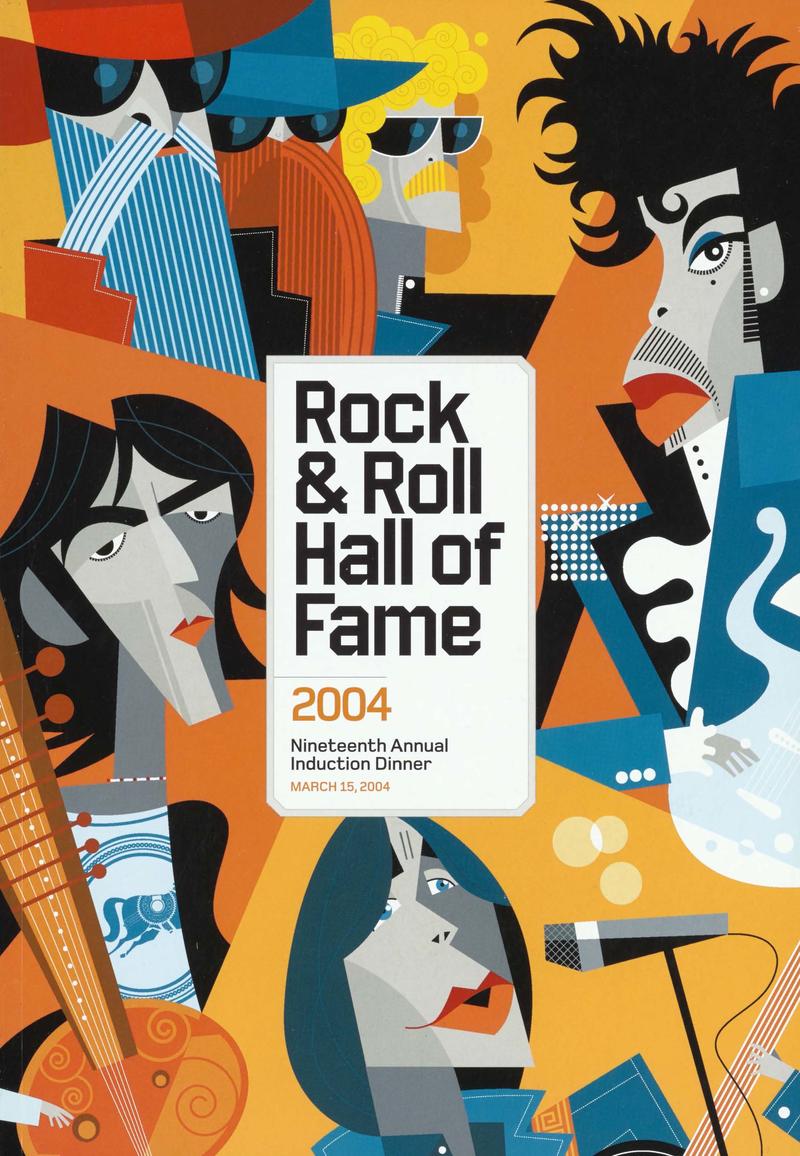
March 15, 2004: Jackson Browne is inducted into the Rock and Roll Hall of Fame at the nineteenth annual induction dinner. is his presenter.

Essential Recordings


The Pretender
Doctor My Eyes
Running on Empty
These Days
Late For the Sky
Fountain of Sorrow
Rock Me On the Water
For Everyman
Lives in the Balance
In the Shape of a Heart

Recommended Reading


“A Child’s Garden of Jackson Browne.”
Cameron Crowe. Rolling Stone (May 23, 1974): 39-44.

“Are You Prepared for the Pretender—Jackson Browne?”
Paul Nelson. Rolling Stone (December 10, 1976): 56-65.

“Jackson Browne Adapts.”
Steve Pond. Rolling Stone (September 15, 1983): 33-39.

Jackson Browne: The Story of a Hold Out
Rich Wiseman. Garden City, NY: Doubleday, 1982.


Fats Domino's Shirt

Photo by Andrew Moore
Gift of Antoine "Fats" Domino