Jann S. Wenner
Induction Year: 2004
Induction Category: Lifetime Achievement
Jann Wenner launched Rolling Stone magazine in 1967, providing music fans with a forum for news, reviews, articles and interviews. Prior to Rolling Stone, coverage of rock and roll was largely patronizing, myopic or aimed at the teenybopper market. Wenner’s brainstorm was to launch a national magazine with music as its main but not exclusive focus, written by and for those who took rock and roll as seriously as it deserved. Wenner’s genius has been evident in the way he’s nurtured and sustained his protean creation over the decades. With Wenner at the helm, Rolling Stone has tracked and adapted to changes in music and lifestyle, reinventing itself whenever necessary to retain a vital and youthful focus.
More than 35 years after its founding, Rolling Stone remains the preeminent pop-culture periodical. Of his magazine’s ability to adapt, evolving over the decades from a mostly music-focused publication to one with a broader pop-culture overview, Wenner observed: “When Rolling Stone started, music was the only medium available to young people to express themselves and share ideas. Now everything is open to young people and their concerns and values: television, newspapers, books, every medium imaginable.”
Wenner’s musical overview was largely shaped by such artists as the Beatles, Bob Dylan, Simon and Garfunkel, and the Grateful Dead. They set the standards by which musical excellence and lyrical insight were gauged in his magazine. Wenner recruited informed reviewers and authoritative editors - such as Ralph J. Gleason and Jon Landau - who subjected popular music to perceptive analysis and could speak with musicians as peers. By the mid-Sixties, rock music had begun evolving and maturing rapidly, and Wenner provided a journalistic platform that reflected and even shaped these changes. Wenner himself also wrote articles, columns and reviews for Rolling Stone and conducted incisive interviews with subjects ranging from John Lennon, Bob Dylan and Mick Jagger to Bill Clinton, Al Gore and Howard Dean.
Over the years, some of the best and brightest names in rock journalism, discovered and nurtured by Wenner, have passed through the pages of Rolling Stone. They include Jonathan Cott, Greil Marcus, Dave Marsh, Chet Flippo, Lester Bangs, Ben Fong-Torres, Cameron Crowe, Timothy White and Charles M. Young, for starters. “The Rolling Stone Interview” (in-depth conversations with notable figures), incisive record reviews, and a multitude of artist profiles have made the magazine a must-read for music junkies. Random Notes, with its bits of music news and gossip, is an institution that survives to this day.
Wenner made it clear that Rolling Stone was not just about music “but also about the things and attitudes that the music embraces,” as he wrote in the first issue, which bore a cover date of November 9, 1967. Some of these other things include movies, books, politics and newsier items - anything that might interest a literate, engaged readership. Wenner described Rolling Stone as “sort of a magazine and sort of a newspaper.” Prior to its launching, Wenner had worked as a journalist for NBC News and Ramparts magazine, and he brought a stringent professionalism that set Rolling Stone apart from other counterculture publications of its time.
Under Wenner’s watch, some of the estimable non-music writers who rose to prominence in its pages were Hunter S. Thompson, Tim Cahill, Joe Eszterhas, Howard Kohn, David Felton, Michael Lydon, Grover Lewis and William Greider. Tom Wolfe first wrote about America’s astronauts in Rolling Stone, and his debut novel, Bonfire of the Vanities, appeared in serial form in the magazine’s pages. Moreover, Wenner’s keen eye has brought a strong visual focus to Rolling Stone, where esteemed photographers as Annie Leibovitz, Richard Avedon and Mark Seliger have made an art form out of celebrity photography.
From humble beginnings in a printer’s loft south of Market Street in San Francisco, Rolling Stone quickly became the voice of a generation. Along the way, Wenner also launched such publications as Outside, Record and Men’s Journal and published a multitude of books on music and other subjects with its Rolling Stone Press imprint. These days Wenner Media - Rolling Stone, Us and Men’s Journal magazines - occupies a contemporary office space in midtown Manhattan. It’s a far cry from the drafty printer’s loft in San Francisco where Rolling Stone began, but in many respects Wenner’s promise to cover “music and the things and attitudes that the music embraces” remains a guiding principle. In 1997 Wenner became the youngest editor ever inducted into the American Society of Magazine Editors Hall of Fame. Another milestone looms, as the magazine will publish its 1,000th issue in 2006.
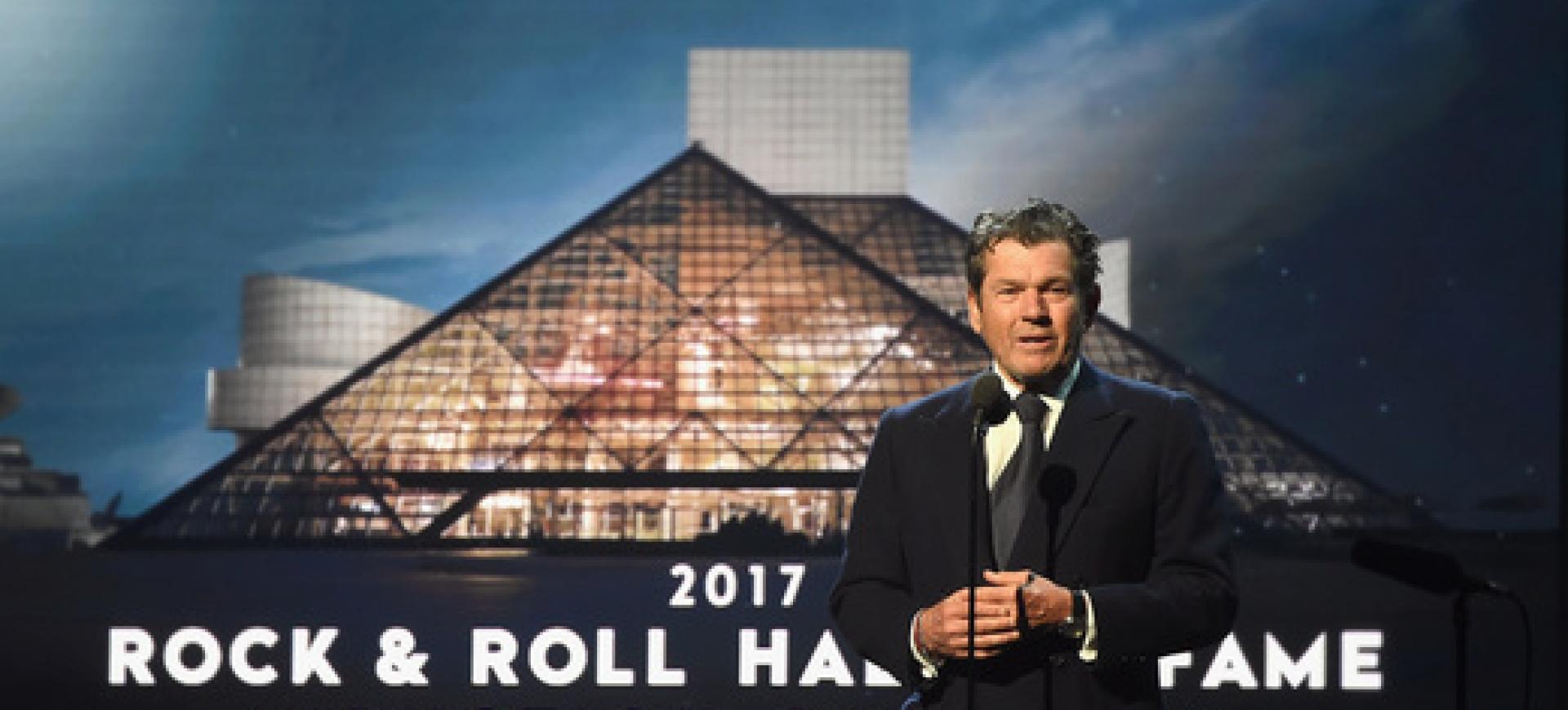
Wenner has also left a lasting mark on popular music as cofounder and vice-chairman of the Rock and Roll Hall of Fame. He was in on the ground floor with a small group - which would become its board of directors - that began planning the institution back in 1983, and he remains vitally active in its operation to this day.
TIMELINE
January 7, 1946: Jann S. Wenner is born in New York City.
November 9, 1967: Rolling Stone magazine, founded in San Francisco by Jann S. Wenner, publishes its first issue. John Lennon is the cover subject.
January 21, 1971: The first in a two-part series of revealing interviews with John Lennon, conducted by publisher Jann S. Wenner, appears in Rolling Stone. These candid conversations are later published in book form as Lennon Remembers.
January 20, 1972: Rolling Stone publishes its 100th issue. Jerry Garcia is the cover subject.
March 29, 1973: Dr. Hook and the Medicine Show are featured on the cover of Rolling Stone shortly after their novelty hit “The Cover of ‘Rolling Stone’ peaks at #6.
October 1, 1976: Jann S. Wenner announces to the Rolling Stone staff that the magazine’s headquarters will move from San Francisco to New York.
1983: A small group of music-industry professionals - including Atlantic Records founder and chairman Ahmet Ertegun, Rolling Stone founder and publisher Jann S. Wenner, record executive Seymour Stein, and attorneys Suzan Evans and Allen Grubman - meets to discuss the formation of an organization to recognize rock and roll pioneers and legends. That organization will become the Rock and Roll Hall of Fame + Museum.
May 21, 1987: Rolling Stone publishes its 500th issue. Jon Bon Jovi is the cover subject.
October 15, 1992: Rolling Stone marks its 25th anniversary as the preeminent music and pop-culture periodical of its time.
1995: Jann S. Wenner founds CeaseFire, a nonprofit organization that seeks to address the epidemic of gun violence in the United States.
April 1997: Jann S. Wenner - editor and publisher of Rolling Stone, Us and Men’s Journal - is inducted into the American Society of Magazine Editors Hall of Fame. He is the youngest editor ever to be so honored.
April 29, 1998: Rolling Stone wins National Magazine Awards for General Excellence (for magazines with circulation of over 1 million) and Reporting.
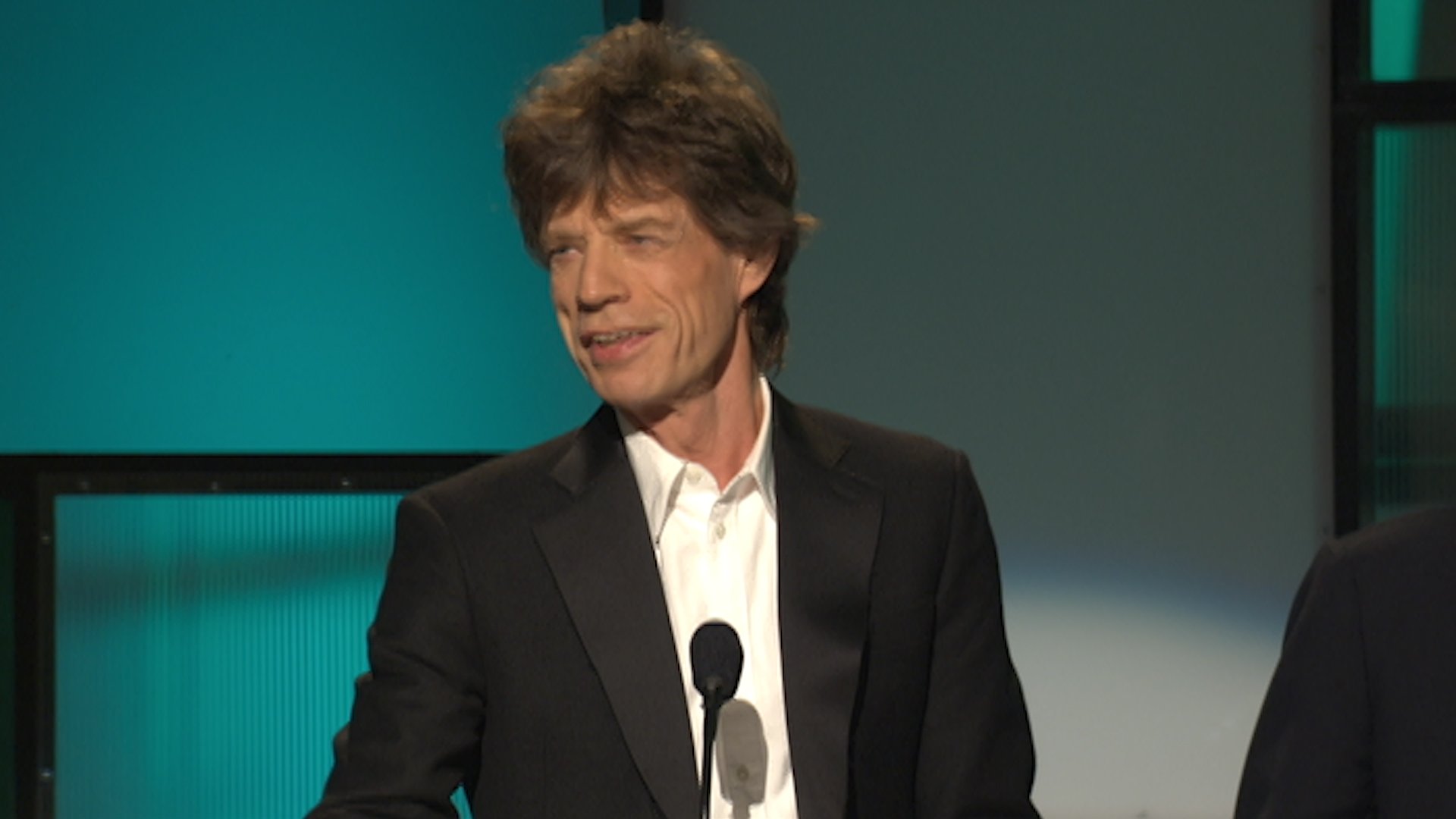
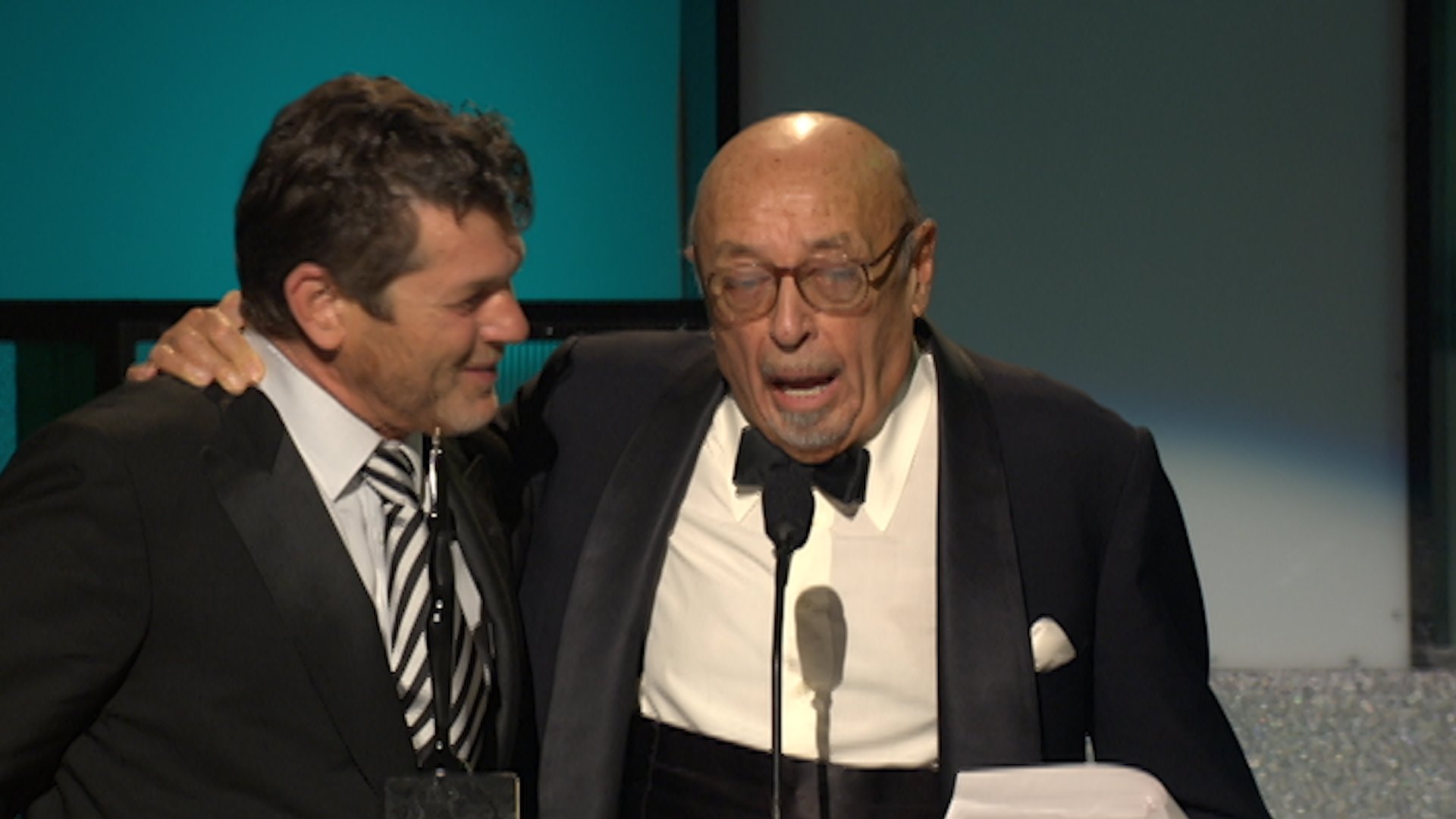
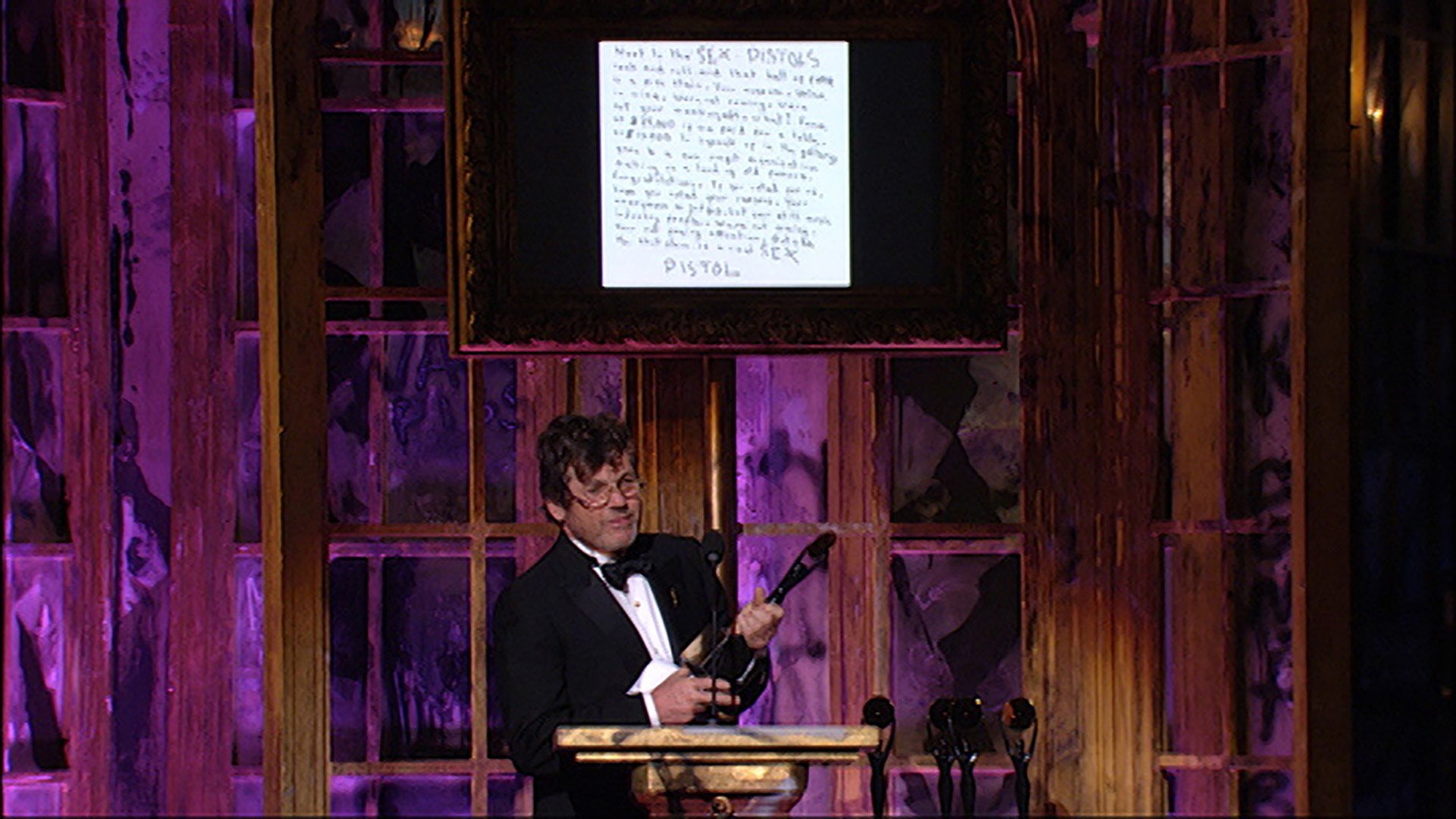
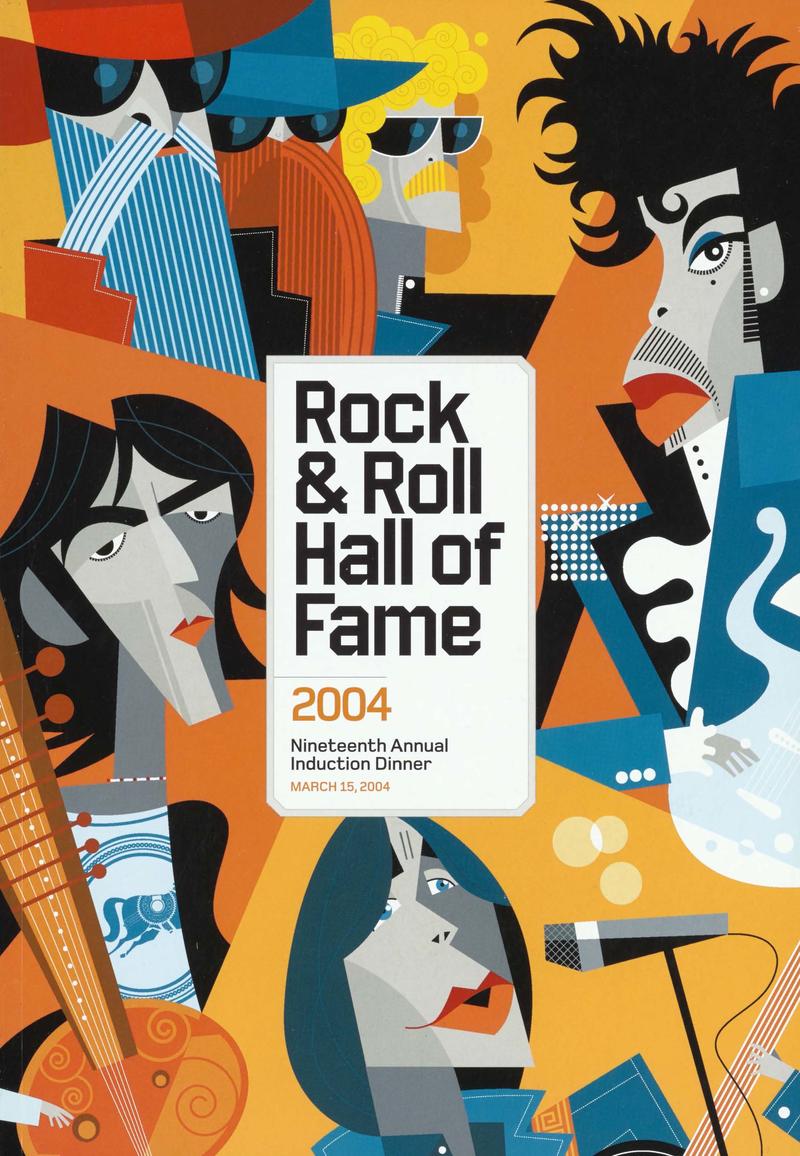
March 15, 2004: Jann S. Wenner is inducted into the Rock and Roll Hall of Fame at the nineteenth annual induction dinner. Mick Jagger is his presenter.