Rock and Roll Hall of Fame and Museum

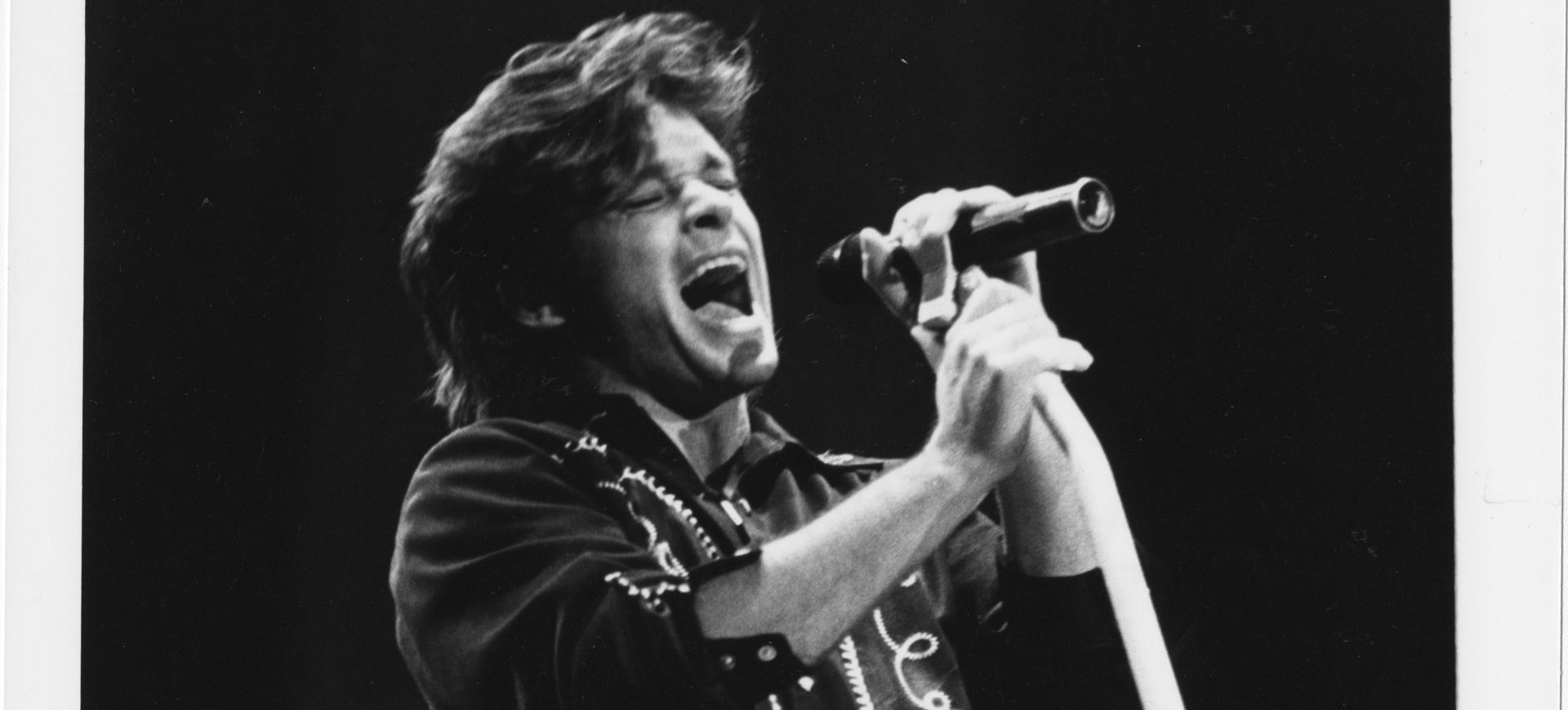
John Mellencamp

Induction Year: 2008

Induction Category: Performer


John Mellencamp (vocals, guitar; born October 7, 1951)

John Mellencamp is a pure product of middle America. Through a combination of talent, vision and stubborn determination he became an authoritative rocker and adroit storyteller. His best songs – including “Pink Houses,” “Small Town” and “Rain on the Scarecrow” - symbolize the hopes, fears and basic decency of America’s heartland. He also has captured rock’s feisty, independent spirit and dogged pursuit of good times on such numbers as “Crumbling Down,” “Authority Song” and “R.O.C.K. in the U.S.A.”

Mellencamp’s music is fundamentally rooted in American music, especially the feisty garage-rock, raw-voiced soul and impassioned folk-rock of the Sixties. These were the sounds that defined his coming-of-age years as a teenage misfit in the small town of Seymour, Indiana. Frustrated and looking for somewhere to fit in, he found salvation in music. Still, as with every aspect of his life, nothing came easily. He was a mediocre high-school student, and a two-year degree from Vincennes University and a day job with the phone company seemed pointless exercises for someone as bitten by the musical bug as Mellencamp.

Mellencamp has had not one career but several musical careers. He was first miscast in the mid-Seventies as a corn-fed glam-rocker (“Johnny Cougar”) who shared management with . Next he became a journeyman rock and roller – his first name now shortened to “John” - who was at least moving in the right direction. During this period, he managed a few minor hits (“I Need a Lover,” “Ain’t Even Done with the Night”) but still had a checkered outlook on life. Mellencamp titled an album Nothin’ Matters and What If It Did, and that statement reflected his basic disenchantment. In 1981, however, he crossed over to the big-time with American Fool – note the self-deprecating title - which topped the charts for nine weeks and yielded the mega-hits “Hurts So Good” (#2) and “Jack & Diane” (#1).

By this time, Mellencamp had a much firmer handle on who he was, how he wanted to sound, and what he wanted to write about. Singing in a forceful, expressive rasp, he unleashed a string of rock-solid albums in the Eighties: Uh-Huh, Scarecrow, The Lonesome Jubilee and Big Daddy. Notably, he restored his surname, crediting those four albums to John Cougar Mellencamp. He was now a songwriter to be reckoned with, and years of accumulated angst erupted in songs that spoke for the passions and frustrations of the average person trying to make a go of it in hard times. On these records, he had become something of a musical weather vane, gauging which way the winds were blowing in middle America. Such songs as “Pink Houses” and “Small Town” still speak eloquently to the sensibilities of the heartland.

When he kicked off the Nineties with Whenever We Wanted, he was back to being simply John Mellencamp - a man who had banished all traces of artifice from his name and work. Having defined his core sound by this time, he subsequently broadened his musical palette with the stripped-down, spontaneous songcraft of Human Wheels; a foray into the sonic territory of hip-hop, entitled Mr. Happy Go Lucky; and the raw, knife-edged blues of Trouble No More.

“It’s all about, ‘Let’s go someplace else,” Mellencamp said in 1996. “It’s great to put people together who have the capability and vision to do something different when you challenge them.”

Mellencamp has always had durable, hard-hitting bands. Guitarist Larry Crane, a school chum from Seymour, and drummer Kenny Aronoff anchored the lineup in the Eighties. Mike Wanchic has been a constant presence on rhythm guitar, Lisa Germano’s violin has lent rootsy and exotic tones to his music, and Crystal Taliefero has been a longtime backup vocalist and onstage foil. He has also collaborated with other singers – notably Me’Shell Ndegéocello (on his Top Five remake of Van Morrison’s “Wild Night”) and India.Arie (on the utopian anthem “Peaceful World”).

A man with a conscience, Mellencamp used his visibility and influence to advocate an issue that hit close to home. As a co-founder of Farm Aid, Indiana’s favorite son has helped give voice and raise money to redress an American tragedy – disappearing farmlands, dispossessed farm families – that might otherwise been overlooked. Since the Eighties, Mellencamp has ranked among the upper echelon of hard-rocking, often topical American singer/songwriters – a fraternity that also includes , , and . Like all those icons, Mellencamp ultimately succeeded by finding and following his own voice.

TIMELINE

Ocober 7, 1951: John Mellencamp is born in Seymour, Indiana.

1965: Barely a teenager, John Mellencamp performs R&B and rock and roll material with a cover band called Crepe Soul

1976: John Mellencamp signs with MainMan, ’s management company. Rechristened “Johnny Cougar,” his debut album, Chestnut Street Incident, is released.

August 18, 1979: John Cougar enters the charts. It contains John Cougar Mellencamp’s first hit, “I Need a Lover” (#28), which Pat Benatar covers on her debut album, In the Heat of the Night.

October 4, 1980: Nothing Matters and What If It Did, by John Cougar – is released. Produced by Steve Cropper, from Booker T. and the M.G.’s, it yields the hits, “This Time” (#27) and “Ain’t Even Done With the Night” (#17).

October 2, 1982:  John Cougar has the #1 album (American Fool), #1 single (“Jack & Diane”), and a Top Ten single (“Hurts So Good”). This is a feat unmatched since November 16, 1974, when had the #1 album (Walls and Bridges), #1 single (“Whatever Gets You Through the Night”) and a Top Ten single (#9 Dream”).

January 1, 1983: John Cougar Mellencamp releases Uh-Huh, a critical and popular favorite that contains the hits “Crumblin’ Down” (#9), “Pink Houses” (#8) and “Authority Song” (#15).

February 23, 1983: John Cougar wins Best Rock Vocal Performance, Male, for “Hurts So Good” (from American Fool) at the 25th annual Grammy Awards.

September 22, 1985: The first Farm Aid Concert – organized by John Mellencamp, Willie Nelson and – is held in Champaign, Indiana.

November 1986: John Cougar Mellencamp’s Scarecrow peaks at #2 on the album chart. A classic proto-Americana album, it includes “Small Town” (#6),“R.O.C.K. in the U.S.A.” (#2), “Rain on the Scarecrow” (#21) and “Rumbleseat” (#28).

August 17, 1987: John Cougar Mellencamp’s The Lonesome Jubilee is released. It will become his fourth Top Ten album in a row (peaking at #6). It will remain in the Top Ten for a half year and launch the hits “Paper in Fire” (#9), “Cherry Bomb” (#8) and “Check It Out” (#14).

May 1, 1989: Big Daddy, by John Cougar Mellencamp’s, is released. It will be his fifth consecutive Top Ten album, reaching #7. The acerbic, anti-celebrity “Pop Singer” (#15) is the leadoff single.

October 19, 1992: Whatever We Wanted, John Cougar Mellencamp’s first self-produced album, is released. It yields the hit “Get a Leg Up” (#14), at whose video shoot Mellencamp meets his third wife, model Elaine Irwin.

1992: The film Falling from Grace, starring John Mellencamp – and cowritten by Mellencamp and Larry McMurtry – is released. Soundtrack contributors include Mellencamp, Joe Ely, John Prine, Dwight Yoakam, Nanci Griffith and James McMurtry.

September 18, 1993: Human Wheels, by Mellencamp, debuts at #7 on Billboard’s album chart. The title track will just miss the Top Forty, making it Mellencamp’s first album without a hit since his 1976 debut.

September 3, 1994: John Mellencamp’s cover of Van Morrison’s “Wild Night,” featuring Me’Shell Ndegéocello on bass and vocals, reaches #3. His biggest hit since 1986, it is taken from his latest album, Dance Naked.

May 23, 1996: John Cougar Mellencamp’s American Fool is certified 5x platinum (5 million copies sold) by the RIAA.

September 28, 1996: Mr. Happy Go Lucky, into which John Mellencamp incorporated hip-hop sounds and production techniques, debuts at #9.

November 9, 1997: John Mellencamp’s first hits compilation, The Best That I Could Do, 1978-1988, is released.

October 24, 1998: Having signed to Columbia Records, John Mellencamp releases his self-titled first album for the label.

October 16, 2001: John Mellencamp releases Cuttin’ Heads, his first album of the new millennium. It contains “Peaceful World,” a duet with India.Arie.

October 29, 2001: Scarecrow, by John Mellencamp, is certified 5x platinum (5 million copies sold) by the RIAA.

March 19, 2002: The Best That I Could Do: 1978-1988, by John Cougar Mellencamp, is certified 3x platinum (3 million copies sold) by the RIAA.

June 3, 2003: Trouble No More, an album of blues covers and originals by John Mellencamp, is released.

October 19, 2004: Words & Music: John Mellencamp’s Greatest Hits is released on Island Records. The double-disc, 37-track compilation includes two new songs.

January 23, 2007: Freedom’s Road, John Mellencamp’s first album of original material in five years, is released. It contains “Our Country,” a Top Five hit that receives a Grammy Nomination for Best Solo Rock Song.

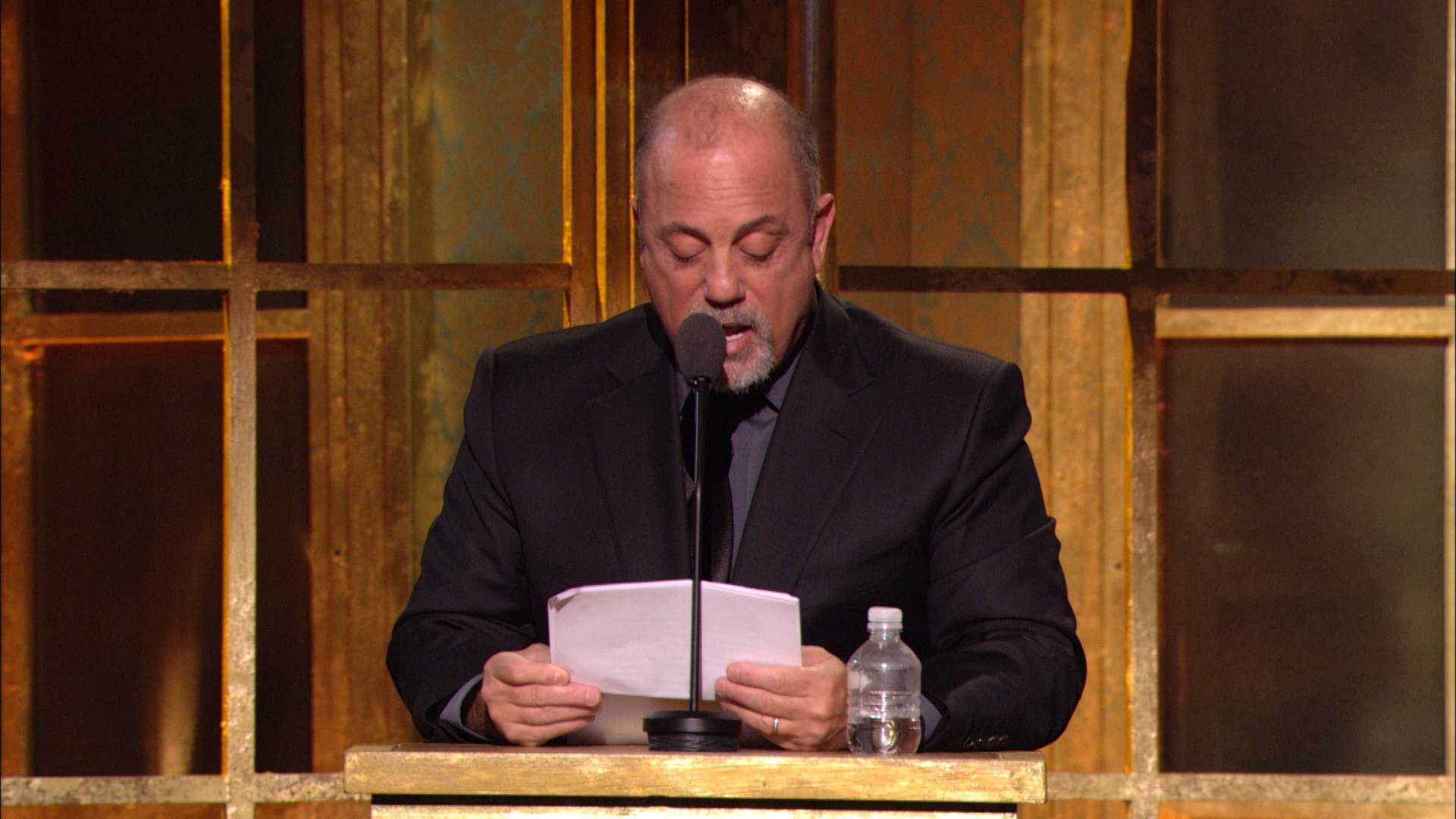
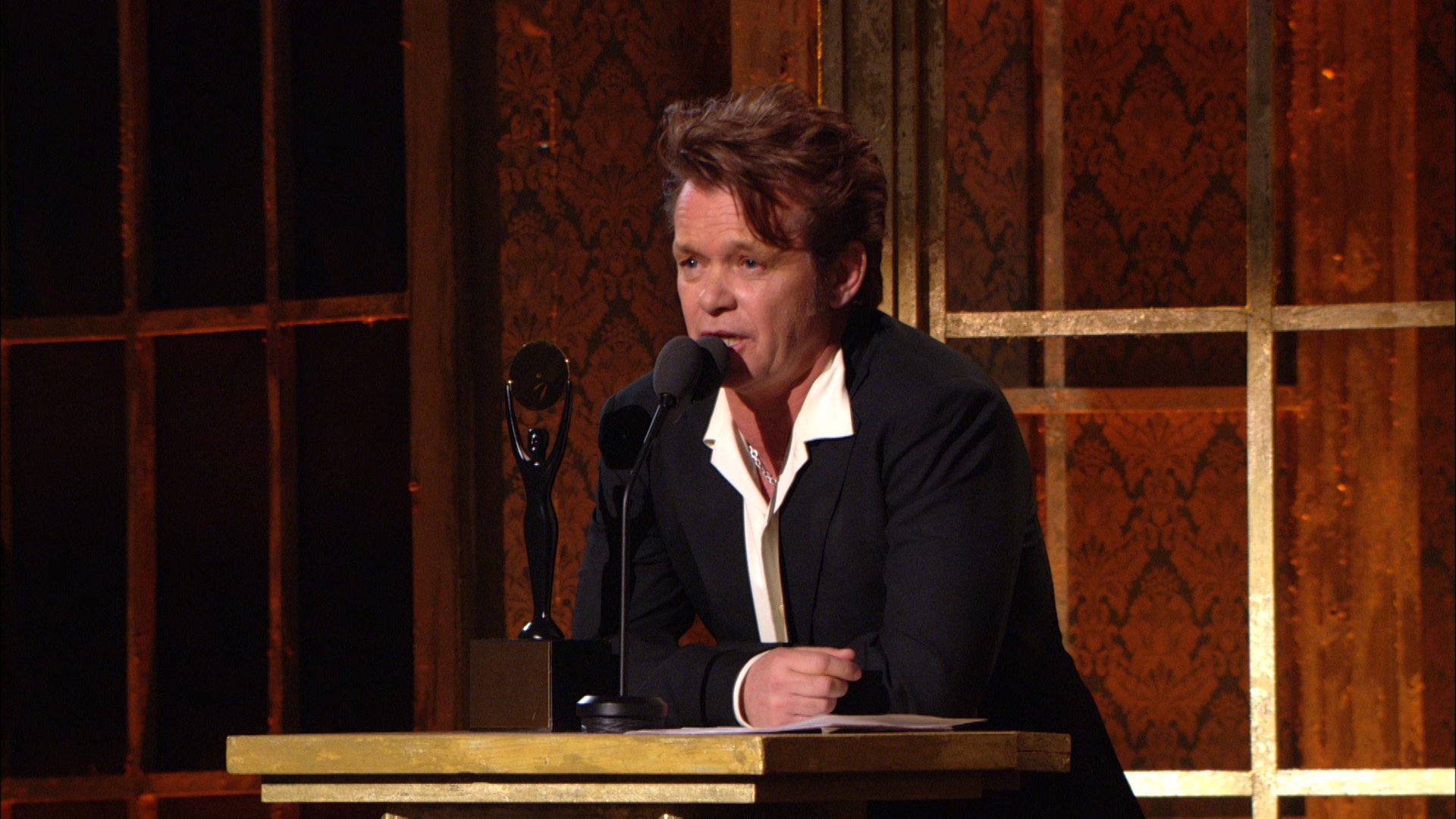
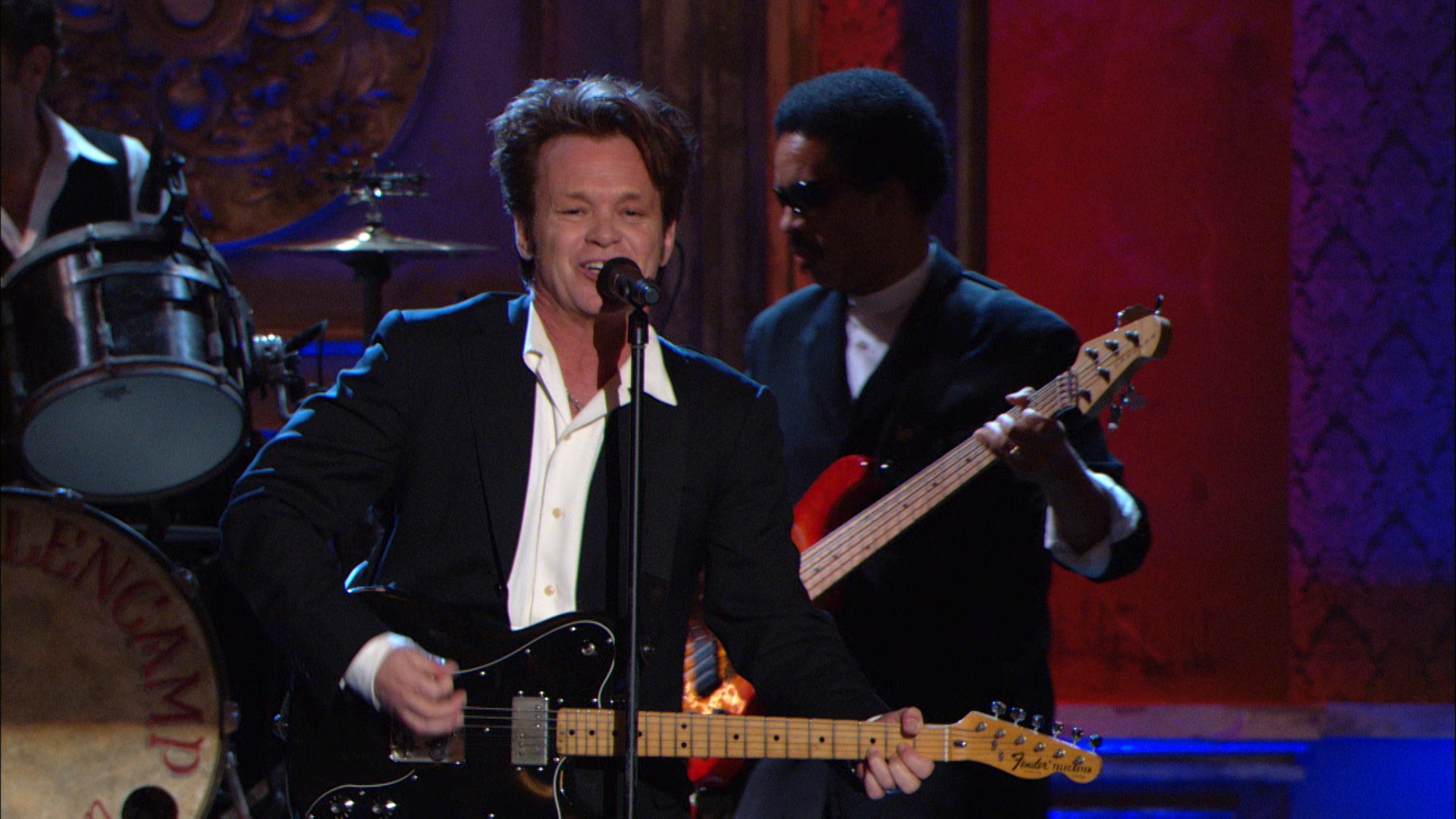
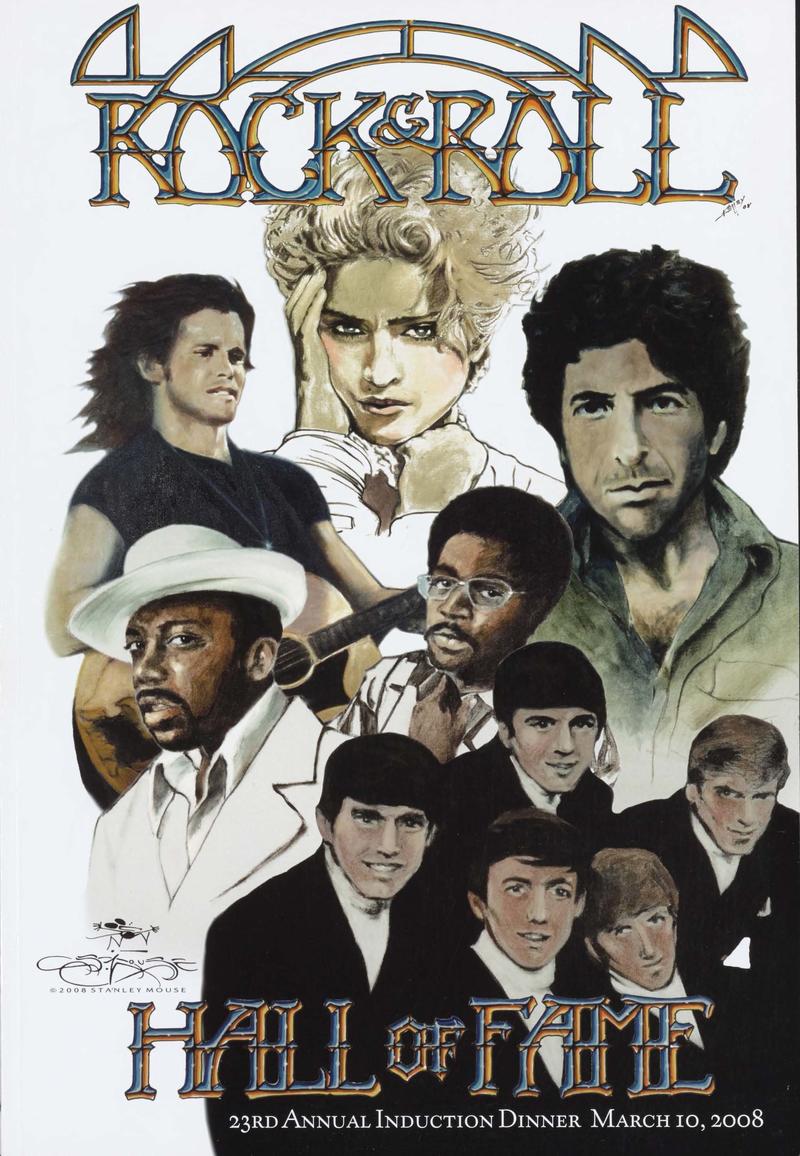
March 10, 2008: John Mellencamp is inducted into the Rock and Roll Hall of Fame at the 23rd annual induction dinner. is his presenter.

Essential Recordings

Pink Houses
Small Town
Jack & Diane
Authority Song
Rain on the Scarecrow
Paper in Fire
Peaceful World
Crumbling Down
R.O.C.K. in the U.S.A.
To Washington

Recommended Reading

“Hey, John Cougar, What’s Your Problem?”
Christopher Connelly. Rolling Stone (December 9, 1982): 22-24.

“John Mellencamp’s Void in the Heartland.”
Anthony DeCurtis. Rolling Stone (June 29, 1989): 32-35+.

“John Cougar Mellencamp: The Rolling Stone Interview.”
David Fricke. Rolling Stone (January 30, 1986): 28-32+.

Born in a Small Town: John Mellencamp – The Story.
Heather Johnson. London: Omnibus Press, 2007.


Hank Williams' White Wool Felt Cowboy Hat

Photo by Design Photography
Collection of Marty Stuart