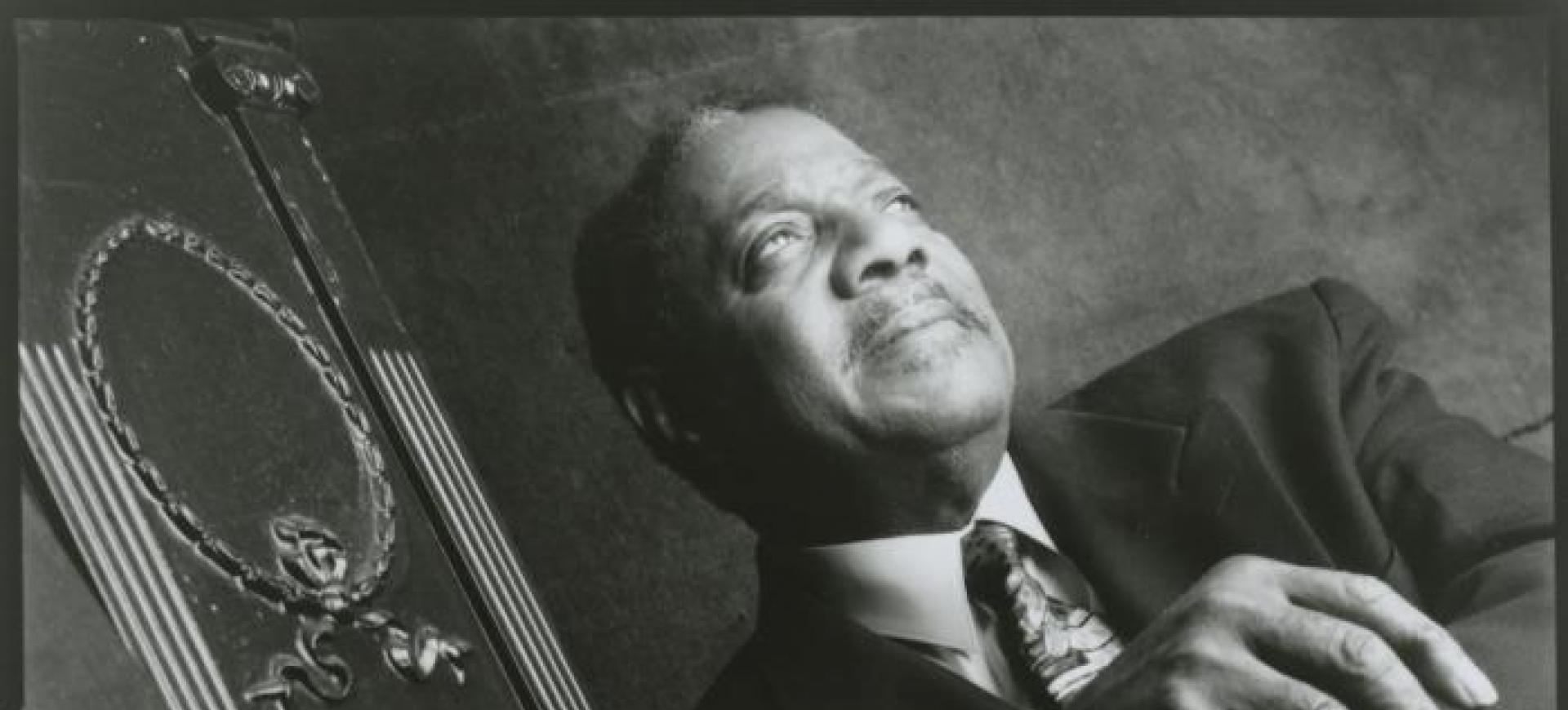
Johnnie Johnson
Induction Year: 2001
Induction Category: Sidemen
Inductee: Johnnie Johnson (piano; born July 8, 1924)
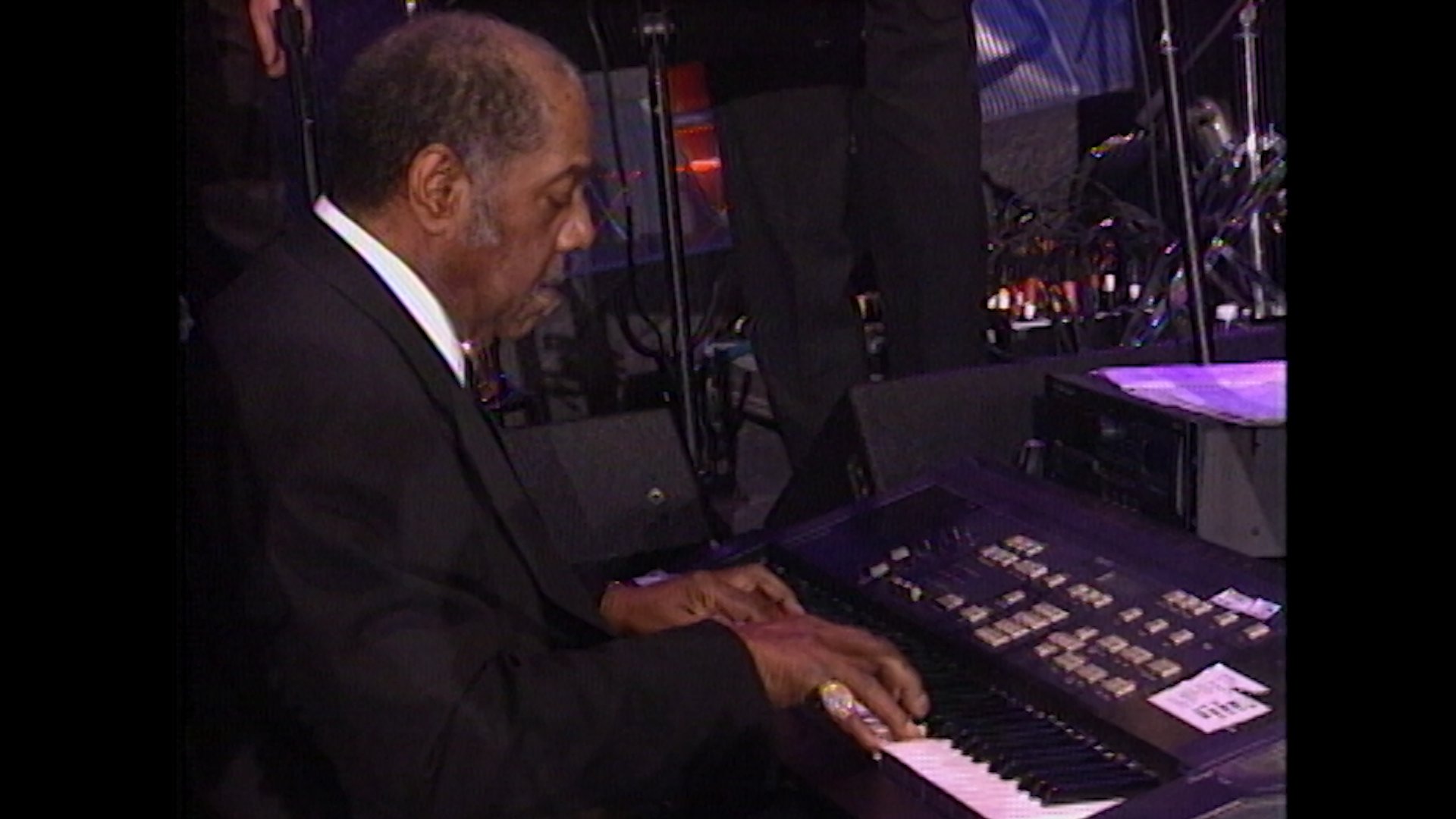
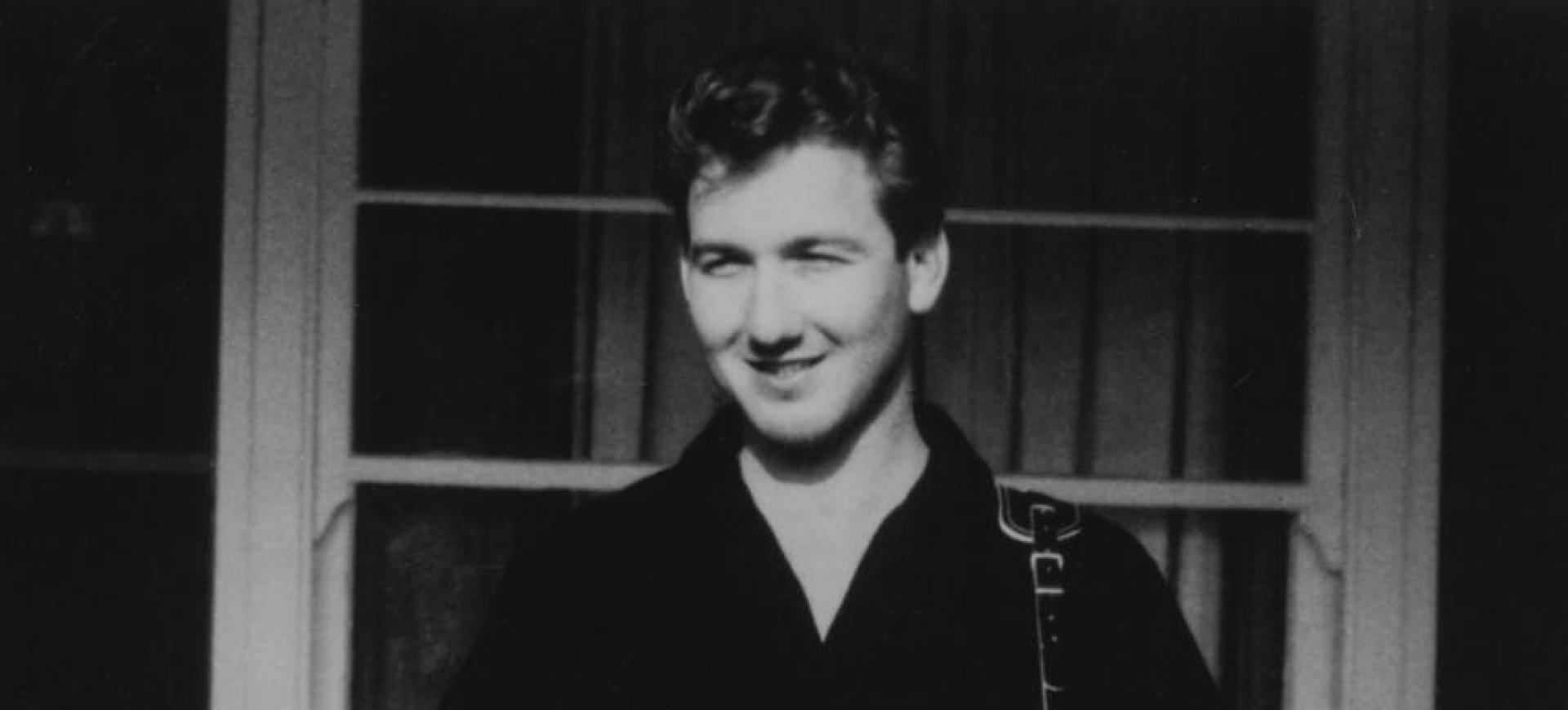
Johnnie Johnson is one of the unsung heroes of rock and roll. He has been called “the world’s greatest living blues pianist” and “the founding father of rock and roll,” but relatively few knew his name because he played piano in Chuck Berry’s band and did relatively little recording on his own. That, however, is changing, as Johnson’s unsung role as a key player in some of rock and roll’s most classic songs has been brought to light through the efforts of music journalists and boosters like Keith Richards (of the Rolling Stones), Eric Clapton John Sebastian (of the Lovin Spoonful) and Terry Adams (of NRBQ).
Johnson began playing at age four when his parents brought a new piano into their Fairmont, West Virginia, home. The youngster seemed to possess an innate mastery of the instrument. By nine he was playing jazz tunes by Count Basie, Oscar Peterson and Earl “Fatha” Hines on a local radio station. While serving in the Marines, Johnson performed alongside seasoned jazz professionals in the Special Service Band, and it was here he decided to make music his life’s work. Moving to Chicago after the war, Johnson apprenticed with such blues masters as Muddy Waters and Albert King on the club scene. By the early Fifties, he was living in St. Louis, where he worked in a factory by day and fronted the Johnnie Johnson Trio, an R&B band, as time allowed. When he had to replace an ailing saxophonist for a club date on New Year’s Eve 1952, he called a guitar-playing friend on short notice to sit in. His name was Chuck Berry.
Berry’s rocking hillbilly style melded with Johnson’s jazz-tinged blues and boogie. Many of Chuck Berry’s rock and roll classics - including “Sweet Little Sixteen,” “School Days” and “Roll Over Beethoven” - came about during impromptu rehearsals when Berry would show up with lyrics and ask Johnson to play some music behind it. “Just me, Chuck and the piano” is how Johnson put it. Johnson and Berry traveled to Chicago in 1957, where they recorded “Maybellene,” the first of many Chuck Berry hits that featured Johnson on piano. In fact, Berry wrote “Johnny B. Goode” as a tribute to Johnson, who often kept playing piano long after a show ended, sitting in with jazz bands and anyone who would have him. “I would play anytime, anywhere, with anybody,” he has said. Referring to his disappearing acts, Berry would look at him and say, “Why can’t you just be good, Johnny?”
Johnson remained with Berry until 1973. It was nothing personal, he said of his departure. I was just tired and, plus, I was scared to fly. Over time, there was a growing recognition that Johnson’s musical contributions to Berry’s songs were essential to their success. The humble, overlooked pianist finally received some long-overdue attention in the Chuck Berry film documentary Hail! Hail! Rock and Roll, wherein Keith Richards and others testified to the importance of Johnson’s piano stylings. Ironically, Johnson at the time was working as a bus driver in St. Louis. The intervention of Richards and others and the attention brought to him by the film returned Johnson to the world of music.
Johnson began recording on his own in the late Eighties, debuting with Blue Hand Johnnie and receiving a lot of help from famous friends on such subsequent releases as Johnnie B. Bad. In the words of biographer Travis W. Kirkpatrick, “Without Johnnie Johnson, that perfect mixture of blues, country and jazz flowing together into joyful cohesion - that sound we call rock and roll - may never have been.”
TIMELINE
July 8, 1924: Johnnie Johnson is born.
December 31, 1952: Needing a replacement for an ailing saxophonist for a New Year’s Eve show, pianist/bandleader Johnnie Johnson calls a guitar-playing acquaintance named Chuck Berry.
May 21, 1955: Chuck Berry records “Maybellene” – an uptempo rewrite of the country-flavored “Ida Red” – with pianist Johnnie Johnson, bass player Willie Dixon and drummer Jasper Thomas. It is the first of Berry’s many hits for Chess Records.
June 14, 1958: The rock and roll classic “Johnny B. Goode,” written by Chuck Berry about pianist/sidekick Johnnie Johnson, makes the Top Ten.
1973: After 30 years, Johnnie Johnson pianist leaves Chuck Berry’s band.
October 16, 1986: Johnnie Johnson is part of the all-star band that backs Chuck Berry at a concert at St. Louis’s Fox Theater in celebration of Berry’s 60th birthday. The concert is the basis for the documentary film, ‘Hail! Hail! Rock ‘n’ Roll!,’ released in 1988.
1987: Johnnie Johnson releases the first solo album of his lengthy career, ‘Blue Hand Johnnie.’
1992: Johnnie Johnson’s third solo album, ‘Johnnie B. Bad,’ finds the piano great backed by Eric Clapton, Keith Richards and NRBQ.
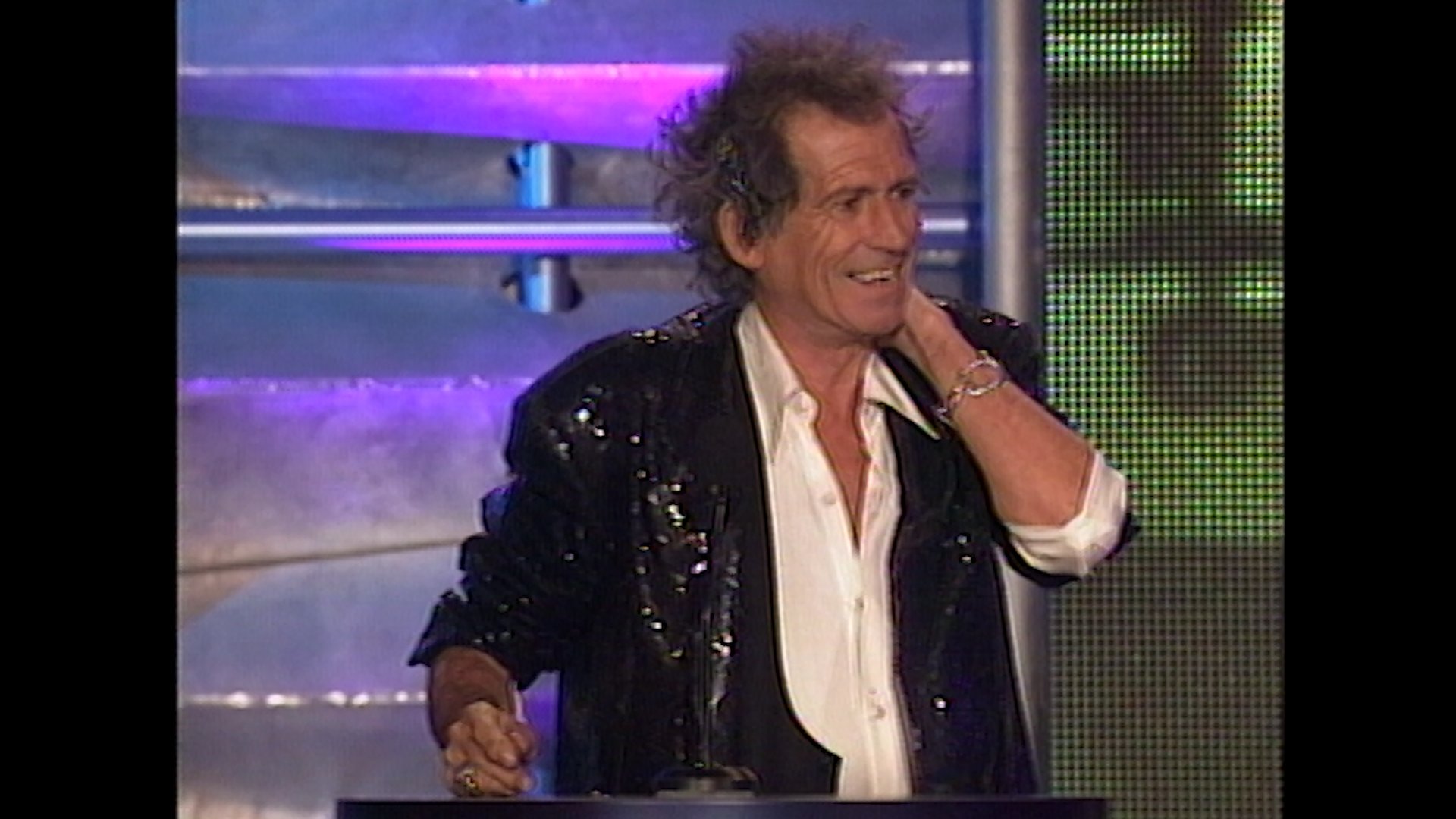
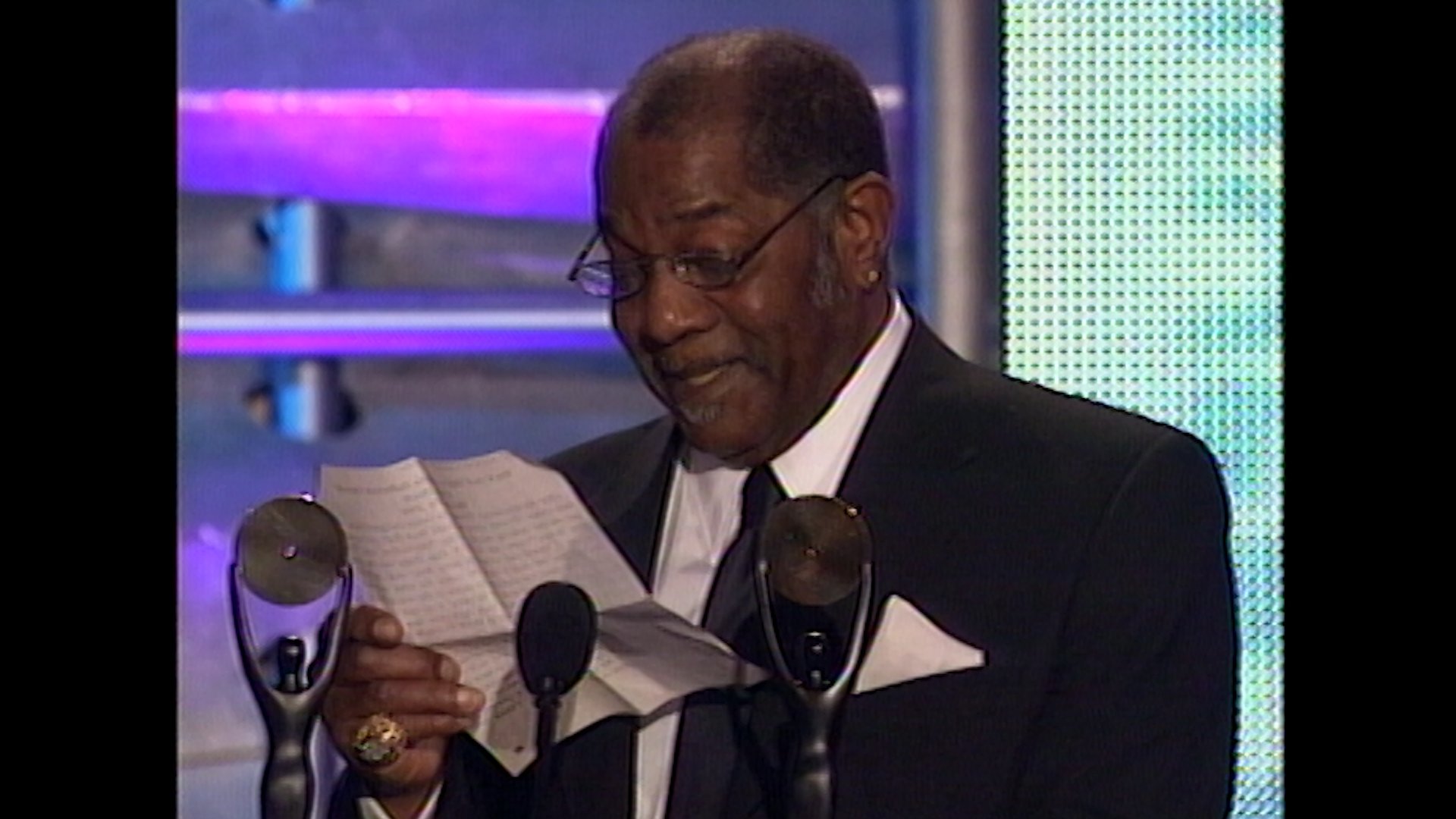
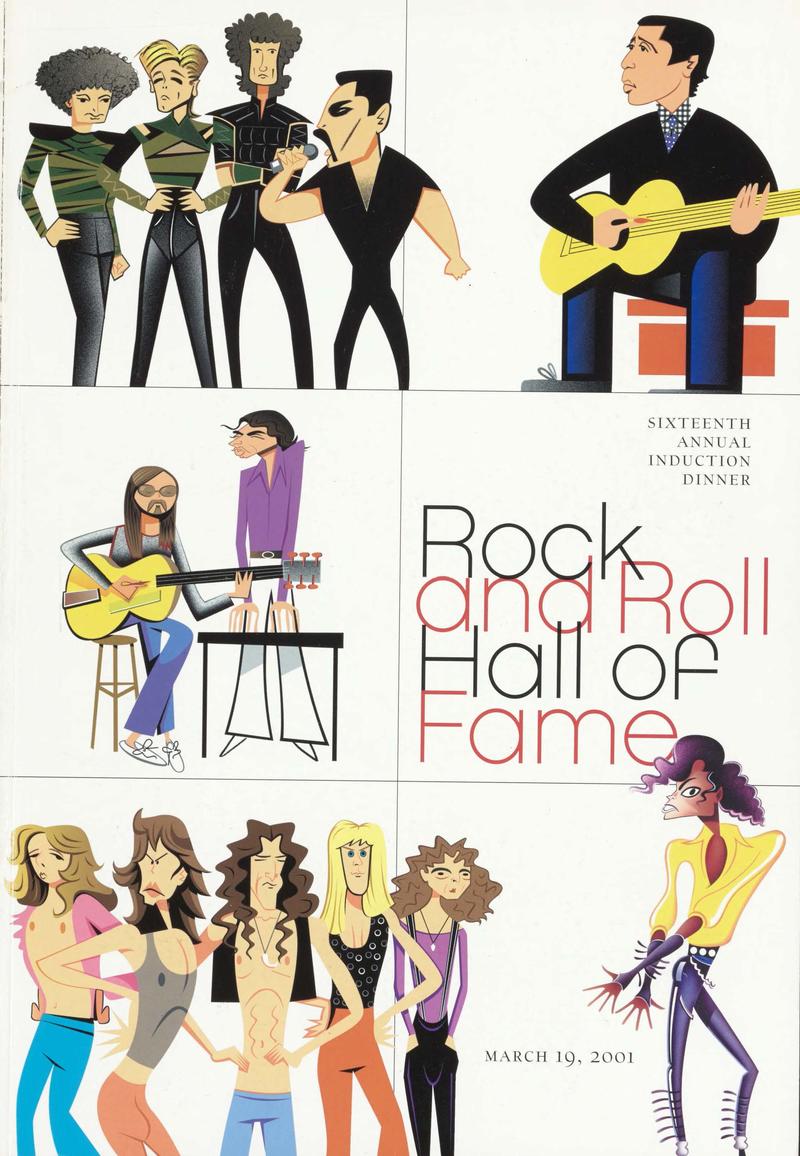
March 19, 2001: Johnnie Johnson is inducted into the Rock and Roll Hall of Fame at the sixteenth annual induction dinner. Keith Richard is his presenter.
November 30, 2001: A multi-count lawsuit against Chuck Berry is filed on behalf of pianist Johnny Johnson. It seeks a share of royalties for Johnson, who allegedly co-composed numerous hit songs with Berry that have heretofore been credited to Berry alone.
April 13, 2005: Johnnie Johnson passes away at the age of 80.
Essential Recordings
Johnny B. Goode, by Chuck Berry
Sweet Little Sixteen, by Chuck Berry
Roll Over Beethoven, by Chuck Berry
School Days, by Chuck Berry
Back in the USA, by Chuck Berry
Maybellene, by Chuck Berry
That’ll Work, by Johnnie Johnson
Tanqueray, by Johnnie Johnson
Frances, by Johnnie Johnson
Johnnie B. Bad, by Johnnie Johnson
Recommended Reading
Father of Rock and Roll: The Story of Johnnie “B. Goode” Johnson
Travis W. Fitzpatrick. London: Thomas, Cooke & Co., 1999.
“Johnnie Johnson: The Real Johnny B. Goode.”
Danny McCue. Goldmine (September 21, 1990): 30-32+.
“Johnnie Johnson: Mr. Johnnie B. Goode.”
Richard Skelly. Goldmine (July 19,1996): 54-62.