Johnny Otis
Induction Year: 1994
Induction Category: Non-Performer
Inductee: Johnny Otis (bandleader; born December 28, 1921)
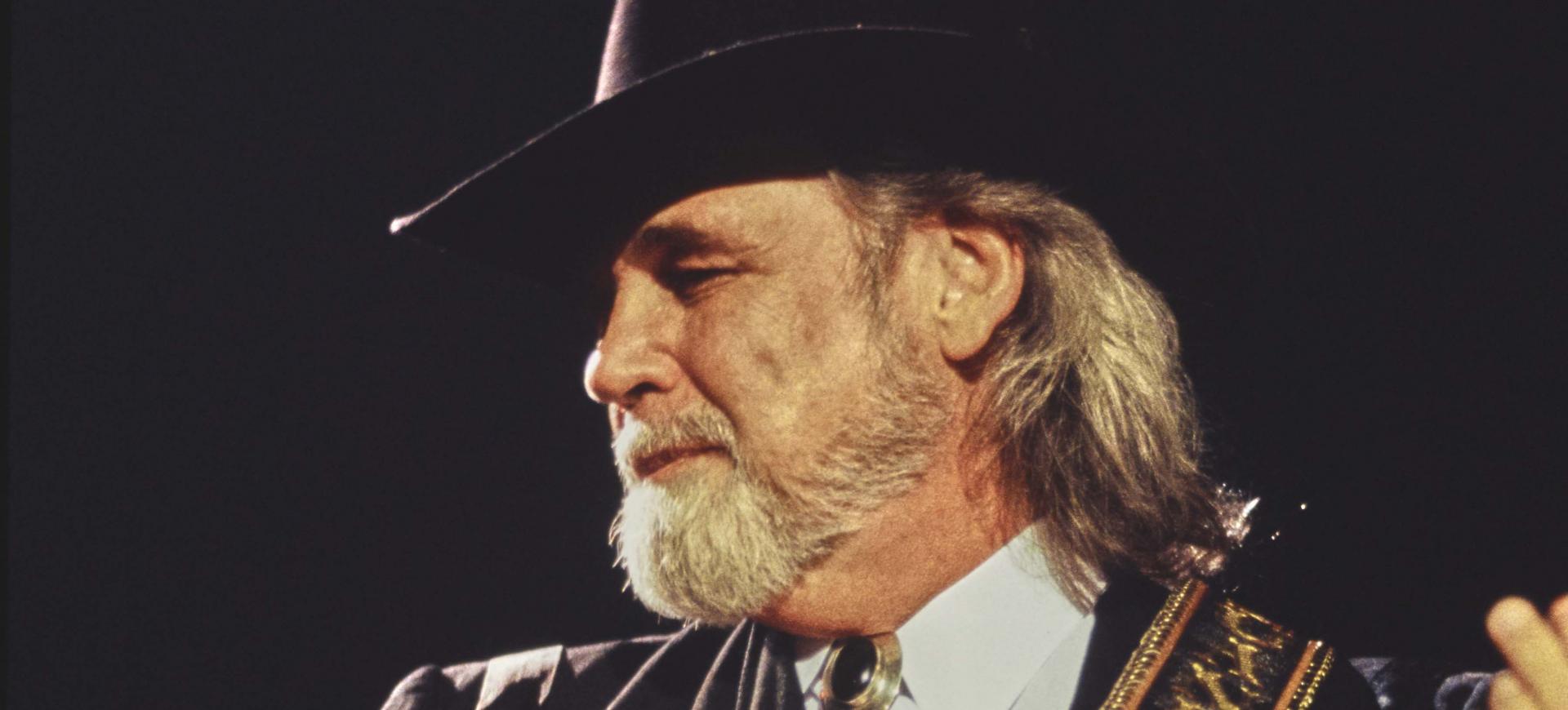
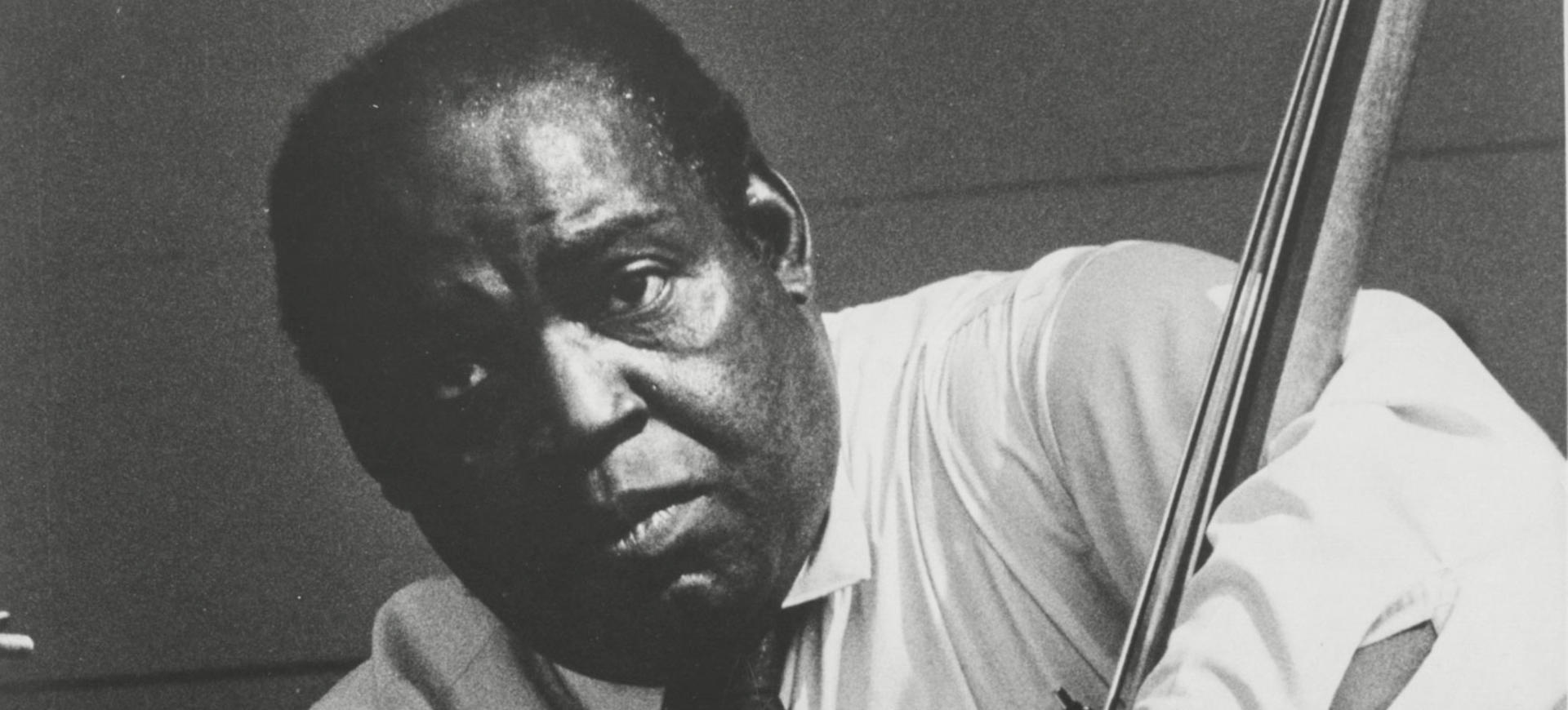
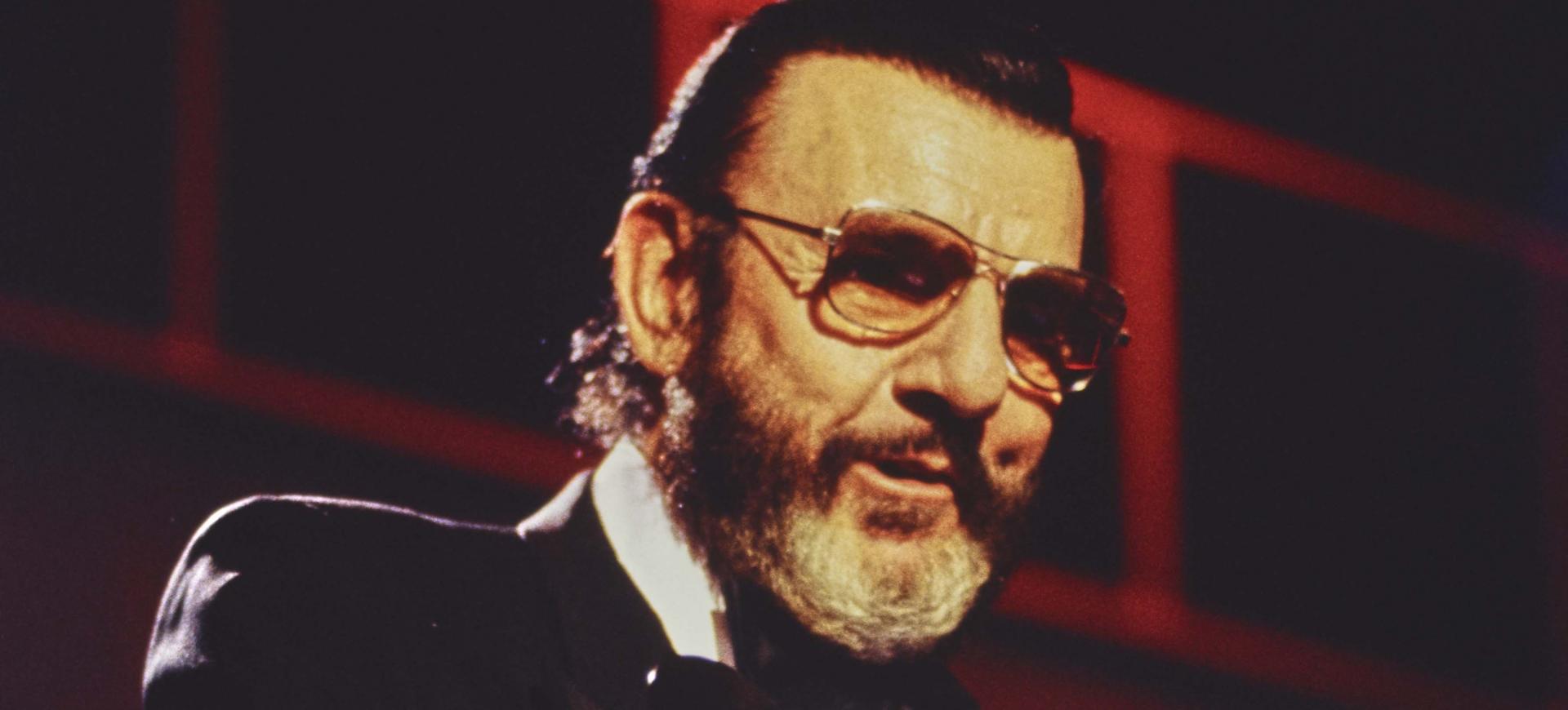
Bandleader Johnny Otis has been called “the Godfather of Rhythm and Blues.” Over the years he has exhibited an uncanny ear for talent, and by bringing that talent to the fore has served to advance the growth and development of rhythm & blues. His R&B stage revues and the numerous recordings made under his name have included such singing discoveries as Little Esther, Willie Mae “Big Mama” Thornton, Etta James and the Robins (who evolved into the Coasters). Beginning in the mid-Forties, Johnny Otis cut classic numbers including “Double Crossing Blues,” (a #1 R&B single for nine weeks!), “Mistrusting Blues,” “Barrelhouse Boogie” and “Rockin’ Blues” with his R&B orchestra. Otis recorded under his own name but also backed up acts on the Excelsior and Exclusive labels.
In addition to his skills as a producer, talent scout and songwriter (which led to his induction into the Rock and Roll Hall of Fame as a nonperformer), Otis was an accomplished percussionist who joined jazz bands in the Forties and played drums on such early R&B recordings as the Three Blazers’ landmark “Drifting Blues,” featuring vocalist Charles Brown. In the Fifties, Otis scouted talent for Syd Nathan’s King and Federal labels, discovering the Midnighters - then known as the Royals, later as Hank Ballard and the Midnighters - whose “Work With Me Annie” became a rock and roll cornerstone in 1954. He also crossed paths with Johnny Ace (Otis produced and played on “Pledging My Love”), Jackie Wilson, Little Willie John and Big Joe Turner, to name a few. Otis’ various achievements make him a key figure in the rise of rhythm & blues and rock & roll in the Fifties.
The multi-talented Otis was born into a family of immigrant shop owners in Vallejo, California. Despite his Greek heritage, he blended easily into the black community. Otis was the ultimate hipster, embodying the freewheeling spirit of rhythm & blues in his many musical guises: bandleader, producer, promoter, musician, talent scout, label owner and more. The Johnny Otis Orchestra placed ten singles into the R&B Top Ten in 1950 alone. Yet he charted just one crossover hit in his career: 1958’s “Willie and the Hand Jive,” a salty R&B novelty later covered by Eric Clapton and others. In the Sixties, Otis served as an West Coast A&R man for Syd Nathan’s King Records.
As popular interest in the roots of rock and R&B waned for part of the Sixties, double-teamed by the British Invasion and psychedelia, Otis helped keep the music alive with his all-star live revues. In 1970, the Johnny Otis Show performed at the Monterey Jazz Festival, resulting in a double album that rekindled interest in the many R&B greats who appeared on it. Otis’ son, guitarist Shuggie Otis, emerged from the revue as a child prodigy at age 15 and went on to a recording career in his own right.
Johnny Otis, meanwhile, has kept his touring revue alive and remained tirelessly active over the decades as a bandleader, radio deejay record producer, college professor, author, painter, sculptor and more. Few others can claim to have been both active and influential in the music business for more than 60 years and done so with the modest hepcat humor that Otis has exhibited.
TIMELINE
December 28, 1921: John Veliotes (a.k.a. Johnny Otis) is born in Vallejo, California.
1945: Johnny Otis forms his first big band and releases “Harlem Nocturne,” his first recording for the Savoy label.
1948: Bandleader Johnny Otis becomes part owner and co-founder of the Barrelhouse, the first nightclub to exclusively feature rhythm & blues.
February 4, 1950: “Double Crossing Blues,” by the Johnny Otis Orchestra –featuring the Robins and Little Esther Phillips on vocals – enters the R&B chart, which it will top for nine weeks.
April 8, 1950: “Mistrustin’ Blues,” by the Johnny Otis Orchesta – featuring Little Esther Phillips and Mel Walker on vocals – enters the R&B chart, which it will top for four weeks.
June 30, 1958: “Willie and the Hand Jive,” by the Johnny Otis Orchestra, enters the R&B chart, where it will reach #3. It goes on to become an R&B standard, cut by Eric Clapton and others.
1968: Johnny Otis releases ‘Cold Shot,’ his first album in a decade – recorded at the instigation of Frank Zappa - on the Los Angeles-based Kent label.
January 24, 1970: ‘Kooper Session,’ subtitled ‘Al Kooper Introduces Shuggie Otis,’ serves to unveil the abundant talent of bandleader Johnny Otis’ teenage guitar-playing son to a wider audience.
1970: The Johnny Otis Show – featuring such R&B luminaries as Esther Phillips, Eddie Vinson, Roy Milton, Big Joe Turner, Ivory Joe Hunter and Roy Brown – performs at the Monterey Jazz Festival. The performance is released as ‘The Johnny Otis Show Live at Monterey!.’
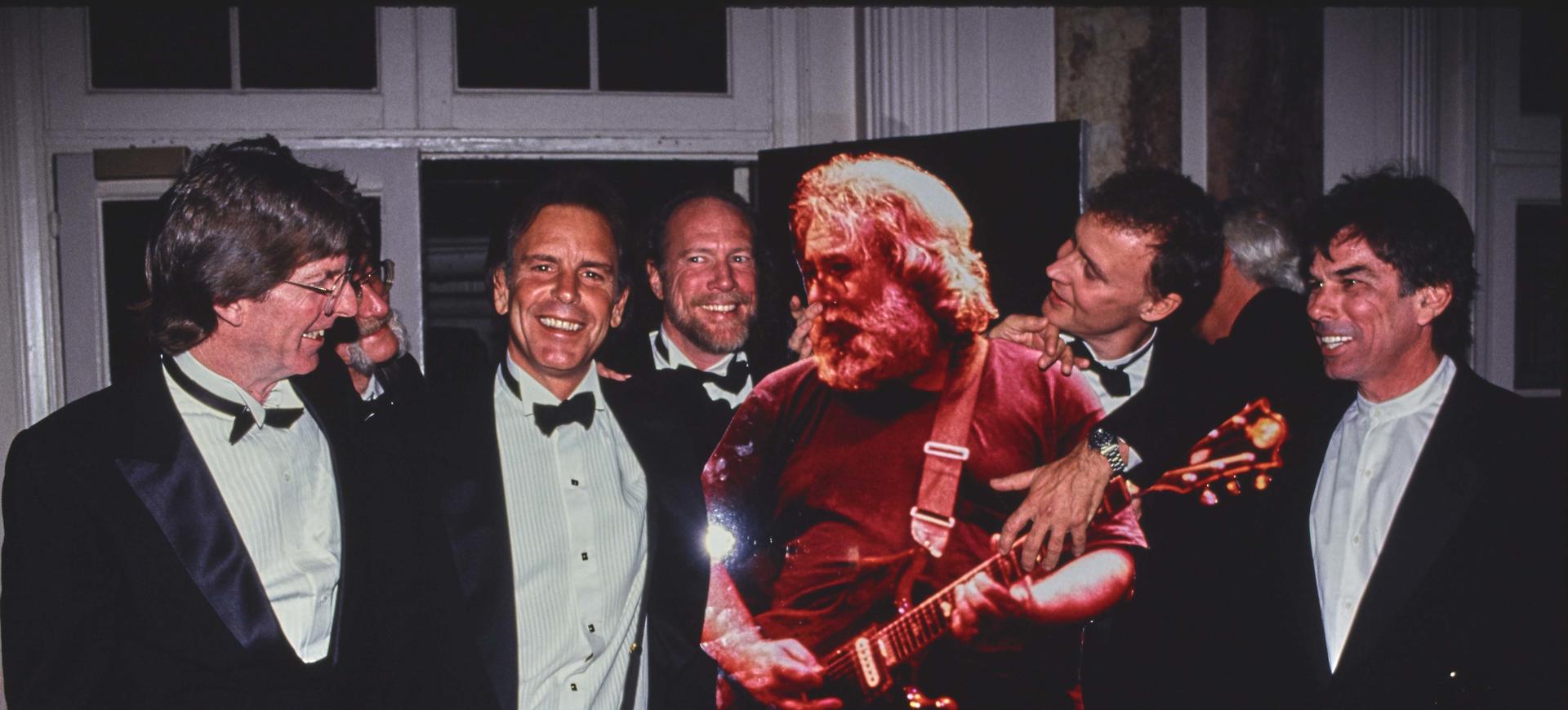
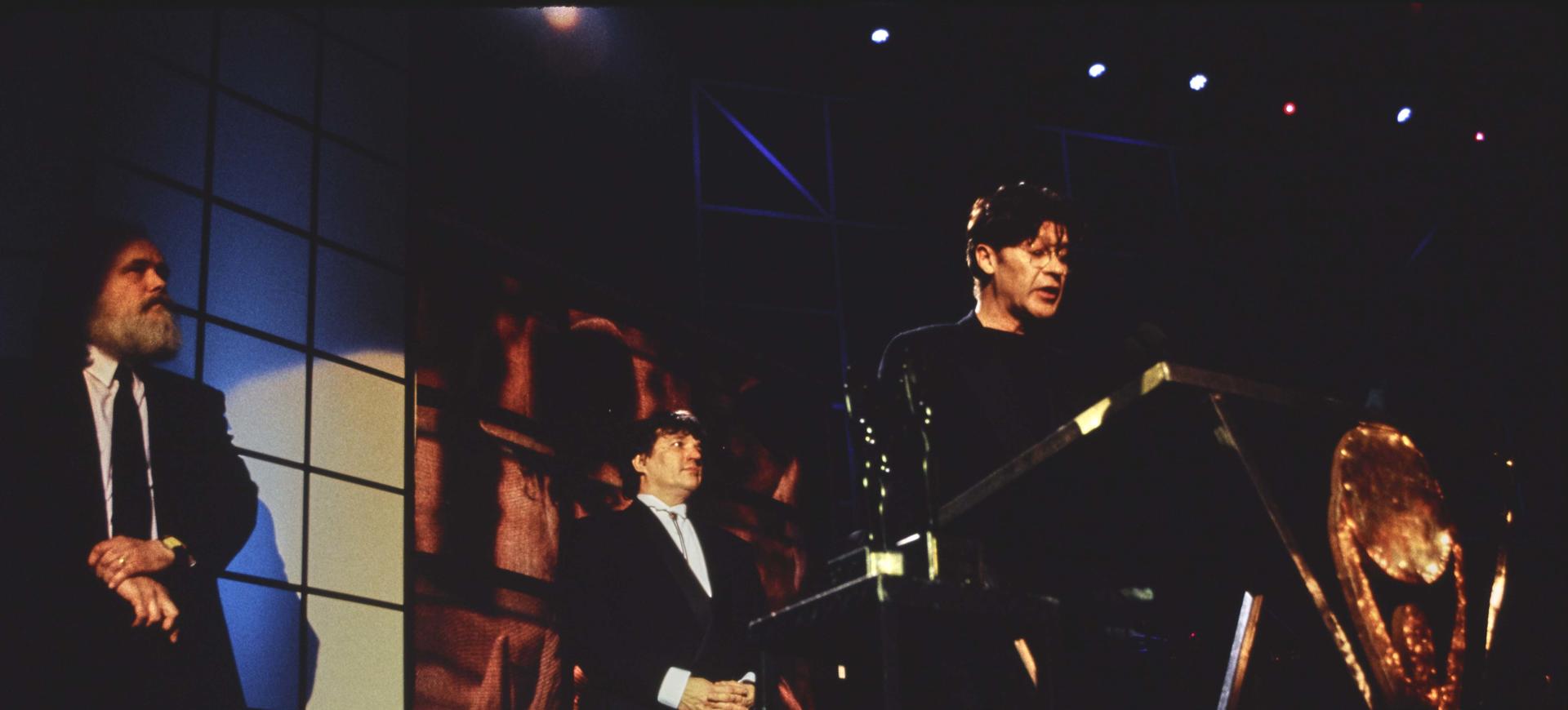
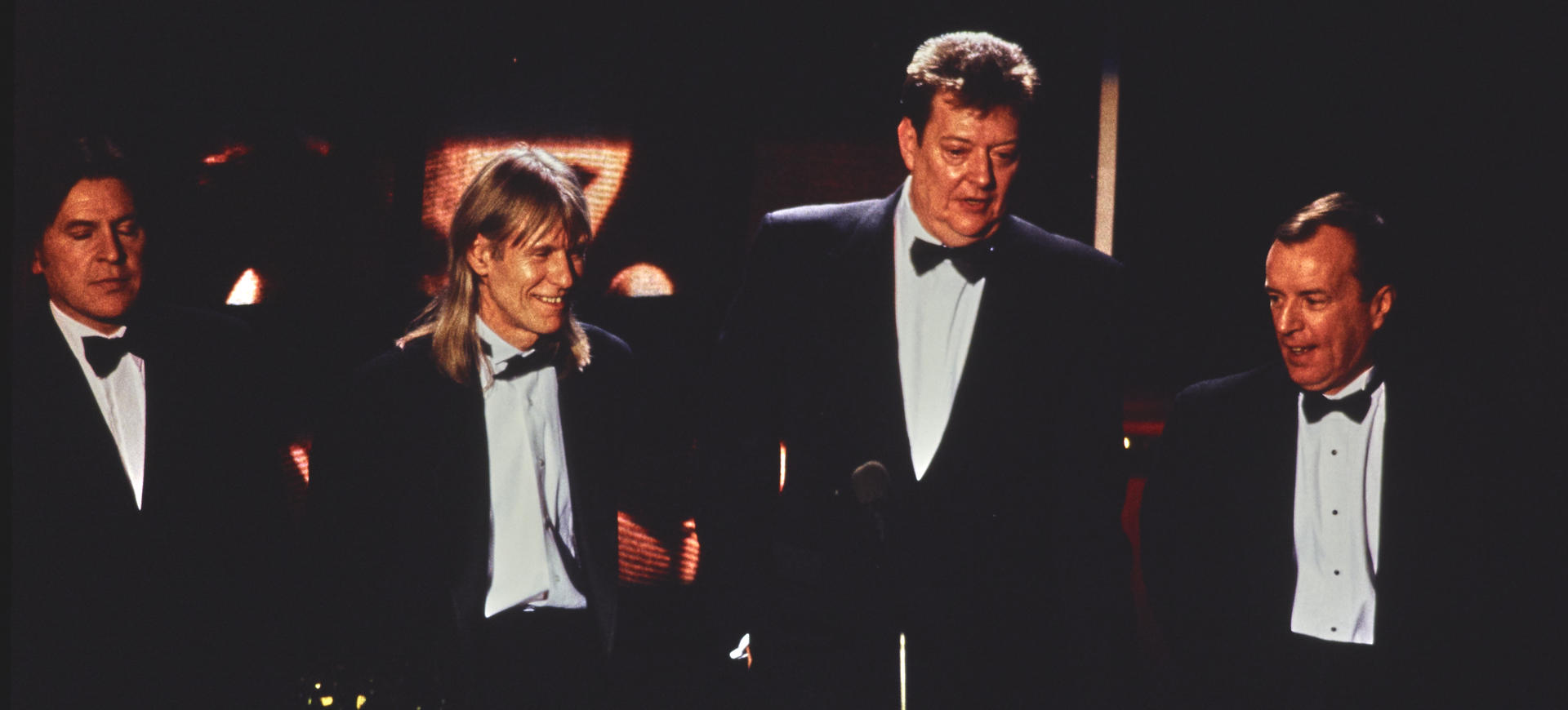
January 19, 1994: Johnny Otis is inducted into the Rock and Roll Hall of Fame at the ninth annual induction dinner. Etta James is his presenter.
October 16, 1999: ‘The Johnny Otis Rhythm & Blues Caravan,’ a three-CD box set that compiles his seminal recordings for the Savoy label from 1945 to 1952, is released.
Essential Recordings
Willie and the Hand Jive
Double Crossing Blues
Mistrustin’ Blues
Deceivin’ Blues
All Nite Long
Cupid’s Boogie
Mombo Boogie
Country Girl
Barrelhouse Boogie
Recommended Reading
Upside Your Head! Rhythm and Blues on Central Avenue
Johnny .
“Johnny Otis – The Rock and Roll Years: Doin’ That Crazy Hand Jive.”
Steve Propes. Goldmine (March 25, 1988): 8-12+.