Rock and Roll Hall of Fame and Museum

Joni Mitchell

Induction Year: 1997

Induction Category: Performer


"Inductee: Joni Mitchell (vocals, guitar; born November 7, 1943)

A consummate artist, Joni Mitchell is an accomplished musician, songwriter, poet and painter. Hailing from Canada, where she performed as a folksinger as far back as 1962, she found her niche on the same Southern California singer/songwriter scene of the late Sixties and early Seventies that germinated such kindred spirits as , Warren Zevon and . Mitchell’s artistry goes well beyond folksinging to incorporate elements of jazz and classical music. In her own words, “I looked like a folksinger, even though the moment I began to write, my music was not folk music. It was something else that had elements of romantic classicism to it.” Impossible to categorize, Mitchell has doggedly pursued avenues of self-expression, heedless of commercial outcomes. Nonetheless, she managed to connect with a mass audience in the mid-Seventies when a series of albums-Court and Spark (1974, #2), Miles of Aisles (1974, #2), The Hissing of Summer Lawns (1975, #4) and Hejira (1976, #13)-established her as one of that decade’s pre-eminent artists.

Mitchell was born Roberta Joan Anderson in remote northwest Canada. She was raised in the city of Saskatoon, where she took up painting and music at an early age. Her first song, “Day by Day,” was written in 1964 while she was en route to a folk festival in Toronto. She moved to Toronto a year later, where she got caught up in the city’s flourishing club scene. In 1965, she married folksinger Chuck Mitchell, keeping his last name after they divorced. Mitchell’s songs were discovered, performed and recorded by such established folk musicians as Tom Rush, Ian and Sylvia, Judy Collins (whose version of “Both Sides Now” went to #8 in 1968), Dave Van Ronk and Buffy Saint-Marie. British folk-rockers Fairport Convention cut some of her earliest material as well.

Mitchell was signed to Reprise Records in 1967, and her untitled first album appeared a year later. It was followed by Clouds, which included Mitchell’s versions of “Both Sides Now” and “Chelsea Morning,” and Ladies of the Canyon, which contained “Big Yellow Taxi,” an anti-"progress" ditty that stands as one of Mitchell’s signature tunes. Her fourth album, 1971’s Blue, was a stunning a suite of songs about romantic disillusionment that stands as a classic in the confessional singer/songwriter mode. Mitchell’s popular breakthrough came two albums later with Court and Spark, a sprightly and intelligent jazz-pop album made with musical support from the jazz-fusion ensemble Tom Scott and the L.A. Express. Both experimental and accessible, Mitchell’s mid-Seventies output won her a large following. Hejira, which appeared in 1976, is regarded as Mitchell’s masterpiece. The title is an Arabic word meaning “flight from the dream,” and the album was a uniquely textured and exploratory song cycle that traced one woman’s mystical “hejira” through this world.

From the beginning, Mitchell played guitar in different tunings to compensate for the fact her left hand had been left weakened by a childhood bout with polio. As a result, her chord shapes, combined with the meandering meters of her more fanciful compositions, tend to resemble jazz more than standard folk or rock. Her associations with the likes of Wayne Shorter, Herbie Hancock, Tom Scott, Jaco Pastorius and Charles Mingus have resulted in some of her most ambitious work. Mitchell continued to record allusive, jazz-tinged material, studded with personal revelations and socio-political commentary, throughout the Eighties and Nineties. At the same time she’s pursued painting with nearly the same commitment. Mitchell’s artwork adorns some of her album covers, such as the Van Gogh-inspired self-portrait on 1994’s Turbulent Indigo.

Mitchell kicked off the new millennium with Both Sides Now, an orchestrated album of torch songs by other songwriters and herself. In a sense, it brought her career full circle, since the title song was one of the very first she wrote while still a fledgling musician back in the mid-Sixties.

TIMELINE

November 7, 1943: Roberta Joan Anderson (a.k.a. Joni Mitchell) is born in Fort McLeod, Alberta, Canada.

January 21, 1967: The first recording of a Joni Mitchell song, country singer George Hamilton IV’s version of “Urge for Going,” enters Billboard’s Hot Country Singles chart. Mitchell’s own version would later appear as the B side of the 1972 single “You Turn Me On, I’m a Radio.”

March 9, 1968: Joni Mitchell’s untitled debut album, produced by David Crosby and sometimes referred to as ‘Song to a Seagull,’ is released.

December 1, 1968: Joni Mitchell and Graham Nash move into “Our House” on Laurel Canyon’s Lookout Mountain Road.

August 18, 1969: Joni Mitchell is slated to perform at Woodstock but is advised to honor a commitment to appear on Dick Cavett’s TV talk show. In lieu of appearing at that landmark event, she writes the anthemic tribute, “Woodstock.”

January 1, 1970: David Geffen establishes Asylum Records. The first artist he signs is . The label’s roster eventually will include Linda Ronstadt, , Joni Mitchell, J.D. Souther and numerous other Los Angeles musicians.

March 1, 1970: Joni Mitchell’s Ladies of the Canyon, featuring “Big Yellow Taxi,” enters the Top 30 on the Billboard album chart.

December 14, 1972: For the Roses, Joni Mitchell’s first album for David Geffen’s new Asylum label, is released. It reaches #11 and “You Turn Me On, I’m a Radio” is a minor hit single.

February 3, 1973: Joni Mitchell hits #25 with “You Turn Me On, I’m a Radio.”

February 2, 1974: ‘Court and Spark’, a tuneful, jazz-tinged album containing some of Joni Mitchell’s most accessible work, enters the album chart. It goes on to sell four million copies and launch two Top Forty singles: “Help Me” (#7) and “Free Man in Paris” (#22).

December 14, 1974: ‘Miles of Aisles’, a live double album documenting Joni Mitchell’s tour in the wake of ‘Court and Spark’s’ commercial breakthrough, is released. It is recorded during four-night stand in August 1974 and finds her backed by Tom Scott and the L.A. Express.

February 15, 1975: Joni Mitchell hits #24 with “Big Yellow Taxi”.

July 14, 1979: Joni Mitchell’s collaboration with jazz bass player and bandleader Charles Mingus, simply titled Mingus, is released a half-year after his death.

November 14, 1982: Joni Mitchell’s first studio album of the Eighties, ‘Wild Things Run Fast’, is released. Only two more albums will be forthcoming in the decade: ‘Dog Eat Dog’ (1985) and ‘Chalk Mark in a Rain Storm’ (1988).

February 19, 1991: ‘Night Ride Home, Joni Mitchell’s 16th album, inaugurates the Nineties. It would be followed by ‘Turbulent Indigo’ (1994) and two complementary and simultaneously released compendiums, ‘Hits’ and ‘Misses’.

December 6, 1995: Joni Mitchell is presented with the Century Award at the Billboard Music Awards.

February 28, 1996: ‘Turbulent Indigo’, Joni Mitchell’s 17th album, wins a Grammy for Best Pop Album at the 38th annual Grammy Awards.

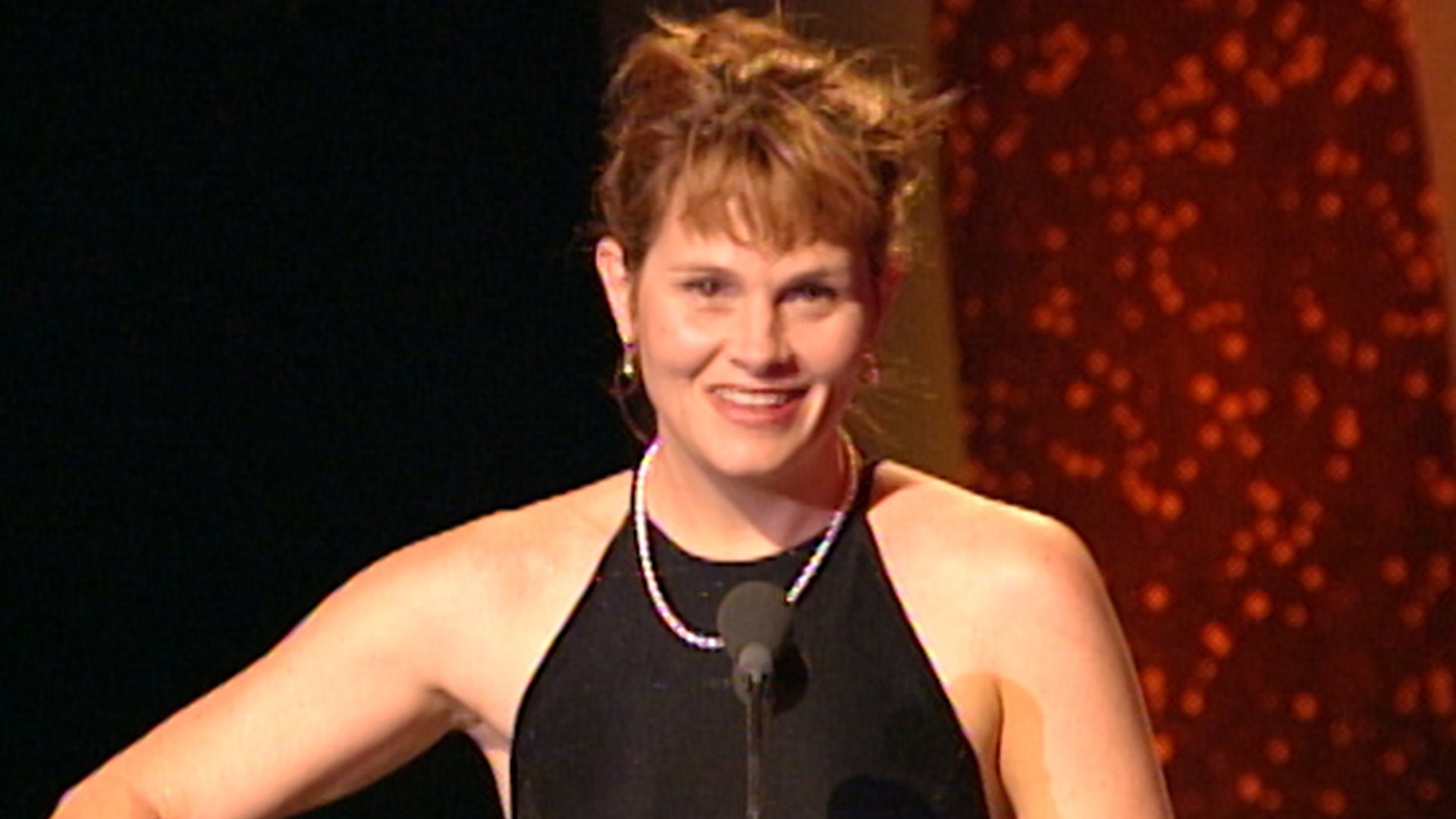
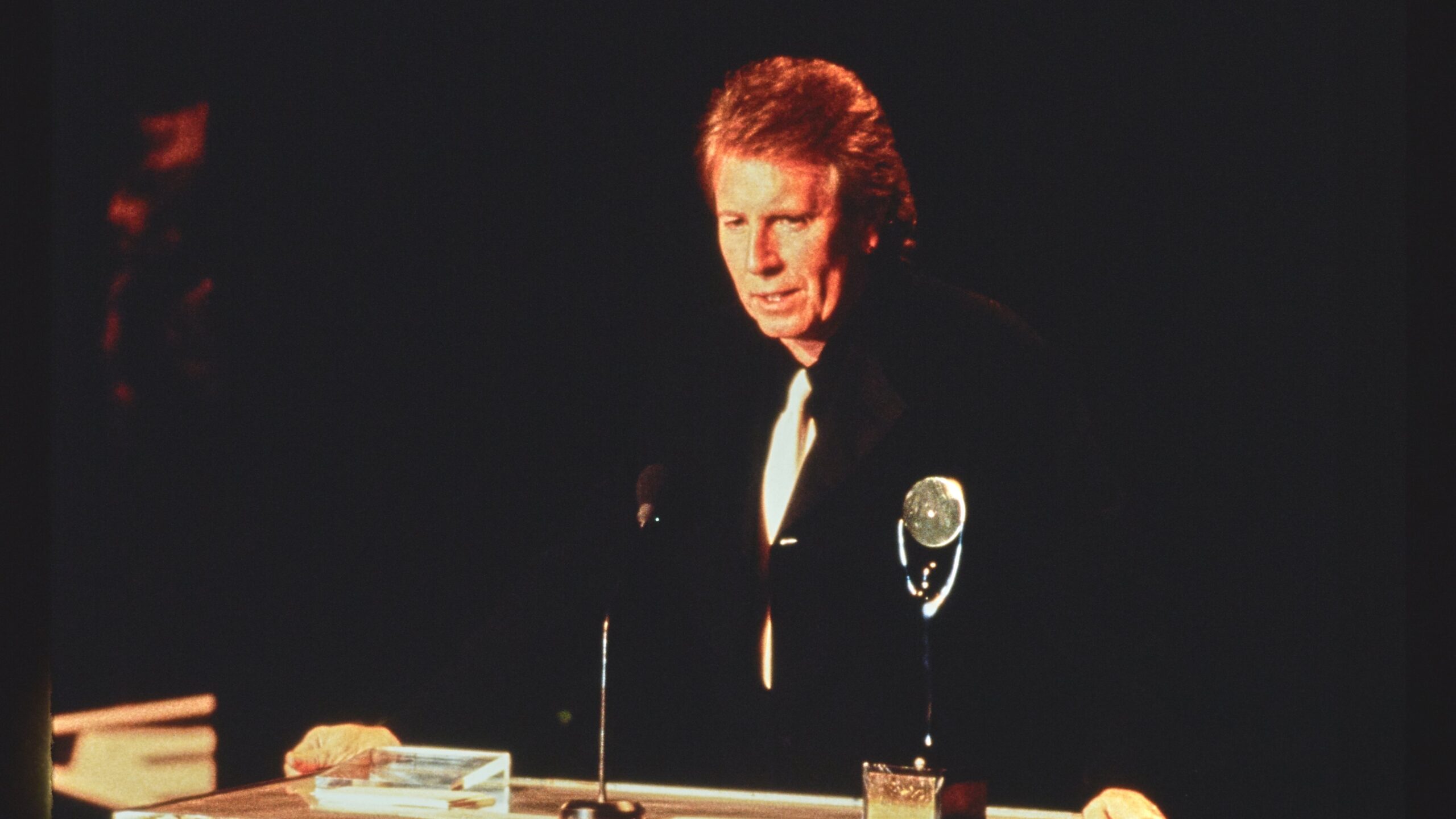
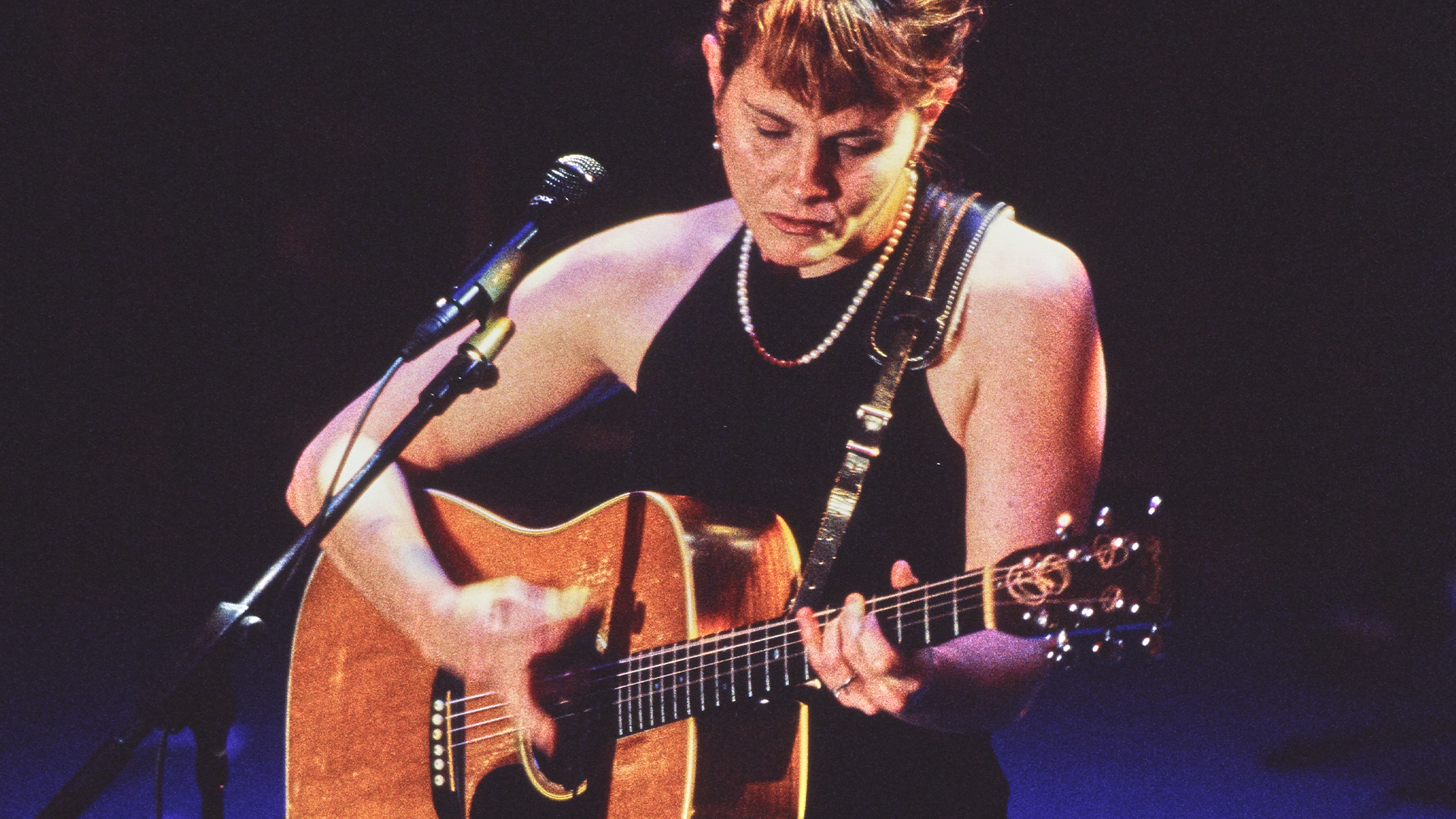
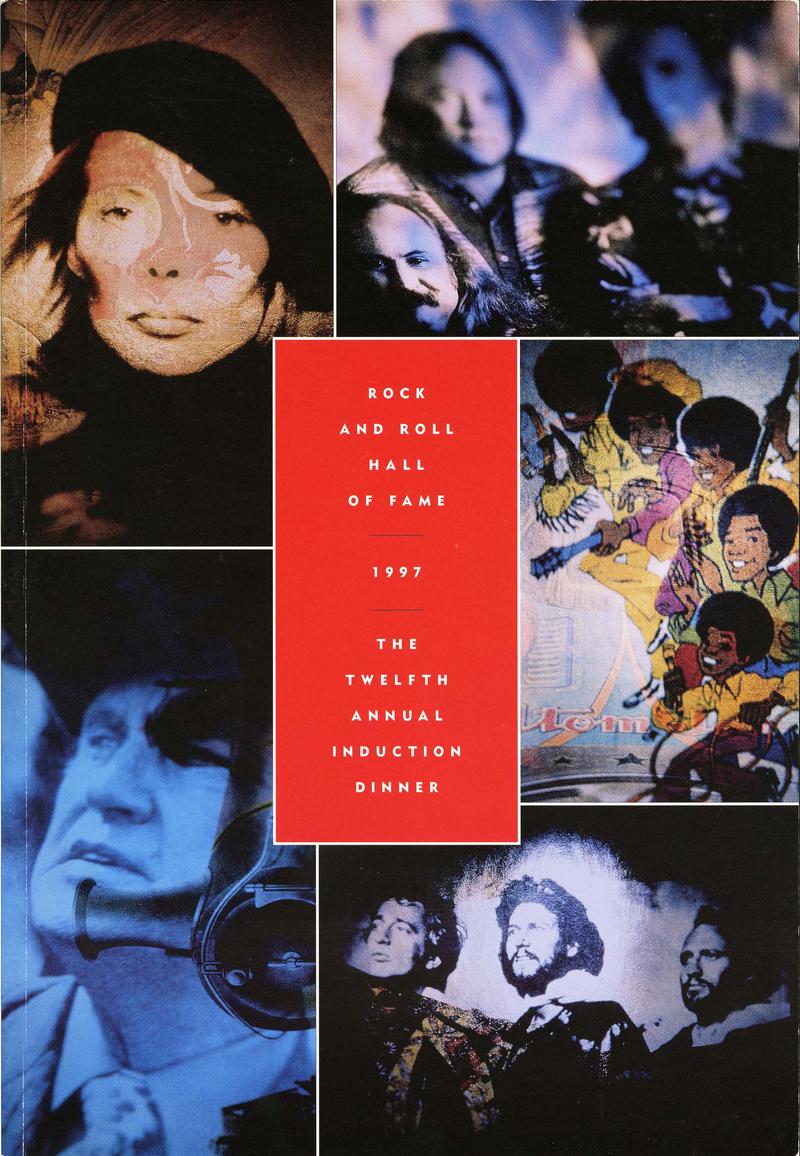
May 6, 1997: Joni Mitchell inducted into the Rock and Roll Hall of Fame at the twelfth annual induction dinner. Shawn Colvin is her presenter.

March 14, 2000: Both Sides Now, an album of love songs by Joni Mitchell and other songwriters, is released. She is accompanied by the London Symphony Orchestra.

Essential Recordings


Both Sides Now
Circle Game
Big Yellow Taxi
Help Me
Chelsea Morning
California
A Case of You
For the Roses
Free Man in Paris

Recommended Reading


Joni Mitchell: Both Sides Now - the Biography
Brian Hinton. London: Sanctuary Publishing, 1997.

The Joni Mitchell Companion: Four Decades of Commentary
Stacy Luftig (ed). New York: Music Sales Corporation, 2000.

Joni Mitchell: The Complete Poems and Lyrics
Joni Mitchell. New York: Crown Publishing, 1998.

“Joni Mitchell: From Blue to Indigo”
William Ruhlmann. Goldmine (February 17, 1995), pp. 16-52+. 


The Beatles' Table Top Promotional Display for Parlophone Records, 1963

Photo by Design Photography
Collection of Peter J. Howard / ICE Magazine