Rock and Roll Hall of Fame and Museum

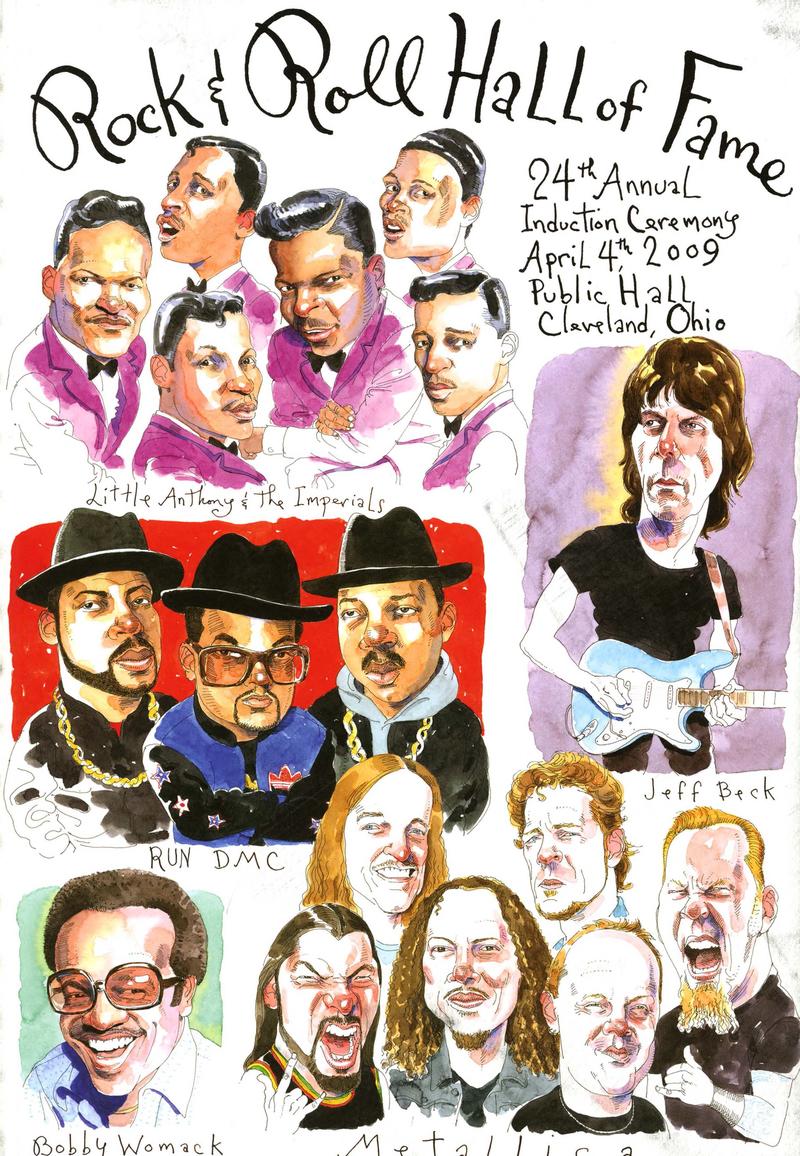
Little Anthony and the Imperials

Induction Year: 2009

Induction Category: Performer

Anthony Gourdine (vocals; born January 8, 1940), Clarence Collins (vocals; born March 17, 1941), Tracy Lord (vocals; born tk), Gloster “Nat” Rogers (vocals; born tk), Sammy Strain (vocals; born December 9, 1941), Ernest Wright, Jr. (vocals; born August 24, 1941)

Little Anthony and the Imperials were one of the finest vocal groups to emerge from the talent-rich New York scene. Moreover, they enjoyed unusual longevity for an act of that type, having hits in both the doo-wop Fifties and the soul-music Sixties. They outlasted their peers by virtue of “Little Anthony” Gourdine’s powerful, beseeching vocals and the consummate professionalism of the Imperials, who mastered a broad range of material and knew how to work a stage.

It all started in Brooklyn, where Gourdine and friends grew up in the throes of the vocal-group craze. His first groups were called the Duponts (after the chemical company) and the Chesters. The latter group got signed to music-biz impresario George Gouldner’s End Records. Wanting a name more regal than the Chesters, the label rechristened them the Imperials. It was , then an influential New York disc jockey and concert promoter, who christened Gourdine “Little Anthony,” for the youthful quality in his voice. Both Freed and fellow deejay/promoter Murray Kaufman (a.k.a. “Murray the K”) liked Little Anthony and the Imperials and helped launch their career with airplay and concert bookings.

“Tears on My Pillow,” their first single as the Imperials, was released on End Records. This classic vocal-group ballad was one of the biggest hits of 1958, reaching #2 on the R&B chart and #4 on the pop chart. Little Anthony and the Imperials were suddenly stars. The story might have ended there, with “Tears On My Pillow” fondly recalled as a vocal-group classic from one of the many one-hit wonders from that era. In fact, some of their followup singles did flop, strong as they were. But the group rebounded with an uptempo number, “Shimmy, Shimmy, Ko-Ko Bop,” that capitalized on a dance craze.

Little Anthony and the Imperials enjoyed even greater success in the Sixties with a string of chart singles on the DCP label. Their renaissance followed a two-year hiatus during which Little Anthony pursued acting while the Imperials worked the “borsht belt” circuit of resorts in the Catskills. The time off served to season both parties, and they reunited stronger than ever. Against fierce competition from the British Invasion and Motown, Little Anthony and the Imperials had back-to-back Top Ten hits with “Goin’ Out of My Head” (#6) and “Hurt So Bad” (#10). Both were dramatic pop-soul epics about romantic loss that were keyed by Little Anthony’s fevered, confessional delivery and a strong vocal arrangement. Each song has been heavily covered by other artists, as well. The Letterman returned “Goin’ Out of My Head” to the Top Ten in 1968 and Linda Ronstadt did the same with her revival of “Hurt So Bad” in 1980.

The story didn’t end there. Little Anthony and the Imperials became the first group from the contemporary realm to play New York’s prestigious Copacabana nightclub, predating and Supremes into this more “adult” room. The group also continued their hitmaking ways, charting ten more singles between the mid-Sixties and mid-Seventies, including “Take Me Back” and “I Miss You So.” In 1974, they reached #25 on the R&B chart with “I’m Falling in Love With You.” It was their final hit of any consequence. All totaled, Little Anthony and the Imperials placed 21 singles on the pop or R&B charts in three different decades – a formidable record of achievement for this durable vocal group.

In 1969, Ernest Wright left the Imperials and was replaced by Bobby Wade. In the early Seventies, Sammy Strain left to join the O’Jays and was replaced by Harold “Hal” Jenkins, who served both as vocalist and musical director. Little Anthony himself exited in 1975 for a solo career. The remaining trio of Collins, Wade and Jenkins kept the Imperials going through 1979, getting steady work in the Las Vegas lounges and on cruise ships.
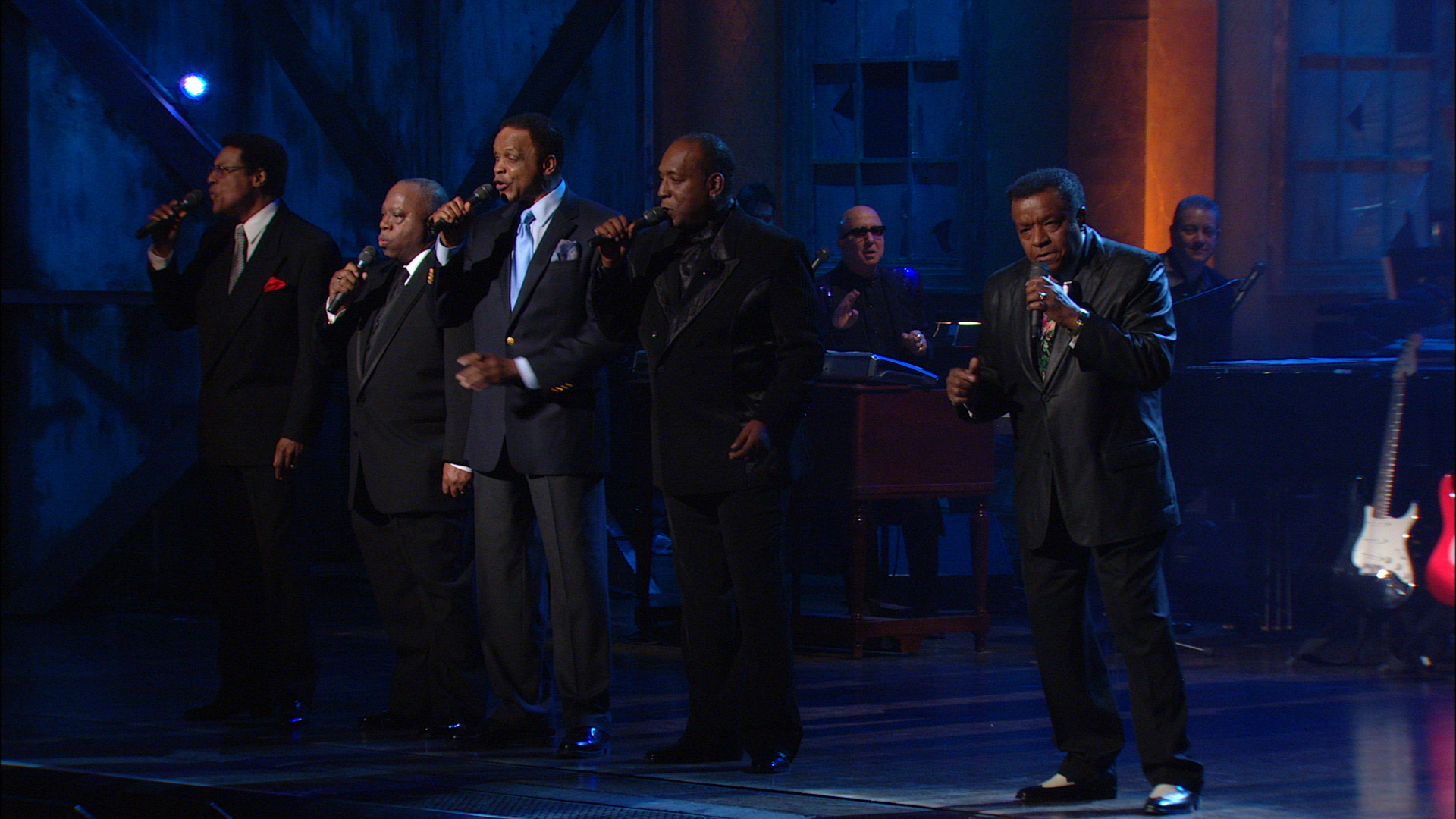
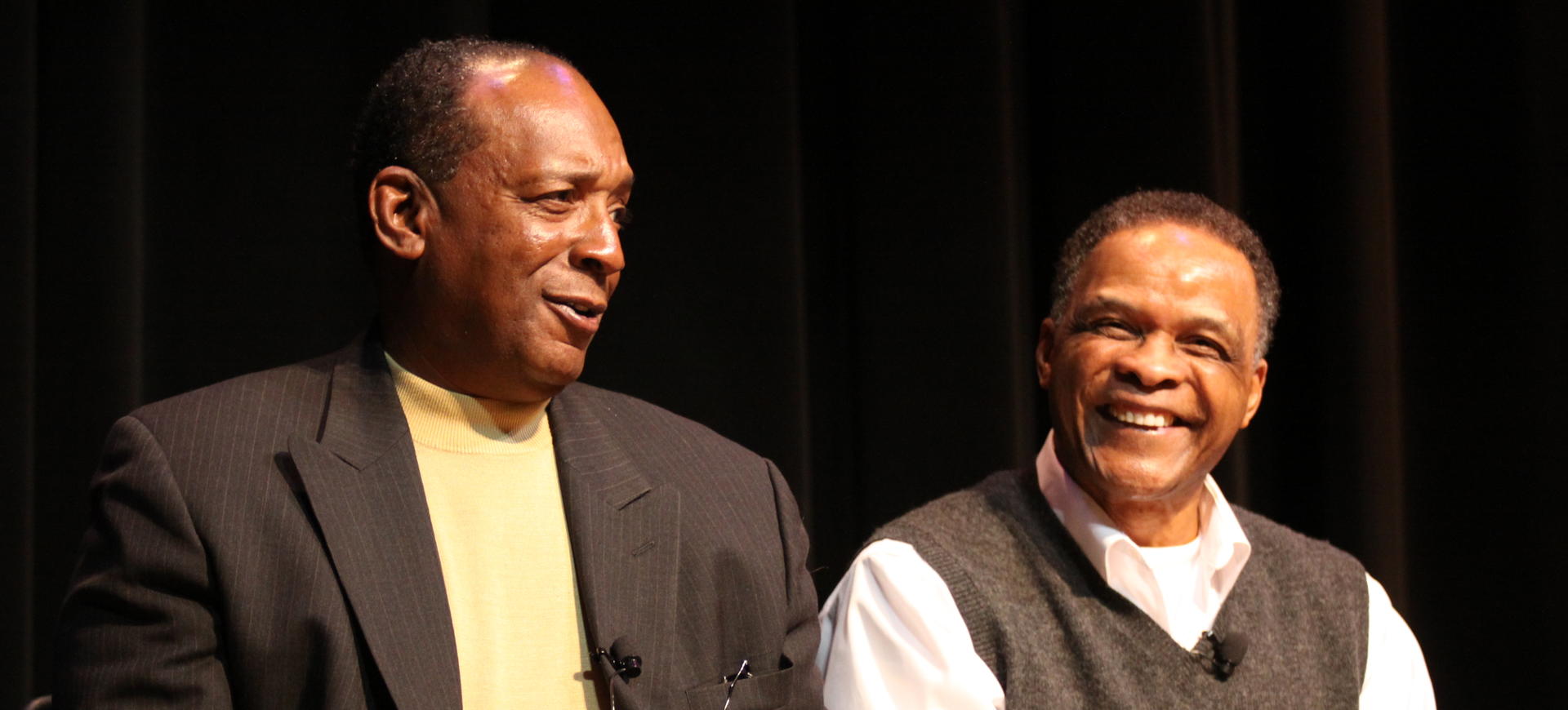
Little Anthony and the Imperials reunited in 1992 to make a well-received appearance on an oldies bill at Madison Square Garden. Shortly thereafter, they performed on the 40th anniversary special for American Bandstand. Deciding to make the reunion permanent, Little Anthony and the Imperials have remained active on the touring circuit. The current lineup includes Gourdine, Collins, Wright and Harold Jenkins.

They received the Pioneer Award from the Rhythm and Blues Foundation and have been inducted into the Vocal Group Hall of Fame. In 2008, Little Anthony and the Imperials released You’ll Never Know, an album of new songs and rerecorded oldies to celebrate their 50th anniversary as a group.

TIMELINE

January 8, 1940: Jerome Anthony “Little Anthony” Gourdine, of Little Anthony and the Imperials, is born in New York City.

March 17, 1941: Clarence Collins, of Little Anthony and the Imperials, is born in Brooklyn, New York.

August 24, 1941: Ernest Wright, Jr. , of Little Anthony and the Imperials, is born in Brooklyn, New York.

December 9, 1941: Sammy Strain, of Little Anthony and the Imperials, is born.

1956: The Duponts, who later become Little Anthony and the Imperials, release their first single (“You”/”Must Be Falling in Love”) on the Winfrey label.

February 1957: The Duponts, who will soon change their name to Little Anthony and the Imperials, appear on the star-filled bill of ’s concert series at New York’s Paramount Theater.

August 11, 1958: “Tears On My Pillow,” by Little Anthony and the Imperials, enters Billboard’s singles chart. The first pressing credits the song to, simply, “The Imperials.”

September 1958: Little Anthony and the Imperials appear on Dick Clark’s American Bandstand, where they sing “Tears On My Pillow.”

March 1959: We Are the Imperials, the first album by Little Anthony and the Imperials, is released on End Records.

December 7, 1959: Little Anthony and the Imperials return to the Top Forty with “Shimmy, Shimmy, Ko-Ko Bop,” a dance tune.

August 22, 1964: “I’m on the Outside (Looking In)” gives Little Anthony and the Imperials their first hit in five years. Over the next two years, they will place a half-dozen more singles on the charts.

November 7, 1964: Little Anthony and the Imperials’ “Goin’ Out of My Head,” a vocal-group soul classic, enters the Billboard chart, where it will peak in the Top Ten.

February 6, 1965: “Hurt So Bad,” by Little Anthony and the Imperials, enters Billboard’s singles chart. It will become the group’s second straight Top Ten hit, peaking at #6 (pop) and #4 (R&B).

June 26, 1965: “Take Me Back,” by Little Anthony and the Imperials, makes its chart debut. It will peak at #15.

October 2, 1965: Closing out an incredible year, Little Anthony and the Imperials launch their last Top Forty pop hit, “I Miss You So.”

April 27, 1974: “I’m Falling in Love With You,” by Little Anthony and the Imperials, enters the R&B chart, will it will peak at #34. It is the group’s last single to make the R&B Top Forty.

1976: Anthony Gourdine leaves Little Anthony and the Imperials for a solo career, while Sammy Strain has departed to replace William Powell in the O’Jays. The remaining members continue as the Imperials.

June 1992: A reunited Little Anthony and the Imperials perform on Dick Clark’s 40th anniversary American Bandstand special.

October 14, 2008: You’ll Never Know, an album of new recordings by Little Anthony and the Imperials, marks the group’s 50th anniversary.

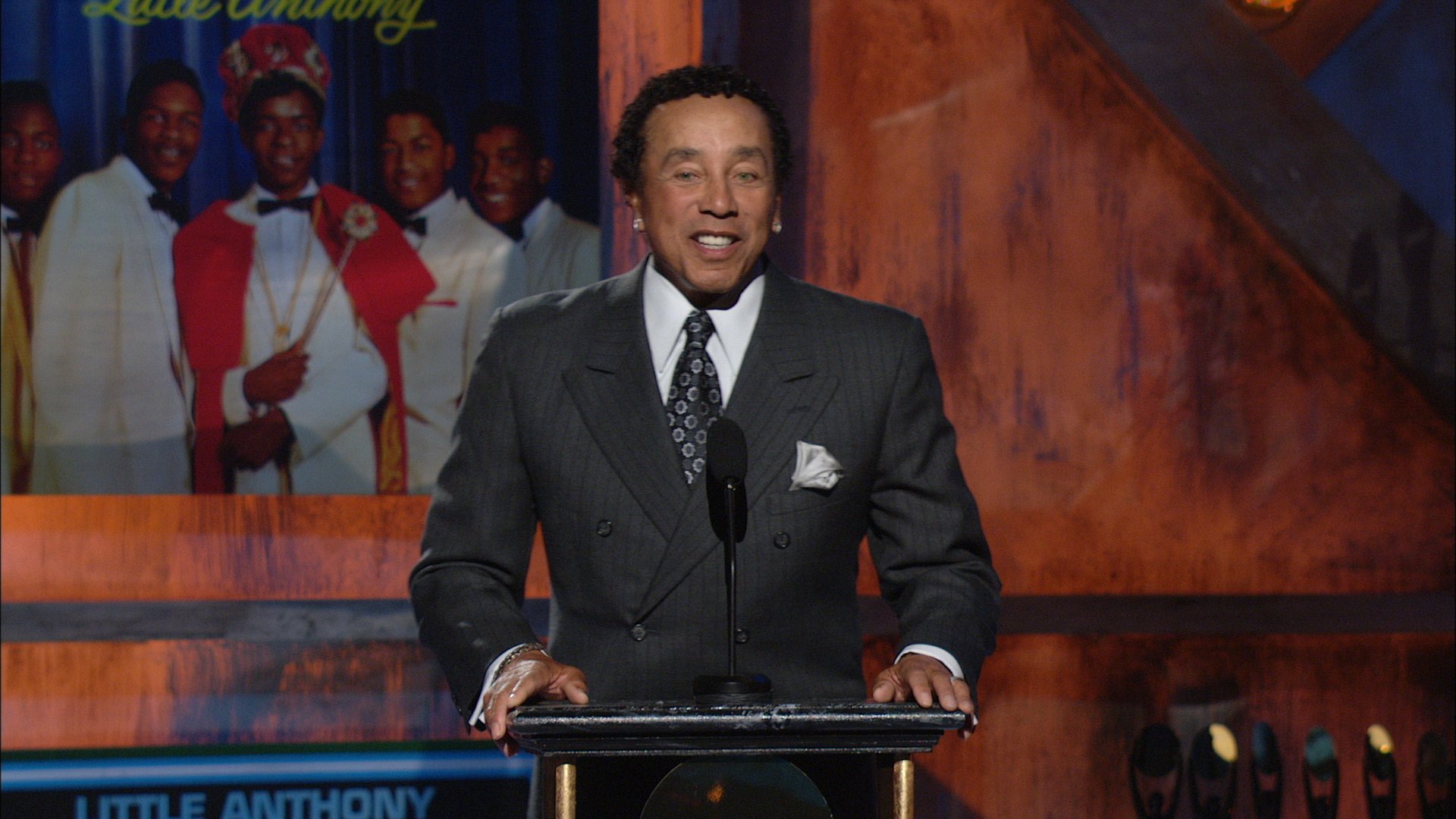
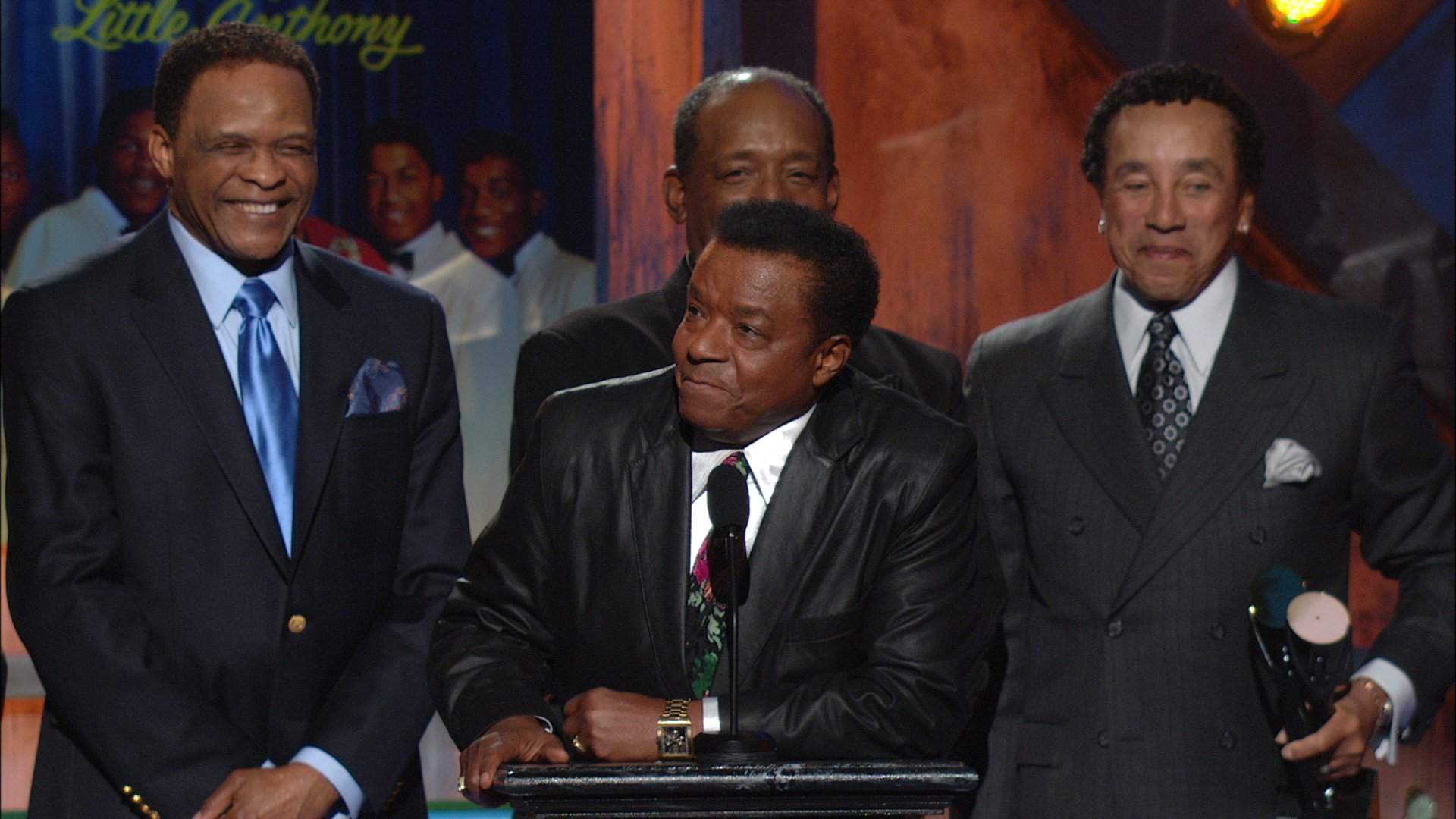
April 4, 2009: Little Anthony and the Imperials are inducted into the Rock and Roll Hall of Fame at the 24th annual ceremony. is their presenter.

RECOMMENDED TRACKS

1. Going Out of My Head
2. Hurts So Bad
3. Tears On My Pillow
4. I’m On the Outside (Looking In)
5. Take Me Back
6. Shimmy, Shimmy, Ko-Ko Bop
7. I Miss You So
8. Out of Sight, Out of Mind
9. Hurt
10. I’m Falling in Love with You

RECOMMENDED READING

Garvey, Dennis. “Little Anthony and the Imperials: Back in Harmony.” Goldmine (April 15, 1944): 50-52+.


Jeff Beck's (The Yardbirds) Fender Esquire Electric Guitar

Photo by Design Photography
Collection of Seymour W. Duncan. Chairman Seymour Duncan Pick-ups, Santa Barbara