Rock and Roll Hall of Fame and Museum

Little Richard

Induction Year: 1986

Induction Category: Performer


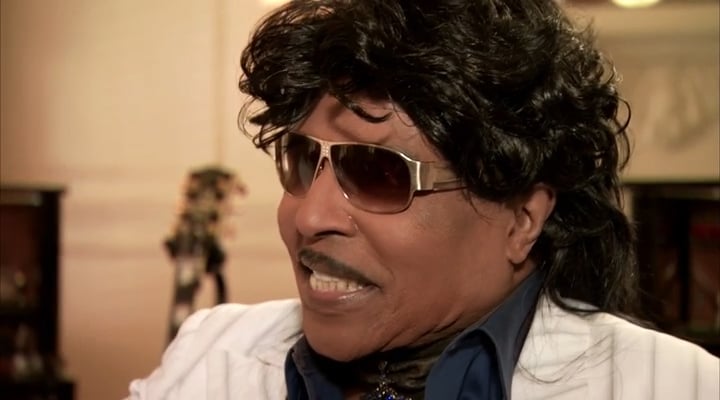
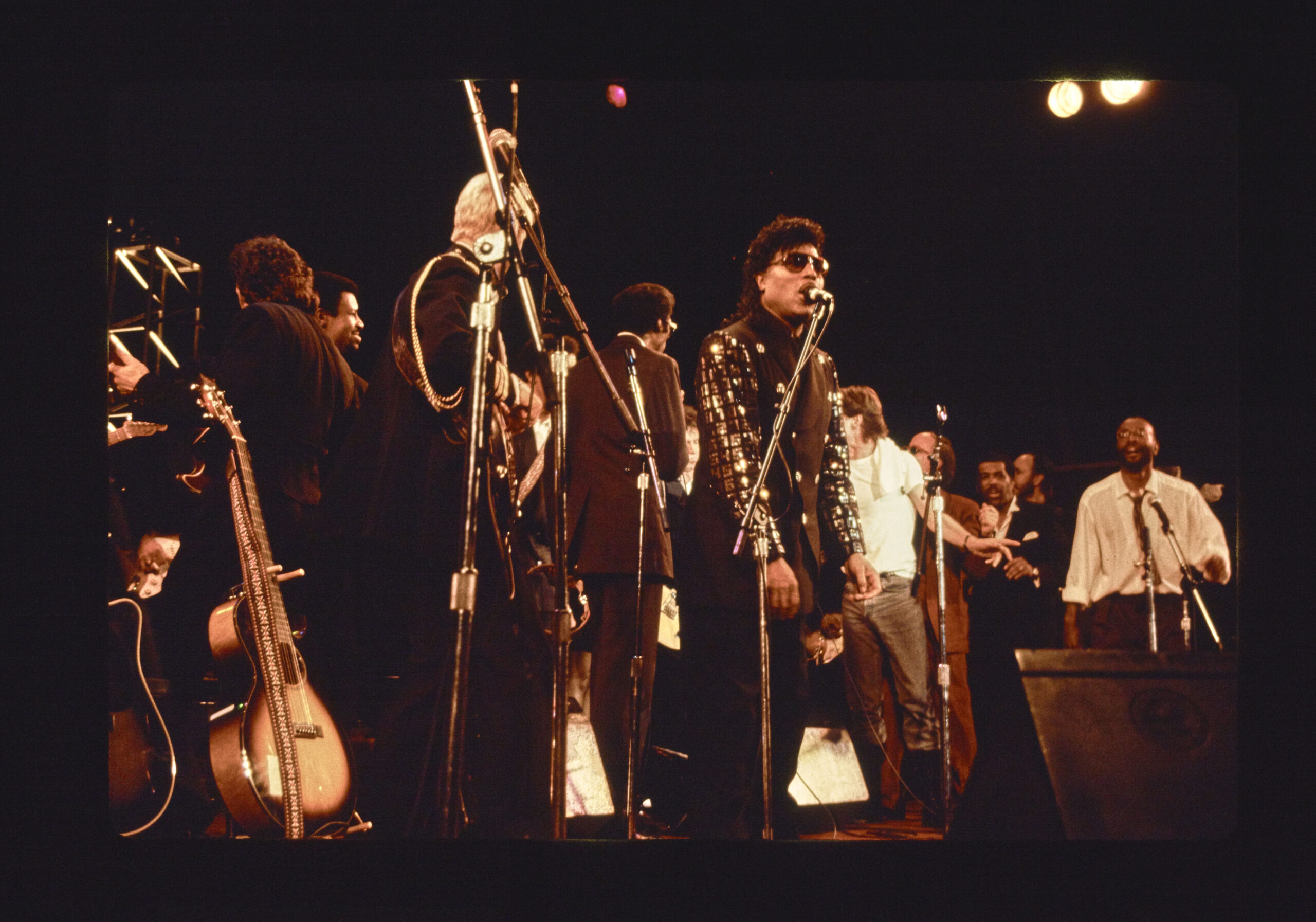
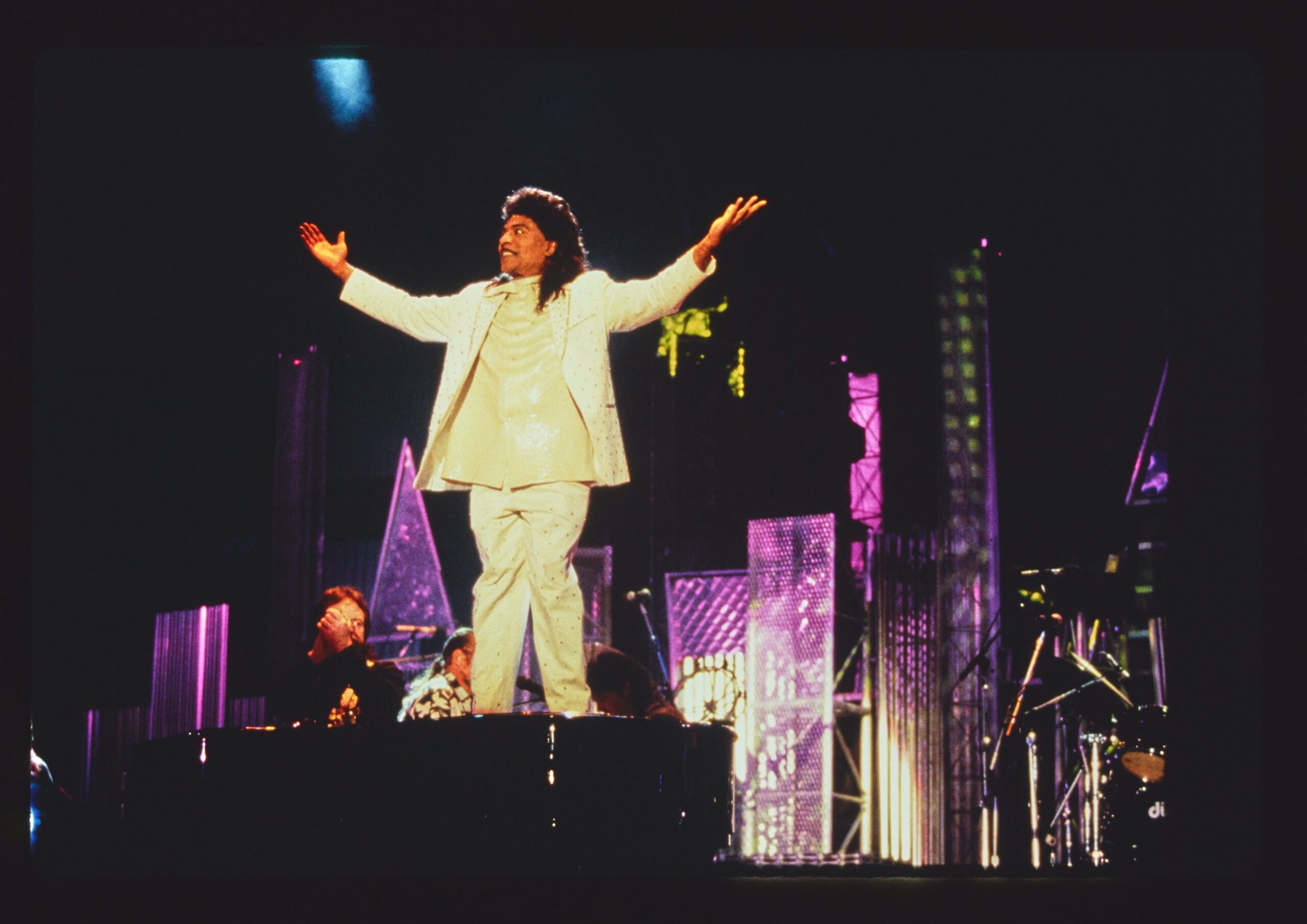
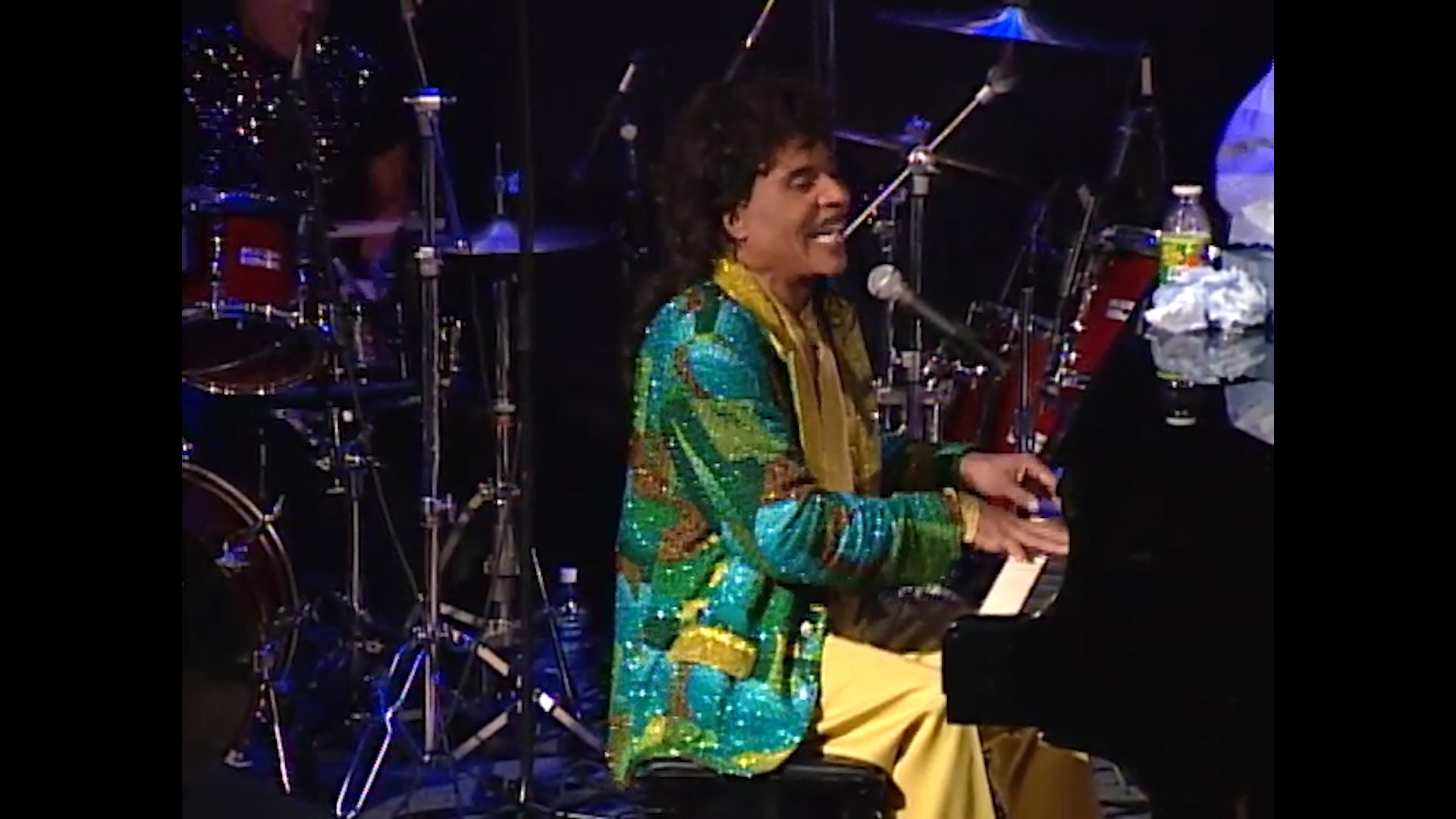
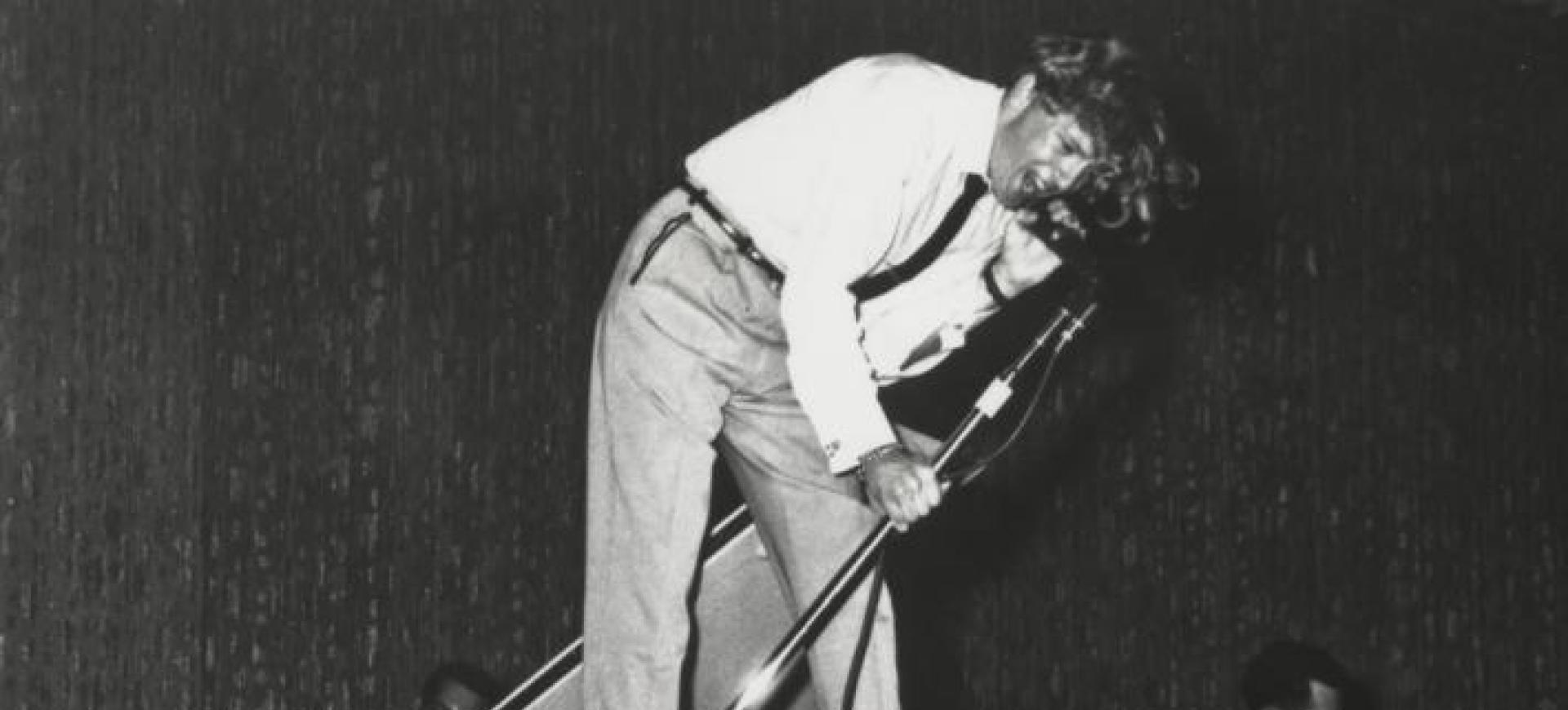
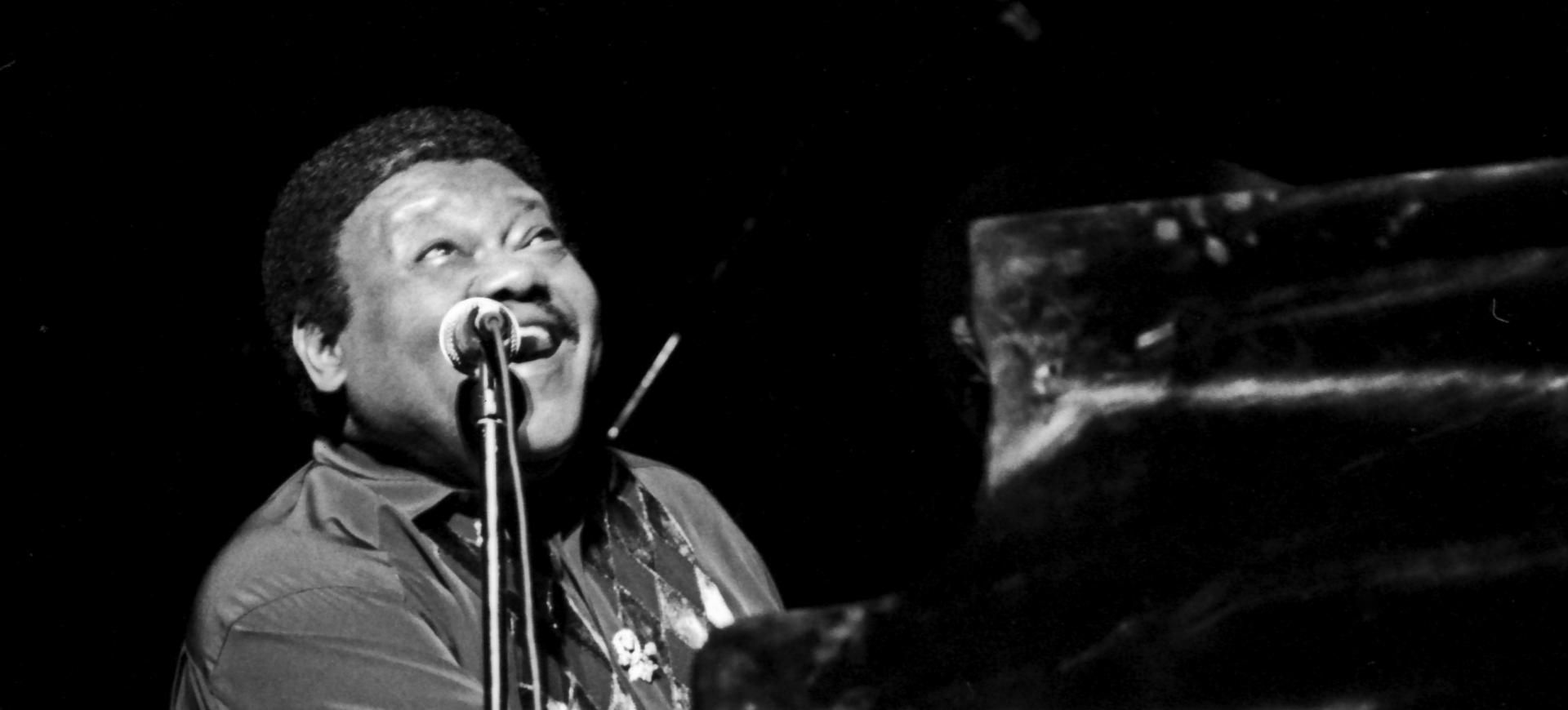
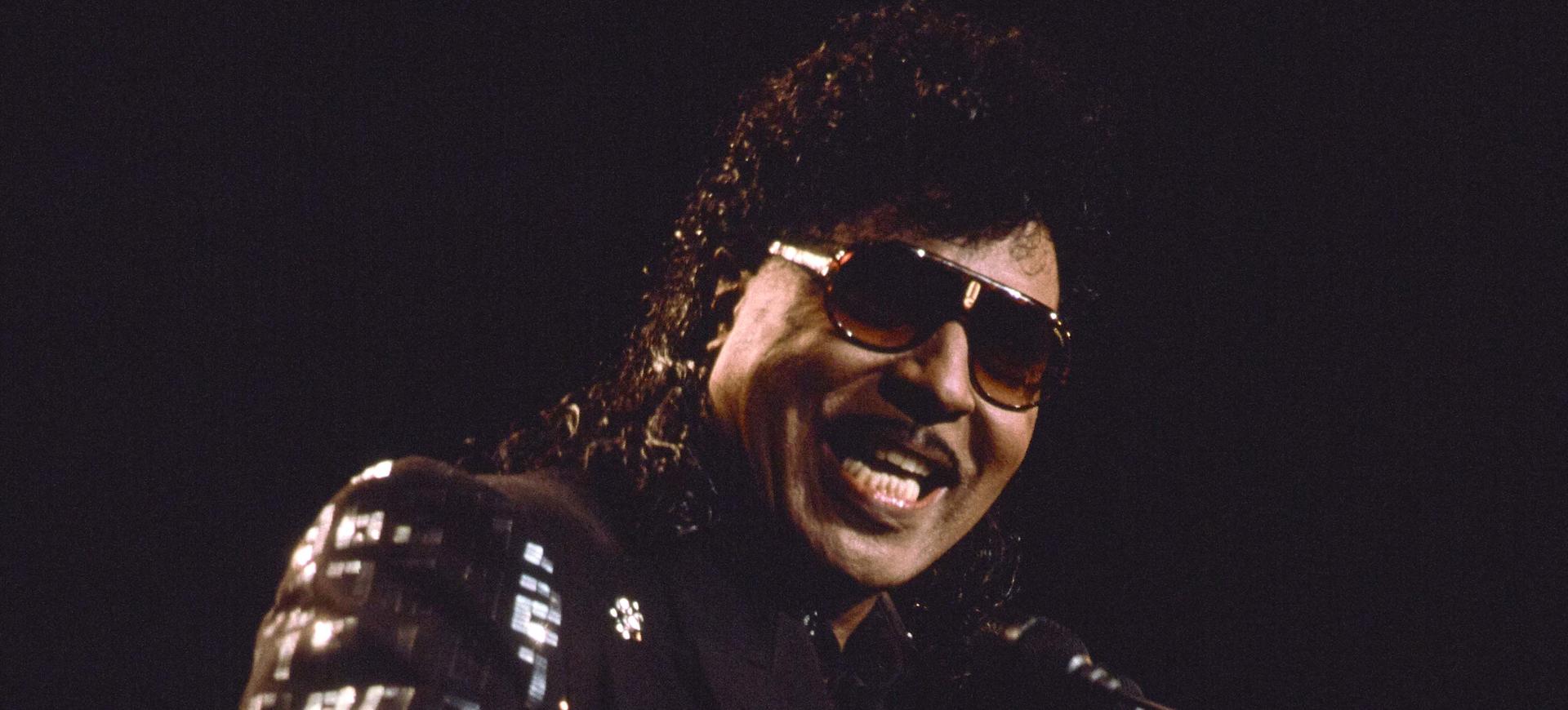
He claims to be “the architect of rock and roll,” and history would seem to bear out Little Richard’s boast. More than any other performer - save, perhaps, , Little Richard blew the lid off the Fifties, laying the foundation for rock and roll with his explosive music and charismatic persona. On record, he made spine-tingling rock and roll. His frantically charged piano playing and raspy, shouted vocals on such classics as “Tutti Frutti,” “Long Tall Sally” and “Good Golly, Miss Molly” defined the dynamic sound of rock and roll. Onstage, he’d deliver wild, piano-pounding epistles while costumed in sequined vests, mascara, lipstick, and a pompadour that shook with every thundering beat. His road band, the Upsetters, has been credited by and others with first putting the funk in the rock and roll beat.

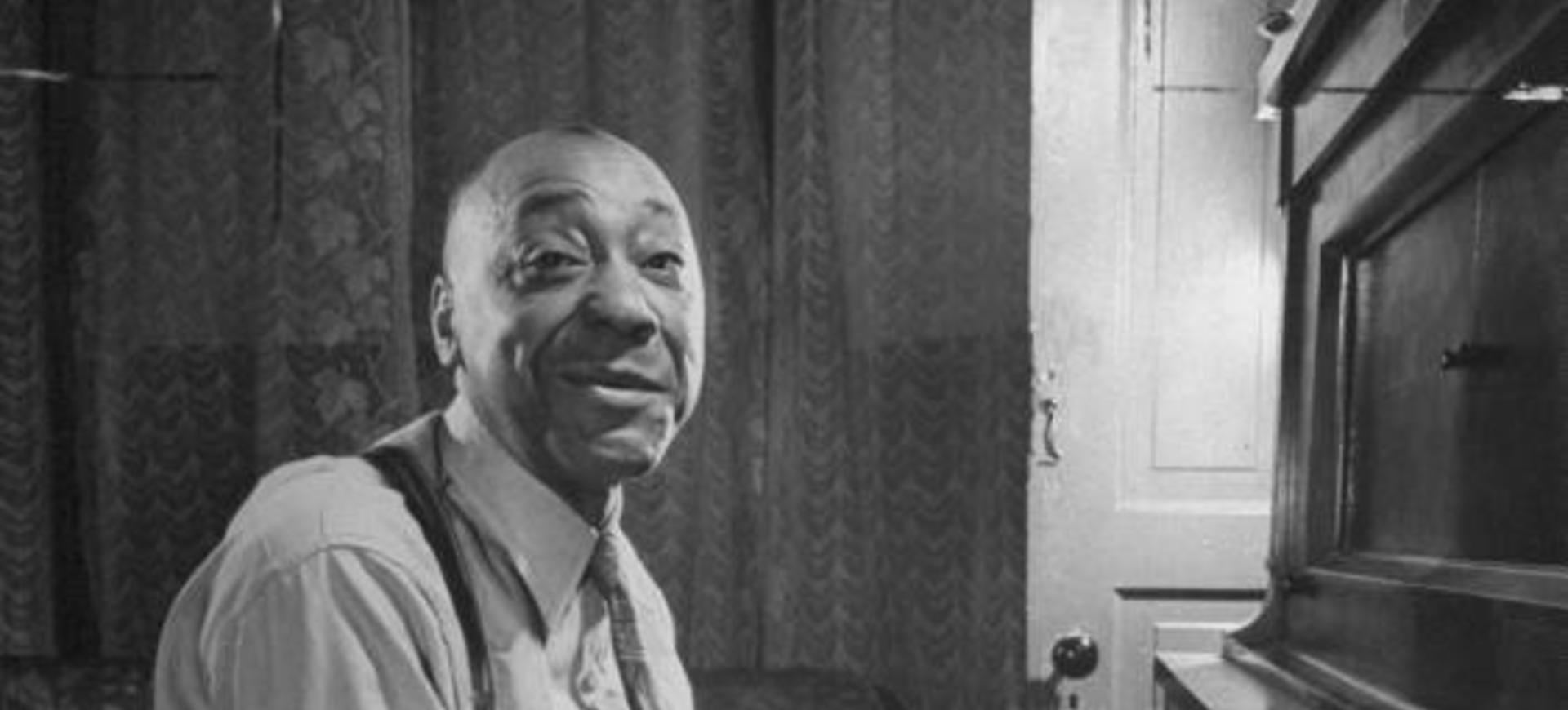
In a 1990 interview, Little Richard offered this explanation for the birth of rock: “I would say that boogie-woogie and rhythm & blues mixed is rock and roll.” His frenzied approach to music was fueled by a genuinely outrageous personality. He was born Richard Penniman during the Depression in Macon, Georgia, one of twelve children who grew up in poverty in the Deep South. As a youngster, he soaked up music - blues, country, gospel, vaudeville - which was part of the fabric of life in the black community. He learned to play piano from an equally flamboyant character named Esquerita (who also recorded rock and roll early on for Capitol Records).

Little Richard first recorded in a bluesy vein in 1951, but it was his tenure at Specialty Records beginning in 1955 that made his mark as a rock and roll architect. Working at Cosimo Matassa’s now-legendary J&M Studio in New Orleans with producer Robert “Bumps” Blackwell and some of the Crescent City’s finest musicians, Little Richard laid down a stunning succession of rock and roll sides over the next several years, including “Rip It Up,” “Slippin’ and Slidin’,” “Lucille,” “Jenny Jenny” and “Keep a Knockin’,” in addition to the songs previously mentioned. He also appeared in rock and roll-themed movies such as Don’t Knock the Rock and The Girl Can’t Help It (both from 1956).

The bubble burst in late 1957 when, succumbing to the rigors of fame and personal conflicts engendered by his religious upbringing, Little Richard abruptly abandoned rock and roll to enroll in Bible college. However, he was lured back by the British Invasion in 1964, regaining his popularity as a concert performer and a living embodiment of the music’s roots in the Fifties. He has launched successful comebacks in every decade since and remains an active performer and icon - and an inimitable reminder of the joyful frenzy that galvanized rock and roll into being more than forty years ago.

TIMELINE

December 5, 1932: Richard Wayne Penniman, a.k.a. “Little Richard,” is born in Macon, Georgia.

February 15, 1955: Art Rupe of Hollywood-based Specialty Records receives a demo tape from Little Richard. Contracts are sent out to Richard’s manager on March 4th.

September 13, 1955: Little Richard enters Cosimo Matassa’s J&M Studios in New Orleans for the first time. Over the next year he’ll record some of the greatest sides in rock and roll history with producer Bumps Blackwell and the cream of bandleader Dave Bartholomew’s musical troupe.

January 14, 1956: Little Richard’s “Tutti-Frutti” crosses over from the R&B to the pop chart, rising to #17. performs “Tutti-Frutti” twice on national TV in February.

April 1, 1956: Little Richard’s biggest hit, “Long Tall Sally” released on Specialty Records, tops the R&B chart for eight weeks and reaches #6 on the pop chart. Eight years later, in April 1964, ’ version of “Long Tall Sally” appears on ’ Second Album.

June 30, 1956: Little Richard hits #2 on the R&B chart and #33 (6/30) on the pop chart with “Slippin’ and Slidin’ (Peepin’ and Hidin’)” and #1 on the R&B chart and #17 (8/04) on the pop chart with “Rip It Up”. Both singles are released on Specialty Records.

October 15-16, 1956: The last of Little Richard’s New Orleans recording sessions yields a bevy of blockbusters, including “Good Golly Miss Molly,” “Jenny Jenny” and “The Girl Can’t Help It.”

December 1, 1956: The film ‘The Girl Can’t Help It’ is released. Little Richard performs three songs, including the title track. Other rockers who appear in the film include , , and .

April 13, 1957: Little Richard hits #1 on the R&B chart and #21 (4/13) on the pop chart with “Lucille”, #3 on the R&B chart with “Send Me Some Lovin’”, #2 on the R&B chart and #10 (7/08) on the pop chart with “Jenny, Jenny” and #2 on the R&B chart and #8 (10/28) on the pop chart with “Keep A Knockin’.” All four singles are released on Specialty Records.

October 1, 1957: On the fifth date of a two-week tour of Australia, Little Richard suddenly abandons rock and roll for religion. In January 1958, he enters Oakwood Theological College in Huntsville, Alabama.

May 17, 1958: Little Richard hits #4 on the R&B chart and #10 on the pop chart with the Specialty release “Good Golly, Miss Molly”.

1959: ‘Little Richard Sings Gospel’ is issued on the 20th Century label. He continues to record gospel in the coming years for the Mercury and Atlantic labels, working with such producers as and Quincy Jones.

October 8, 1962: Little Richard begins a rock and roll comeback tour in Britain. In November, he shares the bill at Hamburg’s Star Club with .

March 1, 1964: Recording sessions for the Vee-Jay label find Little Richard returning to his rock and roll roots with a then-unknown on guitar.

April 1, 1965: goes to New York with Little Richard’s band and takes a room at the Theresa Hotel. Over the next several months, he will play with Little Richard, , Joey Dee and the Starlighters and . He also takes a job with a club band called Curtis Knight and the Squires.

August 1, 1967: Little Richard’s Greatest Hits, a live collection of older classics cut for the Okeh label, becomes his first LP in ten years to make Billboard’s Top 200 Albums chart.

September 13, 1969: Once again in demand, Little Richard appears at a rock and roll revival in Toronto with , , , , and John Lennon’s Plastic Ono Band.

January 31, 1970: Little Richard quit music at the height of his fame to attend Oakwood theological college in Huntsville, Alabama. Richard, born Richard Wayne Penniman, received a BA from the college and later became ordained as a Seventh Day Adventist minister.

August 1, 1970: ‘The Rill Thing’, the first of three fine albums for the Reprise label, is released. It is followed by ‘The King of Rock and Roll’ (October 1971) and ‘The Second Coming’ (September 1972). The last of these reunites Little Richard with the core crew from his historic Fifties sessions in New Orleans.

1977: Little Richard becomes a traveling Bible salesman and preacher, having again walked away from rock and roll to embrace evangelical Christianity following a period of drug and alcohol abuse. In 1979, he will release the gospel album God’s Beautiful City.

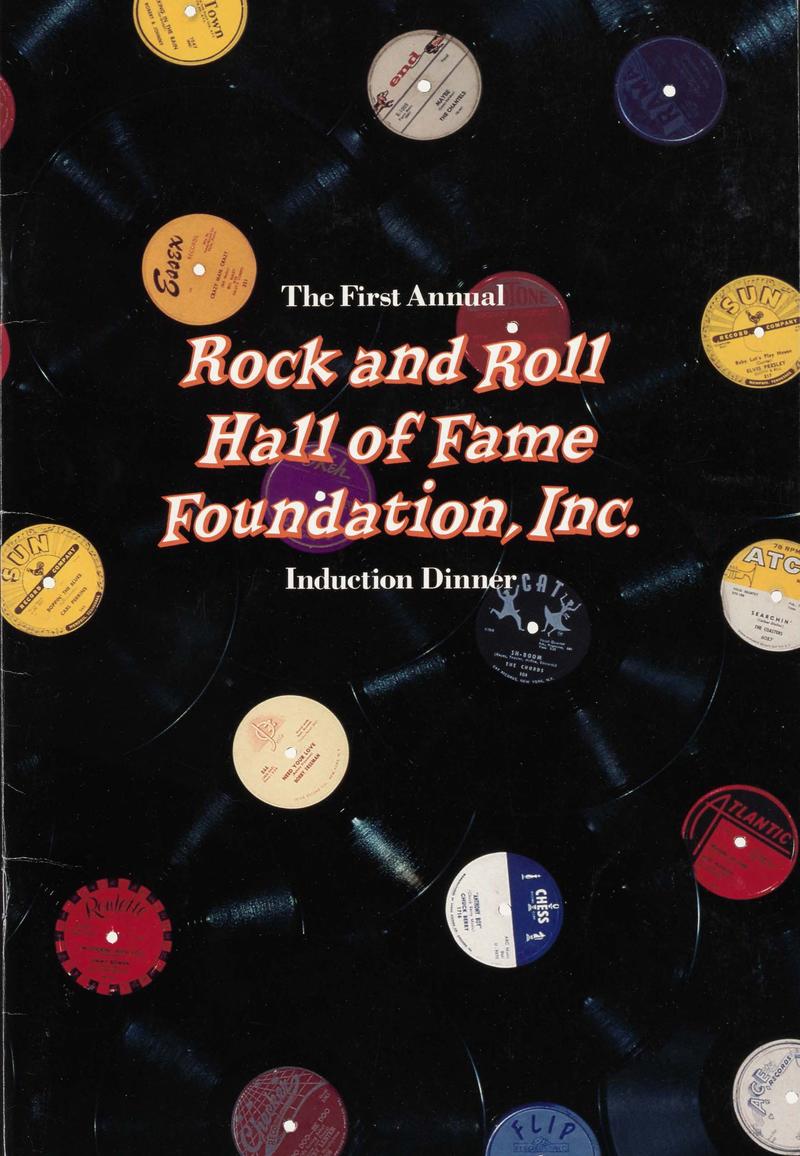
January 23, 1986: Little Richard is inducted into the Rock and Roll Hall of Fame at the first induction dinner, held in New York City. Because he’s recuperating from an automobile accident, he cannot attend but sends a videotaped message.

April 1, 1986: The film ‘Down and Out in Beverly Hills’, featuring Little Richard in a memorable role, is released.

February 23, 1993: Little Richard receives a Lifetime Achievement Award during the 35th annual Grammy Awards.

March 2, 1994: Little Richard receives a Lifetime Achievement Award from the Rhythm and Blues Foundation. 

Essential Songs

Ready Teddy
Long Tall Sally
Good Golly Miss Molly
Tutti-Frutti
Slippin’ and Slidin’ (Peepin’ and Hidin’)
Lucille
Rip It Up
Keep A Knockin’
Directly from My Heart
Jenny, Jenny


"The Byrds Are Coming" Poster

Photo by Design Photography