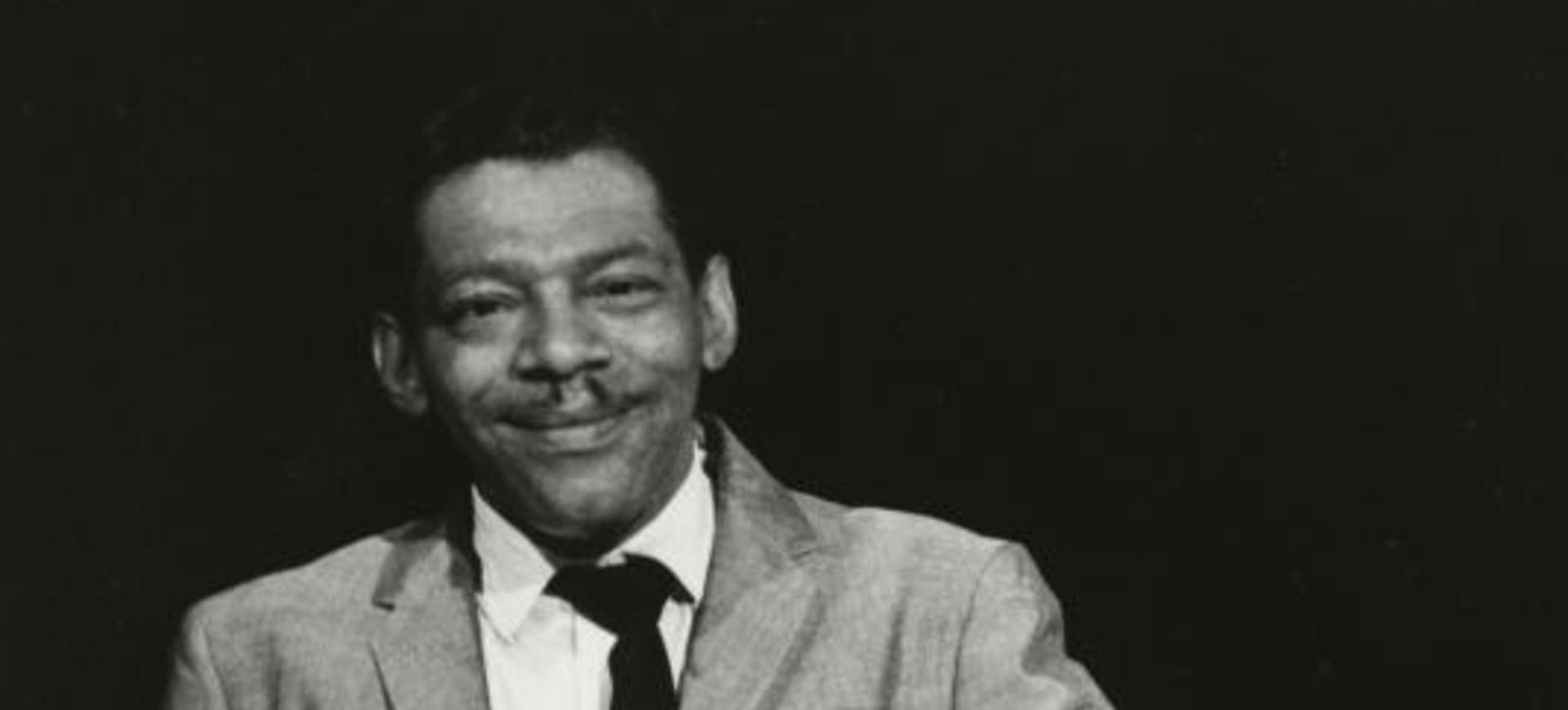
Little Walter
Induction Year: 2008
Induction Category: Sidemen
Walter “Little Walter” Jacobs (harmonica, guitar, vocals; born May 1, 1930, died February 15, 1968)
Harmonica virtuoso Little Walter was a key contributor to bluesman Muddy Waters’ music through most of the 1950s. Both as a sideman and bandleader, Little Walter revolutionized the sound of blues harmonica through amplification, clasping a mike to the harp as he played. While he may not have been the first bluesman to play amplified harmonica, he explored its possibilities most fully. He was inarguably a musical genius. Little Walter could make an inexpensive, portable “mouth organ” moan and roar like a full horn section or produce an unearthly, haunting wail. Moreover, he was a tasteful and sympathetic accompanist. As journalist Robert Palmer wrote of Little Walter’s contribution to Waters’ music, “The harp lines wrapped themselves around Muddy’s vocals, now chording like an organ, now filling melodically like a horn.”
Little Walter was born Marion Walter Jacobs in rural Louisiana. Little Walter made his way north to Chicago via stops in New Orleans and Monroe, Louisiana; St. Helena, Arkansas; Memphis, Tennessee; and St. Louis, Missouri, arriving in the Windy City in 1947. That same year, he made his first recordings for the local Ora Nelle label. Little Walter and Muddy Waters first appeared on a session together when both backed Jimmy Rogers in 1949. Waters backed Little Walter on a session for Parkway Records in January 1950. That August, Little Walter first backed Muddy for the Chess label, and in October, they recorded the Waters classic “Louisiana Blues.” Nearly a year after Little Walter’s initial appearance on a Muddy Waters session for Chess, he used an amplified harmonica for the first time on a groundbreaking July 1951 session that yielded “She Moves Me.” Waters was among the earliest to recognize that blues possessed a formidable power when electrified, and with Jimmy Rogers on electric guitar and Little Walter on amplified harp, he had the hottest blues band in Chicago. Little Walter split from Waters’ band after an instrumental showcase of his that was popular with crowds – “Your Cat Will Play,” retitled “Juke” when he recorded it – became a huge solo hit. A classic juke-joint instrumental, “Juke” topped the R&B chart for eight weeks in the fall of 1952.
In addition to harmonica, Little Walter played guitar, sang and wrote songs. He recruited a backing band from the Chicago club scene (whom he rechristened the Jukes, after his big song), and they recorded and toured throughout the Fifties. On his own, Little Walter charted 14 Top Ten R&B hits for the Chess label’s Checker subsidiary. Another single, “My Babe” – written by Willie Dixon and featuring the melody from the spiritual “This Train” - went to #1. Other sizable hits from Little Walter included “Sad Hours,” “Mean Old World,” “Blues With a Feeling,” “You’re So Fine,” “Oh, Baby” and ‘Last Night.” At Leonard Chess’s behest, Little Walter continued recording with Muddy Waters, too, adding his unmistakable harmonica to such classics as “I’m Your Hoochie Coochie Man” and “Trouble No More.”
Little Walter’s had a pervasive influence on succeeding generations of harmonica players, especially in Britain, where he was revered by a rising generation of blues-smitten rock and rollers. Unfortunately, his predilection for drinking, fighting and self-destructive behavior caught up with him. Little Walter died in 1968, at the age of 37, from head injuries suffered in a street brawl.
TIMELINE
May 1, 1930: Harmonica virtuoso Walter Jacobs (a.k.a. “Little Walter”) is born in rural Louisiana.
October 23, 1950: Little Walter’s second session with Muddy Waters yields “Louisiana Blues,” a song that would become a Top Ten R&B hit.
January 23, 1951: Little Water plays harmonica on Muddy Waters’ “Long Distance Call,” which will hit #8 on the R&B chart.
July 11, 1951: Little Walter plays amplified harmonica for the first time on a Muddy Waters session that yields “She Moves Me” and three others.
May 12, 1952: Little Walter records “Juke,” his first solo single for Chess Records, which will top the R&B, Juke Box and Best Seller charts for eight weeks later this year. Its success inspires him to leave Muddy Waters’ band for a solo career.
December 13, 1952: Little Walter’s “Sad Hours” begins its climb to #2 on the R&B and Juke Box charts.
January 7, 1954: Muddy Waters cuts “(I’m Your) Hoochie Coochie Man” at Chicago’s Universal Recorders with Little Walter on harmonica. Written by Willie Dixon, the song will become Waters’ biggest hit, reaching #3 on the R&B and Juke Box charts.
March 12, 1955: “My Babe,” by Little Walter, enters the R&B chart, which it will top for five weeks. It will also top the Juke Box and Best Seller charts.
October 20, 1958: Little Walter’s last Top Ten hit, his recording of Big Bill Broonzy’s “Key to the Highway,” enters the R&B chart, where it will reach #7.
September 14, 1959: Little Walter enters the R&B chart for the 15th and final time with “Everything Gonna Be Alright,” which reaches #25.
1967: Little Walter tours the U.K. and Europe as part of the American Folk Blues Festival tour.
February 15, 1968: Little Walter dies in Chicago from injuries suffered in a street fight.
June 17, 1997: His Best: The Chess 50th Anniversary Collection, a 20-track compilation of Little Walter’s greatest solo sides, is released.
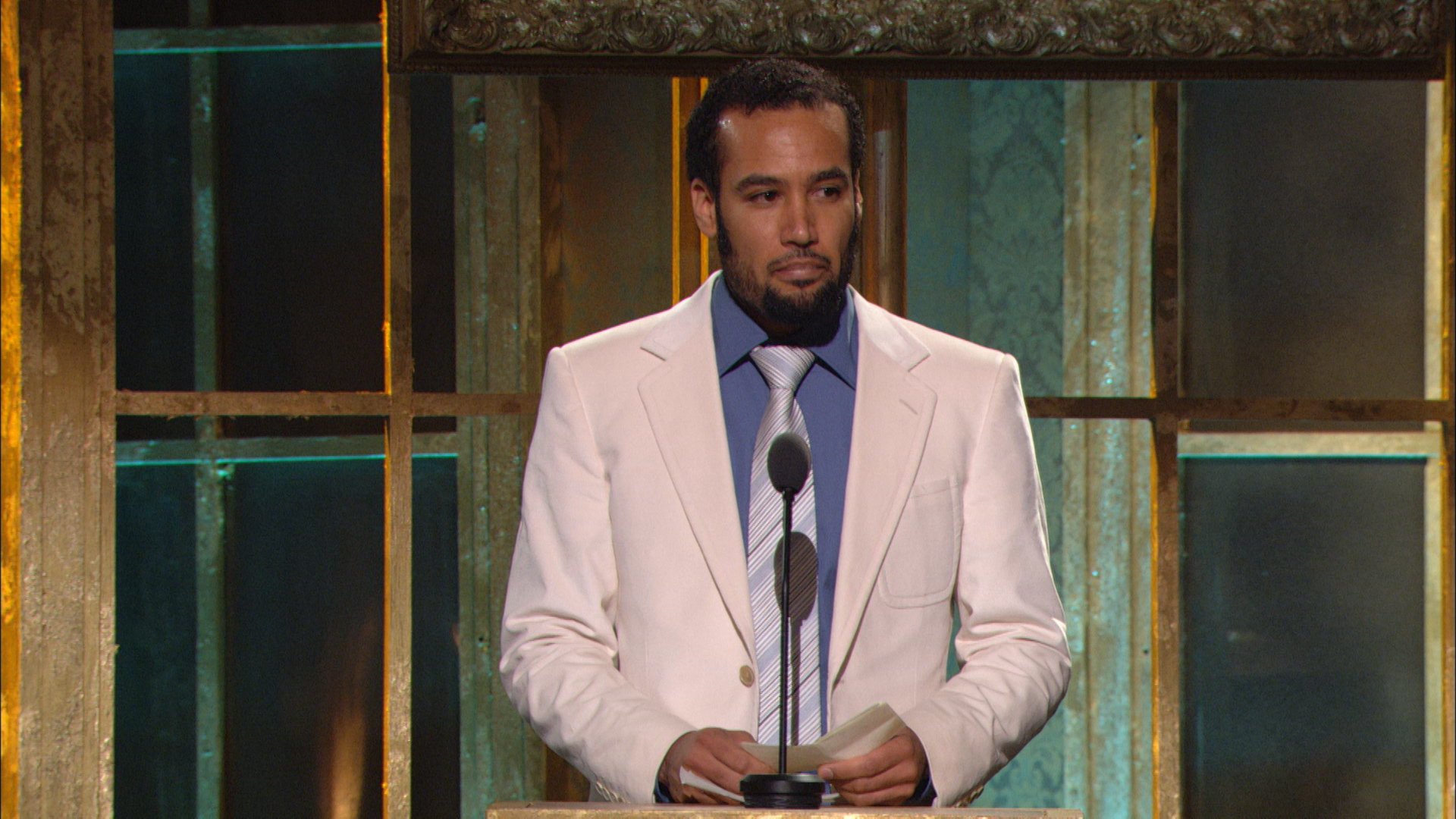
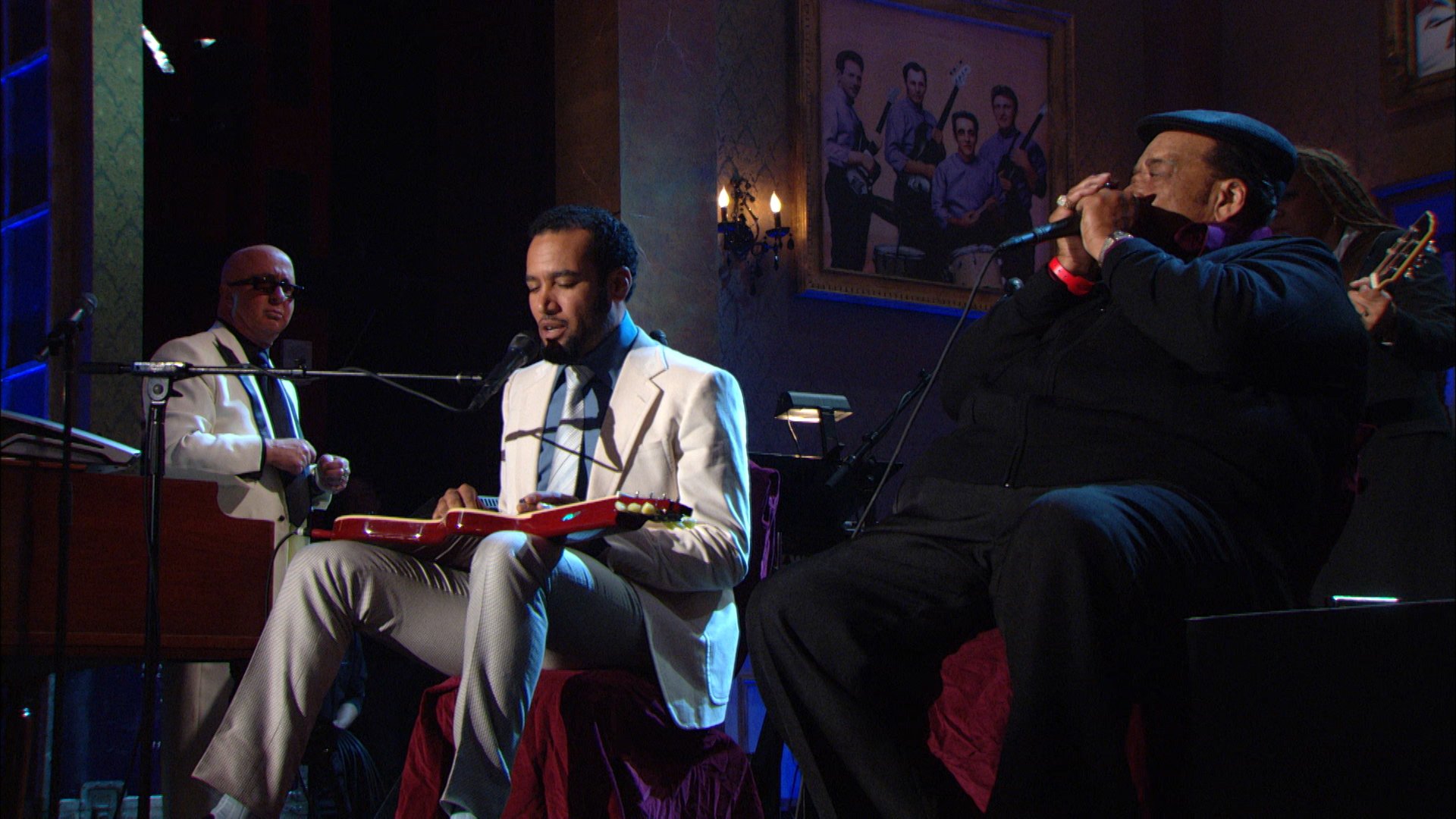
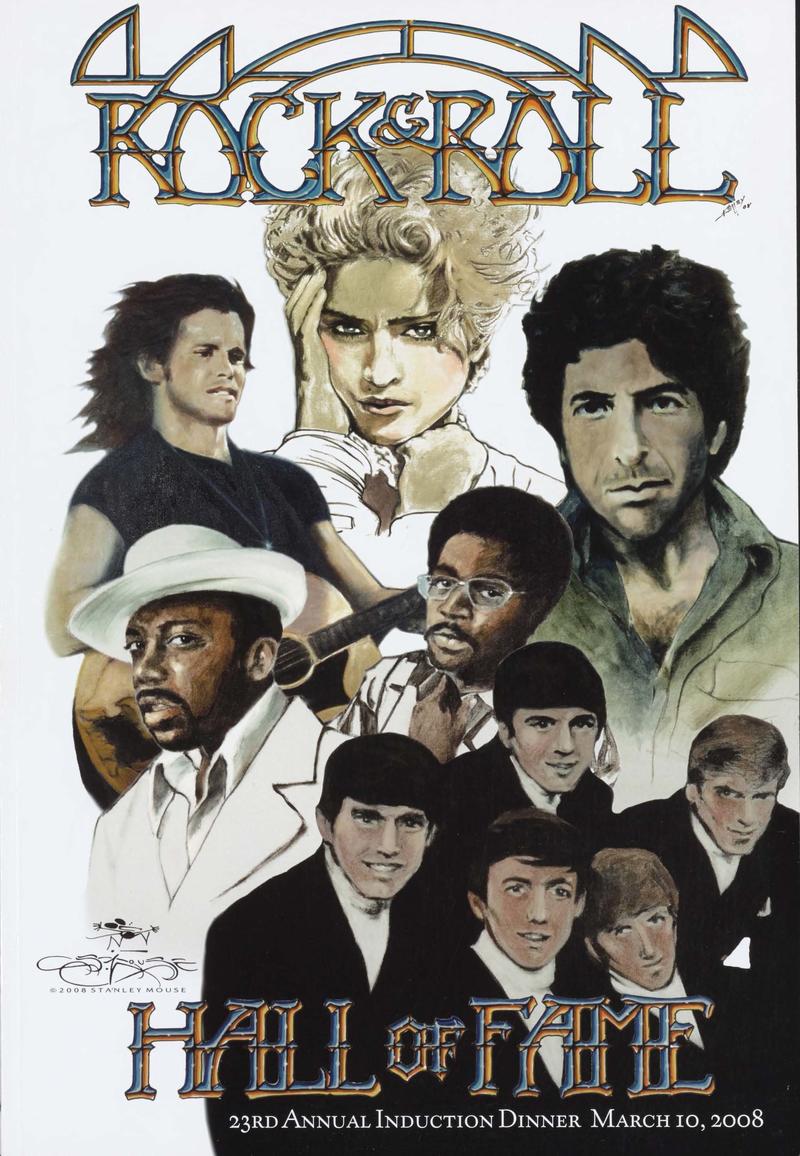
March 10, 2008: Little Walter is inducted into the Rock and Roll Hall of Fame at the 23rd annual induction dinner. Ben Harper is his presenter.
Essential Recordings
She Moves Me, by Muddy Waters
(I’m Your) Hoochie Coochie Man, by Muddy Waters
I Just Want to Make Love to You, by Muddy Waters
I’m Ready, by Muddy Waters
Baby Please Don’t Go, by Muddy Waters
Long Distance Call, by Muddy Waters
Juke, by Little Walter
My Babe, by Little Walter
Sad Hours, by Little Walter
Blues With a Feeling, by Little Walter
Note: The first six tracks pay homage to Little Walter’s prowess on harmonica as a sideman of Muddy Waters’, while the remaining four are culled from his solo recordings.
Recommended Reading
Liner notes for Little Walter. His Best: The Chess 50th Anniversary Collection.
Billy Altman. MCA Records, 1997.
Machers and Rockers: Chess Records and the Business of Rock & Roll.
Rich Cohen. New York: W.W. Norton, 2004.
Chicago Blues: The City & the Music.
Mike Rowe. Chicago, IL: Westview Press, 1988.
“Little Walter: Juke Joint Jumpin’.”
David Whiteis. Goldmine (April 16, 1993): 30-38.