Lynyrd Skynyrd
Induction Year: 2006
Induction Category: Performer
Inductees: Ronnie Van Zant (vocals; born January 15, 1949, died October 20, 1977), Allen Collins (guitar; born July 19, 1952, died January 23, 1990), Steve Gaines (guitar; born September 14, 1949, died October 20, 1977), Ed King (guitar; born September 14, 1949), Gary Rossington (guitar; born December 4, 1951), Billy Powell (keyboards; born June 3, 1952), Leon Wilkeson (bass; born April 2, 1952, died July 27, 2001), Bob Burns (drums; born November 24, 1950), Artimus Pyle (drums; born July 15, 1948)
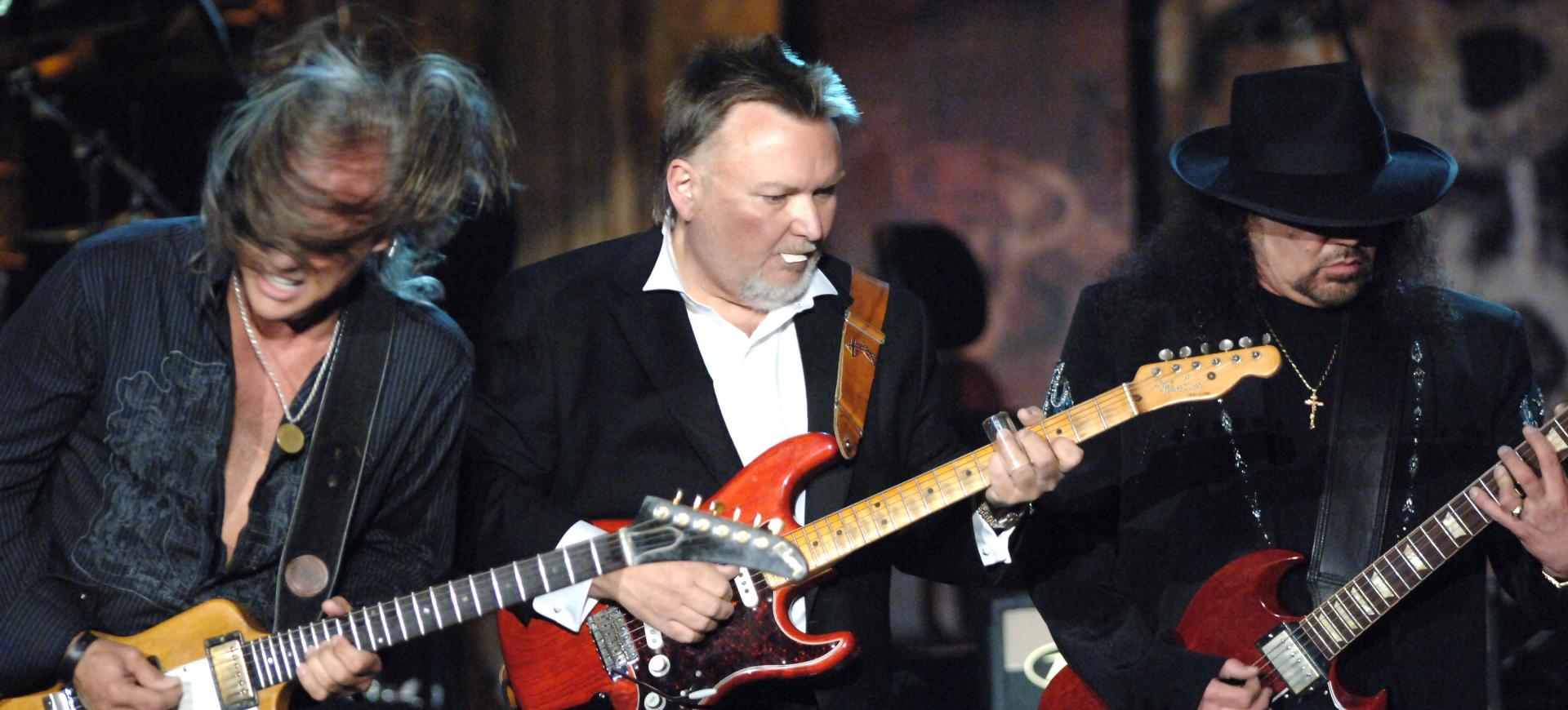
Mention the term “Southern rock” and two bands instantly leap to mind: the Allman Brothers and Lynyrd Skynyrd. They defined the genre in its Seventies heyday and beyond, and both bands are still active entities. But whereas the Allmans were deeply steeped in blues and jazz, Lynyrd Skynyrd more freely embraced rock. Their three-guitar lineup gave them an uncommon musical muscle, while their down-to-earth songs spoke plainly and honestly from a working-class Southerner’s perspective. Theirs is one of the most dramatic tales in rock history. The saga of Lynyrd Skynyrd has unfolded in an almost mythical series of ups and downs, from being in the vanguard of a musical movement to the tragic 1977 plane crash that claimed the lives of three band members. From the ashes, the survivors re-formed a decade later, and what started as a tribute turned into a full-fledged renaissance.
It all began in Jacksonville, Florida, where a teenaged Ronnie Van Zant got turned on to several kinds of music: black country blues, which he learned from a neighbor; Merle Haggard-style hard country, which would play on the radio in his father’s truck; and the rocking sounds of the British Invasion that were in the air. He was floored by the Rolling Stones, vowing to form a group that would be their American equivalent. From the start Lynyrd Skynyrd has been a standard-bearer for Southern rock, but their biggest early influences were British - the Stones, the Yardbirds, Cream, Free and Led Zeppelin - and some of those bands’ controlled frenzy seeped into even their most Dixie-fied material.
In 1965 Van Zant assembled the Noble Five, which included guitarists Gary Rossington and Allen Collins, drummer Bob Burns and bassist Larry Junstrom (later of .38 Special). Having grown their hair long, they were given school suspensions and endless grief by a high-school gym teacher named Leonard Skinner. They solved the problem by dropping out and moving to a cabin in Green Cove Springs, south of Jacksonville. There they wrote songs, learned how to play together, and changed their name to Lynyrd Skynyrd - an intentionally misspelled reference to their old nemesis.
By 1970, Lynyrd Skynyrd was a veteran bar band with a pile of original songs but had no recording contract. They cut some demos at producer Quin Ivy’s studio in Muscle Shoals, Alabama, and returned in 1971 to make a proper album at Muscle Shoals Sound Studios. By this time, bassist Leon Wilkeson had replaced Junstrom in the group. The album was rejected by numerous labels. By then they’d begun playing regularly in Atlanta, where producer Al Kooper signed them to his Sounds of the South label (an MCA subsidiary) in 1972. Some personnel shuffles ensued: Wilkeson left for a half-year and was replaced by Ed King (late of Strawberry Alarm Clark), who moved from bass back to guitar when Wilkeson rejoined. Billy Powell, their piano-playing roadie, had become a full-fledged member, too. Now Lynyrd Skynyrd was a seven-man monster with three guitarists.
Kooper produced their first three albums: “pronounced leh-nerd skin-nerd” (1973), Second Helping (1974) and Nuthin’ Fancy (1975). Kooper’s innate musicality and studio know-how helped capture the seemingly incongruous elements in Lynyrd Skynyrd’s sound. They were raucous but tight, rowdy but smart, and down-home Southern with a twist of bluesy British rock. Having cut their teeth in rough Jacksonville bars, they were a red-hot, jukin’ rock band. Pete Townshend was sufficiently impressed to offer Lynyrd Skynyrd the opening slot on the Who’s Quadrophenia tour.
Though their debut album had just been released, Lynyrd Skynyrd was a veteran band ready for bigger stages. Fame came quickly, propelling them to the status of headliners and establishing Southern rock as the Seventies’ hottest musical trend. The movement also included such fellow travelers as Wet Willie, the Marshall Tucker Band, the Charlie Daniels Band, the Outlaws and Molly Hatchet.
Each of Lynyrd Skynyrd’s first three albums contains its share of classics. From “pronounced leh-nerd skin-nerd” came “Down South Jukin’,” “Gimme Three Steps,” “Simple Man,” “Tuesday’s Gone” and the immortal “Free Bird.” The last of these had been a fixture of Skynyrd’s live repertoire, and they’d recorded a demo version as far back as October 1970. The song was initially conceived as a tribute to Duane Allman, and onstage they would dedicate it to the late guitarist. After the death of Ronnie Van Zant, the song served as an homage to Van Zant himself.
Second Helping, an album that was every bit as solid as the debut, yielded “Sweet Home Alabama,” “Workin’ for MCA,” “Call Me the Breeze,” “Swamp Music,” “Don’t Ask Me No Questions” and “The Ballad of Curtis Lowe.” Nuthin’ Fancy, the third album in a row produced by Kooper, contained the classics “Saturday Night Special” and “Whiskey Rock-A-Roller.”
In its own way, the uncompromising lyrical stance of vocalist Van Zant was as much a band signature as their three-guitar attack. As John Swenson wrote, “Many of Van Zant’s lyrics were about betrayal, paranoia and the certainty of evil. He articulated the never-forgotten rage of a beaten South. Violence and death walked constantly through his writing.” What redeemed it all was the unified show of power by the band, who rivaled rock’s very best in concert. As Rolling Stone would observe some years later, “In matters of unpretentiousness, power and invention, the best hard-rock band in America during the first half of the 1970s might well have been Lynyrd Skynyrd.”
And yet some chinks were appearing in Lynyrd Skynyrd’s seemingly impenetrable armor. Exhausted by touring, drummer Bob Burns dropped out prior to Nuthin’ Fancy, replaced by Artimus Pyle. This lineup embarked on the “Torture Tour,” a grueling three-month outing during which the band members’ drug and alcohol intake accelerated. bolstering their reputation as the rowdiest of all Southern rockers. Ed King left midway through the tour, and he was not initially replaced, as guitarists Rossington and Collins divided up his parts. Gimme Back My Bullets (1976), Lynyrd Skynyrd’s fourth album, was cut as a six-piece. It also found them working with producer Tom Dowd, whose disciplined approach helped the band regain its focus.
The addition of guitarist Steve Gaines restored Lynyrd Skynyrd to a three-guitar lineup and lit a fire under the band. They played some of their hottest shows on the 1976 tour, which was documented on the live double album One More from the Road. This revitalized lineup cut Street Survivors (1977), which was their strongest studio album since Second Helping. It contained a brace of instant classics: “What’s Your Name,” “You Got That Right,” “I Know a Little” and the eerily prescient “That Smell.” The last of these was a cautionary song about fast living, hard drugs and the aura of death, hinging on the line “The smell of death surrounds you.”
Three days after the release of Street Survivors, on October 20, 1977, Lynyrd Skynyrd’s tour plane - a 1947 Convair 240 turbo-prop plane that they’d nicknamed Free Bird - ran out of gas due to an engine malfunction and crashed in rural Mississippi. Three band members (Ronnie Van Zant, Steve Gaines and backup vocalist Cassie Gaines) were killed, as was their road manager and the two pilots. Twenty others on the plane survived with injuries of varying severity. After the survivors recovered, a number of them regrouped as the Rossington-Collins Band.
The surviving members came together for a one-time performance at Charlie Daniels’ Volunteer Jam in 1979. In 1987, on the tenth anniversary of the plane crash, they reunited again for a full tour, calling themselves the Lynyrd Skynyrd Tribute Band. Ronnie Van Zant’s place was taken by brother Johnny, and Ed King rejoined on guitar. Randall Hall replaced a disabled Allen Collins, who was confined to a wheelchair after a car wreck the previous year. (Collins died in 1990.) The tribute tour did so well that they reprised it the next two years. Then came a studio album, Lynyrd Skynyrd 1991, their first set of new material since Street Survivors. Released on Atlantic Records, the album reunited Lynyrd Skynyrd with producer Tom Dowd and mixer Kevin Olsen, who’d been the group’s soundman on tour in the Seventies.
Having returned to active duty, Lynyrd Skynyrd recorded prolifically in the Nineties. Their output included The Last Rebel (1993) and the all-acoustic Endangered Species (1994). The latter appeared on the Capricorn label, which had been home to the Allman Brothers and other Southern rock groups in the Seventies. Twenty (1997) and Edge of Forever (1999), along with the concert album Lyve from Steel Town, were released on CMC International. Along with their new works came a flood of compilations and reissues, including a box set, a single-disc of greatest hits, a two-CD set of rarities, expanded editions of several of the classic early albums, a Christmas album, and the double disc Thyrty: The Thirtieth Anniversary Collection.
By 2001 only two original members, Gary Rossington and Billy Powell, were left in Lynyrd Skynyrd. However, they’d become a virtual Southern-rock supergroup with the addition of guitarists Ricky Medlocke (Blackfoot) and Hughie Thomason (Outlaws). Medlocke had been a member of Lynyrd Skynyrd back in the beginning (albeit as a drummer), while Thomason’s Outlaws had frequently opened for Skynyrd in the Seventies. Johnny Van Zant’s continued involvement kept it all in the family. Still waving the rebel flag, Lynyrd Skynyrd released Vicious Cycle in 2003. Thirty years had passed since the release of their debut album, and Lynyrd Skynyrd was, despite incalculable setbacks, still making music.
TIMELINE
July 15, 1948: Drummer Thomas Delmar “Artimus” Pyle, who joined Lynyrd Skynyrd in 1974, is born in Louisville, Kentucky.
January 15, 1949: Ronnie Van Zant, vocalist for Lynyrd Skynyrd, is born in Jacksonville, Florida.
September 14, 1949: Ed King, guitarist for Lynyrd Skynyrd, and Steve Gaines, who replaced him in 1976, are born on the same day.
December 4, 1951: Gary Rossington, guitarist for Lynyrd Skynyrd, is born in Jacksonville, Florida.
April 2, 1952: Leon Wilkeson, bassist for Lynyrd Skynyrd, is born in Jacksonville, Florida.
June 3, 1952: Billy Powell, pianist for Lynyrd Skynyrd, is born in Jacksonville, Florida.
July 19, 1952: Guitarist Allen Collins of Lynyrd Skynyrd is born in Jacksonville Florida.
1972: Lynyrd Skynyrd records a full album at Muscle Shoals Sound Studios in Sheffield, Alabama. It will remain unreleased until 1978, when it is issued (with some overdubbing) as Skynyrd’s First and...Last.
April 3, 1973: Lynyrd Skynyrd records the classic “Free Bird” at Studio One in Doraville, Georgia, during sessions for its debut album, “pronounced leh-nerd skin-nerd.”
August 13, 1973: Lynyrd Skynyrd releases “pronounced leh-nerd skin-nerd.” It joins the Allman Brothers Bands’ Brothers and Sisters, released the same month, in igniting the Southern-rock craze.
November 1973: Lynyrd Skynyrd opens for the Who at San Francisco’s Cow Palace. It is the first date on the Who’s Quadrophenia tour, for which they’re the opening act.
April 15, 1974: Lynyrd Skynyrd’s Second Helping is released.
August 24, 1974: Lynyrd Skynyrd’s first Top Forty single, “Sweet Home Alabama,” enters the charts, where it will peak at #8.
October 1974: Drummer Artimus Pyle (who replaces Bob Burns) debuts with Lynyrd Skynyrd at a in Jacksonville, Florida.
January 4, 1975: “Free Bird,” originally released on Lynyrd Skynyrd’s 1973 debut album, makes its belated appearance in the Top Forty, where it will peak at #20.
March 24, 1975: Lynyrd Skynyrd releases Nuthin’ Fancy, their third album - and the last one produced by Al Kooper, who’d discovered and signed them.
May 27, 1975: After a show in Pittsburgh, guitarist Ed King leaves Lynyrd Skynyrd in the middle of a raucous live outing dubbed the “Torture Tour.” They finish the tour as a six-piece and replace King with Steve Gaines in 1976.
July 1976: Lynyrd Skynyrd performs a three-night stand at Atlanta, Georgia’s Fox Theatre. Highlights are culled for One More from the Road, a live double album released in September.
October 9, 1977: Lynyrd Skynyrd’s fifth studio album, Street Survivors, is released. The cover shows the group engulfed in flames, and “That Smell” contains the line “The smell of death surrounds you.”
October 20, 1977: Lynyrd Skynyrd’s tour plane, Free Bird, crashes in a field near Gillsburg, Mississippi, killing group members Ronnie Van Zant, Steve Gaines and Cassie Gaines, as well as their road manager and two pilots. Twenty other passengers are taken to the hospital with various injuries.
January 7, 1978: “What’s Your Name,” by Lynyrd Skynyrd, enters the Top Forty three months after the plane crash that killed three group members. It will peak at #13.
January 1979: Surviving members of Lynyrd Skynyrd reunite for a one-off performance at Charlie Daniels’ fifth annual Volunteer Jam.
September 1987: The surviving members of Lynyrd Skynyrd - joined by guitarist Randall Hall and the late Ronnie Van Zant’s younger brother Johnny - begin a tribute tour on the tenth anniversary of the plane crash that claimed three band members’ lives.
March 21, 1988: Southern by the Grace of God, a double live album recorded by Lynyrd Skynyrd on the previous year’s tribute tour, is released.
January 23, 1990: Allen Collins, guitarist and founding member of Lynyrd Skynyrd, dies at 37 of pneumonia. He’d been confined to a wheelchair since an automobile accident in 1986.
July 17, 1991: Lynyrd Skynyrd kicks off a world tour on the heels of the reconstituted band’s first studio album (Lynyrd Skynyrd 1991) in fourteen years. The first date is in Baton Rouge, where they were slated to play when their plane crashed in1977, thus completing a bit of unfinished business.
November 12, 1991: The plainly titled three-disc box set Lynyrd Skynyrd is released. It mixes hit songs and popular album tracks with rarities, live versions and demos.
April 29, 1997: Lynyrd Skynyrd releases Twenty on the 20th anniversary of the plane crash that killed three band members. The album inaugurates a long-term relationship with C&C International and its parent company, Sanctuary Records.
July 27, 2001: Leon Wilkeson, bass player and founding member of Lynyrd Skynyrd, dies of natural causes at home in Jacksonville, Florida.
May 20, 2003: Lynyrd Skynyrd releases Vicious Cycle, their first studio album in five years, which comes forty years after their first album.
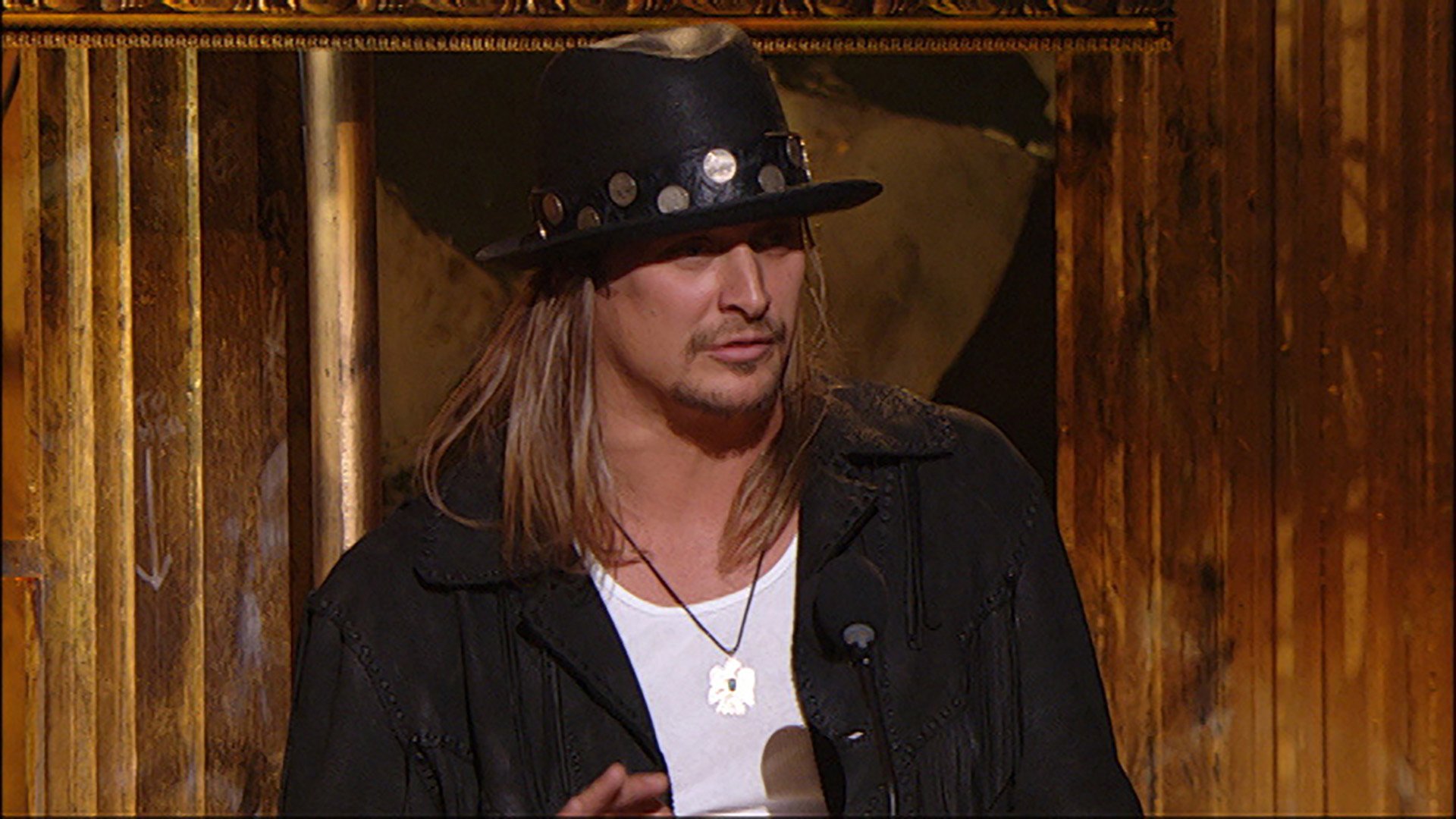
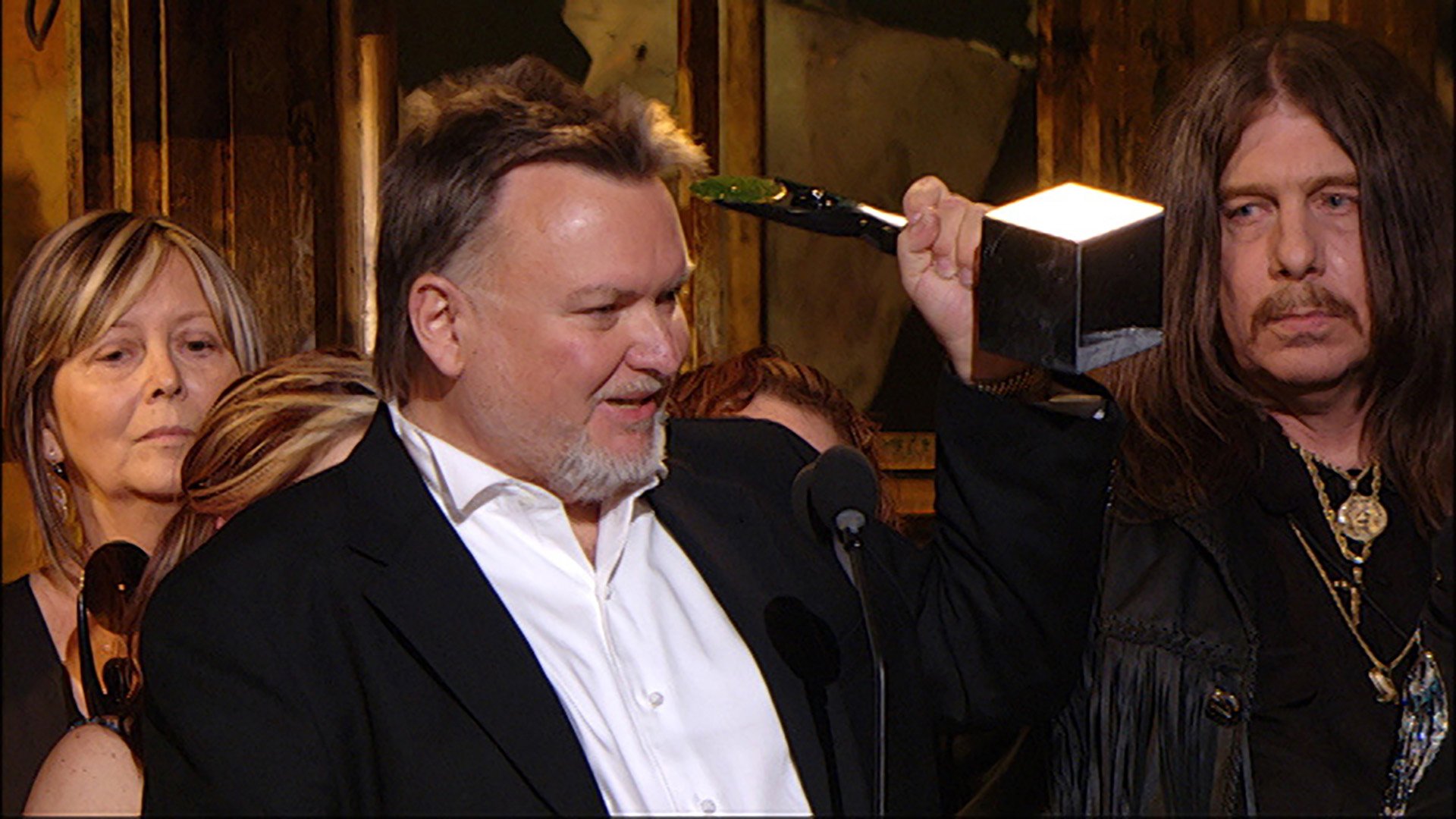
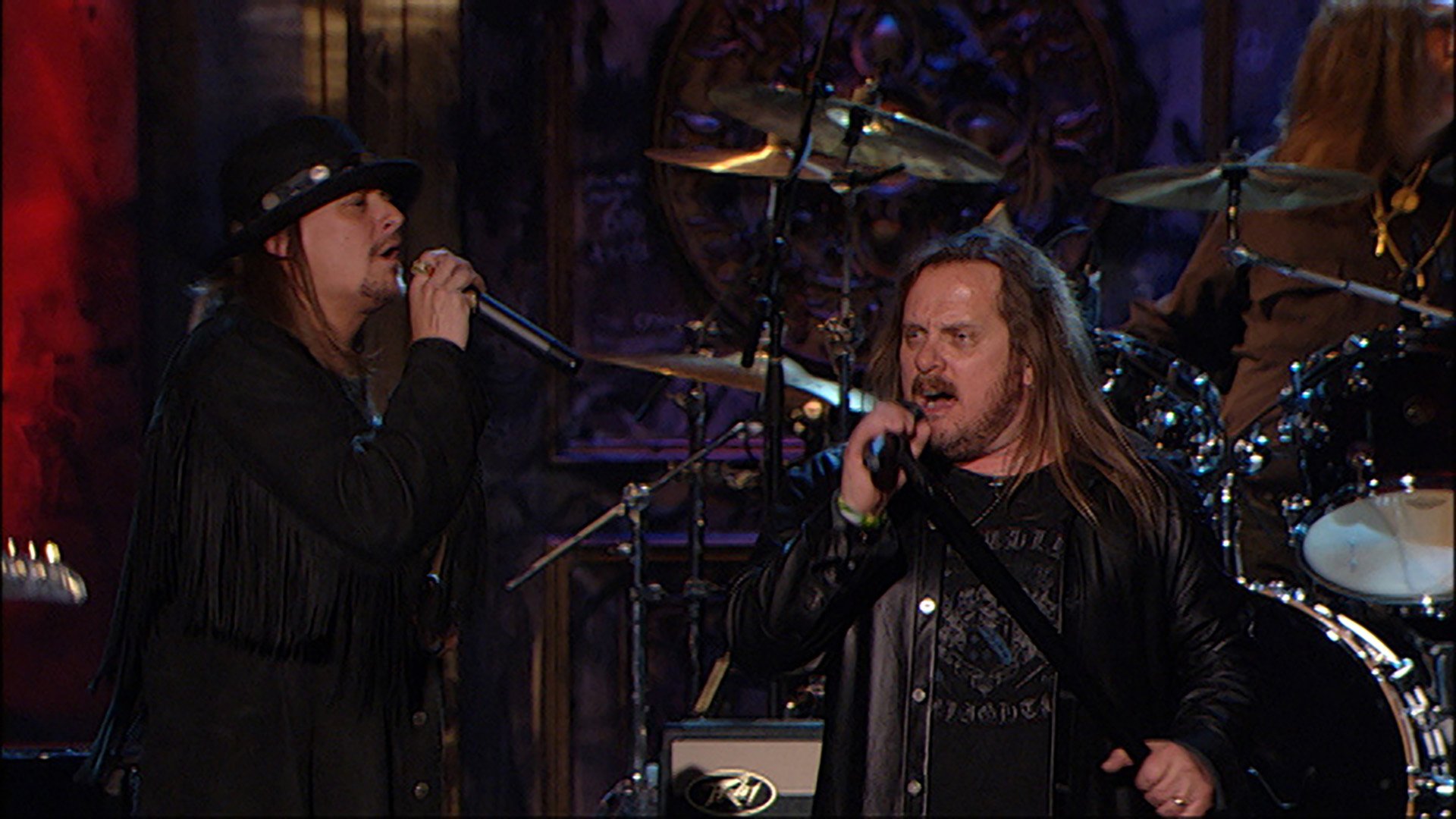
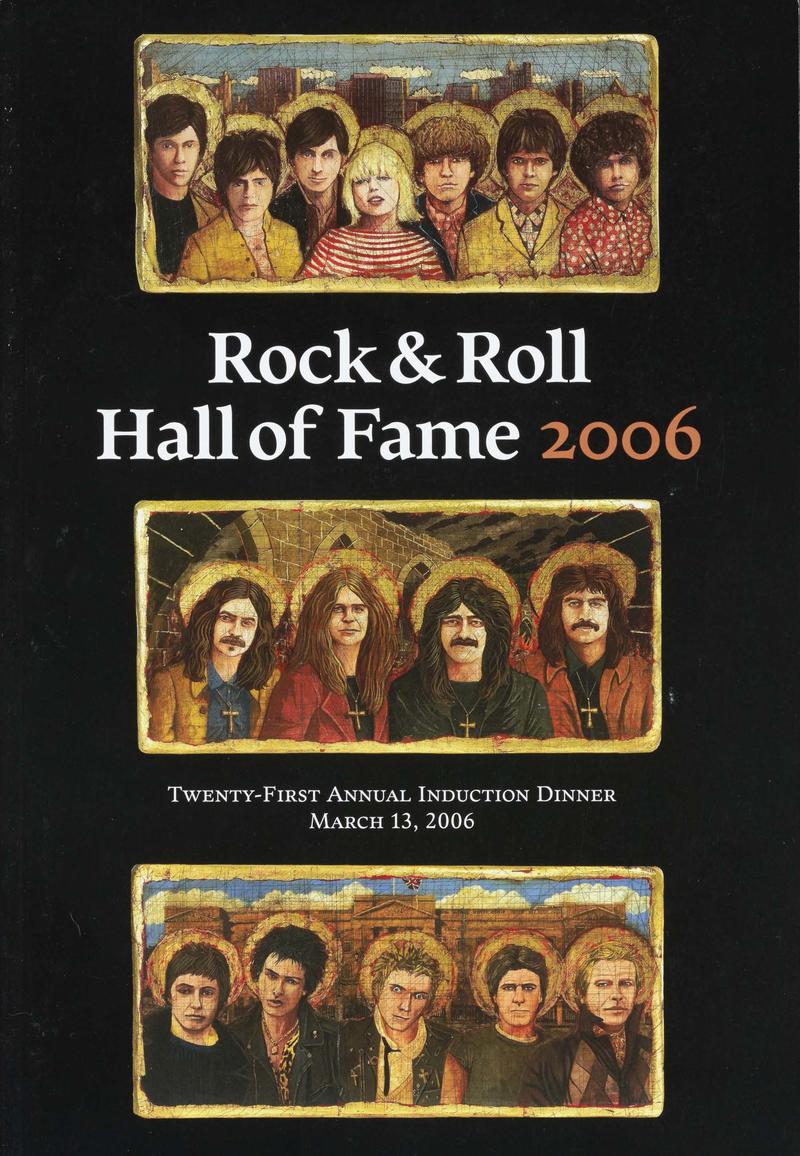
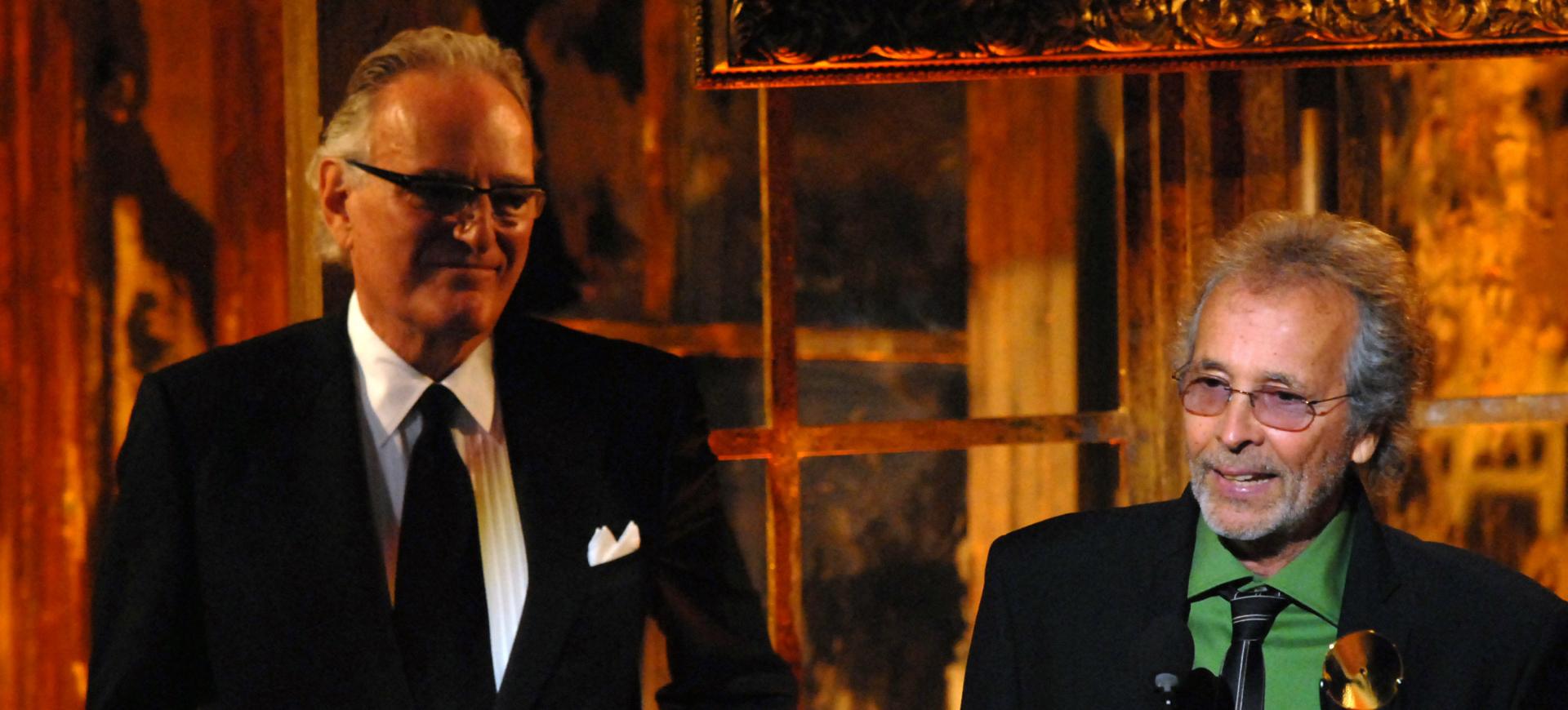
March 13, 2006: Lynyrd Skynyrd is inducted into the Rock and Roll Hall of Fame at the 21st annual induction dinner. tk is their presenter.
Essential Recordings
Free Bird
Sweet Home Alabama
That Smell
Simple Man
Saturday Night Special
Gimme Three Steps
You Got That Right
Workin for MCA
Whiskey Rock-A-Roller
Whats Your Name
Recommended Reading
Lynyrd Skynyrd: An Oral History.
Lee Ballinger. Los Angeles: XT377 Publishing, 2003.
Freebirds: The Lynyrd Skynyrd Story.
Marley Brant. New York: Watson-Guptill Publications, 2002.
Lynyrd Skynyrd: Down South Jukin.
Rick Clark. Goldmine (May 29, 1992): 8-18+.
Lynyrd Skynyrd.
Lynyrd Skynyrd. MCA, 1994. (Note: The booklet accompanying this box set contains biographical essays and discographical information.)
Lynyrd Skynyrd: Remembering the Free Birds of Southern Rock.
Gene Odom and Frank Dorman. New York: Broadway, 2003.
Lynyrd Skynyrd at Thyrty.
Michael Buffalo Smith. Goldmine (March 5, 2004): 14-20.