Rock and Roll Hall of Fame and Museum

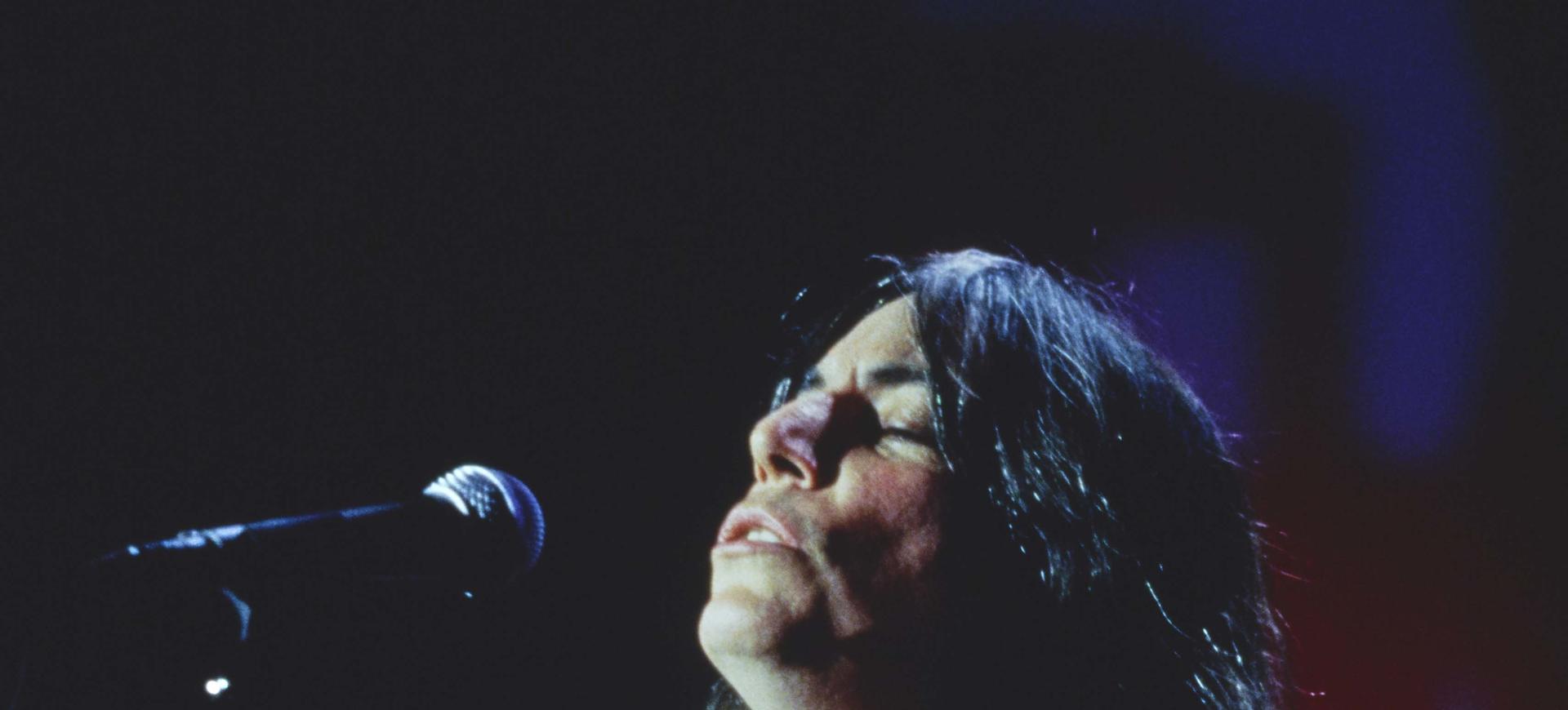
Patti Smith

Induction Year: 2007

Induction Category: Performer


Patti Smith (vocals, guitar; born December 30, 1946)

In 1975, rock and roll caught a glimpse of what lay ahead when Patti Smith—a bohemian New York poet and punk-rock artiste—released her debut album, Horses. Its inspired garage-band amateurism flew in the face of increasingly slick rock production values. Smith’s lyrics were street poetry that nodded toward Beat Generation and French symbolist poets, as well as literate rockers like Jim Morrison and Lou Reed.

Horses arrived at a time when rock and roll needed a jolt from its unadventurous rut and upwardly mobile arena-rock pretensions. John Cale’s arty, unretouched production gave the album the feeling of a raw musical chiaroscuro. The opening lines of the first track, “Gloria,” found Smith intoning a seeming heresy: “Jesus died for somebody’s sins, but not mine.” Horses contained vivid, disturbing imagery that poured from Smith in impassioned torrents (“Land,” “Birdland”). The musicians proudly flaunted a garage-rock aesthetic, while Smith sang with the delirious release of an inspired amateur who knew her voice conveyed more honest passion than any note-perfect rock professional.

Smith was born in Chicago and grew up in southern New Jersey, where she worked a factory job, studied to be a teacher and plotted her escape from an uneventful life via poetry and rock and roll. She fled to New York in 1967, where she worked in bookstores, wrote poetry and hooked up with such fellow art-boho misfits as photographer Robert Mapplethorpe, playwright Sam Sheppard and music scribe Lenny Kaye. (Smith herself would try her hand at rock journalism, writing for such magazines as Creem and Rolling Stone.) Smith and Kaye brought street poetry and rock guitar together at a memorable 1971 reading in New York. Such events sewed the seeds for the Patti Smith Group, which formalized their union of poetry and rock with a nearly two-month house gig at CBGB in early 1974.

Smith has stated that her intention during those formative years “was merely to kick a little life into what I perceived as a dead poetry scene. I was trying to kick poetry in the ass.” She was no less provocative when it came to the rock scene, which she felt was dying on the vine. “I seriously worried that I was seeing the decline of rock and roll,” she explained. “My design was to shake things up, to motivate people and bring a different type of work ethic back to rock and roll.”

Her accomplices included guitarist Kaye, guitarist/bassist Ivan Kral, keyboardist Richard “DNV” Sohl and drummer Jay Dee Daugherty, a.k.a., the Patti Smith Group.

Smith followed Horses with the even more experimental and extreme Radio Ethiopia, but her forward momentum came to a halt in January 1977, when she fell from the stage of a Florida coliseum, suffering back, neck and facial injuries. A lengthy period of recuperation sidelined her during the breakthrough year for punk rock and the do-it-yourself aesthetic she helped promulgate. However, Smith came back strong in 1978 with Easter, an album of renewal and resurrection that focused her verbal gifts and raw power into succinct, hard-hitting songs. The first album production for Jimmy Iovine, Easter yielded a Top 20 hit, “Because the Night.” The song was cowritten with , who’d been recording in an adjacent studio, and it furthered Smith’s unlikely yet well-deserved conquest of the rock mainstream.

Having won the battle, if not the war, Smith retired from public view following her fourth album, 1979’s Wave, and its accompanying tour. The Todd Rundgren-produced Wave included “Dancing Barefoot” and “Frederick,” songs that celebrated her romantic union with Fred “Sonic” Smith (former guitarist with the MC5), whom she married in 1980. Little was heard from Smith in the Eighties, as she settled down to family life with her husband and two children in Detroit. In 1988, Smith resurfaced with Dream of Life, which included considerable involvement from her guitarist-husband and contained the rousing anthem “People Have the Power.”

Over the next five years, however, Smith lost a series of close friends and relatives, including her brother Todd, husband Fred, bandmate Sohl and fellow artist Mapplethorpe. In 1995, she released the highly personal and elegiac Gone Again, on which she eloquently sang of time, loss and mortality. This triggered a public resurgence for Smith, who re-formed her band with Kaye and Daugherty and newcomers Oliver Ray (guitar) and Tony Shanahan (bass). The group recorded Peace and Noise (1997), containing incantatory meditations on big themes, and Gung Ho (2000), a more worldly album that hailed the can-do spirit of religious and political leaders Smith held in high esteem.

A two-disc career overview entitled Land (1975-2002) came out on Arista in 2002, and Smith inaugurated a new chapter in her career that same year by signing with Columbia Records. Her first release for the label, Trampin’ (2004), found the Patti Smith Group and the artist’s commitment to “three-chord rock and the power of the word” fiercely intact.

TIMELINE

December 30, 1946: Patti Smith is born in Chicago, Illinois.

1967: Patti Smith migrates from New Jersey to New York City, where she befriends musicians, artists and playwrights and works on her poetry.

February 10, 1971: Patti Smith performs with guitarist Lenny Kaye for the first time at a poetry reading with musical accompaniment at St. Marks Church on New York’s Lower East Side.

November 1973: Patti Smith and Lenny Kaye join forces for a “Rock ’n’ Rimbaud” performance in New York, sewing the seeds for the Patti Smith Group.

February 1974: The Patti Smith Group begins a regular gig at CBGB’s, performing four nights a week for almost two months.

June 1974: Patti Smith records her first single – “Hey Joe” b/w “Piss Factory” – at Electric Lady Studios in New York. It is released on the Mer label and later re-released on Sire Records.

December 13, 1975: Patti Smith’s epochal debut album, Horses, is released on Arista Records. It will reach #47, but that middling chart position gives no sense of its ultimate impact.

November 27, 1976: Radio Ethiopia, the second album by the Patti Smith, enters the album chart, where it will peak at #122.

January 23, 1977: While performing “Ain’t It Strange” while opening for in Tampa, Florida, Patti Smith falls offstage, cracking two vertebrae. The injury sidelines her for a year.

April 8, 1978: Easter, the third album by Patti Smith, enters Billboard’s album chart, where it will peak at #20, resurrecting her career following a year-long recovery from injury.

May 13, 1978: “Because the Night,” recorded by Patti Smith and cowritten with , enters the Top Forty, where it will peak at #13.

May 19, 1979: Patti Smith releases Wave, her fourth album, produced by Todd Rundgren, which will reach #18 – her highest showing. Smith, however, will not record again for nearly a decade.

September 1979: The Patti Smith Group goes into retirement following a tour-ending gig at a Florence, Italy soccer stadium.

March 1, 1980: Patti Smith and guitarist Fred “Sonic” Smith, late of the MC5, are married and settle down in Detroit to raise a family.

1988: Dream of Life, Patti Smith’s first album since 1979’s Wave, is released. The spiritually suffused set is highlighted by the anthemic “People Have the Power,”

June 3, 1990: Richard “DNV” Sohl, keyboardist for the Patti Smith Group, dies of heart failure.

November 4, 1994: Fred “Sonic” Smith, guitarist for the MC5 and Patti Smith’s spouse, dies of heart failure.

July 6, 1996: Patti Smith releases Gone Again, an elegiac album that mourns lost love ones while deriving strength from their memories.

October 18, 1997: Peace and Noise, Patti Smith’s seventh album, enters the charts for an abbreviated one-week stay.

March 21, 2000: Patti Smith releases her eighth album, Gung Ho, and will launch a national tour in April.

March 19, 2002:  Land (1975-2002), a two-disc Patti Smith retrospective, is released.

September 2002: Strange Messenger, an exhibition of drawings, silk screens and photographs by Patti Smith, opens at the Warhol Museum in Pittsburgh.

October 20, 2002: After a quarter century on Arista Records, Patti Smith signs with Columbia on the birthdate of French poet Arthur Rimbaud.

April 27, 2004: Patti Smith’s Trampin’, her first album for Columbia Records, is released.

June 25, 2005: Thirty years after its release, Patti Smith performs Horses in its entirety with her band at London’s Royal Festival Hall. The performance will serve as the bonus disc on the Legacy Edition reissue of Horses, released in December 2005.

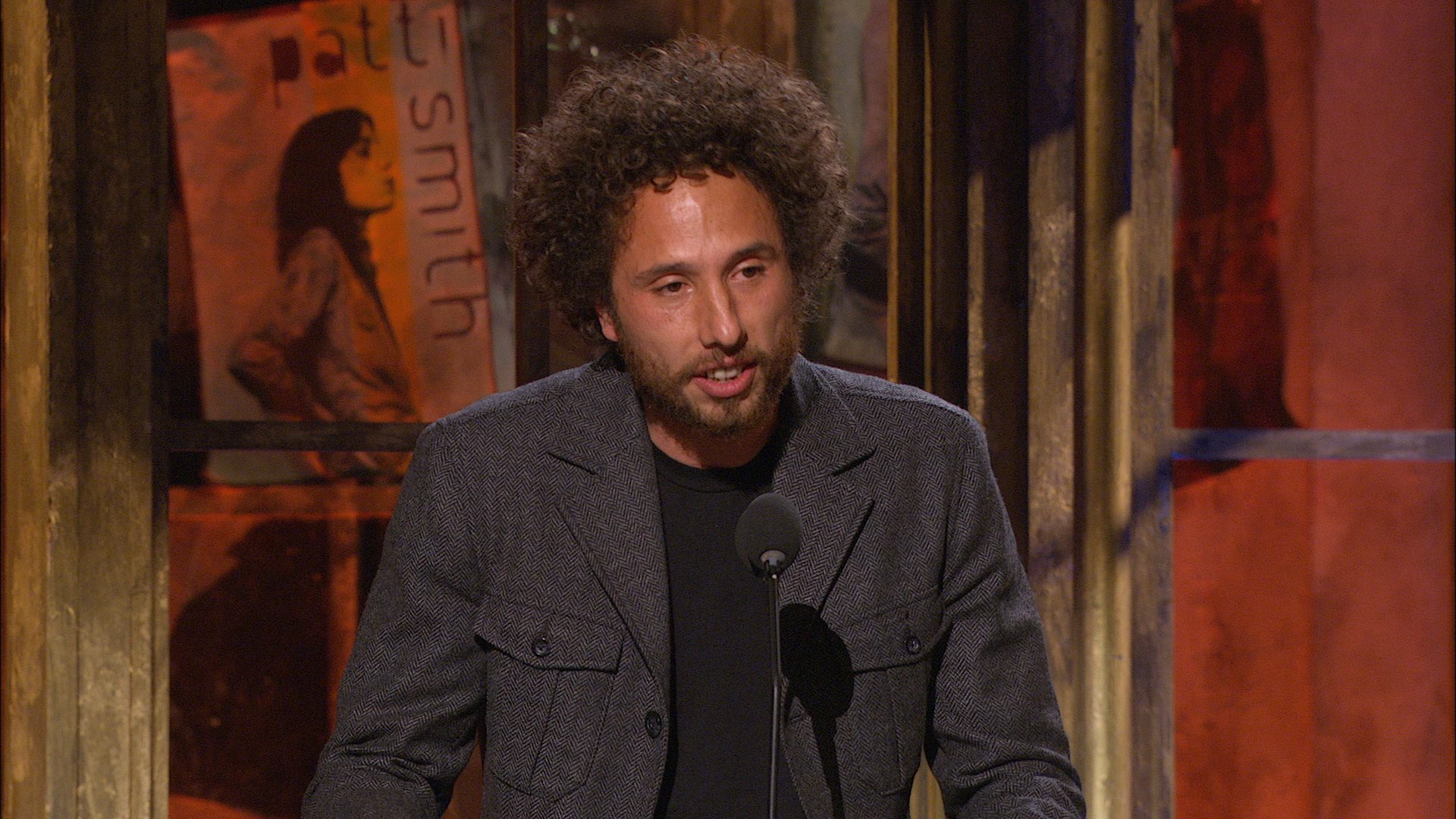
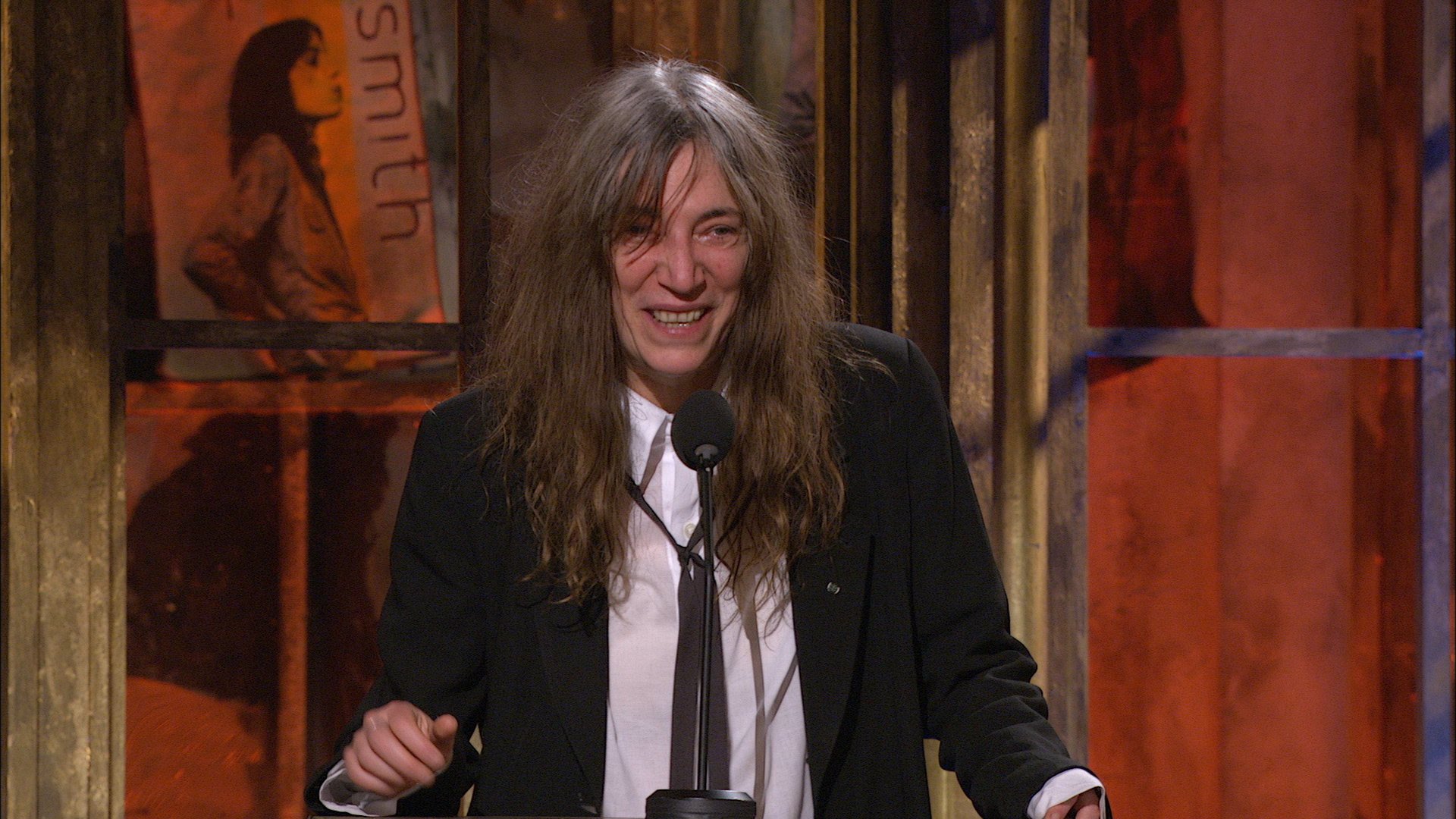
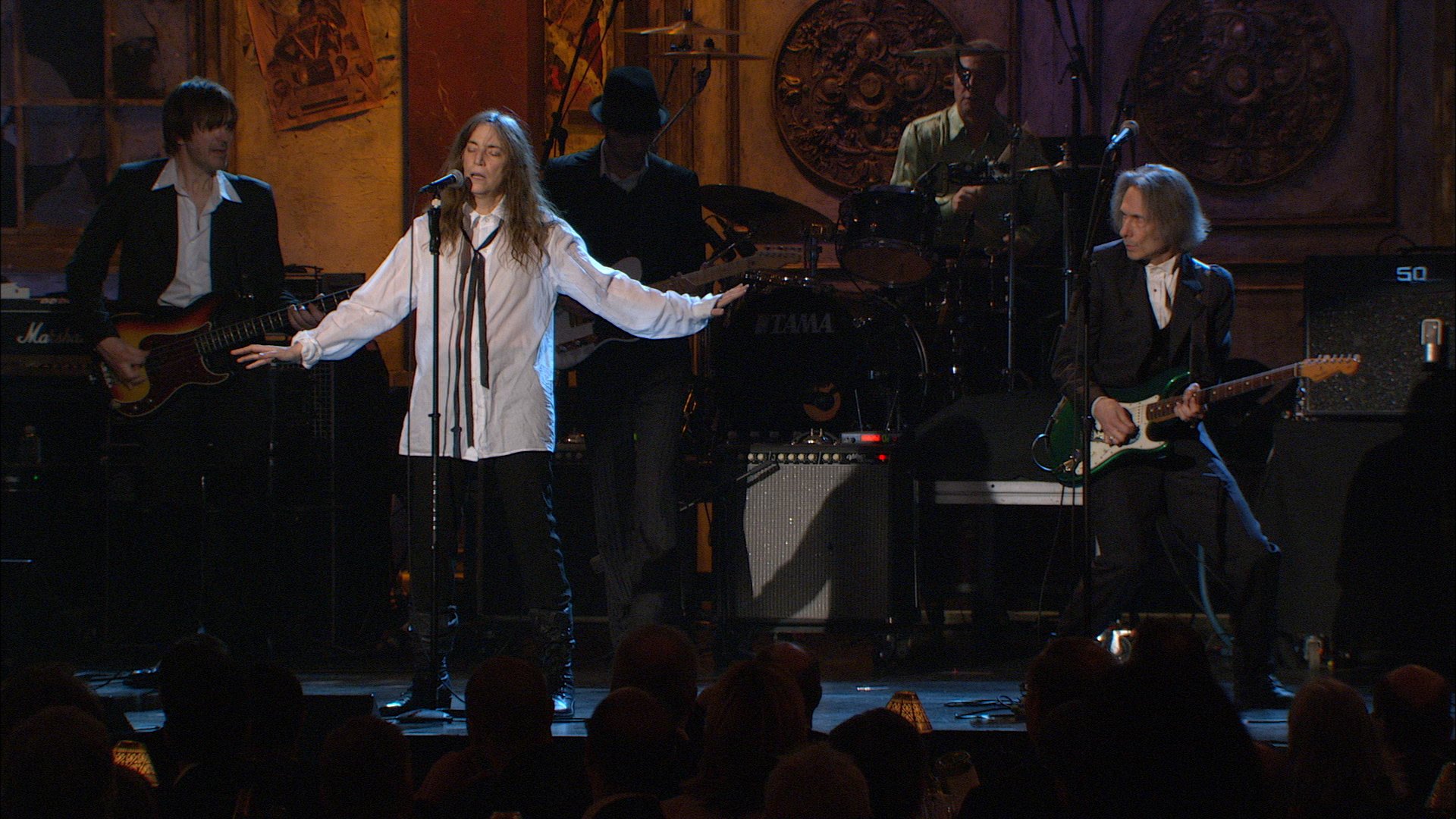
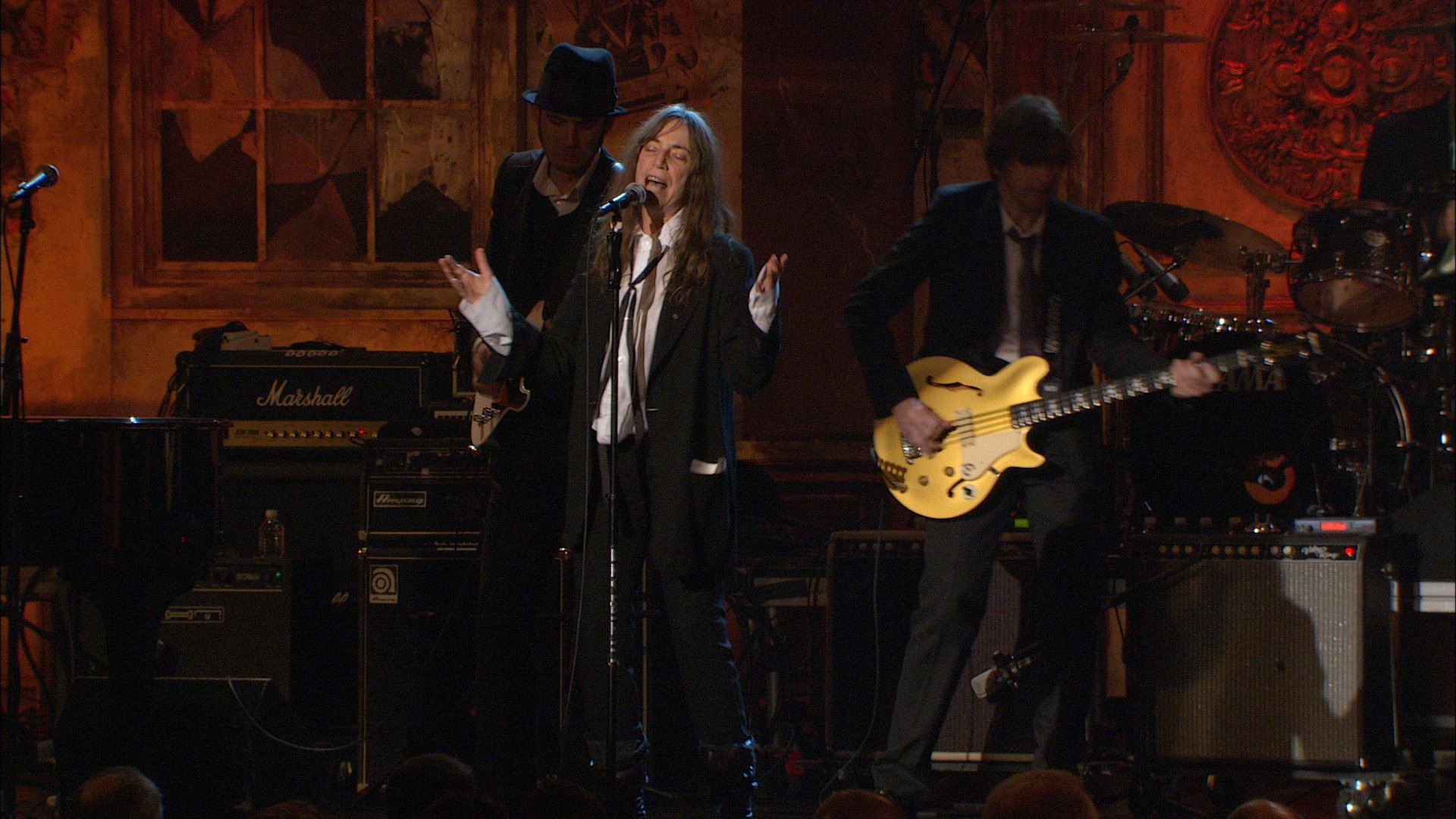
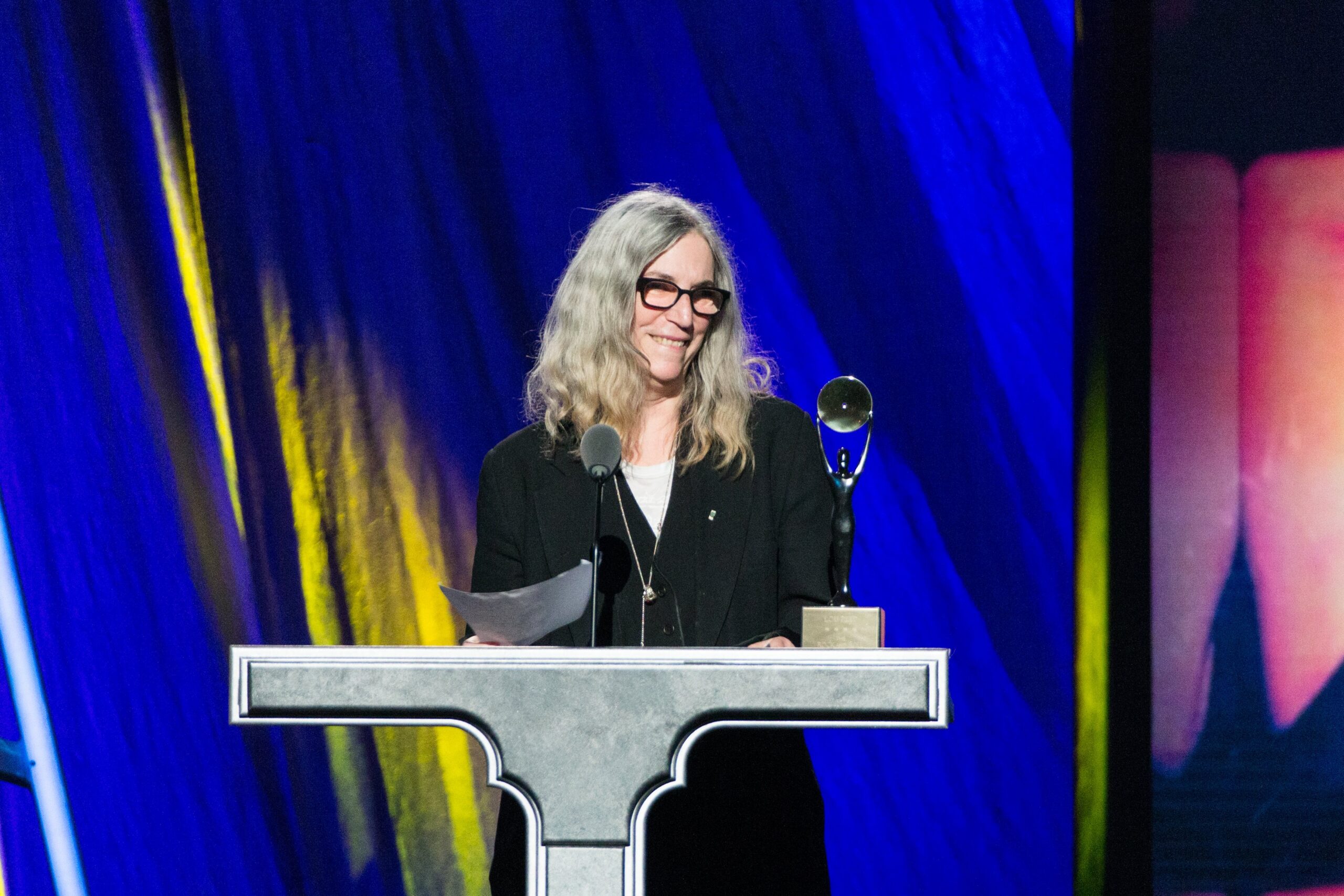
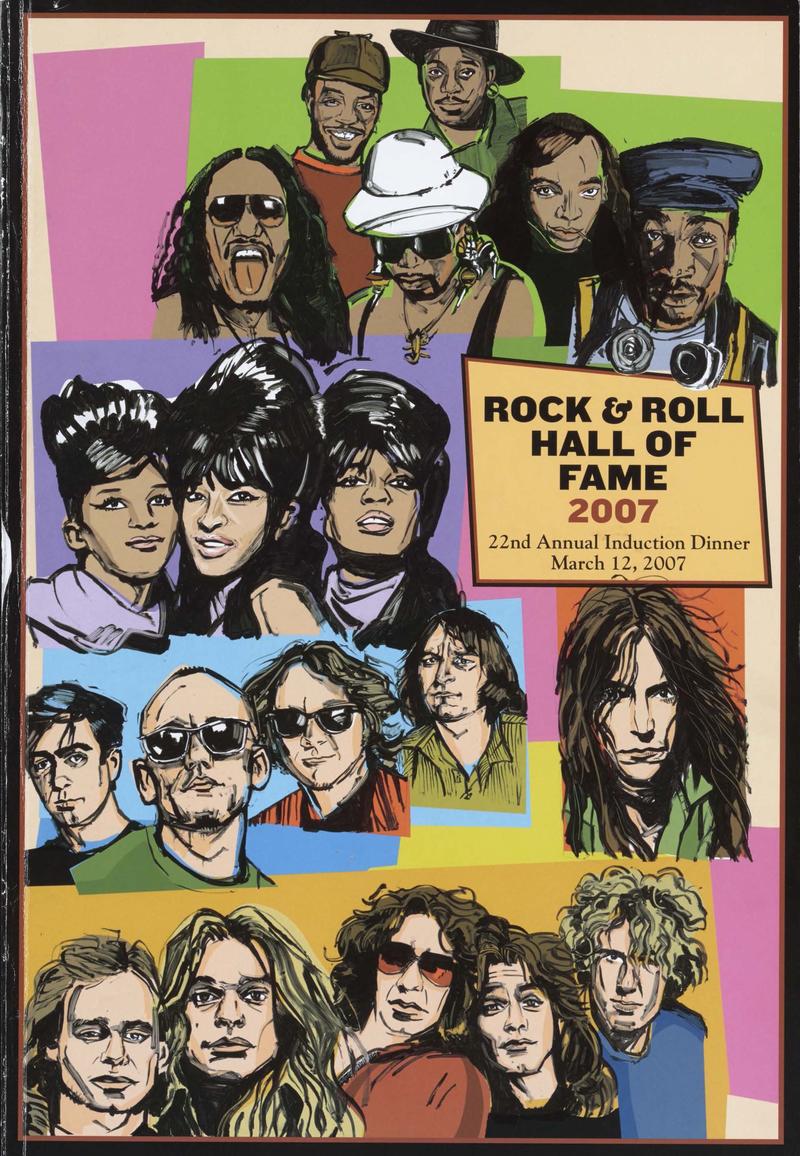
March 12, 2007: Patti Smith is inducted into the Rock and Roll Hall of Fame at the 22nd annual induction dinner. Zach de la Rocha is her presenter.

Essential Songs

Gloria
Because the Night
Dancing Barefoot
People Have the Power
Glitter in Their Eyes
Gone Again
1959
Birdland
Ask the Angels
Ghost Dance

Recommended Reading

Patti Smith: A Biography.
Nick Johnstone. London: Omnibus Press, 1997.

“Patti Smith: Coal Stove Visions of a Factory Girl.”
Dave Marsh. Rolling Stone (January 1, 1976): 39-42+.

“The Patti Smith Group: The One-of-a-Kind Rock Poet and Her Longtime Sidemen Tell Their Story in Their Own Words.”
Fred Mills. Goldmine (January 30, 1998): 16-20+.

Patti Smith Complete, 1975-2006: Lyrics, Reflections and Notes for the Future
Patti Smith. New York: HarperCollins, 2006.


Joe Walsh's (The Eagles) Football Jersey

Photo by Andrew Moore
Gift of Adam Spero