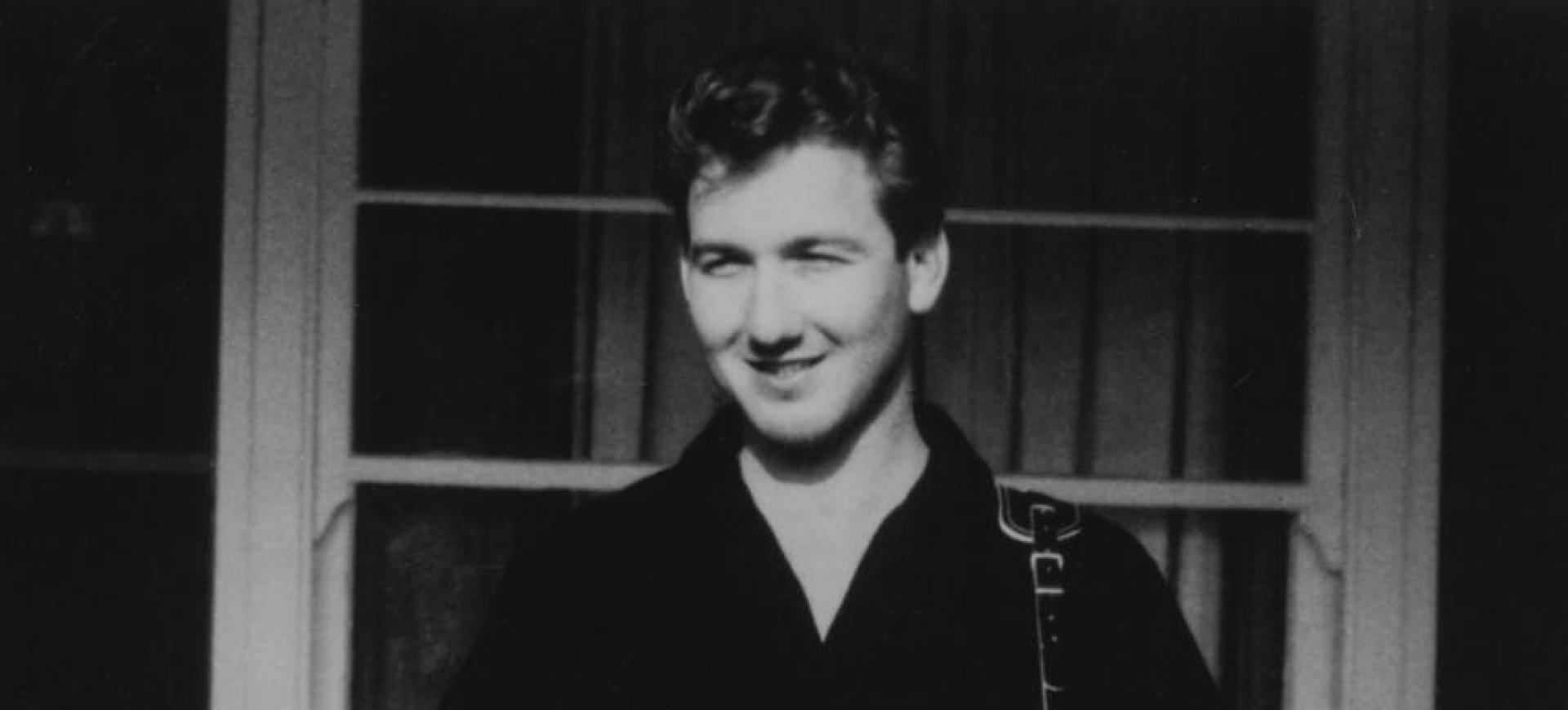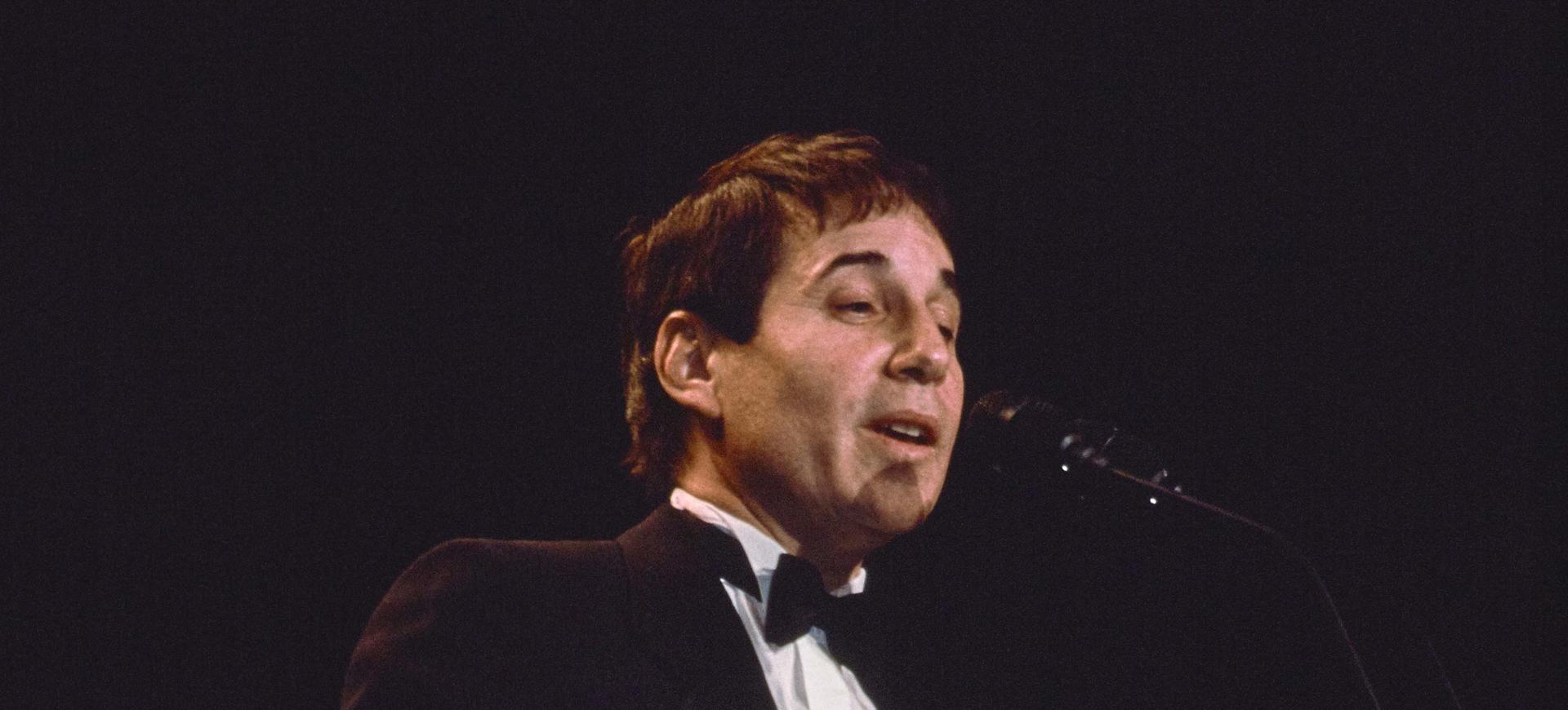
Paul Simon
Induction Year: 2001
Induction Category: Performer
Inductee: Paul Simon (vocals, guitar; born October 13, 1941)
Paul Simon is among the most erudite and daring songsmiths in popular music. After the breakup of Simon and Garfunkel in 1970, Simon embarked on a fruitful solo career that’s been notable for lyrical acuity, impeccable musicianship and stylistic daring. While Simon and Garfunkel worked largely (but not exclusively) in the folk idiom, Simon the solo artist has roamed wherever his muse has taken him - and that has literally meant around the world. His is not so much a conventional career in music as an odyssey of discovery using “intuitive flashes, synaptic leaps and shorthand logic” (in Simon’s own words) to help him on his way.
It is a little-known fact that Paul Simon’s solo career commenced in 1965 with The Paul Simon Songbook, recorded and released only in England, where Simon was living at the time. (If you want to get technical about it, Simon released a string of pre-S&G 45s during the period 1958-62 under the pseudonyms Jerry Landis, True Taylor and Paul Kane.) Simon’s Songbook appeared between the Simon and Garfunkel albums Wednesday Morning 3AM and Sounds of Silence. However, the unexpected success of the S&G single “The Sounds of Silence” in 1965 brought Simon back home to New York, where he reunited and remained with partner Art Garfunkel through 1970.
Disinclined to honor artificial borders when it comes to music and culture, Simon mixed it up from the outset. He’d explore and interpolate doo-wop vocals, gospel choirs, New Orleans brass bands, West Coast jazz musicians, reggae rhythms, Peruvian folk melodies and more on such eclectic early albums as Paul Simon (1972), There Goes Rhymin’ Simon (1973) and Still Crazy After All These Years (1975). Simon wrote enlightened, accessible yet offbeat pop tunes that were in sync with the Seventies and its self-absorbed ironies. His music unfailingly nodded to the exotic without departing the familiar. As a lyricist, he could be a droll, sometimes doleful observer of the human condition; witness his mid-Seventies anthem “Still Crazy After All These Years” (which would become a popular societal catchphrase). Simon expertly sculpted his songs until they sounded so effortless that they belied his careful craftsmanship.
By the mid-Eighties, he was carefully and thoughtfully fusing American and African music forms, which bore fruit on the landmark album Graceland (1986). His buoyant, groove-oriented music drew from the street music of Soweto, South Africa, known as mbaqanga or “township jive.” Between the lines, his multicultural fusion reinforced the notion that music is a universal language that rises above politics. He also helped open the mass audience’s ears to the marvelous forms of music that lay beyond their home borders. Graceland may well be the unlikeliest hit album of the Eighties; certainly, it was among the most revolutionary.
Simon’s efforts at cultural fusion continued on The Rhythm of the Saints (1990). It was another set of audacious musical experiments, this time pairing Brazilian drummers (playing mcbuma and condomble rhythms) with West African guitar and Simon’s brainy lyric sensibility. In addition, he used American blues and jazz musicians, plus backup vocalists from Cameroon. It was a richly textured musical tapestry. For Graceland and The Rhythm of the Saints alone, Paul Simon deserves acclaim as for making the world feel a little bit more like a community of kindred spirits.
Forays into film (1980’s One-Trick Pony) and Broadway theater (1997’s The Capeman) have drawn upon and expanded the cinematic storytelling at the heart of Simon’s songwriting. In 1991, he performed a free concert in Central Park, which was aired live over HBO as Paul Simon Live in Central Park: Born at the Right Time Tour: One Night Only. The two-hour performance, which found him joined by a touring band of 17 musicians and singers from various cultures and locales, drew heavily from Graceland and The Rhythm of the Saints, but he also threw in five Simon and Garfunkel classics. In 2000, Simon released You’re the One, one of his most artfully understated albums.
Over the course of three decades, Paul Simon has tapped into the mysterious motherlode of musical creation with patience and humility. “I’m more interested in what I discover than what I invent,” he has said. “You don’t possess it. You can’t control it or dictate to it. You’re just waiting. Waiting...for the show to begin.
TIMELINE
October 13, 1941: Paul Simon was born.
May 6, 1965: Paul Simon’s first solo album, T’he Paul Simon Songbook,’ is released in the U.K. on CBS Records. It never sees the light of day in the U.S.
January 2, 1972: Paul Simon’s self-titled album is released a year after the breakup of Simon and Garfunkel. It yields two popular singles: “Mother and Child Reunion” (#4) and “Me and Julio Down by the Schoolyard (#22).
May 6, 1973: Paul Simon’s second album, ‘There Goes Rhymin’ Simon,’ is released. It is his best-selling album until 1986’s ‘Graceland,’ producing a pair of singles that each hit #2: “Kodachrome” and “Loves Me Like a Rock.”
July 7, 1973: Paul Simon hits #2 with “Kodachrome”.
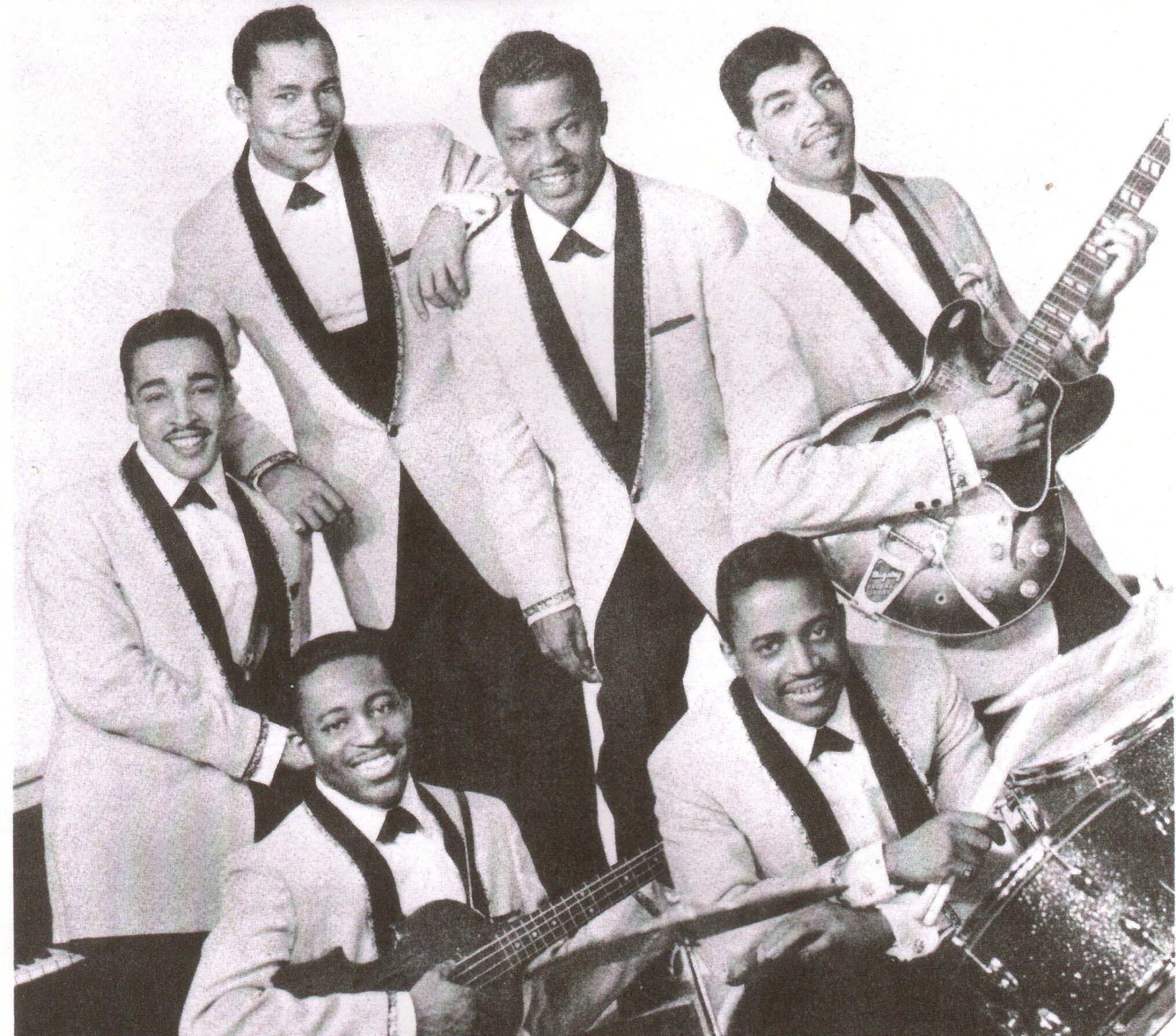
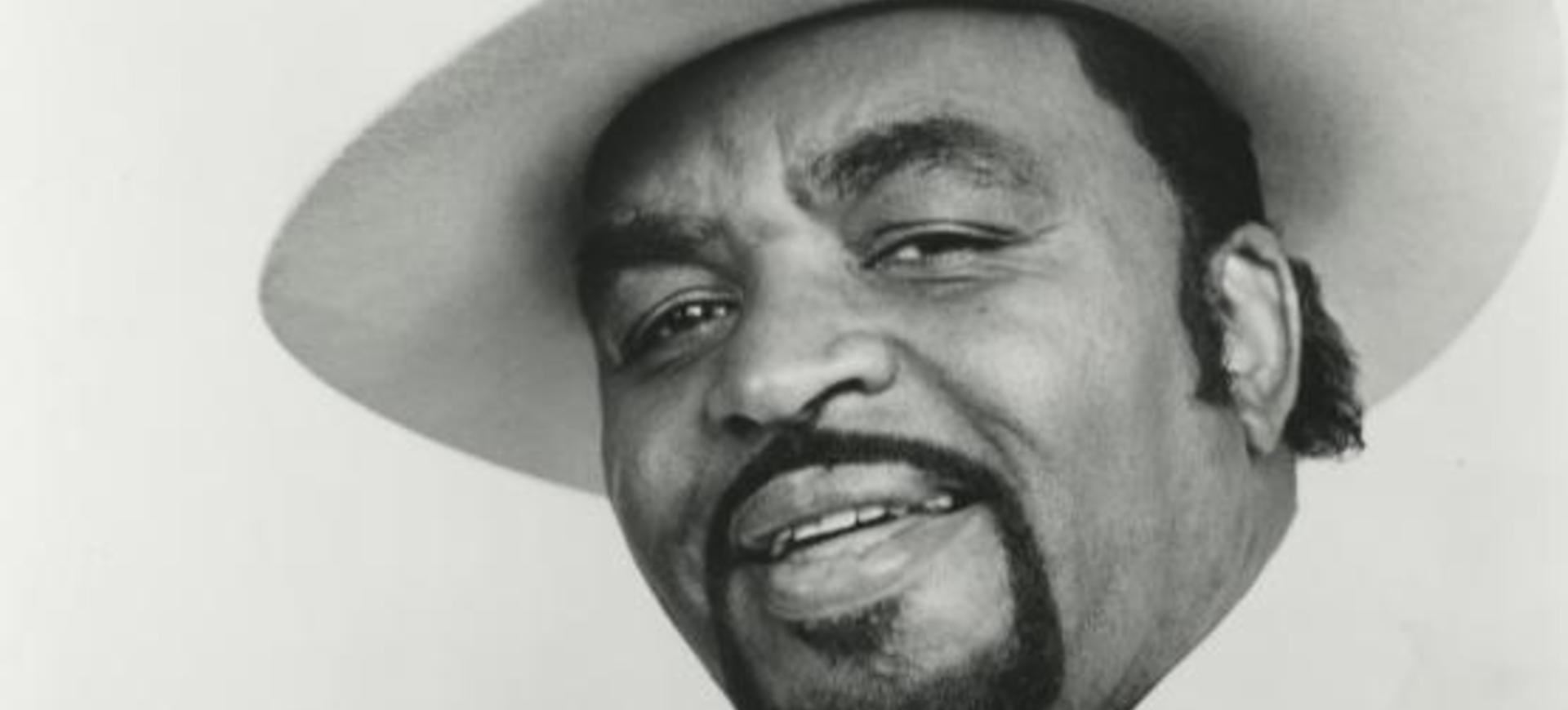
1973: Paul Simon hits #2 with “Loves Me Like a Rock”, on which he is backed by the Dixie Hummingbirds.
October 6, 1973: Paul Simon hits #2 with “Loves Me Like a Rock”.
January 12, 1974: Paul Simon hits #35 with “American Tune”.
October 4, 1975: Paul Simon and Phoebe Snow hit #23 with “Gone At Last”.
December 6, 1975: ‘Still Crazy After All These Years,’ Paul Simon’s third solo album of the Seventies, tops the album charts.
February 7, 1976: “50 Ways to Leave Your Lover,” by Paul Simon, reaches #1 for the first of three weeks. It is the biggest single of his career.
May 29, 1976: Paul Simon hits #40 with “Still Crazy After All These Years”.
October 1, 1980: The film ‘One Trick Pony,’ written and directed by Paul Simon, opens in theaters. Simon also acts in the film and performs the soundtrack music, which includes “Late in the Evening” (#6).
October 6, 1983: ‘Hearts and Bones,’ originally intended to be a Simon and Garfunkel reunion album, is instead released as a Paul Simon solo effort with Garfunkel’s vocals wiped off.
August 6, 1986: ‘Graceland,’ the signature album of Paul Simon’s career, is released. Much of it was recorded in South Africa with native musicians.
February 14, 1987: Paul Simon brings the Graceland tour to Zimbabwe, Africa.
February 24, 1987: Paul Simon wins Album of the Year for ‘Graceland’at the 29th annual Grammy Awards ceremony in Los Angeles. It is his 11th Grammy to date.
May 23, 1987: “You Can Call Me Al,” by Paul Simon, peaks at #23. It is his last Top Forty hit to date.
October 6, 1990: ‘The Rhythm of the Saints,’ Paul Simon’s long-awaited followup to ‘Graceland,’ is released. Much of it was recorded in Brazil with native musicians.
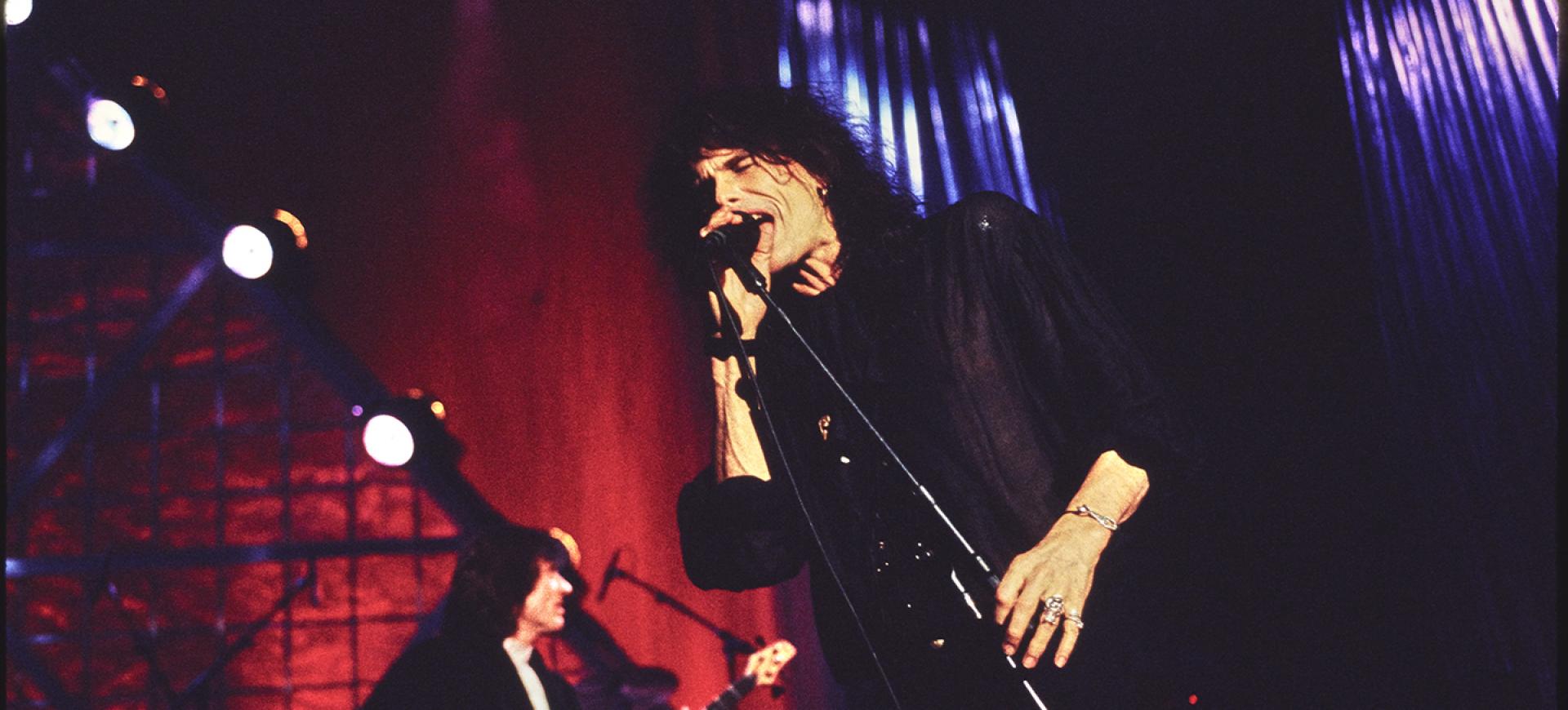
August 15, 1991: Paul Simon performs a free concert in Central Park, which is released in November as the double-disc set ‘Paul Simon’s Concert in the Park.’
May 30, 1992: Paul Simon marries singer Edie Brickell.
June 3, 1992: MTV presents the planetary premiere of “MTV Unplugged” with Paul Simon. The one hour acoustic performance marks the first time an episode of the series is aired the same day in 57 of the 70 countries worldwide where MTV can be seen with MTV Asia, MTV Brazil and MTV Europe.
September 28, 1993: ‘Paul Simon: 1964-93,’ a retrospective three-disc box set, is released.
September 6, 2000: ‘You’re the One,’ Paul Simon’s ninth solo album (excepting compilations and concert discs), is released. It is his first album of songs not tied to a larger conceptual framework since 1983’s ‘Hearts and Bones.’
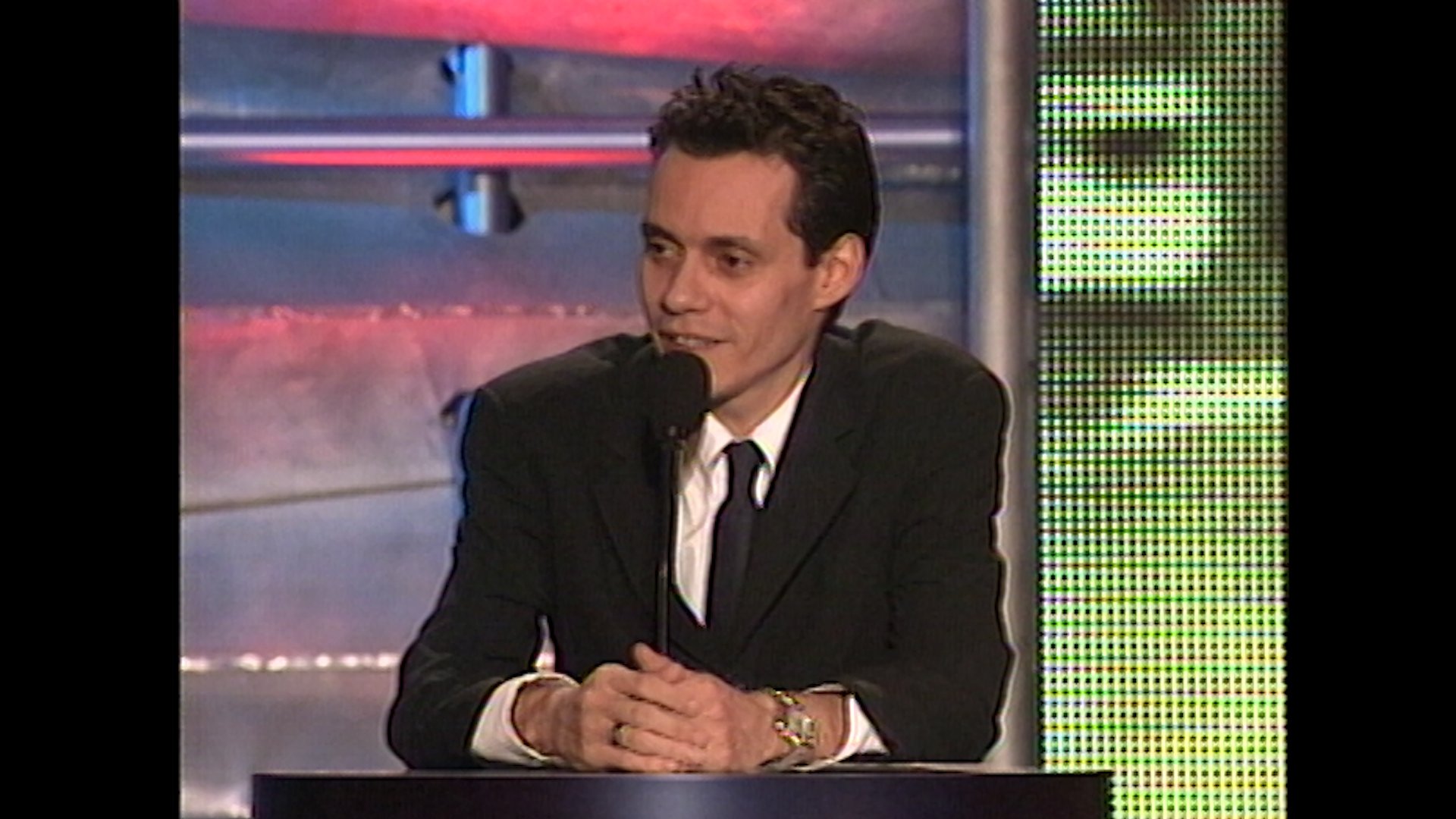
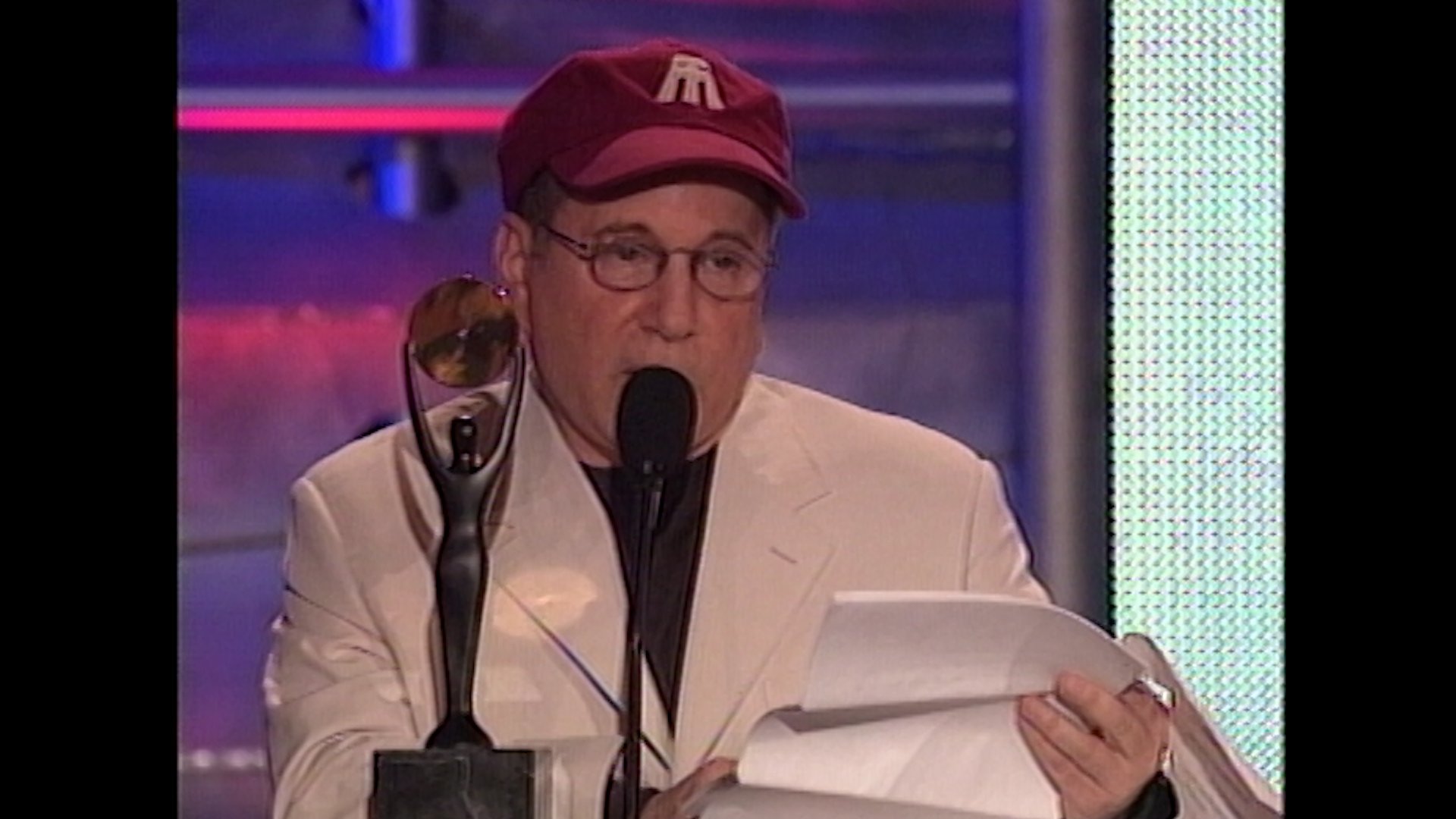
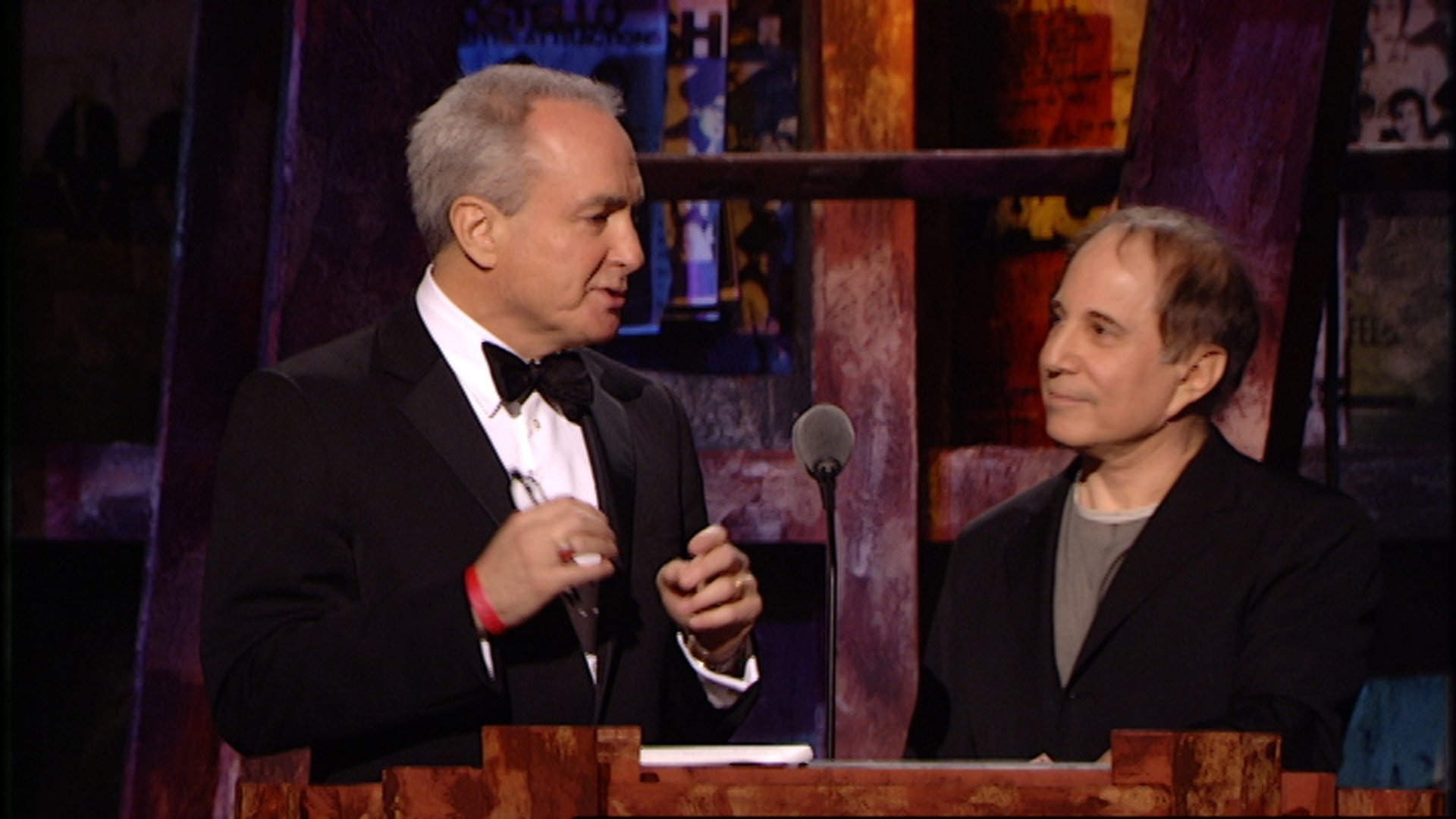
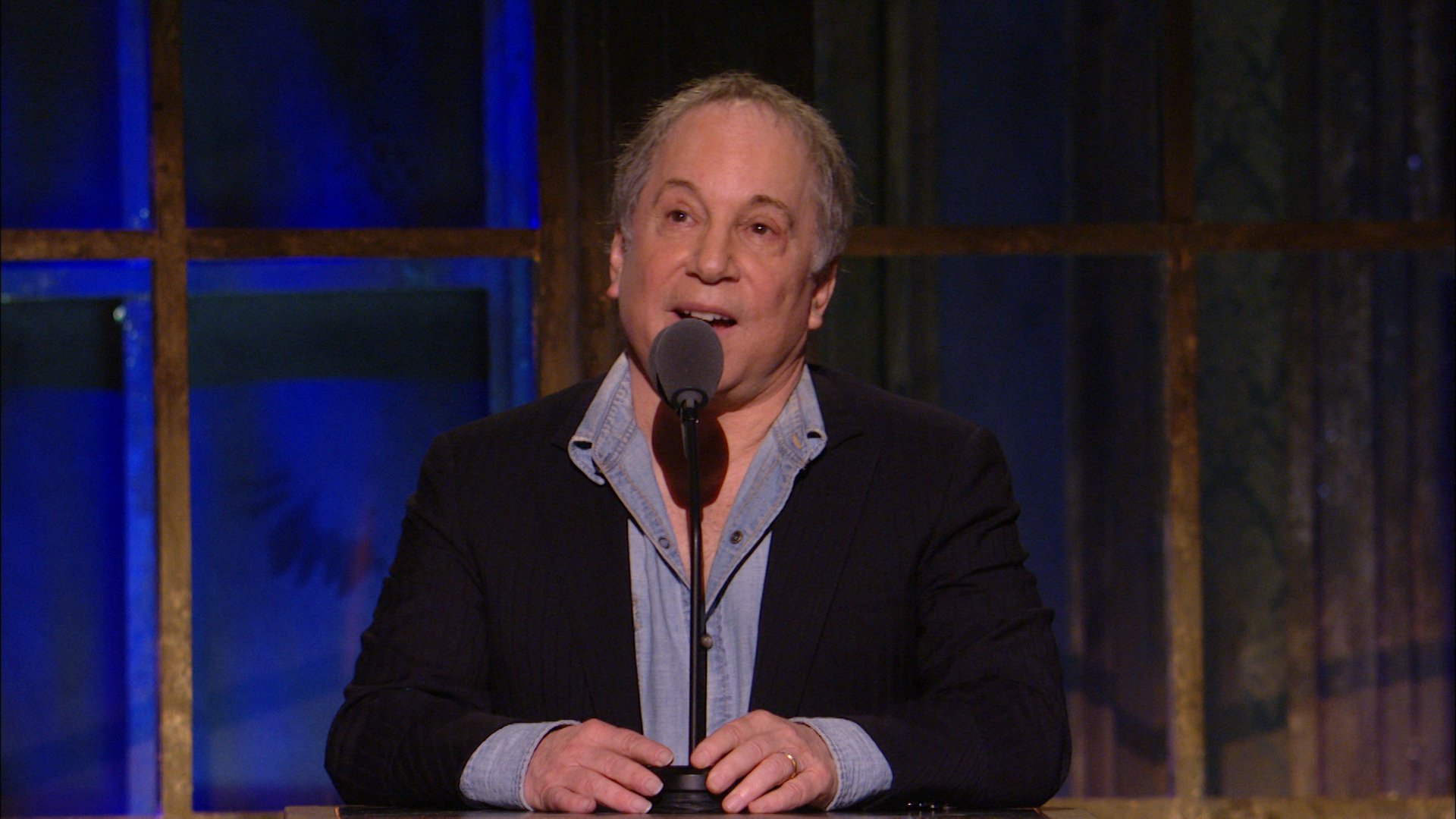
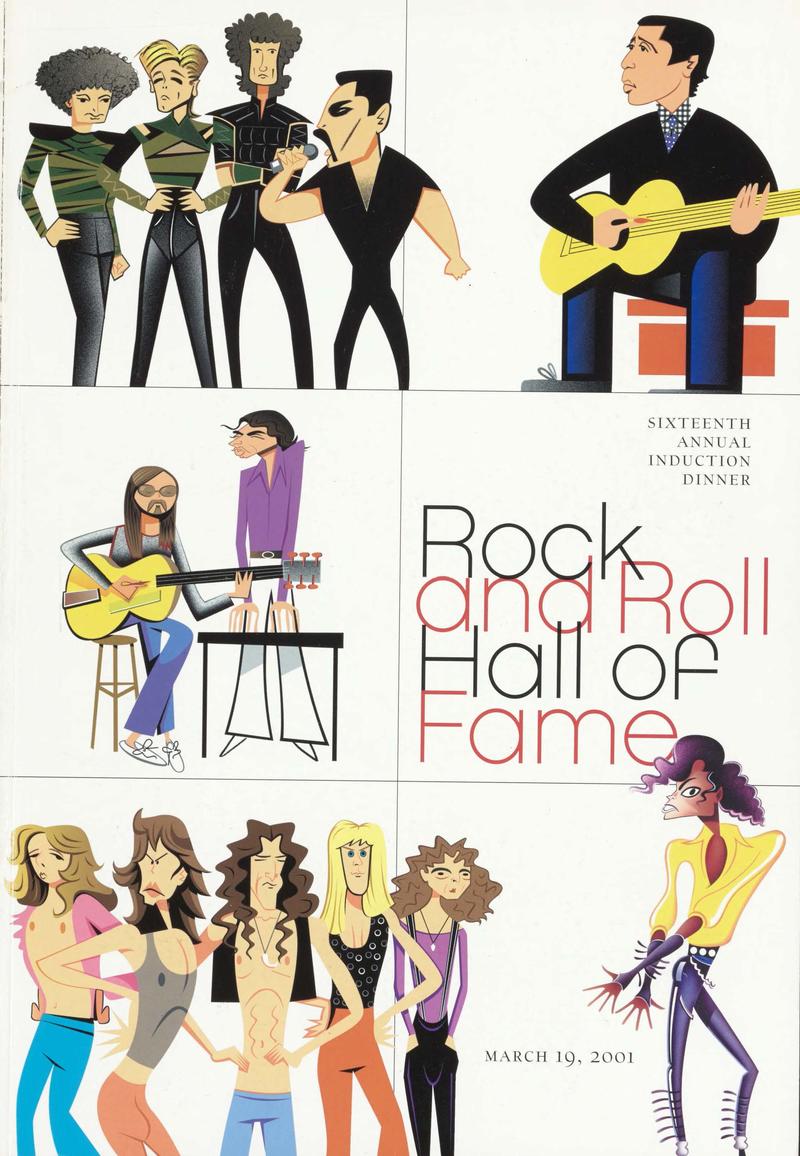
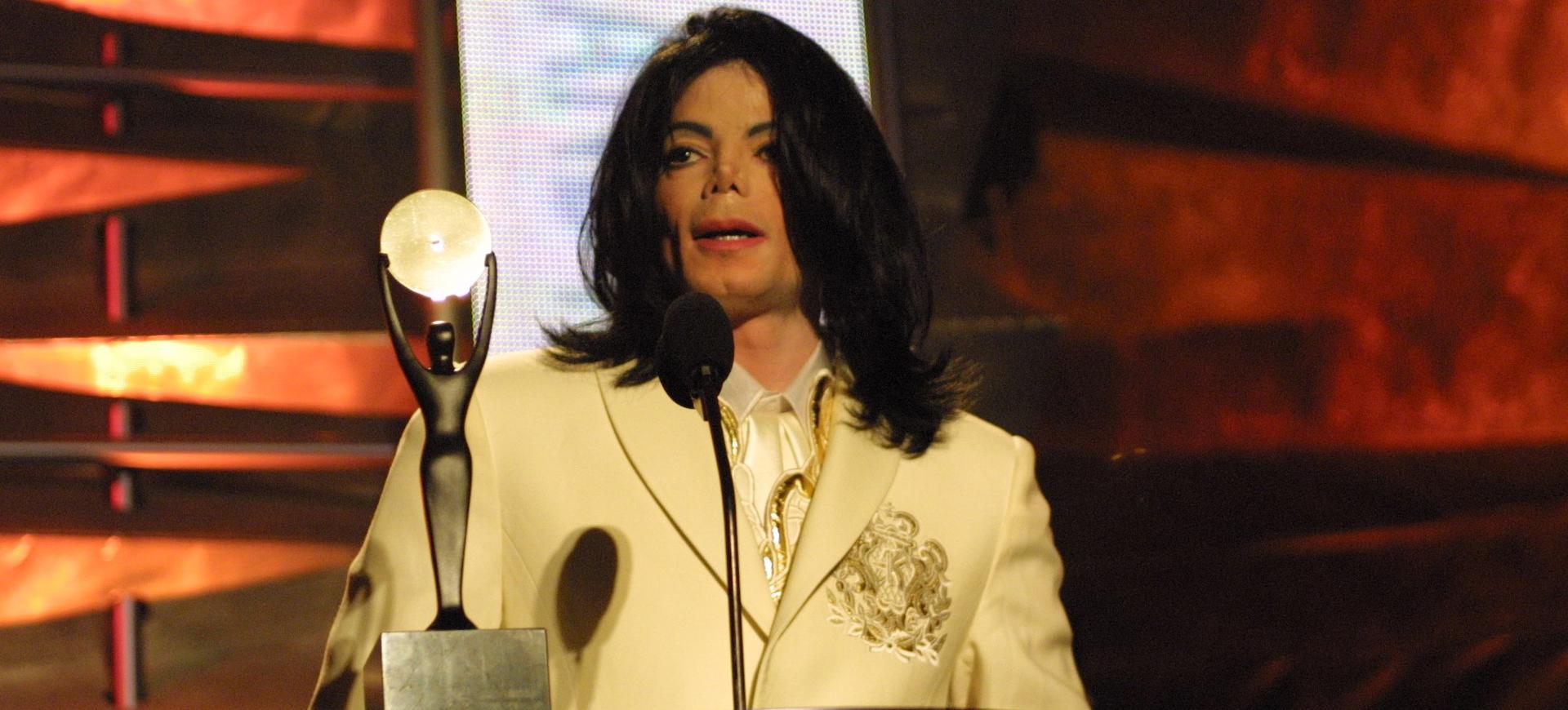
March 19, 2001: Paul Simon is inducted into the Rock and Roll Hall of Fame at the sixteenth annual induction dinner. Marc Anthony is his presenter.
August 6, 2001: ‘Songs from the Capeman,’ featuring material from the Paul Simon-authored Broadway musical, is released. The album is well-received but the musical flops.
Essential Songs
Graceland
Mother and Child Reunion
Kodachrome
Still Crazy After All These Years
You Can Call Me Al
Loves Me Like a Rock
The Obvious Child
Diamonds on the Soles of Her Shoes
American Tune
Hearts and Bones
Recommended Reading
Paul Simon: Still Crazy After All These Years
Patrick Humphries. New York: Doubleday, 1989.
The Paul Simon Companion: Four Decades of Commentary
Stacy Luftig (ed.). New York: Music Sales Corp., 2000.
Paul Simon
Dave Marsh. New York: Quick Fox/Putnam, 1978.
“The Rhythm Method: Paul Simon’s Solo Expeditions.”
Timothy White. Goldmine (April 3, 1992): 9-14.