Percy Sledge
Induction Year: 2005
Induction Category: Performer
Inductee: Percy Sledge (vocals; born November 25, 1940)
If Percy Sledge had only recorded “When a Man Loves a Woman,” one of the greatest of all soul songs, he would have earned his place in the Rock and Roll Hall of Fame. No less an authority than Jerry Wexler has called it “a transcendent moment….a holy love hymn.” Released on Atlantic in 1966, “When a Man Loves a Woman” topped the R&B and pop charts for multiple weeks and raised the bar for soul balladeering for all time. Yet Sledge’s career didn’t end with that momentous first single. Over the years he racked up a dozen hits at Atlantic, including “Warm and Tender Love,” “It Tears Me Up,” “Out of Left Field” and “Take Time to Know Her.”
Sledge, who was born in Leighton, Alabama, was working as a hospital orderly when he began playing clubs and frat parties with the Esquires, a locally popular group, in 1965. As he recalls, “I was singing every style of music: the Beatles, Elvis Presley, James Brown, Wilson Pickett, Motown, Sam Cooke, the Platters.” That broad exposure gave him a soulful versatility as a singer that is evident on his Atlantic recordings.
“When a Man Loves a Woman” was Sledge’s first single, cut by producers Quin Ivy and Marlin Greene at their modest studio in Sheffield, Alabama. Sledge had carried the song’s melody with him for a long time. “I hummed it all my life, even when I was picking and chopping cotton in the fields,” he recalls.
He improvised words to go with his melody one night while performing at a frat party at the University of Mississippi, and Ivy, who was then a college student, told him, “If you ever think about cutting a record, come on by, because I love that melody.”
Inspired by a real-life situation involving a girl who left Sledge for another guy, the song began as “Why Did You Leave Me, Baby?” and evolved into “When a Man Loves a Woman.” Sledge naively gave the writing credit to bassist Cameron Lewis and organist Andrew Wright, his Esquires bandmates who helped with chords and the arrangement.
Sledge’s forlorn, crying vocal style, which betrayed his roots in gospel, found him reaching into his upper register without breaking into falsetto. The purity of his voice, as music journalist Dave Marsh noted, was something like hearing “the South itself, in all its bountiful, contradictory mystery.” It was literally the first Southern soul record to top the pop charts. Of “When a Man Loves a Woman,” Peter Guralnik wrote, “Southern soul had at last entered the mainstream of pop in the unlikely guise of the ultimate make-out song.”
Heartbroken ballads about loneliness, attraction and betrayal were Sledge’s specialty, and they filled the four albums he cut during his late-Sixties tenure at Atlantic: When a Man Loves a Woman (1966), Warm and Tender Soul (1966), The Percy Sledge Way (1967) and Take Time and Know Her (1968). As he liked to say, “Most artists judge their success by how much noise they create. I prefer my audience to be quiet.”
From Atlantic, Sledge moved to Capricorn Records, where he cut I’ll Be Your Everything (1974). Many years passed before his next new album, Blue Night, on the Pointblank label, in 1995. Guests on that project included Steve Cropper (from Booker T. and the M.G.’s) and Bobby Womack. In between releases, Sledge saw “When a Man Loves a Woman” return to popularity when it was included on the soundtrack for Platoon, Oliver Stone’s 1987 film about the Vietnam war. That same year, “When a Man Loves a Woman” was re-released in Britain, reaching #2.
In 1989, Sledge received the Rhythm & Blues Foundation’s first Career Achievement Award. Even though his post-Atlantic recordings have been infrequent, Sledge has remained an in-demand performer, averaging about a hundred dates a year in the U.S. and Europe.
TIMELINE
November 25, 1940: Percy Sledge is born in Leighton, Alabama.
February 17, 1966: Percy Sledge cuts the soul classic “When a Man Loves a Woman” at producer Quin Ivy’s Norala Studio.
May 28, 1966: “When a Man Loves a Woman” tops the pop charts for the first of two weeks (and the R&B charts for four), becoming a milestone in the annals of Southern soul music.
July 30, 1966: “Warm and Tender Love,” by Percy Sledge, enters the charts, where it will reach #5 R&B and #17 pop.
March 30, 1968: “Take Time to Know Her,” the second biggest hit of Percy Sledge’s career (after “When a Man Loves a Woman"), enters the charts.
March 1969: The Best of Percy Sledge, which culls the soul legend’s greatest work for Atlantic, is released.
August 4, 1973 - “Sunshine,” by Percy Sledge - with backing vocals by the unrelated Sister Sledge - becomes Sledge’s last charting single for Atlantic Records.
October 26, 1974 - “I’ll Be Your Everything,” by Percy Sledge, enters the R&B charts. Released on the Capricorn label, it will mark the last time Sledge charts in the U.S.
November 1989: Percy Sledge is among the first class to receive the Rhythm & Blues Foundation’s Pioneer Awards.
November 23, 1991: “When a Man Loves a Woman,” originally by Percy Sledge, becomes a #1 hit for the second time in a version by Michael Bolton.
1992: It Tears Me Up: The Best of Percy Sledge, a 23-track compilation, is released on Rhino/Atlantic.
1995: Blue Night, Percy Sledge’s first new album in over twenty years, is released on Pointblank Records.
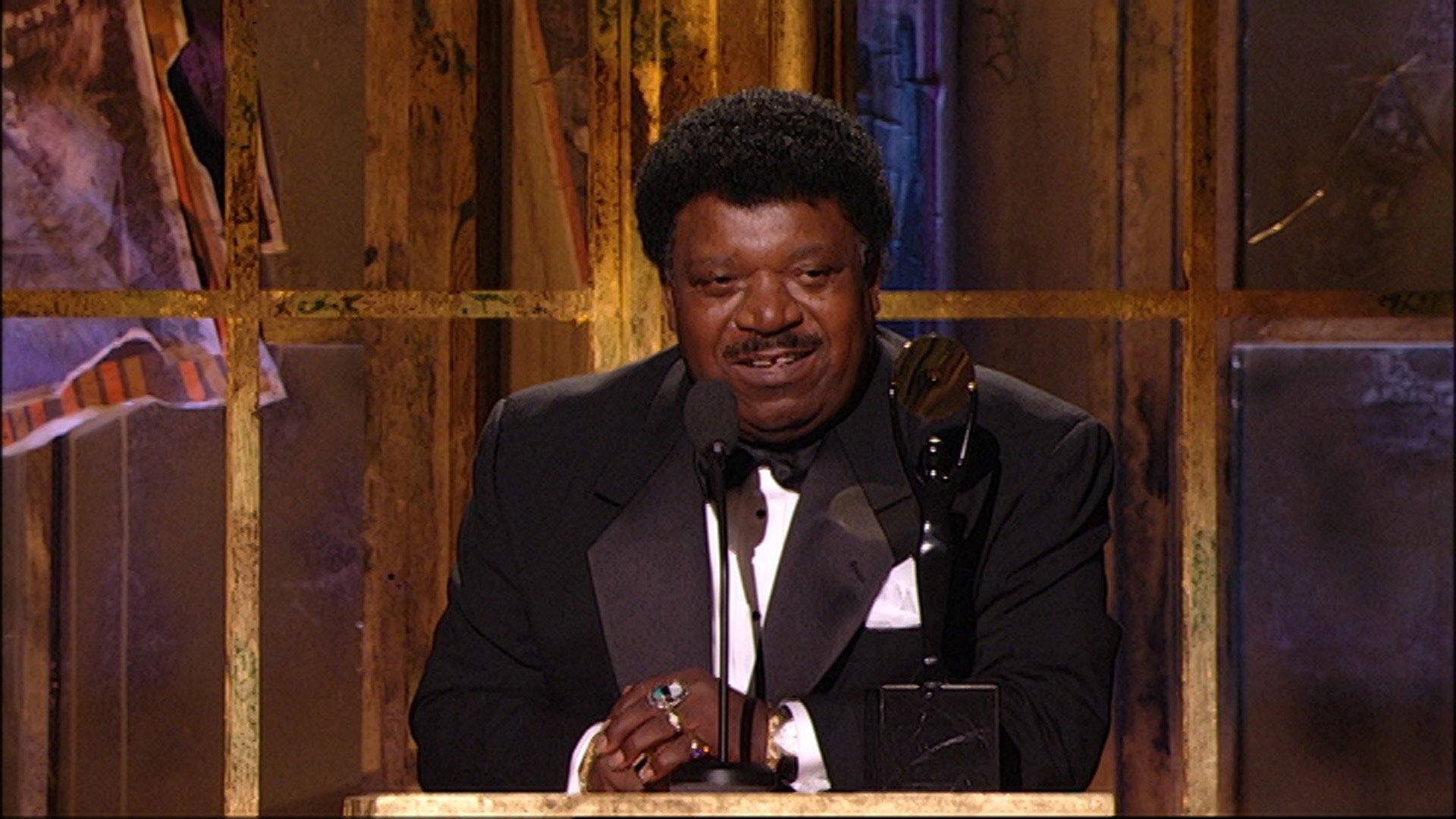
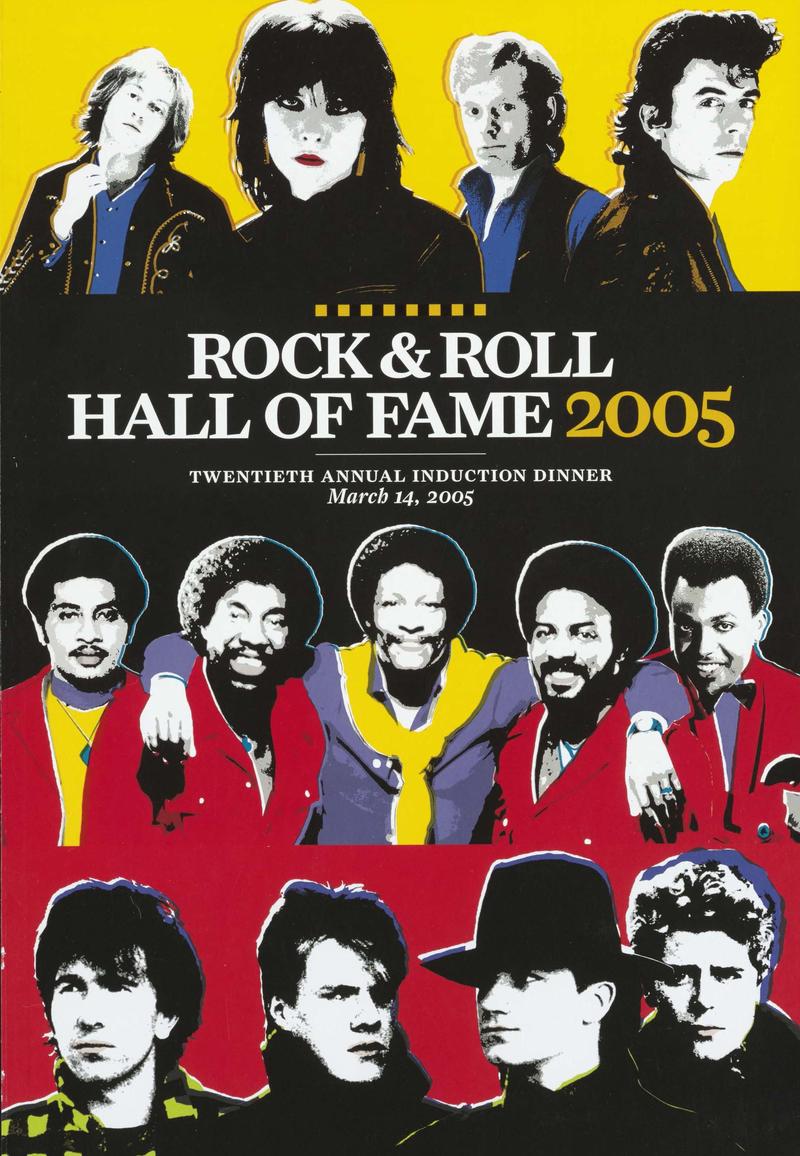
March 14, 2005: Percy Sledge is inducted into the Rock and Roll Hall of Fame at the twentieth annual induction dinner. tk is his presenter.
Essential Songs
When a Man Loves a Woman
Warm and Tender Love
Take Time to Know Her
It Tears Me Up
Out of Left Field
Sudden Stop
Try a Little Tenderness
Drown in My Own Tears
Dark End of the Street
I’ll Be Your Everything
Recommended Reading
Sweet Soul Music: Rhythm and Blues and the Southern Dream of Freedom
Peter Guralnik. New York, Harper/Collins, 1986.
Nowhere to Run: The Story of Soul Music
Geri Hirshey. New York: Times Books, 1984.
The Best of Percy Sledge
Percy Sledge. Rhino/Atlantic, 1992. (Note: The booklet accompanying this box set contains a biographical essay by Dave Marsh.)