Rock and Roll Hall of Fame and Museum

Queen

Induction Year: 2001

Induction Category: Performer


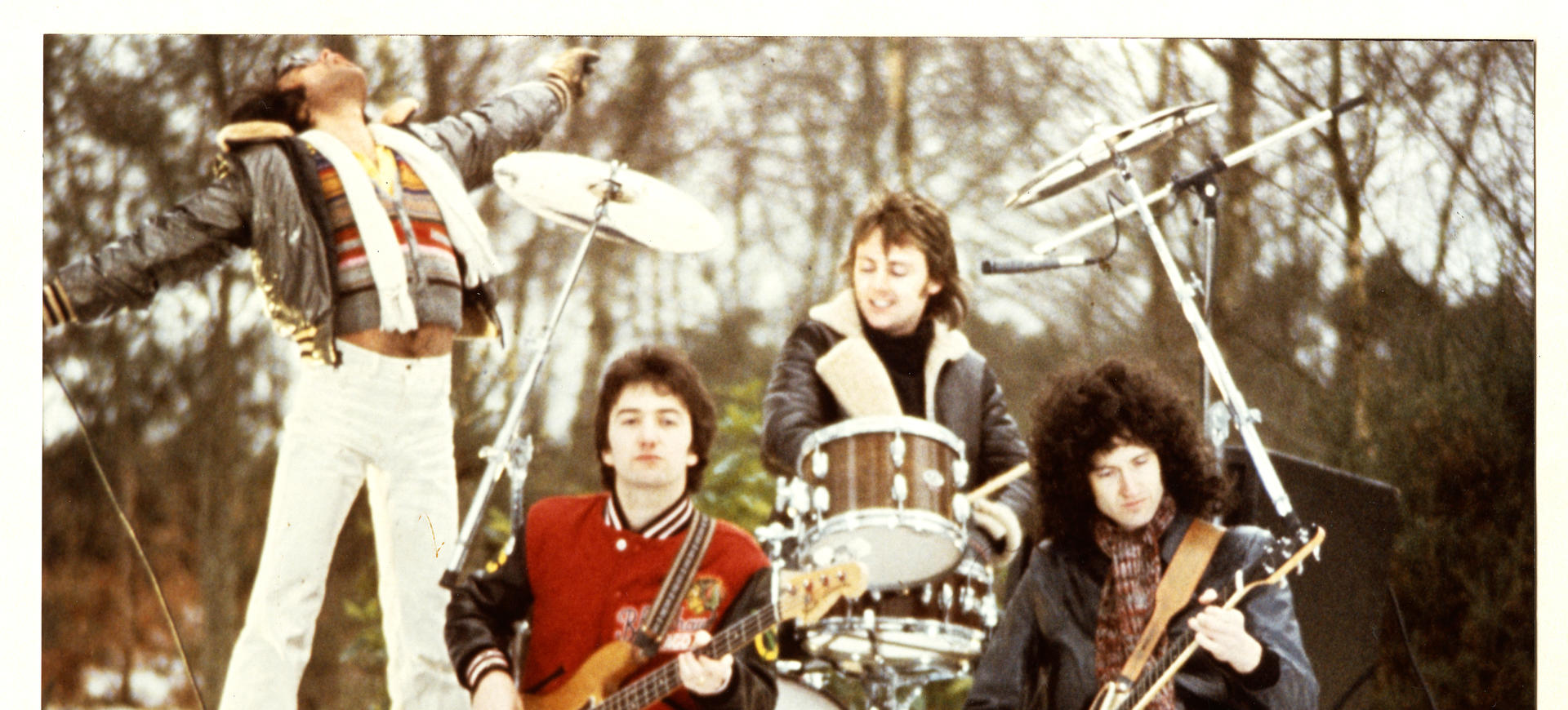
Inductees: John Deacon (bass; born August 19, 1951), Brian May (guitar; born July 19, 1947), Freddie Mercury (vocals, piano; born September 5, 1946, died November 24, 1991); Roger Taylor (drums; born July 26, 1949)

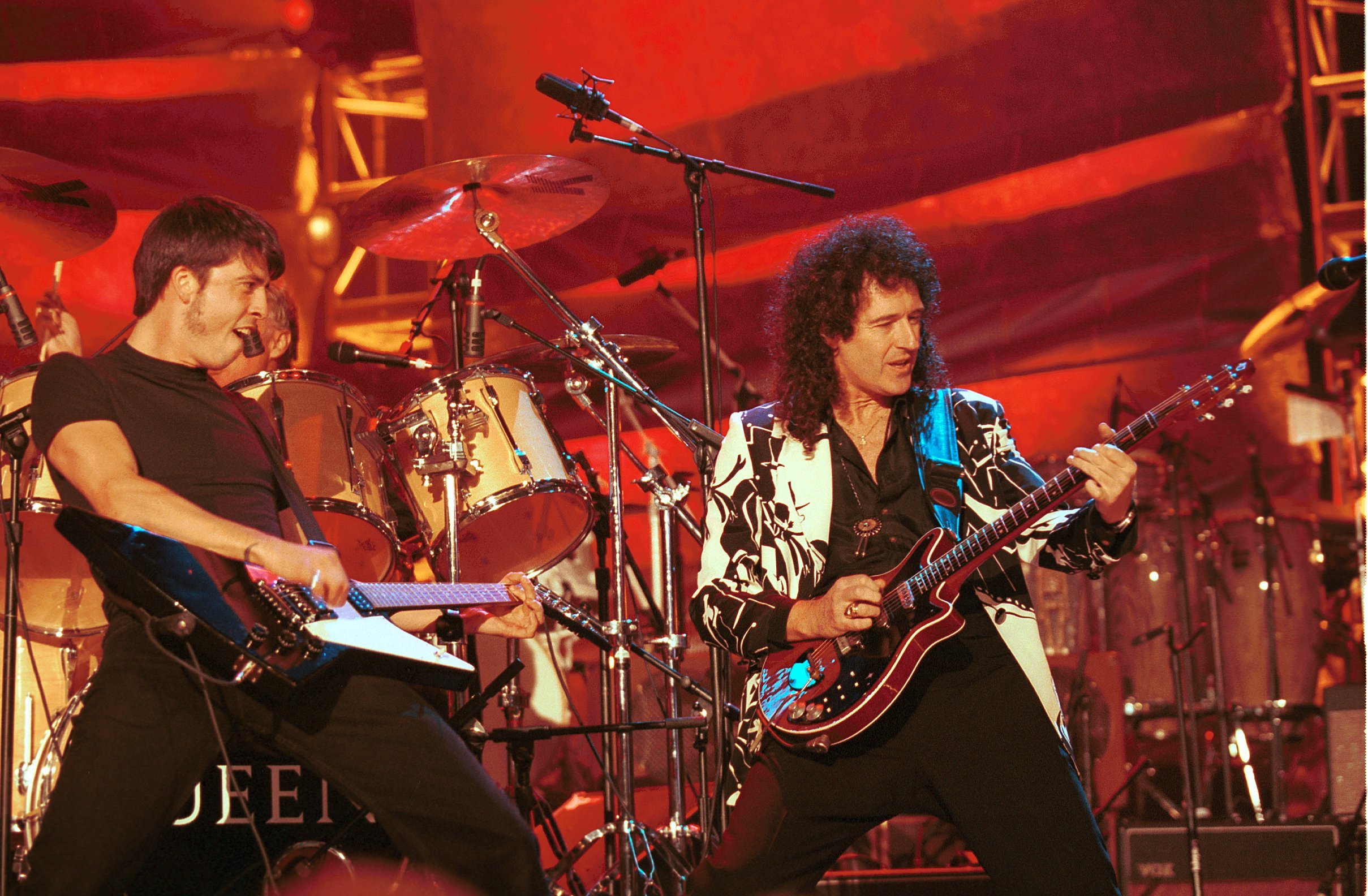
Queen represented rock’s bombastic pinnacle. Melding glam-rock with hard-rock, the group’s ornate, multi-tracked recordings and in-your-face songs resulted to worldwide sales of more than 130 million records. Queen took flight in the Seventies, embodying the thrills and excesses of that decade. “We’re the Cecil B. DeMille of rock and roll, always wanting to do things bigger and better,” said vocalist Freddie Mercury. Exhibiting a keen intelligence and capacity for reinvention, Queen drew from contemporary music, visual media and pop culture, blowing it all up into a multimedia spectacle grounded in solid rock.

Beyond the flamboyant exterior, however, there was genuine power and daring in their music, which ranged from the neo-rockabilly swagger of “Crazy Little Thing Called Love” to the driving disco-funk of “Another One Bites the Dust.” Queen concocted a densely layered rock operetta, “Bohemian Rhapsody,” that is among the most ornate productions in music history. They also served up crowd-pleasing chants like “We Are the Champions” and “We Will Rock You,” which have both become anthems in the world of sports.

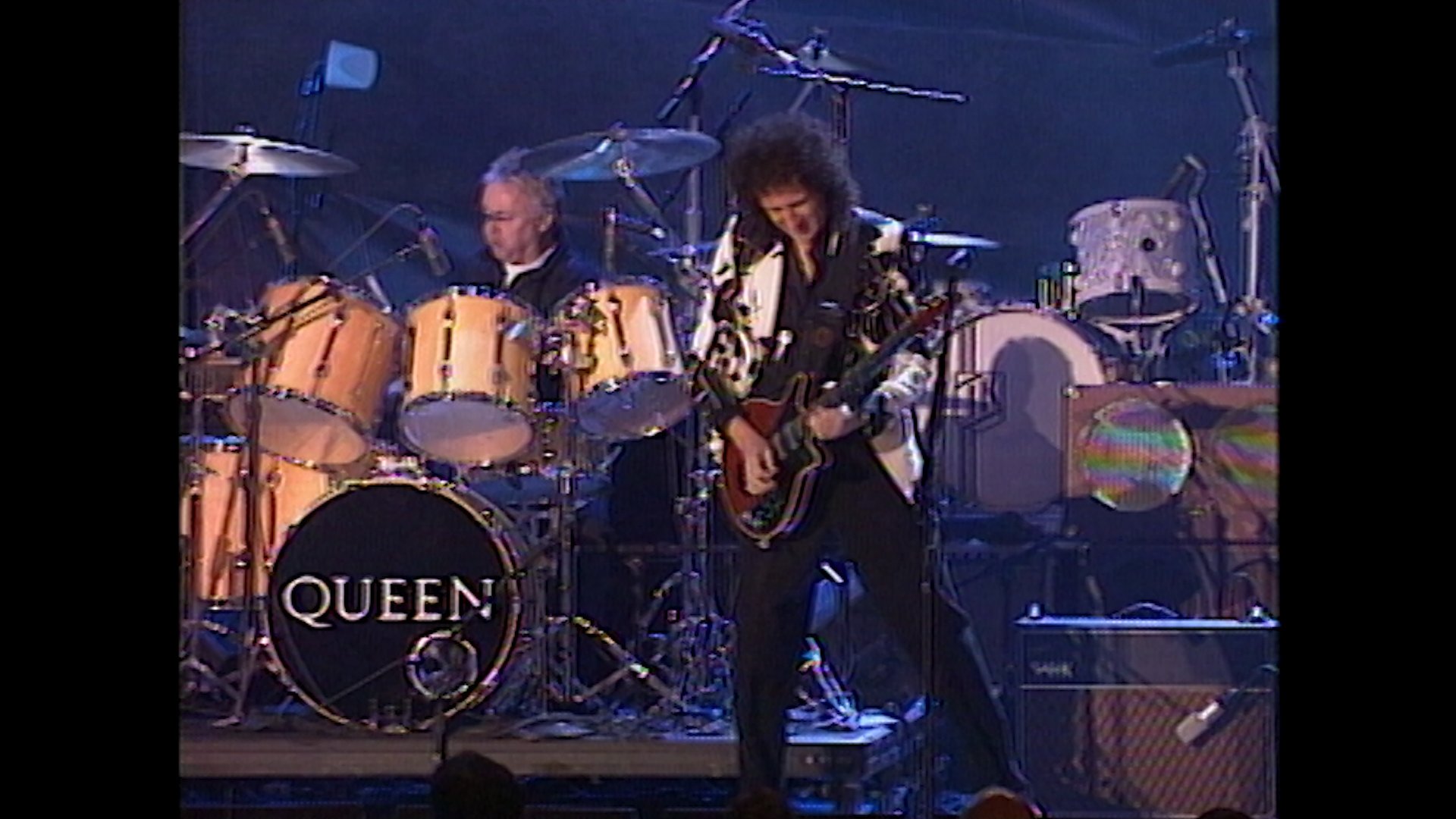
The group formed in London in 1971. They came to music from university studies in such far-ranging disciplines as art, biology and astronomy. In keep with their regal vision, the nascent quartet foreswore the usual humbling rounds of pub and club gigs, working privately on a more theatrical, stage-ready presentation. Their first public concert took place in 1973 before an audience of invited guests at a London college. Eight years later, in March 1981, they would perform in Sao Paulo, Brazil, on consecutive nights to audiences numbering 131,000 and 120,000 - the largest paying crowds ever to hear a single band. In 1985, they played to a quarter of a million people at the Rock in Rio festival. That same year, they delivered an electrifying segment at the Live Aid benefit concert, seen by a TV audience of hundreds of millions.

Clearly Queen was a band born to play stadiums. A specially designed stage prop - a 5,000-pound lighting rig shaped like a crown - accompanied them on tour. “The stage is designed to cope with the venues we’re playing in, to get the optimum out of those places,” explained drummer Roger Taylor. “The more the merrier,” said guitarist Brian May of Queen’s stadium-filling mass appeal.

Excepting live albums and hits compilations, Queen released 15 studio albums of original music between 1973 and 1995. Their self-titled debut laid out the fundamentals of Queen’s sound - built around May’s layered guitars and Mercury’s biting vocals - on such tracks as “Keep Yourself Alive” and “Liar.” Their massively overdubbed second album, Queen II (1974), exploited cutting-edge studio technology and remains a pillar of grandiose, assaultive hard rock. The title of Queen’s third album, Sheer Heart Attack (also released in 1974), summed up the monumental intensity of their work and yielded their first hit single, “Killer Queen.” Back-to-back albums at mid-decade - A Night at the Opera and A Day at the Races - borrowed Marx Brothers movie titles. More important, A Night at the Opera ushered forth Queen’s grandest moment: “Bohemian Rhapsody.” This seven-minute magnum opus cracked the Top Ten on two occasions: on its initial release in 1976 and again in 1992, when it appeared in a memorable scene from the film comedy Wayne’s World.

Going against the grain of 1977’s punk uprising, News of the World (1977) contained Queen’s most beloved (and despised) chant-along songs: “We Are the Champions” and “We Will Rock You.” Queen’s highest-charting album was 1980’s The Game (#1 for five weeks), which also produced their biggest singles, “Crazy Little Thing Called Love” and “Another One Bites the Dust.” All the while, Queen mounted ever-more grandiose live shows. Queen’s performance at the 1985 Live Aid spectacular is remembered as one of the day’s highlights and gave the band momentum for what turned out to be their final year of concert performances. Meanwhile, Queen continued to push the envelope in the studio. As the flamboyant frontman Mercury stated when A Kind of Magic was released in 1986, “I hate doing the same thing again and again. I like to see what’s happening now in music, film and theater and incorporate all of those things.”

The group ended with the death, due to AIDS-related causes, of Mercury in 1991. At the same time, their status as one of rock’s most legendary bands only continues to grow.

TIMELINE

September 5, 1946: Freddie Mercury of Queen is born.

July 19, 1947: Brian May of Queen is born.

July 26, 1949: Roger Taylor of Queen is born.

August 19, 1951: John Deacon of Queen is born.

June 6, 1971: Queen gives its first performance at Hornsey Town Hall in London.

July 6, 1973: Queen’s self-titled first album is released.

May 17, 1975: Queen hits #12 in the US with “Killer Queen.”

December 27, 1975: Queen’s ‘A Night at the Opera,’ featuring the seven-minute rock operetta “Bohemian Rhapsody,” tops the U.K. album charts. The album reaches #4 in the U.S. while an edited “Bohemian Rhapsody” climbs to #9.

June 12, 1976: Queen hits #16 with “You’re My Best Friend”.

February 4, 1978: Queen’s biggest hit of the Seventies, “We Are the Champions,” reaches #4 in the U.S. (#2 in Britain). The Bee Gees’ “Stayin’ Alive” holds down the top spot.

January 13, 1979: Queen hits #24 with “Bicycle Race.”

1980: 8 of the 16 #1 songs are disco, including Queen’s “Another One Bites the Dust”, and Lipps, Inc.’s “Funkytown.”

February 23, 1980: “Crazy Little Thing Called Love” tops the chart for the first of four weeks. Queen’s first #1 hit also marks the first time singer Freddie Mercury plays guitar on record.

September 20, 1980: Queen’s ‘The Game’ tops the album charts for the first of five weeks.

October 4, 1980: Queen caps the biggest year of their career with another #1 hit, the funk-influenced “Another One Bites the Dust.”

February 6, 1981: While touring South American soccer stadiums, Queen performs in Sao Paulo, Brazil, to the largest crowds of paying fans ever to witness a concert.

November 21, 1981: Queen’s collaboration with , “Under Pressure,” tops the U.K. charts. Surprisingly, it only reaches #29 in the U.S.

September 15, 1982: Queen performs at the Great Western Forum in Inglewood, California, in what turns out to be their last U.S. concert.

March 3, 1984: Queen releases “Radio Ga-Ga,” their last Top Forty hit in the U.S. until “Bohemian Rhapsody“‘s renaissance in 1992. The leadoff single from ‘The Works,’ Queen’s 12th studio album, hits #16 in the U.S. and #2 in the U.K.

August 9, 1986: Queen performs at Knebworth Stadium in Britain. It is their 658th and final concert performance.

November 24, 1991: Freddie Mercury of Queen dies of AIDS-related causes at his home in London.

April 20, 1992: MTV and Fox present “A Concert for Life,” an AIDS benefit from London’s Wembley Stadium held in tribute to the late Queen vocalist Freddie Mercury who died of AIDS in November 1991. Organized by the surviving members of Queen, it features appearances by , Guns ‘n Roses, Def Leppard, Metallica and George Michael. Proceeds from the concert go to AIDS charities nationwide.

September 9, 1992: Queen’s “Bohemian Rhapsody,” featured in the comedy ‘Wayne’s World,’ wins Best Video from a film at the ninth annual MTV Awards. In its second return to the charts the previous April, it hit #2.

October 3, 1992: Queen’s ‘Greatest Hits’ CD - a revised version of the 1981 album of the same name - enters the charts, where it will remain for four years.

November 7, 1995: Queen’s ‘Made in Heaven,’ the last album of original material featuring vocalist Freddie Mercury, is released four years after his death.

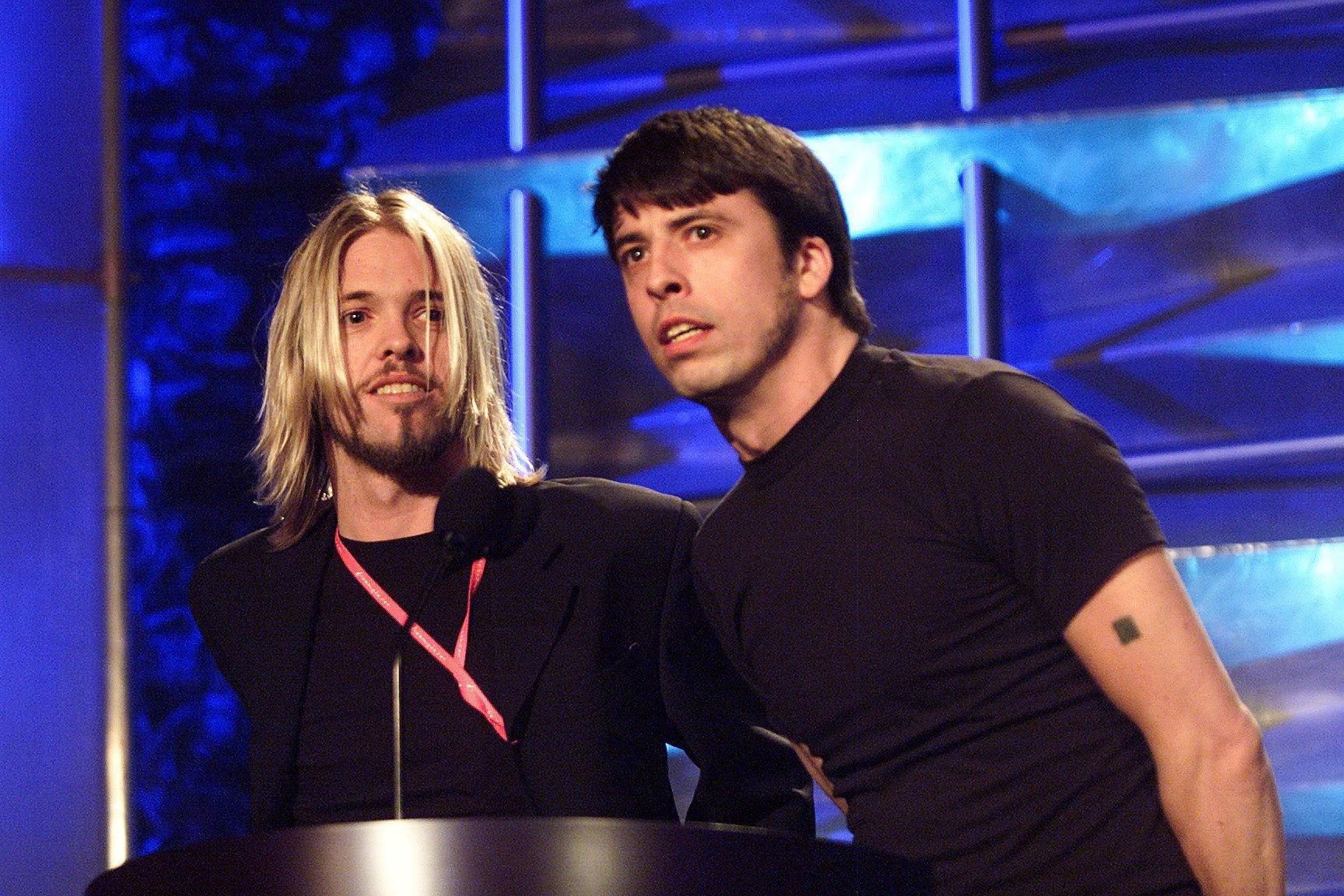
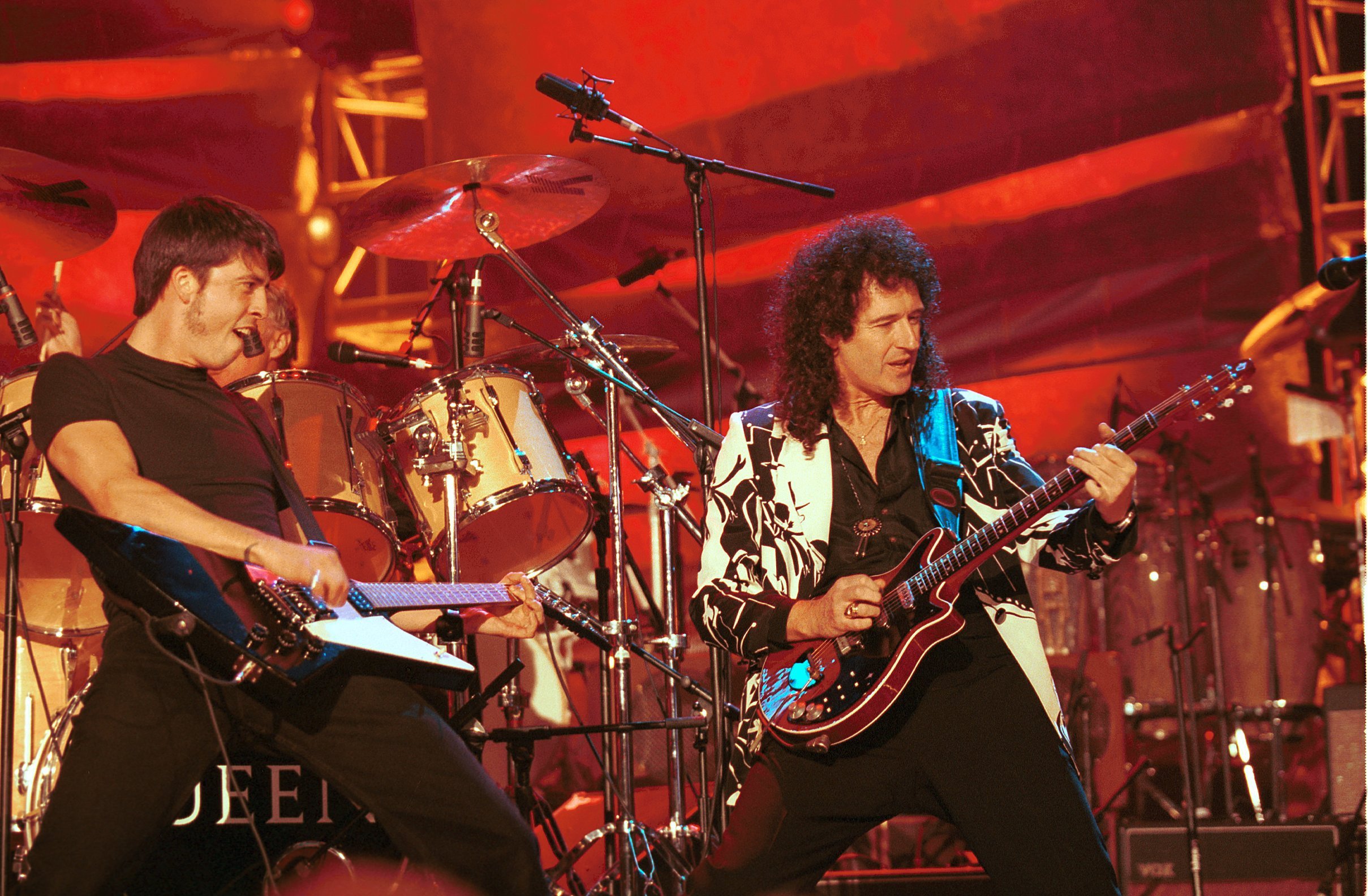
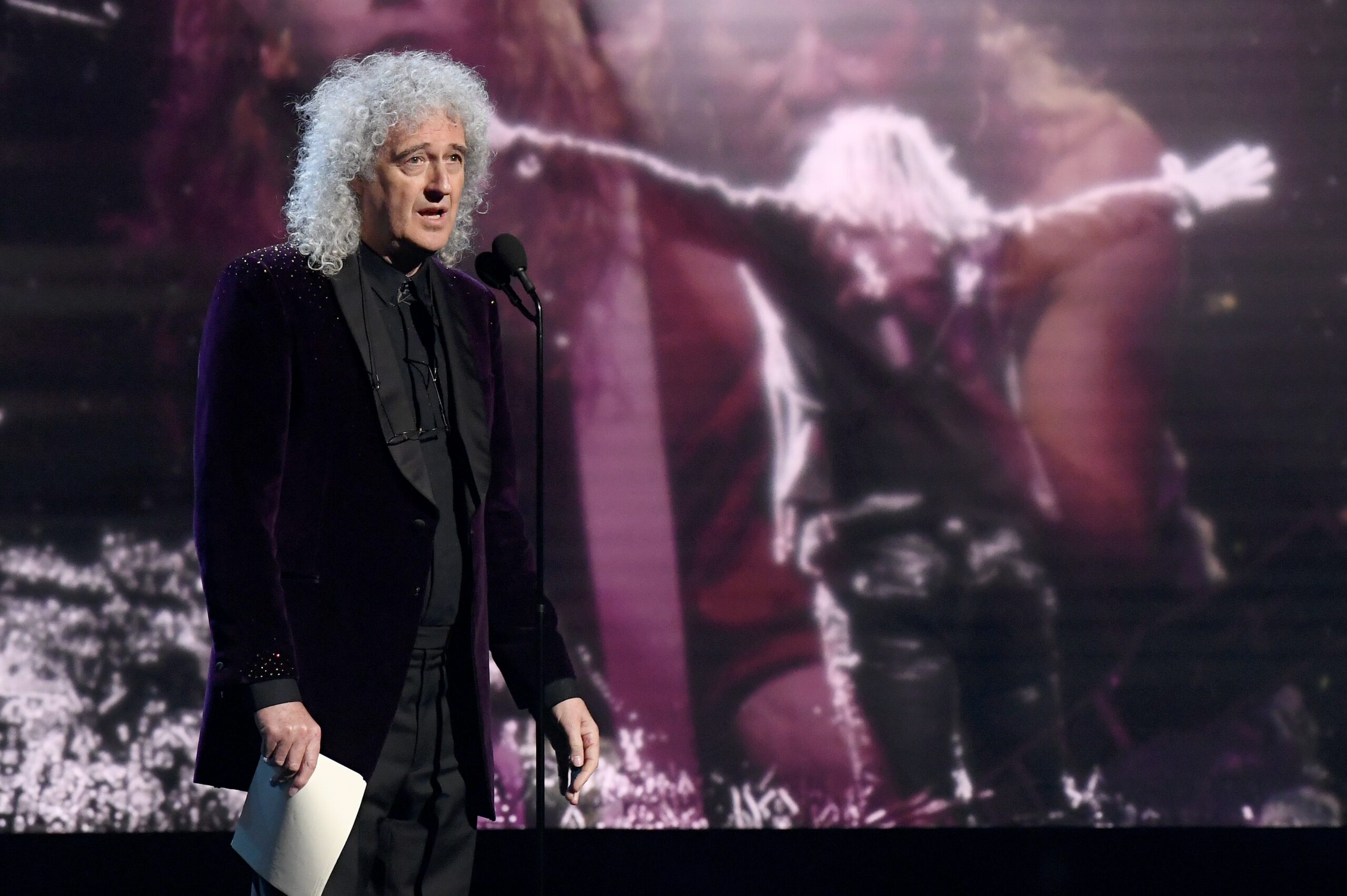
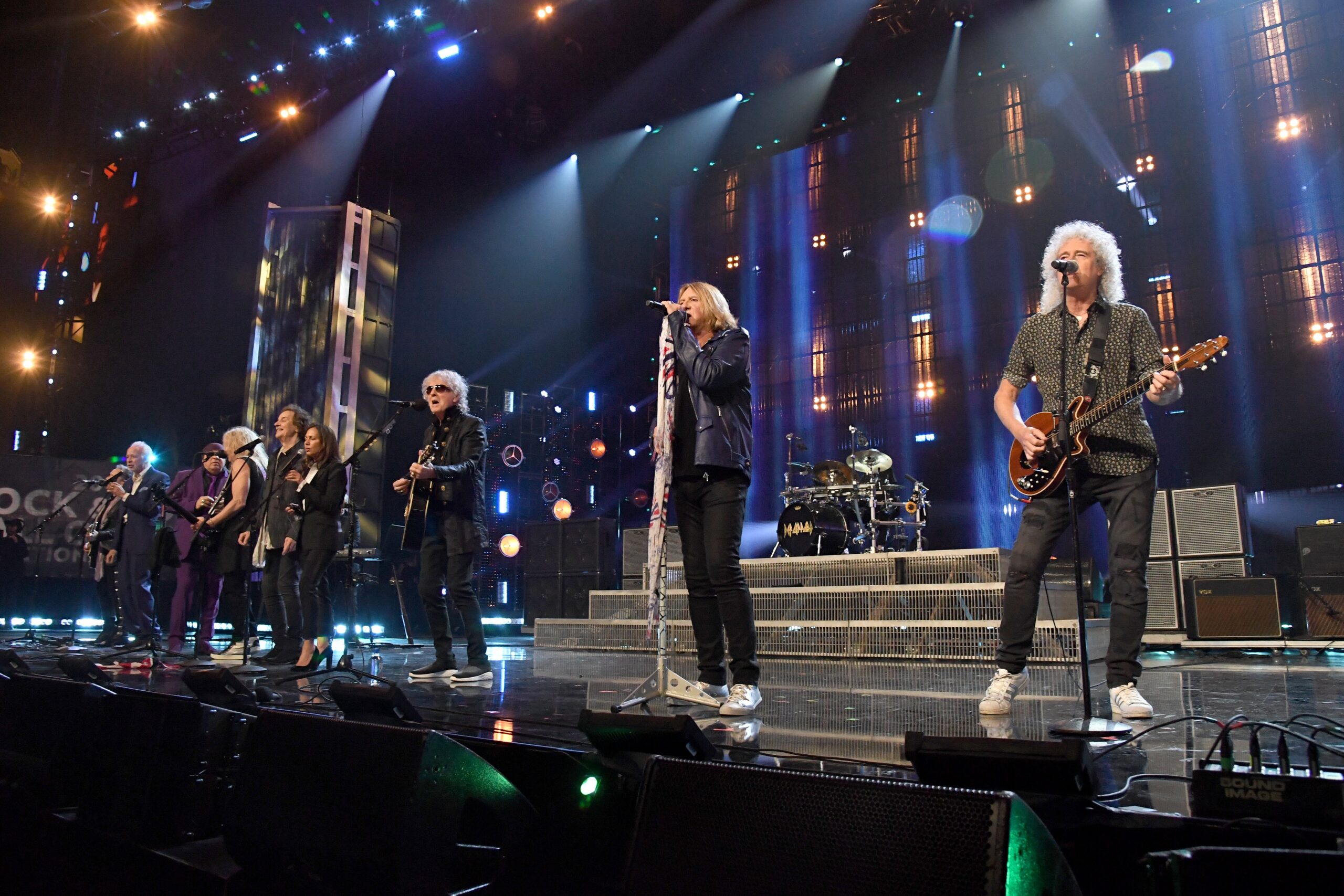
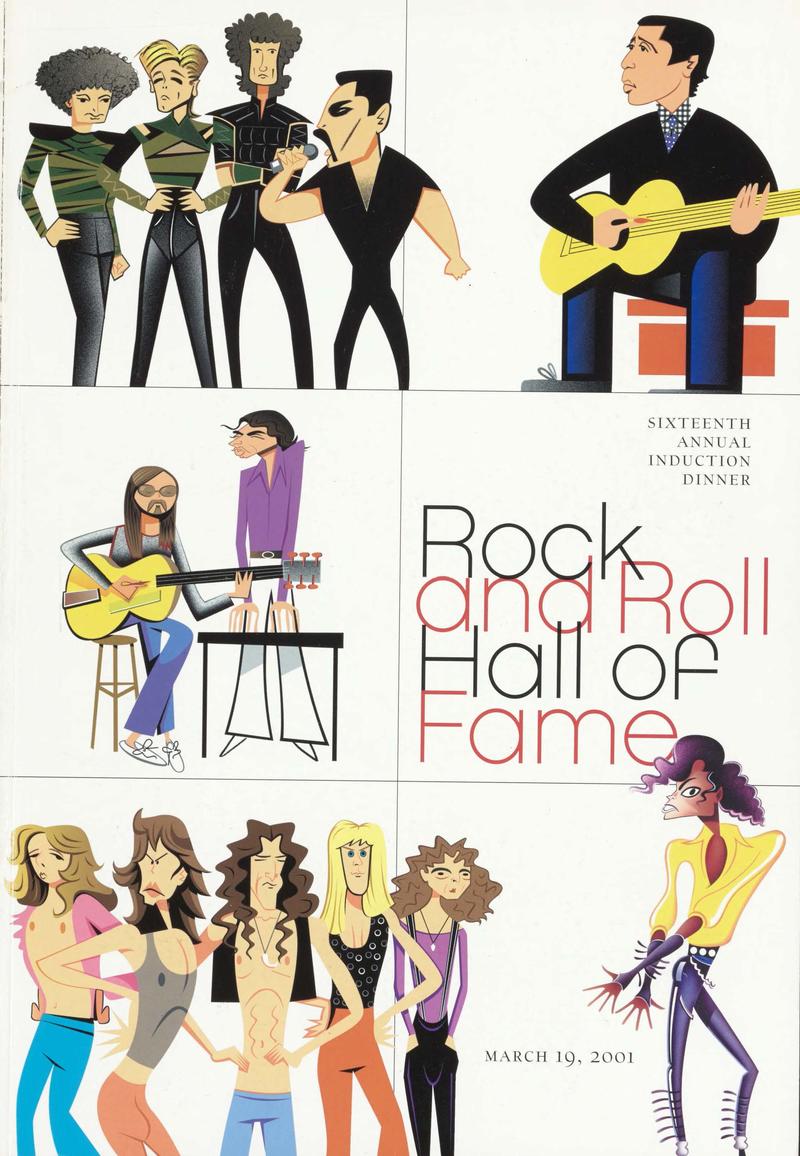
March 19, 2001: Queen is inducted into the Rock and Roll Hall of Fame at the sixteenth annual induction dinner. Dave Grohl and Taylor Hawkins of Foo Fighters are their presenters.

Essential Songs


Bohemian Rhapsody
We Will Rock You
Another One Bites the Dust
We Are the Champions
Crazy Little Thing Called Love
Somebody to Love
Under Pressure
You’re My Best Friend
Keep Yourself Alive
Killer Queen

Recommended Reading


“Champions of the World: Queen’s Regal 20-Year Reign.”
Gillian G. Gaar. Goldmine (September 4, 1992), 10-19+.

Queen: As It Began
Jacky Gunn and Jim Jenkins with Brian May. New York: Hyperion, 1994.

Mercury and Me
Jim Hutton with Tim Wapshott. New York: Boulevard Books, 1996.

Queen: These Are the Days of Our Lives
Stephen Rider. New York: Viking Penguin, 1993.


The Everly Brothers' Suits