Rock and Roll Hall of Fame and Museum

Ricky Nelson

Induction Year: 1987

Induction Category: Performer


Ricky Nelson (vocals, guitar; born May 8, 1940; died December 31, 1985)

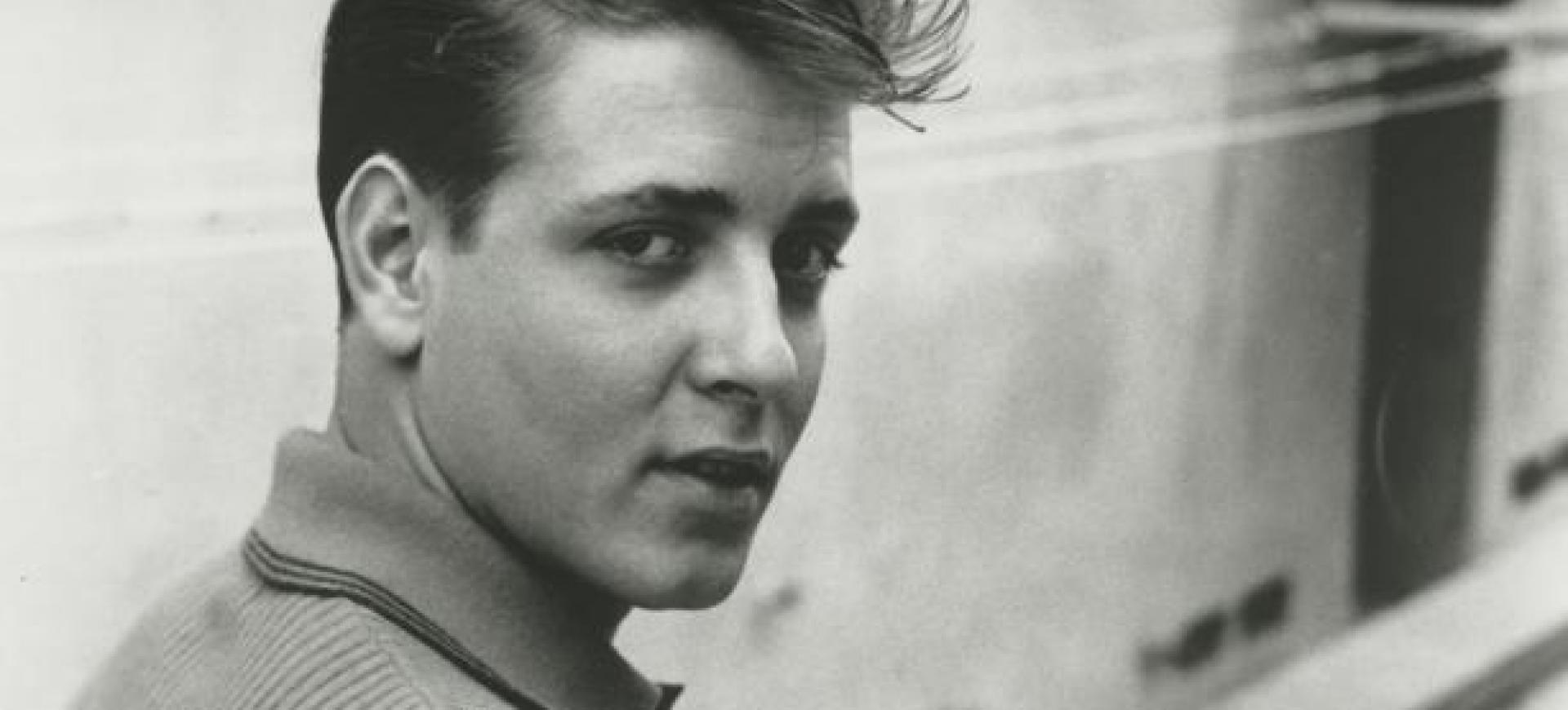
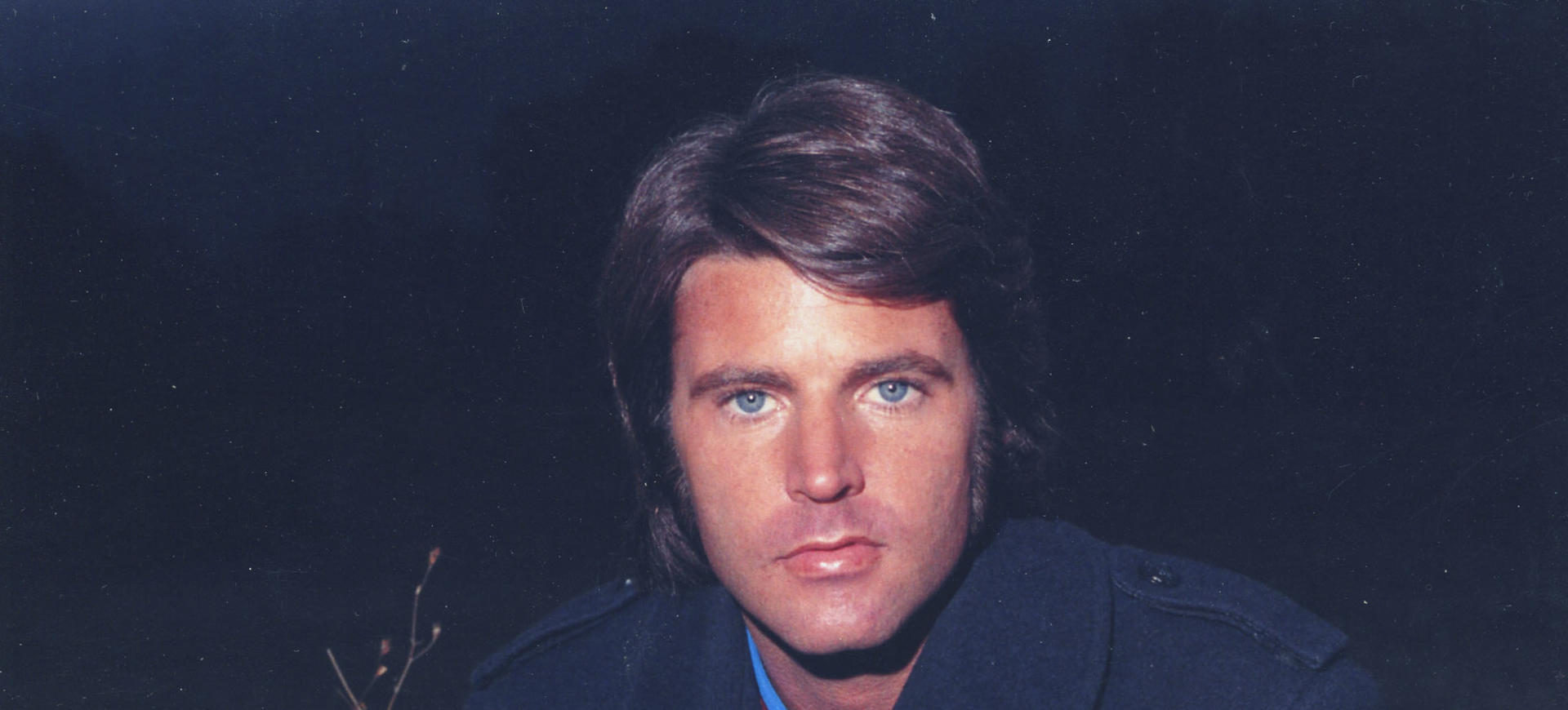
Ricky Nelson was an early teen idol who had a considerable amount of talent to complement his blue-eyed good looks. On television, he and his older brother David acted out their real-life roles as the sons of Ozzie and Harriet Nelson. As a rock-and-rolling teenager on The Adventures of Ozzie and Harriet, Ricky Nelson practically grew up in the nation’s living rooms. For a period of years, beginning in 1957, each episode would conclude with a song by Ricky Nelson and his band. Many teenagers tuned into the show because of him, and these performances - a harbinger of the kind of impact MTV would have decades later by bringing popular music to TV - helped keep Ozzie and Harriet on the air until 1966.

Nelson was a handsome Fifties teen idol who wore his hair in a fashionable flat-top with a ducktail. For his musical debut, he did an impersonation on Ozzie and Harriet in order to impress a high-school sweetheart who had a crush on Presley. Thereafter, Nelson became a self-contained rock and roller in his own right. His principal influences were Presley, and . On Presley’s side, the feeling was apparently mutual, as he told guitarist James Burton that he never missed an episode.

For his first recording, Nelson cut a double-sided smash: “A Teenager’s Romance” backed with Fats Domino’s “I’m Walkin’.” Both songs made the Top Five shortly after the single’s release in April 1957, instantly launching Nelson’s musical career. He was all of sixteen years old, and this was just the beginning. All totaled, Nelson would score three dozen hits, making him one of the most successfully prolific of all rock and rollers.

Even though his role on TV had been the launch pad, he more than made the grade as a rock and roller. As unlikely as it may seem, he turned out to be the real thing: a mellow-voiced singer/guitarist with an instinctive feel for the country-rooted side of rockabilly. Moreover, he had good taste in musicians, hiring guitarist extraordinaire James Burton as the mainstay of his band. With his arsenal of expert rockabilly licks, Burton brought serious credibility to Nelson’s musical endeavors.

His less frantic brand, more poppy brand of rockabilly went down easily with America’s suburban teenagers. After the success of his first two singles on Verve, Nelson quickly signed to the Imperial label, where his hit streak extended into the early Sixties. In 1958, Nelson reached #1 with “Poor Little Fool” (written by Sharon Sheeley, who was Eddie Cochran’s girlfriend). His discerning taste in material also led him to “Hello Mary Lou” - his signature song, penned by - and “Travelin’ Man,” both of which topped the charts. During a three-year period from 1957 through 1959, Nelson owned the pop charts, placing 19 songs in the Top Forty for nearly 200 combined weeks.

For his sixth album - Rick is 21, released in 1961 - Nelson dropped the “y” from his name. As the maturing Nelson’s appeal with the teen audience waned, he foundered for direction in the mid-Sixties. However, he got back on track when he turned his attention to a more country-flavored sound toward decade’s end. A well-received performance at Los Angeles’ Troubadour nightclub, yielding the album Rick Nelson in Concert, helped fuel his comeback. One of the first country-minded rockers - he’d cut an album called Bright Lights and Country Music in 1966 - Nelson experienced a creative flowering on such albums as Rick Sings Nelson (1970) and Garden Party (1972).

He had formed the Stone Canyon Band, whose mellow, California-based country-rock sound anticipated the laid-back likes of and Linda Ronstadt. One of his band members, in fact, was bassist Randy Meisner, a founding member of Poco who’d later find fame with . During this era, Nelson had a minor hit with his easygoing remake of Bob Dylan’s “She Belongs to Me.” All the while, he resisted the idea of becoming a nostalgia act, pointedly addressing the issue in “Garden Party.” Based on his experience appearing on a bill of oldies acts at Madison Square Garden, the song became one of the biggest hits of his career reaching #6 in October 1972. Somewhat ironically, early rockers and were also in the Top Ten at the same time.

Although Nelson stopped having hits, in the Seventies, he remained a hard-working musician who performed up to 200 dates a year. The decade wasn’t entirely kind to him, as personal problems (including a cocaine addiction) began to mount as his popularity waned. His life ended tragically in 1985 when his tour plane caught fire and crashed near a highway in DeKalb, Texas, killing him and six others.

Nelson’s four children with wife Kristin have kept the family name alive. Tracy Nelson became a successful actress, while twin sons Gunnar and Matthew enjoyed a spell of popularity in the early Nineties as the rock duo Nelson. The debut disc by youngest son Sam Nelson and his band H Is Orange appeared in 2003.

TIMELINE

May 8, 1940: Eric Hilliard Nelson - a.k.a. Ricky Nelson - is born in Teaneck, New Jersey.

March 1949: Brothers Rick and David Nelson - the sons of bandleader Ozzie and singer Harriet Nelson - make their first appearance their parents’ radio show.

October 1952: The popular TV sitcom Ozzie & Harriet - a family affair that includes brothers Rick and David Nelson - debuts on ABC-TV.

May 13, 1957: Ricky Nelson releases his first single, both sides of which - “A Teenager’s Romance” and “I’m Walkin’” - make the Top Five.

October 7, 1957: Ricky Nelson scores the first of many hits for the Imperial label when the rockabilly number “Be-Bop Baby” enters the Top Forty, en route to #3.

January 20, 1958: Ricky Nelson’s debut album - simply titled Ricky - hits Number One for the first of two weeks.

August 1958: “Poor Little Fool,” by Ricky Nelson, hits Number One for the first of two weeks. It is the teen idol’s first chart-topper and third million seller.

May 8, 1961 - Rick Nelson turns 21, marking the passage to adulthood by henceforth shortening his performing name from “Ricky” to “Rick.”

May 28, 1961: “Travelin’ Man,” by Rick Nelson, hits Number one for the first of two weeks. It is his second (and final) chart-topper.

January 1963: Rick Nelson signs a million-dollar deal with Decca Records, for which he’ll record for the next ten years.

January 1, 1964: “For You,” by Rick Nelson, enters the Top Forty, where it will peak at #6. He won’t have another Top Ten single until 1972’s “Garden Party.”

September 3, 1966: The Adventures of Ozzie and Harriet, featuring their rock-and-rolling son Rick Nelson, ends its fourteen-year run.

October 1971: Rick Nelson is reportedly booed for his long hair and new sound at an oldies revival show at New York’s Madison Square Garden. The experience will inspire the song “Garden Party.”

September 16, 1972: Rick Nelson’s “Garden Party” enters the Top Forty en route to #6. It is his first Top Ten hit since 1964.

February 1981: Rick Nelson’s last studio album, Playin’ to Win - produced by Jack Nitszche - is released on Capitol Records.

December 31, 1985: Rick Nelson is killed when his tour plane catches fire and crashes in DeKalb, Texas. Six others die in the crash, including Nelson’s fiancé and band.

January 6, 1986: Rick Nelson is buried following a memorial service in Hollywood Hills, California.

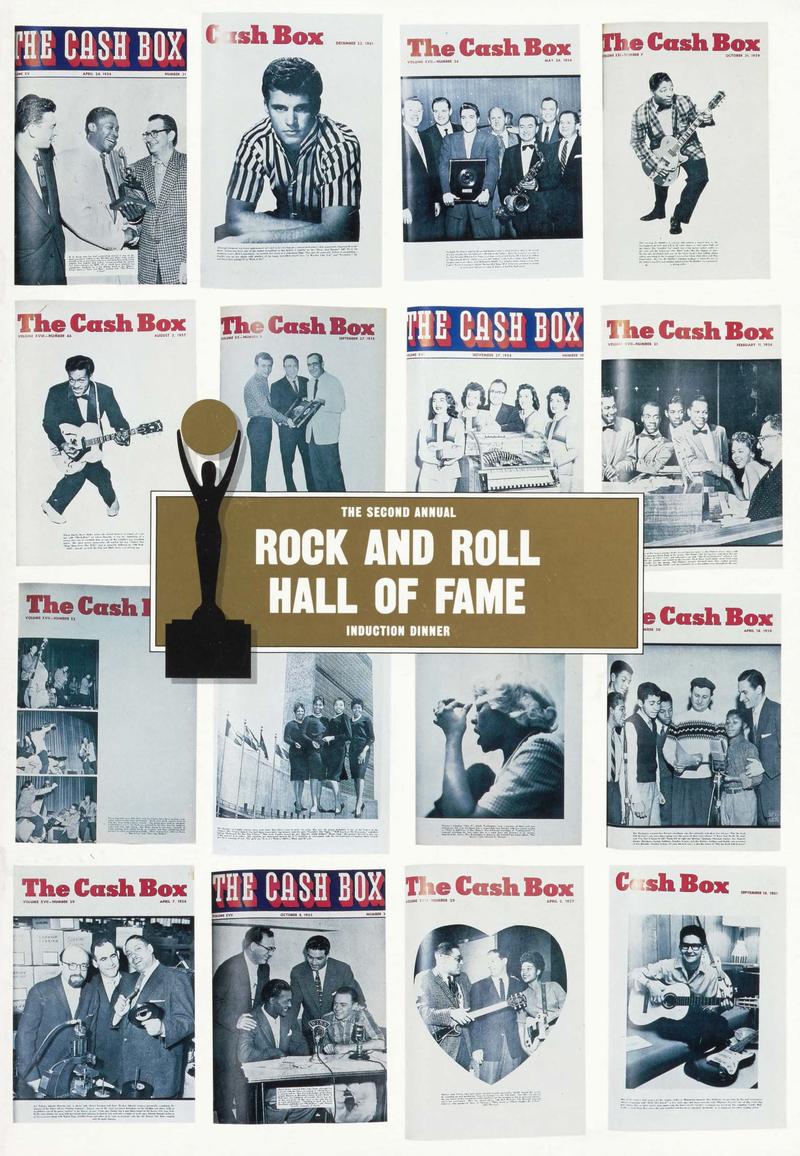
January 21, 1987: Ricky Nelson is inducted into the Rock and Roll Hall of Fame at the 2nd annual induction dinner. John Fogerty is his presenter.

November 1, 2000: Legacy, a four-disc box-set compendium of Rick Nelson’s work, is released on Capitol Records.

Essential Recordings

Hello Mary Lou
Travelin’ Man
Poor Little Fool
Garden Party
I’m Walkin’
Lonesome Town
If You Can’t Rock Me
She Belongs to Me
Stood Up
Be-Bop Baby

Recommended Reading

Teenage Idol: The Complete Biography of Rick Nelson.
Bashe, Philip. New York: Hyperion, 1992.

Legacy, by Rick Nelson
Colin Escott. Liner notes for the box set. Capitol Records, 2000.

“Ricky: TV’s Teen Dream Knew How to Rock.”
David Fricke. Rolling Stone (February 13, 1986): 16-19.

“Plane Crash Takes Life of Former Teen Idol.”
Michael Goldberg. Rolling Stone (February 13, 1986): 13-15.

“Ricky Nelson.”
Jerry Hopkins. Rolling Stone (July 12, 1969): 34-35.

Ricky Nelson: Idol for a Generation.
Joe Selvin. Chicago: Contemporary Books, 1990.


Joe Walsh's (The Eagles) Football Jersey

Photo by Andrew Moore
Gift of Adam Spero