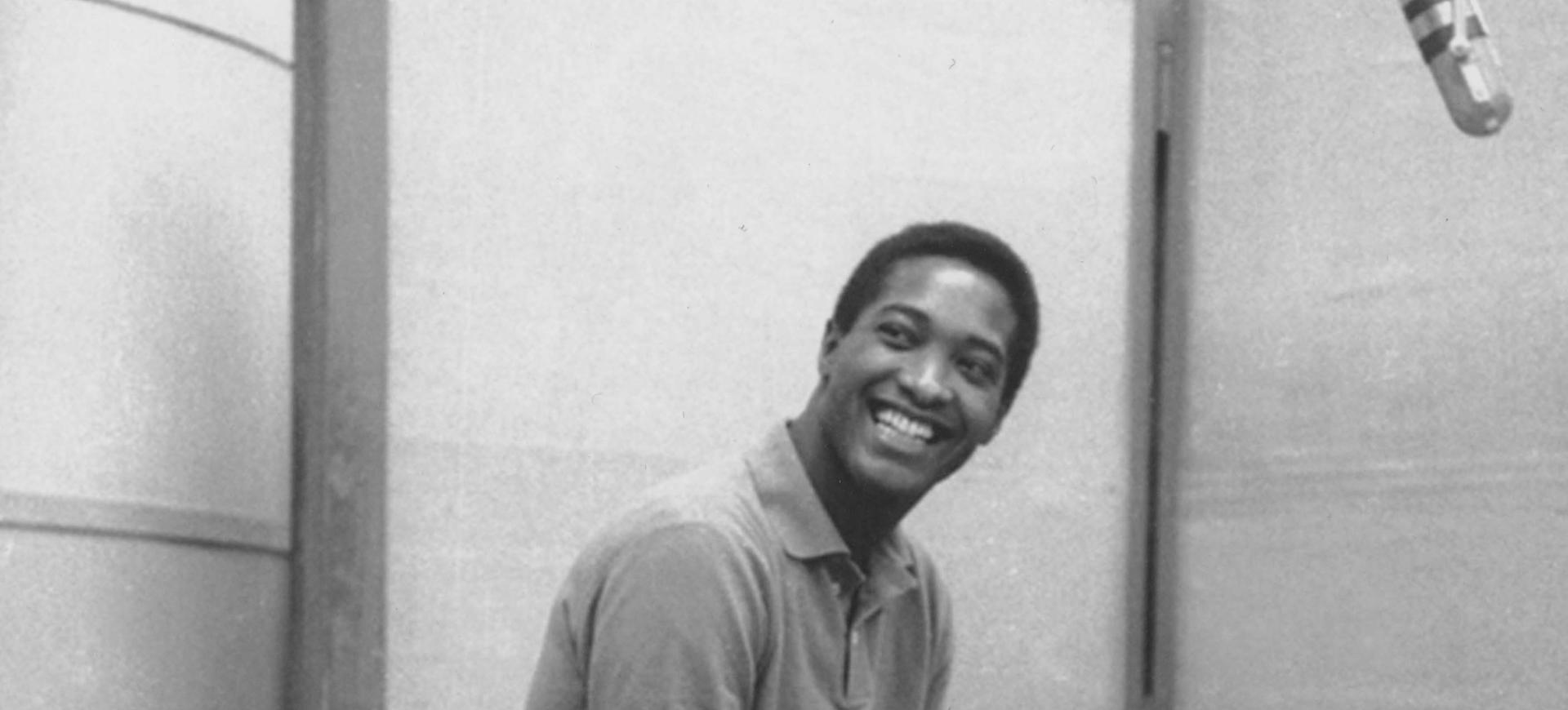
Sam Cooke
Induction Year: 1986
Induction Category: Performer
"Considered by many to be the definitive soul singer, Sam Cooke blended sensuality and spirituality, sophistication and soul, movie-idol looks and gospel-singer poise. His warm, confessional voice won him a devoted gospel following as lead singer for the Soul Stirrers and sent “You Send Me,” one of his earliest secular recordings, to the top of the pop and R&B charts in 1957. It was the first of 29 Top Forty hits for the Chicago-raised singer, who was one of eight sons born to a Baptist minister.
Cooke’s career was defined by his early embrace of gospel and his subsequent move into the world of pop music and rhythm & blues. Joining the Soul Stirrers at age fifteen, he served as lead vocalist from 1950-56. He recorded his first pop song, “Lovable,” as Dale Cook, choosing the pseudonym so as not to jeopardize his standing within the gospel community. Nonetheless, he’d crossed a line that made it impossible for him to carry on with the Soul Stirrers. Cooke’s first solo successes came on the Keen label, for which he recorded “You Send Me,” “(I Love You) For Sentimental Reasons” and “Wonderful World,” among others. In 1960 Cooke signed with RCA, where his hits included “Chain Gang,” “Cupid,” “Another Saturday Night” and “Twistin’ the Night Away.” A versatile singer who never really settled on a style, Cooke tackled everything from sophisticated balladry and lighthearted pop to finger-popping rock and roll and raw, raspy rhythm & blues.
In addition to being a performer, Cooke established himself as a successful and even groundbreaking black entrepreneur operating within the mainstream music industry. Cooke produced records for other singers, founded his own publishing company (Kags Music) and launched a record label (Sar/Derby). He also helped such fellow artists as Bobby Womack, Johnnie Taylor, Billy Preston and Lou Rawls make the transition from gospel to pop. Tragically, Cooke was shot to death at a Los Angeles motel on December 11th, 1964, under mysterious circumstances. RCA posthumously issued “Shake” b/w “A Change Is Gonna Come.” Regarded as one of the greatest singles of the modern era, it matched a hard-hitting R&B number (later cut by Otis Redding) with a haunting song about faith and reckoning that returned Cooke’s voice to its familiar gospel home.”
TIMELINE
January 22, 1931: Samuel Cook, better known as Sam Cooke, is born in Clarksdale, Mississippi. He grows up in Chicago, where his father, the Rev. Charles Cook, becomes minister at Christ Holiness Church.
December 1, 1950: Sam Cooke replaces gospel legend R.H. Harris in the Soul Stirrers. Previously, Cooke had sung with the Pilgrim Travelers and the Highway QC’s, both gospel groups. Cooke will sing with the Soul Stirrers for six years.
1956: Sam Cooke leaves Soul Stirrers. He is replaced by Johnnie Taylor.
1957: Sam Cooke’s first solo recording for the pop market, “Lovable"—a reworking of the Soul Stirrers’ “Wonderful"— is released on Specialty Records. Wary of alienating his gospel following, Cooke releases the single under the pseudonymous name “Dale Cook.”
June 1, 1957: Sam Cooke’s contract with Specialty is assigned to Keen Records, for which he begins recording ballads like “(I Love You) For Sentimental Reasons.”
December 2, 1957: “You Send Me,” Sam Cooke’s third single, released on Keen Records, becomes the #1 song in the country. It deposes “Jailhouse Rock,” by Elvis Presley, from its seven-week run at the top of the charts.
March 1, 1958: Sam Cooke, the singer’s debut album, is released on the Keen label. It reaches #16 on Billboard’s album chart.
1959: Sam Cooke’s “Only Sixteen,” a sop to the teen market, and “Everybody Likes to Cha Cha Cha,” an ode to a dance craze, make the lower reaches of the Top Forty.
February 10, 1959: Sam Cooke hits #2 on the R&B chart and #8 on the pop chart with “Young Blood”.
January 1, 1960: RCA signs Sam Cooke to a recording contract that pays him a $100,000 advance.
January 22, 1960: Sam Cooke signs with RCA records.
June 27, 1960: Sam Cooke hits #12 with the Keen released “Wonderful World.”
October 3, 1960: The gospel-style “Chain Gang” hits #2 on both the pop and R&B charts, becoming Sam Cooke’s second million-selling single. It is held back from the top spot from the abysmal novelty song “Mr. Custer,” by one Larry Verne.
December 19, 1960: Sam Cooke hits #29 with “I’m In a Sad Mood”.
January 1, 1961: The initial release on SAR Records, the independent label founded by Sam Cooke and manager J.W. Alexander, is by the Soul Stirrers (now featuring Johnnie Taylor as lead vocalist). The label serves as an outlet for Cooke’s prolific songwriting and production talents.
July 24, 1961: Sam Cooke hits #17 with “Cupid”.
March 24, 1962: Sam Cooke hits #9 with “Twistin’ the Night Away”.
1962: Sam Cooke hits #1 on the R&B chart and #9 (3/24) on the pop chart with “Twistin the Night Away”, #2 on the R&B chart and #13 (8/25) on the pop chart with “Bring It On Home To Me” and #2 on the R&B chart and #12 (11/17) on the pop chart with “Nothing Can Change This Love”.
June 23, 1962: One of the great double-sided 45s of the rock and roll era, Sammy Cooke’s “Bring It On Home to Me” b/w “Having a Party,” is released. Both are huge R&B hits (#2 and #4, respectively), and each also fares well on the pop side (#13, #17).
July 2, 1962: After getting hurt during a jump, Jimi Hendrix gets an honorable discharge from the Army. Over the next three years, he will play numerous gigs and studio sessions with such R&B stars as Little Richard, the Isley Brothers, Ike and Tina Turner and Sam Cooke.
July 14, 1962: Sam Cooke hits #17 with “Havin’ A Party”.
August 25, 1962: Sam Cooke hits #13 with “Bring It On Home To Me”.
January 11, 1963: Sam Cooke’s late show at the Harlem Square Club in Miami, Florida, is recorded by RCA for possible release as a live album.
May 25, 1963: Sam Cooke hits #10 with “Another Saturday Night”.
December 11, 1964: Sam Cooke is shot to death during a confrontation with a hotel manager in South Los Angeles. The death is ruled a justifiable homicide. Over 200,000 fans pay their respects to Cooke’s coffin in Glendale, California, where Cooke was buried one week later.
January 30, 1965: Another epic single, “Shake” b/w “A Change Is Gonna Come” is issued posthumously. The latter, a civil-rights song written by Sam Cooke after hearing Bob Dylan’s “Blowin’ in the Wind,” is considered his greatest composition—and a hint at the direction Cooke might have taken had he lived.
1985: Live at the Harlem Square Club, 1963 is finally released, 22 years after it was recorded. The album reveals a rawer, grittier side to Sam Cooke, prompting a critical reassessment.
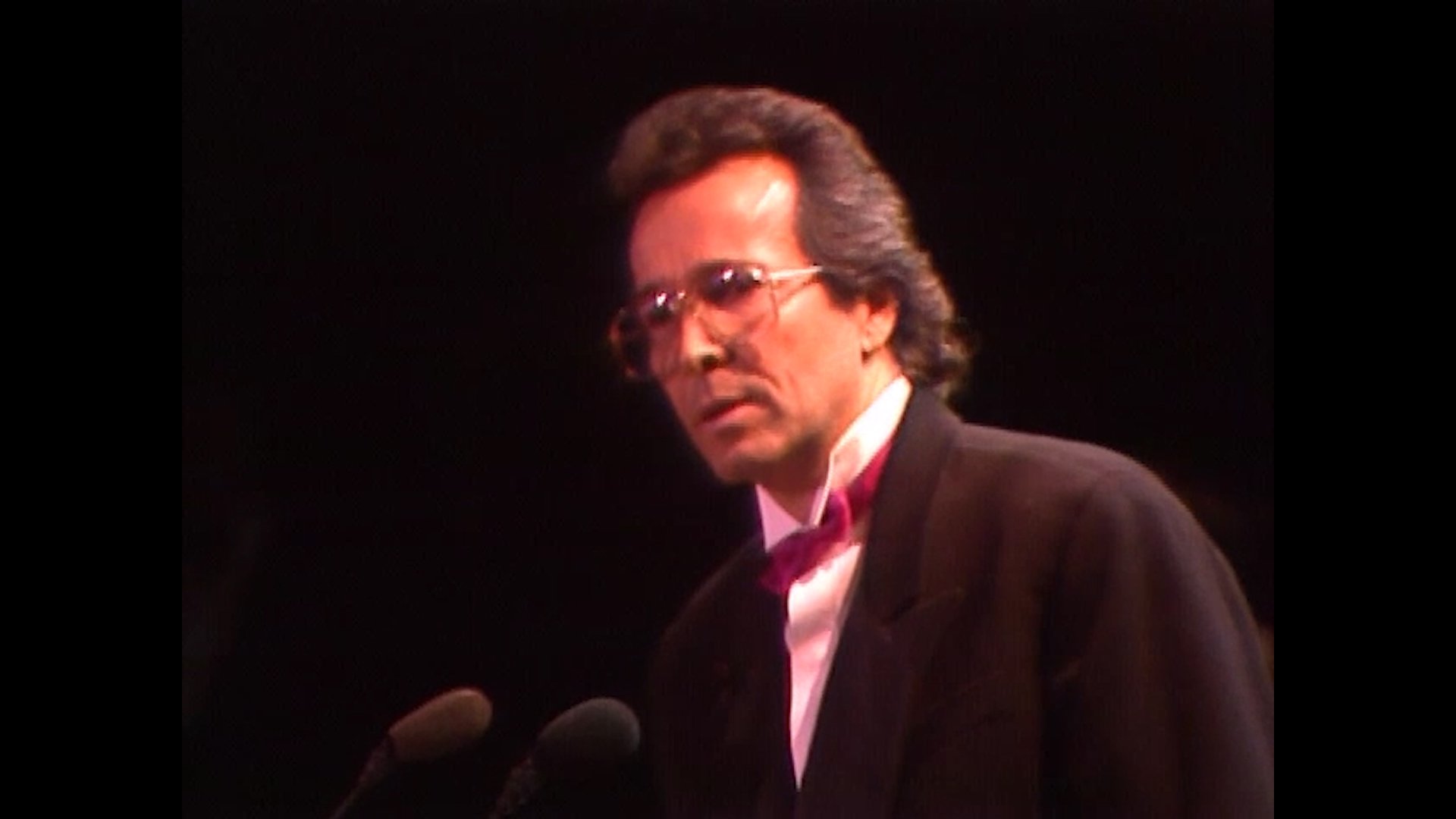
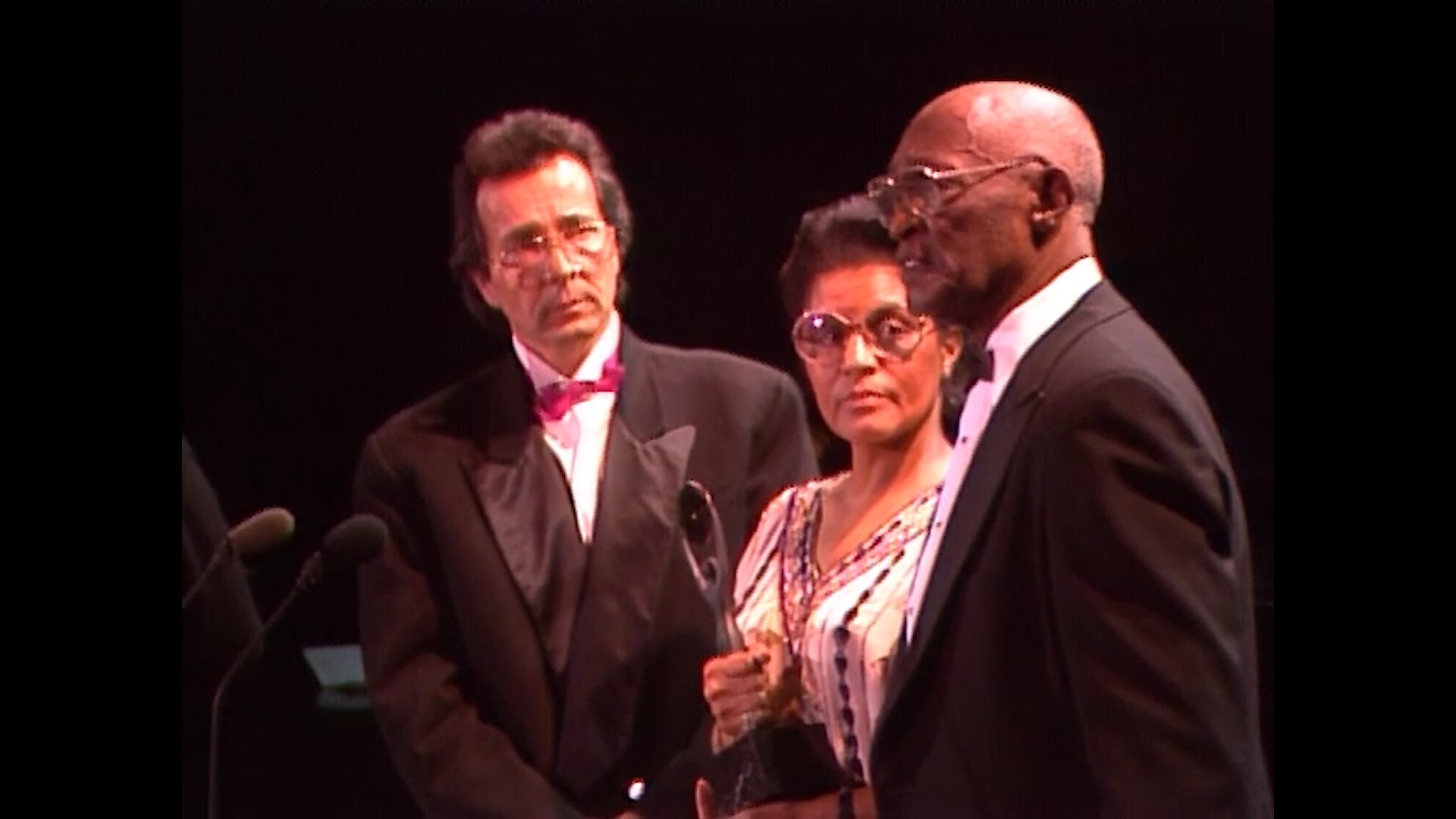
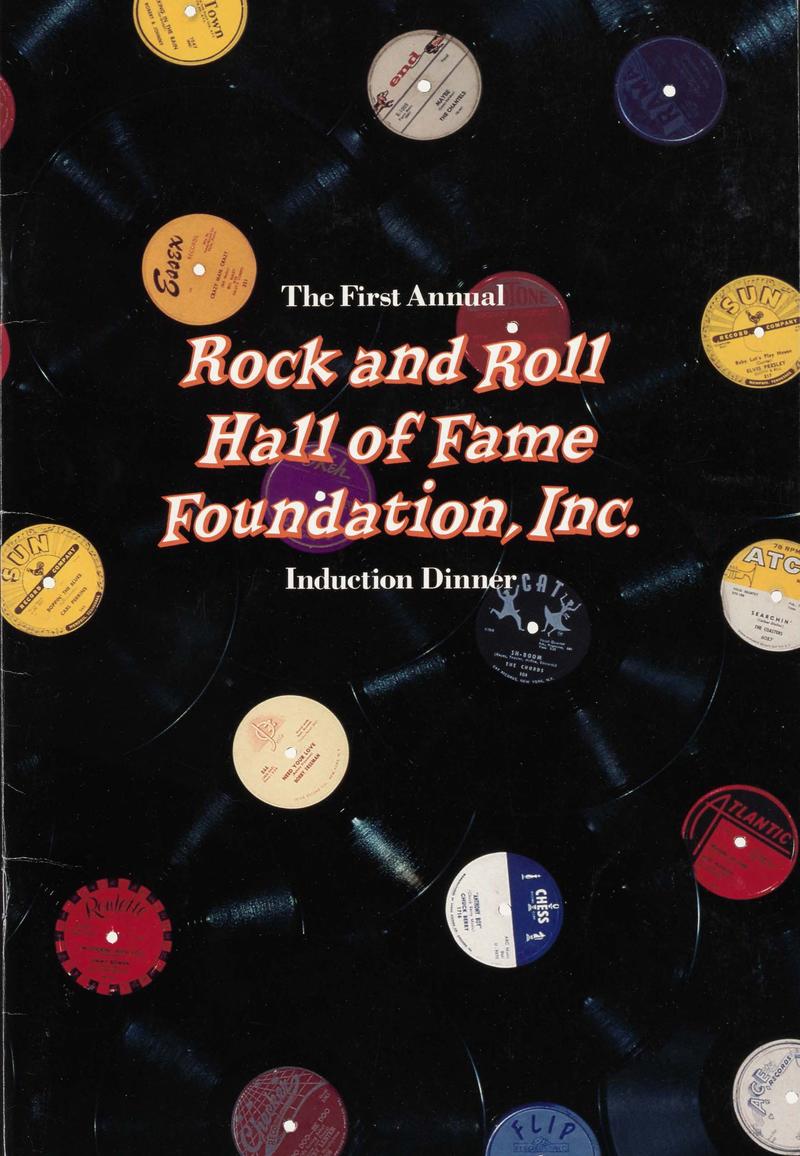
January 23, 1986: Sam Cooke is inducted into the Rock and Roll Hall of Fame at the first induction dinner, held in New York City. Three years later the Soul Stirrers will also be inducted.
Essential Recordings
Another Saturday Night
Havin’ a Party
You Send Me
Bring It On Home to Me
A Change Is Gonna Come
Wonderful World
Chain Gang
Twistin’ the Night Away
Send Me Some Lovin’
Shake