Rock and Roll Hall of Fame and Museum

Santana

Induction Year: 1998

Induction Category: Performer


Inductees: Carlos Santana (guitar, vocals; born 7/20/47), Jose Chepito Areas (timbales; born 7/25/46), David Brown (bass; born 2/15/47), Mike Carrabello (congas; born 11/18/47), Gregg Rolie (keyboards, lead vocals; born 6/17/47), Michael Shrieve (drums; born 7/6/49)

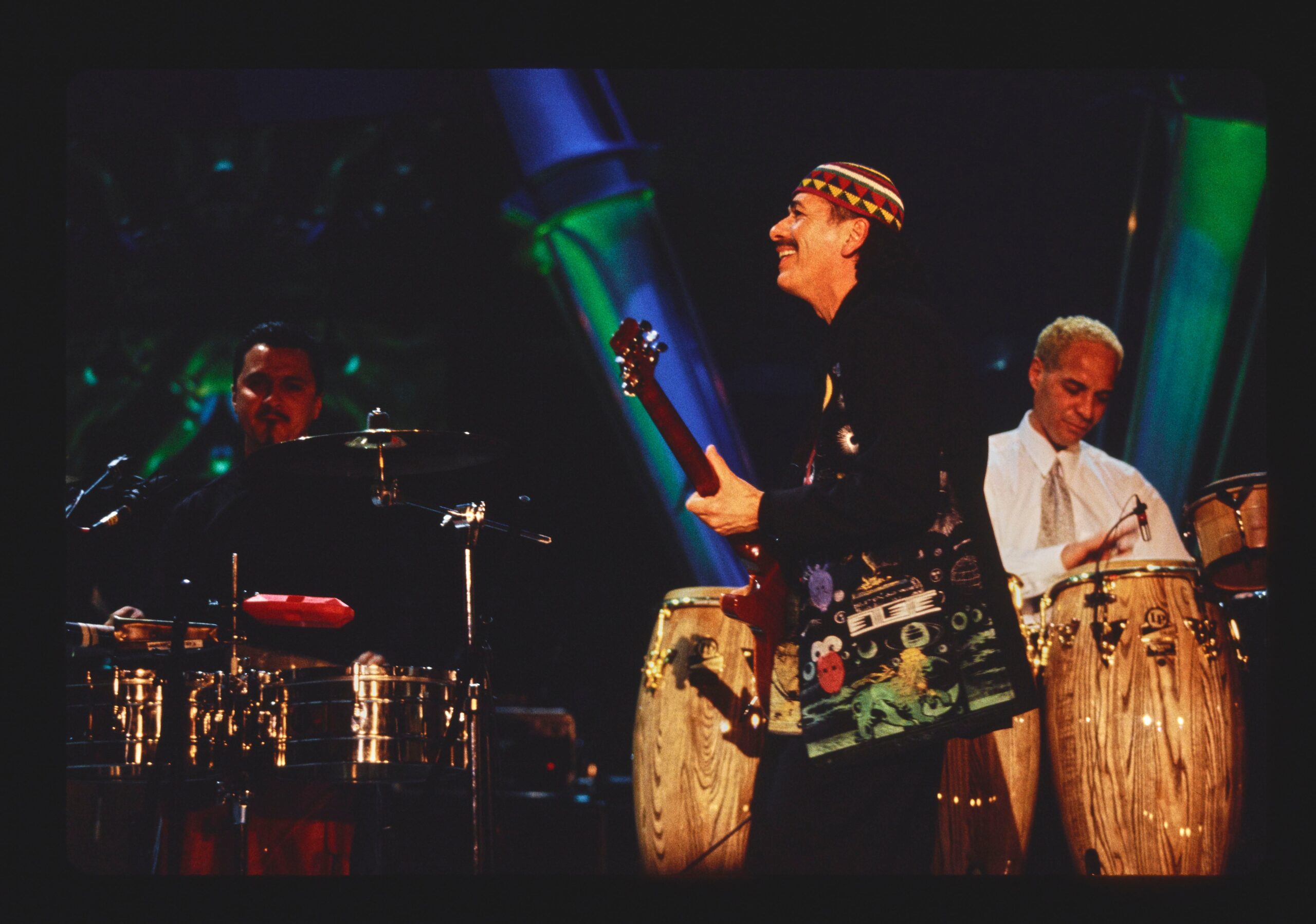
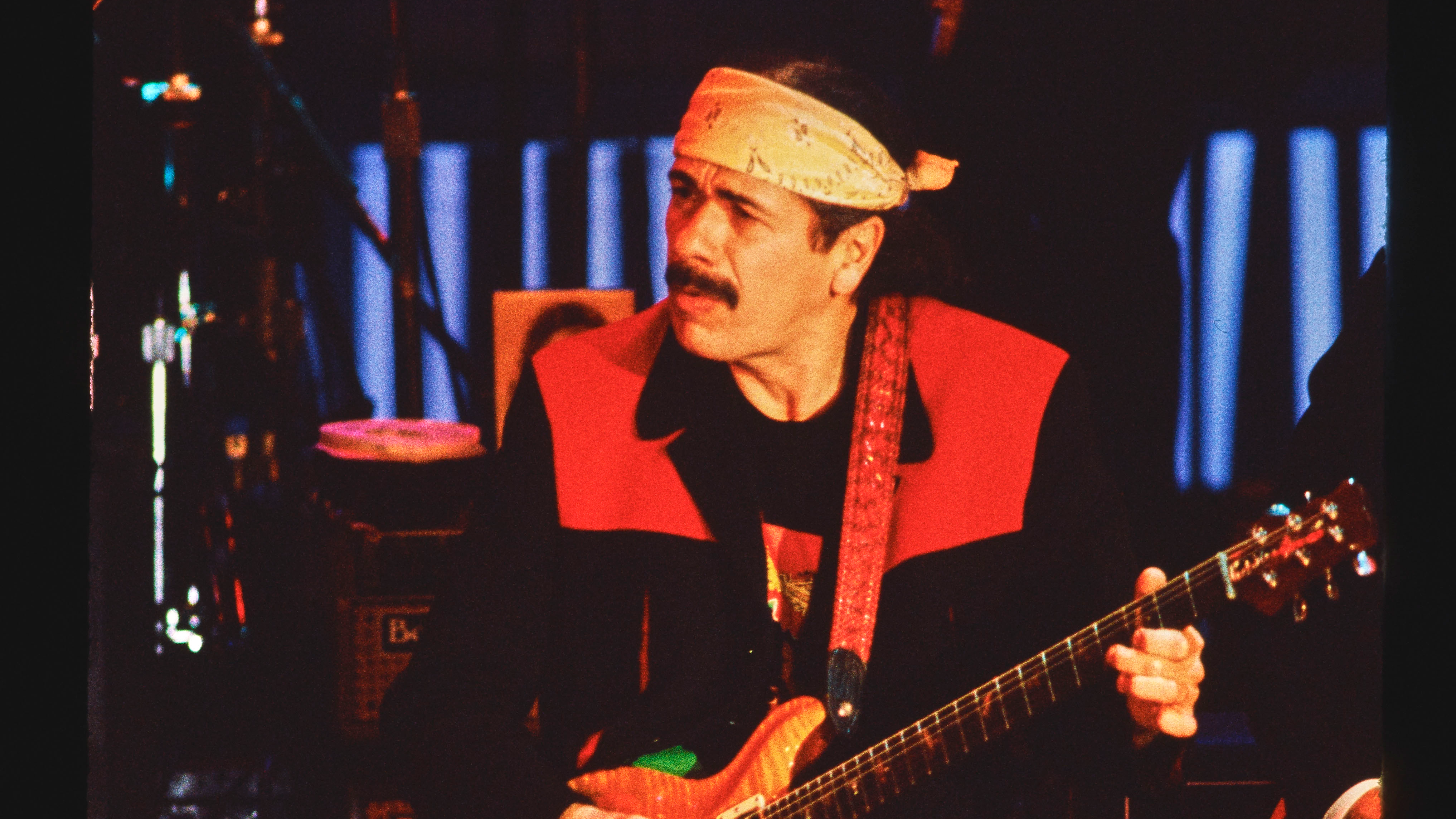
Guitarist Carlos Santana is one of rock’s true virtuosos and guiding lights. Since 1966, he has led the group that bears his surname, selling over 30 million albums and performing before 13 million people. Though numerous musicians have passed through Santana’s ranks, the continuing presence of Carlos Santana at the helm has insured high standards. From the earliest days, when Santana first overlaid Afro-Latin rhythms upon a base of driving blues-rock, they have been musical sorcerers. The melodic fluency and kineticism of Santana’s guitar solos and the piercing, sustained tone that is his signature have made him one of rock’s standout instrumentalists. Coupled with the polyrhythmic fury of drums, congas and timbales, the sound of Santana in full flight is singularly exciting. Underlying it all is Santana’s belief that music should “create a bridge so people can have more trust and hope in humanity.”

The son of an accomplished mariachi violinist, Carlos Santana was born in Autlan de Navarro, Mexico, in 1947. As a young violin prodigy, he performed with his father’s band on the streets of Tijuana and then switched to guitar after hearing blues and rock and roll on the radio. By the early Sixties, the Santana family had relocated to San Francisco. Carlos formed the first version of Santana in 1966. As the Santana Blues Band, they played the clubs and ballrooms of that city during the glory years of the Haight-Ashbury scene. By the time Santana took the stage at Woodstock in 1969, the group had settled into its classic lineup of Carlos Santana, Gregg Rolie, David Brown, Mike Carabello, Jose Chepito Areas, and Michael Shrieve (drums). Santana’s riveting performance at Woodstock in August 1969 made them one of the festival’s surprise hits. There was great anticipation when the debut album Santana was released in October. It shot to #1 and yielded two hit singles: “Jingo” and “Evil Ways.”

Santana’s star further ascended when the Woodstock film and soundtrack album, which contained their fiery rendition of “Soul Sacrifice,” were released in 1970. The group reached its popular zenith later that year with Abraxas and its hit singles, “Black Magic Woman/Gypsy Queen” and “Oye Como Va.” Santana III (1971) kept the momentum going with songs like “No One to Depend On” and “Everybody’s Everything.” At this point, Santana had it all: underground credibility, mainstream popularity, gold albums, hit singles, a well-earned reputation as a dynamic live band, and a unique sound that drew upon Latin, rock and jazz influences. At this juncture, the original six-man group was augmented by second guitarist Neal Schon (who later formed Journey with keyboardist Gregg Rolie) and percussionist Coke Escovedo.

The year 1972 found Santana moving in a more experimental direction with Caravanserai. Personnel changes followed as Carlos Santana began functioning as both bandleader and solo artist. Drawing from the jazz world, he worked with vocalist Leon Thomas, guitarist John McLaughlin, saxophonist Wayne Shorter, percussionist Airto Moreira, bassist Stanley Clarke, keyboardist Herbie Hancock, and drummer Billy Cobham, among others. At the same time, the Santana band periodically re-embraced its Latin-rock roots on such albums as Amigos (1975), Festival (1976), Moonflower (1977) and Zebop! (1981). Musicians who made notable contributions to Santana after the dissolution of the original lineup include keyboardist Tom Coster, bassist Doug Rauch and percussionist Armando Peraza. Santana’s early-Seventies transition is well-documented on Lotus, recorded at a 1973 concert in Japan.

Carlos Santana personally programmed and supervised the release of a career-spanning anthology, Viva Santana, in 1988. Santana ended his 22-year tenure at Columbia Records in 1990. He moved to Polygram, where he released Milagro (1992) and Sacred Fire-Live in South America (1993). But the best was yet to come. Carlos Santana again switched labels to Arista Records, where he enjoyed one of the most incredible comebacks in rock history. With input and encouragement from then-president and participation from popular young artists like Rob Thomas (of Matchbox 20), Lauryn Hill and Everlast, Santana cut Supernatural (1999). A genuine phenomenon, Supernatural has sold 21 million copies and launched #1 hits in “Smooth” and “Maria, Maria.”

Santana’s resurgence culminated with a sweep of the 42nd Annual Grammy Awards on February 23, 2000. That night, Santana and Supernatural won Grammys in nine categories: Record of the Year and Song of the Year ("Smooth"); Album of the Year and Best Rock Album (Supernatural); Best Pop Collaboration With Vocals ("Smooth," with Rob Thomas); Best Pop Instrumental ("El Farol"); Best Rock Performance by a Duo or Group ("Put Your Lights On,” with Everlast); Best Rock Instrumental ("The Calling,” with ); and Best Rock Performance by a Duo or Group with Vocals ("Maria Maria"). Beyond all the awards and sales, Supernatural carried a higher meaning for Carlos Santana. As he told Rolling Stone, “It’s a personal invitation from me to people: remember your divinity.”

TIMELINE

July 25, 1946: Jose Chepito Areas was born.

February 15, 1947: David Brown was born.

June 17, 1947: Gregg Rolie was born.

July 20, 1947: Carlos Santana was born.

November 18, 1947: Mike Carabello was born.

July 6, 1949: Michael Shrieve was born.

October 1, 1966: The Santana Blues Band forms in San Francisco.

May 17, 1968: Having worked their way up from the street, the Santana Blues Band performs at San Francisco’s storied Avalon Ballroom. They soon become regulars at the Fillmore West, and himself manages the band.

September 2, 1968: performs at the Sky River Rock Festival and Lighter-Than-Air Fair in Sultan, Washington. Some of the other artists include Santana, and the Youndbloods.

August 15, 1969: Santana appears before a crowd of 400,000 at Woodstock. One of the festival’s most indelible moments, their extended performance of the instrumental “Soul Sacrifice” appears in the ‘Woodstock’ film.

September 13, 1969: Hot on the heels of Woodstock, their self-titled first album—containing the favorites “Evil Ways,” “Jingo,” Persuasion” and “Soul Sacrifice"—enters the album chart, where it remains for the next two years.

October 24, 1970: ‘Abraxas’, Santana’s second album, tops the album chart for the first of six weeks. Although it is a favorite of FM rock stations, it also yields a pair of AM hits in “Black Magic Woman” (#4) and “Oye Como Va” (#13).

November 13, 1971: ‘Santana III’, hits #1 for the first of five weeks. “Everybody’s Everything” reaches #12 on the singles chart a month later.

December 1, 1972: Caravanserai finds Santana headed in a jazzy new direction with a somewhat altered lineup. Despite its anti-commercial daring, the album reaches #8, attesting to Santana’s unassailable popularity.

November 19, 1977: A remake of the Zombies’ “She’s Not There,” taken from the double album ‘Moonflower’, is Santana’s first Top Forty single in five years.

August 28, 1982:  Santana hits the Top Forty with “Hold On” and won’t repeat the feat until 1999.

April 1, 1983: Carlos Santana’s solo album, ‘Havana Moon’, is released.

July 20, 1986: Santana celebrates its 20th anniversary with a concert in San Francisco at which all 17 past and present members perform.

February 22, 1989: Carlos Santana wins a Grammy for Best Instrumental Rock Performance for his album Blues for Salvador.

November 3, 1991: Santana performs for a crowd of 350,000 at a memorial concert in San Francisco for , the legendary promoter and manager who’d recently died in a helicopter crash.

August 14, 1994: On the 25th anniversary of the original Woodstock Festival, Santana performs at Woodstock II.

August 8, 1995: ‘Dance of the Rainbow Serpent’, a three-CD Santana anthology, is released on Columbia’s Legacy label.

1996: Carlos Santana is honored with the Century Award for lifetime achievement at the fifth annual Billboard Music Awards.

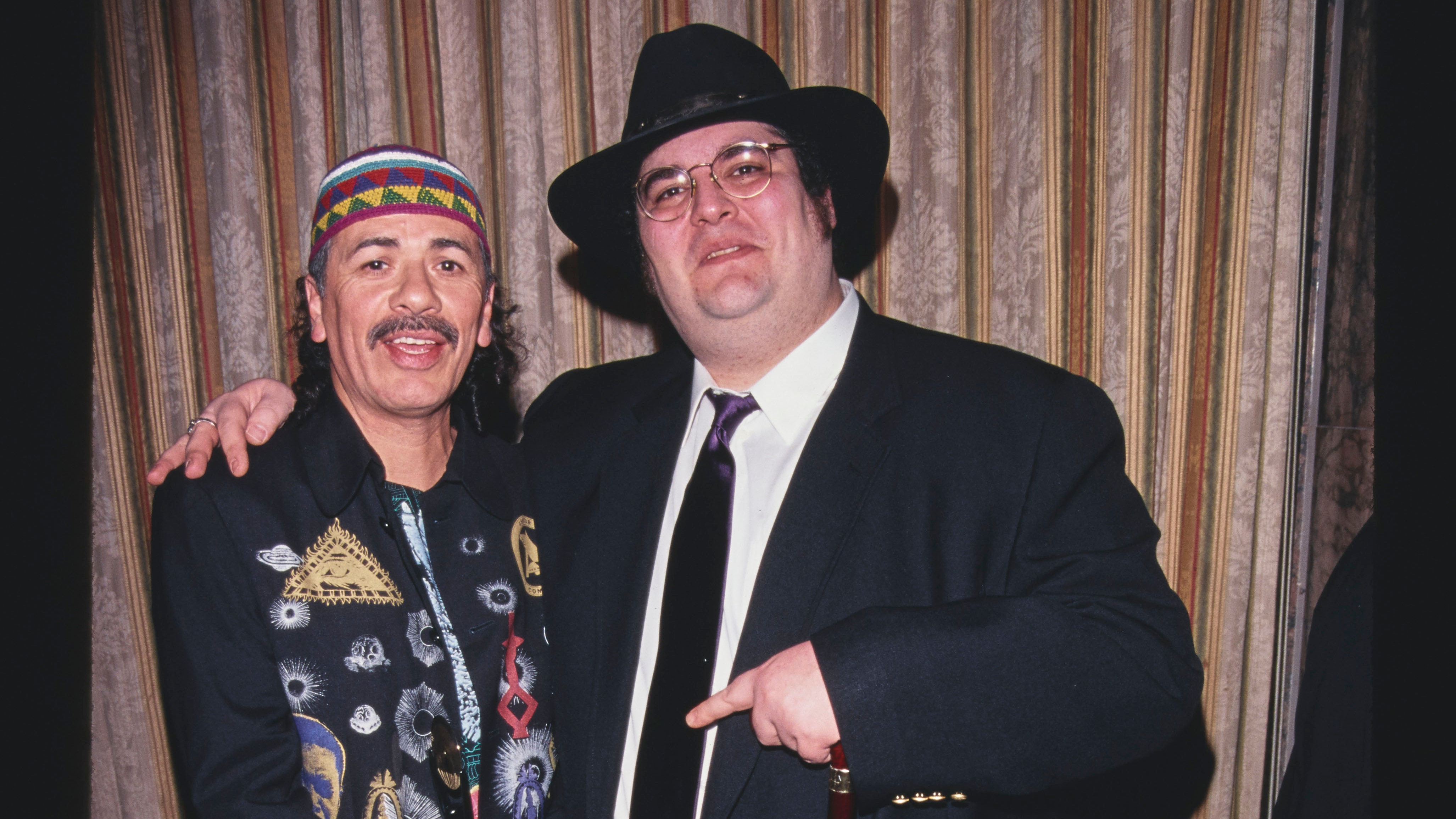
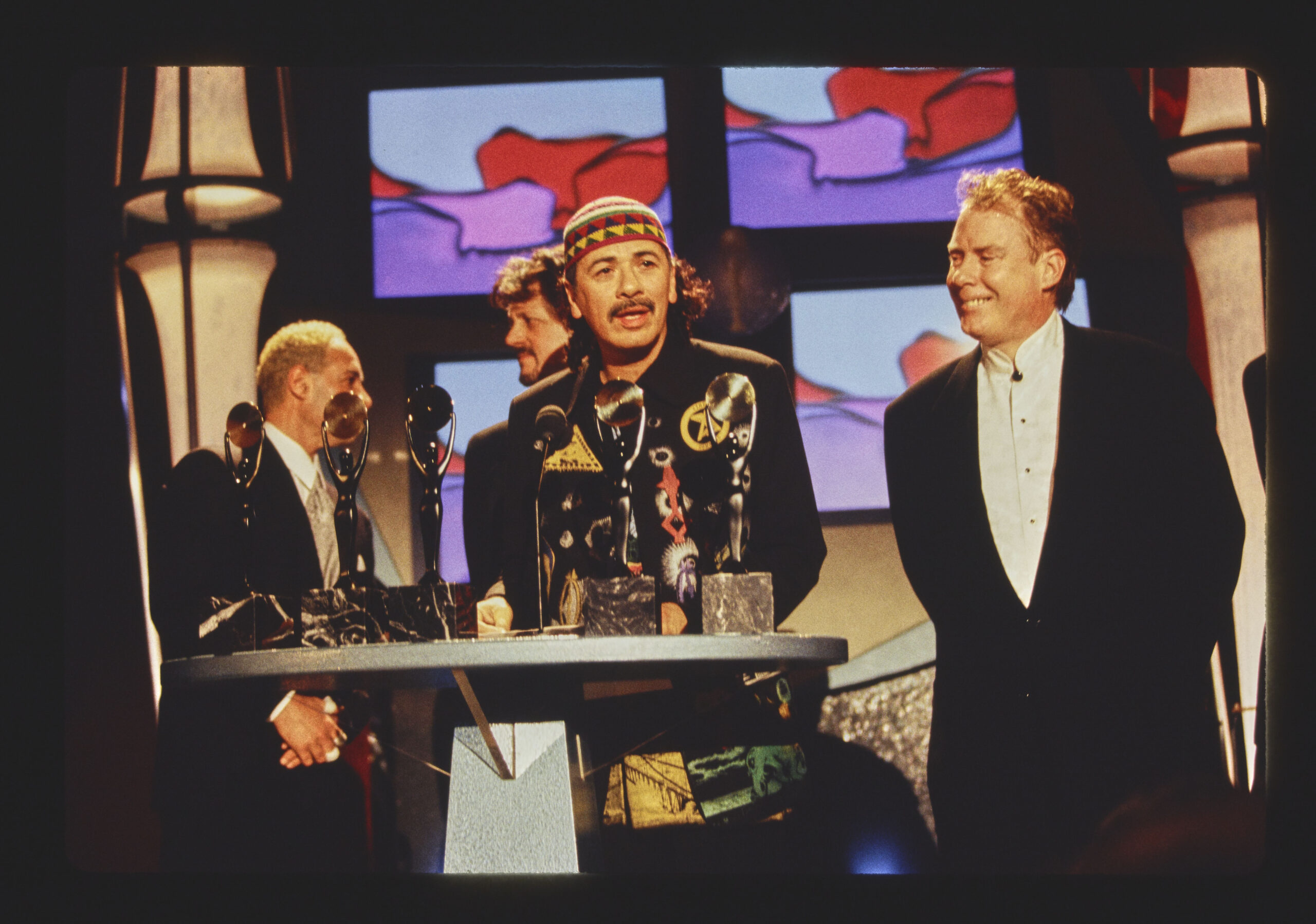
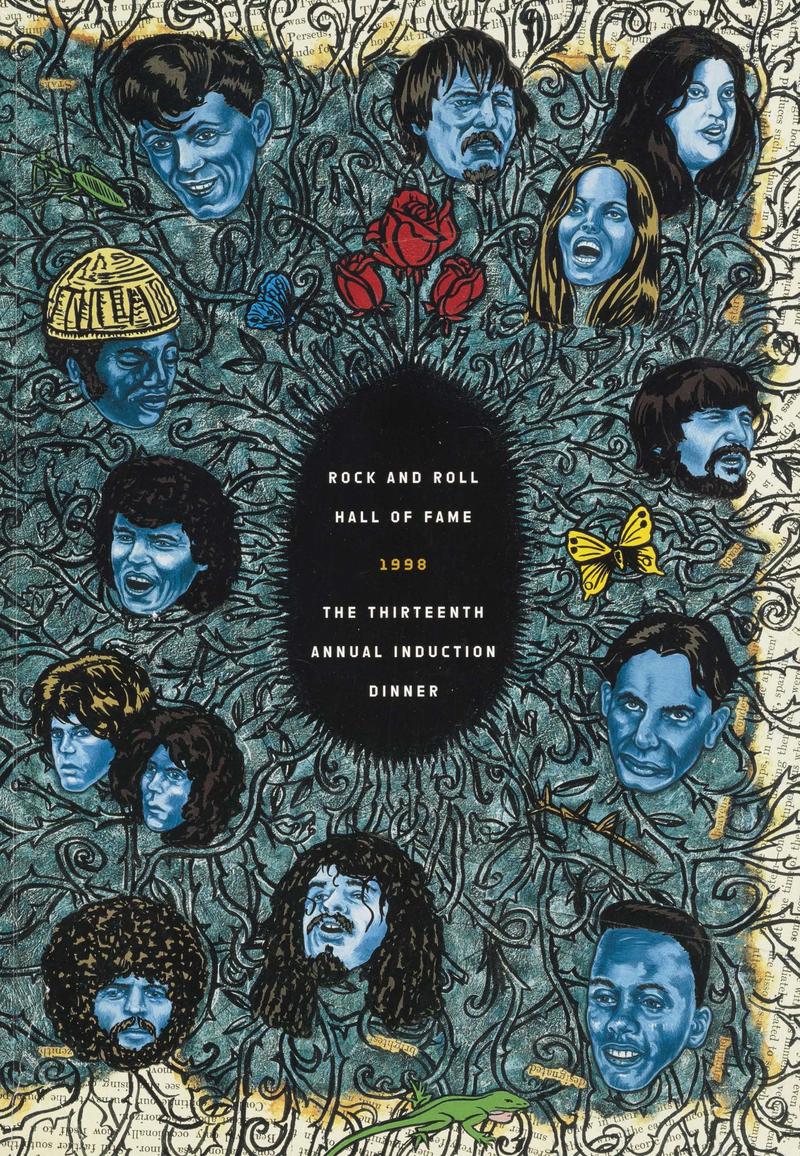
January 12, 1998: Santana is inducted into the Rock and Roll Hall of Fame at the thirteenth annual induction dinner. John Popper, of Blues Traveler, is their presenter.

June 1, 1999: ‘Supernatural’, Santana’s first album for Arista Records, is released. It goes on to sell more than 21 million copies worldwide—13 million in the U.S. alone. Though released at midyear, ‘Supernatural’ is 1999’s sixth best-selling album.

October 23, 1999: “Smooth,” with lyrics and vocals by Matchbox 20’s Rob Thomas, becomes Santana’s first #1 single. It holds down the top spot for 12 consecutive weeks and is the longest running #1 single of 1999.

February 23, 2000: Carlos Santana sweeps the 42nd Grammy Awards, winning in nine categories.

April 8, 2000: “Maria Maria,” another single from Santana’s ‘Supernatural’, hits #1 for the first of ten straight weeks.

September 4, 2000: David Brown of Santana dies due to liver and kidney failure.

Essential Recordings


Black Magic Woman/Gypsy Queen
Smooth
Jingo
Oye Como Va
Soul Sacrifice
Evil Ways
Samba Pa Ti
Toussaint L’Overture
Everybody’s Everything
Dance Sister Dance

Recommended Reading


“The Epic Life of Carlos Santana”
Chris Heath. Rolling Stone (March 16, 2000): 38-48, 86.

Soul Sacrifice: The Story of Santana
Simon Leng. London: S.A.F. Publishing, 2000.

Carlos Santana: Back on Top
Marc Shapiro. New York: St. Martin’s Press, 2000.


Dickey Betts' (the Allman Brothers Band) 1957 Gibson Les Paul Electric Guitar

Photo by Tony Festa
Collection of Brian Nelson