Solomon Burke
Induction Year: 2001
Induction Category: Performer
Inductee: Solomon Burke (vocals; born March 21, 1940)
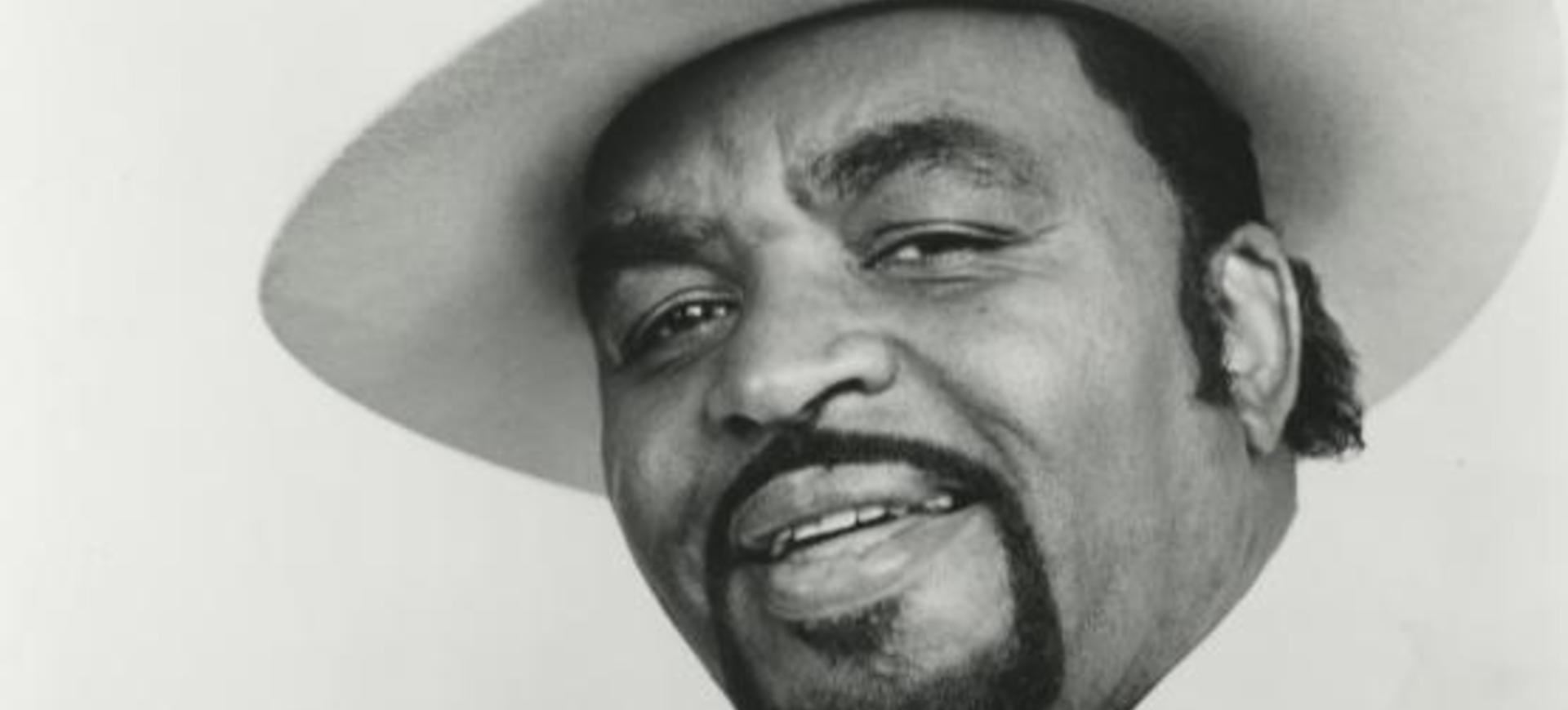
A larger-than-life rhythm & blues singer, Solomon Burke was one of the mainstays of Atlantic Records’ “soul clan” of the Sixties. He was proclaimed the “King of Rock and Soul” in 1964 and has also been anointed “the Bishop of Soul.” No less an authority than Jerry Wexler, the legendary Atlantic Records producer, has proclaimed, “The best soul singer of all time is Solomon Burke.”
Burke’s versatile, force-of-nature voice combines gospel fervor, country gentility and R&B grit. He can swing from a satiny croon to gruff soul shout to a deep, caressing baritone. From 1961 to 1968, Burke released 32 memorable singles on Atlantic. These included six Top Ten R&B hits, four of which crossed over to the pop Top Forty: “Cry to Me” (#7 R&B), “Just Out of Reach (Of My Two Open Arms)” (#7 R&B, #24 pop), “Got to Get You Off of My Mind” (#1 R&B, #22 pop), “You’re Good for Me” (#8 R&B), “Tonight’s the Night” (#2 R&B, #28 pop) and “If You Need Me” (#2 R&B, #37 pop).
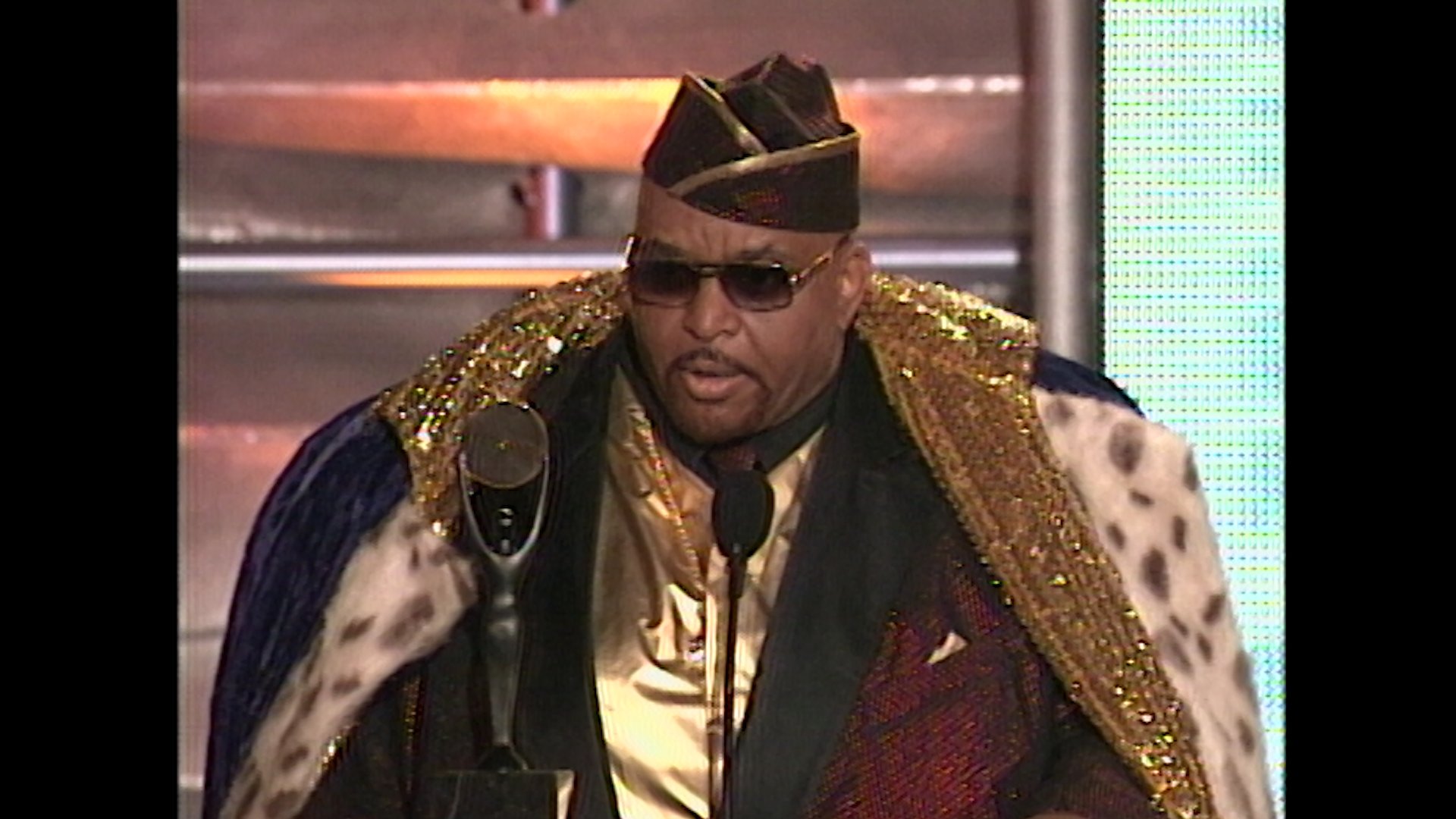
Many more of Burke’s singles cracked both the R&B Top Forty and the Top Pop 100 charts. Yet his lasting significance as a recording artist and performer goes beyond numbers. Burke was a consummate showman who adopted the role of “King of Rock ‘n’ Soul” onstage by adorning himself in a regal robe of velvet and ermine. One of the greatest vocalists of the soul era, Burke has been credited for helping to keep Atlantic Records solvent from 1961 to 1964 with his steady run of hit records. Jerry Wexler pronounced Burke a “vocalist of rare prowess and remarkable range. His voice is an instrument of exquisite sensitivity.” He is also a colorful and even eccentric figure - one of the true characters in the world of popular music.
Burke was born in Philadelphia and gravitated to the church through the influence of his grandmother, preaching his first sermon at age seven. He was broadly exposed to music, absorbing the varied likes of jazz-pop vocalist Nat King Cole, cowboy singers Gene Autry and Roy Rogers, bluesmen Muddy Waters and John Lee Hooker, gospel queen Clara Ward, and R&B kingpins Ray Charles and Big Joe Turner. This accounts for Burke’s stylistic breadth as a soul singer. He recorded for the New York-based Apollo Records from 1955-1958, where he scored a minor hit with “You Can Run (But You Can’t Hide),” a song whose authorship was co-credited to Burke and boxer Joe Louis
In 1960, Burke signed to Atlantic Records, where it was believed that his flexible voice and roots in gospel and country would earn him a wide, bi-racial audience. His first hit for the label was the uptempo “Cry to Me.” Burke’s first single to cross over from R&B to pop was a soulful cover of the country song “Just Out of Reach (Of My Two Open Arms).” Burke wrote or cowrote much of his material, and he also recorded songs by fellow Atlantic soul singers Wilson Pickett (“If You Love Me’) and Don Covay (“You’re Good for Me”). Burke and Covay cowrote one of his biggest hits, “Tonight’s the Night.” Burke’s signature song, “Got to Get You Off of My Mind,” stands as one of the premier soul hits of the Sixties. “Got to Get You Off of My Mind” and “Tonight’s the Night” appeared in 1965, Burke’s biggest year, and hit #1 and #2 on the R&B charts, respectively.
In 1968, Burke teamed with fellow Atlantic artists Don Covay, Ben E. King, Arthur Conley and Joe Tex to record a single ("Soul Meeting") as the Soul Clan, an expression of solidarity and mutual support by five pillars of soul music. “We wanted to interlock ourselves as a group, to express to the younger people how strong we should be and to help one another, work with one another and support one another,” Burke has said of the Soul Clan’s lone single.
Burke left Atlantic in 1969 and subsequently recorded in a variety of styles for such labels as Bell, MGM, Chess, Savoy, Rounder and Blacktop. A lifelong entrepreneur, Burke also owns a string of mortuaries and attends to a lifelong ministry from his home in Beverly Hills, California.
TIMELINE
March 21, 1940: Solomon Burke is born in Philadelphia. He is the oldest of seven children.
December 3, 1955: Solomon Burke releases his first recording, “Christmas Presents” b/w “When I’m All Alone” - on Apollo Records.
September 4, 1961: Solomon Burke’s second single for Atlantic Records, the country-flavored “Just Out of Reach (Of My Two Open Arms),” becomes his first to make the charts. It reaches #7 on the R&B chart and #24 on the pop chart.
1962: Solomon Burke hits #5 on the R&B chart with “Cry To Me”.
May 11, 1963: Solomon Burke’s biggest hit to date - “If You Need Me,” written by Wilson Pickett - competes with Pickett’s own version for chart supremacy. Burke wins, as his version hits #2 on the R&B chart and remains there for five weeks.
June 13, 1964: Solomon Burke hits #33 with “Goodbye Baby (Baby Goodbye)”.
May 6, 1965: “Got to Get You Off of My Mind,” written by Solomon Burke about the late Sam Cooke - in whose company he’d been shortly before Cooke was shot to death under mysterious circumstances - is released. It becomes Burke’s biggest hit, topping the R&B chart and hitting #22 on the pop chart.
May 4, 1968: “I Wish I Knew (How It Would Feel to Be Free)” enters the R&B chart, where it will peak at #32. It is Solomon Burke’s last solo hit for Atlantic.
July 20, 1968: Soul stars Solomon Burke, Arthur Conley, Don Covay, Ben E. King and Joe Tex release the single “Soul Meeting” under the collective rubric The Soul Clan. It is a major moment but a minor hit, peaking at #34 on the R&B chart and missing the pop Top Forty entirely.
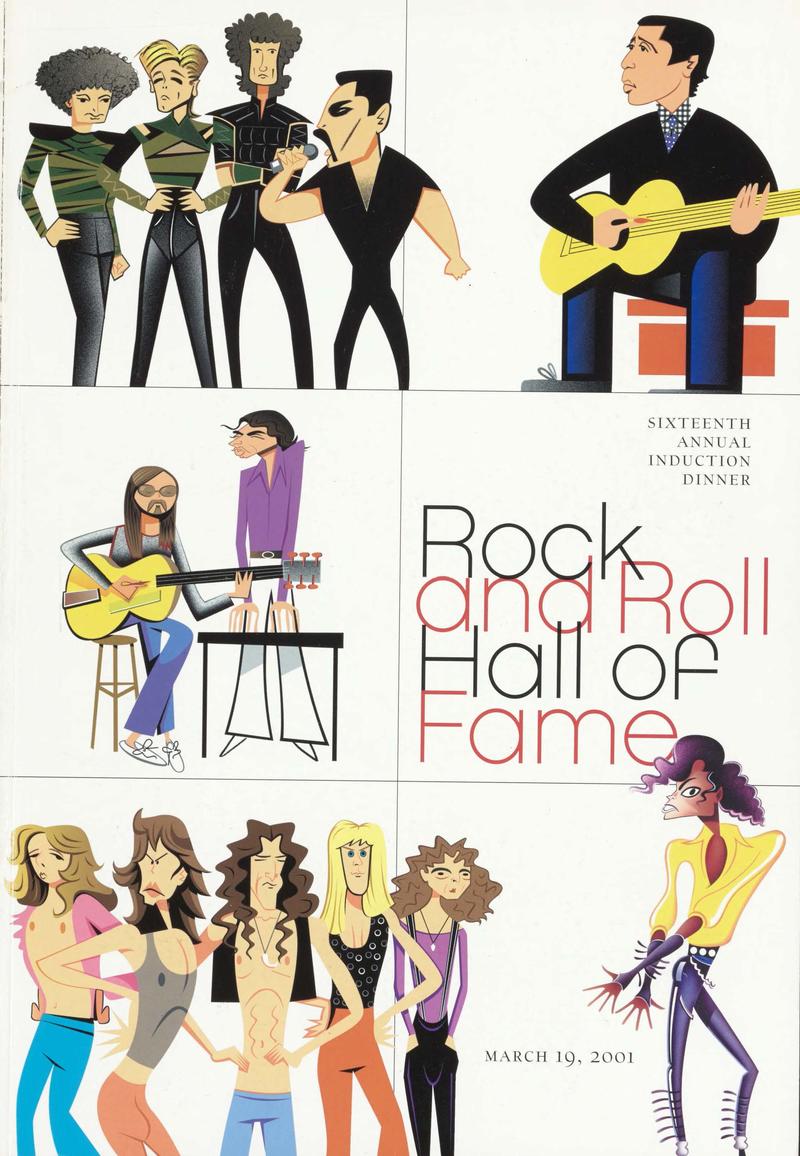
March 19, 2001: Solomon Burke is inducted into the Rock and Roll Hall of Fame at the sixteenth annual induction dinner. Mary J. Blige is his presenter.
Essential Songs
Got to Get You Off My Mind
Cry to Me
Everybody Needs Somebody to Love
Down in the Valley
Tonight’s the Night
If You Need Me
You’re Good for Me
Can’t Nobody Love You
The Price
Just Out of Reach (Of My Two Open Arms)
Recommended Reading
Solomon Burke: The Bishop of Soul
Bill Dahl. Goldmine (September 16, 1994): 42-52+.
“King Solomon: The Throne in Exile.”
Peter Guralnick. Chapter 2 in Sweet Soul Music: Rhythm and Blues and the Southern Dream of Freedom. New York: Harper-Collins, 1986.