Rock and Roll Hall of Fame and Museum

Steve Douglas

Induction Year: 2003

Induction Category: Sidemen


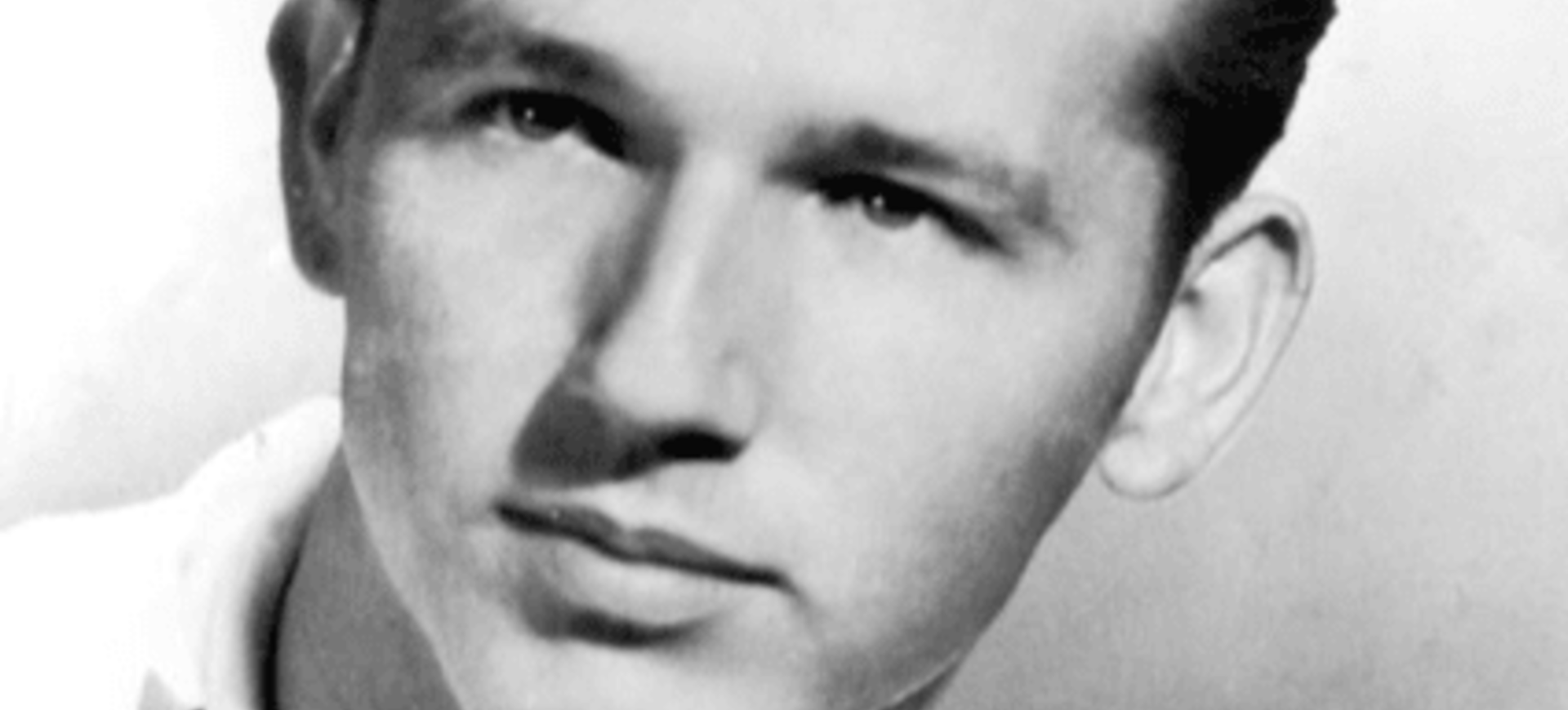
Steve Douglas (saxophone, flute, percussion; born September 24, 1938, died April 19, 1993)

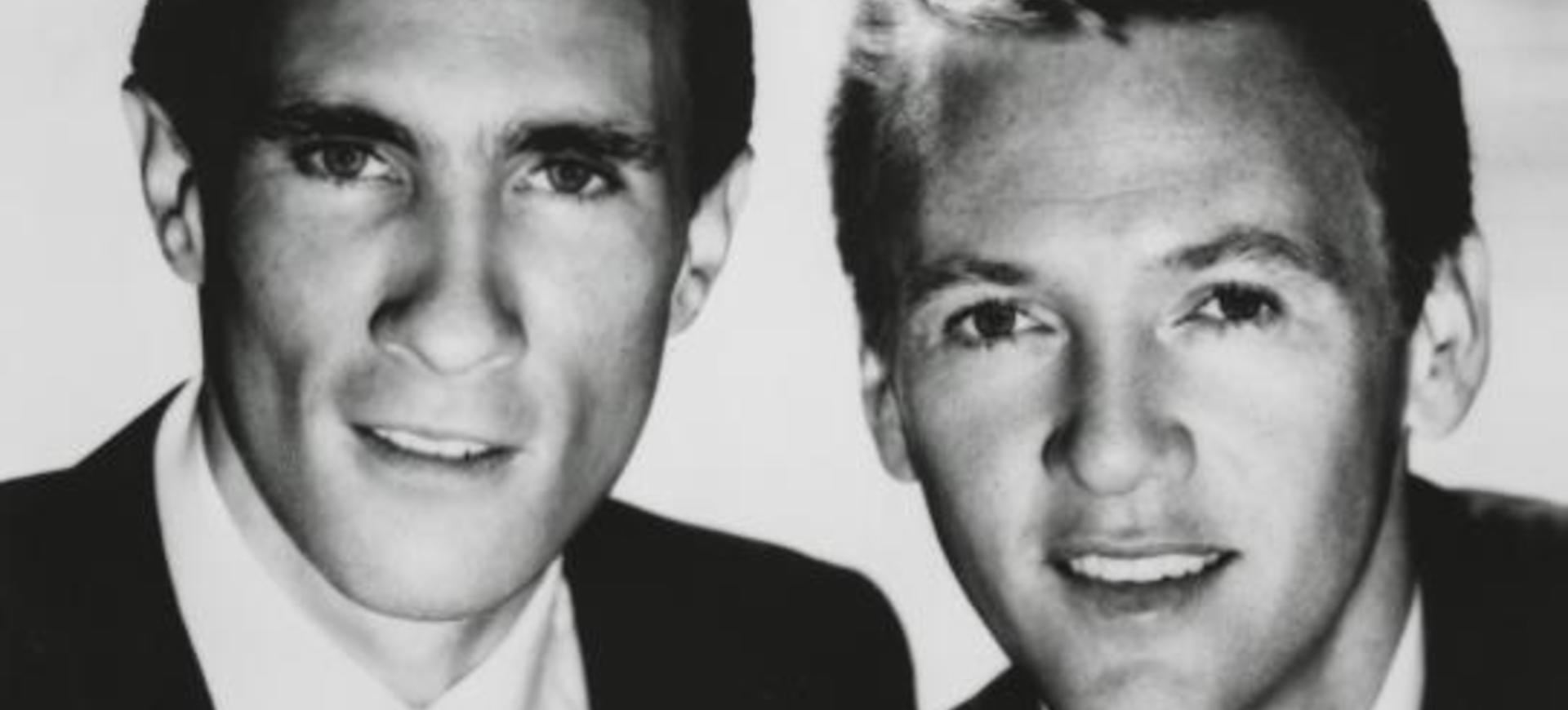
The unmistakable sound of Steve Douglas’s honking saxophone can be heard on countless recordings by , Jan and Dean, , and others. Among the most in-demand West Coast sessionmen, Douglas was a key player in producer ’s “Wrecking Crew” - the collective of sideman that Spector used on virtually all his sessions. Douglas played sax and percussion on most of Spector’s early-1960s productions, including all of the Ronettes’ and Crystals’ recordings and such epic singles as Ike and Tina Turner’s “River Deep - Mountain High” and the Righteous Brothers’ “You’ve Lost That Lovin’ Feelin’.” He played on every Beach Boys album from Surfin’ U.S.A. through Pet Sounds, as well as later recordings. He can be heard blowing tenor and baritone sax on many of Jan and Dean’s 1960s hits, including “Surf City” and “Dead Man’s Curve.” His hornwork also adorned recordings by such artists as , , B.B. King, and .

Born Steven Kreisman, Douglas got caught up in the rhythm & blues scene around Los Angeles as a teenager in the early 1950s. He took up tenor sax after hearing Chuck Higgins’ “Pachuco Hop.” In addition to Higgins, his influences included such R&B hornmen as Big Jay McNeely, Sam “The Man” Taylor and Joe Houston. Douglas’s background served him well when emerging rock and roll figures like wanted to add some horn-fueled R&B grit to their music. After year-long stint with Eddy, Douglas formed his own “Vegas-style group,” which included on guitar and vocals. When Spector subsequently began to establish himself as a producer in New York, he called Douglas to overdub sax on some early Crystals records. After Spector returned to L.A., Douglas played on and even contracted musicians for his sessions. In addition to tenor and baritone sax, he’d contribute flute and percussion. He remains one of the “Wrecking Crew” - Spector’s peerless group of session musicians - till the producer’s semi-retirement in 1966. In the 1970s, Douglas would play on Spector-produced projects by Cher, Leonard Cohen and the .

Douglas work with Spector led to calls from Brian Wilson (of ) and Jan Berry (of Jan and Dean), as they and the entire West Coast pop scene began taking off. Douglas played on such instrumental hits as the Ventures’ “Walk - Don’t Run” and the Routers’ “Let’s Go (Pony).” Douglas was offered all the work he could handle and recalls once doing 18 sessions in a single week. In the mid-1960s. he spent two years as an A&R man at Capitol Records, where he produced and others.

Health problems in the early 1970s forced Douglas to adopt a lower profile. During that decade, in addition to session work, he began releasing albums under his own name. He recorded one of his more notable projects, The Music of Cleops, inside the King’s Chamber at the Great Pyramid at Giza in Egypt. In 1978 Douglas joined ’s touring band and can be heard on at Budokan. He played on Mink DeVille’s first two albums and produced the third, Le Chat Bleu, in 1981. Douglas’s Hot Sax album, released in 1982, includes his remake of “Peter Gunn,” which he’d originally recorded with two decades earlier.

Douglas died in 1993 of heart failure.

TIMELINE

September 24, 1938: Saxophonist Steve Douglas is born in Los Angeles.

1958: Steve Douglas begins a two-year association with guitarist that will result in a run of instrumental hits, including “Cannonball,” “40 Miles of Bad Road” and “Peter Gunn.”

1963: moves his base of operations from New York to Los Angeles, enlisting Steve Douglas to contract sessions and play sax on such records as “He’s a Rebel,” a #1 hit for the Crystals.

1963: Steve Douglas begins working with as a sideman, contributing sax to all their albums from Surfin’ U.S.A. through Pet Sounds. He also becomes a regular on Jan and Dean’s sessions, playing on “Surf City,” “Dead Man’s Curve,” and others.

1964: Steve Douglas is hired to work in A&R (artists & repertoire) at Capitol Records, where he’ll produce and play on sessions for such acts as Bobby Darrin, Billy Preston and Glen Campbell.

1967: Steve Douglas runs the West Coast office of Mercury Records, where he signs such acts as Blue Cheer (“Summertime Blues”) and Asylum Choir (featuring fellow sideman Leon Russell).

1976: Steve Douglas releases The Music of Cheops, recorded in the King’s Chamber at the Great Pyramid at Giza in Egypt, on his own Cheops label.

1978: Steve Douglas joins ’s band for a year of touring and recording with . He can be heard on Dylan’s Live at Budokan album, recorded on March 1, 1978.

April 19, 1993: Steve Douglas dies of heart failure.

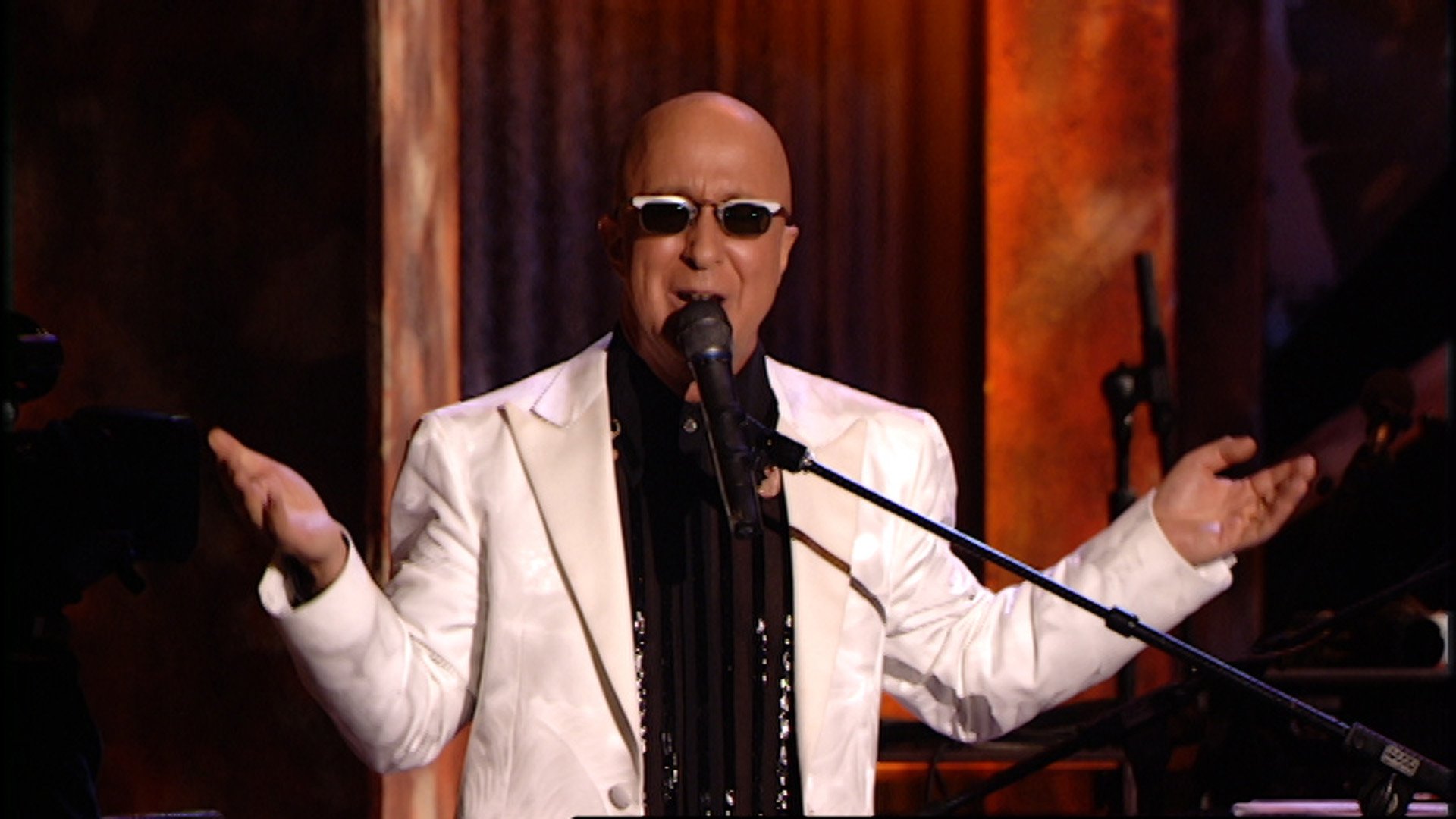
March 10, 2003: Steve Douglas is inducted into the Rock and Roll Hall of Fame at the eighteenth annual induction dinner. Paul Shaffer is his presenter.

Essential Recordings


“Peter Gunn,” by Duane Eddy
“He’s a Rebel,” by the Crystals
“Harlem Shuffle,” by Bob and Earl
“(Today I Met) The Boy I�m Gonna Marry,” by Darlene Love
“Help Me Rhonda,” by the Beach Boys
“What’d I Say,” by Elvis Presley
“Be My Baby,” by the Ronettes
“Da Doo Ron Ron,” by the Crystals
“40 Miles of Bad Road,” by Duane Eddy
“Walk - Don’t Run,” by the Ventures


Little Richard's Black Jacket With Appliques

Photo by Design Photography