The Staple Singers
Induction Year: 1999
Induction Category: Performer
Inductees: Pops Staples (vocals, guitar; born 12/28/15), Cleotha Staples (vocals; born 4/11/34), Mavis Staples (vocals; born 7/10/39), Pervis Staples (vocals; born 11/?/35), Yvonne Staples (vocals; born 10/23/38)
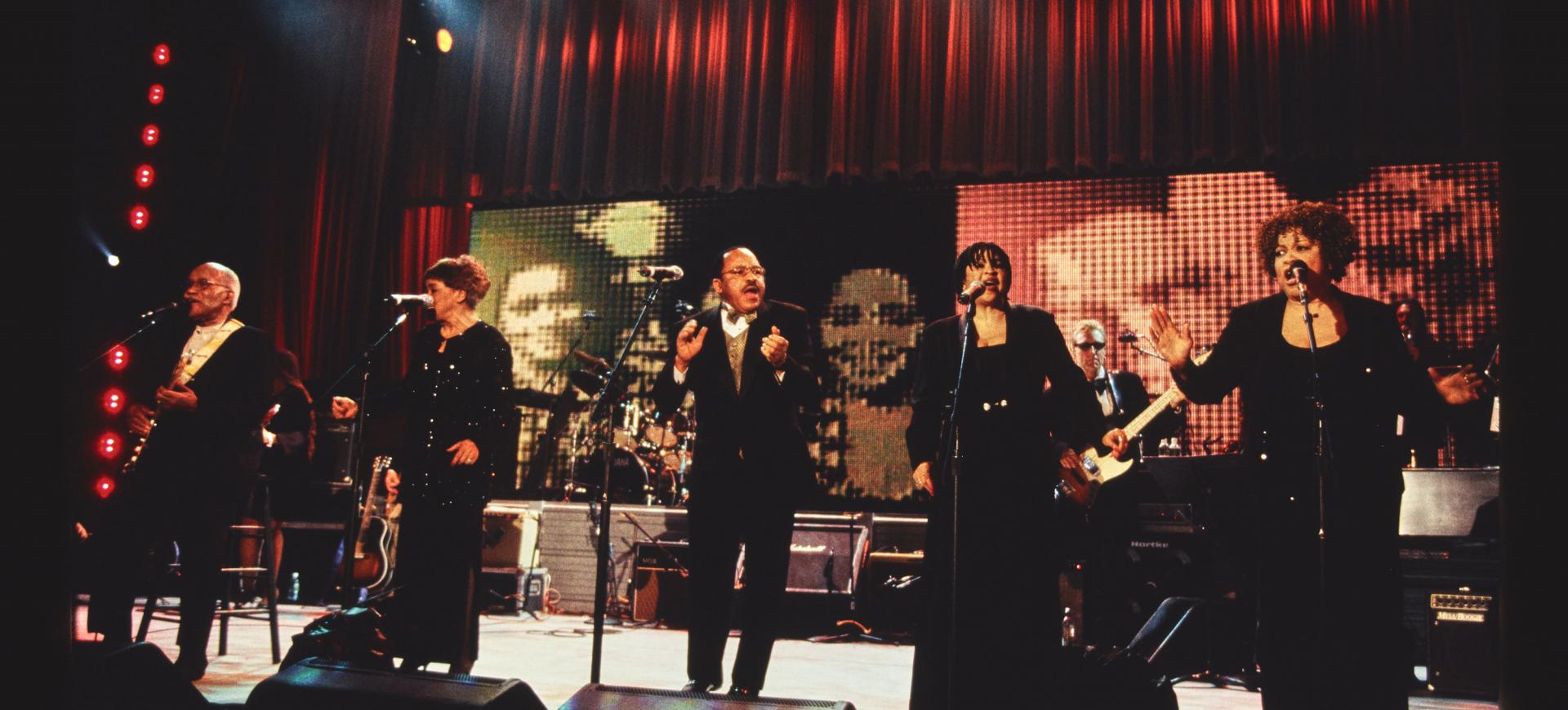
The Staple Singers have been called “God’s greatest hitmakers.” Steeped in the music of the church, this singing family from Mississippi crossed into the pop mainstream without compromising their gospel roots. Fronted by patriarch Roebuck “Pops” Staples, the Staple Singers have left an imprint of soulful voices, social activism, religious conviction and danceable “message music” across the decades since the release of “Uncloudy Day” in 1956. The clan’s musical signatures have been Pops Staples’ gospel-based songwriting and bluesy guitar, Mavis Staples’ rich, raspy vocals and the supple, ringing harmonies of Cleotha and Yvonne Staples. All three women are the daughters of Pops and Oceola Staples. Until 1969, son Pervis also belonged to the group, which has been configured as a quartet for more than half a century, with Pops and Mavis joined by Cleotha, Yvonne and/or Pervis.
By force of conviction and the rollicking, rhythm & blues underpinnings of their music, the gospel-based Staples cracked the Top Forty eight times from 1971 to 1975. Two singles reached #1: the funky, inspirational “I’ll Take You There,” which was the highlight of their tenure on Stax Records, and “Let’s Do It Again,” a film-soundtrack song recorded for Curtis Mayfield’s Curtom label. Beyond these watermarks, the Staple Singers have enjoyed a lengthy history that dates back to the late Forties.
It all began with Pops Staples, who grew up hearing both church and blues music in his native Mississippi. In 1931, he joined the Gospel Trumpets, a local quartet. After relocating his family to Chicago in 1936, Pops became a member of the Trumpet Jubilees. While Oceola Staples worked evenings, Pops kept the brood occupied by teaching them songs, and this diversion became their lifelong occupation. The family sang at churches around the upper Midwest, became regulars on a Sunday radio show and cut their first recording-a 78 rpm single on Pops’ own Royal label-in 1953. Another record for a local label ("Won’t You Sit Down,” on United) led to a contract with the Chicago-based Vee Jay Records. The Staple Singers stayed at Vee Jay from 1956-1962, a tenure that included their breakthrough single, “Uncloudy Day.”
Moving to the New York-based Riverside label, the Staple Singers adopted a more folk-oriented sound, recording contemporary, message-oriented songs by the likes of Woody Guthrie and Bob Dylan. Their late-Sixties tenure on Epic Records found them moving further in this direction, as the Staples recorded protest songs (Buffalo Springfield’s “For What It’s Worth") and inspirational material ("Marching Up Jesus’ Highway") in a folk-gospel style. The Staple Singers enjoyed their greatest commercial success at the Memphis-based Stax label, where their message-oriented material was emplaced in a funkier setting. Their run of Top Forty hits began in 1971 with “Heavy Makes You Happy (Sha-Na-Boom Boom)” and gained steam with the crossover success of “Respect Yourself.” A new plateau was reached when “I’ll Take You There” topped the pop and R&B charts. As regards their crossover from pure gospel to folk and soul-flavored material-a source of controversy within the religious community-Pops Staples explained to Essence magazine: “We’ve always tried to make affirmative, happy music that makes a positive point. Our aim is to get across a message while we’re entertaining people.”
After the demise of Stax, a move to Curtis Mayfield’s Curtom label at mid-decade resulted in the Staple Singers’ second #1 hit, “Let’s Do It Again,” a disco-era favorite. Moving on to Warner Bros., where they remained till the end of the decade, the group shortened their name to the Staples. (As a side note, guitarist George Benson-who played in the Staples’ band-launched a successful solo career with Pops Staples’ help at Warner Bros.) While at Stax, Mavis and Pops Staples had recorded solo albums, and they continued to do so for Warner Bros. and other labels. In the late Eighties, Prince signed Mavis Staples to his Paisley Park label and produced, played on and wrote much of the material for two memorable solo discs, Time Waits for No One and The Voice. In 1994, Pops Staples’ Father Father won a Grammy for the Best Contemporary Blues Album.
TIMELINE
December 28, 1915: Roebuck “Pops” Staples is born in Winona, Mississippi.
1931: Pops Staples joins the Golden Trumpets, a gospel quartet.
1948: The Staple Singers—a quartet comprising patriarch Pops and children Cleotha, Pervis and Mavis Staples—begin performing at churches in the Chicago area, where they’ve been living since 1936.
1953: For their first recording, the Staples cut a 78 rpm single ("These They Are” b/w “Faith and Grace") and pressed it up on their own Royal label.
1954: The Staple Singers cut a gospel number called “Sit Down Servant” (a.k.a. “Won’t You Sit Down") for the Chicago-based United Label.
1960: The Staple Singers hit the top of the gospel chart with “Uncloudy Day”.
1957: “Uncloudy Day” becomes a gospel hit on the Vee-Jay label.
1958: Yvonne Staples joins the group as brother Pervis’s replacement during his two-year hitch in the U.S. Army.
1962: The Staples sign to the Riverside label, where they record four albums in a gospel-folk direction. With the inclusion of “Blown’ in the Wind” on their 1963 album ‘This Land’, they become the first African-American group to record a Bob Dylan song.
1965: As the civil-rights and antiwar movements gather momentum, the Staple Singers release, ‘Amen!’, the first of six message-oriented albums for Epic Records (a Columbia subsidiary).
June 3, 1967: The Staple Singers hit #95 in the US with “Why (Am I Treated So Bad)”.
October 6, 1967: The Staple Singers’ cover of Buffalo Springfield’s “For What It’s Worth” reaches #66 on Billboard’s pop singles chart.
July 1, 1968: The Staple Singers move to the Memphis-based Stax Records, where they will remain for through 1974. Injecting soul and R&B into their “message music,” the Staples enjoy their greatest period of commercial success at Stax.
April 10, 1971: The Staple Singers hit #27 with “Heavy Makes You Happy (Sha-Na- Boom Boom)”.
December 25, 1971: “Respect Yourself” reaches #2 on the R&B charts and #12 pop.
June 3, 1972: “I’ll Take You There” tops both the pop and R&B charts, remaining ensconced at #1 on the latter for four weeks.
December 22, 1973: “If You’re Ready (Come Go With Me)” tops the R&B chart for three weeks and reaches #9 on the pop chart.
December 27, 1975: The Staple Singers hit #1 for the second time with “Let’s Do It Again,” released on Curtis Mayfield’s Curtom label.
November 25, 1976: The Band performs their farewell concert at San Francisco’s Winterland. The show is filmed by Martin Scorcese and later released as ‘The Last Waltz’. During the show, Pops and Mavis Staples join in on “The Weight.”
September 1, 1984: The Staple Singers’ version of the Talking Heads’ “Slippery People” reaches #22 on the R&B chart (#109 pop).
January 11, 1992: BeBe & CeCe Winans hit #90 with “Ill Take You There” featuring Mavis Staples.
1993: Mavis Staples releases ‘The Voice’, the second of two solo albums for Prince’s Paisley Park label. A tour de force of soulful funk, it was judged one of the ten best albums of the year by ‘People’ magazine.
March 1, 1995: Pops Staples receives a Grammy for Best ‘Father Father’, released the previous year.
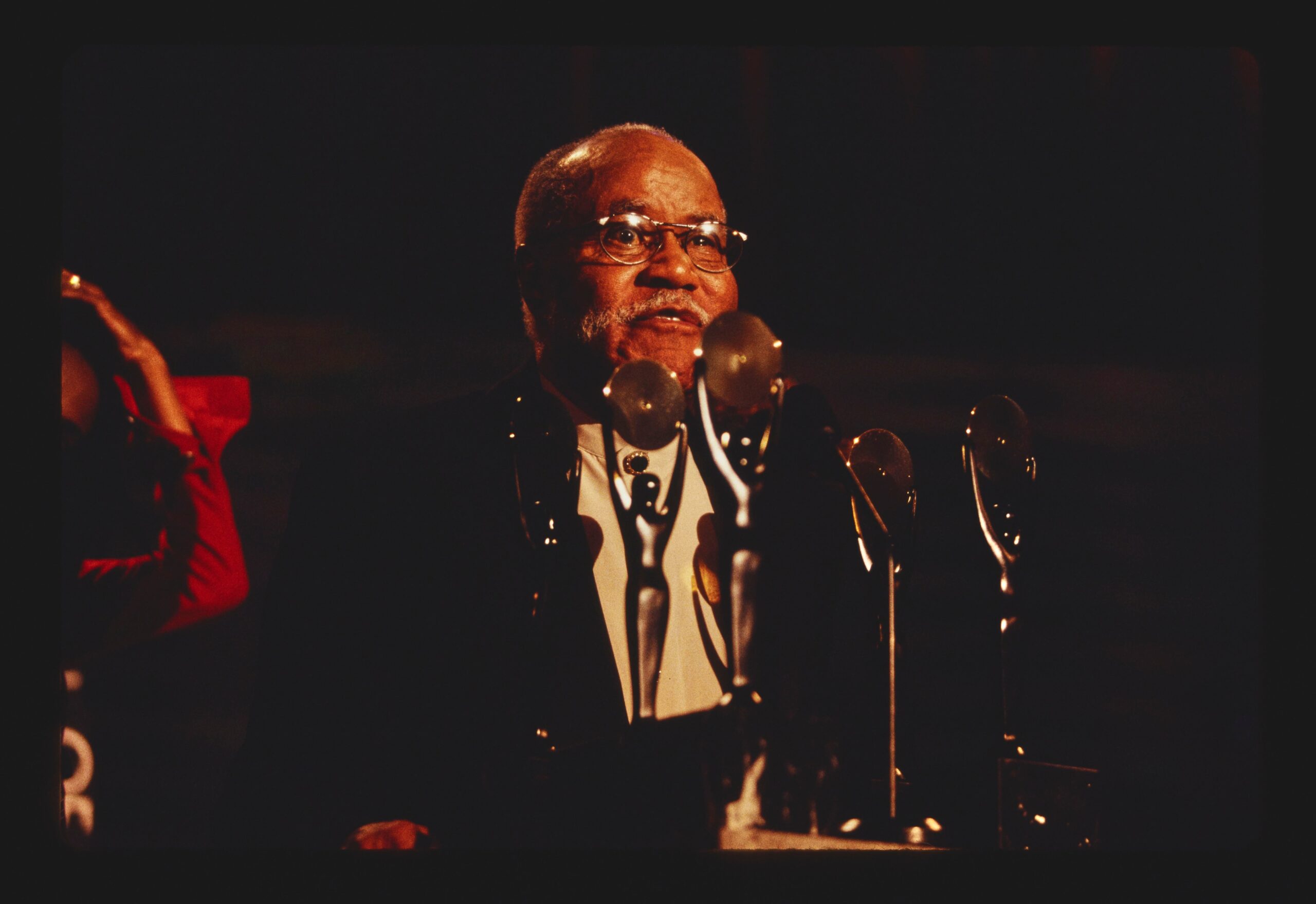
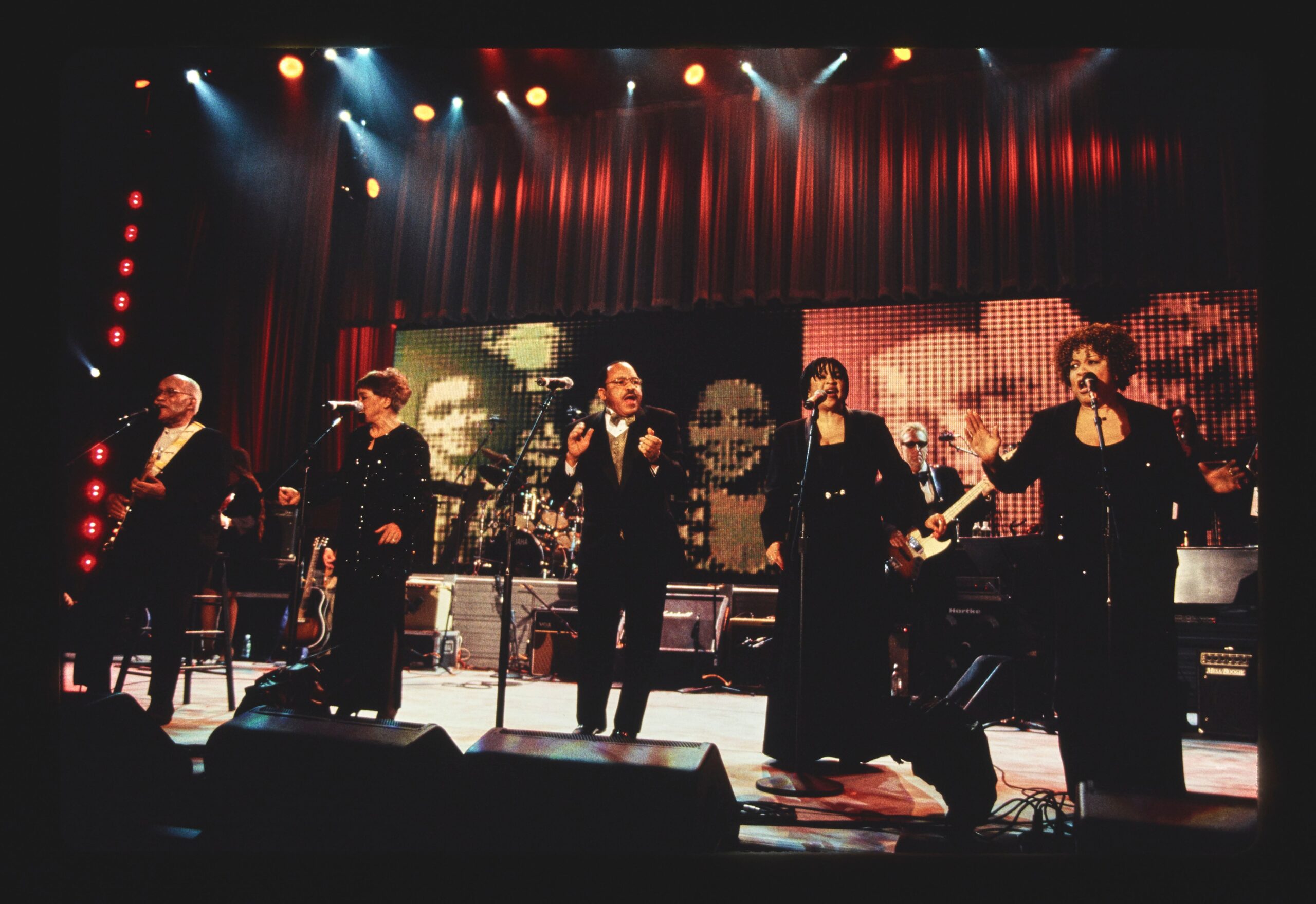
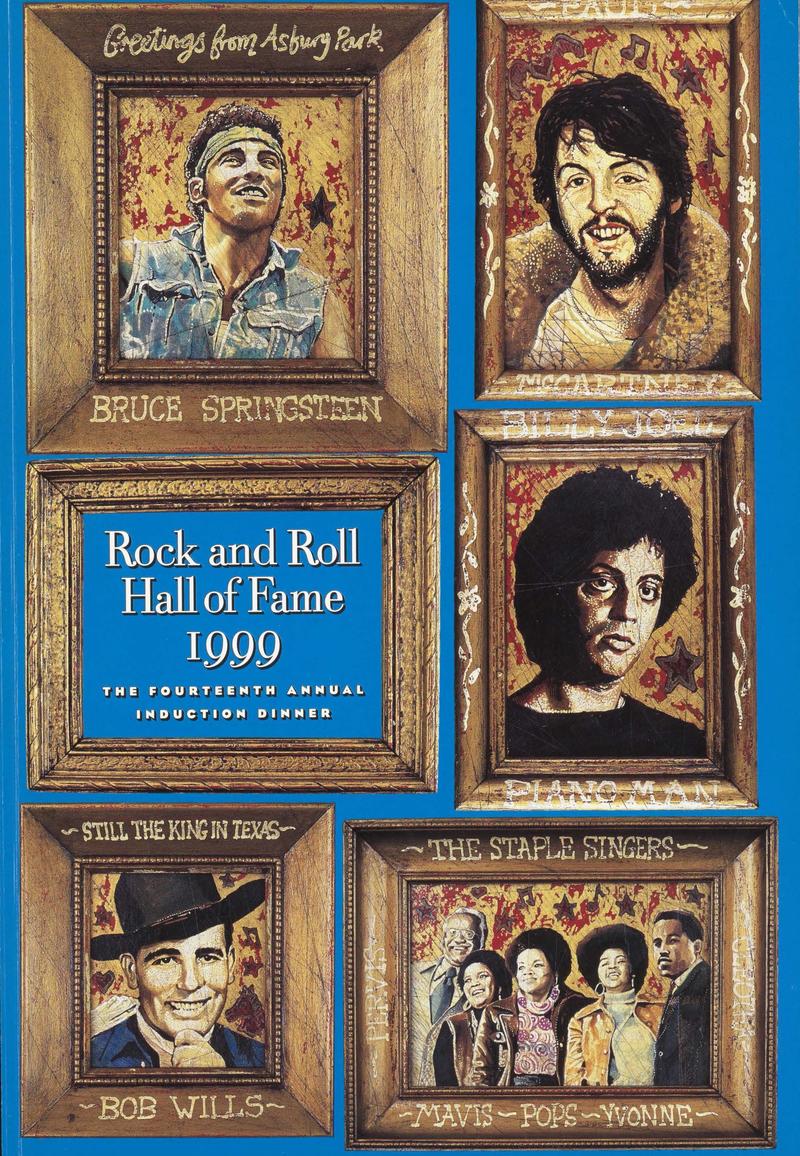
March 15, 1999: The Staple Singers are inducted into the Rock and Roll Hall of Fame at the fourteenth annual induction dinner.
December 19, 2000: Roebuck “Pops” Staples dies in his sleep.
Essential Songs
I’ll Take You There
Respect Yourself
Uncloudy Day
Will the Circle Be Unbroken
Marching Up Jesus’ Highway
Tell Heaven, I’m Coming Home
Why? (Am I Treated So Bad)
If You’re Ready (Come Go With Me)
Let’s Do It Again
For What It’s Worth
Recommended Reading
Staple Singers: God’s Greatest Hitmakers
Bil Carpenter. Goldmine (August 30, 1996), 19-42.