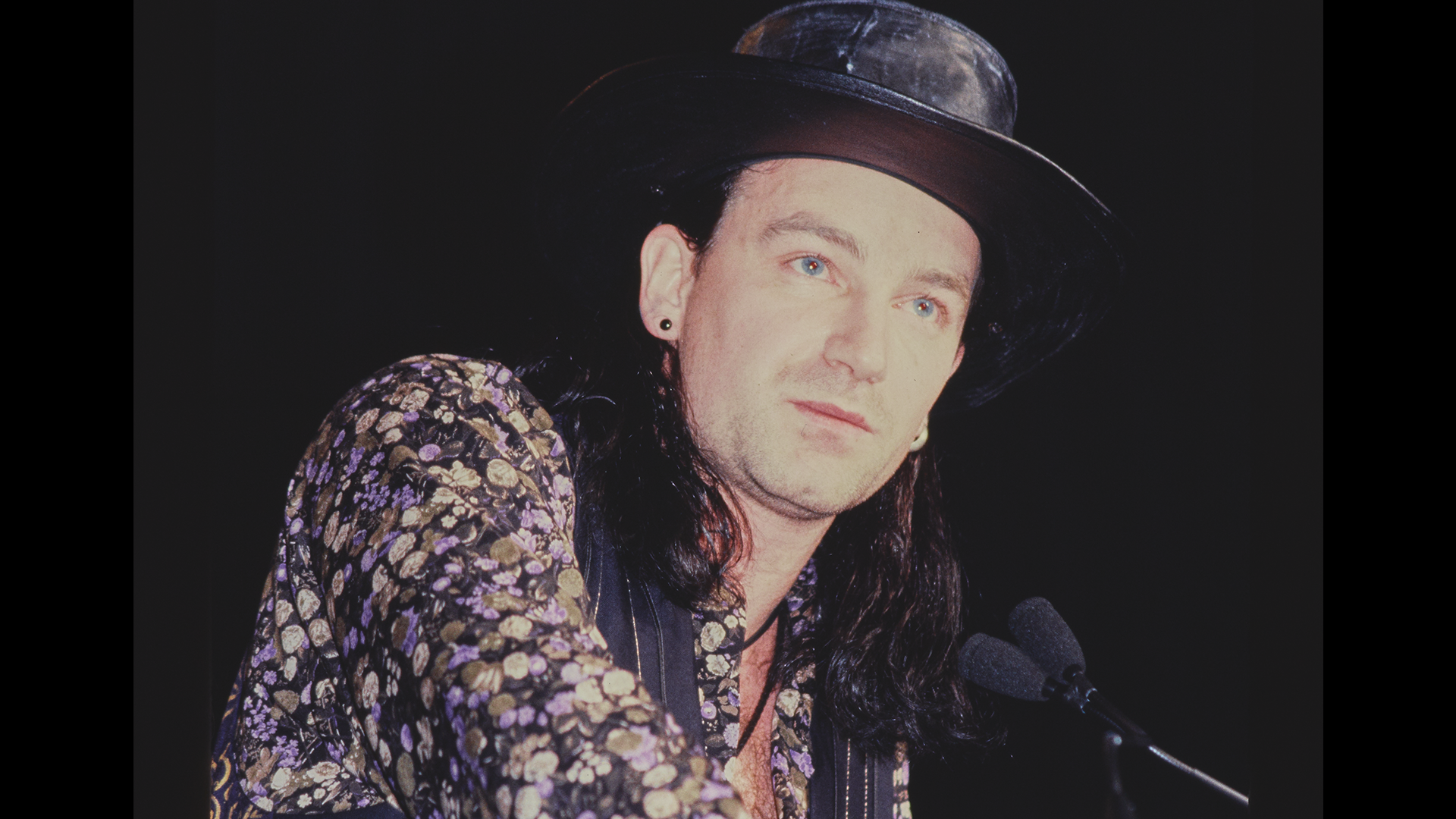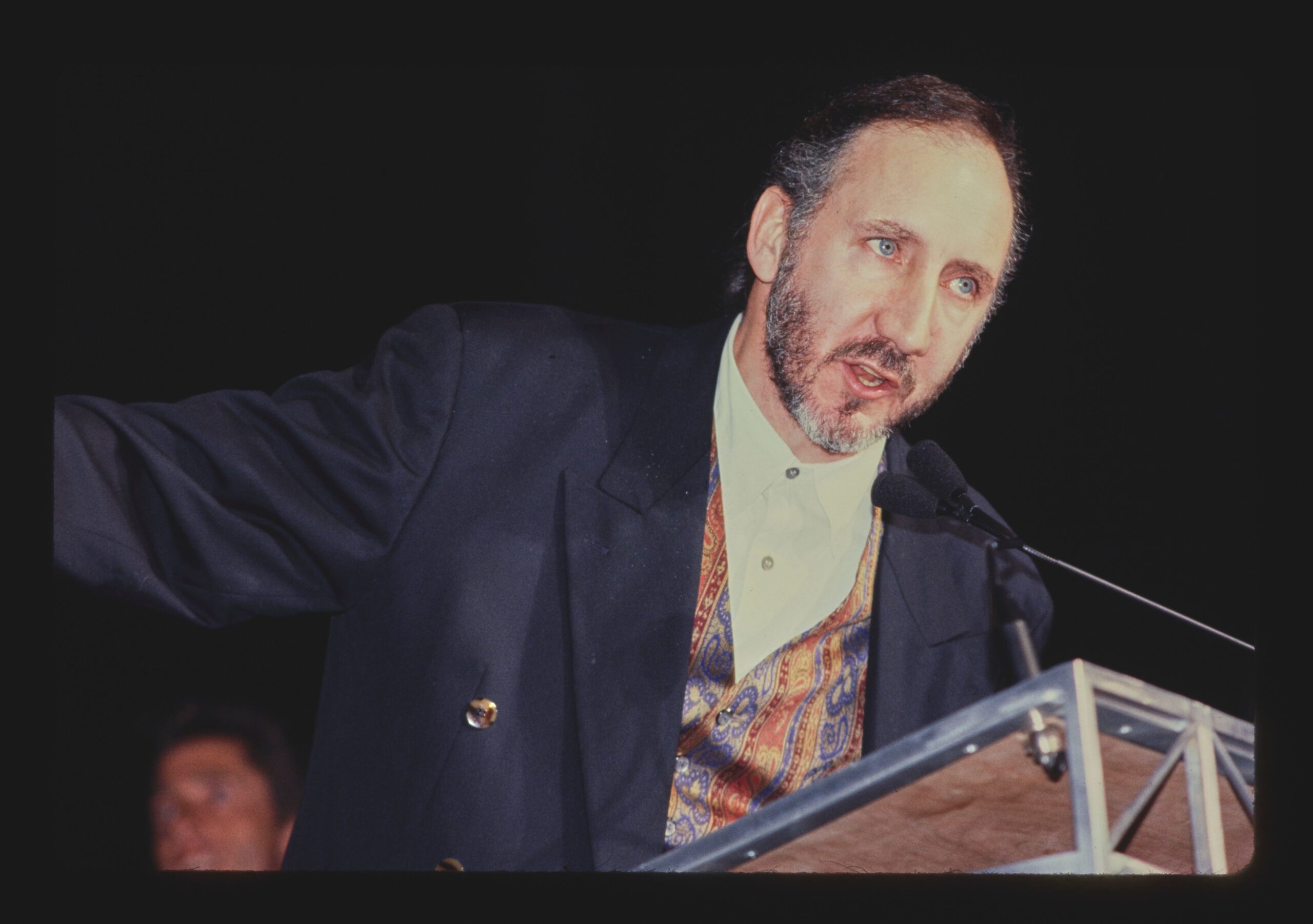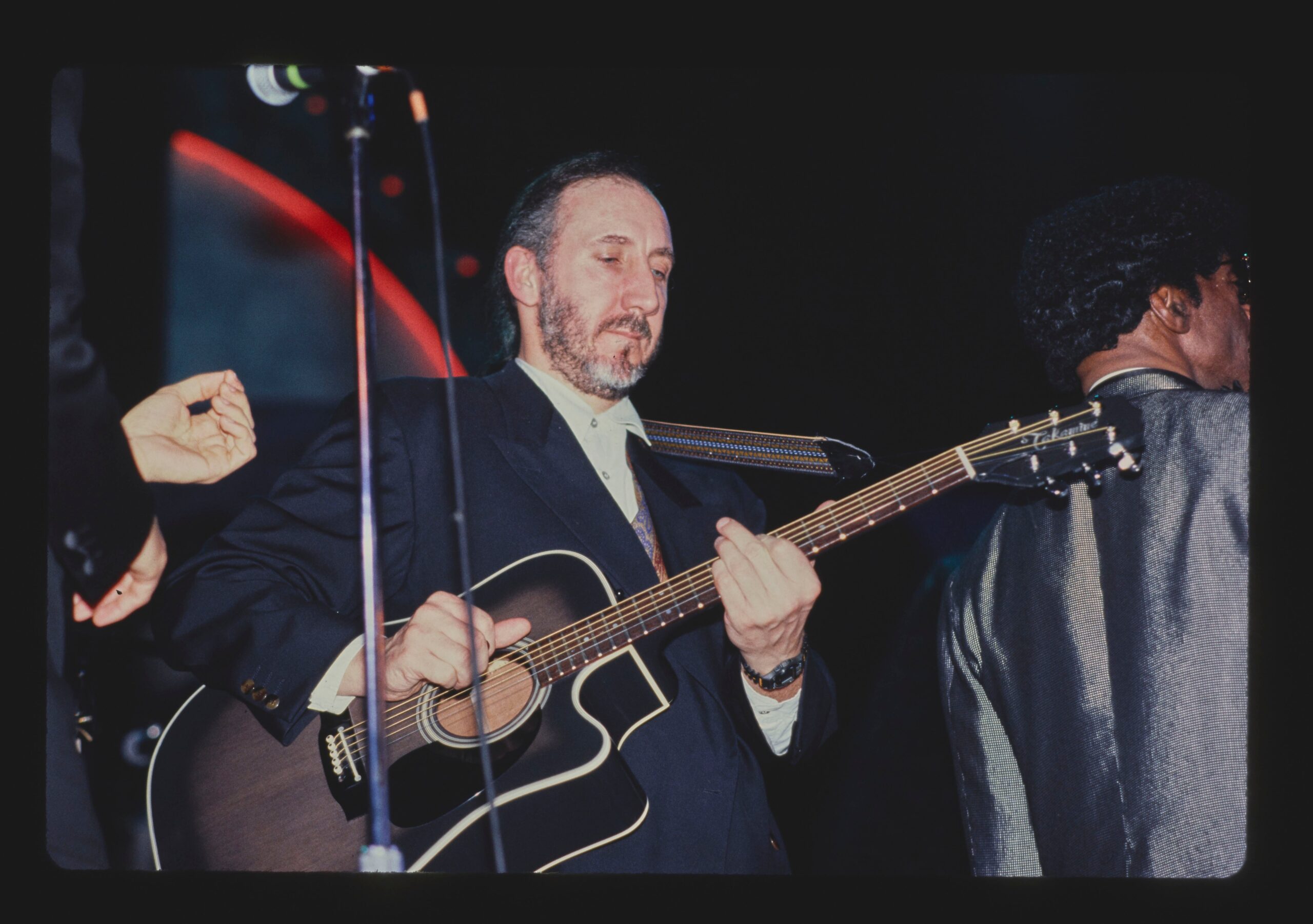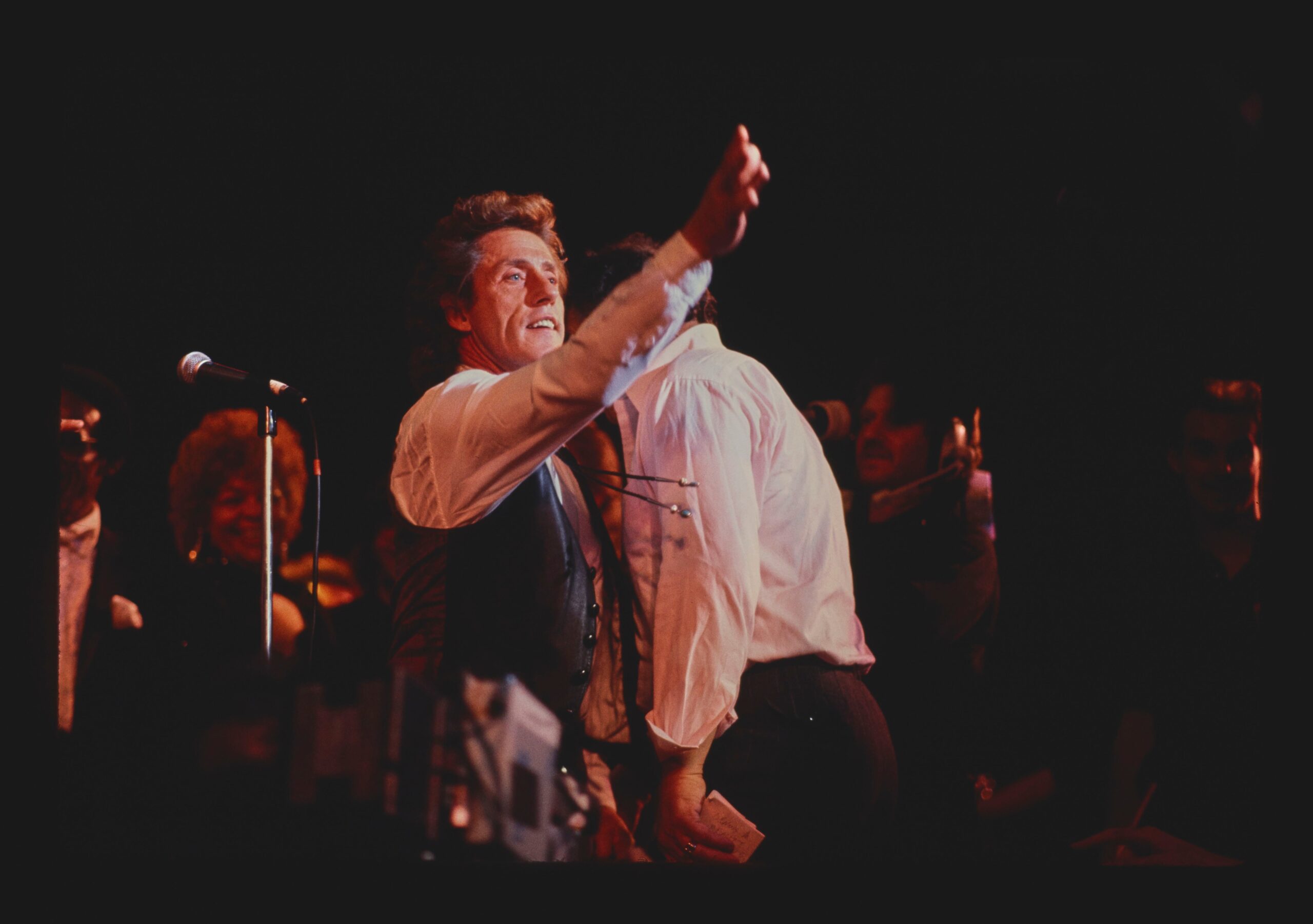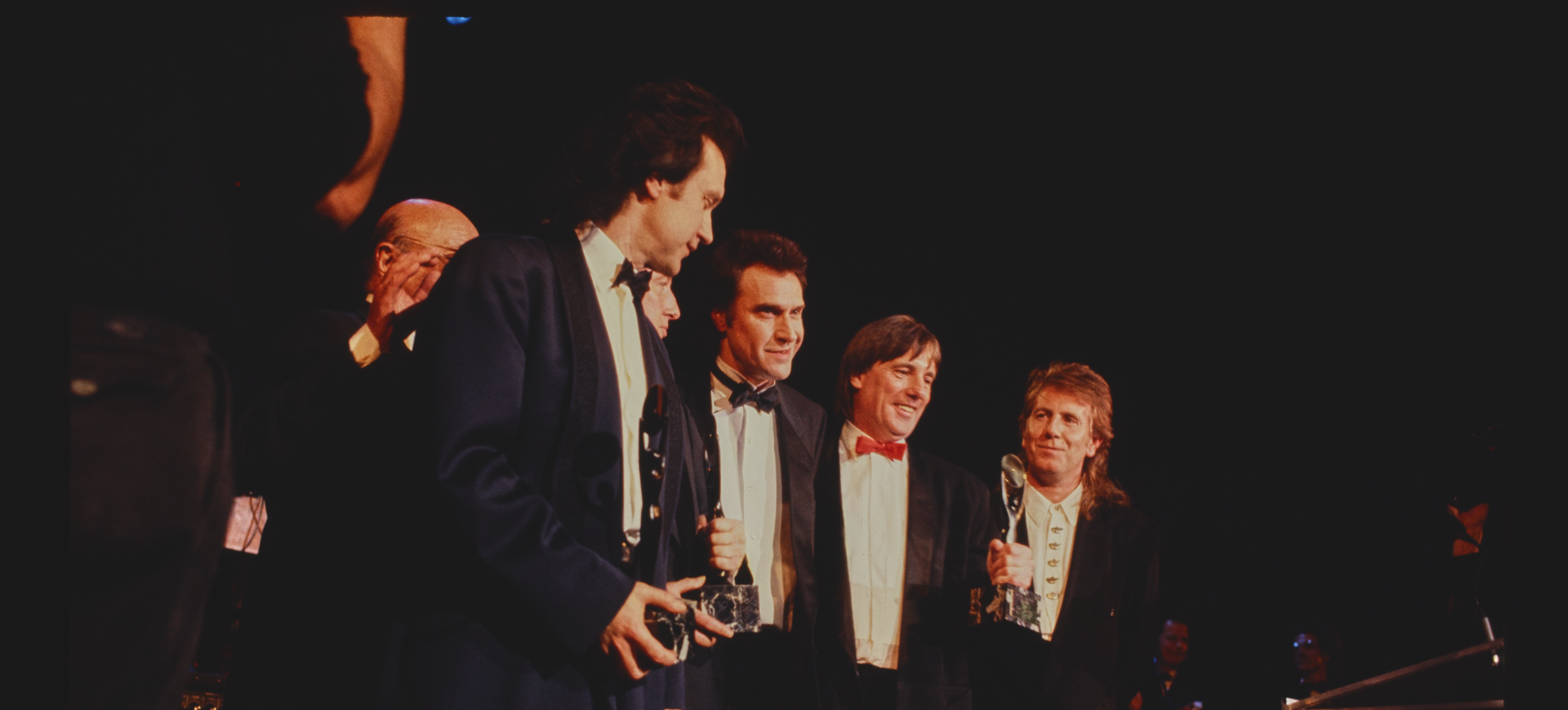
The Who
Induction Year: 1990
Induction Category: Performer
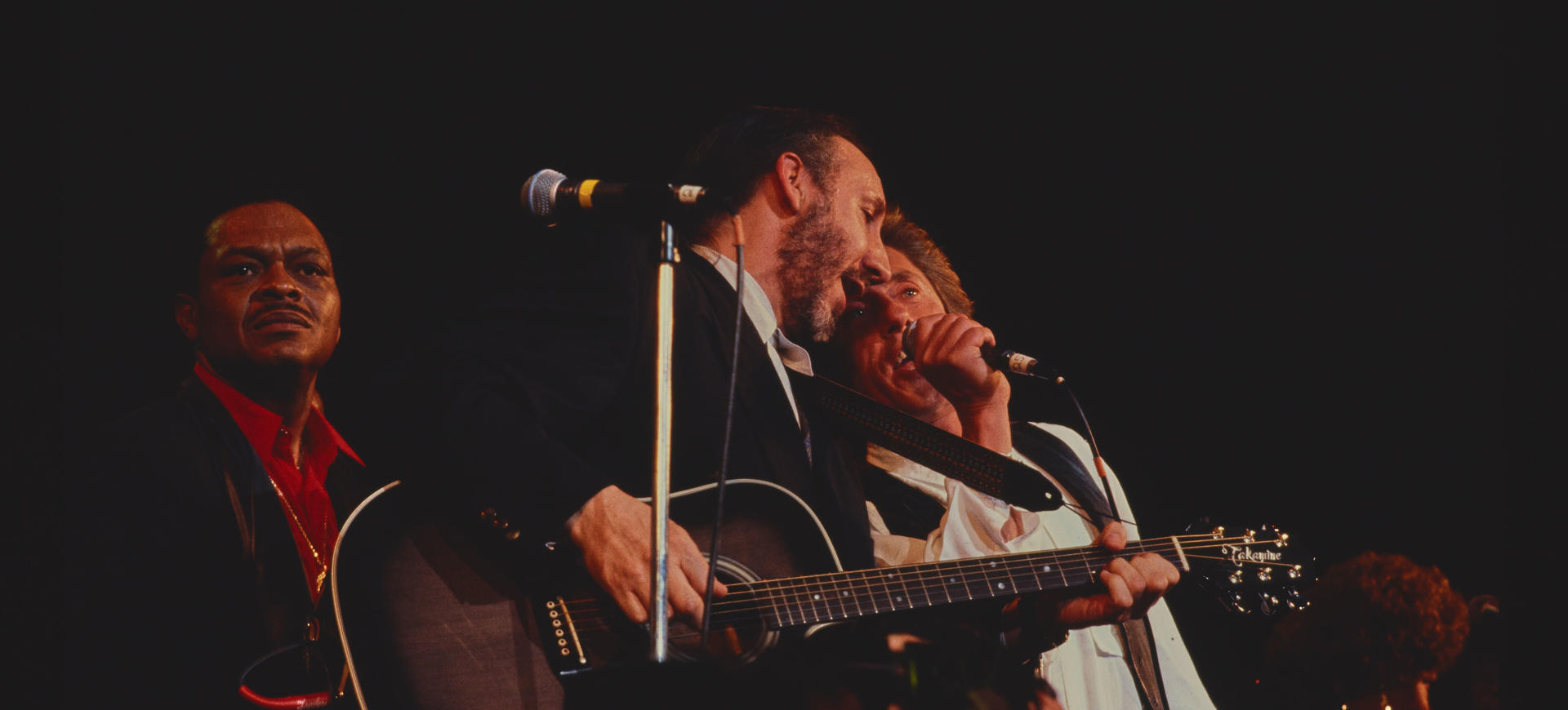
From Mod-era “maximum R&B” to rock operas and quintessential Seventies hard rock, the Who reigned across the decades as one of the greatest rock and roll bands of all time. At their best, they distilled the pent-up energy and chaos of rock and roll into its purest form while investing their music with literary wiles and visionary insight. In their prime they were a unit whose individual personalities fused into a larger-than-life whole. Pete Townshend provided the slashing guitar work and much of the material. Vocalist Roger Daltrey injected the songs with expressive muscularity and passion. Bassist John Entwistle anchored the band with his stoic demeanor and expert musicianship. Keith Moon, one of the greatest of all rock and roll drummers, embodied their explosive energy and anarchic wit.
The Who evolved in 1964 from a group called the High Numbers, which included Daltrey, Townshend and Entwistle. They were joined by Moon, who’d played in a British surf group called the Beachcombers. The newly charged-up band came on as equipment-smashing Mods who brashly declared, “Hope I die before I get old,” in their stuttering anthem, “My Generation.” The early Who demonstrated a mastery of the three-minute single, articulating the frustrations of adolescence in such combustible classics as “Can’t Explain,” “Anyway, Anyhow, Anywhere” and “Substitute.” However, it wasn’t until the 1967 release of “Happy Jack,” an antic piece of art-school whimsy from the album of the same name, that the Who cracked the U.S. Top Forty. A turn toward psychedelia and consumerist satire yielded The Who Sell Out and its illuminating key song, “I Can See for Miles,” which became the Who’s biggest stateside single, reaching #9.
By the late Sixties, Townshend and the Who had turned their attention from singles to their antithesis. In 1969, they released the conceptual rock opera Tommy, a double-album about the spiritual path of a “deaf, dumb and blind boy.” An excerpt from Tommy provided a concert highlight of the Woodstock festival and its subsequent film documentary. Always one of rock’s most hard-hitting live acts, the Who documented this side of their multifaceted personality with Live at Leeds (1970), a warts-and-all concert recording packaged to look like a bootleg. From the ashes of Lifehouse, another would-be concept album that Townshend abandoned in midstream, came the Who’s next studio recording: Who’s Next, a flawless album of discreet numbers that helped define the sound and sensibility of rock in the Seventies. From “Baba o’Riley“‘s album-opening, synth-propelled discourse on “teenage wasteland” through to Daltrey’s electrifying scream on the closing track, “Won’t Get Fooled Again,” Who’s Next stands as a virtual rock primer. From this they returned to the rock-opera format with Quadrophenia, a hard-rocking memoir and documentary of the group’s Mod origins.
At all stages of its career, the Who has been a dynamic live act. During those decades when they were actively creating, the band was also outspoken and combustible. Group conflicts often fueled their best work, providing a volatile dynamic that never quite broke them up. Only the death in 1978 of Keith Moon - who overdosed on medication taken for his alcoholism - interrupted the original foursome’s remarkable run. Amid much soul-searching as to whether they should continue, the Who recruited drummer Kenney Jones (formerly of the Faces) as Moon’s replacement and recorded two more albums, Face Dances and It’s Hard.
The Who undertook a lengthy and much-publicized “farewell” tour in 1982 but thereafter regrouped on a number of occasions, apparently having said farewell only to the notion of making new music together. (Townshend, Daltrey and Entwistle all pursued prolific solo careers both during and after the Who’s alleged breakup, however.) Among other things, the Who revived their rock operas Tommy and Quadrophenia for multi-night stands in big cities and, subsequently, full-fledged concert tours. Tommy was also successfully adapted to the Broadway stage in 1993, with Townshend’s blessing and involvement, and won five Tony awards. The next year saw the release of an exhaustive box set, The Who: Thirty Years of Maximum R&B. Though still no new music was forthcoming, the Who’s surviving principals - Daltrey, Entwistle and an admittedly hearing-impaired Townshend - turned up on the summer amphitheater circuit as recently as 1997. With each regrouping, the veteran band gave the lie to that youthful and impetuous line from “My Generation” about getting old.
TIMELINE
March 1, 1944: Roger Daltrey was born.
October 9, 1944: John Entwistle was born.
May 19, 1945: Pete Townshend was born.
August 23, 1946: Keith Moon was born.
October 29, 1965: The Who release “My Generation.”
October 28, 1967: The Who hit #9 with “I Can See For Miles”.
July 7, 1968: The Yardbirds break up, guitarist Jimmy Page forms the New Yardbirds and changes the group’s name to Led Zeppelin, allegedly on the advice of the Who’s Keith Moon.
December 11-12, 1968: The Rolling Stones film the ‘Rock and Roll Circus’, with guests Eric Clapton, John Lennon, Jethro Tull and the Who.
June 6, 1969: ‘Tommy’, the Who’s rock opera, hits #2 in the UK and #4 in the US.
June 7, 1969: The Who’s ‘Tommy’, a double-album rock opera, debuts on U.S. charts.
AUGUST 15-17, 1969: The year 1969 was the year of the rock festival. The largest was the Woodstock Music and Art Fair, held on the weekend of August 15-17 in the tiny town of Bethel, in upstate New York. An estimated crowd of 450,000 attended the event, which featured everyone from Jimi Hendrix and Joe Cocker, to Arlo Guthrie, the Jefferson Airplane, the Who, Janis Joplin, Sly and the Family Stone, Ravi Shankar and Country Joe McDonald. If Woodstock marked the apex of the hippie movement in America, The Rolling Stones " hidden="linked">the Rolling Stones’ free concert in Hyde Park did the same for England. Held on July 5, the show drew nearly 300,000 people, the largest gathering in England since V-E Day.
November 28, 1970: The Who hits #12 in the US with “See Me, Feel Me” from ‘Tommy’.
November 12, 1973: The Who hits #2 with ‘Quadrophenia’.
December 29, 1973: The Who hit #76 in the US with “Love Reign O’er Me” from their rock opera ‘Quadrophenia’.
September 7, 1978: Keith Moon of the Who dies of an overdose of the drug prescribed to control his alcoholism.
October 4, 1978: The Who hit #14 with “Who Are You”.
May 9, 1981: The Who hit #18 with “You Better You Bet”
March 1, 1982: Pete Townshend, Stevie Nicks, Mick Jagger, Adam Ant, Pat Benatar, the Police and David Bowie kick off the “I Want My MTV” advertising campaign.
October 29, 1982: The Who hits #28 with “Athena”.
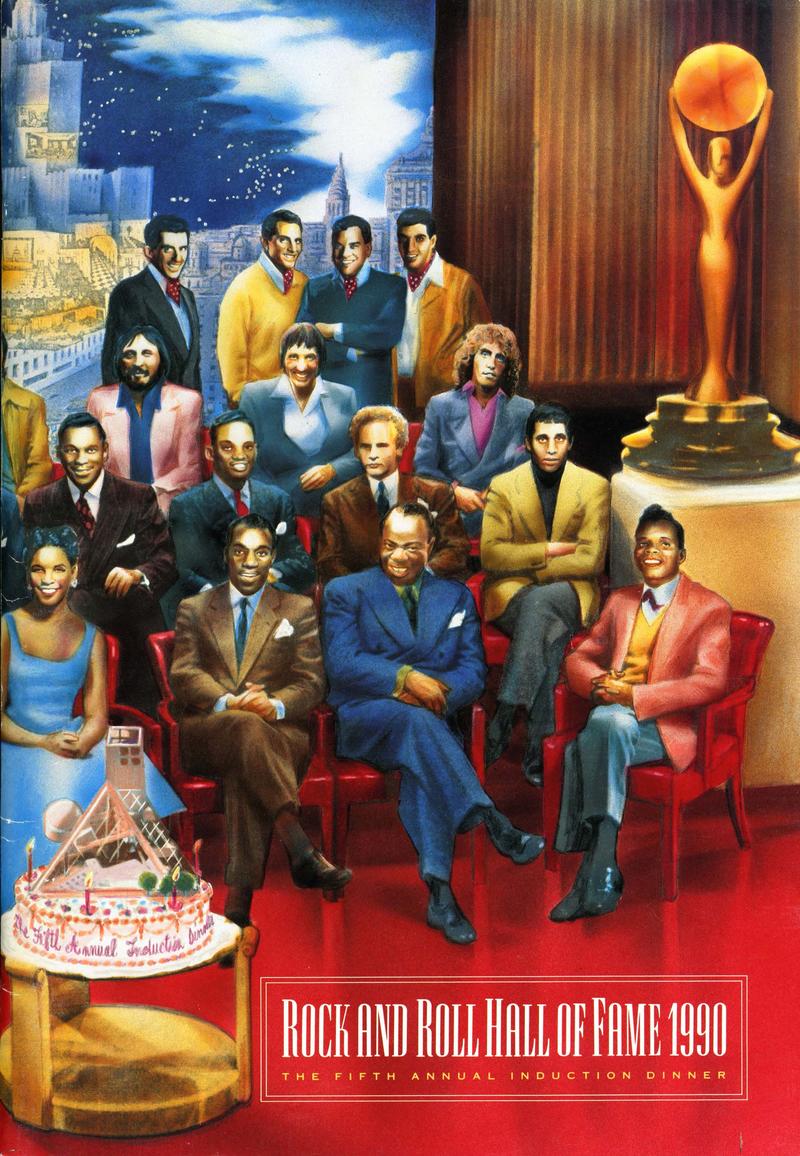
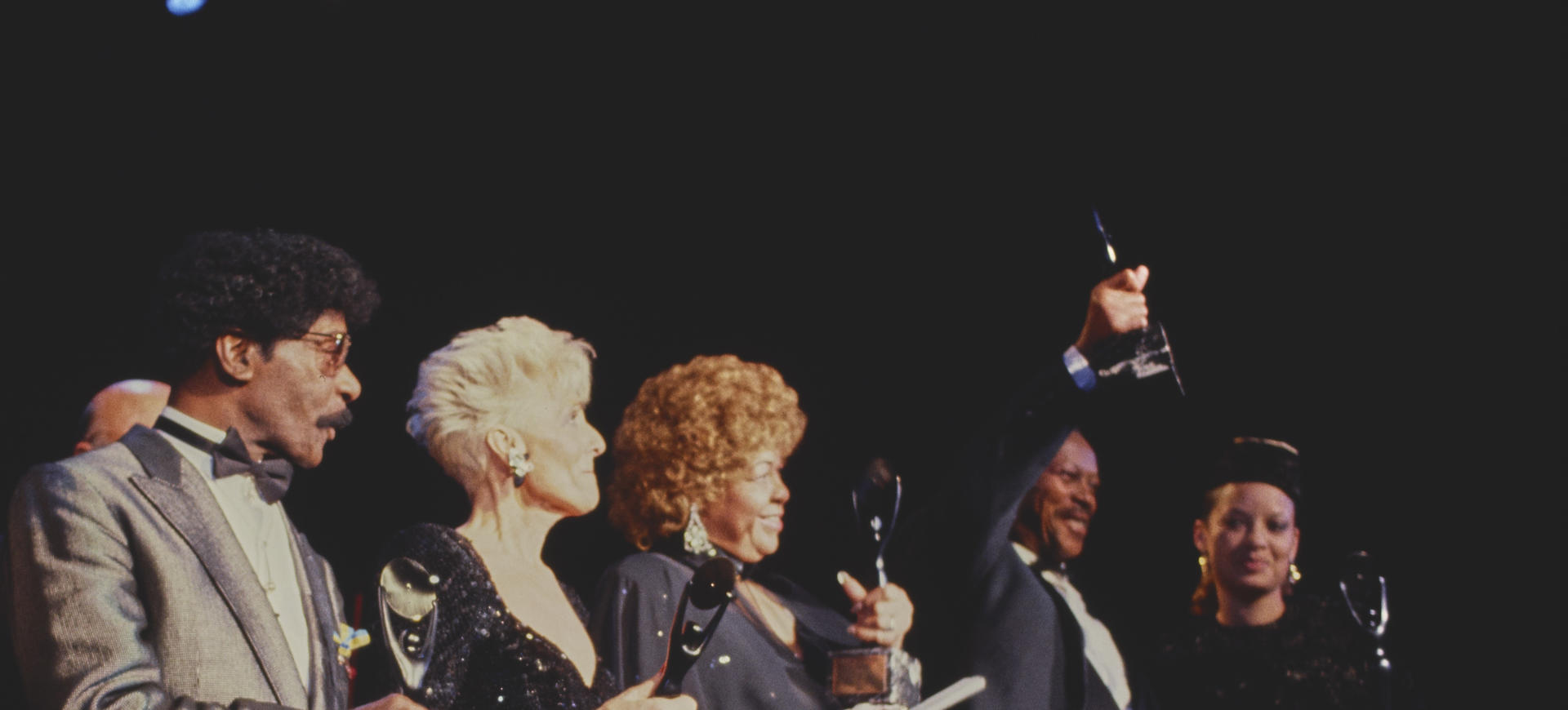
1990: The Who are inducted into the Rock and Roll Hall of Fame.
June 27, 2002: John Entwistle of the Who dies of a heart attack in Las Vegas, NV.
Essential Recordings
My Generation
Won’t Get Fooled Again
I Can See for Miles
I Can’t Explain
Pinball Wizard
Baba O’Riley
Substitute
Magic Bus
Who Are You
Happy Jack