Rock and Roll Hall of Fame and Museum

Traffic

Induction Year: 2004

Induction Category: Performer


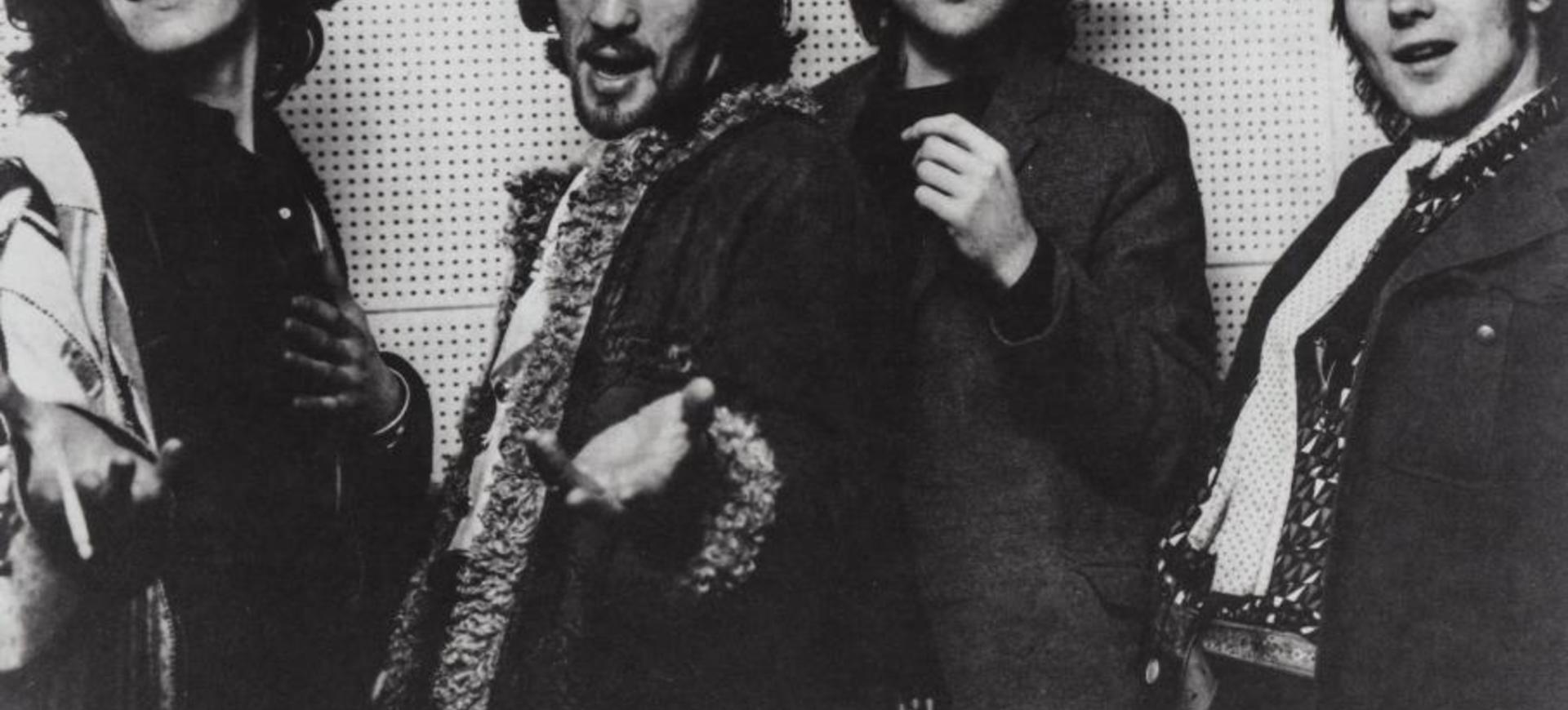
Jim Capaldi (drums, percussion, vocals; born August 24, 1944, died January 28, 2005), Dave Mason (guitar, vocals; born May 10, 1946), Steve Winwood (keyboards, guitar, bass, vocals; born May 12, 1948), Chris Wood (flute, saxophone, bass, organ, percussion; born June 24, 1944, died July 12, 1983)

Traffic operated on the cutting edge of the late-Sixties music scene at a time of rapid and remarkable evolution. Along with such kindred spirits as and the Experience, Traffic expanded rock’s sonic palette. But whereas most progressive British bands were based in London, Traffic retreated to the British countryside. A key component of Traffic’s mythology is their communal stone cottage in Berkshire, where the group could soak up bucolic inspiration and work without distraction. It was here the group wrote and rehearsed material for Dear Mr. Fantasy and Traffic, among the more remarkable albums of the Sixties.

Those albums were early chapters in what turned out to be a fitful yet fruitful career. The Traffic story is marked with breakups, reunions and personnel realignments. Between 1967 and 1974 they had as few as three and as many as seven members. However, the group always revolved around the trio of keyboardist/guitarist Steve Winwood, drummer Jim Capaldi (drums, vocals) and hornman Chris Wood. And despite the changes, they remained one of the most organic bands of the rock and roll era.

A union of musicians from Birmingham, in the British midlands, Traffic was designed to be experimental and open-ended. Yet because they all loved blues, soul and jazz, their foundations made them accessible, as well. As vocalist and organist with the Spencer Davis group, Winwood had already tasted pop success with such soul-tinged pop hits as “Keep On Running” (#1 U.K.., #76 U.S.), “Somebody Help Me” (#1 U.K., #47 U.S.), “Gimme Some Lovin’” (#2 U.K., #7 U.S.) and “I’m a Man” (#9 U.K., #10 U.S.).

Winwood was only 15 when he joined the Spencer Davis Group with his older brother Muff, who played bass. Having turned 18 in the heady year of 1967, the precocious teenager wanted to explore the more creative side of the burgeoning music scene and his own far-ranging interests in jazz, blues, rock and skiffle. He joined forces with Capaldi and Wood, late of Deep Feeling, a Birmingham-based psychedelic group. The fourth member was Dave Mason, who’d been a Spencer Davis Group roadie. It was a potent union of talented, visionary musicians. Even in his teens, Winwood’s voice bore hints of soulful fire, and he could play a variety of instruments. Capaldi was a powerful drummer and adroit lyricist. Chris Wood’s reeds brought a jazzy, exotic flavor to the music. Mason was a fluid guitarist and superb songwriter.

Capaldi conjured the name Traffic while standing on a streetcorner, and he catalyzed the group’s formation. Traffic’s first recording, “Here We Go Around the Mulberry Bush” (#8 U.K.), was the title track for an obscure movie. Their first album, Mr. Fantasy, appeared in 1968. The British and American versions differed markedly, from their covers to the music inside. In the U.S., two cuts were dropped and four others added, and the running order was radically rearranged. Both versions had “Dear Mr. Fantasy” - a smoldering union of soul and psychedelia - in common. Traffic’s experimental chemistry flowered in the countryside, and they paid tribute to the rural environment that sustained them in “Berkshire Poppies.” “We try to get as much color into our lives as possible,” the group said of life in their beloved stone cottage. “We see movements and roam through the temple of our minds.” The group applied such outré touches as sitar and backwards drum tracks to cuts like “Hole in My Shoe” (#2 U.K.) and “Paper Sun” (#5 U.K.), which were both big hits in their homeland. In America, by contrast, Traffic was the consummate album band, never charting a Top Forty single.

Traffic’s self-titled second album, also released in 1968, was a masterpiece.

Traffic

included a bluesy plaint from Mason, “Feelin’ Alright,” that later became a hit for Joe Cocker. Winwood gave an emotive performance on the tormented “No Time to Live” and cooked up a New Orleans groove on “Pearly Queen.” The group explored psychedelia on “40,000 Headmen” and incorporated West Indian rhythms in “Vagabond Virgin,” cowritten by Mason and Capaldi. Mason also contributed an infectious singalong, “You Can All Join In.”

All through this period, Mason was an on-again, off-again member who wasn’t even pictured on the American version of Mr. Fantasy. Musical wanderlust drew Winwood away in 1969, when he joined and Ginger Baker (of ) and bassist Ric Grech (of the British group Family) in the short-lived supergroup Blind Faith. A third Traffic album, Last Exit, was assembled from non-album singles and live recordings. The group proved to be a phoenix, however, reassembling sans Mason to record John Barleycorn Must Die (1970), their highest-charting album (#5). It was highlighted by the haunting title track, a traditional British folk song; the funky instrumental “Glad”; and the stormy “Freedom Rider,” whose urgency and drive captured Traffic at its best. Mason briefly rejoined for a half-dozen British concerts, from which Live at the Canteen (1971) - which included the old Spencer Davis Group hit “Gimme Some Lovin’” - was culled.

For its next chapter, Traffic grew in size. Musicians who passed through the band in the early Seventies included bassist Ric Grech, African percussionist Reebop Kwaku Baah, drummer Jim Gordon, and David Hood and Roger Hawkins of the Muscle Shoals Rhythm Section. The early Seventies yielded Low Spark of High-Heeled Boys (1971), Shoot Out at the Fantasy Factory (1973), and the live On the Road (1973). The brooding, jazzy “Low Spark of High Heeled Boys” - which ran for over 11 minutes - triggered Traffic’s greatest popularity. Low Spark sold over a million copies as Traffic became one of the darlings of album-oriented radio.

Yet Winwood came to feel the group had run its course, and Traffic gave its last performance on August 31, 1974. Having contracted to a four-piece band - Winwood, Capaldi, Wood and bassist Rosko Gee - they cut one more studio album, When the Eagle Flies (1974), before calling it a day. Winwood and Capaldi thereafter pursued solo careers. Chris Wood died in 1983 after a long illness. The book on Traffic seemed to be closed, but then Winwood and Capaldi teamed up in the early Nineties, tapping into the group mystique one more time for an album, Far From Home (1993), and tour. At some stops they opened for .

Winwood has spoken about what made Traffic unique and different. “We just wanted to make music that had our own freedom and was more natural,” he said. “If we wanted to do a nine-minute song, we’d do a nine-minute song. If we wanted a two-and-a-half-minute intro before the vocal came in, or if the hook didn’t come in until five minutes into the song, we didn’t care about it.” By caring more about music than commercial considerations, Traffic tapped into a magical motherlode.

TIMELINE

June 24, 1944: Chris Wood of Traffic is born in Birmingham, England.

August 24, 1944: Jim Capaldi of Traffic is born in Worcester, England.

May 10, 1945: Dave Mason, solo artist and member of Traffic, is born in Worcester, England.

May 12, 1948: Steve Winwood - of Traffic, the Spencer Davis Group, Blind Faith and solo fame - is born in Birmingham, England.

June 1, 1967: Traffic’s first single, “Paper Sun,” enters the U.K. charts, where it will peak at #5.

October 2, 1967: Traffic’s biggest British hit, “Hole in My Shoe,” peaks at #2.

December 1967: Traffic’s debut album, Mr. Fantasy, is released.

October 1968: Traffic’s landmark second album, Traffic, is released. This same month, Steve Winwood and Chris Wood play on sessions for Electric Ladyland, by the Experience.

January 1969: Traffic breaks up for the first time, as Steve Winwood departs to join the short-lived supergroup Blind Faith.

June 7, 1969: Blind Faith - comprising Steve Winwood, , Ginger Baker and Ric Grech - debuts at a free concert at London’s Hyde Park for a crowd of 100,000.

April 1970: A year after breaking up, a reunited Traffic releases John Barleycorn Must Die. It becomes the highest-charting album of their career, reaching #5.

August 1970: The highly regarded debut album by Traffic’s Dave Mason, Alone Together, peaks at #22.

July 1971: An expanded lineup of Traffic performs six British shows, resulting in the release of the popular Live at the Canteen that fall.

December 11, 1971: Traffic releases its biggest-selling album, The Low Spark of High Heeled Boys, whose lengthy title track becomes a favorite of album-oriented radio.

April 1973: Traffic releases Shoot Out at the Fantasy Factory, which contains the title track and the confessional “Sometimes I Feel So Uninspired.”

August 31, 1974: Traffic gives its farewell performance at Britain’s annual Reading Festival.

September 1974: Traffic releases When the Eagle Flies, disbanding shortly thereafter.

July 12, 1983: Chris Wood of Traffic dies of liver failure.

1991: A two-disc Traffic compilation, Smiling Phases, is released.

May 3, 1994: Steve Winwood and Jim Capaldi revive Traffic, releasing Far From Home and touring for the first time in 20 years.

August 14, 1994: The reunited Traffic performs at Woodstock ’94.

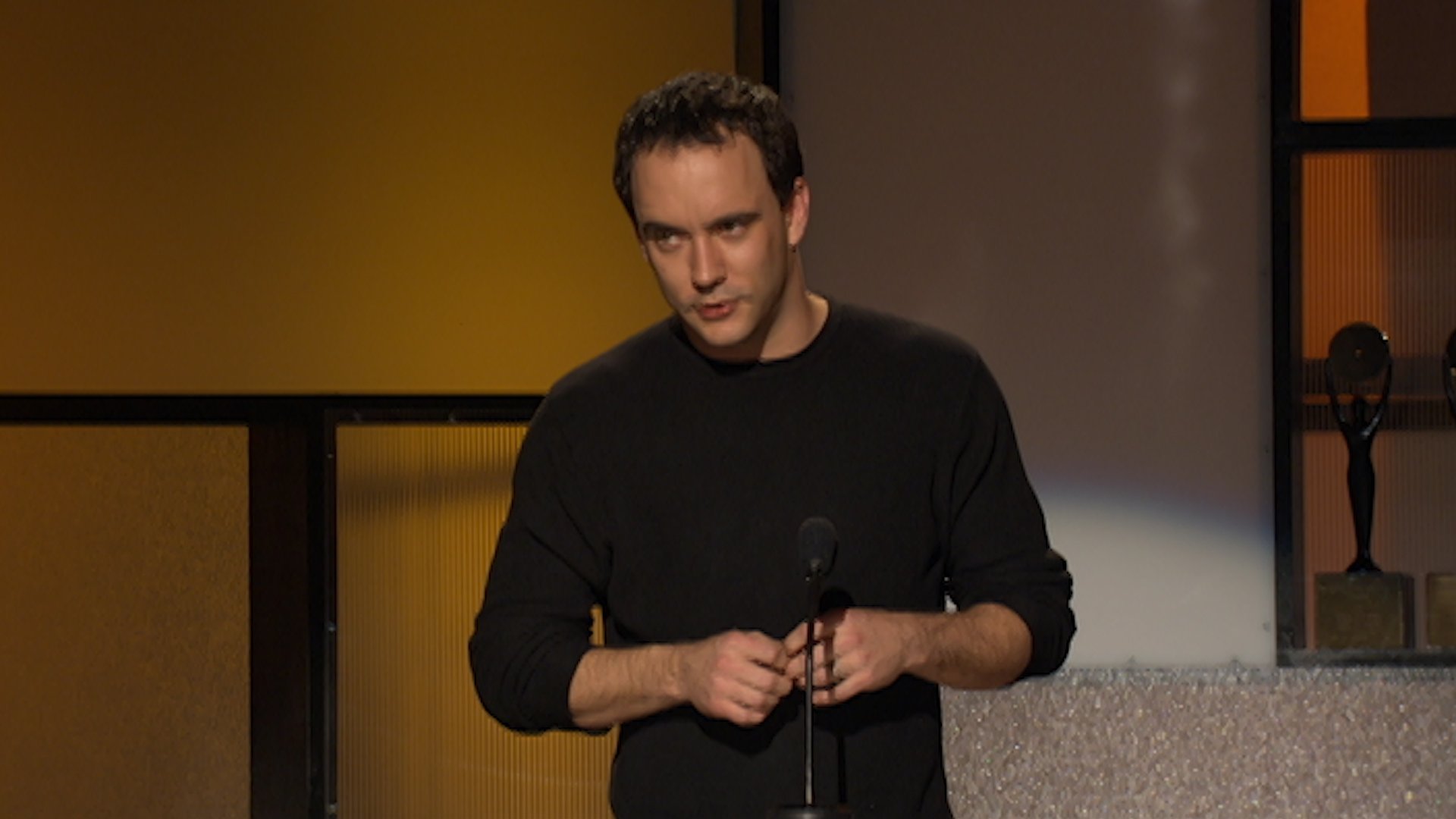
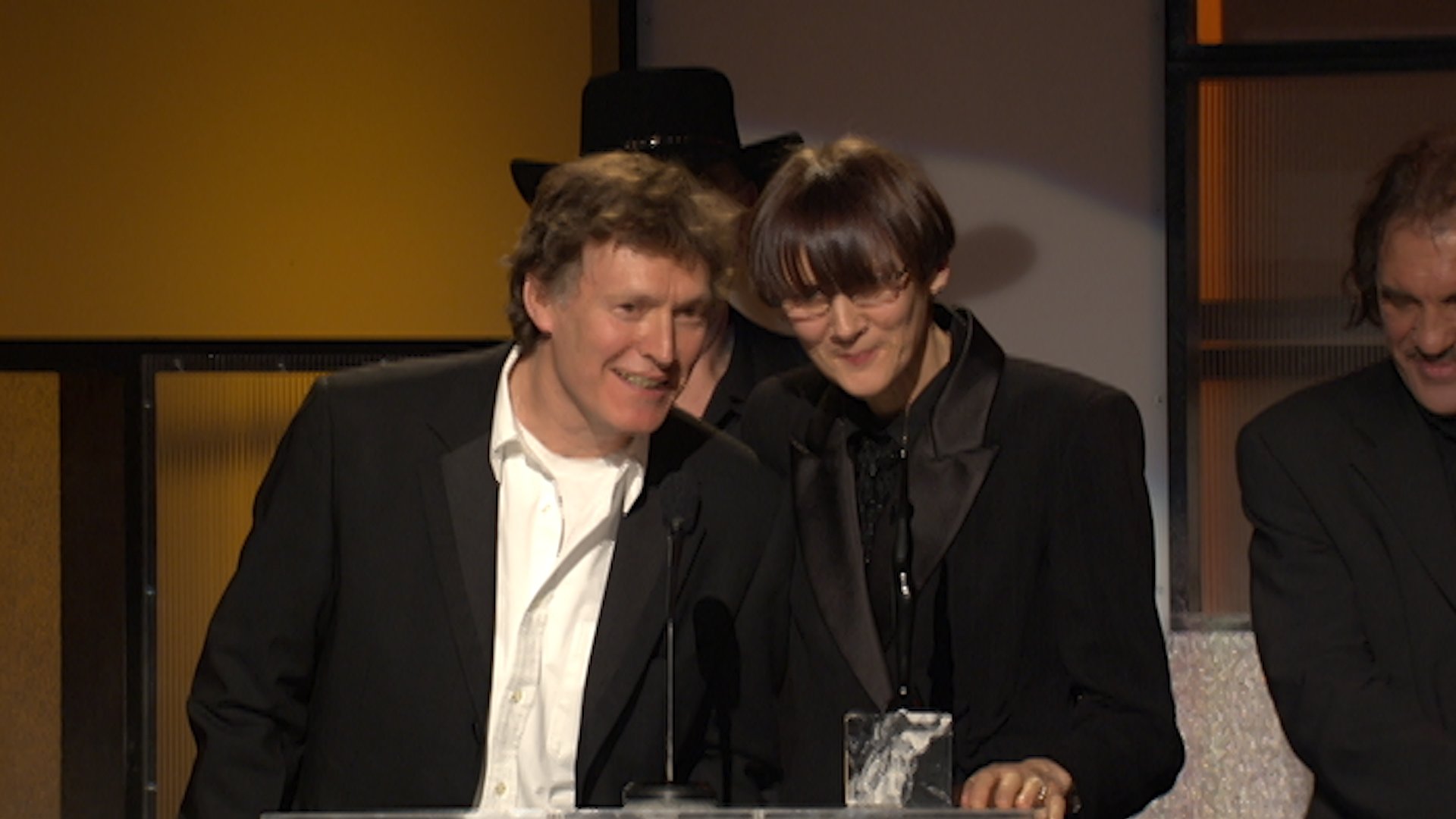
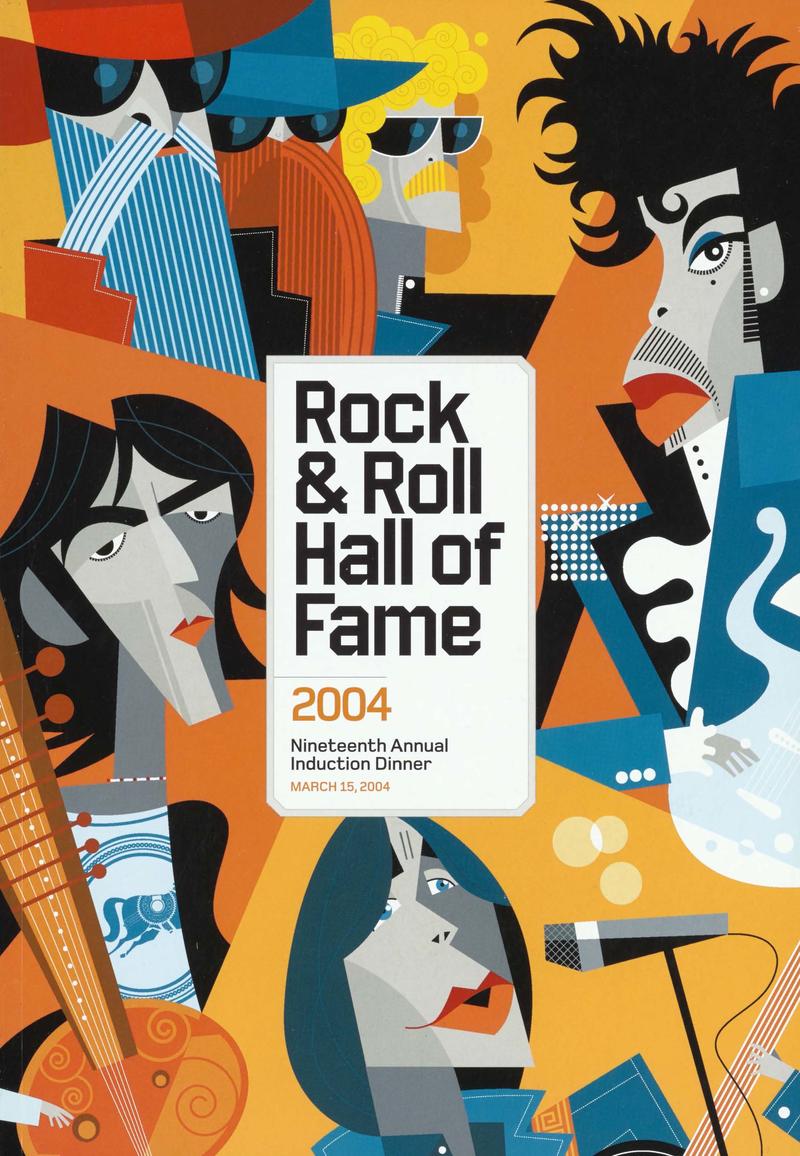
March 15, 2004: Traffic is inducted into the Rock and Roll Hall of Fame at the nineteenth annual induction dinner. Dave Matthews is their presenter.

Essential Songs

Dear Mr. Fantasy
Low Spark of High-Heeled Boys
Paper Sun
Feelin’ Alright
John Barleycorn
Heaven Is in Your Mind
Forty Thousand Headmen
Empty Pages
Medicated Goo
Smiling Phases

Recommended Reading

“A Last Look at Traffic: Who Knows What Tomorrow May Bring?”
David Dalton. Rolling Stone (May 3, 1969): 14-20.

“Steve Winwood: From Mr. Fantasy to Mr. Entertainment.”
Anthony DeCurtis. Rolling Stone (December 1, 1988): 46-53.

Steve Winwood: Roll With It
Chris Welch and Steve Winwood. New York: Perigee Books, 1989.


Ricky Nelson's LIFE Magazine Cover

Photo by Design Photography
Collection of the Estate of Rick Nelson