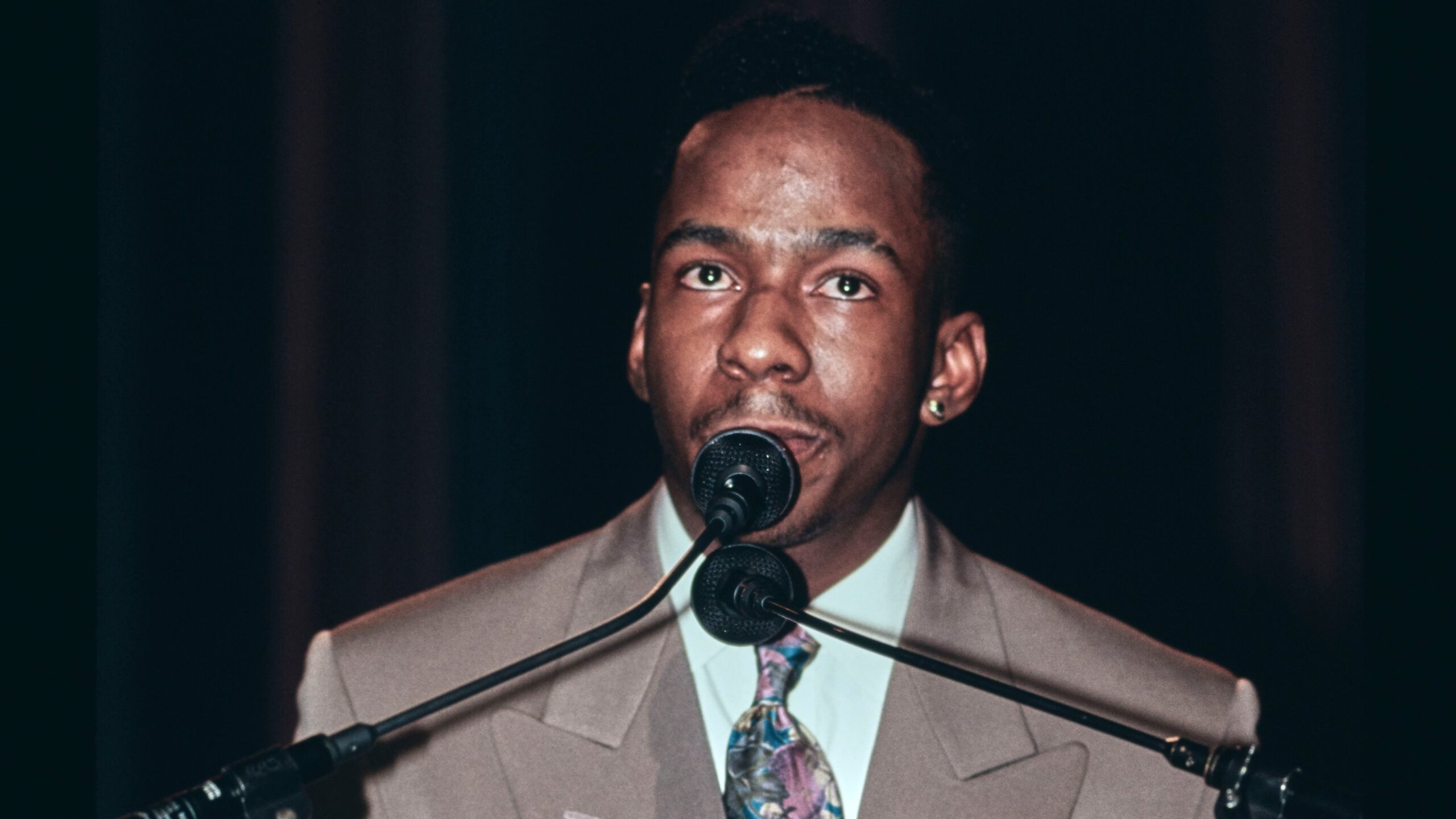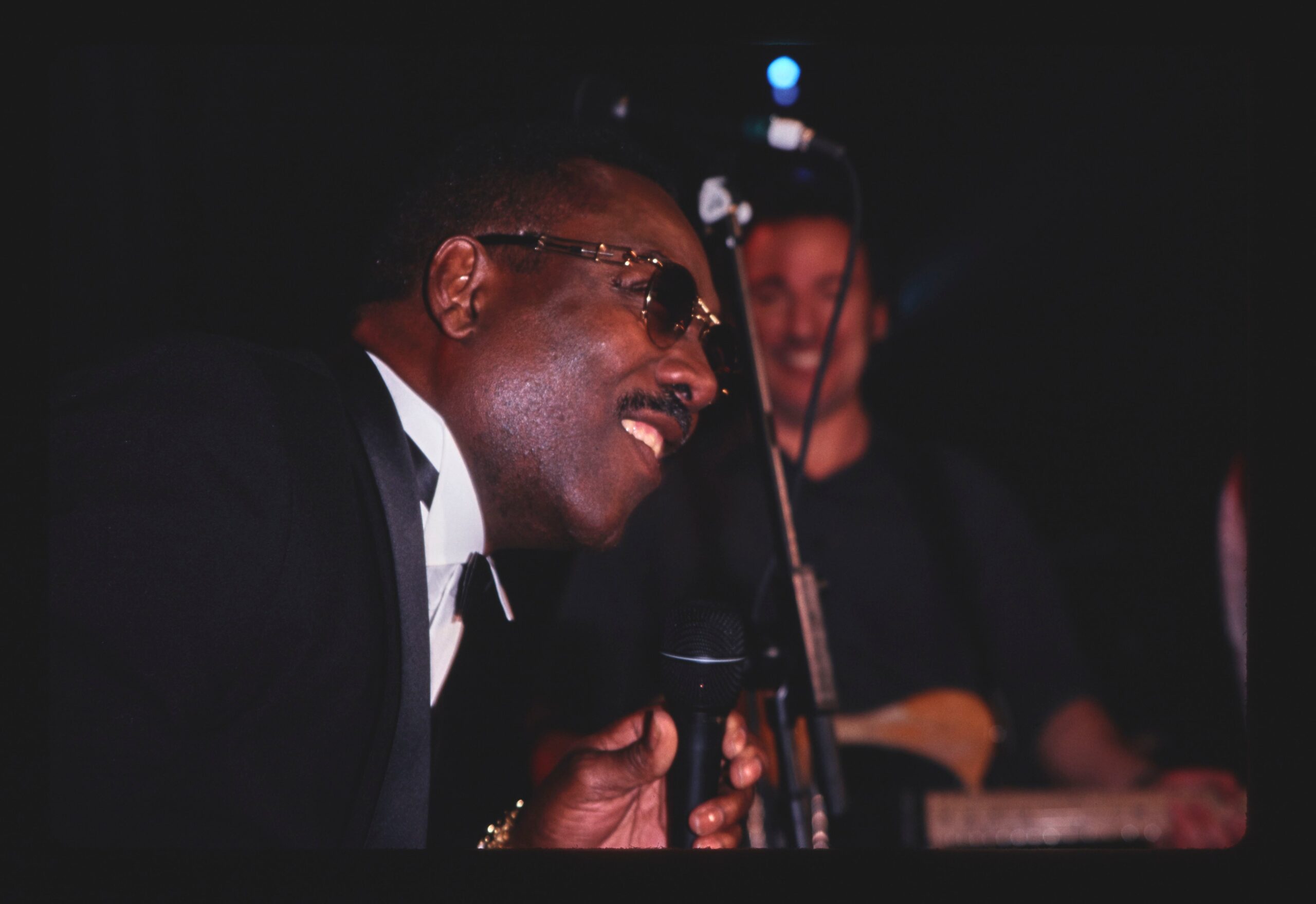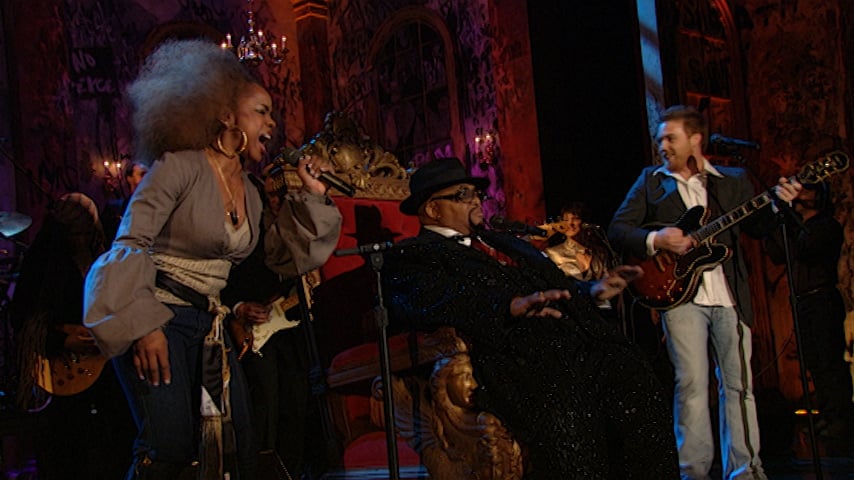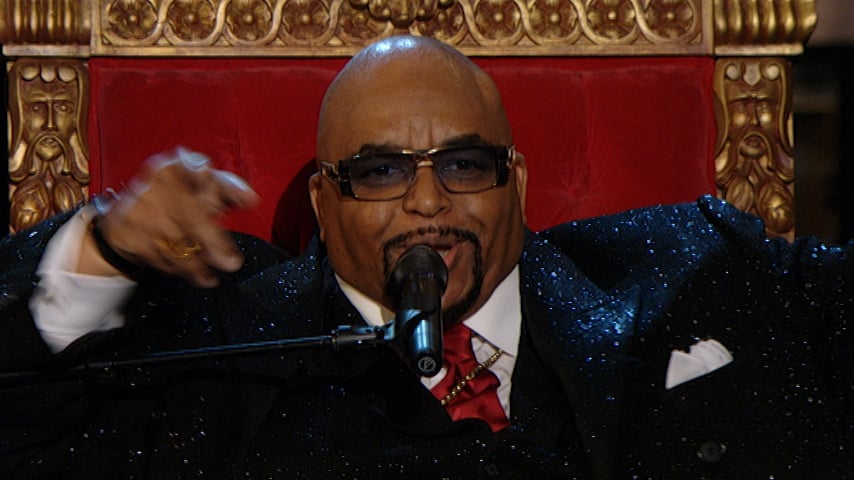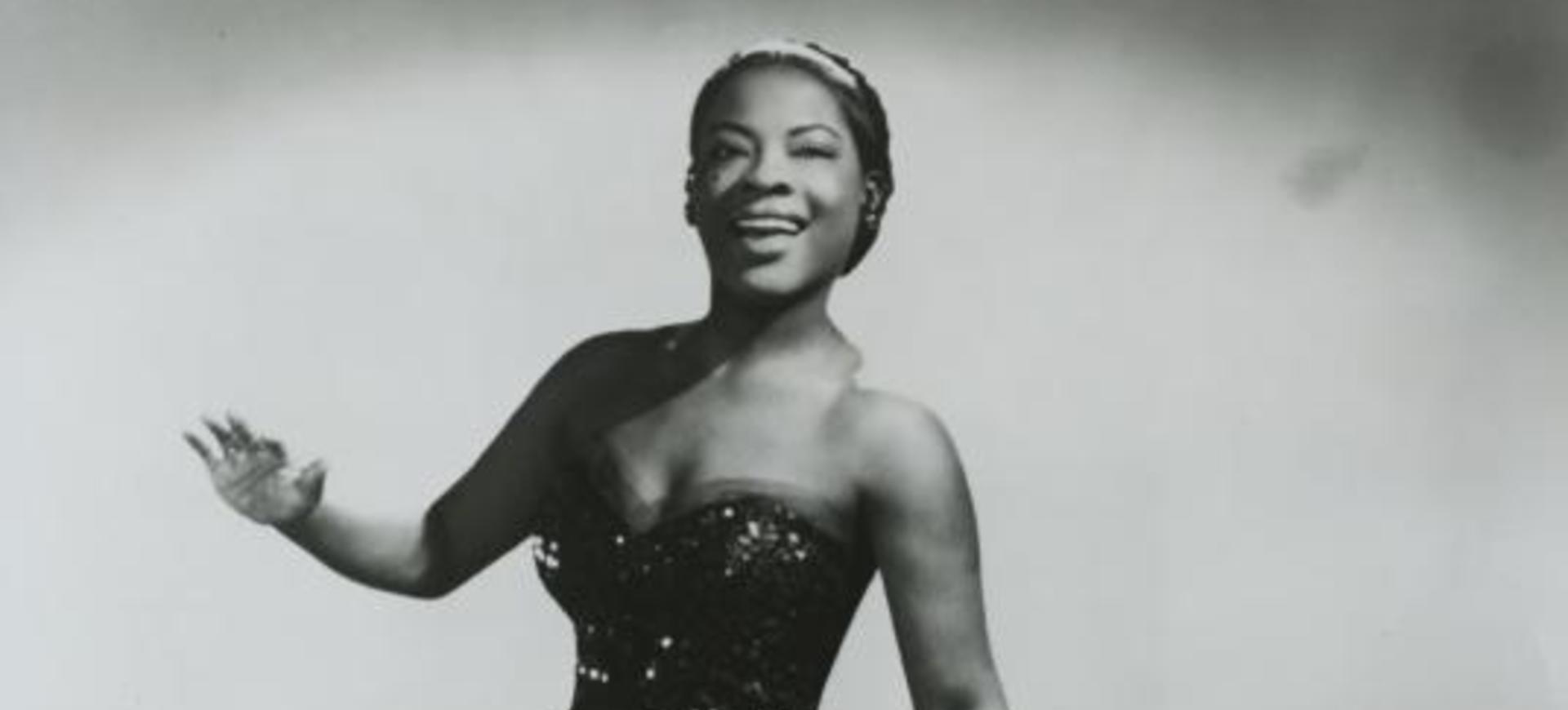
Wilson Pickett
Induction Year: 1991
Induction Category: Performer
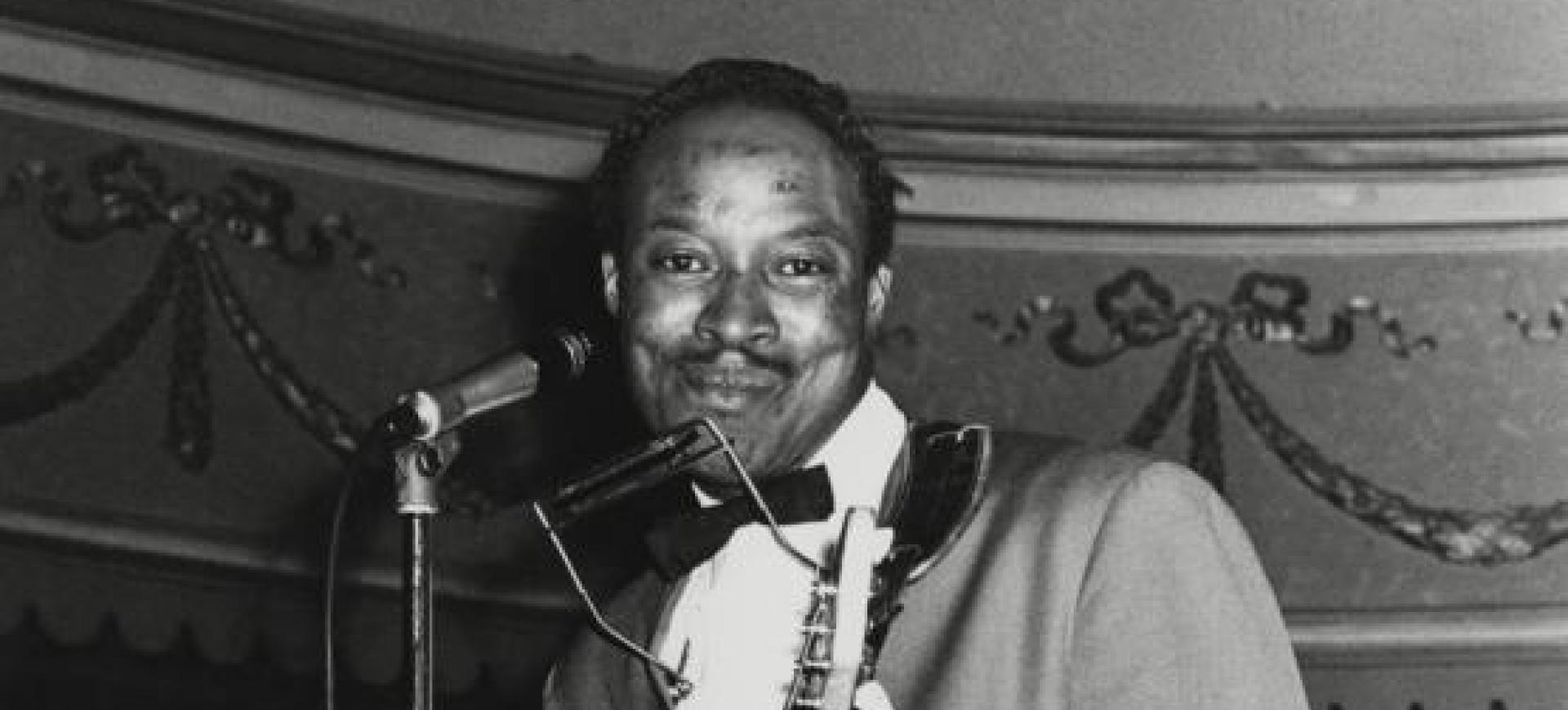
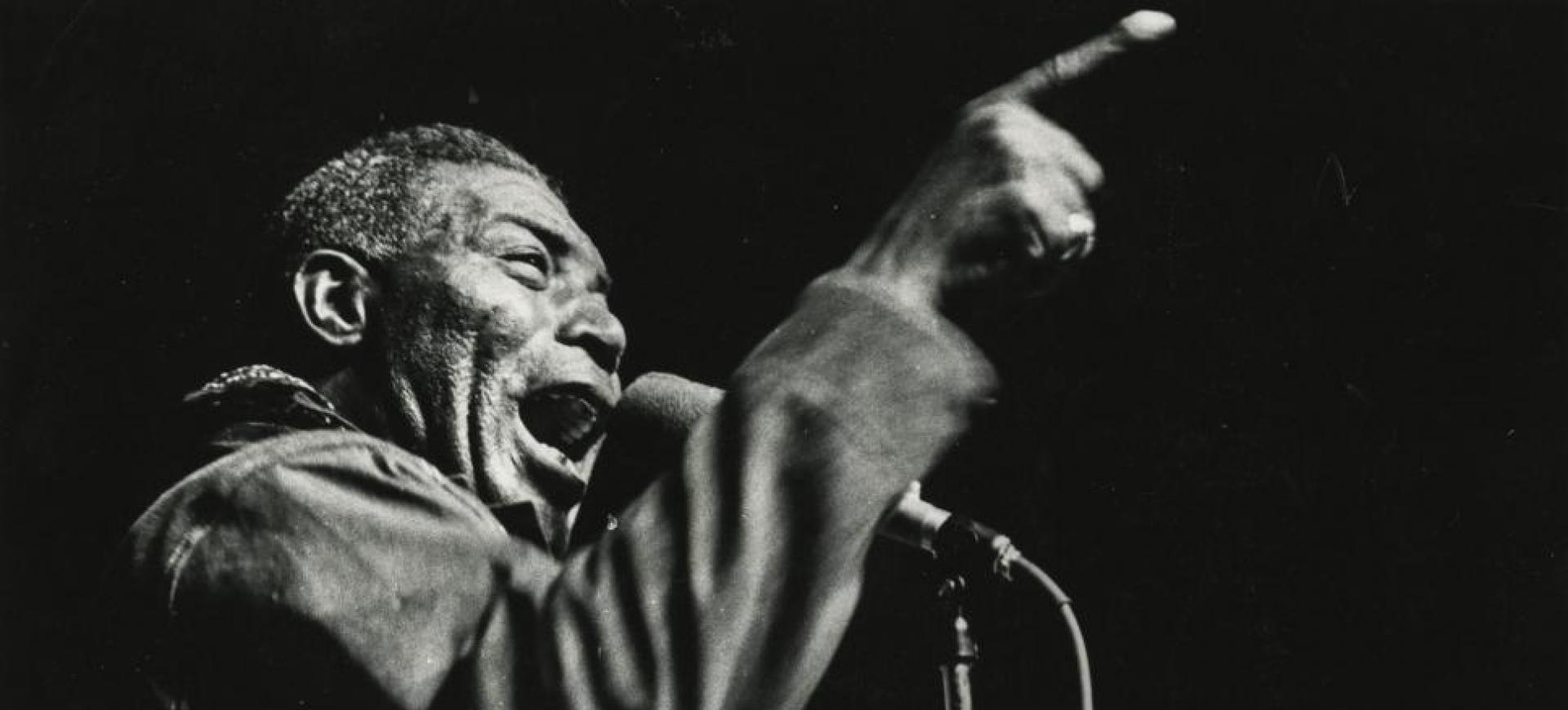
Wilson Pickett brought the gruff, throaty power of his gospel-trained voice to bear on some of the most incendiary soul music of the Sixties. Some of his best work, including “In the Midnight Hour” and “634-5789,” was cut in the mid-Sixties at Stax studios in Memphis and released on Atlantic Records. Pickett also connected with the crew of house musicians at Muscle Shoals, where, beginning in 1966, he cut such memorable soul smashes as “Land of 1,000 Dances,” “Mustang Sally” and “Funky Broadway.” Pickett enjoyed a steady run of hits on Atlantic for ten years, from 1963 to 1973, leaving behind a legacy of some of the deepest, funkiest soul music ever to emerge from the South.
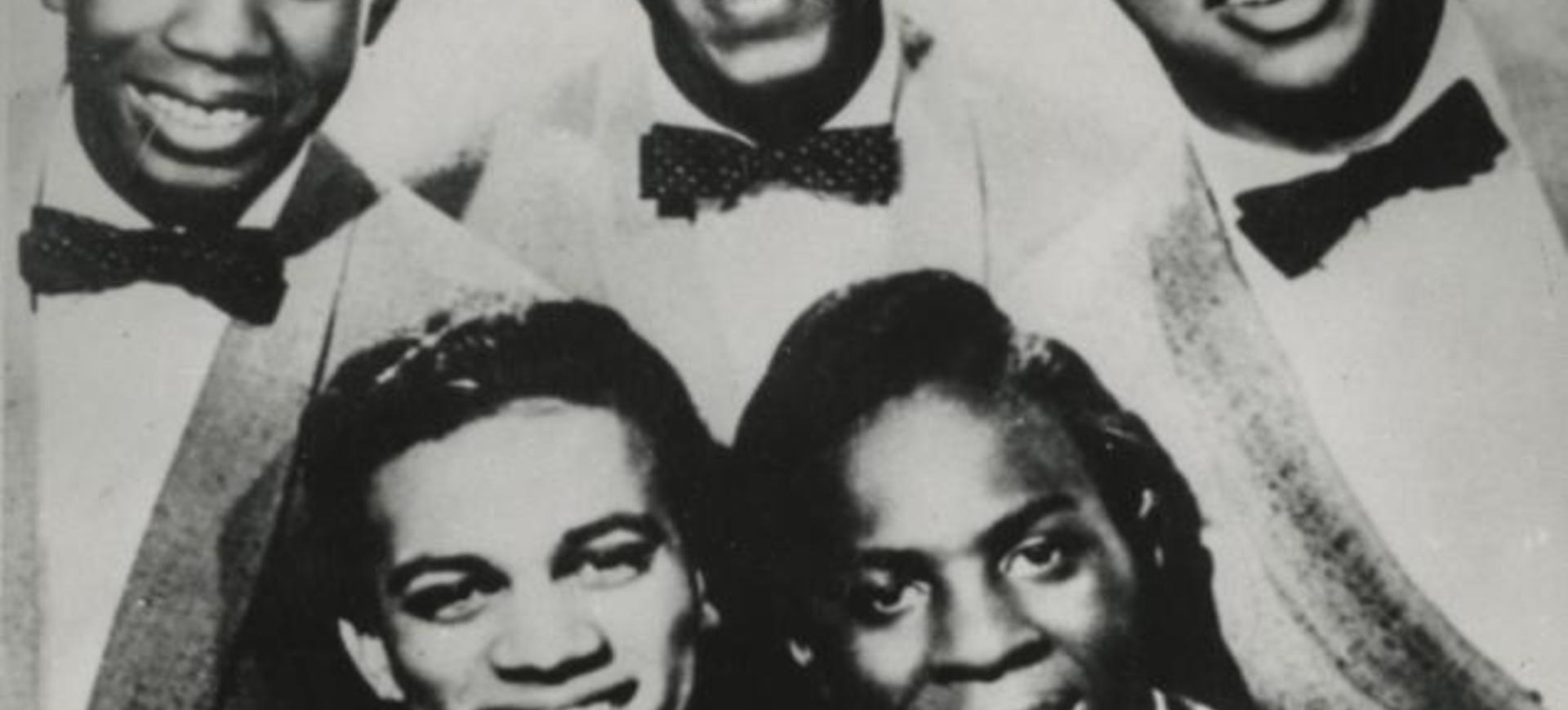
Pickett’s forceful style was nurtured in the Baptist choirs of his native Prattville, Alabama, and on the streets of Detroit, where he moved with his family as a teenager. After singing for four years in a locally popular gospel-harmony group, the Violinaires, Pickett crossed into secular music, joining the Falcons in 1959. In addition to Pickett, the Falcons included future soul stars Eddie Floyd and Sir Mack Rice. The Falcons’ gospel-influenced R&B style gave shape to the Detroit soul scene of the early Sixties, and their biggest hit, “I Found a Love,” eventually led to Pickett’s signing to Atlantic Records.
Nicknamed “the Wicked Pickett” for his boasting, uninhibited style, the gruff-throated singer came into his own during his 1965 sessions at Stax, arranged by Atlantic’s Jerry Wexler. Pickett collaborated with Booker T. and the M.G.’s guitarist Steve Cropper on “In the Midnight Hour,” one of the most enduring soul classics of all time. Its success signaled a new era of soul in which the focus shifted to the looser, funkier sounds of the South. It also launched a string of raucous hits by Pickett, whose gleeful swagger and raw sexuality - qualities particularly evident on 1968’s “I’m a Midnight Mover,” one of his biggest pop/R&B hits - anticipated the boasting persona adopted by rappers in subsequent decades.
The early Seventies, Pickett collaborated with the Philadelphia-based production team of Kenny Gamble and Leon Huff. He cut the album In Philadelphia (1970) and scored such sizable hits as “Engine Number 9” and “Don’t Let the Green Grass Fool You” in the emerging Philly-soul style, which would become a cornerstone sound of that decade. Unlike many of his contemporaries, Pickett remained a viable hitmaker well into the Seventies. His 1971 album Don’t Knock My Love yielded five charting singles, including the title track, a #1 R&B hit. Subsequently, Pickett recorded for other companies, including RCA and Motown, and even founded his own Wicked label in the mid-Seventies. Remaining active into the Eighties on the touring and recording fronts, Pickett continued to embody the notion of soul at its ferocious, unbridled best.
TIMELINE
March 18, 1941: Wilson Pickett was born.
1965: Wilson Pickett hits #21 with “In the Midnight Hour”.
1966: Wilson Pickett hits #6 with “Land of 1000 Dances”, #13 with “634-5789” and #23 with “Mustang Sally”
1967: Wilson Pickett hits #8 with “Funky Broadway”.
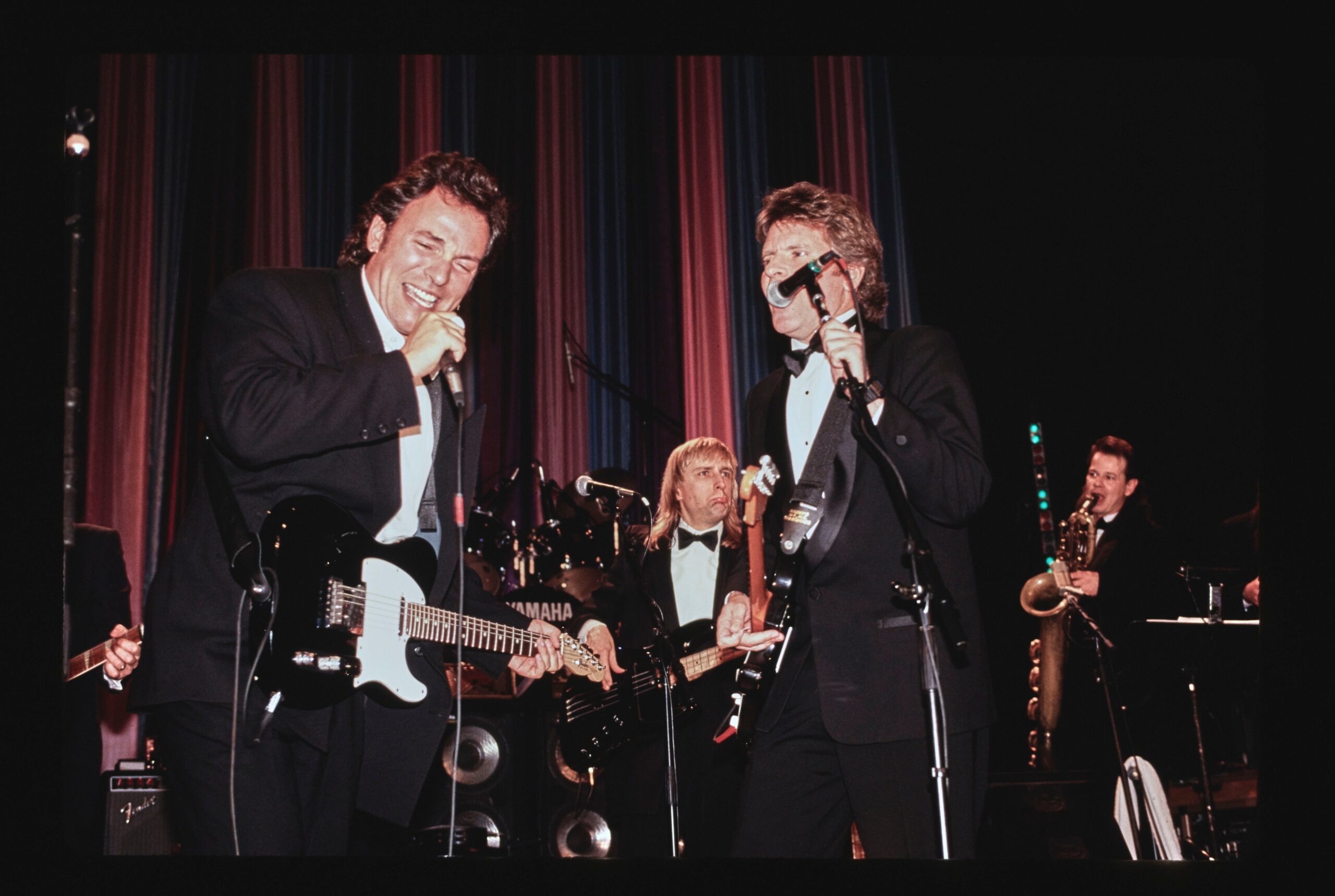
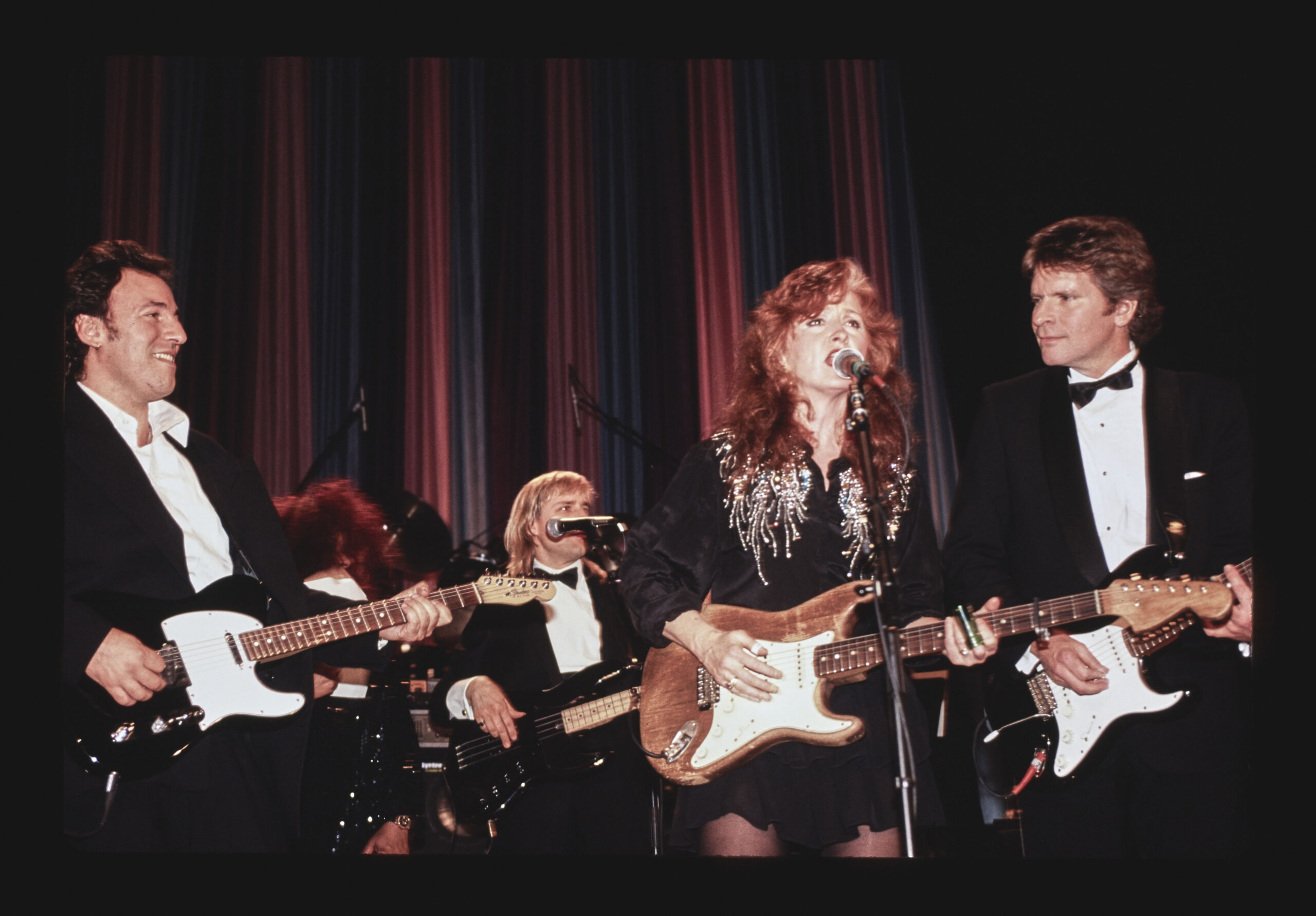
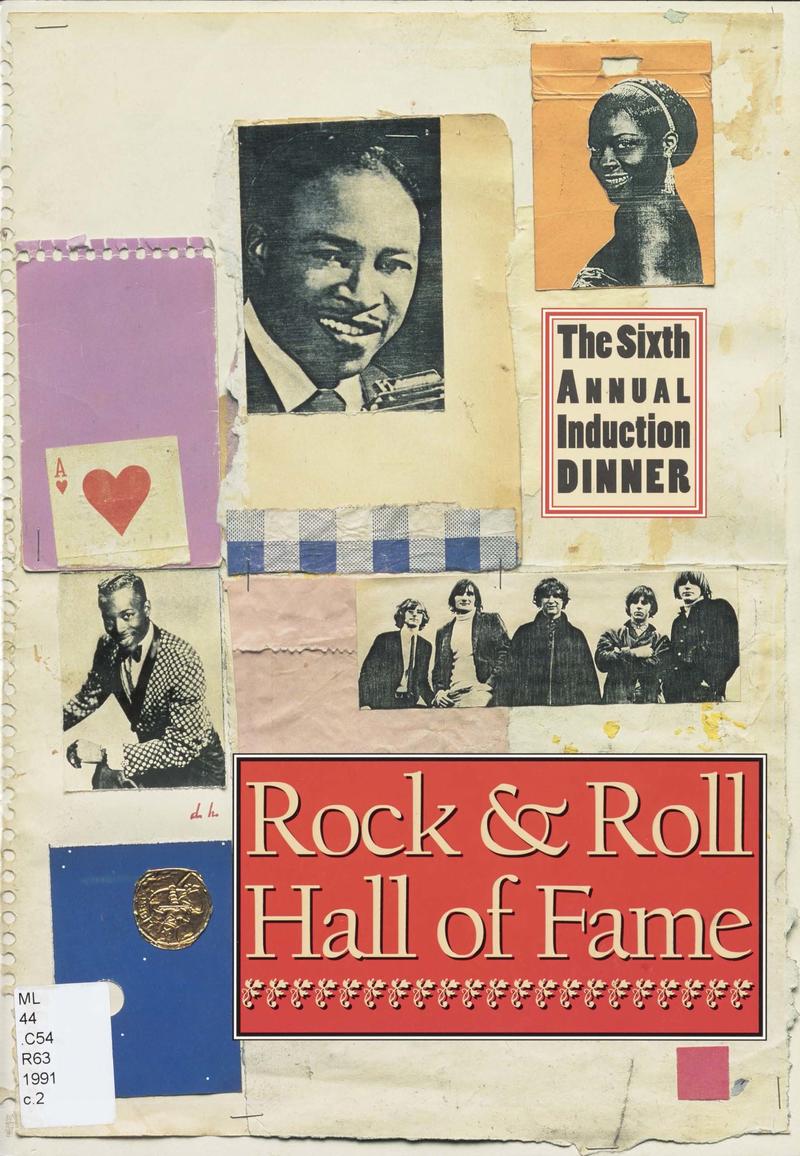
1991: Wilson Pickett is inducted into the Rock and Roll Hall of Fame.
January 19, 2006: Wilson Pickett dies at a hospital in Reston, Virginia at the age of 64 after suffering a heart attack.
Essential Songs
In the Midnight Hour
Land of 1,000 Dances
Mustang Sally
634-5789
Ninety-Nine and a Half (Won’t Do)
Don’t Fight It
Hey Jude
I’m a Midnight Mover
Funky Broadway
Don’t Let the Green Grass Fool You